中文简体
中文简体 English
 日本語
日本語 русский
 Español
Plain wet-laid spunlace composite non-woven fabric is a versatile material designed for manufacturers that need a balanced combination of softness, absorbency, strength, cleanliness, and processing flexibility. It is suitable for wet wipes, household and industrial wipes, medical operating clothing, padding, and other hygiene or technical applications in which dependable performance is essential. By combining selected pulp fibers with viscose, Tencel, polyester, or polypropylene, the material can be adapted to different product objectives, including flushability, durability, water absorption, oil absorption, surface smoothness, and resistance to tearing during use.
The product is manufactured through a composite process that integrates wet-laid fiber formation, single-carding, spunlace entanglement, and optional off-line hot embossing. This sequence allows the producer to control the distribution and bonding of fibers while maintaining a soft, uniform surface. The plain structure is especially practical for customers who want a clean appearance, reliable converting performance, and the option to customize patterns, colors, fiber ratios, basis weights, and composite configurations.
For international brands, converters, and private-label manufacturers, the material offers more than a standard non-woven substrate. It provides a platform for developing differentiated wipes and medical products. A customer may choose a wood-pulp and viscose blend for a soft, biodegradable, and flushable wipe, a polyester and wood-pulp blend for stronger household cleaning applications, or a polypropylene and pulp composite where specific processing and performance requirements call for a different fiber combination.
Plain Wet-laid Spunlace Composite Non-woven Fabric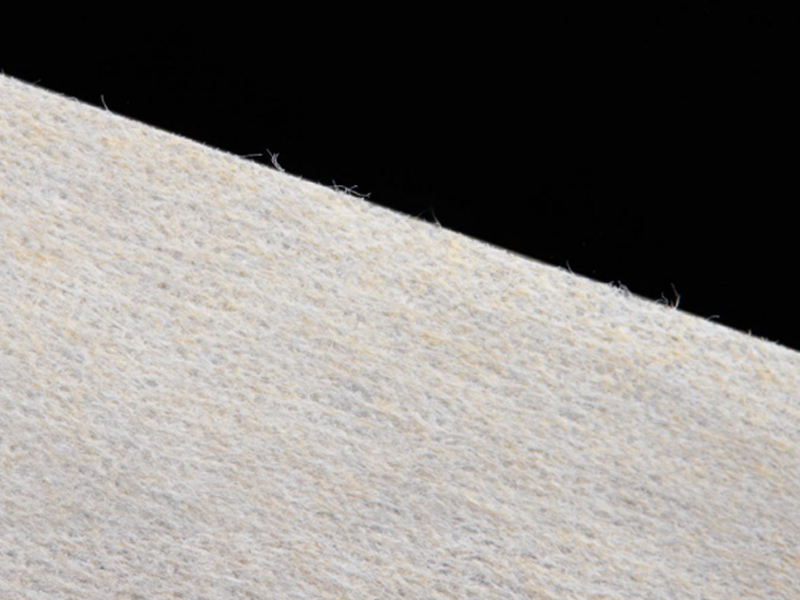
What Is Plain Wet-Laid Spunlace Composite Non-Woven Fabric?
Plain wet-laid spunlace composite non-woven fabric is an engineered sheet material made from a combination of natural and synthetic fibers. Unlike woven fabrics, it is not produced by interlacing yarns. Instead, fibers are formed into a web and bonded through mechanical entanglement. In the wet-laid stage, fibers are dispersed in a liquid medium and deposited in a controlled manner to create a relatively uniform web. Subsequent carding and spunlace processing improve the web structure, surface integrity, softness, and strength.
The main raw materials include wood pulp, bamboo pulp, viscose, Tencel, polyester, and polypropylene. Wood pulp and bamboo pulp contribute absorbency and a natural fiber character. Viscose and Tencel are valued for softness, liquid management, and a comfortable hand feel. Polyester can improve tensile strength, durability, and resistance to repeated wiping. Polypropylene offers a lightweight synthetic option that can be combined with pulp to create a composite structure suited to selected cleaning and hygiene products.
The term “plain” refers to the basic surface appearance of the finished material. A plain surface is smooth, simple, and suitable for high-volume production. However, the pattern is not limited to plain designs. Customers can request customized patterns according to the intended use, brand positioning, converting equipment, or consumer preferences. Hot embossing may be used off line to create a visual or functional surface effect without changing the fundamental fiber composition.
The available basis weight range is approximately 30 to 90 grams per square meter, with customized specifications available within the capabilities of the manufacturing line. This range allows the material to serve both lightweight wipe applications and heavier products that require enhanced coverage, strength, or liquid-holding capacity.
Key Product Characteristics
Soft and Smooth Surface
One of the most important advantages of the material is its smooth and soft surface. This characteristic is particularly valuable in infant wipes, female-care wipes, hemorrhoid wipes, cleansing wipes, and other products that may come into contact with sensitive skin. The wet-laid and spunlace combination helps create a more uniform fiber arrangement than a loosely formed web, while the selected blend can be adjusted to achieve the desired hand feel.
Softness is not only a comfort feature. It also influences consumer perception of quality. A wipe that feels gentle, even, and substantial is more likely to be regarded as a premium product. By selecting different proportions of pulp, viscose, Tencel, polyester, or polypropylene, manufacturers can tune the balance between softness, absorbency, wet strength, and cost.
High Water and Oil Absorption
The use of pulp-based fibers gives the fabric strong liquid-management potential. Wood pulp and bamboo pulp can absorb and retain water-based solutions, making them suitable for wet wipes and cleaning materials. The internal structure of the web also provides space for liquid retention, helping the wipe carry lotion or cleansing solution during use.
For household and industrial wipes, oil absorption can be equally important. A suitable fiber blend and basis weight can help the material pick up oil, grease, dust, and other contaminants from surfaces. The ability to absorb liquid while maintaining structural integrity supports efficient wiping and reduces the need for repeated passes over the same area.
Uniform Appearance
Uniformity is essential for both consumer products and industrial converting. A well-controlled web provides a consistent visual appearance across the roll. Uniform distribution reduces the risk of visibly thin areas, uneven color, or inconsistent performance. It also helps converting operations such as cutting, folding, wetting, stacking, packaging, and roll handling.
The standard white and wood-color options serve different market objectives. White provides a clean and familiar appearance for medical, baby, personal-care, and household products. Wood color can emphasize a natural or environmentally oriented product concept. Colors in the approximate range of 30° to 80° can be customized, subject to production requirements and the selected application.
Strength and Durability
Softness and absorbency are important, but a wipe must also remain intact during dispensing and use. The spunlace process mechanically entangles fibers throughout the web, helping create a coherent structure without relying exclusively on chemical binders. The resulting material can offer useful tensile strength, tear resistance, and durability for wiping operations.
Different fiber combinations provide different strength profiles. Polyester can reinforce a pulp-rich structure for household and industrial wipes. Polypropylene can be used in a composite design where a synthetic component is needed. A higher basis weight can also provide greater substance and coverage. These options allow manufacturers to match the material with the expected level of friction, moisture, pressure, and repeated handling.
Clean Wiping Performance
The fabric is designed to support clean and efficient wiping. A suitable surface can pick up moisture and contaminants without leaving obvious traces behind. This feature is useful for cleaning glass, surfaces, equipment, personal-care areas, and other items where streaking or lint transfer can reduce user satisfaction.
Performance depends on the selected fiber blend, lotion formulation, embossing pattern, and converting method. The material therefore functions as a flexible base rather than a one-size-fits-all substrate. Manufacturers can work with the supplier to select an appropriate construction for the required level of absorbency, softness, surface texture, and durability.
Raw Material Options and Their Functional Roles
| Raw Material | Main Contribution | Typical Product Direction |
|---|---|---|
| Wood pulp | Absorbency, softness, natural fiber content, liquid retention | Wet wipes, flushable products, cleaning wipes, medical materials |
| Bamboo pulp | Cellulosic absorbency and a natural-material positioning | Personal care, household wipes, and environmentally oriented products |
| Viscose | Softness, drape, liquid uptake, comfortable skin contact | Infant wipes, female-care wipes, cleansing wipes, medical applications |
| Tencel | Soft hand feel, moisture management, premium fiber character | High-end personal-care and skin-contact products |
| Polyester | Strength, durability, resistance to deformation during wiping | Household and industrial wipes |
| Polypropylene | Lightweight synthetic reinforcement and composite flexibility | Selected cleaning, hygiene, and technical applications |
Wood Pulp and Bamboo Pulp
Wood pulp is a foundational material for absorbent non-woven products. Its cellulosic structure supports liquid uptake and provides a soft, natural feel. It is particularly suitable for products where absorbency, flushability, and a fiber-based composition are priorities. Bamboo pulp can be used as an alternative or complementary cellulosic component when a customer wants to develop a product with a natural-material story.
Pulp content may be combined with regenerated cellulose fibers such as viscose or Tencel. In these constructions, the pulp supports absorbency while the longer fibers help provide web cohesion and handling strength. The exact ratio can be adjusted to meet product requirements, provided that the final construction remains compatible with the desired manufacturing and converting process.
Viscose and Tencel
Viscose is widely used in soft non-woven materials because it offers a comfortable surface and good liquid uptake. In an infant or personal-care wipe, viscose can help the product feel gentle against the skin. In combination with pulp, it can contribute to a balanced structure that is absorbent but easier to handle than a pulp-only sheet.
Tencel can be selected for applications requiring a soft, refined hand feel and an elevated product presentation. Its use may support premium positioning, especially when the product is marketed around comfort, skin friendliness, or fiber quality. As with all raw materials, performance should be evaluated in the complete formulation, including lotion, basis weight, folding format, and packaging system.
Polyester and Polypropylene
Polyester is a practical choice for wipes that need additional durability. Household and industrial wiping can expose a substrate to friction, corners, rough surfaces, oils, and repeated passes. A polyester and wood-pulp blend can help maintain integrity while preserving useful absorbency. The example specification of 50 percent polyester and 50 percent wood pulp at 80 grams per square meter illustrates a construction directed toward stronger wiping performance.
Polypropylene may be combined with wood pulp when a lightweight synthetic component is desirable. A construction containing polypropylene and pulp can be tailored for selected wipe and technical applications. The example specification of 10 percent polypropylene and 40 percent wood pulp at 50 grams per square meter demonstrates how a composite can be developed for a particular balance of material content and performance.
Advanced Manufacturing Process
Wet-Laid Web Formation
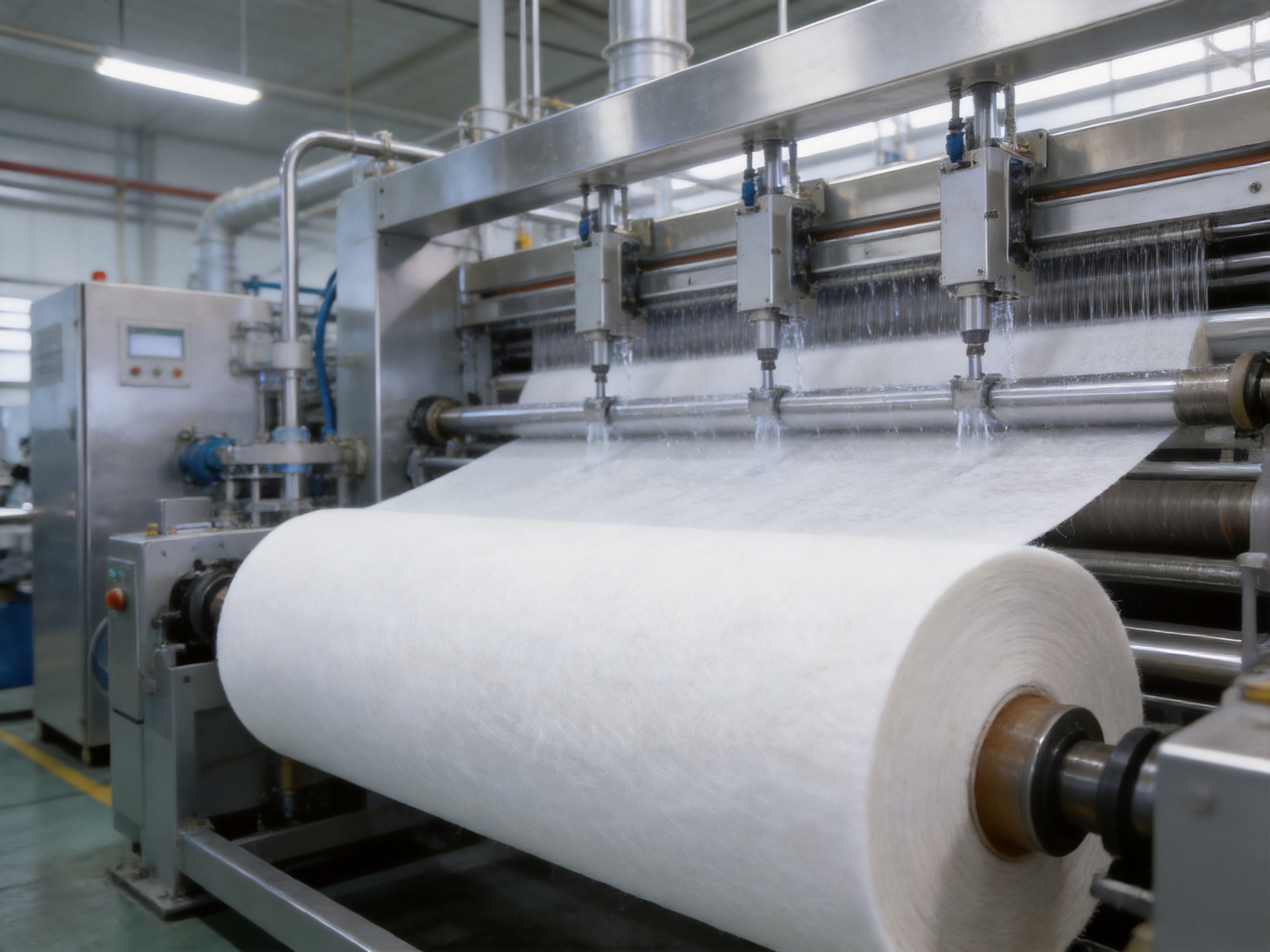
The manufacturing process begins with wet-laid fiber formation. Fibers are dispersed in a liquid medium, allowing the production system to distribute them across the forming area. This approach is beneficial when the product requires a relatively even web and a controlled mixture of different fiber types. It also supports the use of pulp and other short fibers that may be difficult to process into a uniform dry web by conventional methods alone.
Controlled dispersion is essential. If fibers are not properly separated and distributed, the finished fabric may contain weak areas, clumps, or variations in absorbency. Industrial wet-laid equipment and process control help manage suspension consistency, deposition, drainage, and web formation. The objective is to create a stable base for the following carding and spunlace stages.
Single-Carding
Single-carding is used to further organize and prepare the fiber web. Carding opens and distributes fibers, helping improve orientation and consistency. In a composite material, the carding stage must be coordinated with the wet-laid structure so that the fibers remain evenly integrated rather than separated into visibly different layers or zones.
The carding parameters influence the surface appearance, web density, fiber alignment, and subsequent entanglement behavior. A carefully controlled process helps support the plain appearance requested for the standard product while retaining the flexibility to develop customized patterns and structures.
Spunlace Entanglement
Spunlace bonding uses high-pressure water jets to entangle fibers mechanically. The jets pass through the web and cause fibers to wrap around and interlock with one another. This creates a coherent non-woven sheet without the need for a conventional woven construction. The process is well suited to wipes because it can produce a soft surface while maintaining useful strength and absorbency.
The energy, water pressure, line speed, web composition, and number of entanglement stages can influence the final material. Higher entanglement may improve integrity, while the fiber selection and basis weight continue to determine softness and absorption. The manufacturing team can therefore balance these factors according to whether the target product is a sensitive-skin wipe, a general-purpose household wipe, or an industrial cleaning material.
Off-Line Hot Embossing
Off-line hot embossing provides an additional customization step. It can create a surface pattern after the base non-woven fabric has been produced. Embossing may improve visual differentiation, influence surface contact, and provide a recognizable texture for a specific product line. Since it is performed separately from the main web-forming operation, customers can have greater flexibility when selecting a pattern or adapting the material to a particular converting design.
The standard product uses a plain pattern, but customized patterns are available. Pattern design should be considered together with absorbency, folding, lotion distribution, and user comfort. A deep or closely spaced pattern may produce a different surface feel and liquid behavior than a light pattern. Technical evaluation is therefore recommended before final mass production.
Basis Weight and Dimensional Customization
The standard customization range of 30 to 90 grams per square meter allows the fabric to be developed for different levels of coverage and strength. Lightweight materials can support compact, economical wipes and may reduce package volume. Heavier materials can provide a more substantial hand feel, increased liquid capacity, and improved durability.
Basis weight should not be considered in isolation. A lower-weight material with an efficient fiber blend and suitable embossing may perform better than a heavier material that is poorly matched to the application. The final choice should consider sheet size, folding style, lotion add-on, packaging format, dispensing method, and the expected use environment.
Application Areas
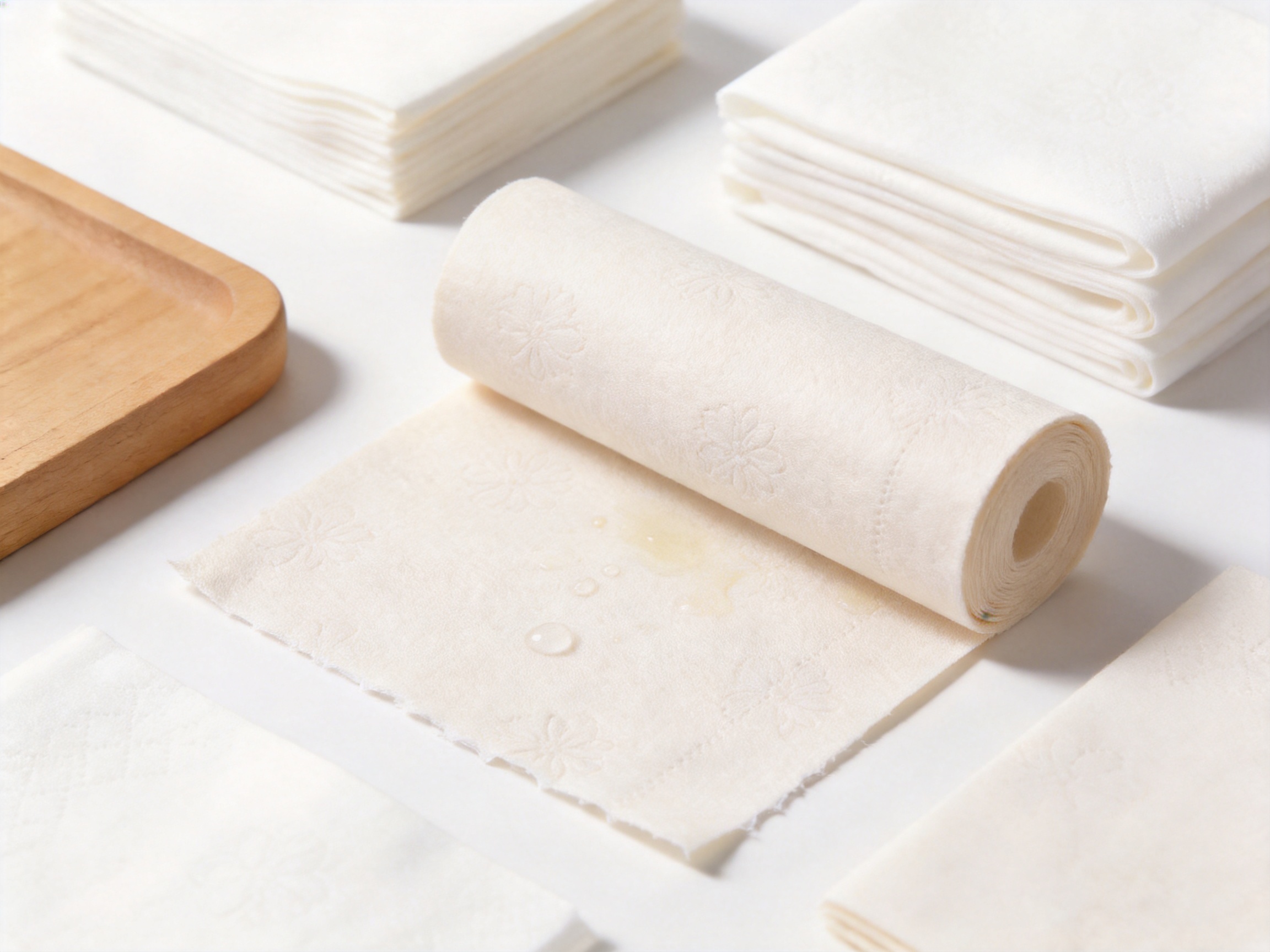
Infant Wipes
Infant wipes require a combination of softness, absorbency, uniformity, and reliable wet strength. A wood-pulp and viscose construction can provide a gentle surface while carrying a water-based lotion. The material can be designed for everyday cleaning and should be evaluated for skin-contact suitability within the complete finished-wipe formulation.
For private-label manufacturers, the fabric can support different product positions, from economical everyday wipes to more premium products using selected regenerated cellulose fibers. Color, basis weight, embossing, sheet dimensions, and lotion compatibility can be adjusted to meet the customer’s brand and packaging requirements.
Flushable and Degradable Wipes
Flushable and degradable products require careful consideration of fiber composition, wet and dry strength, dispersion, disintegration, and plumbing-system behavior. The supplied product information identifies an eco-friendly flushable spunlace option using a wood pulp and viscose composition. One example is a 70 percent wood pulp and 30 percent viscose construction at 50 grams per square meter, with a customized flower pattern and white color.
Another listed construction uses the same 70 percent wood pulp and 30 percent viscose ratio at 65 grams per square meter, with a wood-color appearance. These examples demonstrate how the same general material platform can be adapted to different basis weights and visual concepts.
Flushability claims should always be supported by appropriate testing and should comply with the regulations and performance standards of the destination market. The finished wipe, including lotion, folding, packaging, and disposal instructions, must be evaluated as a complete product. Material selection is an important starting point, but it is not a substitute for finished-product validation.
Female Special-Care and Hemorrhoid Wipes
Female-care and hemorrhoid wipes are designed for sensitive and personal applications. They benefit from a soft, smooth, low-abrasion surface and dependable lotion retention. Cellulosic fibers such as wood pulp, bamboo pulp, viscose, or Tencel can be considered when comfort and absorbency are priorities.
A consistent fabric structure is especially important for these applications because uneven areas may affect user comfort. Manufacturers can select an appropriate basis weight and embossing pattern to create a wipe that feels substantial without becoming unnecessarily bulky. Finished-product testing should address skin contact, lotion compatibility, odor, lint, and package stability.
Household Wipes
Household wipes are used on countertops, appliances, glass, furniture, kitchens, bathrooms, and many other surfaces. They may need to remove dust, water, food residues, grease, and cleaning formulations. A polyester and wood-pulp blend is suitable for customers seeking a stronger wipe with useful absorbency and clean surface performance.
The example of 50 percent polyester and 50 percent wood pulp at 80 grams per square meter represents a robust option for household and industrial wiping. The plain surface can provide a simple and professional appearance, while customized embossing may be added to support product differentiation or handling performance.
Industrial Wipes
Industrial cleaning places greater demands on a wipe than many household tasks. The substrate may encounter lubricants, oils, dust, metal particles, solvents, rough edges, and repeated mechanical action. Strength and resistance to tearing are therefore important. Polyester-containing constructions can help maintain integrity during demanding use, while pulp contributes to absorption and contaminant pickup.
Industrial customers may also require specific roll widths, sheet dimensions, packaging formats, or color coding. The ability to customize the fiber blend, pattern, color, and basis weight makes the material suitable for a broad range of professional cleaning programs.
Medical Operating Clothes
The material can be used in medical operating clothing and related protective or support products. One listed specification uses a degradable wood-pulp and viscose blend at 60 grams per square meter, with a plain white appearance and a water-repellent polyethylene film coating. This construction illustrates how the non-woven base can be combined with a coating or film layer to address liquid-barrier requirements.
Medical applications require strict evaluation of cleanliness, barrier performance, strength, breathability, skin contact, packaging, and sterilization conditions where relevant. The specific product design should be validated according to the intended use and applicable medical-product requirements. The composite fabric provides a manufacturing platform, while final compliance depends on the complete garment or finished article.
Padding and Technical Uses
In addition to wipes and medical clothing, the fabric can be used in padding and other technical products. A soft and uniform non-woven layer may provide cushioning, separation, coverage, or absorbency. Basis weight, surface pattern, and fiber composition can be selected according to whether the product needs bulk, flexibility, liquid handling, or a specific tactile property.
Representative Product Specifications
| Application | Fiber Composition | Basis Weight | Pattern and Color | Special Characteristics |
|---|---|---|---|---|
| Infant, toilet, female-care, and hemorrhoid wipes | 70% wood pulp and 30% viscose | 50 g/m² | HK flower, white | Flushable and degradable design direction |
| Infant, toilet, female-care, and hemorrhoid wipes | 70% wood pulp and 30% viscose | 65 g/m² | HK flower, wood color | Flushable and degradable design direction |
| Household and industrial wipes | 50% polyester and 50% wood pulp | 80 g/m² | Plain, white | Strength and absorbency balance |
| Household and industrial wipes | 10% polypropylene and 40% wood pulp | 50 g/m² | Plain, white | Composite synthetic and pulp construction |
| Medical operating clothes | 50% wood pulp and 50% viscose | 60 g/m² | Plain, white | Water-repellent polyethylene film coating |
The specifications above are representative examples rather than limitations. The product platform supports additional combinations, and the blending ratio or composite mode can be customized. Customers should provide details about the intended end use, required wet and dry strength, absorbency target, biodegradability objective, color, pattern, converting format, and regulatory market so that the most appropriate construction can be developed.
Advantages Over Conventional and Less Specialized Alternatives
More Flexible Than Single-Fiber Materials
A single-fiber non-woven fabric may offer a clear performance benefit but can also impose compromises. A pulp-only material may provide strong absorbency but require reinforcement for demanding wiping. A synthetic-only material may provide durability but not the same level of liquid uptake or natural fiber content. The composite approach allows the manufacturer to combine complementary properties in one web.
By modifying the ratio of cellulosic and synthetic fibers, customers can move the product toward softness, absorption, strength, durability, or cost efficiency. This flexibility is valuable for companies serving several market segments with different performance requirements.
More Comfortable Than Abrasive Cleaning Substrates
Some durable cleaning materials can feel rough or harsh, making them unsuitable for skin-contact products. The soft spunlace surface of this fabric is better suited to applications where comfort matters. At the same time, the material can be reinforced for household and industrial use, creating a broad portfolio from a common manufacturing platform.
Better Customization Potential
Standardized materials may force brands to accept a fixed pattern, color, basis weight, or fiber mixture. This product offers customization in several areas, including raw-material ratio, composite mode, pattern, color, and gram weight. Such flexibility can help private-label customers create products that are visually and functionally distinct from competing wipes.
Suitable for Multiple Product Categories
The same general platform can support infant care, personal care, household cleaning, industrial cleaning, medical clothing, and padding. This reduces the need for customers to manage multiple unrelated suppliers for every application. A supplier with capabilities across non-woven materials and finished nursing products can also provide a broader understanding of the relationship between substrate performance and final product design.
Supports Environmentally Considered Product Development
The availability of pulp-rich, degradable, and flushable product directions gives manufacturers options when developing products with environmental objectives. Wood pulp, bamboo pulp, viscose, and Tencel can be considered in different combinations. However, environmental claims must be based on the full product, relevant testing, and the laws of the target market.
A responsible approach distinguishes between raw-material content, biodegradability, compostability, and flushability. These are different performance characteristics. A pulp-based fabric may support a degradable product concept, but the finished wipe must still be evaluated for actual disintegration and disposal behavior.
Manufacturing Strengths of Zhejiang Uniquality Nursing Products Technology Co., Ltd.
Zhejiang Uniquality Nursing Products Technology Co., Ltd. operates within the Kingsafe and Uniquality manufacturing organization, which has specialized in medical and hygienic non-woven materials, nursing products, and high-end clothing interlining since 1987. The company’s long operating history provides experience in the development, production, and sales of materials and finished products for medical, maternal and baby, beauty, home, industrial cleaning, and apparel-related markets.
The organization is headquartered in Changxing, Huzhou, Zhejiang, an important manufacturing area in the Yangtze River Delta. It has also established production bases in several Chinese locations, including Foshan, Nantong, and Wuhan. A distributed production structure can support broader production coordination, regional supply planning, and access to different manufacturing resources.
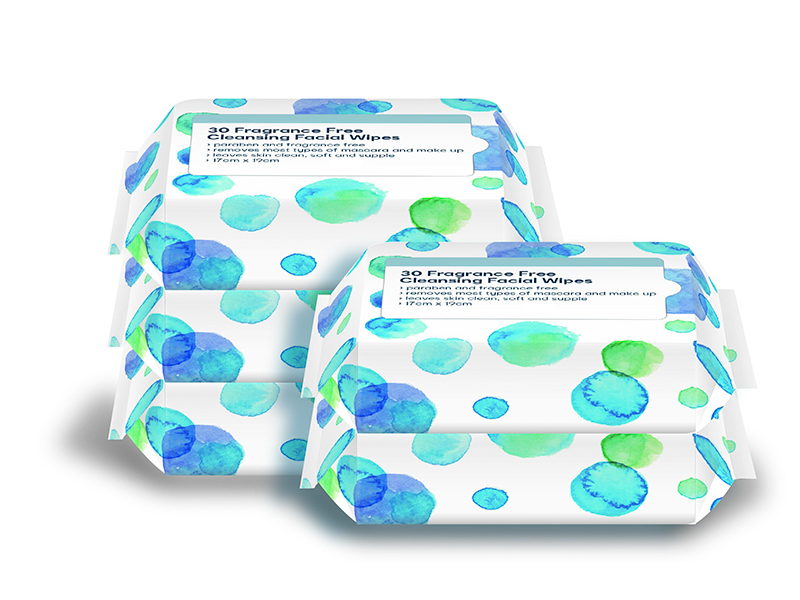
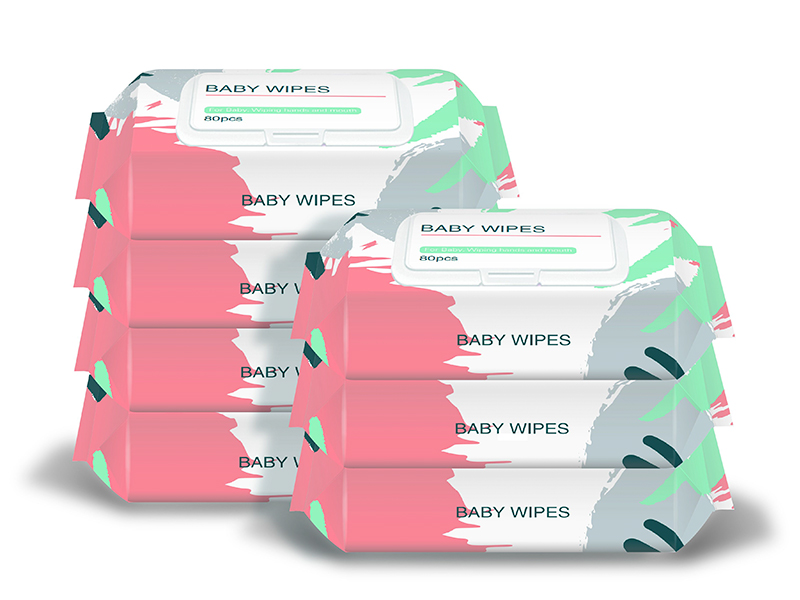
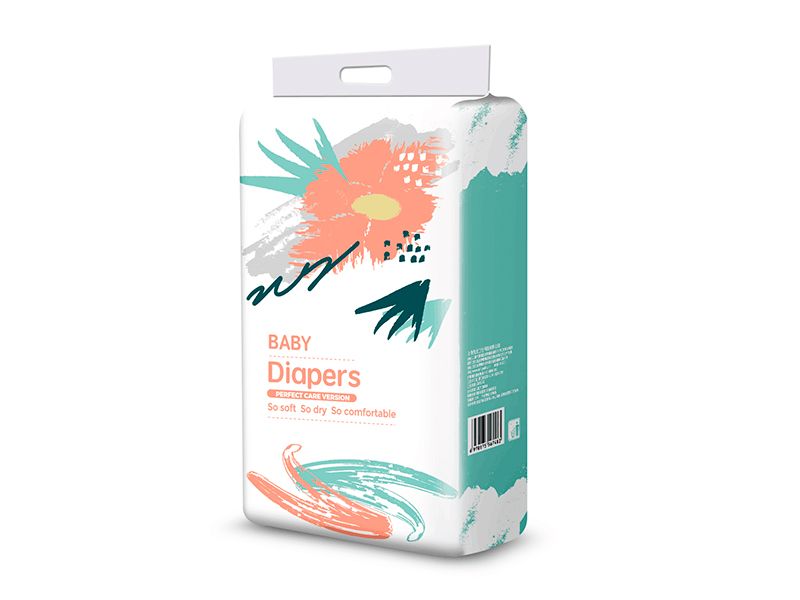
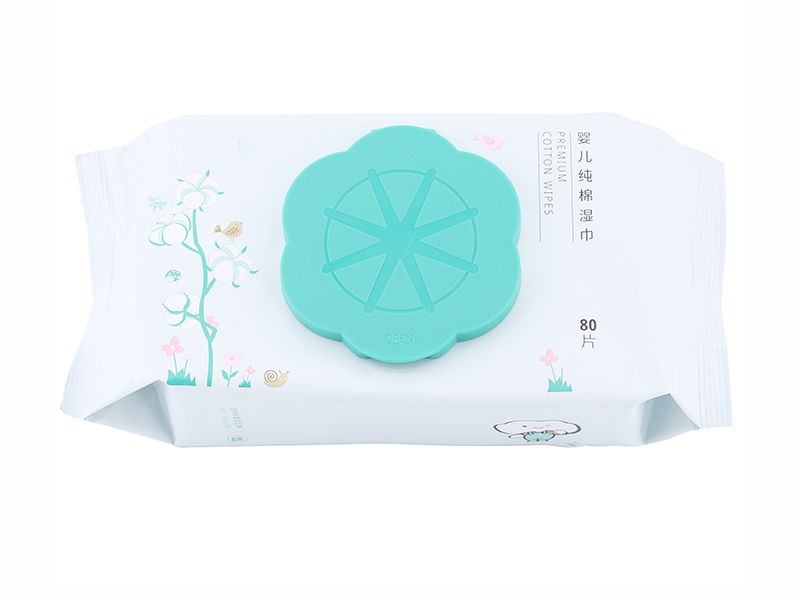
The company has introduced production equipment and technology from Germany, France, and Italy. This international equipment base supports the production of spunlace non-woven fabrics, spunmelt non-woven fabrics, hot-air-through non-woven fabrics, flushable and degradable non-woven fabrics, wet wipes, dry wipes, baby diapers, pull-ups, wet toilet paper, cleansing wipes, and related products.
This combination of material expertise and finished-product capability is an important advantage for customers. A fabric supplier that understands only the roll-good stage may not fully appreciate the effects of lotion, folding, cutting, packaging, and dispensing. By contrast, an organization involved in both non-woven material production and nursing products can evaluate how a substrate performs in the complete product system.
The company reports more than 30 years of development and a position among major participants in China’s non-woven industry. It also emphasizes research and development, production, sales, differentiation, functionalization, and customization. These capabilities are relevant to customers that need more than an off-the-shelf fabric and want assistance in creating a product for a specific market segment.

Quality and Customization Considerations
Fiber Ratio
The fiber ratio should be selected according to the primary performance target. Increasing pulp content may support absorbency and a natural fiber profile. Adding viscose or Tencel may improve softness and web cohesion. Polyester can increase durability, while polypropylene can provide a lightweight synthetic component. The best ratio depends on the final use rather than on a single universal formula.
Basis Weight
Basis weight affects thickness, coverage, substance, absorbency, package volume, and cost. A 50-gram-per-square-meter fabric may be suitable for a compact wipe, while an 80-gram-per-square-meter construction may offer greater durability for industrial cleaning. Customers should compare basis weight together with sheet size and fiber composition, because the user experience depends on the complete construction.
Surface Pattern
A plain pattern offers a clean, simple appearance and is suitable for many applications. A customized embossed pattern can influence tactile feel, liquid distribution, and brand recognition. The pattern must be matched to the product’s purpose. A soft personal-care wipe may require a different pattern depth from a heavy-duty cleaning wipe.
Color
White is commonly selected for medical, baby, and personal-care products because it communicates cleanliness. Wood color may be used to support a natural or environmentally considered visual identity. Custom colors can be discussed for products that require brand differentiation, provided the colorant system and application requirements are appropriate.
Coating and Lamination
Some applications require the base fabric to be coated or laminated. The listed medical operating-clothing example includes a water-repellent polyethylene film. Coating can modify liquid resistance, barrier behavior, surface properties, and garment performance. The coating must be evaluated for adhesion, flexibility, breathability, durability, and compatibility with the intended use.
Testing and Documentation
Before commercial production, customers should define a quality specification covering basis weight, width, thickness, tensile strength, elongation, absorbency, wet strength, color, pattern, roll length, packaging, and allowable defects. For wipes, additional testing may include lotion absorption, liquid retention, lint, dispensing, folding integrity, and microbial control.
For flushable products, testing should address disintegration and dispersion under appropriate conditions. For medical products, testing must reflect the intended barrier, cleanliness, and use requirements. A clear specification helps both the buyer and manufacturer maintain consistent quality across production batches.
Why the Product Is Suitable for OEM and Private-Label Programs
Private-label brands often need to move quickly from concept to market while maintaining control over product appearance and performance. A customizable composite fabric makes this process more efficient because the brand can select a material construction that matches its target positioning. A value-focused household wipe, a premium personal-care wipe, and a professional industrial wipe do not need to use the same basis weight or fiber ratio.
The manufacturer can support product development from raw-material selection through non-woven production and, where required, finished nursing-product manufacturing. This integrated approach can simplify communication about fabric behavior, lotion compatibility, converting, packaging, and end-use performance.
Customization also helps brands create a recognizable product family. A company may use a white plain fabric for a medical line, a wood-colored patterned fabric for an environmentally oriented line, and a stronger polyester-pulp construction for household or industrial products. All three can be developed through a related supplier network while maintaining distinct performance and visual identities.
OEM and private-label customers should provide a complete technical brief. Important information includes the target market, intended application, finished sheet dimensions, folding style, package type, lotion or liquid formulation, required shelf life, disposal claim, performance standards, and expected annual volume. The more detailed the brief, the more efficiently the material can be matched to the final product.
Product Selection Guide
| Customer Priority | Recommended Development Direction | Important Evaluation Points |
|---|---|---|
| Gentle skin contact | Wood pulp with viscose or Tencel | Softness, lotion compatibility, lint, skin-contact suitability |
| Flushable or degradable direction | Pulp-rich cellulosic construction | Disintegration, dispersion, wet strength, finished-product testing |
| Household cleaning | Polyester and wood-pulp composite | Strength, absorbency, oil pickup, streaking, durability |
| Industrial wiping | Higher-basis-weight composite with synthetic reinforcement | Tear resistance, contaminant pickup, chemical compatibility, lint |
| Medical operating clothing | Wood pulp and viscose with suitable coating or film | Barrier performance, cleanliness, breathability, garment integrity |
| Natural visual positioning | Pulp-rich blend with wood-color option | Color consistency, environmental claim substantiation, softness |
Frequently Asked Questions
What fibers can be used in this composite fabric?
The available raw materials include wood pulp, bamboo pulp, viscose, Tencel, polyester, and polypropylene. These fibers can be combined in different ratios and composite modes according to the application. The customer’s performance targets determine the most appropriate blend.
What is the standard basis-weight range?
Products from approximately 30 to 90 grams per square meter can be customized. The correct basis weight depends on the desired softness, coverage, strength, absorbency, package volume, and cost.
Is the material available in colors other than white?
Yes. White and wood color are available, and other colors can be customized within the applicable production requirements. Color selection should consider the brand image, end use, regulatory requirements, and finished-product appearance.
Can the plain pattern be customized?
Yes. The standard construction is plain, but patterns can be customized. Off-line hot embossing can be used to develop a different surface appearance or texture.
Is the fabric suitable for wet wipes?
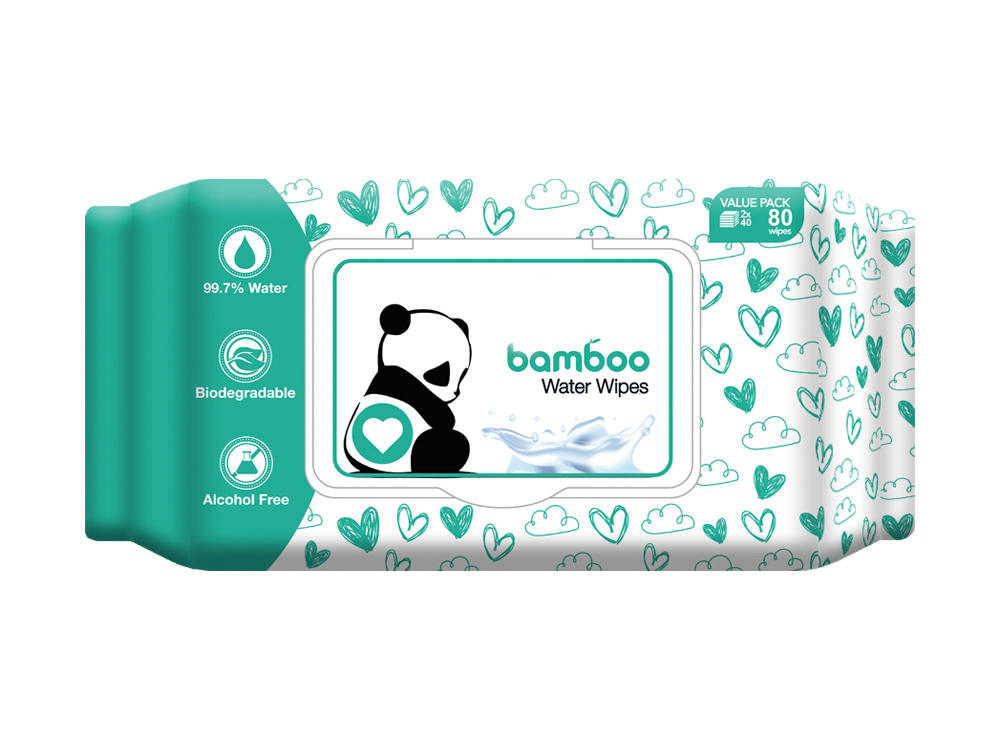
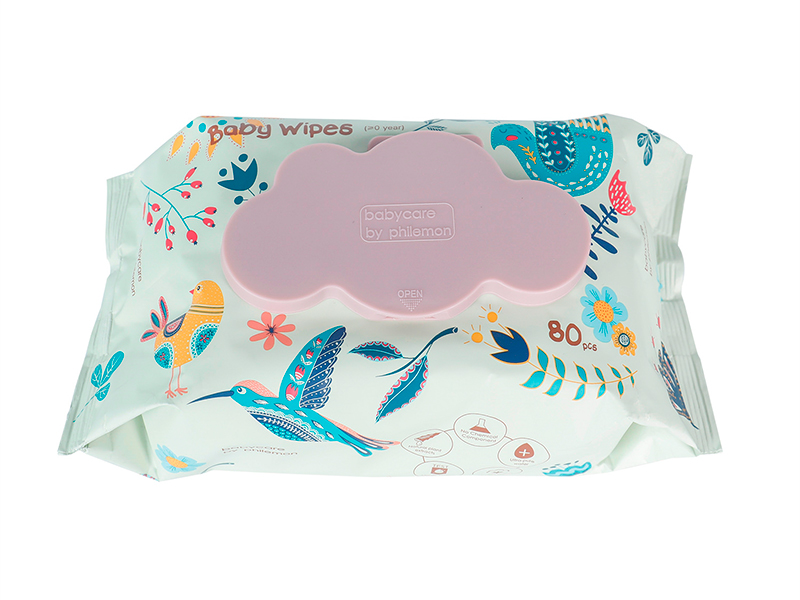
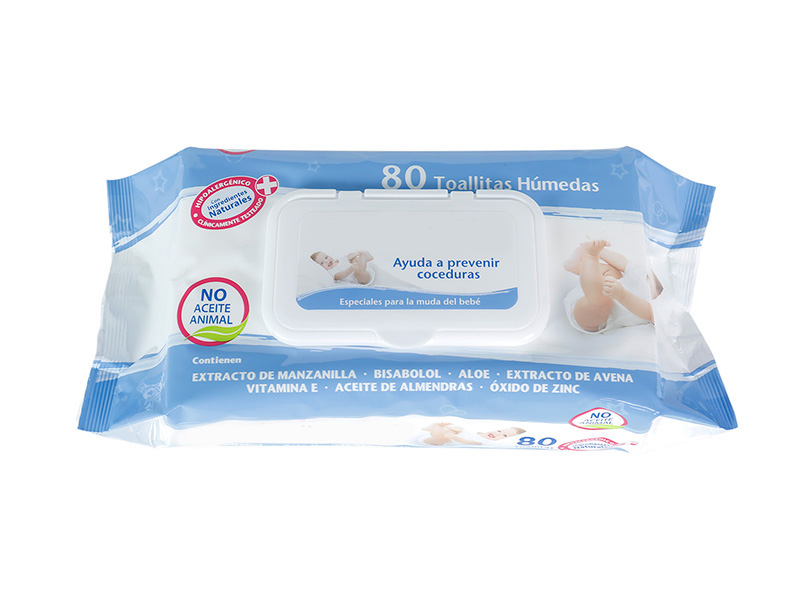
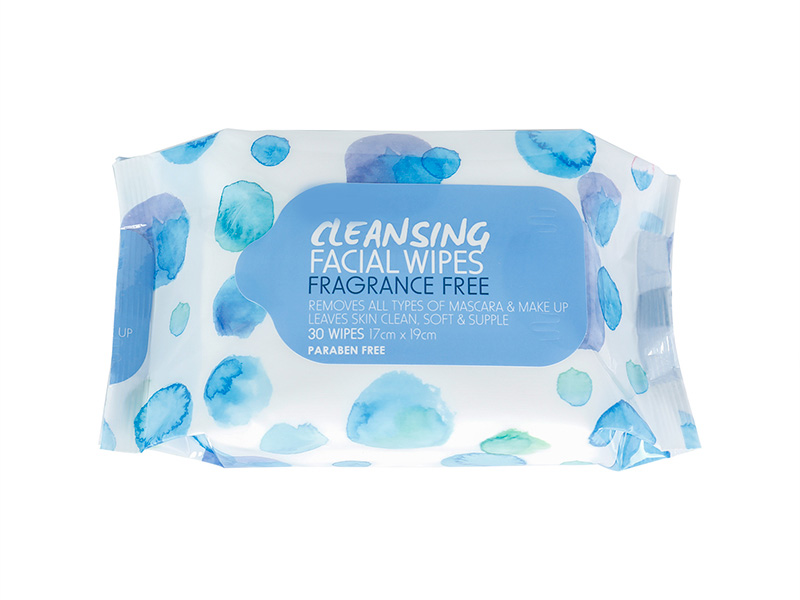
Yes. It is designed for wet wipes used for infants, toilets, female special care, hemorrhoid care, household cleaning, and industrial cleaning. The final construction should be selected according to the required softness, absorbency, wet strength, disposal method, and lotion system.
Can it be used for flushable wipes?
A pulp-rich wood-pulp and viscose construction is available for flushable and degradable product development. However, the complete finished wipe must be tested for disintegration, dispersion, and compliance with the requirements of the target market before a flushability claim is made.
Which construction is suitable for stronger household wipes?
A polyester and wood-pulp blend is a practical development direction when the wipe needs a balance of strength, durability, and absorbency. An example specification uses 50 percent polyester and 50 percent wood pulp at 80 grams per square meter.
Can the material be used in medical operating clothing?
Yes. A listed example uses a degradable wood-pulp and viscose blend at 60 grams per square meter with a plain white surface and a water-repellent polyethylene film coating. Medical applications require complete-product validation for barrier, cleanliness, comfort, and applicable regulatory requirements.
What is the benefit of spunlace bonding?
Spunlace bonding mechanically entangles fibers with high-pressure water jets. It can create a soft, flexible, and coherent sheet without depending exclusively on chemical binders. This makes the process suitable for many wipe and hygiene applications.
Can the company provide finished wipes as well as fabric?
The Kingsafe and Uniquality organization produces both non-woven materials and finished products such as wet wipes, dry wipes, baby diapers, pull-ups, wet toilet paper, and cleansing wipes. Customers can discuss whether they require roll goods, converted materials, or a finished OEM product.
How should a customer begin a development project?
The customer should provide the intended application, target market, fiber preference, basis weight, color, pattern, sheet size, lotion type, packaging format, performance targets, and expected volume. Samples and technical discussions can then be used to confirm the most suitable construction.
Conclusion
Plain wet-laid spunlace composite non-woven fabric provides a flexible foundation for modern wipe, hygiene, medical, and technical products. Its combination of wet-laid web formation, single-carding, mechanical spunlace entanglement, and optional hot embossing supports a practical balance of softness, absorbency, strength, uniformity, and customization.
The broad raw-material platform is one of its most significant advantages. Wood pulp and bamboo pulp contribute cellulosic absorbency, viscose and Tencel support softness and comfort, polyester improves durability, and polypropylene provides an additional synthetic option for composite designs. By adjusting these materials and their proportions, manufacturers can develop products for sensitive skin, household cleaning, industrial wiping, flushable product concepts, medical operating clothing, and padding.
The ability to customize basis weight from approximately 30 to 90 grams per square meter, together with options for color, pattern, composite mode, and coating, makes the material suitable for OEM and private-label programs. Customers do not have to choose between a limited number of standard constructions. Instead, they can develop a fabric that reflects the technical and commercial goals of the finished product.
Zhejiang Uniquality Nursing Products Technology Co., Ltd., supported by the broader Kingsafe and Uniquality organization, brings long-term experience in non-woven materials and nursing products. Its manufacturing resources, international equipment base, multiple production locations, research and development capabilities, and experience across medical, maternal and baby, beauty, home, industrial, and clothing applications provide a strong foundation for customized supply.
For brands and converters seeking a reliable material partner, the most effective approach is to evaluate the fabric as part of the complete product system. Fiber composition, basis weight, embossing, lotion, converting, packaging, disposal claims, and regulatory requirements should be considered together. With a well-defined specification and appropriate validation, this composite non-woven platform can support efficient product development and differentiated solutions in competitive global markets.
References
1. Technical product information for Plain Wet-Laid Spunlace Composite Non-Woven Fabric, supplied for product development and specification review.
2. Company profile and manufacturing information for Zhejiang Uniquality Nursing Products Technology Co., Ltd., including organizational history, production capabilities, and product categories.
3. General principles of wet-laid non-woven web formation and fiber dispersion used in absorbent hygiene materials.
4. General principles of spunlace hydroentanglement technology for the mechanical bonding of non-woven fibers.
5. General guidance on the evaluation of absorbency, wet strength, tensile performance, lint, and converting stability in wipe substrates.
6. General considerations for testing flushable and degradable wipes, including finished-product disintegration and disposal performance.
7. General technical considerations for non-woven materials used in medical operating clothing, including barrier behavior, cleanliness, comfort, and product validation.