中文简体
 English
 日本語
 русский
 Español

Organic baby wipes
Organic baby wipes have become an important category within modern baby care. Parents, healthcare providers, retailers, and private label brands increasingly look for products that combine gentle skin care, responsible material selection, reliable performance, and transparent manufacturing. A high-quality organic baby wipe is expected to do much more than remove dirt. It should help clean delicate skin comfortably, maintain suitable moisture, minimize unnecessary ingredients, and support the needs of newborns and babies with sensitive skin.
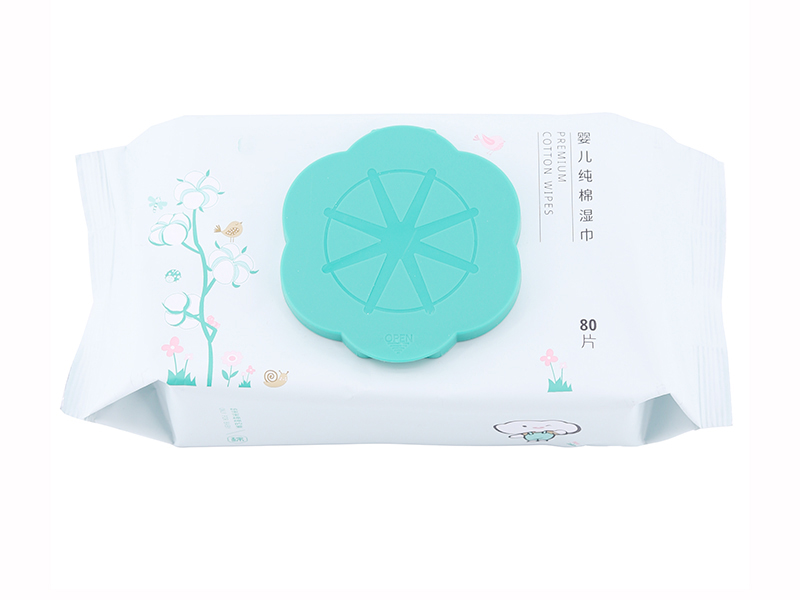
The product discussed in this article is an organic baby wipe solution made with 100% high-quality, odorless cotton. It can be used wet or dry and is designed for daily cleaning, diaper changes, travel, childcare, and sensitive-skin product ranges. Its formulation and substrate are positioned around a “zero unnecessary addition” concept, with no hormones, essence, chemical fibers, odor, mineral oil, alcohol, bleach, heavy metals, fluorescers, or CIT/MIT-class preservatives. The product is intended to provide gentle cleaning while supporting private label, OEM, and ODM programs for buyers in international markets.
Behind the finished wipe is an integrated manufacturing system that covers nonwoven material development, formula development, production, testing, packaging, and export support. This vertically coordinated approach can help buyers reduce sourcing complexity, improve product consistency, and create differentiated baby care products for retail, healthcare, e-commerce, and distribution channels.
Why Organic Baby Wipes Matter in Modern Baby Care
Babies have delicate skin that can be more vulnerable to dryness, friction, and irritation than adult skin. Their daily routines may require frequent cleaning during diaper changes, after meals, during travel, and before sleep. As a result, the quality of a wipe’s fabric, moisture level, lotion formula, and packaging can significantly affect the user experience.
Traditional wipes may contain synthetic fibers, strong fragrances, alcohol, mineral oils, or preservatives that are not preferred by families seeking a natural baby care routine. Although ingredient suitability depends on the complete formula and the regulations of the target market, many consumers now actively compare wipe products according to their material origin, additive profile, biodegradability, fragrance policy, and suitability for sensitive skin.
Organic baby wipes respond to these concerns by emphasizing natural or plant-based substrates, carefully selected ingredients, and reduced use of unnecessary additives. The term “organic” should always be supported by appropriate documentation and market-specific certification where required. Nevertheless, the underlying consumer demand is clear: buyers want simple, gentle, reliable, and environmentally responsible products for everyday baby care.
For manufacturers and brands, this demand creates both an opportunity and a responsibility. A successful organic baby wipe must offer a balance between softness, strength, absorbency, moisture retention, clean dispensing, shelf stability, safety, and competitive cost. It must also meet the packaging and regulatory expectations of the country where it will be sold.
Product Overview
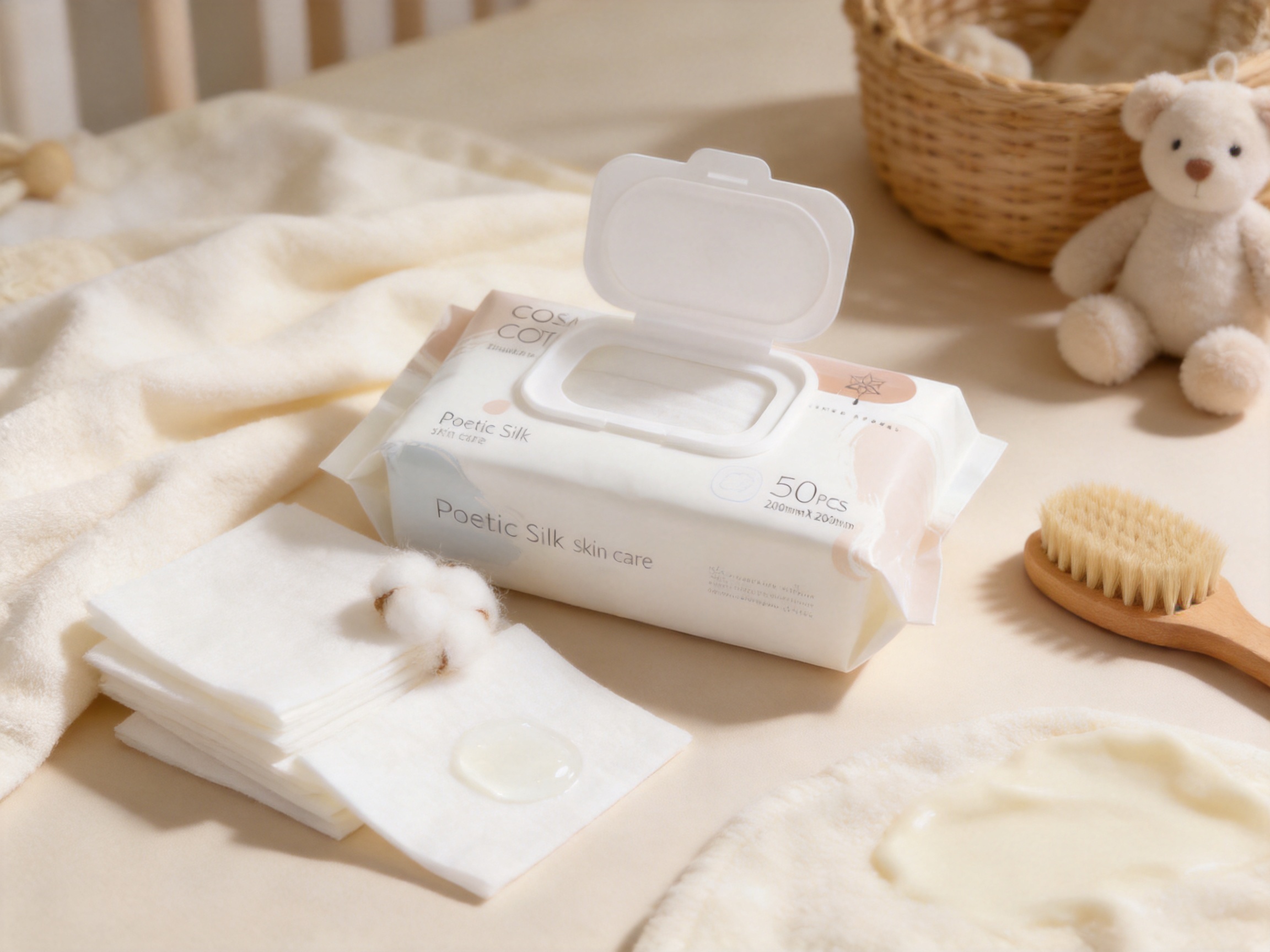
The organic baby wipes solution is based on a 100% cotton substrate selected for softness, comfort, and suitability for delicate skin. The cotton is described as high quality and odorless, helping create a clean sensory experience without an artificial smell. The wipe can be used wet for comfortable cleaning or dry for quickly removing water and moisture.
When used dry, the cotton sheet can help wipe away water, food residue, or surface dirt. When soaked or used with its prepared lotion, the sheet becomes more comfortable for routine cleaning. This dual-use capability gives buyers flexibility when designing product lines for different care situations.
The product is designed around a low-additive positioning. Its stated exclusions include hormones, essence, chemical fiber, odor, mineral oil, alcohol, bleach, heavy metals, fluorescers, and CIT/MIT-class preservatives. This positioning can be attractive for newborn care, sensitive skin collections, fragrance-free ranges, and premium natural baby products.
Repeated wiping is intended to remain comfortable and gentle. This is especially important during diaper changes, when parents may need to clean the same area several times. A soft, well-constructed sheet can help reduce the uncomfortable roughness sometimes associated with low-quality wipes, while suitable moisture can support smoother contact with the skin.
For wholesale buyers and brand owners, the product is not limited to a single standard specification. Material, lotion, sheet size, folding method, pack format, label design, and packaging style can be customized according to the requirements of the target market and sales channel.
Key Product Advantages
100% Cotton Substrate
The substrate is one of the most important factors affecting the quality of a baby wipe. Cotton is widely valued for its softness, absorbency, and natural feel. A 100% cotton sheet can provide a more comfortable touch than fabrics that rely heavily on synthetic fibers, particularly when the product is positioned for newborns or sensitive skin.
The use of cotton also supports a premium product story. Retail customers often associate natural fibers with comfort and careful baby care. For brands, this can create a clearer point of difference on packaging and in marketing communications. However, product claims should always be supported by appropriate technical and certification documentation for the intended market.
Wet and Dry Versatility
Many baby wipes are designed only for wet use. This product can be used both wet and dry, giving families more practical options. A dry sheet may be useful for absorbing water after washing, wiping a baby’s hands, or performing quick cleaning when a liquid wipe is not necessary. The wet version can provide a smoother and more comfortable cleaning experience during diaper changes and everyday hygiene.
For institutions such as hospitals, maternity centers, and daycare facilities, this versatility may simplify procurement. A single product family can support several cleaning routines, reduce the need for multiple types of disposable cloths, and help standardize daily care practices.
Low-Irritation Product Positioning
The formula is positioned as pH balanced and free from alcohol, fragrance, and preservatives within the stated product concept. These characteristics are particularly relevant for brands developing newborn, fragrance-free, natural, or sensitive-skin ranges.
A low-irritation positioning does not mean that every user will respond identically. Baby skin varies, and product testing, safety evaluation, and market-specific compliance remain essential. Nevertheless, avoiding commonly questioned ingredients can help manufacturers address consumer concerns and create a simpler ingredient communication strategy.
Moisture Retention
Moisture retention affects both product performance and consumer satisfaction. If a wipe dries too quickly, it may feel rough and may not clean efficiently. If it contains too much liquid, it may be difficult to handle or may create packaging leakage concerns. A well-controlled moisture level allows the sheet to remain moist enough for cleaning while maintaining a comfortable texture.
The product is presented as offering superior moisture retention. For buyers, this feature should be evaluated through laboratory testing, accelerated shelf-life studies, transportation testing, and practical user trials. The goal is to ensure that the first sheet and the final sheet in a pack provide a consistent experience.
Softness for Repeated Cleaning
Parents often need to wipe the same area repeatedly, especially during diaper changes or after messy meals. A soft cotton substrate can help reduce friction and improve comfort. Sheet strength is also important because a wipe that tears easily can create inconvenience and reduce confidence in the product.
The most effective baby wipe must balance softness with tensile strength. Excessively loose material may feel pleasant but fail during use, while a stiff or dense material may be durable but uncomfortable. An experienced manufacturer can adjust the nonwoven structure, basis weight, hydroentanglement process, sheet dimensions, and folding configuration to achieve the desired balance.
Biodegradable and Environmentally Responsible Direction
Environmental concerns are increasingly influencing baby care purchases. Families and retailers are paying closer attention to fiber sources, packaging materials, wastewater impact, and end-of-life disposal. A biodegradable cotton or plant-based substrate can support a more responsible product concept when its claims are properly verified.
Biodegradability does not mean that wipes should be flushed unless they have been specifically tested, certified, and labeled for flushability. Baby wipes should normally be disposed of according to local waste regulations. Clear disposal instructions help prevent plumbing problems and support responsible use.
How the Product Compares with Conventional Baby Wipes
Organic baby wipes compete with a wide range of conventional wet wipes. Some competing products use polyester, polypropylene, or blended nonwoven fabrics. These materials can provide strength and cost advantages, but they may not deliver the same natural-fiber story that many premium baby care consumers want.
Other products may use fragrance to create a stronger sensory impression. While fragrance can appeal to some shoppers, fragrance-free options are increasingly requested for newborns and babies with sensitive skin. A fragrance-free product also allows the natural cleanliness of the cotton and lotion to define the user experience.
Some conventional formulas contain alcohol, mineral oil, or stronger preservative systems. Such ingredients may have functional purposes, but buyers seeking a minimal and gentle formula may prefer a product designed without them. The low-additive positioning of this organic baby wipe can therefore provide a clear competitive advantage in natural baby care and sensitive-skin categories.
Another important difference is manufacturing transparency. A low-cost wipe sourced through several disconnected suppliers may create challenges related to quality consistency, lead times, technical communication, and product traceability. An integrated manufacturer that develops nonwoven materials, produces finished wipes, operates testing facilities, and manages packaging coordination can offer more control over the complete supply chain.
| Comparison Factor | Organic Baby Wipes Solution | Common Conventional Wipes | Potential Buyer Benefit |
|---|---|---|---|
| Primary substrate | 100% high-quality cotton | May use synthetic or blended fibers | Natural touch and premium positioning |
| Product use | Suitable for wet and dry use | Usually designed mainly for wet use | Greater daily-use flexibility |
| Fragrance direction | Fragrance-free option available | May contain fragrance | Suitable for newborn and sensitive-skin ranges |
| Formula positioning | Alcohol-free and low-additive concept | Formula varies by supplier | Simpler ingredient communication |
| Fiber positioning | Natural cotton focus | May rely on chemical fibers | Supports natural and premium marketing |
| Customization | Material, lotion, size, folding, pack, and label options | May be limited to standard products | Better alignment with brand strategy |
| Manufacturing support | Integrated OEM and ODM service | May require multiple vendors | Reduced sourcing complexity |
| Target channels | Brands, retailers, healthcare, importers, and distributors | Often focused on general retail | Suitable for multiple commercial applications |
The table illustrates general positioning rather than a universal comparison of every wipe on the market. Buyers should evaluate actual samples, technical files, test reports, and certifications before selecting a final specification.
Advanced Nonwoven Material Manufacturing
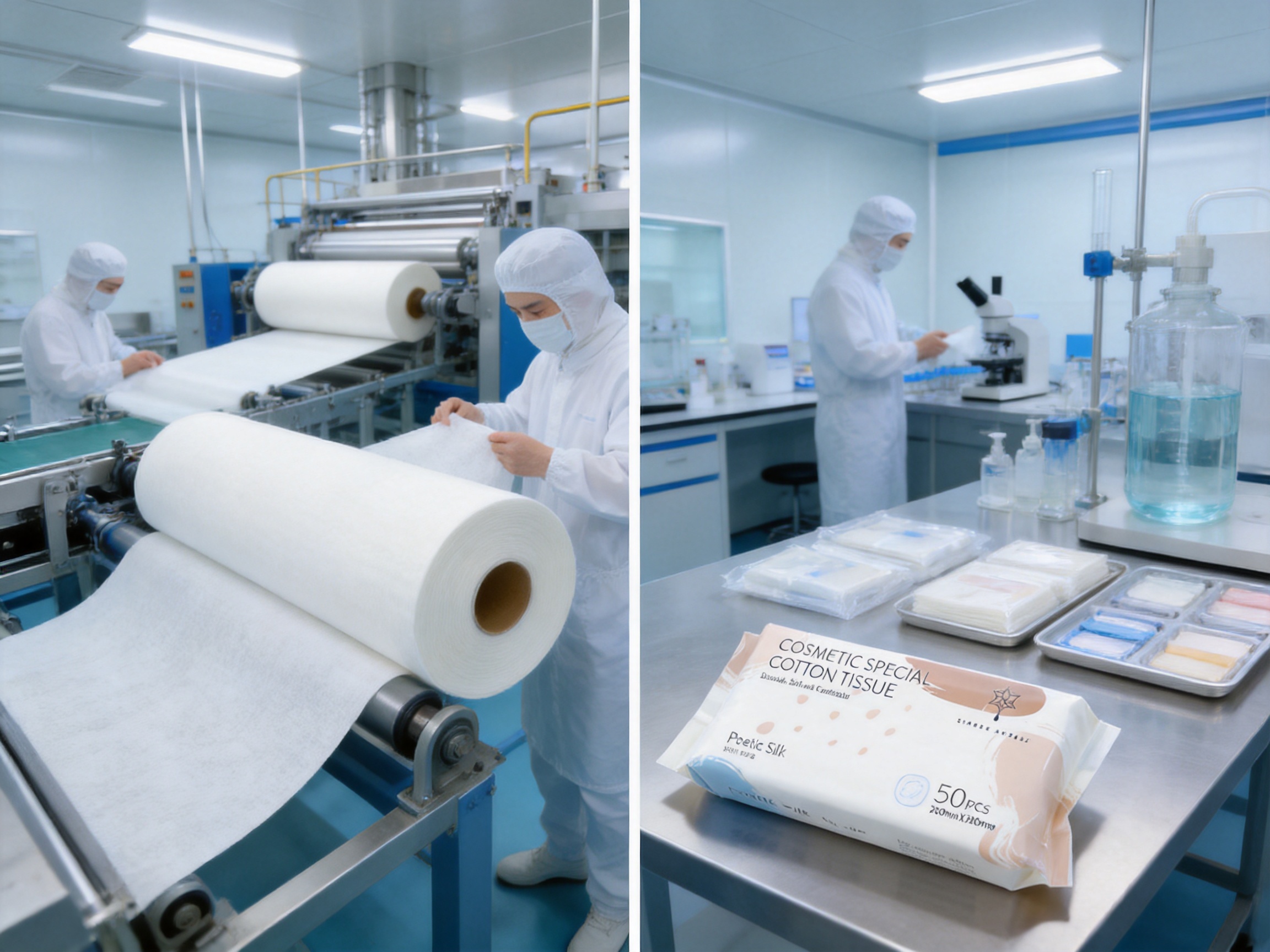
The quality of a finished wipe begins with the quality of its nonwoven material. The manufacturer described in the supplied information has extensive experience in medical and hygienic nonwoven materials, nursing products, and clothing interlining. Its product portfolio includes spunlace nonwovens, spunmelt nonwovens, hot-air-through nonwovens, flushable and degradable materials, wet wipes, dry wipes, diapers, pull-ups, wet toilet paper, and cleansing wipes.
Spunlace technology is particularly relevant to wet and dry wipes. It uses high-pressure water jets to entangle fibers, creating a soft and flexible web without relying on traditional weaving. By adjusting fiber types, web structure, basis weight, and entanglement conditions, manufacturers can develop materials with different levels of softness, strength, absorbency, and drape.
For an organic baby wipe, material development must take into account more than softness. The sheet should absorb and retain the appropriate amount of lotion, remain intact during wiping, dispense smoothly from the package, and maintain its physical properties during storage and transportation. It should also fit the brand’s intended sustainability and disposal claims.
The manufacturer’s experience across medical, maternal, baby, beauty, home, industrial cleaning, and clothing applications can support cross-category technical knowledge. Requirements learned in medical and hygiene products may contribute to improved cleanliness, process control, and testing discipline in baby wipe production.
Integrated Production and Supply Chain Strength
The company operates eight production bases in China and has identified an upcoming Vietnam factory as part of its manufacturing expansion. Multiple production locations can help support capacity planning, supply continuity, and regional project management when properly coordinated.
An integrated manufacturing structure can be especially valuable for private label buyers. Instead of sourcing the cotton substrate from one supplier, lotion from another, packaging from a third party, and finished product from a separate converter, buyers can work with one manufacturing partner for a larger portion of the project. This can simplify communication and reduce the risk of specifications being interpreted differently across suppliers.
Vertical coordination may also improve development speed. When a buyer requests a change in sheet thickness, moisture level, folding method, or packaging format, teams responsible for materials and finished products can communicate directly. This can shorten the time needed to prepare samples and reduce unnecessary iterations before mass production.
Supply chain integration does not eliminate the need for buyer oversight. Brands should still confirm production capacity, approved specifications, quality agreements, inspection procedures, documentation, and contingency plans. However, an integrated system can provide a stronger foundation for long-term cooperation than a fragmented sourcing model.
Clean Manufacturing and Quality Control
The supplied company information states that products are manufactured in 100,000-class GMP clean workshops. Clean production environments are important for hygiene products because they help control airborne particles, environmental contamination, personnel practices, and production cleanliness.
The company also uses purified water systems based on pharmacopoeia standards. Water is a major component of many wet wipe formulations, so water quality directly affects product safety, stability, odor, and user experience. A controlled purified water system can help maintain consistent quality between batches.
Quality control should extend through every stage of the process. Incoming raw materials should be checked against approved specifications. Cotton, packaging film, lids, labels, lotions, and other components need documented acceptance criteria. During production, operators should monitor sheet dimensions, folding accuracy, liquid addition, sealing, appearance, and pack weight.
Finished products may be tested for microbiological quality, physical properties, moisture content, packaging integrity, pH, chemical indicators, and shelf stability. The exact tests depend on the formula, materials, packaging, and target market. A comprehensive testing center can help manufacturers organize these evaluations and provide buyers with relevant documentation.
Quality consistency is one of the most important advantages a manufacturer can offer. A sample may appear excellent, but the commercial product must maintain the same softness, moisture, odor, pack count, dispensing performance, and package integrity during repeated production. Statistical process control, batch records, retained samples, and corrective action procedures all contribute to this objective.
Research, Development, and Intellectual Property
The company reports support from 169 patents and describes itself as a national high-tech enterprise. Patents do not automatically guarantee the performance of a specific wipe, but they indicate an emphasis on research, technical development, and process innovation.
Research and development can support several areas of organic baby wipe production. These include improved cotton processing, nonwoven web formation, biodegradable material development, lotion stability, moisture distribution, packaging performance, and production automation. Innovation can also help manufacturers create differentiated products for buyers who need more than a standard commodity wipe.
For OEM and ODM customers, technical development capability can be valuable when a project requires a special specification. Examples include an extra-soft newborn wipe, a thicker premium sheet, a smaller travel pack, a refill format with reduced plastic, a larger family pack, or a wipe designed for healthcare facilities.
Product development should always be connected to measurable requirements. A buyer may describe a desired product as “soft,” “natural,” or “richly moisturized,” but the manufacturer must translate these descriptions into technical parameters such as basis weight, tensile strength, moisture ratio, pH range, lotion viscosity, sheet size, and package configuration.
OEM and ODM Customization Options
Private label manufacturing allows a distributor, retailer, brand owner, or e-commerce seller to market an organic baby wipe under its own identity. The manufacturer can support product development, packaging design, logo printing, formula adjustment, sample preparation, and mass production.
OEM usually means that the buyer provides or approves the core product specification and branding, while the factory manufactures the product. ODM generally involves a deeper development partnership in which the manufacturer helps create the product concept, formula, material combination, packaging, and technical solution.
Material Selection
Buyers can choose organic or natural nonwoven materials according to their desired positioning. While the featured product uses 100% cotton, other specifications may be developed for different market needs, provided that they meet the agreed performance and compliance requirements.
Lotion Formulation
The lotion can be adjusted according to the intended application and market preference. Options may include a basic purified-water formula, a moisturizing formula, a soothing formula, or a formula designed for fragrance-free sensitive-skin products. Every formula should be assessed for stability, microbiological safety, skin compatibility, packaging interaction, and regulatory acceptability.
Fragrance Policy
Fragrance-free products are highly relevant to newborn and sensitive-skin ranges. Some brands may request a mild scent for a general baby care line, while others may prefer a completely neutral odor. The manufacturer can discuss these alternatives during product development, but fragrance claims should be accurately reflected in the formula and labeling.
Sheet Size and Folding
Sheet dimensions can be developed for different applications. Smaller wipes may be convenient for travel packs, while larger sheets may suit diaper changes or family packs. Folding methods influence dispensing performance, pack size, and user convenience. Options may include standard interfolded wipes, stacked wipes, or other configurations suited to the selected packaging.
Packaging Styles
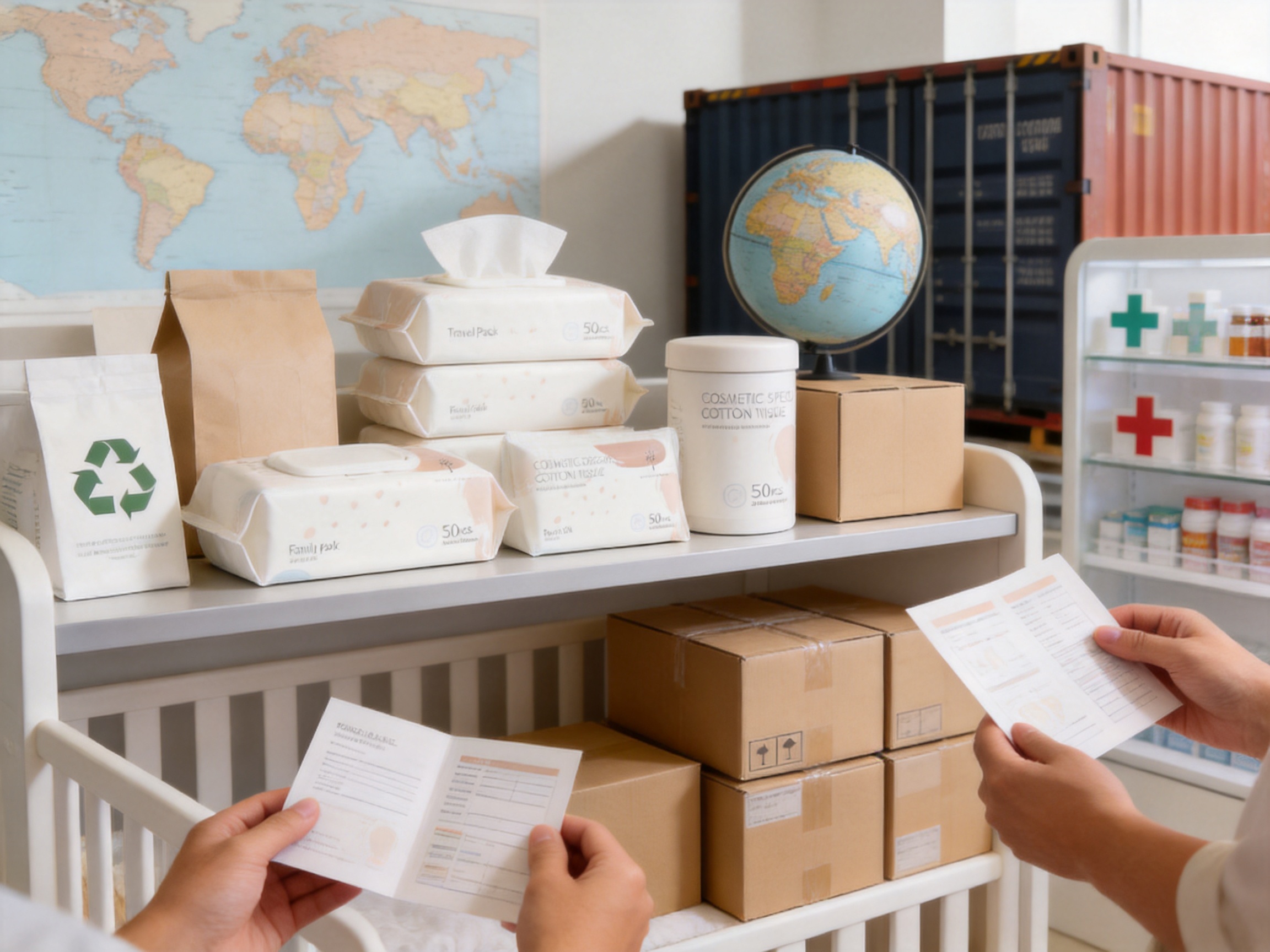
Available packaging may include travel packs, family packs, refill packs, canisters, and other formats. A resealable label or plastic lid can help protect moisture after opening. Refill formats may be suitable for buyers seeking to reduce packaging material or offer a lower-cost option.
Packaging design should consider moisture retention, seal strength, transportation conditions, storage temperature, user handling, and local recycling infrastructure. A beautiful package that dries out quickly will not create a successful consumer experience, so packaging engineering is as important as visual design.
Private Label Printing
Private label support can include logo printing, color selection, artwork coordination, multilingual labeling, barcode placement, ingredient declarations, usage instructions, warnings, and disposal information. The buyer remains responsible for confirming that the final label complies with the laws of the target market, while the manufacturer can assist with technical information and production feasibility.
Applications in Daily Baby Cleaning
Organic baby wipes can support many daily cleaning routines. During diaper changes, the moist cotton sheet can help remove residue while minimizing the need for excessive rubbing. After meals, the wipe can be used on hands and faces, provided that the product instructions and formula are appropriate for these uses.
Parents may also use the wipes to clean a baby’s feet before bedtime, wipe minor surface dirt while traveling, or maintain everyday hygiene at home. The wet-and-dry capability allows the product to function as a moist wipe or a soft dry cloth depending on the situation.
For travel, compact packs can be placed in diaper bags, handbags, cars, or carry-on luggage. A reliable package should remain closed and protect the sheets from drying out. For home use, family packs may offer better value and reduce the frequency of replacement.
Newborn and Sensitive Skin Product Lines
The product is well suited to brands developing newborn care collections. A fragrance-free, alcohol-free, natural-fiber wipe can complement other products such as diapers, changing mats, baby lotion, cotton pads, and bathing accessories.
Sensitive skin collections require careful communication. Brands should avoid implying that a wipe can treat a medical condition unless the product has the appropriate regulatory status and evidence. Instead, marketing may focus on gentle cleaning, carefully selected materials, low-additive formulation, softness, and suitability for routine hygiene.
Premium maternity brands may also use the product as part of a postnatal care range. Hospitals, maternity centers, and postpartum retailers may prefer products with clear ingredient information, reliable packaging, and consistent supply. The manufacturer’s experience in maternal and baby products can support this type of product family expansion.
Healthcare, Childcare, and Institutional Applications
Hospitals, neonatal care units, maternity centers, daycare centers, and early childhood education facilities may purchase wipes in larger quantities than individual consumers. Their procurement teams usually focus on safety documentation, product consistency, pack efficiency, storage requirements, hygiene management, and supply reliability.
Institutional buyers may request larger packs or packaging designed for controlled distribution. They may also need clear batch identification, expiration information, case packing details, and documentation for internal quality procedures.
Because different facilities have different requirements, an OEM manufacturer can help create an appropriate specification. A hospital may need an especially soft fragrance-free wipe, while a daycare chain may prioritize economical family packs and easy dispensing. A distributor serving multiple institutions may request several sizes under one product family.
Retail, Wholesale, and E-Commerce Opportunities
Organic baby wipes can be sold through supermarkets, pharmacies, baby specialty stores, online marketplaces, social commerce channels, wholesale distributors, and importers. Each channel has different packaging and pricing expectations.
Supermarkets often require strong shelf presence, clear claims, efficient case packing, and reliable replenishment. Pharmacy chains may emphasize sensitive skin, ingredient transparency, and professional-looking packaging. E-commerce sellers may need compact dimensions, low shipping weight, attractive product photography, and detailed online content.
Private label retailers can use customization to create exclusive specifications that are not directly comparable with every competing product. A distinct sheet size, pack count, cotton substrate, fragrance-free formula, or sustainable package can help create a more recognizable product identity.
Wholesale distributors may value stable production capacity, predictable lead times, mixed-container planning, and export documentation. The ability to manufacture wet wipes, dry wipes, diapers, pull-ups, and related hygiene products can also help distributors build broader portfolios with one supply partner.
International Export and Compliance Considerations
Baby wipes are regulated differently in different markets. Depending on the country and the intended claims, the product may be classified as a cosmetic, general consumer product, medical device, hygiene product, or another category. Buyers should determine the correct regulatory pathway before finalizing the formula and label.
Important considerations may include ingredient restrictions, microbiological limits, preservative requirements, claims substantiation, packaging language, product registration, safety assessments, material declarations, and importer responsibilities. A product described as organic, biodegradable, antibacterial, hypoallergenic, or flushable may require specific evidence or certification.
The product information refers to antibacterial soothing care. Buyers should use antibacterial claims only when the formula, testing, labeling, and regulatory classification support the claim in the target market. General cleaning and soothing language may be treated differently from claims that imply the destruction of microorganisms or prevention of disease.
Export documentation may include commercial invoices, packing lists, certificates of origin, test reports, safety data, declarations of conformity, material specifications, and other documents requested by customs authorities or customers. The manufacturer can support documentation preparation, but the importer and brand owner should confirm local requirements with qualified regulatory professionals.
Recommended Product Development Process
Step One: Define the Market
The first step is to identify the sales market, consumer group, price level, distribution channel, and expected annual volume. A premium newborn product may require different materials and packaging from a value-oriented supermarket product.
Step Two: Establish the Technical Brief
The technical brief should include substrate, sheet size, basis weight, lotion formula, fragrance policy, moisture level, pack count, folding method, package type, carton configuration, and target shelf life. It should also identify any required certifications or restricted substances.
Step Three: Review Samples
Samples should be evaluated for softness, wet strength, dry strength, odor, moisture distribution, dispensing, package opening, resealing, and overall user experience. It is useful to compare samples after storage at different temperatures or humidity levels.
Step Four: Complete Testing
Before mass production, the product should undergo appropriate microbiological, chemical, physical, packaging, and stability testing. Testing should reflect the final commercial formula and packaging rather than an early laboratory sample.
Step Five: Approve Artwork and Packaging
Artwork should be checked for product claims, ingredient declarations, warnings, disposal instructions, net content, batch information, manufacturer details, barcode accuracy, and language requirements. Packaging materials should be tested for sealing performance and transportation durability.
Step Six: Confirm Mass Production Controls
The buyer and manufacturer should agree on quality standards, acceptable defect levels, inspection methods, sampling plans, production schedules, and release procedures. Retained samples and batch documentation help support traceability after shipment.
Packaging and Sustainability Strategy
Sustainable packaging requires a practical and complete approach. Buyers may consider lightweight film, reduced ink coverage, recyclable structures, refill packs, optimized carton dimensions, and lower packaging-to-product ratios. However, packaging must continue to protect moisture and maintain hygiene throughout its shelf life.
A refill pack may reduce material use when consumers already own a compatible canister. A travel pack may reduce product waste by providing the right quantity for short trips. A family pack may reduce the number of individual packages required for regular home use. Each option serves a different user and commercial purpose.
Sustainability claims should be specific and verifiable. For example, a package may contain a certain percentage of recycled material, or a wipe substrate may meet a recognized biodegradability standard under defined test conditions. Clear communication is more credible than broad environmental language without supporting evidence.
The use of cotton and biodegradable materials can support an environmentally responsible product concept, but the complete life cycle should also be considered. Responsible sourcing, efficient manufacturing, purified water management, energy use, transportation, packaging, and disposal all contribute to the product’s overall environmental profile.
Why Manufacturing Experience Matters to Buyers
Choosing a baby wipe supplier is not only a matter of comparing unit prices. A reliable partner must understand material science, hygiene production, formula control, packaging engineering, regulatory documentation, quality assurance, and international logistics.
More than three decades of development in nonwoven and hygiene products can provide valuable practical experience. The company described in the supplied information was founded in 1987 and has grown from a specialized manufacturer into a broader industrial textile and hygiene products enterprise.
Its reported production capabilities cover several categories, including nonwoven materials, wet wipes, dry wipes, baby diapers, pull-ups, wet toilet paper, cleansing wipes, and other nursing products. This breadth can help buyers develop coordinated product portfolios rather than purchasing each category from unrelated factories.
Long-term cooperation with domestic and international brands may also contribute to better understanding of private label requirements. International buyers often need accurate documentation, stable specifications, professional communication, export experience, and careful handling of confidential product information.
Frequently Asked Questions
Q1. Can these organic baby wipes be produced under a private label?
Yes. The product can be developed for private label programs, including logo printing, packaging design, customized pack sizes, and selected formula adjustments. The final specifications should be confirmed through samples and technical documentation before mass production.
Q2. What is the main material used in the wipe?
The featured product uses a 100% high-quality cotton substrate. Buyers should request material specifications and any relevant certification or testing documents needed for their target market.
Q3. Can the wipes be used dry as well as wet?
Yes. The cotton sheet can be used dry for quickly wiping water or surface moisture and wet for a more comfortable cleaning experience. The intended use instructions should be confirmed for the final product version.
Q4. Are the wipes fragrance free?
A fragrance-free option is available within the product customization program. Buyers should confirm whether the final formula contains any fragrance or masking agent and ensure that the packaging claim accurately reflects the approved formula.
Q5. Are alcohol and mineral oil included?
The featured product concept is alcohol-free and mineral-oil-free. The exact formula should be reviewed in the final technical file, especially if the buyer requests additional moisturizing or soothing ingredients.
Q6. Are preservatives used in the formula?
The product positioning excludes CIT/MIT-class preservatives and focuses on a low-additive formula. Because wet wipes contain water and require microbiological control, buyers should review the complete preservation and safety strategy with the manufacturer and their regulatory advisers.
Q7. Can the lotion be customized?
Yes. Lotion ingredients, moisture level, fragrance policy, and other formula characteristics can be customized according to the project requirements, target market, and applicable regulations.
Q8. What packaging formats are available?
Possible formats include travel packs, family packs, refill packs, canisters, and other customized packaging styles. The final selection should consider market preferences, shelf life, shipping conditions, dispensing, and sustainability objectives.
Q9. Can sheet size and folding be changed?
Yes. Different sheet sizes and folding methods can be developed for travel, home, healthcare, retail, and institutional use. The manufacturer should confirm the effect of each change on pack dimensions, material consumption, dispensing, and production cost.
Q10. Are the wipes suitable for newborns?
The product is positioned for newborn and sensitive-skin care because of its cotton substrate and low-additive concept. However, “suitable for newborns” claims should be supported by appropriate safety evaluations, formula review, and compliance documentation for the intended market.
Q11. Are the wipes flushable?
They should not be flushed unless the final product has been specifically tested, certified, and labeled for flushability. Most baby wipes should be disposed of in accordance with local waste instructions.
Q12. Can samples be provided before production?
Yes. Samples can be prepared for evaluation before mass production. Buyers should test the samples under realistic conditions and compare them with their intended specifications.
Q13. Can the products be exported internationally?
Yes. The manufacturer supports international export projects and can prepare products according to the documentation and regulatory requirements of different markets. The importer and brand owner should confirm all local obligations before launch.
Q14. What types of companies can purchase these products?
Potential buyers include baby care brands, private label companies, importers, wholesale distributors, supermarket chains, pharmacy groups, e-commerce sellers, healthcare product suppliers, regional distributors, childcare organizations, and promotional product companies.
Q15. What makes an integrated manufacturer valuable?
An integrated manufacturer can coordinate nonwoven development, lotion formulation, finished wipe production, testing, packaging, and export support. This may reduce communication delays, improve consistency, simplify purchasing, and make it easier to develop customized products.
Conclusion
Organic baby wipes are increasingly important for brands and buyers seeking gentle, natural, and responsibly positioned baby care products. The featured solution combines a 100% cotton substrate with wet-and-dry versatility, a low-additive formula concept, fragrance-free options, moisture retention, and a focus on sensitive skin.
Its advantages over many conventional wipes include a clear natural-fiber story, reduced reliance on unnecessary additives, premium softness, flexible customization, and suitability for newborn, healthcare, retail, and private label applications. These benefits can help brands create differentiated products for consumers who carefully evaluate ingredients, materials, comfort, and sustainability.
The manufacturing platform adds further value. Experience in nonwoven materials, multiple production bases, GMP clean workshops, purified water systems, testing capabilities, research and development, and OEM and ODM services can support a more dependable supply chain. Buyers can work with the manufacturer to develop sheet sizes, lotion formulas, packaging formats, labeling, and compliance documentation suited to their market.
For the best results, buyers should define their target market, confirm technical specifications, evaluate samples, complete safety and stability testing, verify environmental and organic claims, approve packaging artwork, and establish clear quality controls before production. With the right product development process, organic baby wipes can become a reliable foundation for natural baby care brands, private label programs, institutional supply, and international distribution.
References
1. Product information and technical description supplied for the organic baby wipes product.
2. Company information supplied for Zhejiang Uniquality Nursing Products Technology Co., Ltd.
3. General principles of nonwoven fabric manufacturing and spunlace technology.
4. General quality management practices for wet wipes and hygiene products.
5. General guidance on cosmetic, consumer product, baby care, packaging, and export compliance.
6. General principles of biodegradable material claims, sustainable packaging, and responsible disposal.
7. General industry practices for OEM and ODM product development, private label manufacturing, and international supply chain management.