中文简体
中文简体 English
 日本語
日本語 русский
 Español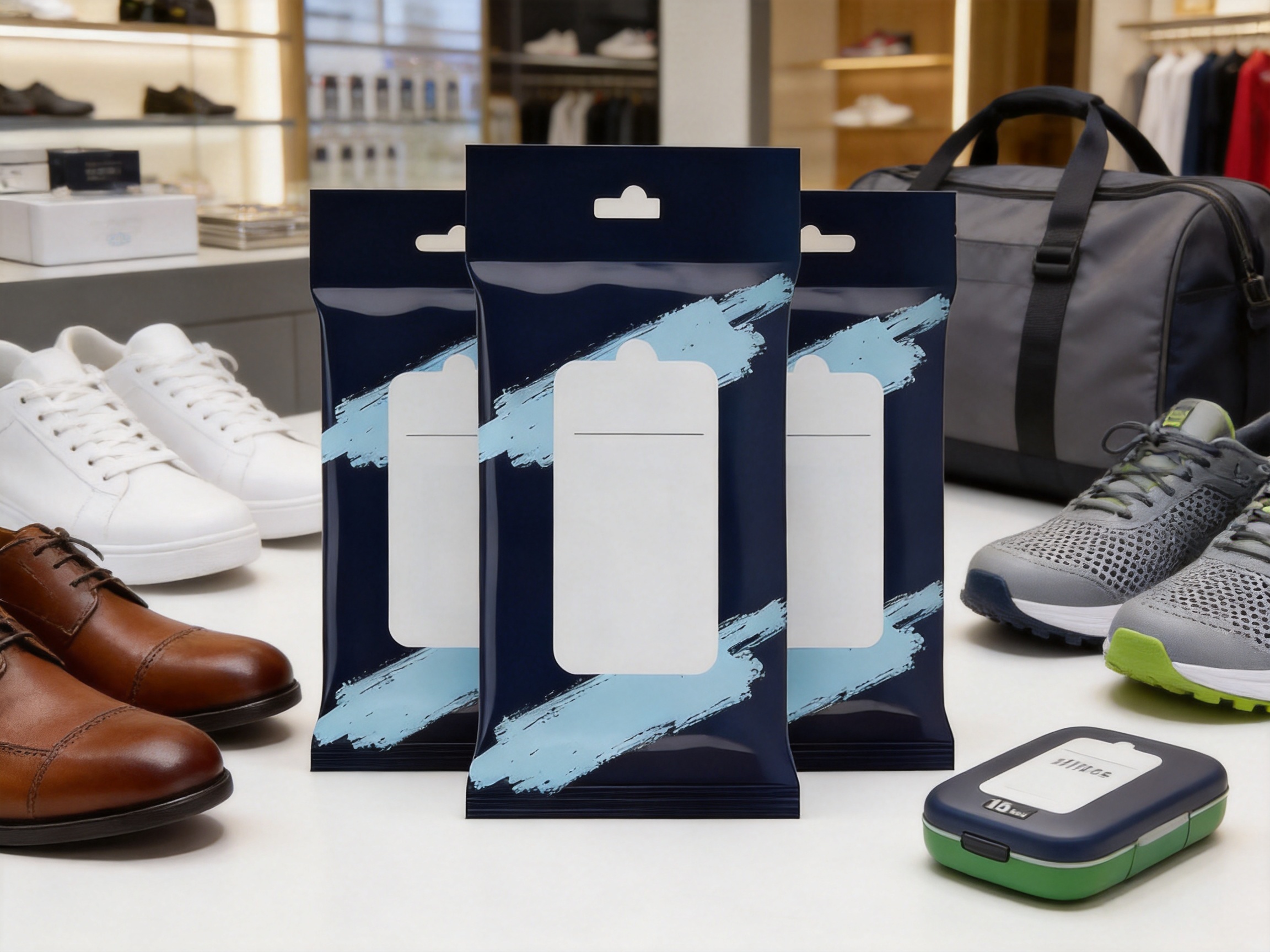
Shoe cleansing wipes have become an increasingly practical solution for consumers who want clean, presentable footwear without washing, soaking, or carrying a complete shoe-care kit. Designed especially for white shoes and light-colored footwear, these wipes quickly remove dust, mud, surface stains, and everyday marks. They help restore a fresher appearance while offering the convenience of a compact, ready-to-use format.
For footwear brands, cleaning product companies, retailers, importers, wholesalers, and professional distributors, shoe cleansing wipes represent more than a simple household accessory. They are a flexible private label product that can be developed for multiple sales channels, including supermarkets, convenience stores, footwear shops, sports retailers, travel stores, e-commerce platforms, hotel amenities, and outdoor equipment businesses.
A successful shoe cleansing wipe must combine effective cleaning performance, material softness, controlled moisture, packaging reliability, portability, and compatibility with commonly used footwear materials. It must also be supported by a stable manufacturing process and a supply partner capable of handling product development, formula selection, packaging customization, quality control, and commercial-scale delivery.
Zhejiang Uniquality Nursing Products Technology Co., Ltd., together with the Kingsafe and Uniquality manufacturing network, provides OEM and ODM solutions for shoe cleansing wipes and other nonwoven hygiene products. With extensive experience in nonwoven material development, wipe production, nursing products, medical products, household cleaning products, and customized private label manufacturing, the company is positioned to support footwear-care businesses from initial concept through finished-product delivery.
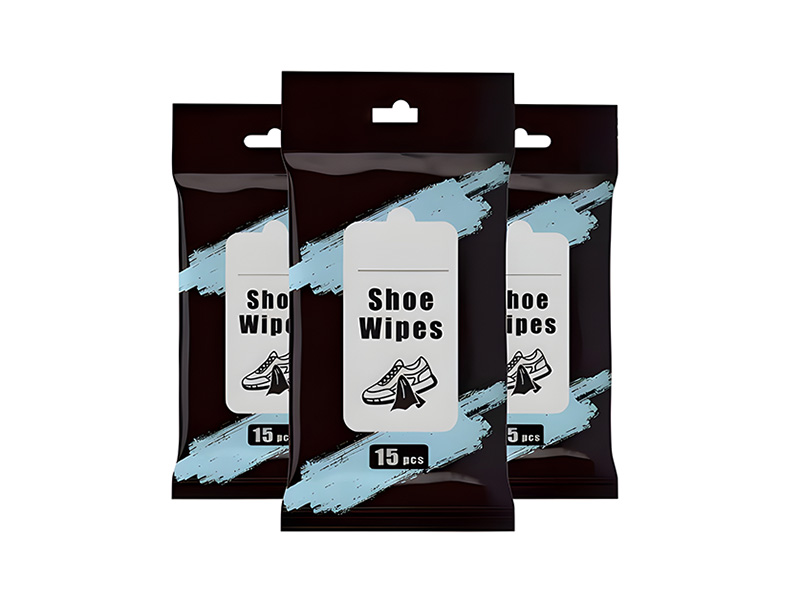
Shoe Cleansing Wipes
Understanding the Role of Shoe Cleansing Wipes
Shoes are exposed to dust, road dirt, mud, moisture, food stains, and environmental pollutants every day. White sneakers and other light-colored footwear show these marks particularly clearly. Conventional cleaning methods may require water, brushes, detergents, drying time, and a suitable place to complete the cleaning process. These requirements are not always practical when consumers are traveling, commuting, attending work, participating in sports, or preparing for an event.
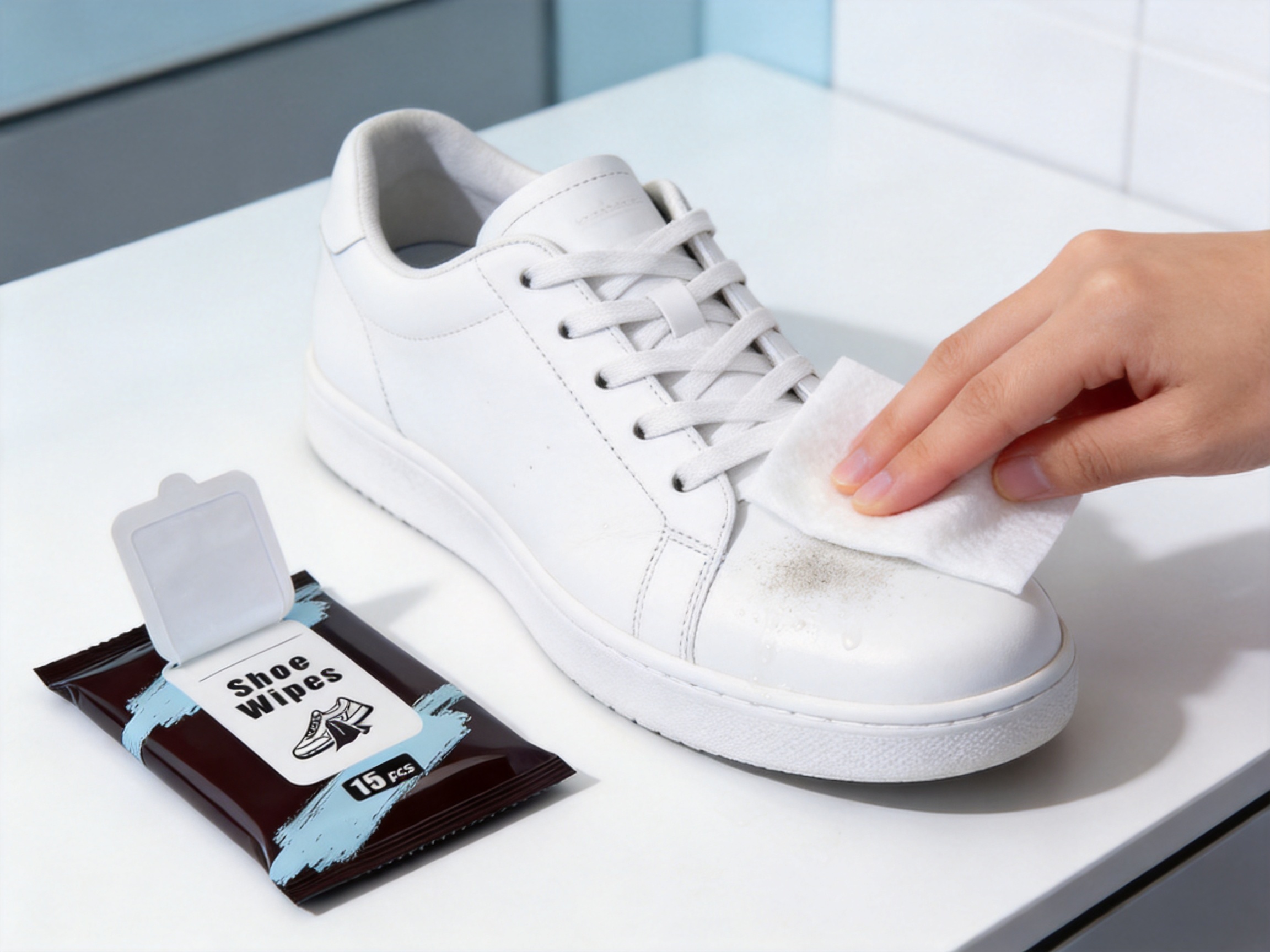
Shoe cleansing wipes address this problem through a pre-moistened, disposable cleaning format. The user can remove a wipe from its package, gently wipe the affected area, and dispose of the used material after cleaning. This simple process reduces preparation time and supports quick maintenance during daily use.
The product is commonly positioned for:
- White sneaker cleaning
- Leather shoe care
- Canvas footwear maintenance
- Mesh and sports shoe cleaning
- Travel shoe-care kits
- Outdoor footwear maintenance
- Retail shoe-care product lines
- Emergency cleaning before work, school, or social activities
Although shoe cleansing wipes are convenient, their performance depends on careful product engineering. A wipe that is too dry may not remove stains effectively. A wipe that is excessively wet may leave residue, increase drying time, or create packaging leakage risks. A fabric that is too rough may cause an unpleasant wiping experience or may not be appropriate for delicate uppers. A weak package can allow moisture loss during storage and transportation.
For this reason, professional shoe cleansing wipes should be developed as a complete system involving the nonwoven substrate, liquid formula, folding method, package structure, sealing process, product instructions, and quality inspection program.
Key Product Advantages for Modern Footwear Care
Fast Removal of Dust and Surface Dirt
The main benefit of shoe cleansing wipes is speed. Consumers can address common surface contamination without preparing a bucket, brush, or separate liquid cleaner. The wipe can lift and collect dust, mud residue, and light stains from the shoe upper when used with appropriate wiping pressure.
This fast-cleaning function is particularly valuable for white sneakers, which may lose their clean appearance after only a short period of use. A compact wipe pack can be stored in a handbag, backpack, car, office drawer, gym bag, or travel case. This enables footwear maintenance to take place at the point of need rather than at home after the shoes have become heavily soiled.
Convenient No-Wash Maintenance
Shoe cleansing wipes are designed for quick maintenance without full washing. The product is not intended to replace every deep-cleaning method, but it can reduce the frequency of intensive washing by helping consumers remove dirt before it becomes deeply embedded in the footwear material.
The no-wash positioning offers several practical advantages. It reduces water use during small cleaning tasks, minimizes the need for drying space, and allows the footwear to be used again soon after surface maintenance. For consumers with busy schedules, this convenience can be more important than achieving a full restoration through a lengthy cleaning routine.
Suitable for Multiple Footwear Materials
Depending on the selected formula and validated application range, shoe cleansing wipes may be developed for leather, synthetic leather, mesh, canvas, textile uppers, and sports footwear. Material compatibility must always be confirmed through product testing because footwear finishes, dyes, coatings, and adhesives can vary significantly.
A professional manufacturer can help customers select a suitable cleaning solution and establish application instructions for the intended footwear categories. A formula for smooth leather may not be identical to a formula for mesh or textile shoes. Private label customers can therefore choose a broadly positioned product or develop specialized variants for specific material groups.
Soft and Comfortable Wiping Experience
The nonwoven substrate plays an important role in consumer satisfaction. Spunlace nonwoven fabric is commonly considered for cleansing wipes because it can provide softness, absorbency, flexibility, and a comfortable hand feel. The fabric can be engineered according to basis weight, fiber composition, liquid absorption, strength, texture, and intended use.
Compared with rough paper-based materials or poorly designed low-cost wipes, a soft nonwoven wipe can provide a smoother wiping experience and better conformability around shoe contours. It can also help distribute the cleaning liquid across the surface more evenly.
Portable Packaging
Portability is one of the strongest commercial advantages of shoe cleansing wipes. Individual sachets can be placed in wallets, pockets, footwear boxes, travel kits, and promotional packages. Multi-piece packs can be developed for household storage, gym use, family travel, or retail display.
Packaging may be customized according to the sales channel. An individual sachet can be suitable for hotel amenities, footwear purchases, promotional campaigns, and impulse sales. A resealable pouch may be more appropriate for consumers who need multiple wipes over an extended period. A tub or other presentation may be developed for particular retail programs, subject to technical and regulatory review.
Support for White and Light-Colored Shoes
White footwear is a major application for cleansing wipes because dust and stains are highly visible on white uppers. Consumers often look for a fast way to maintain the visual brightness of their sneakers between more intensive cleaning sessions.
Some product concepts may also be developed to help reduce the appearance of yellow oxidation or dullness. Such claims must be supported by suitable testing and should be communicated carefully. A wipe may help remove surface contamination and improve the visual appearance of a shoe, but it should not be represented as a guaranteed treatment for every type of discoloration or material aging.
Why Nonwoven Material Selection Matters
The nonwoven substrate is the physical foundation of the product. It holds and releases the cleaning solution, contacts the footwear surface, absorbs loosened dirt, and contributes to the overall wiping sensation. Material selection should therefore be based on the intended application rather than on cost alone.
Spunlace Nonwoven Fabric
Spunlace nonwoven fabric is produced by entangling fibers through high-pressure water jets. This technology can create a soft, flexible, and absorbent material suitable for many wipe applications. Spunlace substrates can be produced in different weights and compositions to meet customer requirements for strength, liquid retention, drape, softness, and surface texture.
For shoe cleansing wipes, the substrate should be strong enough to resist tearing during use, while remaining soft enough for regular contact with footwear uppers. The fabric should also hold the cleaning solution consistently and release it during wiping rather than allowing excessive pooling in one area.
Surface Texture and Cleaning Efficiency
Texture can influence how efficiently the wipe captures dust and loosens surface contamination. A smooth surface may be desirable for delicate materials, while a lightly textured surface may provide additional mechanical cleaning support for durable sneakers and canvas shoes.
Texture must be balanced carefully. Excessive roughness can reduce consumer comfort and may create a risk of scratching or damaging sensitive finishes. A professional development process should evaluate the substrate using representative footwear materials and realistic wiping methods.
Absorbency and Moisture Retention
A wipe needs enough absorbency to hold the formula during storage and use. However, excessive absorbency may retain too much liquid inside the fabric, reducing the amount available for cleaning. Moisture retention must be matched with the folded size, package format, storage conditions, and expected shelf life.
Manufacturers can adjust the substrate construction and liquid loading level to achieve the desired balance. These parameters may differ between individual sachets, multi-piece pouches, and larger commercial packs.
Strength During Use
Consumers may apply moderate pressure when cleaning the toe box, outsole edge, heel, or sidewall of a shoe. The wipe must maintain integrity throughout this process. Stronger material can help prevent tearing and reduce the risk of leaving small fragments on the footwear surface.
Strength testing may include dry tensile testing, wet tensile testing, elongation evaluation, and practical wiping trials. The exact test program can be established according to the product specification, target market, and customer quality requirements.
Cleaning Formula Development
The cleaning solution is another central component of product performance. A shoe cleansing wipe formula may be designed to remove dust, light mud, oily marks, and general surface contamination while providing an acceptable odor and drying profile.
Formula development should consider the footwear materials, cleaning objectives, user expectations, regulatory requirements, and intended storage conditions. A formula that performs well on synthetic leather may require modification before it is recommended for mesh or coated textile materials.
Controlled Moisture Level
Moisture level affects both cleaning efficiency and user experience. If the wipe is too dry, the user may need excessive pressure or multiple wipes. If it is too wet, the shoe may require additional drying and the formula may spread beyond the targeted area.
Controlled moisture also supports packaging stability. The selected liquid loading must be compatible with the package barrier properties and expected transportation conditions. A well-designed product should maintain a consistent moisture profile throughout its recommended shelf life when stored as instructed.
Fragrance Options
Fragrance can be customized according to brand positioning and target market preferences. Some customers may prefer a light, clean scent, while others may request a fragrance-free version for sensitive users or professional applications.
Fragrance selection should be considered together with formula stability and packaging. Fragrance materials may interact with certain packaging layers or change over time, so compatibility and stability evaluations are important before mass production.
Residue and Drying Performance
A quality shoe cleansing wipe should leave the treated surface looking clean rather than heavily wet or sticky. Formula development can focus on quick drying and low visible residue, subject to the characteristics of the footwear material.
Drying performance may be assessed on multiple surface types under different environmental conditions. The results can help determine suitable product instructions, such as wiping gently, allowing the surface to dry naturally, and testing the product first on an inconspicuous area.
Material Compatibility
Compatibility testing is essential for responsible product positioning. Testing may include white leather, colored leather, synthetic leather, mesh, canvas, rubber, and other commonly used footwear components. Evaluations can examine color transfer, gloss change, surface tackiness, coating damage, staining, and appearance after drying.
No universal wipe can be guaranteed for every shoe material or finish. Product instructions should clearly state the recommended applications and any materials that should be avoided. Private label customers can also choose to develop separate versions for different footwear categories.
Manufacturing Strengths Behind the Product
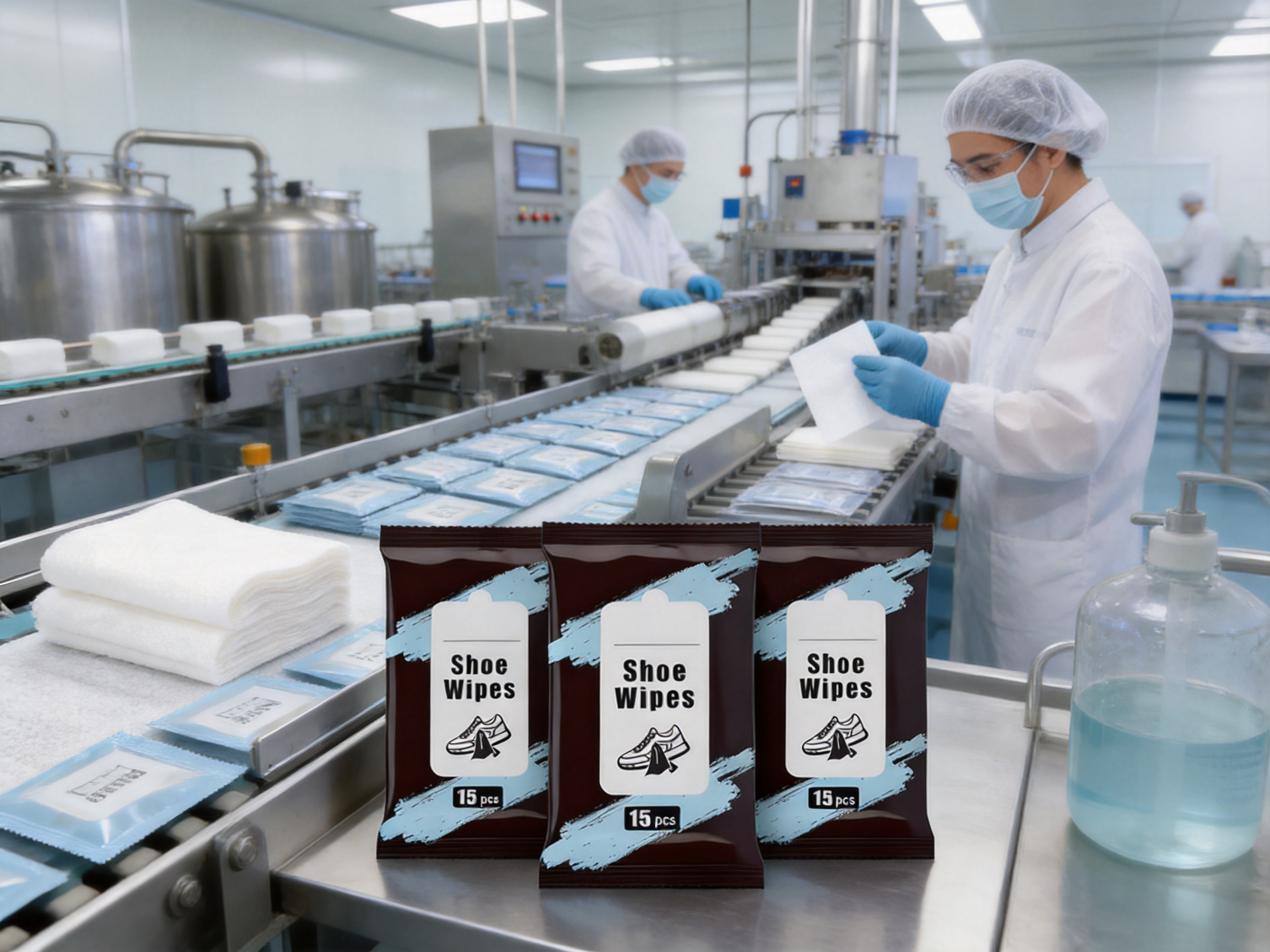
The reliability of a shoe cleansing wipe depends on more than the finished package. It is influenced by the entire supply chain, beginning with raw material selection and continuing through nonwoven production, formula preparation, wipe converting, filling, sealing, inspection, warehousing, and shipment.
Kingsafe and Uniquality have a long history in China’s nonwoven and hygiene product industry. The company was founded in 1987 and has developed capabilities in research and development, production, and sales of medical and hygienic nonwoven materials, nursing products, and high-end clothing interlining. This background provides a broad technical foundation for the development of household and footwear-care wipes.
The company operates a production network that includes eight domestic production bases in China, with facilities located in areas such as Zhejiang, Guangdong, Jiangsu, and Hubei. An upcoming Vietnam factory is intended to further support international production and supply chain requirements.
Integrated Nonwoven and Finished-Product Capability
One of the company’s important strengths is its ability to cover multiple stages of the product chain. The business develops nonwoven substrates and manufactures finished wipes and hygiene products. This integrated structure can improve communication between material development, liquid application, converting, packaging, and quality control teams.
For an OEM customer, integrated manufacturing can simplify project management. Instead of coordinating separate suppliers for the fabric, wipe production, packaging, and quality inspection, the customer can work with one manufacturing partner for a larger portion of the project.
This may support better consistency between product batches and make it easier to adjust the substrate, moisture level, folding format, or packaging specifications during development.
GMP-Standard Clean Workshops
The company’s facilities include GMP-standard clean workshops and purified water systems. Clean manufacturing conditions are particularly important for hygiene-related products because they help support controlled production environments and organized process management.
Shoe cleansing wipes are not medical products simply because they are produced in a hygiene manufacturing facility, but controlled workshops can still contribute to disciplined handling, improved cleanliness, and more consistent production practices.
Purified Water Systems
Water is a major component of many pre-moistened wipe solutions. The quality of process water can influence formula stability, odor, appearance, and microbial control. Purified water systems provide a controlled source for liquid preparation and help support the company’s quality management procedures.
Water treatment should be combined with appropriate formulation controls, equipment sanitation, storage management, and product testing. The objective is to produce a stable and consistent cleansing solution suitable for the intended product specification.
Professional Testing Capabilities
Testing supports the transition from a product concept to a commercially dependable item. Depending on the project, testing may cover substrate performance, liquid properties, package sealing, moisture retention, product appearance, microbial indicators, compatibility with footwear materials, and transport stability.
The company reports professional testing capabilities and support from 169 patents. Patents alone do not guarantee performance in every application, but a strong research and development background can help provide more systematic solutions for customized products.
Broad Product Experience
Kingsafe and Uniquality have experience across medical, maternal and baby, household, industrial, beauty, clothing, and eco-friendly flushable product categories. This wide product base is valuable because many manufacturing disciplines overlap across wipe categories.
Knowledge of nonwoven selection, liquid management, folding, sealing, packaging, production hygiene, and quality inspection can be adapted to shoe cleansing wipes. At the same time, the specific requirements of footwear care must be addressed through dedicated formula and compatibility development.
OEM and ODM Services for Shoe Care Brands
OEM and ODM cooperation allows a customer to launch a shoe cleansing wipe under its own brand or develop a differentiated product with the support of an experienced manufacturer. The level of support can be adjusted according to the customer’s technical resources, product concept, target market, and order quantity.
OEM Private Label Production
In a private label OEM project, the customer usually provides the brand identity, market positioning, packaging direction, and product requirements. The manufacturer helps convert these requirements into a production specification and supplies the finished product under the customer’s brand.
OEM customers may select:
- Wipe size and folded format
- Nonwoven substrate type
- Cleaning formula characteristics
- Fragrance or fragrance-free option
- Moisture level
- Individual sachet or multi-piece packaging
- Package artwork and label information
- Carton configuration
- Product instructions and warnings
- Order quantity and delivery schedule
ODM Product Development
ODM cooperation is suitable for customers that need assistance in creating a new product concept. The manufacturer can provide recommendations for the wipe material, formula, size, packaging, and manufacturing process based on the intended market.
For example, a sports footwear retailer may require compact individual wipes for customer convenience. A shoe-care brand may prefer a premium multi-piece pack with a soft substrate and carefully selected fragrance. A travel retailer may request a lightweight sachet that can be included in a broader travel cleaning kit.
These concepts can be evaluated through samples and technical discussions before the customer confirms the final specification.
Support from Concept to Mass Production
A structured product development process commonly includes the following stages:
- Market and application discussion
- Definition of target footwear materials
- Selection of nonwoven substrate options
- Preliminary formula development
- Sample preparation
- Cleaning performance and compatibility evaluation
- Packaging design and specification confirmation
- Pilot production or pre-production approval
- Mass production
- Finished-product inspection and delivery
This process helps reduce misunderstandings and gives the customer opportunities to confirm the wiping experience, appearance, package format, and product positioning before the commercial order is completed.
Competitive Advantages in the B2B Market
Competition in the wipe market is not based only on unit price. Buyers increasingly evaluate supply reliability, technical flexibility, documentation, production capacity, customization options, and communication efficiency. A manufacturer that can support these areas may offer greater long-term value than a supplier focused only on basic conversion.
| Evaluation Area | Basic Low-Cost Supply | Integrated OEM and ODM Manufacturing |
|---|---|---|
| Nonwoven selection | Limited standard materials | Multiple substrate options and development support |
| Formula customization | Usually fixed or minimally adjustable | Cleaning performance, fragrance, moisture, and function can be discussed |
| Packaging | Standard formats | Individual packs, multi-piece packs, and branded retail solutions |
| Product development | Customer manages most technical work | Support from concept development through production |
| Supply chain | May depend on several external suppliers | Integrated nonwoven, wipe, inspection, and delivery capabilities |
| Quality management | Varies by supplier | Controlled workshops, purified water systems, and professional testing support |
| Market adaptation | Limited flexibility | Specifications can be adjusted for regions, regulations, and sales channels |
Stable Production Capacity
Stable capacity is important for brands that sell through retail chains, distributors, or large e-commerce channels. An unexpected supply interruption can lead to out-of-stock situations, delayed promotional campaigns, and additional procurement costs.
A production network with multiple bases can provide greater operational flexibility than a single small facility. Capacity planning must still be completed for every project, but an established manufacturing group can be better positioned to support repeat orders and growing demand.
Flexible Customization
Different markets may require different packaging languages, product claims, warning statements, carton dimensions, and documentation. Customers may also have different preferences concerning scent, wipe size, folding, and retail presentation.
The ability to customize these elements enables a brand to create a more relevant product instead of selling a generic wipe in every market. Customization can also help distributors develop exclusive products for regional retail networks.
Global Delivery Support
International buyers need clear communication regarding specifications, samples, production schedules, packaging approval, shipping documents, and delivery arrangements. A manufacturer with experience serving international customers can help coordinate these stages more efficiently.
The company’s global production and export-oriented capabilities support cooperation with international brands, distributors, importers, and professional buyers. Customers should discuss target destinations, import requirements, labeling rules, and shipping expectations at the beginning of the project.
Packaging Design for Different Sales Channels
Packaging has both a functional and commercial role. It must protect moisture, preserve product quality, withstand handling, and present the brand clearly. It should also match the intended price point and sales environment.
Individual Sachets
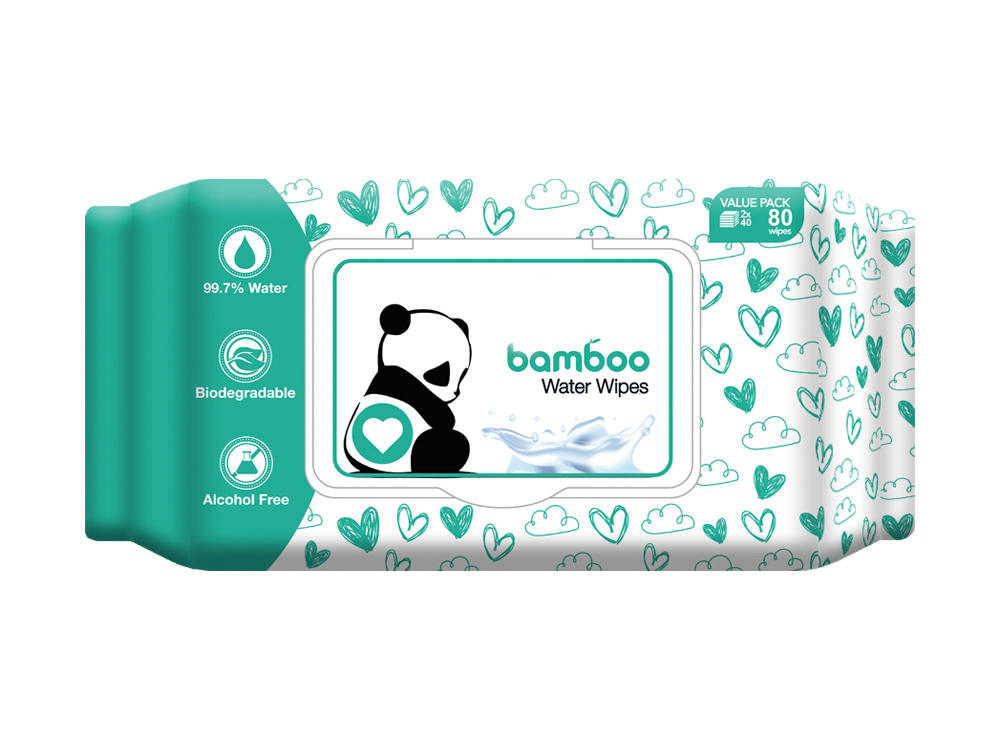
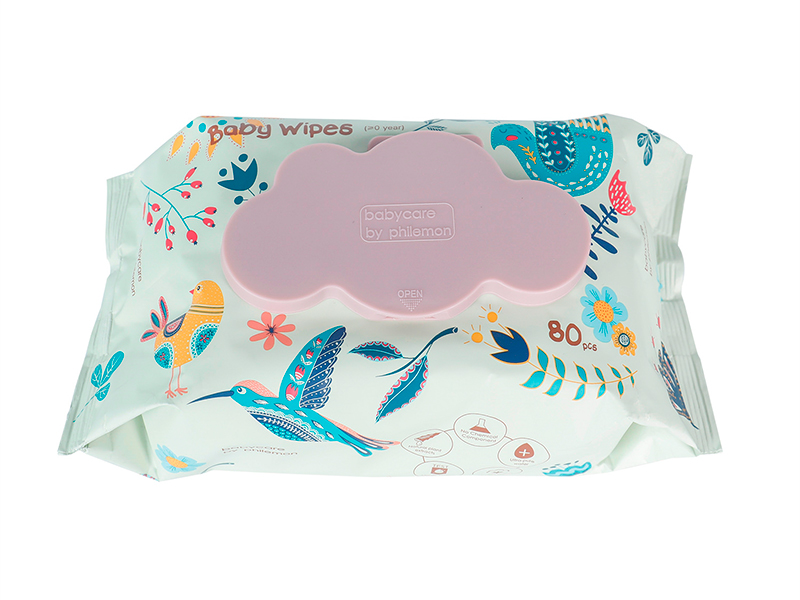
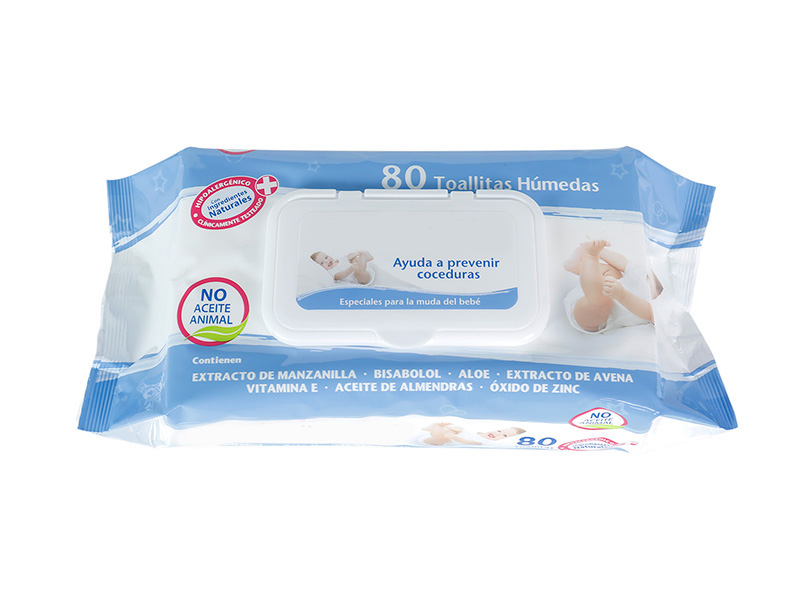
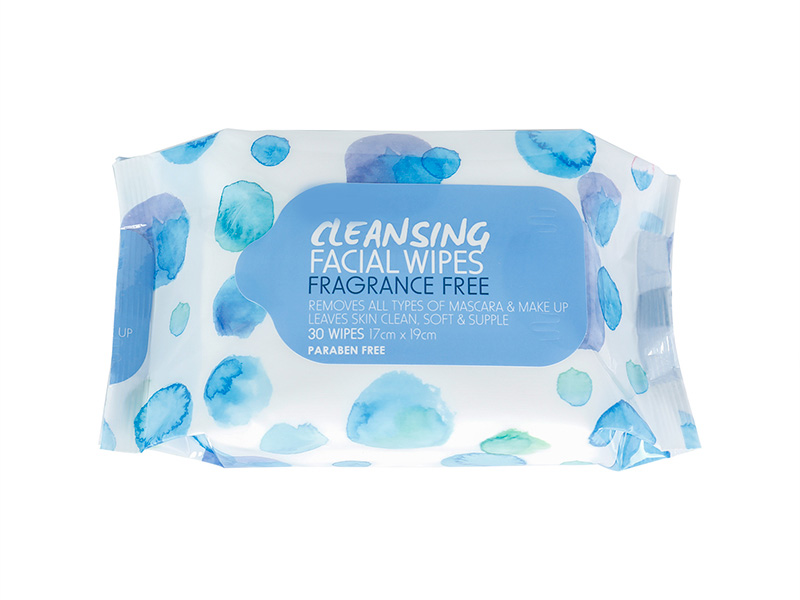
Individual sachets are ideal for portability and controlled single-use distribution. They can be placed in a shoe box, included with a sportswear purchase, distributed at events, or sold as part of a travel accessory package.
Individual packaging may also reduce the risk of moisture loss after opening because each wipe remains sealed until use. Artwork can be designed for strong visual recognition, particularly in impulse-purchase environments.
Multi-Piece Pouches
Multi-piece pouches are suitable for household users, frequent travelers, athletes, and consumers who clean several pairs of shoes. A resealable structure can help maintain moisture after opening, provided the closure is properly designed and the package is used according to instructions.
Multi-piece packs may offer a lower cost per wipe and can support promotional value. They may also provide more space for usage instructions, material warnings, brand messaging, and sustainability information.
Retail Display Considerations
Retail packaging should communicate the main benefit quickly. Clear wording may focus on sneaker cleaning, quick stain removal, no-wash convenience, portability, or compatibility with selected footwear materials. Claims should be accurate, understandable, and supported by product evaluation.
Package dimensions, hanging holes, shelf stability, carton arrangement, and barcode placement should be considered during design. The packaging team can work with the manufacturer to ensure that the artwork matches the actual filling and sealing process.
Quality Control from Raw Materials to Finished Goods
Quality control should be implemented throughout the production process rather than only at the final inspection stage. A reliable system begins with approved raw materials and continues through process monitoring and finished-product testing.
Incoming Material Inspection
Nonwoven fabric, packaging film, labels, fragrance components, and other materials should be inspected against agreed specifications. Important characteristics may include appearance, dimensions, basis weight, strength, roll condition, print quality, and packaging integrity.
Material approval is especially important for private label products because changes in fabric or package structure can affect wiping performance and shelf stability.
Liquid Preparation and Filling
The cleansing solution should be prepared according to an approved formula and controlled process. Relevant checks may include appearance, odor, pH where applicable, batch identification, liquid quantity, and other customer-defined parameters.
Filling equipment should apply the intended amount of solution consistently. Underfilling may reduce cleaning performance, while overfilling can create leakage, sealing, and handling problems.
Sealing and Package Integrity
Package seals should be inspected for strength, continuity, cleanliness, and resistance to leakage. Poor seals can cause moisture loss during storage or allow contamination to enter the package.
Packaging inspection may include visual examination, seal-strength testing, leak testing, and transport simulation where required. The specific testing program should reflect the package format and distribution conditions.
Finished-Product Inspection
Finished products may be evaluated for wipe count, size, folding, liquid loading, package appearance, print accuracy, seal quality, odor, and carton configuration. Samples may also be retained for future reference and quality comparison.
Consistent batch records and traceability support faster investigation if a customer reports a concern. They also help maintain product consistency over repeat orders.
Responsible Product Positioning and Usage Guidance
Shoe cleansing wipes should be marketed as a convenient maintenance product. Clear instructions help consumers use the product effectively and responsibly. A typical instruction may advise the user to open the package, gently wipe the contaminated area, and allow the surface to dry naturally.
For delicate or unfamiliar materials, the user should test the wipe on a small hidden area before full application. This is especially important for dyed leather, suede, nubuck, metallic finishes, painted surfaces, and footwear with special coatings.
Product communication should avoid implying that one wipe is suitable for every shoe. It is better to define the validated application range and provide appropriate warnings. Claims such as “safe for leather and mesh” should be supported by testing on representative materials and should not be extended automatically to suede, nubuck, or other sensitive surfaces.
Disposal instructions may also be included. Unless a product has been specifically tested and certified for flushability, used shoe cleansing wipes should not be flushed down toilets. They should be placed in an appropriate waste receptacle according to local waste-management practices.
Applications across Commercial Markets
Footwear Brands
Footwear brands can include shoe cleansing wipes as an accessory with new sneaker purchases or sell them as part of an after-sales care program. A branded wipe pack can reinforce the brand’s interest in product maintenance and encourage consumers to keep their footwear in better condition.
Shoe-Care Product Companies
Established shoe-care companies may add cleansing wipes to a portfolio that already includes brushes, creams, sprays, protective treatments, and cleaning tools. Wipes provide a lower-effort option for daily or emergency maintenance and can complement deeper-care products.
Wholesalers and Importers
Wholesalers and importers can use private label shoe cleansing wipes to build differentiated product lines for regional markets. Packaging, language, scent, and pack size can be adapted to local purchasing habits and distribution channels.
Sports and Outdoor Retailers
Sports and outdoor consumers often need quick cleaning after training, commuting, hiking, or travel. Compact wipes can be displayed near footwear, sports bags, camping equipment, or checkout areas.
Travel and Hospitality Businesses
Individual sachets may be included in travel hygiene kits, business travel packages, hotel amenity sets, or premium passenger-care products. Their small size and simple application make them practical for users who need to refresh footwear away from home.
Retail and E-Commerce Sellers
For retailers and online sellers, shoe cleansing wipes are easy to bundle with sneakers, shoe storage products, clothing-care items, and travel accessories. They can also be offered in subscription or multipack programs for frequent users.
How to Plan a Private Label Project
A successful project begins with a clear product brief. The customer should identify the target footwear materials, intended users, sales channels, preferred package format, expected order volume, target price range, and destination markets.
The following information is useful during initial communication:
- Brand name and target product positioning
- Preferred wipe dimensions and quantity per pack
- Target footwear materials
- Cleaning performance expectations
- Fragrance or fragrance-free requirements
- Preferred substrate characteristics
- Package type and artwork requirements
- Target countries or regions
- Required certifications or technical documents
- Estimated sample and mass-production quantities
- Expected delivery schedule
After receiving the brief, the manufacturer can recommend suitable materials and production options. Samples should be evaluated not only visually but also through practical use. The customer should test the product on real or representative footwear and assess cleaning performance, drying time, residue, scent, wipe strength, package convenience, and consumer instructions.
Any desired product claims should be reviewed before artwork is finalized. This helps ensure that marketing language matches the validated performance and applicable market requirements.
Product Differentiation Opportunities
Private label buyers can differentiate shoe cleansing wipes in several ways. A product may be positioned as an everyday sneaker-maintenance wipe, a premium leather-care wipe, a travel accessory, a sports product, or an environmentally conscious cleaning solution where suitable materials and claims have been properly verified.
Premium Softness
A softer substrate and refined package design may appeal to premium footwear brands and consumers who value a more comfortable cleaning experience. Premium positioning can also be supported by carefully selected fragrance, attractive artwork, and clear product instructions.
Compact Emergency Cleaning
An individually wrapped wipe can be marketed for use before meetings, interviews, events, celebrations, travel connections, and social activities. The product’s small size makes it easy to carry and creates opportunities for cross-selling.
Sports and Outdoor Maintenance
A product designed for sports shoes, running shoes, hiking footwear, or outdoor equipment can focus on fast removal of dust and mud after activity. Packaging may be designed for gym bags, backpacks, and vehicle storage.
Family and Household Packs
Larger multipacks can target households with several pairs of sneakers or children’s footwear. This format may be attractive to parents, schools, sports clubs, and retail stores seeking practical cleaning products for frequent use.
Market-Specific Formulation
Different regions may have different expectations regarding fragrance, moisture, packaging, language, and cleaning performance. Customized development enables customers to adapt the product to local conditions rather than relying on one universal specification.
Sustainability and Material Considerations
Sustainability is becoming an important consideration in the development of disposable wipes. Customers may ask about fiber selection, packaging reduction, responsible sourcing, biodegradability, or the use of alternative nonwoven materials. These topics should be evaluated carefully because environmental claims must reflect the complete product system.
A wipe marketed as biodegradable or flushable requires appropriate testing, certification, and disposal communication. Shoe cleansing wipes generally contain dirt and cleaning solution after use and should be disposed of through normal waste channels unless a specific alternative has been validated.
Manufacturers with experience in eco-friendly flushable and degradable nonwoven categories may be able to discuss material options and development directions. However, a material used in one product category should not automatically be described with the same environmental claims in another category. Each finished product requires its own assessment.
Packaging optimization can also reduce material consumption. Smaller packs, efficient folding, appropriate carton configuration, and reduced secondary packaging may contribute to more efficient transportation and storage. These improvements should be balanced against moisture protection, durability, shelf presentation, and product safety.
Why an Experienced Manufacturing Partner Matters
Many challenges in wipe manufacturing are interconnected. Changing the nonwoven fabric may change liquid retention. Changing the formula may affect sealing or package stability. Changing the pack size may influence folding, filling speed, carton dimensions, and shipping efficiency. An experienced partner can evaluate these relationships more effectively.
Kingsafe and Uniquality’s long-term experience in nonwoven materials and hygiene products provides a foundation for managing these technical considerations. The company’s research and development capabilities, production network, testing resources, and OEM/ODM experience support customers seeking a dependable supply partner rather than a simple finished-goods reseller.
The company’s product experience includes spunlace nonwoven fabrics, spunmelt nonwoven fabrics, hot-air-through nonwovens, flushable and degradable nonwovens, wet wipes, dry wipes, baby diapers, training pants, wet toilet paper, cleansing wipes, medical products, household products, industrial cleaning products, and clothing-related materials.
This broad background can support innovation while allowing shoe cleansing wipes to remain focused on their specific requirements: effective surface cleaning, soft contact, convenient use, suitable moisture, package stability, and reliable mass production.
Frequently Asked Questions
Q1: What materials are used for shoe cleansing wipes?
Shoe cleansing wipes are commonly made with soft nonwoven fabrics such as spunlace nonwoven. Spunlace can provide absorbency, flexibility, strength, and a comfortable wiping sensation. The substrate can be adjusted according to the required wipe size, liquid capacity, texture, strength, and target footwear materials.
Q2: Can the cleaning formula be customized?
Yes. The cleaning solution, fragrance, moisture level, and functional requirements can be discussed for each project. Formula development should consider the target footwear materials, customer expectations, intended markets, and applicable regulations. Samples and compatibility testing are recommended before mass production.
Q3: Are shoe cleansing wipes suitable for leather?
They may be developed for selected leather and synthetic leather applications, but compatibility depends on the leather finish, color, coating, and formula. Users should follow the product instructions and test the wipe first on an inconspicuous area. Suede, nubuck, and special finishes may require separate products or should be excluded from the recommended application range.
Q4: Can the product be used on mesh and sports shoes?
Yes, shoe cleansing wipes can be developed for mesh and sports footwear. The substrate and liquid formula should be evaluated on representative materials to confirm cleaning performance, color safety, residue, and drying behavior.
Q5: Do you provide private label packaging?
Yes. Private label packaging can include individual sachets, multi-piece pouches, and branded retail packaging. Packaging specifications, artwork, language, label information, carton configuration, and package quantities can be discussed according to the customer’s sales channel and target market.
Q6: What information is needed for an OEM or ODM project?
Customers should provide product positioning, target footwear materials, desired specifications, packaging requirements, target regions, expected order quantity, and any required claims or certifications. This information helps the manufacturer recommend an appropriate substrate, formula, package format, and production plan.
Q7: Can samples be provided before bulk production?
Yes. Samples can be arranged for evaluation and confirmation before mass production. Customers should test the samples on representative footwear and review cleaning effectiveness, moisture, fragrance, drying, residue, wiping feel, and packaging performance.
Q8: Can the product help remove yellow oxidation?
A suitable wipe may improve the appearance of a shoe by removing surface dirt and certain visible discoloration. However, yellowing can result from oxidation, aging, adhesive changes, material damage, or other causes. Any oxidation-related claim should be supported by product testing and communicated with appropriate limitations.
Q9: How can product quality be maintained during storage?
Finished packs should be stored in a cool, dry, clean environment away from direct sunlight and excessive heat. Packages should remain sealed until use. Exact storage conditions and shelf-life expectations should be confirmed through stability evaluation and the final product specification.
Q10: Can shoe cleansing wipes be flushed?
They should not be flushed unless the finished product has been specifically tested, certified, and labeled for flushability. Used shoe cleansing wipes should normally be discarded in a suitable waste container.
Q11: What advantages does an integrated manufacturer provide?
An integrated manufacturer can coordinate nonwoven material selection, formula development, wipe converting, packaging, inspection, and delivery. This may simplify communication, improve specification consistency, and reduce the need for customers to manage several separate suppliers.
Q12: Which businesses can purchase customized shoe cleansing wipes?
Target customers include footwear brands, shoe-care companies, wholesalers, retailers, importers, e-commerce sellers, sports retailers, outdoor businesses, travel-kit suppliers, hospitality companies, and professional distributors that require branded or customized cleaning solutions.
Conclusion
Shoe cleansing wipes offer a practical combination of cleaning performance, portability, convenience, and private label flexibility. They are especially useful for white sneakers, sports footwear, leather shoes, mesh uppers, travel situations, and everyday surface maintenance. Compared with traditional cleaning routines, they provide a faster and simpler way to address dust, mud, and light stains without washing the entire shoe.
The most competitive products are supported by careful nonwoven selection, balanced liquid formulation, reliable sealing, suitable packaging, material compatibility testing, and consistent production control. These elements help distinguish professionally developed wipes from basic low-cost alternatives.
Zhejiang Uniquality Nursing Products Technology Co., Ltd., supported by the Kingsafe and Uniquality manufacturing network, provides OEM and ODM solutions covering product concept development, nonwoven substrate selection, cleaning formula customization, packaging design, wipe production, quality inspection, and finished-product delivery. Its long-standing experience in nonwoven materials and hygiene products, eight domestic production bases, GMP-standard clean workshops, purified water systems, professional testing capabilities, global production planning, and extensive patent portfolio provide a strong foundation for international cooperation.
For footwear-care brands, retailers, importers, and distributors, customized shoe cleansing wipes can become a useful addition to a broader product portfolio. With the right specification and manufacturing partner, the product can be adapted to target materials, consumer habits, market regulations, package formats, and sales channels while maintaining the core benefits of fast, portable, no-wash shoe maintenance.
References
1. Company-provided product information for shoe cleansing wipes, including applications, customization options, material descriptions, and usage benefits.
2. Company-provided corporate information regarding nonwoven material development, hygiene product manufacturing, production bases, research and development, and OEM/ODM services.
3. General principles of nonwoven fabric engineering, including spunlace structure, absorbency, softness, wet strength, and converting performance.
4. General guidance for pre-moistened wipe formulation, packaging integrity, liquid loading, storage stability, and quality inspection.
5. General footwear-care product development practices concerning leather, synthetic leather, mesh, canvas, rubber, textile uppers, and surface compatibility testing.
6. General private label and contract manufacturing practices for household cleaning products, retail packaging, product specifications, and international supply chain management.