中文简体
中文简体 English
 日本語
日本語 русский
 Español
Cleaning wipes have become an important part of modern hygiene, household maintenance, commercial sanitation, and personal care. Buyers increasingly expect more than a simple disposable cloth. They want reliable cleaning performance, convenient packaging, stable supply, attractive private label presentation, and materials that align with changing environmental expectations. For manufacturers, this means that successful cleaning wipes must combine fiber engineering, formulation expertise, controlled production, quality assurance, and flexible customization.
The product discussed in this article is a versatile disposable cleaning wipe designed for multiple applications. Depending on the selected material, lotion, pattern, packaging format, and sheet specification, it can be developed for facial cleansing, makeup removal, general household cleaning, kitchen use, bathroom care, glass cleaning, surface maintenance, hospitality service, industrial cleaning, and other commercial applications. The same manufacturing platform can support different market positions, from economical high-volume wipes to premium private label products with specialized materials and performance characteristics.
A key advantage of this product category is its ability to deliver convenience without sacrificing softness, strength, absorbency, or hygiene. Unlike ordinary reusable towels, disposable wipes are not stored for extended periods in damp environments. This can help reduce the risk of odor, microbial growth, and cross-contamination associated with poorly maintained reusable cloths. Unlike basic paper products, engineered nonwoven wipes can provide improved wet strength, flexibility, liquid release, and resistance to tearing.
For business buyers, the value of a cleaning wipe is determined by more than its appearance. It depends on whether the manufacturer can consistently produce the specified basis weight, dimensions, texture, lotion distribution, package count, sealing quality, and carton configuration. It also depends on whether the supplier can respond efficiently to product development, testing, regulatory, and logistics requirements. An integrated manufacturing structure can therefore provide a significant advantage over suppliers that only convert purchased materials or assemble products through disconnected subcontractors.
Product Overview and Market Applications
Disposable cleaning wipes are single-use cleaning products made from nonwoven fibers and, where required, a liquid formulation. They are designed to remove dirt, oils, cosmetic residues, dust, stains, and other contaminants from selected surfaces or skin. The exact product formula and intended use must be clearly defined because a facial cleansing wipe and a household surface wipe have different requirements for softness, pH, fragrance, preservatives, cleaning agents, and safety evaluation.
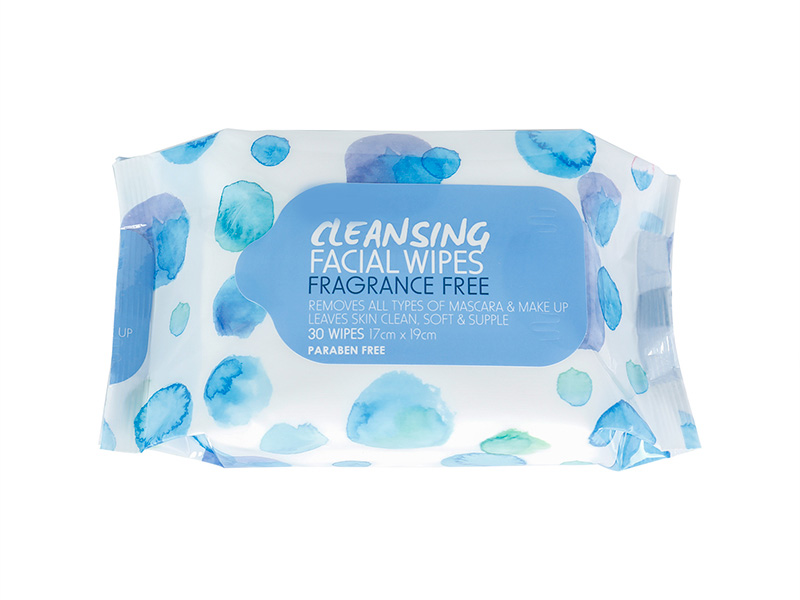
The product platform supports both dry and wet wipe development. Dry wipes can be supplied for users who prefer to add their own cleanser, lotion, disinfectant, solvent, or water. Wet wipes are pre-saturated with a controlled solution that may be formulated for general-purpose cleaning, kitchens, bathrooms, glass, personal cleansing, or other applications. Fragrance-free versions can be developed for sensitive-use positioning, while customized fragrance options can support a more distinctive retail experience.
Typical applications include:
- Facial cleansing and makeup removal
- Personal washing and refreshing
- Secondary cleansing and gentle exfoliation
- Wet compress applications
- Nail polish removal when compatible materials and liquids are selected
- Kitchen surface cleaning
- Bathroom and sanitary area cleaning
- Glass and polished surface cleaning
- General household dust and stain removal
- Hospitality, office, and facility maintenance
- Industrial and commercial cleaning tasks
Because these applications are different, the finished product should not be treated as a single universal formula. A successful supplier evaluates the target application before recommending fibers, embossing, liquid loading, package type, and performance claims. This application-led approach helps prevent problems such as insufficient wet strength, excessive lint, surface scratching, unpleasant residue, poor reseal performance, or incompatibility between the liquid and the package.
For face cleaning, softness and low lint are especially important. The wipe should feel comfortable against the skin and maintain its integrity during wiping. For household cleaning, buyers may prioritize strong stain removal, rapid drying, low residue, and compatibility with common hard surfaces. For industrial use, tensile strength, solvent resistance, absorbency, and packaging efficiency may be more important than cosmetic softness. The ability to adjust the product according to its use is one of the most important advantages of an integrated wipes manufacturer.
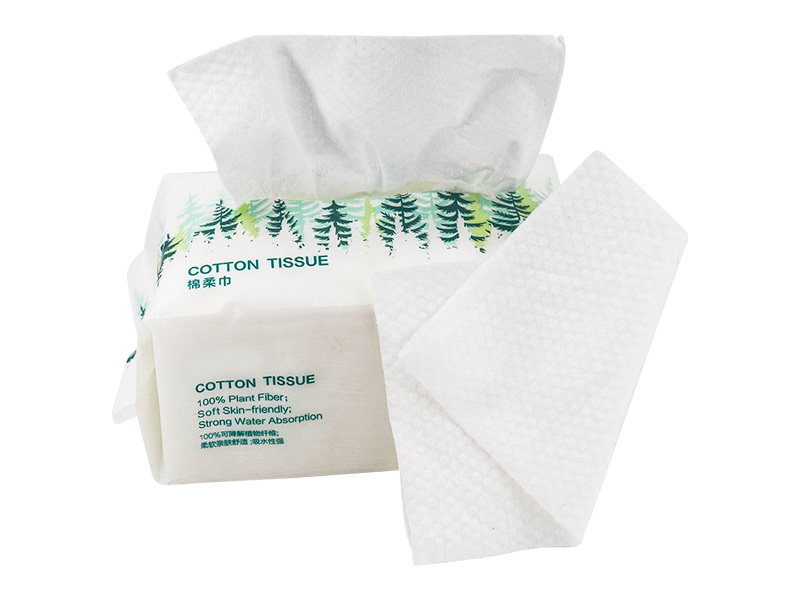
Natural cleaning wipes
Material Engineering for Reliable Wipe Performance
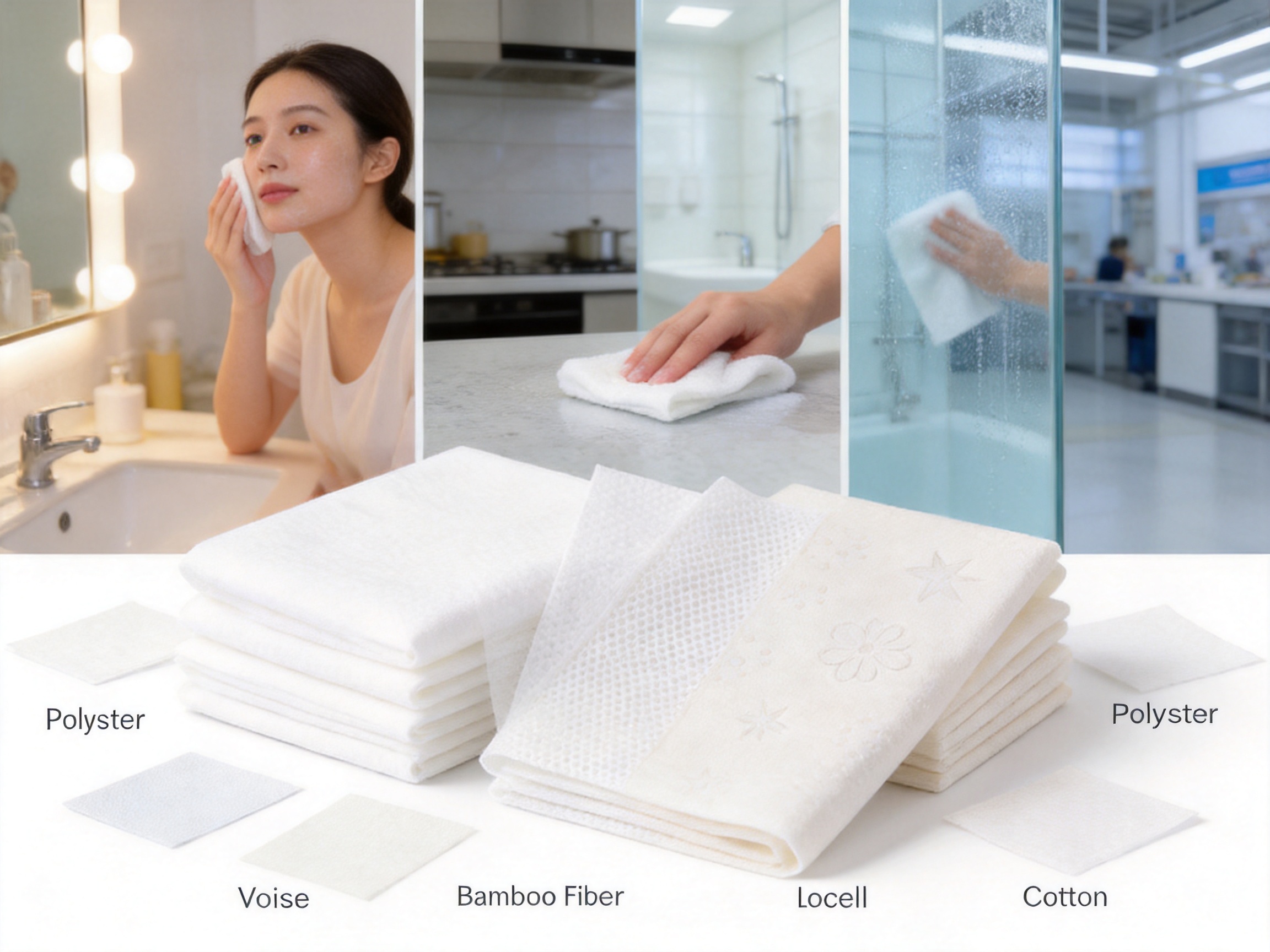
The substrate is the foundation of a cleaning wipe. It determines much of the product’s softness, strength, absorbency, liquid release, drape, texture, and biodegradability profile. The available material range includes polyester, viscose, bamboo fiber, lyocell, cotton, spunlace nonwoven, and other customized nonwoven constructions. Each material has different characteristics, and the best choice depends on the target market and end use.
Polyester and Blended Fibers
Polyester fibers can contribute strength, dimensional stability, and resistance to deformation. They are useful when the wipe must retain its structure during wet handling or cleaning of demanding surfaces. Polyester can also be blended with absorbent fibers to balance durability and liquid management. A carefully designed blend may provide better handling performance than a single-fiber substrate, especially for wipes that must be folded, pulled from a package, or used against textured surfaces.
However, polyester-based substrates may not be the first choice for buyers seeking a plant-based or biodegradable positioning. In those cases, the manufacturer can recommend alternative fibers or a customized blend. Material selection should therefore be based on the complete product strategy rather than on one performance characteristic alone.
Viscose, Cotton, and Plant-Based Fibers
Viscose and cotton are valued for softness, absorbency, and a comfortable hand feel. These fibers can be suitable for facial cleansing and personal care wipes, where the user expects a gentle and pleasant experience. Cotton-based materials can absorb liquid efficiently while releasing it during use, helping the wipe spread lotion or cleaning solution across a surface.
Bamboo fiber and lyocell are increasingly considered for products positioned around renewable or plant-based materials. Their use can support sustainability-oriented product development, although the complete environmental profile depends on fiber processing, blending, chemical inputs, packaging, disposal conditions, and certification. Responsible product communication should distinguish between “plant-based,” “biodegradable,” “compostable,” and “flushable,” as these terms do not mean the same thing.
For private label customers, a manufacturer can compare different material options according to softness, wet strength, absorbency, texture, price, and sustainability objectives. This enables the brand owner to make a practical choice rather than selecting a material based only on marketing language.
Spunlace Nonwoven Technology
Spunlace, also called hydroentangled nonwoven technology, uses high-pressure water jets to entangle fibers and form a strong, flexible web. The process can create a fabric-like substrate with a soft hand feel, good drape, and reliable wet performance. It is widely used in wipes because it can accommodate different fiber types and produce a variety of weights and textures.
Compared with loosely bonded low-quality materials, a well-engineered spunlace substrate can provide better resistance to linting and tearing. This is particularly valuable for makeup removal, wet wiping, and tasks that require repeated passes over a surface. The technology also supports the development of plain, mesh, embossed, and other patterned surfaces.
The product specifications can be adjusted within a broad range. Available basis weights are approximately 30 to 100 grams per square meter, while the standard width and length range can be configured around 18 to 20 centimeters in width and 10 to 20 centimeters in length. Actual dimensions, weight, folding method, and sheet count can be customized according to the customer’s packaging and application requirements.
Surface Patterns and Functional Texture
Wipe texture affects both user perception and cleaning efficiency. The available patterns include plain, mesh, dot embossed, flower, and star designs. These patterns are not only decorative. They can influence surface contact, liquid distribution, friction, softness, and the ability to capture or remove particles.
A plain surface may be preferred for facial cleansing, sensitive-use products, or economical general-purpose wipes. Mesh patterns can provide a textured feel that helps lift residues from selected surfaces. Dot embossing can improve visual appeal and may help the sheet maintain a more substantial structure during use. Flower and star patterns are useful for differentiated retail products, particularly when appearance is part of the customer experience.
Pattern selection should be tested against the intended application. A texture that is effective for removing kitchen residue may not be appropriate for delicate skin or high-gloss surfaces. The manufacturer can evaluate the relationship between pattern depth, substrate weight, wet strength, and liquid formulation to create a balanced product.
The product can also be produced using parallel or semi-cross technology, depending on the selected substrate construction. These configurations influence fiber orientation, strength behavior, flexibility, and overall feel. By adjusting the manufacturing method and material composition, the supplier can support different requirements for softness, tear resistance, absorbency, and handling stability.
Performance Advantages Compared with Conventional Alternatives
One of the primary advantages of disposable cleaning wipes is convenience. A wipe is ready to use, easy to carry, and simple to dispose of after the intended task. Users do not need to prepare a bucket, wash a reusable cloth, or store a damp towel. This convenience is particularly valuable in travel, hospitality, offices, healthcare support areas, retail environments, and fast-paced household routines.
When compared with ordinary cotton pads, a face cleaning wipe can offer a larger usable surface and greater structural integrity. A durable sheet may remove makeup across the entire face without deforming or breaking apart as easily as a small cotton pad. This can reduce the number of individual pieces required for one cleansing routine. The actual performance depends on sheet size, fiber composition, lotion loading, and the type of cosmetic product being removed.
When compared with conventional reusable towels, disposable wipes can provide a more controlled hygiene cycle. Reusable towels require proper washing, drying, and storage. If they remain damp, they may develop odor or support unwanted microbial growth. Disposable wipes are manufactured, sealed, and used within a shorter cycle, which can help improve hygiene management when used correctly.
When compared with low-grade paper towels, nonwoven wipes often offer higher wet strength, improved flexibility, and better resistance to disintegration. This makes them more suitable for wiping liquids, cosmetics, and cleaning agents. The wipe can maintain contact with the surface rather than breaking apart immediately after saturation.
When compared with unstructured bulk cloth, packaged wipes provide more consistent dimensions, cleaner handling, and easier inventory control. Each sheet can be produced to a defined size and basis weight, with a specified sheet count per package. This consistency is important for retail presentation, institutional supply contracts, and commercial cleaning operations.
Additional performance advantages can include rapid liquid release, low lint, good absorbency, smooth wiping, and quick drying without obvious water marks. For household cleaning, formulations may be developed for broad-spectrum cleaning performance, multi-stain removal, low residue, and compatibility with selected hard surfaces. However, product claims should always be supported by appropriate testing, and users should follow the instructions for use.
Softness and Low-Flocculation Structure
Softness is a major differentiator in both facial and household wipes. A rough or unstable sheet can create an unpleasant experience, especially when used on skin or polished surfaces. Properly selected fibers and controlled web formation can produce a smooth, flexible substrate with low flocculation. Low flocculation means the wipe is less likely to shed visible fibers during normal use, although the exact result depends on substrate construction and application.
Strength During Wet Use
Wet strength is essential because many wipes are pulled from packaging, unfolded, saturated with liquid, and used with pressure. A weak sheet can tear, roll, or leave fragments on the surface. Spunlace construction and appropriate fiber blending help provide the strength needed for different applications. The manufacturer can adjust the product to prioritize softness for personal care or durability for commercial cleaning.
Absorbency and Liquid Release
A high-quality wipe should absorb and retain an appropriate amount of liquid while releasing enough solution during wiping. Excessive absorption may leave the wipe feeling dry and reduce cleaning coverage. Insufficient absorption may lead to dripping, uneven distribution, or poor handling. Controlled basis weight, fiber composition, and lotion loading are therefore important parts of product design.
Hygiene and Controlled Manufacturing
Manufacturing conditions have a direct effect on wipe quality and customer confidence. A professional producer should control raw material receiving, web formation, liquid preparation, cutting, folding, filling, sealing, labeling, carton packing, and finished-goods storage. These controls help reduce variation from one batch to the next.
The manufacturing organization described in the supplied information operates 100,000-class GMP clean workshops and uses a purified water system designed to pharmacopoeia-related standards. Such infrastructure is especially valuable for wet wipes because water is often the principal component of the lotion. Water quality can influence odor, stability, microbial control, and product shelf life. A purified water system, combined with appropriate preservation and sanitation procedures, supports more consistent production.
High-temperature sterilization processes may be used where appropriate to support hygienic production. Sterilization and microbial-control claims must be matched to the actual process, product category, and applicable regulatory requirements. A responsible manufacturer validates the process rather than relying on general statements. Batch records, environmental monitoring, equipment sanitation, and finished-product testing are essential elements of a robust hygiene program.
A full-function testing center can support the evaluation of raw materials and finished wipes. Testing may include basis weight, dimensions, tensile strength, elongation, absorbency, liquid loading, pH, odor, linting, package seal integrity, microbial limits, and stability. For application-specific products, additional testing may examine stain removal, surface compatibility, residue, drying time, fragrance stability, and user acceptability.
The manufacturer’s reported experience in medical, baby, household, industrial, and personal care products provides a broad technical foundation. Different product categories have different quality expectations, and experience across multiple segments can help the engineering team identify suitable materials, production conditions, and inspection procedures.
Integrated Production and Supply Chain Strength
A major competitive advantage is control over more of the industrial chain. The company develops and produces nonwoven substrates as well as finished hygiene products, including wet wipes, dry wipes, cleansing wipes, diapers, pull-ups, flushable-related materials, and other nonwoven products. This integrated structure can reduce dependence on external material suppliers and improve responsiveness to customer requirements.
Vertical integration may provide several benefits:
- More direct control over raw material specifications
- Faster adjustment of substrate weight, fiber blend, and texture
- Better coordination between nonwoven production and wipe converting
- Improved traceability from material input to finished goods
- Reduced communication gaps between development and manufacturing teams
- Greater flexibility for private label product launches
- More stable supply during large or recurring orders
The company has established eight domestic production bases and is developing an additional production presence in Vietnam. A multi-site manufacturing network can support capacity planning, regional supply strategies, and business continuity. It may also help international customers reduce lead-time pressure or evaluate production options for different markets. The exact allocation of orders should be assessed according to product specifications, certification needs, shipping requirements, and customer demand.
Large annual capacity in nonwoven fabrics, wet wipes, dry wipes, and diapers can be especially important for supermarket chains, distributors, and established brands. These buyers need more than a successful sample. They require repeatable production, predictable scheduling, and the ability to increase volume after a product gains market acceptance.
Manufacturing scale must be combined with process discipline. A large factory that cannot maintain consistent quality does not provide a reliable competitive advantage. The relevant strength comes from the combination of production capacity, technical personnel, testing capability, clean manufacturing, documented quality systems, and coordinated supply-chain management.
Private Label and OEM/ODM Development
Private label customers often need a supplier that can participate from the earliest concept stage. The project may begin with only a target market, a desired price range, or a general application. The manufacturer can then help define the wipe material, size, sheet count, lotion, fragrance, package, and carton configuration.
OEM and ODM services can include:
- Selection of spunlace, bamboo, lyocell, cotton, biodegradable, or blended substrates
- Development of kitchen, bathroom, glass, surface, personal cleansing, or general-purpose formulas
- Fragrance-free and customized fragrance options
- Selection of soft packs, canisters, refill packs, flow packs, or other formats
- Adjustment of sheet count and package size
- Private label logo printing and artwork coordination
- Carton design and shipping mark preparation
- Sampling, testing, production, inspection, and shipment support
Product development should normally follow a structured sequence. First, the buyer defines the intended use and target market. Second, the manufacturer recommends substrate and formula options. Third, laboratory or pilot samples are produced. Fourth, the customer evaluates cleaning performance, softness, fragrance, package handling, and appearance. Fifth, the formula and specifications are finalized. Finally, mass production begins under approved quality standards.
Clear specifications are essential for preventing misunderstandings. A purchase specification may include the material composition, basis weight, sheet dimensions, folding style, liquid weight, lotion ingredients, pH range, fragrance, package count, package film, seal requirements, carton quantity, labeling, shelf life, and inspection standard. The more clearly these items are documented, the easier it is to maintain consistent production across repeat orders.
For brands entering a crowded market, visual differentiation can be supported by embossing, pattern selection, package structure, fragrance, color, and communication of material benefits. Nevertheless, visual design should not replace performance. A premium package cannot compensate for a wipe that tears, dries out, leaves lint, or fails to remove the intended residue.
Packaging Options and Commercial Flexibility
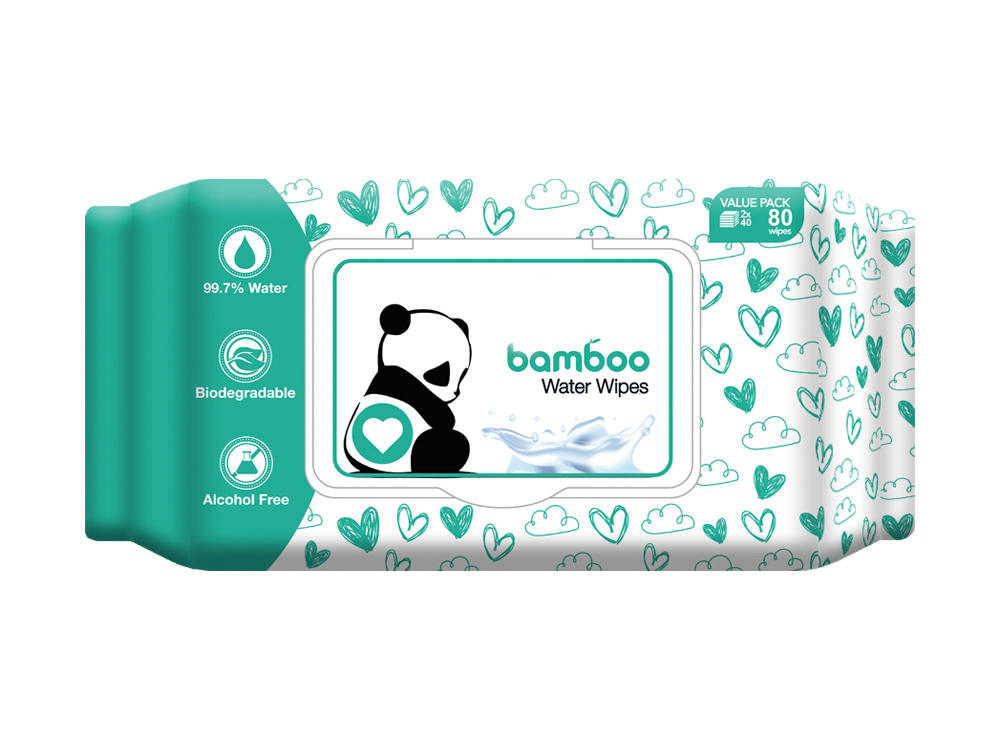
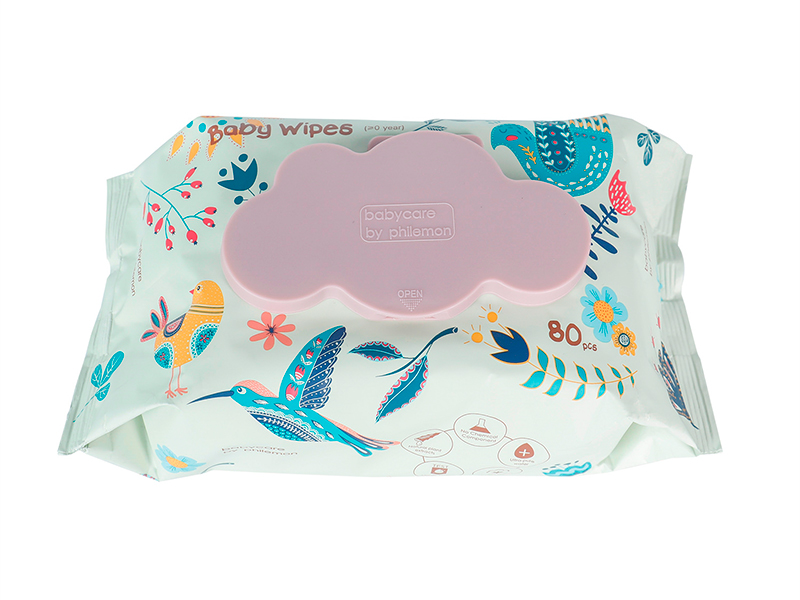
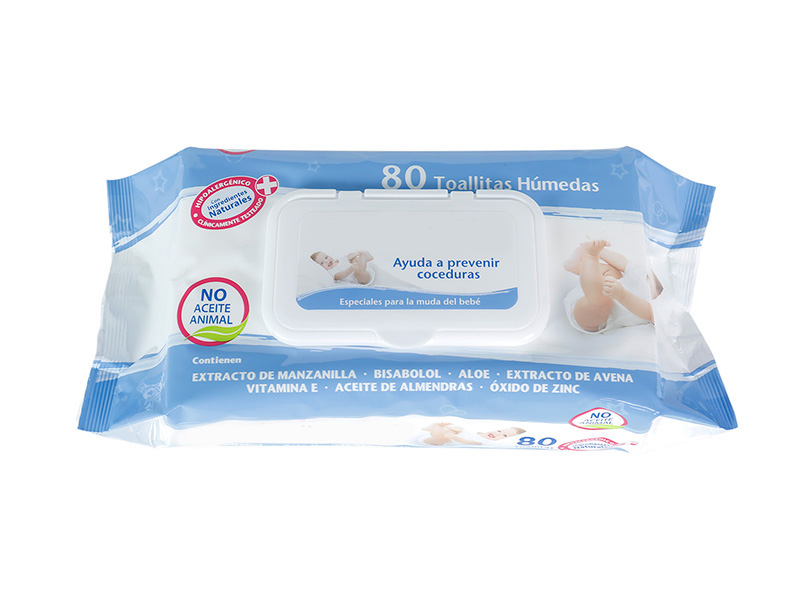
Packaging protects the wipes from contamination, moisture loss, fragrance loss, and physical damage. It also determines how the consumer or professional user accesses the sheet. The available formats include soft packs, canisters, refill packs, flow packs, extraction packs, roll formats, and compression formats.
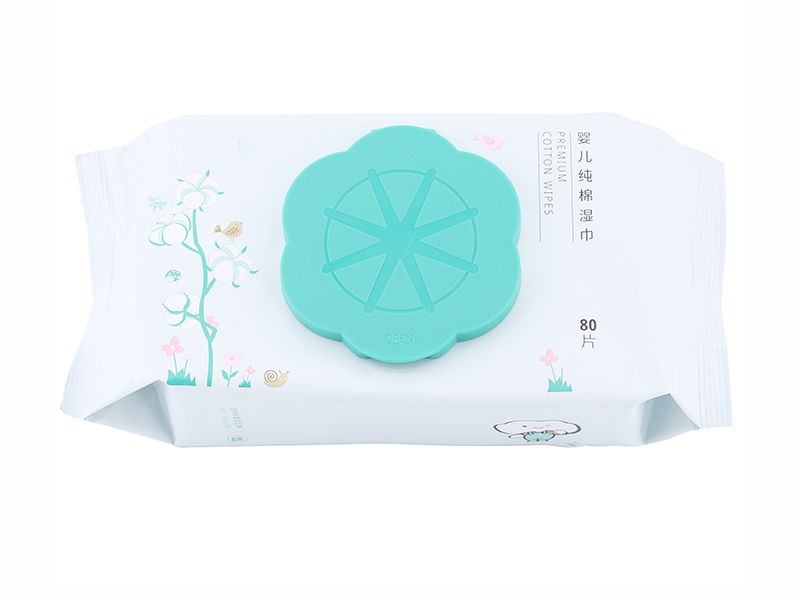
Soft packs are commonly selected for household and personal care products because they are lightweight, space-efficient, and suitable for high-volume retail distribution. A resealable opening can help protect the remaining wipes from drying. Canisters may offer a more rigid structure and convenient one-by-one dispensing, making them suitable for workplaces, kitchens, bathrooms, and commercial environments.
Refill packs can help reduce packaging material compared with repeatedly purchasing rigid containers, depending on the design and disposal system. They may also support a premium product strategy in which the customer keeps a dispenser and replaces only the internal pack. Flow packs are useful when compact individual or small-count packaging is required for hospitality, travel, food service, or promotional distribution.
Extraction, roll, and compression formats provide additional flexibility. Extraction wipes are designed to be pulled from a pack in sequence. Roll products can support continuous dispensing in certain professional environments. Compression wipes are compact before activation and can be expanded with water or another compatible liquid. Each format requires appropriate evaluation of folding, sealing, dispensing, storage, and user instructions.
Packaging customization can include the number of sheets per pack, pack dimensions, film structure, opening design, print colors, label area, carton quantity, pallet arrangement, and shipping marks. Buyers should also consider the relationship between package size and logistics. Compact packaging can improve container utilization, while excessive air or oversized cartons may increase freight cost.

Quality Assurance from Sampling to Shipment
Quality assurance begins before the first production order. During sampling, the manufacturer should confirm whether the proposed material and formula meet the intended performance. A sample approval process gives the buyer an opportunity to assess softness, tear resistance, absorbency, liquid distribution, fragrance, odor, cleaning effect, packaging convenience, and visual appearance.
During mass production, incoming material inspection helps verify that the fibers, packaging films, labels, cartons, and liquid ingredients comply with approved specifications. In-process controls can monitor web weight, cutting accuracy, folding, liquid loading, package filling, sealing temperature, and production speed. Finished-product inspection can then verify the final appearance, dimensions, package count, seal integrity, and other agreed requirements.
Traceability is particularly important for products that may be distributed across different countries or retail channels. A traceable system can connect the finished package to its production date, material batch, formula batch, equipment line, and inspection records. This helps the manufacturer investigate deviations and supports more efficient corrective action when needed.
The company reports support from a testing center and a portfolio of 169 patents. Patents alone do not guarantee product quality, but they indicate a focus on technical development and process innovation. The practical value comes from applying research results to materials, equipment, formulations, packaging, and quality systems that improve the finished product.
Export experience is another important strength for international buyers. Export orders often involve multilingual packaging, different market requirements, documentation, carton markings, loading plans, and shipment coordination. An experienced supplier can help customers identify the information required before production, reducing the risk of delays or incorrect packaging.
Sustainability Considerations
Sustainability is becoming increasingly important in the wipes industry. Buyers may ask for bamboo fiber, lyocell, biodegradable nonwoven substrates, reduced packaging, refill formats, or plant-based materials. The manufacturer can provide these options according to the required performance and target market.
Material sustainability should be assessed as part of the complete product life cycle. A biodegradable fiber may not biodegrade effectively in every disposal environment. A plant-based material may still be combined with synthetic fibers or a non-biodegradable package. A product marketed as flushable requires particularly careful evaluation because flushability involves dispersibility, plumbing compatibility, wastewater conditions, and local standards. These claims should be supported by appropriate testing and certification where required.
Environmental manufacturing can include efficient use of water and energy, waste reduction, responsible chemical management, recycling of production remnants, and optimization of packaging materials. Green production is most credible when it is connected to measurable processes and documented improvements.
For customers developing an eco-oriented product, the manufacturer can compare conventional spunlace, bamboo, lyocell, biodegradable nonwoven, and customized materials. The decision should consider cleaning performance, wet strength, softness, cost, shelf life, disposal route, certification, and consumer expectations. A balanced solution is usually more successful than selecting an environmentally positioned material that does not perform adequately in real use.
How the Product Can Outperform Competing Wipes
Competition in the cleaning wipes market is intense, and many products appear similar at first glance. Differentiation comes from the combination of substrate engineering, formulation, hygiene, package quality, customization, and supply reliability.
First, the product can be tailored to a specific application rather than sold as a generic sheet. A face wipe can emphasize softness, low lint, and skin comfort. A kitchen wipe can emphasize oil and stain removal. A glass wipe can focus on low residue and reduced streaking. A commercial wipe can prioritize strength, absorbency, and economical packaging. This specialization improves the chance that the finished product will meet user expectations.
Second, the manufacturer can offer a broad material portfolio. Buyers are not limited to one substrate or one price level. They can select polyester blends for strength, cotton or viscose for absorbency, bamboo or lyocell for plant-based positioning, or biodegradable options for sustainability-focused projects.
Third, a full industrial chain can support more stable quality and faster development. A supplier that controls both nonwoven production and finished wipe converting can coordinate material changes more effectively than a trading company that depends on unrelated subcontractors. This can shorten communication cycles and improve control over repeat orders.
Fourth, the product can be offered in different patterns, sizes, weights, and package formats. This creates more opportunities for brand differentiation and channel-specific products. A supermarket product, hotel amenity wipe, industrial refill, and e-commerce multipack may all use the same manufacturing expertise while requiring different commercial configurations.
Fifth, clean workshops, purified water systems, testing capability, and controlled production support hygiene and consistency. These features are particularly important for buyers serving regulated, professional, or international markets.
Finally, the supplier can provide one-stop OEM and ODM support. Customers can receive assistance with material selection, formula development, package engineering, private label artwork, sampling, quality control, and shipment. This reduces the need to coordinate several separate vendors and can help bring a new product to market more efficiently.
Recommended Specification Planning for Buyers
Before requesting a quotation, buyers should prepare as much information as possible. The intended application is the most important starting point. A wipe designed for skin should not automatically use the same formula as one designed for a bathroom surface. Buyers should identify whether the product is for personal care, household cleaning, commercial cleaning, industrial use, or a combination of applications.
Important quotation information includes:
| Specification Area | Information to Confirm | Why It Matters |
|---|---|---|
| Application | Face, kitchen, bathroom, glass, general surface, industrial, or other use | Determines material, formula, testing, and labeling requirements |
| Material | Polyester, viscose, bamboo, lyocell, cotton, biodegradable, or blend | Influences softness, strength, absorbency, sustainability, and cost |
| Sheet size | Width, length, folding style, and tolerance | Affects cleaning coverage, packaging dimensions, and user convenience |
| Basis weight | Approximately 30–100 grams per square meter or customized value | Influences thickness, hand feel, absorbency, and material consumption |
| Pattern | Plain, mesh, dot embossed, flower, star, or customized design | Supports functional texture and visual differentiation |
| Formula | General-purpose, kitchen, bathroom, glass, surface, or customized | Determines cleaning performance, residue, odor, and compatibility |
| Fragrance | Fragrance-free or selected fragrance | Supports sensitive-use positioning or brand identity |
| Packaging | Soft pack, canister, refill, flow pack, roll, or compression format | Affects dispensing, shelf life, logistics, and retail presentation |
| Quantity | Sheet count per pack, cartons per shipment, and estimated order volume | Supports pricing, production planning, and freight calculation |
| Market | Country or region of sale and intended sales channel | Influences labeling, testing, certification, and documentation |
If some specifications are undecided, buyers can request several development options. For example, the manufacturer may provide an economical standard substrate, a softer premium substrate, and a plant-based alternative. Comparing samples side by side can make the final decision more objective.
Application Guidance for Facial Cleaning Wipes
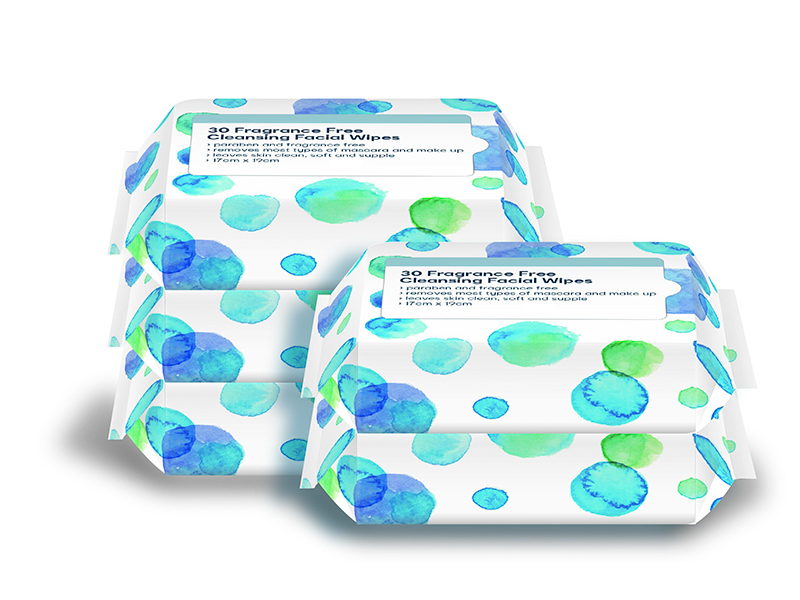
For facial cleansing, the wipe should be used gently without excessive pressure. A well-constructed sheet can help remove makeup and surface impurities while maintaining its structure. Compared with multiple small cotton pads, one larger wipe may cover more area and reduce the number of separate pieces required.
The wipe can also be used with water or a suitable cleansing product when the product design allows it. Some users may prefer to replace direct hand washing with a damp washcloth-style wipe, while others may use the wipe as a final cleansing step. For wet compress applications, the sheet can be cut to a desired size only when the product instructions and hygiene conditions make this appropriate.
Users with sensitive skin should select products specifically formulated and labeled for that purpose. Fragrance-free options may be preferable for some users, but fragrance-free does not automatically mean suitable for every skin type. Patch testing and careful use are recommended when introducing a new personal care wipe.
For nail polish removal, the wipe material and liquid compatibility must be evaluated in advance. Some solvents can affect synthetic fibers, package films, printing, or sealing materials. A product intended for this purpose should be developed and tested accordingly rather than assumed to be compatible.
Application Guidance for Household and Commercial Cleaning
Household and commercial users should select a formula that matches the surface and soil type. Kitchen cleaning may require a formulation that helps remove grease and food residues. Bathroom cleaning may require support for soap deposits and general sanitary maintenance. Glass cleaning generally requires low residue and fast drying to help reduce visible marks.
Before broad use, the wipe should be tested on a small, inconspicuous area, especially when cleaning painted, varnished, natural stone, electronic, coated, or highly polished surfaces. No cleaning wipe should be considered universally safe for every material. The product label should identify intended surfaces, prohibited uses, storage requirements, and disposal instructions.
For professional users, packaging efficiency and dispensing control are important. Canisters and refill packs may simplify routine cleaning in offices, hotels, restaurants, clinics, and facilities. Larger sheet counts and carton configurations can reduce the frequency of replenishment. Clear batch information and stable supply are also useful for inventory management.

Q&A: Frequently Asked Questions
1. Are these cleaning wipes suitable for both personal and household use?
The manufacturing platform can support both personal cleansing wipes and household or commercial cleaning wipes. However, the substrate, lotion, fragrance, preservatives, labeling, and testing should be selected according to the intended application. A facial wipe and a bathroom wipe should not be treated as interchangeable products.
2. What materials are available?
Available materials include polyester, viscose, bamboo, lyocell, cotton, spunlace, biodegradable nonwoven, and customized blends. The best choice depends on the required softness, strength, absorbency, sustainability profile, application, and target price.
3. Can the wipe size and sheet count be customized?
Yes. Width, length, basis weight, folding style, and sheet count can be adjusted according to the package format and intended use. Common dimensions are approximately 18 or 20 centimeters in width and 10 to 20 centimeters in length, with customized specifications also available.
4. What surface patterns can be produced?
Common patterns include plain, mesh, dot embossed, flower, and star designs. Pattern selection can influence appearance, texture, surface contact, and product positioning.
5. Are fragrance-free products available?
Yes. Fragrance-free options can be developed for customers seeking a neutral odor profile or a sensitive-use positioning. Customized fragrances are also available when fragrance is part of the brand strategy.
6. What packaging formats can be supplied?
Packaging options include soft packs, canisters, refill packs, flow packs, extraction formats, roll formats, compression formats, and other customized structures. The selection depends on dispensing, portability, shelf life, retail presentation, and logistics requirements.
7. Can the cleaning formula be customized?
Yes. Formulas can be developed for general-purpose cleaning, kitchens, bathrooms, glass, surface cleaning, facial cleansing, or other defined applications. Formula selection should consider cleaning performance, residue, fragrance, material compatibility, regulatory requirements, and target market expectations.
8. Can eco-friendly cleaning wipes be supplied?
Biodegradable, plant-based, bamboo, lyocell, and other sustainability-oriented materials can be considered. The complete product should be evaluated, including substrate, lotion, packaging, disposal conditions, and relevant certifications. Environmental claims should be supported by appropriate evidence.
9. What makes an integrated manufacturer different from a trading supplier?
An integrated manufacturer may control more stages of production, including nonwoven material development, substrate manufacturing, wipe converting, liquid preparation, packaging, testing, and shipment coordination. This can improve traceability, customization, communication, and supply stability.
10. Can the supplier support new product development?
Yes. Support can extend from initial material and formula recommendations through sampling, testing, packaging development, mass production, inspection, and shipment. Customers can work with the technical and sales teams to refine a product even when the initial specifications are incomplete.
11. What information is needed for an accurate quotation?
The supplier should receive the intended application, preferred material, wipe size, basis weight, pattern, sheet count, formula type, fragrance preference, packaging format, estimated order quantity, target market, and delivery requirements. If these details are not finalized, the supplier can provide alternative options for comparison.
12. Are certifications available?
Certification and testing documentation may be available according to the product, market, material, and customer requirements. Buyers should specify which certifications or test reports are needed before sampling or mass production so that the correct documentation plan can be established.
13. Can the product be used on all surfaces?
No cleaning product should be assumed to be suitable for every surface. Users should follow the product instructions and test an inconspicuous area when necessary. Special caution is recommended for natural stone, electronics, coatings, delicate finishes, and other sensitive materials.
14. How does the manufacturer help maintain consistent quality?
Consistency is supported through controlled raw materials, standardized production, clean manufacturing areas, purified water systems, in-process inspection, finished-product testing, batch traceability, and coordination between development and production teams.
Why This Product Platform Supports Long-Term Business Growth
For a private label brand, the goal is not merely to place one order. The goal is to create a product that can be repeated, expanded, and supported over time. A flexible cleaning wipe platform allows a brand to begin with one application and later add complementary products. For example, a company may launch a general household wipe and then expand into kitchen, bathroom, glass, refill, premium fiber, or commercial formats.
A manufacturer with experience in medical, baby, household, industrial, and personal care products can bring cross-category knowledge to new projects. This can help customers evaluate softness, hygiene, absorbency, package durability, and regulatory expectations more comprehensively.
Stable production capacity is also important when demand increases. A successful retail launch can create sudden requirements for additional volume, new packaging, or multiple regional versions. A supplier with multiple production bases, broad equipment capability, and integrated material resources is better positioned to support this growth than a small supplier with limited capacity.
Long-term cooperation also benefits from transparent communication. Buyers should receive clear information about lead times, minimum order quantities, sample approval, material availability, packaging preparation, inspection, and shipment. The supplier should communicate any changes that could affect product performance or delivery. This professional approach reduces uncertainty and supports a stronger relationship between manufacturer and brand owner.
Conclusion
Advanced cleaning wipes combine the convenience of a disposable product with the performance of engineered nonwoven materials. Their advantages can include softness, strength, absorbency, low lint, flexible texture, convenient packaging, and suitability for a wide range of personal, household, commercial, and industrial applications.
The strongest competitive position comes from customization and manufacturing control. Buyers can choose among polyester, viscose, bamboo, lyocell, cotton, biodegradable, and blended substrates; select plain, mesh, embossed, flower, or star patterns; define the sheet size and basis weight; develop fragrance-free or customized formulas; and select soft packs, canisters, refill packs, flow packs, roll formats, or compression formats.
Advanced production infrastructure further strengthens the product platform. Clean workshops, purified water systems, high-capacity nonwoven and wipes manufacturing, testing resources, multiple production bases, export experience, and an integrated industrial chain can help support quality, innovation, and reliable supply.
For private label brands, wholesalers, distributors, retailers, hospitality suppliers, facility management companies, e-commerce businesses, and industrial cleaning providers, the product offers a practical foundation for developing differentiated wipe solutions. The most successful projects begin with a clear application, carefully selected materials, validated formulas, suitable packaging, and documented quality requirements.
With the right development process, cleaning wipes can become more than a basic consumable. They can serve as a dependable, customizable, and scalable product line that supports customer convenience, operational efficiency, hygiene management, and long-term brand growth.
References
1. International Nonwovens Association. Technical principles and applications of hydroentangled nonwoven materials.
2. World Health Organization. General principles for hygiene, sanitation, and safe handling of cleaning products.
3. United States Pharmacopeia. General guidance related to purified water and microbiological quality control.
4. European Committee for Standardization. General considerations for nonwoven materials and disposable hygiene products.
5. International Organization for Standardization. Quality management principles for manufacturing and supply-chain control.
6. Textile Exchange. Guidance on preferred fibers, plant-based materials, and responsible textile production.
7. Industry technical literature on spunlace nonwoven construction, absorbency, wet strength, and fiber entanglement.
8. Product development and quality-control records supplied for the cleaning wipes manufacturing platform.