中文简体
中文简体 English
 日本語
日本語 русский
 Español
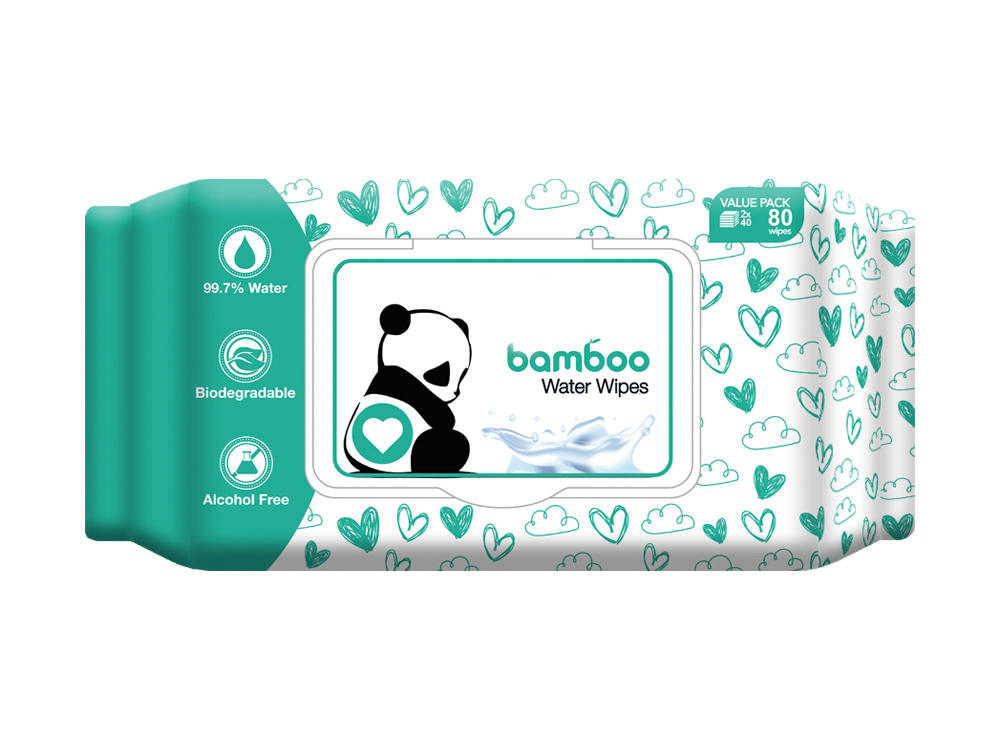
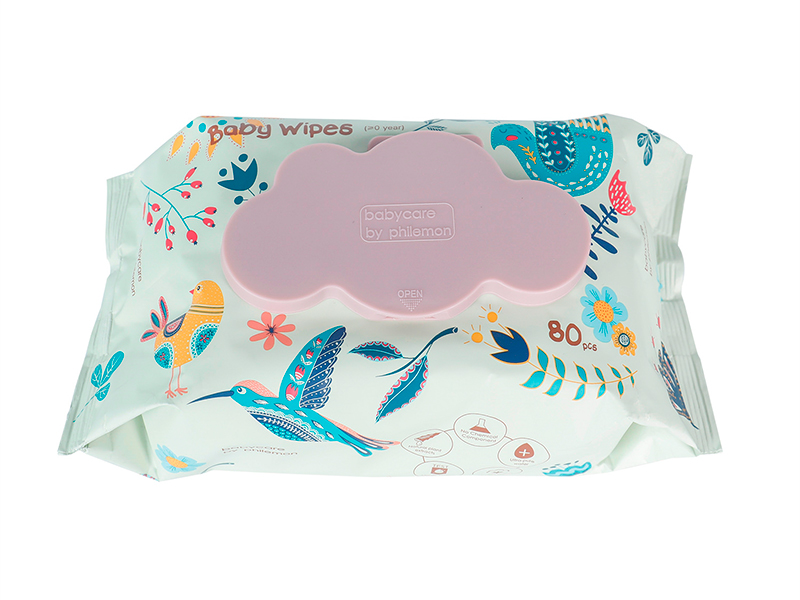
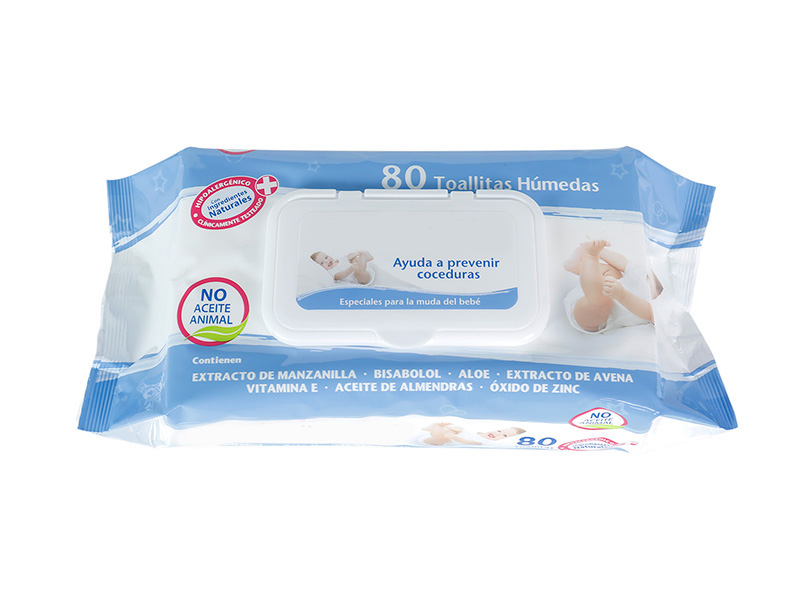
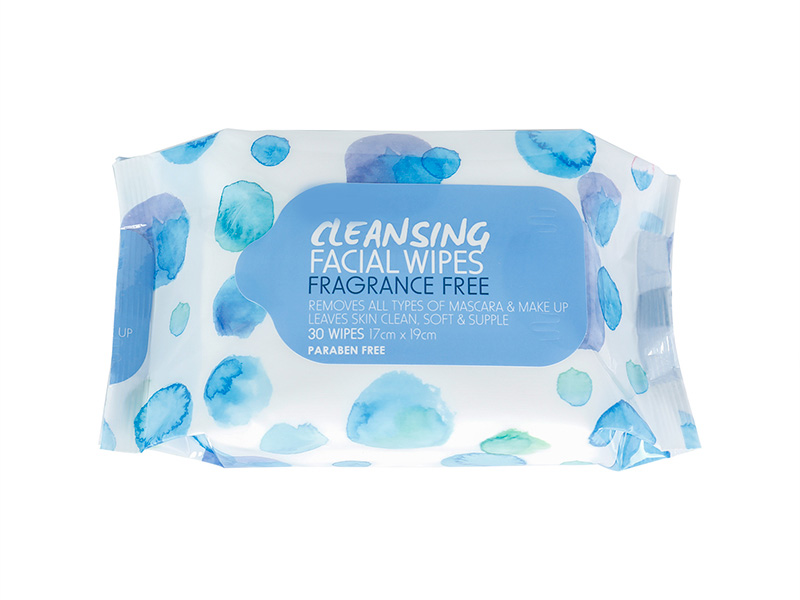
Ass wet wipes are designed for gentle, effective cleansing of the perianal area after using the toilet, changing a diaper, managing incontinence, or completing personal hygiene routines. Because this area is particularly sensitive to friction, moisture, residue, and unsuitable ingredients, a high-quality wipe must do more than simply remove visible soil. It should combine softness, controlled cleansing performance, skin compatibility, convenient packaging, and dependable manufacturing quality.
Modern buyers increasingly seek wet wipes that can serve several market segments at once. Parents need gentle wipes for diaper changes. Adults want practical personal hygiene products for home, travel, and outdoor use. Caregivers require reliable wipes for elderly care and nursing routines. Hospitals, hotels, pharmacies, retailers, and private label brands need products that can be supplied consistently in commercial volumes. An OEM and ODM manufacturing program makes it possible to adapt one core wipe platform to these different applications.
The product described in this article is a soft, skin-friendly cleansing wipe developed for effective removal of loose stool and everyday residue while helping reduce skin irritation. Its pH-balanced rash-protect formula may be customized with moisturizing, soothing, repairing, or mild antibacterial functions according to the intended market and applicable regulations. The product can be supplied in different materials, sizes, moisture levels, lotion formulas, package formats, and branding configurations.
For professional buyers, the value of this product is not limited to the finished wipe. The manufacturing organization behind it controls major stages of the supply chain, including nonwoven substrate development, lotion formulation, wipe converting, packaging, quality inspection, and export coordination. This integrated approach can help private label customers improve consistency, simplify purchasing, and create differentiated products for their target markets.
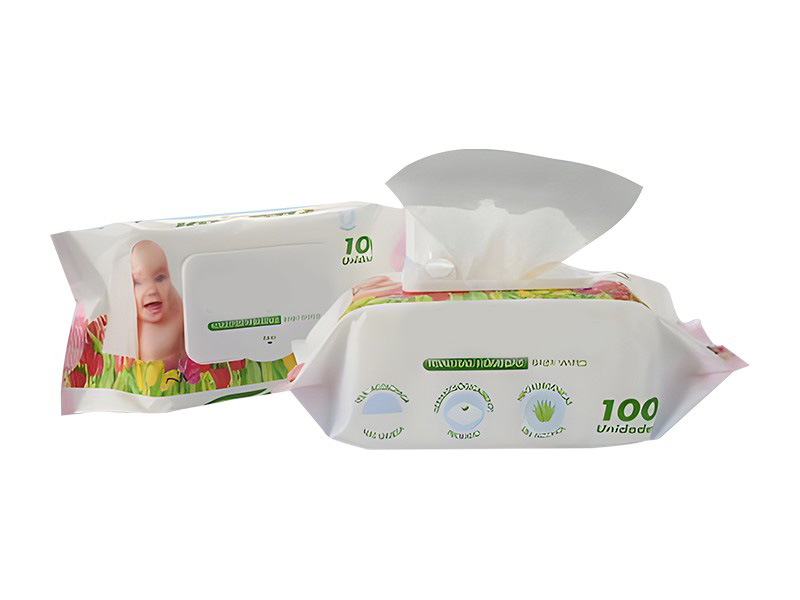
Ass Wet Wipes
What Are Ass Wet Wipes?
Ass wet wipes are pre-moistened cleansing wipes intended for use on the buttocks and perianal skin. In commercial product language, they may also be positioned as personal cleansing wipes, bathroom wipes, adult hygiene wipes, toilet hygiene wipes, baby bottom wipes, or sensitive skin cleansing wipes. The final name can be selected according to the customer’s market, brand positioning, local language requirements, and regulatory expectations.
The main purpose of the wipe is to support convenient cleansing when toilet paper alone is not sufficient or when a softer, more comfortable cleaning method is preferred. The wipe can help remove loose stool, urine residue, perspiration, and other surface impurities. Its pre-moistened construction helps reduce the need for excessive rubbing, which is important because repeated friction can contribute to discomfort and visible redness.
Although the product is often associated with baby care, its potential applications are much broader. The same general technology can be adapted for adult personal hygiene, sensitive skin care, travel hygiene, elderly care, nursing, hospitality, healthcare supply, and private label retail products. Formulation and material choices should be matched to the intended application rather than assuming that one specification is suitable for every user group.
Core Product Functions
The wipe is designed around several practical functions. First, it provides effective surface cleansing. The lotion must contain enough moisture to loosen residue while remaining comfortable on the skin. Second, the substrate must be soft enough for delicate areas and strong enough to resist tearing during use. Third, the formula should support a balanced skin environment and avoid unnecessary harshness. Fourth, the package should protect the lotion and maintain product quality during transportation and storage.
A pH-balanced formula is particularly relevant for sensitive skin applications. A balanced formula can help reduce the likelihood of discomfort caused by an excessively acidic or alkaline product, although final skin compatibility depends on the complete formulation, individual sensitivity, usage conditions, and regulatory testing. Customers may request fragrance-free, lightly scented, alcohol-free, moisturizing, soothing, or other functional versions according to their product strategy.
The phrase “rash-protect” should be used responsibly. A wipe can help cleanse the skin, reduce the accumulation of irritating residue, and support a comfortable hygiene routine. It should not be presented as a replacement for medical treatment unless the finished product has been specifically evaluated and registered for that purpose. For infant, elderly, and sensitive skin applications, clear instructions and appropriate safety testing are essential.
Product Advantages Over Conventional Alternatives
Wet wipes compete with several other cleansing methods, including dry toilet paper, ordinary tissues, low-moisture wipes, and poorly optimized general-purpose cleaning wipes. Their advantage is not simply that they are wet. A professionally developed hygiene wipe combines a suitable nonwoven structure with a carefully controlled lotion and a package designed to preserve moisture and cleanliness.
Softness for Delicate Skin
Perianal skin can become sensitive after frequent bowel movements, diarrhea, prolonged sitting, diaper wear, incontinence, or repeated cleaning. A soft spunlace substrate can provide a smoother contact surface than rough or low-quality paper products. The fiber blend, basis weight, bonding process, and finishing treatment can all influence the final hand feel.
Softness must be balanced with strength. A wipe that feels pleasant but tears during use may create a poor user experience and increase product waste. An integrated nonwoven manufacturer can evaluate substrate characteristics from the beginning instead of relying exclusively on an externally purchased fabric. This allows the material to be selected according to softness, wet strength, absorbency, lotion retention, flushability requirements, biodegradability goals, and cost targets.
Effective Cleansing With Less Friction
A well-designed lotion helps loosen and suspend residue so that it can be removed more easily. The moisture level should be sufficient for cleansing but not so high that the product becomes unpleasantly wet or difficult to handle. The wipe’s texture can also contribute to cleaning performance by helping lift residue from the skin without requiring excessive pressure.
Compared with dry paper used repeatedly, a suitable wet wipe may help users complete cleansing with fewer passes. This can be especially useful for people with sensitive skin, parents changing diapers, caregivers assisting elderly users, and travelers who may not have access to ideal washing facilities.
Skin Comfort and Moisture Support
The formula can be developed to include moisturizing and skin-comfort ingredients. These ingredients may help reduce the dry feeling that can follow frequent cleansing. Customers can choose a simple, minimalist formula for sensitive skin positioning or a more premium formula with carefully selected emollients and soothing components.
Ingredient selection should be based on safety, compatibility, stability, local regulations, and the desired market claim. A formula that works well in one region may require modification for another region because ingredient restrictions, labeling rules, or consumer preferences differ. OEM and ODM development enables the customer to select the appropriate balance of performance, cost, and claim support.
Convenience for Multiple Use Environments
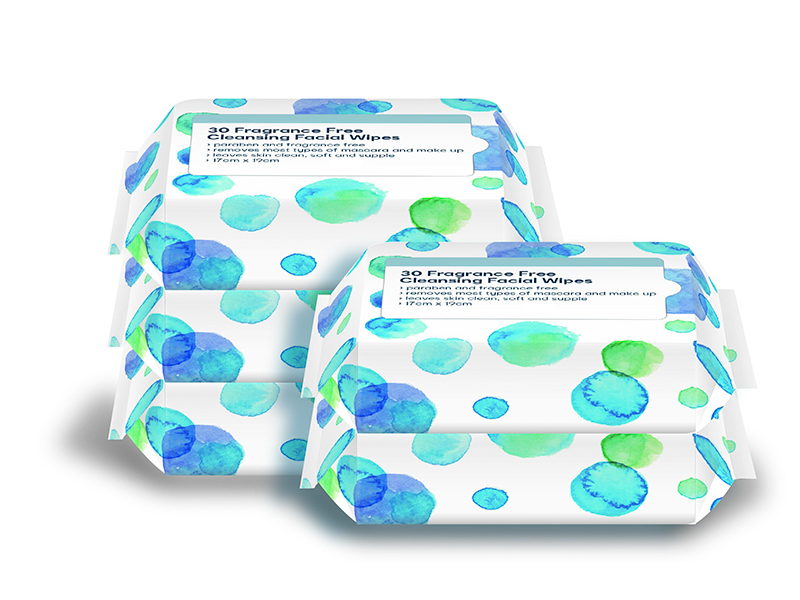
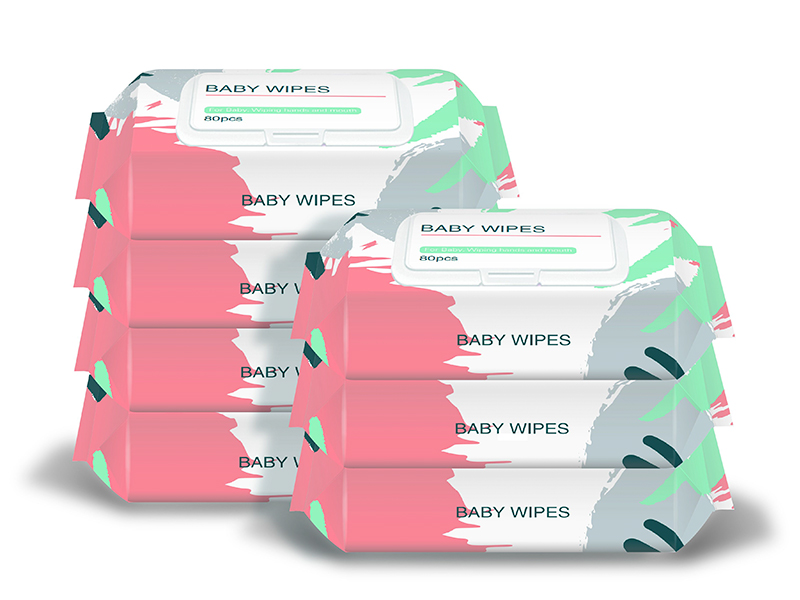
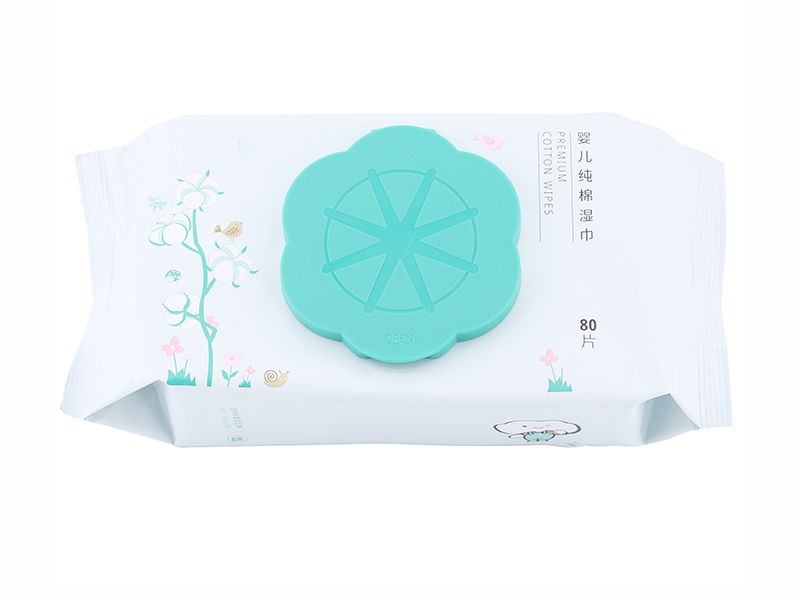
The compact format is suitable for bathrooms, diaper bags, nursing stations, travel luggage, vehicles, offices, hotels, and outdoor activities. Flip-top packs can be used at home, while resealable soft packs, travel packs, or individually wrapped wipes can serve mobile and institutional users.
For B2B customers, packaging can be customized for retail shelves, e-commerce fulfillment, hospitality rooms, healthcare facilities, or bulk institutional distribution. The wipe count, pack dimensions, opening system, label design, carton configuration, and pallet arrangement can all be adjusted to support the customer’s sales channel.
Flexible Positioning Compared With Standard Baby Wipes
Many standard baby wipes are designed primarily for diaper changes. A specialized personal cleansing wipe can be positioned more broadly for adults, caregivers, travelers, and users who need a practical bathroom hygiene solution. This wider positioning creates opportunities for brands that want to offer a complete personal care portfolio rather than a single baby product.
The same manufacturing platform can also support a family of related products. A customer may launch a basic everyday version, a fragrance-free sensitive skin version, a premium moisturizing version, a biodegradable version, and an institutional bulk version. Shared manufacturing expertise can help maintain a recognizable quality standard across the range while allowing each product to meet a different commercial need.
Customized Materials and Nonwoven Substrates
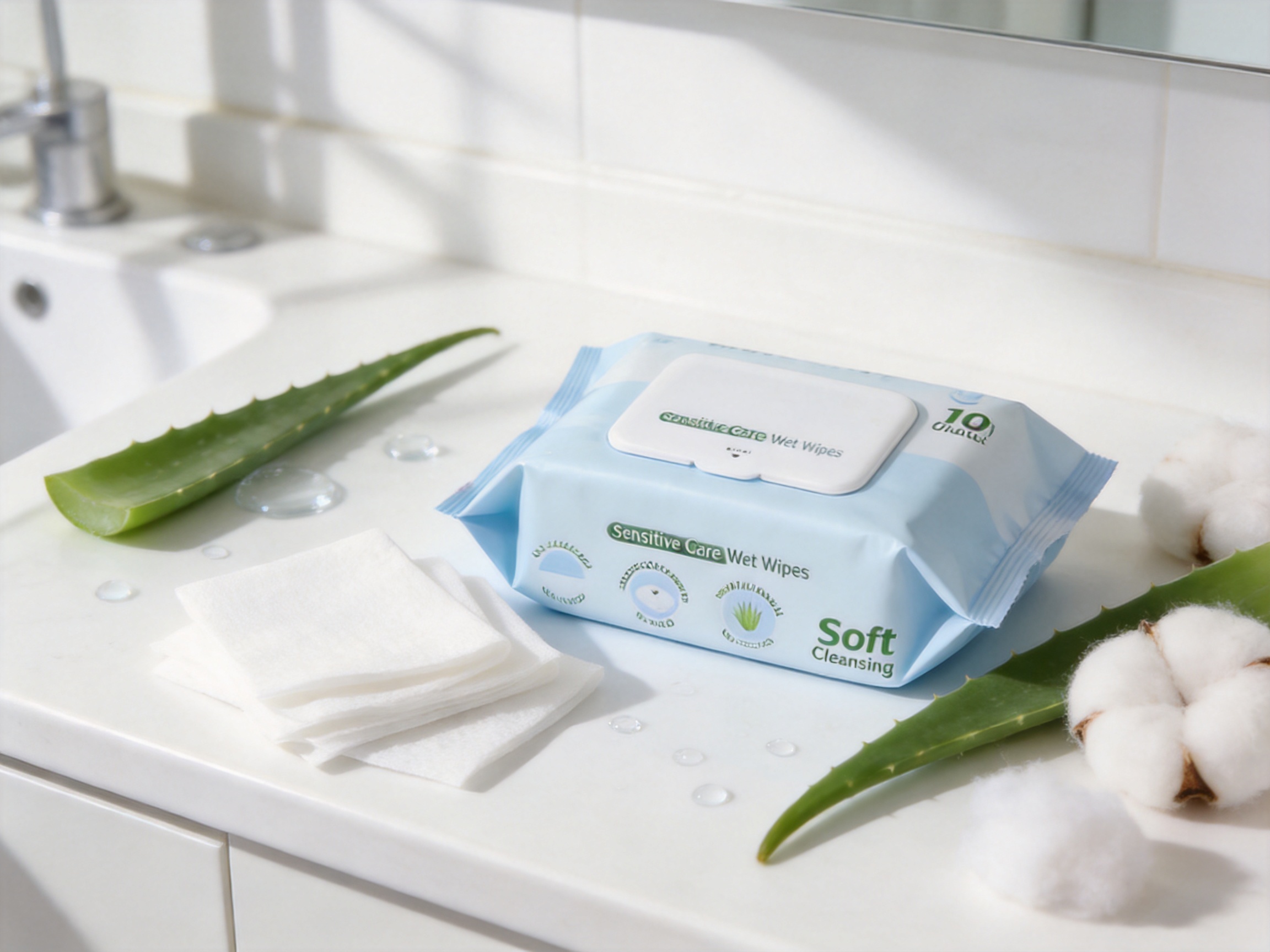
The nonwoven substrate is one of the most important components of a wet wipe. It determines much of the product’s softness, thickness, absorbency, wet strength, drape, texture, and environmental profile. Different buyers may require different substrate solutions depending on the intended use and target price.
Spunlace Nonwoven Fabric
Spunlace is commonly selected for personal cleansing wipes because it can provide a soft, textile-like feel. High-pressure water jets entangle the fibers without relying on traditional woven structures. The finished material can be engineered in different weights and fiber combinations to achieve a suitable balance of softness, strength, absorbency, and lotion retention.
For a sensitive skin wipe, the substrate should be evaluated for smoothness, linting, wet integrity, and compatibility with the lotion. A stronger material may be preferred for adult care or institutional use, while a lighter and softer material may be suitable for a compact travel pack. The correct specification depends on the user’s needs and the expected method of use.
Biodegradable and Flushability-Oriented Options
Some markets are interested in biodegradable substrates or wipes designed for specific disposal requirements. These products require careful engineering because biodegradability, wet strength, dispersion, packaging stability, and actual disposal conditions must be considered together. A wipe should never be labeled flushable solely because it is thinner or dispersible in a laboratory test. Applicable local standards, wastewater infrastructure, and product testing requirements must be reviewed before any flushability claim is made.
Customers seeking eco-oriented products may request plant-based fibers, biodegradable nonwoven materials, reduced-plastic packaging, or a product designed to minimize environmental impact. Such choices can affect cost, tensile strength, lotion retention, shelf life, and machinery settings. The manufacturer’s experience with both conventional and eco-friendly nonwoven applications is valuable during product development.
Substrate Selection Table
| Customer Requirement | Potential Material Direction | Important Evaluation Factors | Typical Market Positioning |
|---|---|---|---|
| Very soft contact feel | Fine-fiber spunlace | Softness, linting, wet strength, lotion compatibility | Baby care and sensitive skin |
| Higher cleaning durability | Reinforced spunlace structure | Tear resistance, absorbency, hand feel | Adult care and nursing hygiene |
| Lower-cost everyday product | Cost-optimized nonwoven blend | Basis weight, production efficiency, moisture level | Mass retail and institutional supply |
| Environmental positioning | Biodegradable or plant-based substrate | Biodegradability, wet strength, claims, disposal method | Eco-friendly personal care |
| Premium tactile experience | Higher-basis-weight soft spunlace | Thickness, drape, lotion retention, package volume | Premium personal hygiene |
The table provides general development directions rather than fixed specifications. A final recommendation should be based on product testing, target-market requirements, customer feedback, packaging limitations, and the required commercial cost.
Formula Development for Personal Hygiene Wipes
The lotion is the second major element of the product. It influences cleansing, skin feel, fragrance, preservation, moisture stability, and the overall consumer experience. A well-developed lotion should remain stable throughout the stated shelf life and should be compatible with the nonwoven substrate and package.
pH-Balanced Cleansing
A pH-balanced lotion is appropriate for products intended for delicate skin. The target pH should be selected by qualified formulation professionals based on the complete ingredient system and the intended use. Testing should include pH measurement, appearance, odor, viscosity where relevant, microbiological quality, stability, and compatibility with the wipe material.
The product may be formulated to provide a mild cleansing effect without unnecessary harshness. Strong detergents, excessive fragrance, and unsuitable preservatives may create avoidable concerns for sensitive users. Ingredient selection should be transparent and supported by appropriate technical documentation.
Moisturizing and Soothing Support
Moisturizing ingredients can improve the skin feel after use. Soothing ingredients may be selected to support a comfortable cleansing experience, especially in baby care, adult care, and frequent-use applications. The manufacturer can work with customers to determine whether the product should have a simple formula for broad tolerance or a more differentiated premium formula.
Claims such as “soothes redness,” “helps protect delicate skin,” or “moisturizes” should be reviewed carefully. The finished product, not only the individual ingredient, must support the proposed claim. Depending on the market, evidence may include laboratory testing, consumer use studies, dermatological evaluation, or other substantiation.
Mild Antibacterial Positioning
Some buyers request a mild antibacterial formula for specific hygiene applications. This request requires special attention because antibacterial claims may place the product under additional regulatory requirements. The active ingredient, concentration, testing method, labeling, and permitted claims must be checked for every intended market.
For general personal cleansing, a manufacturer may instead focus on physical removal of surface impurities and maintenance of a clean feeling. This can be more appropriate for products that are not intended to make a regulated antimicrobial claim. The final direction should be agreed during product development and documented in the product specification.
Fragrance and Allergen Considerations
Fragrance-free wipes are often requested for newborns, sensitive skin users, healthcare settings, and customers seeking a minimalist formula. Lightly fragranced wipes may be preferred in other retail markets. Fragrance selection should consider user expectations, allergen labeling, stability, and compatibility with the target region.
OEM and ODM development permits customers to choose different formula tiers. A basic version may prioritize affordability and everyday cleansing. A sensitive skin version may avoid fragrance and emphasize a simple ingredient list. A premium version may include additional moisturizing or soothing features. The manufacturing process can then be aligned with the selected formula and packaging requirements.
Advanced Integrated Manufacturing Capabilities
The manufacturer behind this product was founded in 1987 and has developed expertise in nonwoven materials, medical and hygiene products, nursing products, and clothing interlining. Its operations include eight domestic production bases, with an additional Vietnam factory planned for future expansion. This geographical and technical foundation supports supply continuity, production scalability, and access to multiple manufacturing resources.
One of the most important strengths is vertical integration. Instead of treating the nonwoven fabric as an unrelated purchased component, the company develops and manufactures nonwoven substrates as part of its wider product system. This can improve communication between material development, lotion application, converting, packaging, and quality control.
Nonwoven Research and Development
The company’s product portfolio includes spunlace nonwoven fabrics, spunmelt nonwoven fabrics, hot-air-through nonwoven fabrics, flushable and degradable nonwoven materials, wet wipes, dry wipes, baby diapers, training pants, wet toilet paper, cleansing wipes, and other hygiene products. Experience across these categories gives the technical team a broader understanding of fiber behavior, absorbency, softness, strength, and converting performance.
Material development can be adjusted to accommodate product requirements such as different wipe sizes, folding styles, basis weights, textures, and liquid loads. A customer developing a premium personal care wipe may prioritize a soft, thick substrate. A distributor seeking an affordable everyday wipe may require a lighter and more cost-efficient structure. A healthcare customer may emphasize consistent performance, packaging hygiene, and documentation.
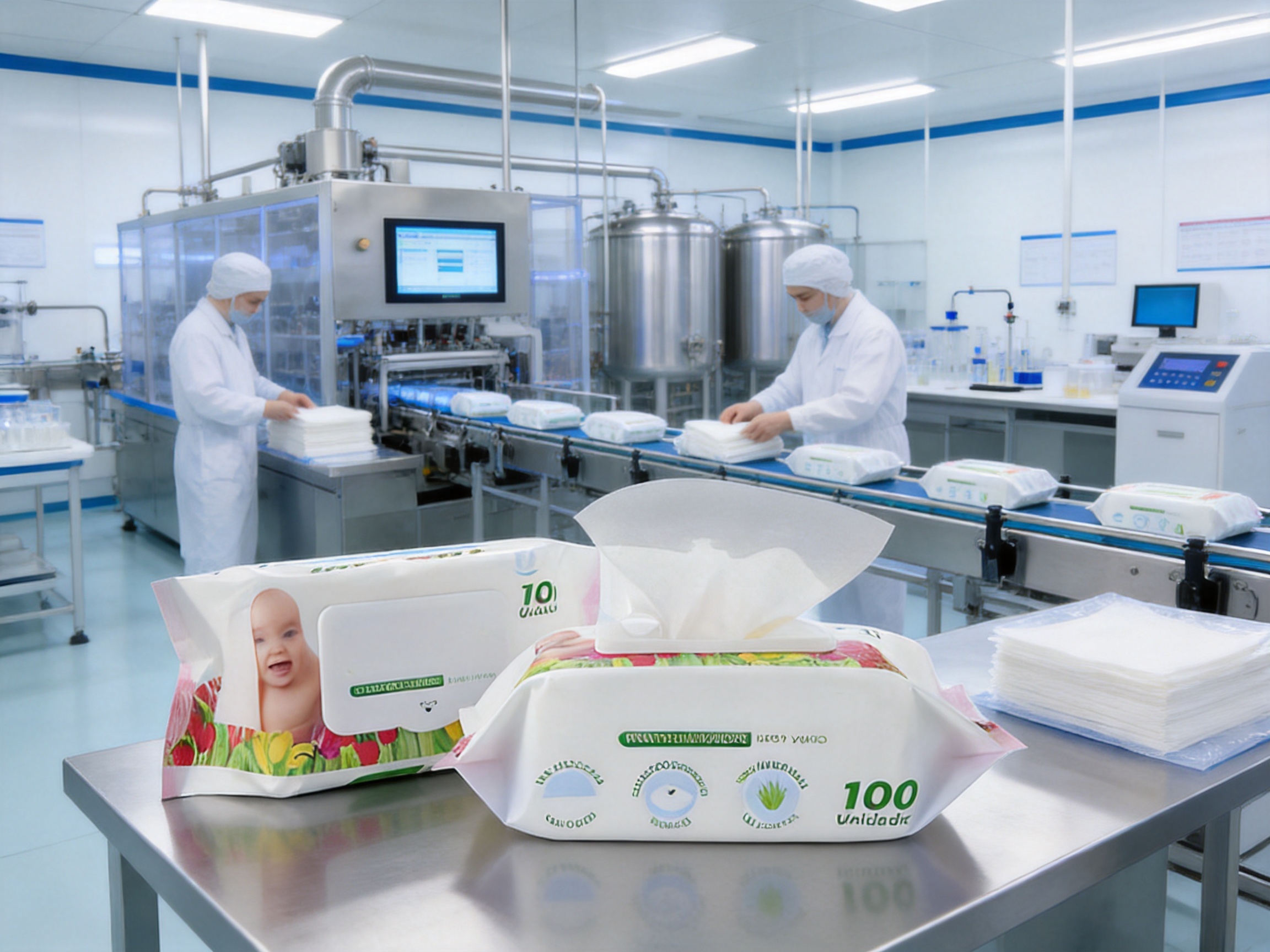
GMP Clean Workshops
The facilities include 100,000-class GMP clean workshops. Controlled production environments are especially valuable for hygiene products because they help manage cleanliness, personnel practices, process conditions, and contamination risks. Cleanroom classification alone does not guarantee product quality, but it forms part of a broader system that should include validated procedures, sanitation controls, environmental monitoring, training, and documented quality management.
For international buyers, clean manufacturing facilities can support supplier qualification and customer audits. They also provide a stronger foundation for products intended for baby care, healthcare, nursing, and sensitive skin applications. The exact standards and documentation available should be confirmed during the purchasing and technical review process.
Purified Water System
Water is a major component of most wet wipe lotions, so water quality is a critical production consideration. The company operates a purified water system designed to meet production requirements. Proper water treatment, storage, circulation, monitoring, and microbiological control help support lotion consistency and product safety.
Water quality must be managed together with preservation, equipment sanitation, filling procedures, and finished-product testing. A robust water system can help reduce variation between batches and support stable production when the customer orders large volumes or repeats a product over an extended period.
Full-Function Testing Center
The company has a full-function testing center and technical support associated with 169 patents. Testing capabilities may be applied to raw materials, lotion characteristics, physical properties, packaging, microbiological quality, stability, and finished product performance. The specific tests available for a given project should be confirmed according to the product specification and target-market requirements.
Testing is important because wet wipes are multi-component products. A problem may originate from the fabric, lotion, folding method, seal, lid, label, carton, or storage condition. Integrated testing helps identify the cause more efficiently and supports corrective action during development and mass production.
International Equipment and Production Experience
The company has introduced advanced production equipment and technology from Germany, France, and Italy. International equipment can support precision, automation, production stability, and efficient converting when properly operated and maintained. Equipment capability must be matched with trained personnel, preventive maintenance, process controls, and inspection procedures.
Experience in medical, maternal and baby, beauty, home, industrial cleaning, and clothing applications also allows the manufacturer to understand different levels of performance and compliance. A wipe for a retail bathroom pack may have different requirements from a wipe supplied to a hospital, nursing provider, or hotel chain. The ability to manage these differences is a major advantage in OEM and ODM cooperation.
OEM and ODM Services for Global Buyers
OEM service allows a buyer to produce a wipe according to an established specification under the buyer’s brand. ODM service provides broader development support, including product concept, material selection, lotion design, packaging structure, and market positioning. The two models can be combined when a customer has a brand concept but requires technical assistance to finalize the product.
Product Design Support
The development process may begin with the customer’s target market and intended user. The buyer may want a baby bottom wipe, an adult personal cleansing wipe, an elderly care wipe, a travel hygiene wipe, or a premium sensitive skin product. The manufacturer can then help define the appropriate fabric, wipe size, liquid level, fragrance direction, package count, and functional claims.
Customers can choose between an existing formula platform and a more customized formulation. Using an existing platform may shorten development time and reduce initial costs. A fully customized formula can provide stronger differentiation but may require additional testing, stability work, regulatory review, and production validation.
Packaging Customization
Packaging is important for both product protection and market communication. Available directions may include soft packs with resealable lids, packs with adhesive labels, travel packs, canisters, refill formats, individually wrapped wipes, and bulk cartons. The package should prevent excessive evaporation, protect the opening from contamination, and remain functional throughout normal use.
Brand owners can customize artwork, label printing, colors, product claims, language, carton design, and pack counts. The packaging design should also consider shipping efficiency. An attractive retail pack that occupies excessive carton volume may increase freight costs. A professional manufacturer can help balance appearance, durability, filling efficiency, and logistics.
Quality and Documentation Support
International customers commonly require product specifications, raw material information, test reports, packaging details, production records, and shipping documents. Depending on the destination market, additional documentation may be required for ingredients, safety, claims, labeling, certificates, or customs clearance.
The company supports international customers with production, quality control, documentation, and shipment coordination. Buyers should provide their target country, sales channel, required certifications, preferred claims, and import requirements as early as possible. Early communication helps reduce the risk of redesigning the label or changing the formula after production preparation has started.
Quality Control From Raw Material to Finished Pack
Reliable wet wipe quality depends on control at every stage. Inspecting only the finished pack is not enough because defects can be introduced during material production, lotion preparation, folding, sealing, or storage. An integrated quality system should define acceptance criteria and inspection responsibilities for each stage.
Incoming Material Inspection
Nonwoven fabric should be checked for appearance, basis weight, width, softness, strength, absorbency, and other agreed parameters. Packaging materials should be reviewed for dimensions, printing quality, sealing performance, lid fit, label accuracy, and carton strength. Ingredients should be received with appropriate identification and documentation.
Lotion Preparation and Filling
The lotion should be prepared according to an approved formula and batch procedure. Important controls may include water quality, ingredient weighing, mixing order, temperature, mixing time, pH, appearance, odor, and microbiological condition. Filling or impregnation equipment should deliver a consistent amount of lotion to each pack.
Converting and Packaging Inspection
During converting, the wipe size, fold, count, texture, and moisture level should be monitored. Operators and automated systems can inspect for missing wipes, incorrect folds, damaged material, open seals, and package deformation. Finished cartons should be checked for quantity, labeling, batch information, and pallet stability.
Finished Product Evaluation
Finished-product testing may include visual inspection, wipe dimensions, count verification, moisture content, pH, tensile strength, seal integrity, package leakage, microbiological testing, and accelerated or real-time stability studies. The precise testing plan should be based on the formula, intended use, packaging, target market, and customer quality agreement.
For private label customers, maintaining batch-to-batch consistency is essential. A product that changes noticeably in softness, odor, liquid level, or package performance can lead to complaints even when the basic specification appears unchanged. Clear reference samples, approved standards, and documented change control help protect brand reputation.
Applications Across B2B Hygiene Markets
Baby Care
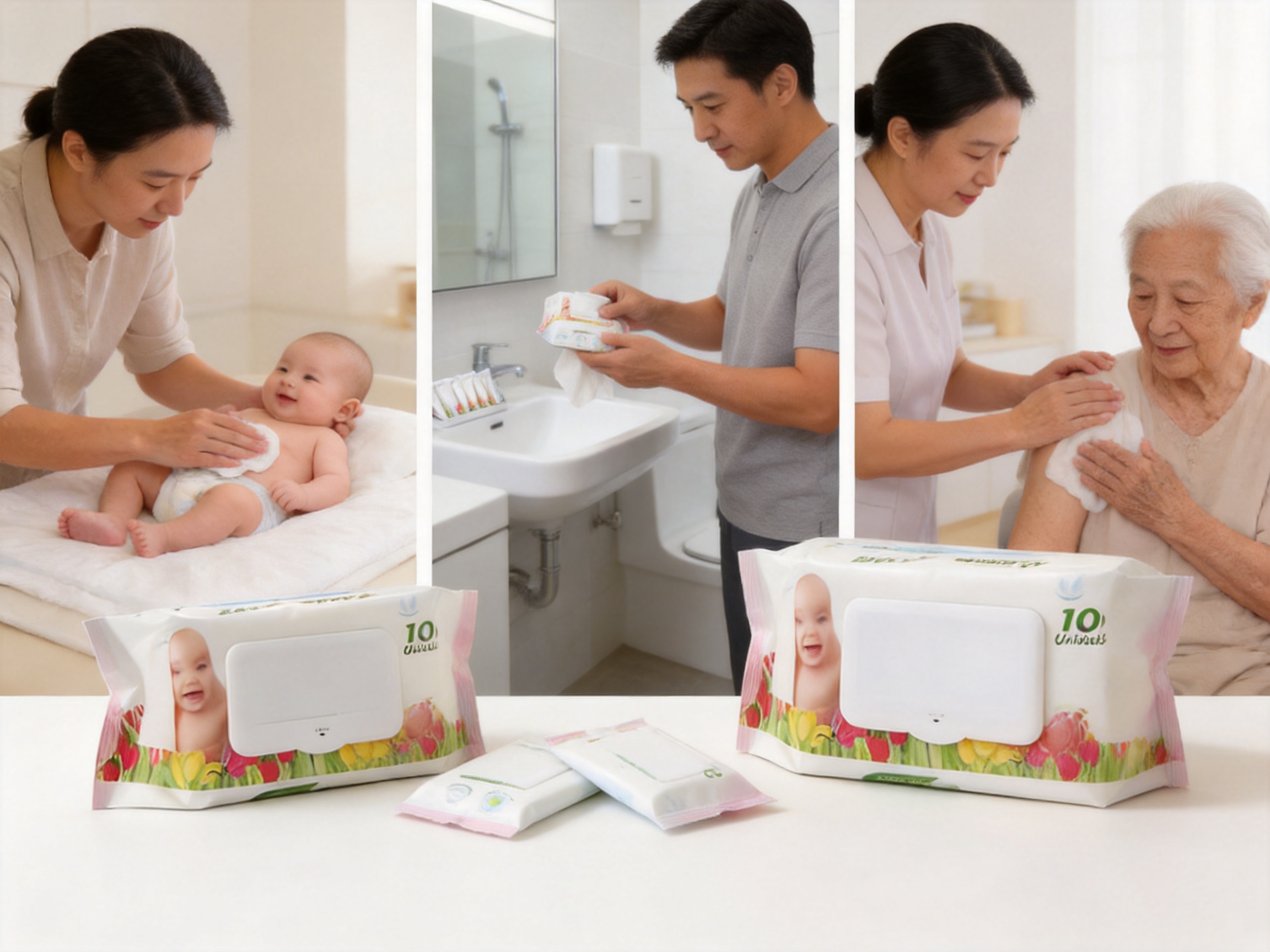
Baby bottom wipes are used during diaper changes and should emphasize softness, gentle cleansing, and skin comfort. Parents often prefer pH-balanced, fragrance-free, moisturizing, or dermatologically evaluated products. Packaging must be easy to open with one hand and capable of retaining moisture between uses.
Baby products require particularly careful claim management. Buyers should ensure that the formula, materials, packaging, and labeling comply with the requirements of each destination market. The manufacturer can support private label customers in developing different product tiers, from affordable everyday wipes to premium sensitive skin products.
Adult Personal Hygiene
Adults may use personal cleansing wipes after toileting, during travel, after exercise, or when shower facilities are unavailable. The product can be positioned as a practical addition to everyday hygiene rather than a replacement for normal bathing. A larger wipe size, stronger substrate, or more substantial package may be selected for adult users.
Elderly Care and Nursing
Older adults and people receiving nursing care may require frequent cleaning and assistance. A wipe that combines softness, strength, controlled moisture, and easy dispensing can support caregivers and improve routine efficiency. Institutional users may prefer larger packs, bulk cartons, clear product instructions, and stable supply arrangements.
Travel and Outdoor Hygiene
Travelers, campers, drivers, and outdoor workers may need compact hygiene products for situations where water access is limited. Small packs, resealable openings, durable packaging, and quick-cleaning performance are useful features. The formulation may be simplified for broad use, while the substrate can be optimized for portability and sufficient strength.
Hospitality and Institutional Supply
Hotels, restaurants, offices, gyms, schools, and public facilities may purchase wipes for guest rooms, washrooms, cleaning stations, or employee hygiene programs. These customers often prioritize consistent supply, cost control, packaging durability, private labeling, and carton efficiency. A manufacturer with experience in high-volume production can help meet recurring order requirements.
Healthcare and Pharmacy Distribution
Healthcare suppliers and pharmacies may require products with clear documentation, controlled manufacturing, professional packaging, and reliable quality. The final product claims should match the regulatory status of the wipe. If the product is intended for a specific medical or antimicrobial use, additional development and compliance work may be necessary.
How This Product Can Compete in the Market
Competition in the wet wipes sector is based on more than price. Consumers and professional buyers evaluate softness, cleansing effectiveness, formula tolerance, package convenience, environmental characteristics, brand trust, and supply reliability. A product that performs well in one area but poorly in another may struggle to achieve repeat purchases.
The product’s strongest competitive opportunities are its customization potential, integrated material supply, broad application range, and manufacturing infrastructure. A customer can create a wipe that is tailored to a specific user group rather than accepting a generic product. The manufacturer can also support multiple product lines using related technologies, helping brands expand efficiently.
Compared with products manufactured through a fragmented supply chain, integrated production can improve communication and shorten the process of resolving technical issues. If the fabric is too rough, the lotion is not retained evenly, or the package loses moisture, the teams responsible for materials, formulation, converting, and packaging can work together on a coordinated solution.
Compared with low-cost products that focus only on a basic wet format, a professionally developed wipe can offer better control of softness, pH, moisture, package integrity, and quality documentation. These features may justify a stronger position in pharmacies, specialty retailers, baby care channels, healthcare supply, and premium personal care categories.
| Competitive Dimension | Product Development Opportunity | Buyer Benefit |
|---|---|---|
| Skin comfort | Soft nonwoven substrate and pH-balanced lotion | More suitable for frequent-use and sensitive skin applications |
| Cleansing performance | Optimized moisture level, texture, and lotion distribution | Effective cleaning with less repeated rubbing |
| Brand differentiation | Customized formula, packaging, size, and claims | Clearer positioning in a competitive market |
| Supply efficiency | Integrated nonwoven and finished-product manufacturing | Fewer supply chain interfaces and improved coordination |
| Market expansion | Adaptable specifications for baby, adult, elderly, travel, and institutional use | Opportunity to serve multiple sales channels |
| Quality assurance | Controlled workshops, purified water, testing, and documented processes | Greater confidence in repeat orders and customer audits |
Sustainability and Responsible Product Development
Sustainability is becoming increasingly important in the wet wipes industry. Buyers are asking about biodegradable materials, plastic reduction, responsible packaging, efficient production, and clear disposal instructions. These goals must be pursued realistically because a wipe is a combination of fibers, lotion, packaging, and supply chain operations.
Biodegradable substrates may help support an environmental product position, but they must still provide suitable wet strength, softness, absorbency, and shelf stability. The manufacturing process may require adjustments to cutting, folding, lotion loading, and packaging. Customers should also ensure that environmental claims are supported by appropriate evidence and comply with the laws of the intended market.
Packaging can be optimized by reducing unnecessary material, selecting appropriately sized cartons, improving pallet utilization, or using refill formats. However, packaging must continue to protect the wipe from drying, contamination, and damage. A package that fails to preserve product quality may create more waste through discarded or unusable wipes.
Production efficiency is another part of responsible manufacturing. Integrated material development, automated equipment, controlled water systems, and effective quality management can reduce process variation and help minimize rejected products. Long-term cooperation enables the manufacturer and buyer to review order patterns, packaging efficiency, and specification improvements over time.
Recommended Customization Process for Buyers
A successful OEM or ODM project begins with a complete product brief. The buyer should identify the intended users, target countries, sales channels, expected retail position, preferred product claims, estimated order quantity, and desired launch schedule. This information helps the manufacturer recommend a realistic specification.
Step One: Define the Product Concept
The customer should decide whether the product is intended for babies, adults, elderly users, travelers, healthcare organizations, or general personal hygiene. The intended application influences the wipe size, substrate strength, formula, package count, warning statements, and documentation requirements.
Step Two: Select the Material
The buyer can review substrate options based on softness, strength, thickness, absorbency, biodegradability, and cost. Samples should be assessed under realistic use conditions, including wet handling and repeated wiping. The selected material should be compatible with the planned lotion and converting equipment.
Step Three: Confirm the Formula
The formula discussion should cover pH, fragrance, moisture level, preservatives, moisturizing ingredients, soothing ingredients, antibacterial positioning, and regional compliance. A fragrance-free formula may be selected for sensitive skin, while a lightly scented formula may be suitable for a different retail audience.
Step Four: Develop the Packaging
The customer should choose the pack type, wipe count, opening method, label format, artwork, carton configuration, and shipping requirements. Packaging samples should be tested for seal strength, lid performance, moisture retention, ease of use, and resistance to transportation conditions.
Step Five: Complete Testing and Approval
Before mass production, the finished sample should be reviewed for appearance, odor, softness, cleansing feel, moisture, package function, and labeling accuracy. Required safety, stability, microbiological, and claim-related evaluations should be completed according to the target market.
Step Six: Begin Mass Production and Supply
Once the specification is approved, the manufacturer can arrange raw materials, production scheduling, quality inspections, carton packing, and shipment coordination. Repeat orders should follow the approved product standard, with any changes managed through a documented approval process.
Storage, Use, and Disposal Guidance
Wet wipes should be stored in a cool, dry place away from direct sunlight and excessive heat. The package should remain properly sealed when not in use. Extreme temperatures can affect lotion stability, package performance, and moisture retention. Buyers should confirm the recommended storage conditions and shelf life through product stability evaluation.
Users should wipe gently and avoid excessive pressure. If irritation, burning, swelling, or persistent discomfort occurs, use should be discontinued and medical advice should be considered. The product should not be used on damaged skin unless the label and qualified professionals specifically permit that use.
Unless the finished product has been tested, certified, and labeled for flushability under the relevant local requirements, used wipes should be placed in a waste bin rather than flushed. This is especially important because wastewater systems differ widely. Customers should provide disposal instructions that are accurate for the product and the destination market.
Frequently Asked Questions
Q1: What materials can be used for ass wet wipes?
Ass wet wipes are commonly made from soft nonwoven fabrics such as spunlace. Material choices can be adjusted according to softness, strength, absorbency, biodegradability, lotion retention, and cost requirements. The final selection should also consider the intended user group, package format, disposal instructions, and target-market standards.
Q2: Can the wet wipe formula be customized?
Yes. The lotion formula, fragrance, moisture level, pH, moisturizing ingredients, soothing components, and other functional features can be adjusted according to customer requirements. Any antibacterial, medical, therapeutic, biodegradable, or sensitive skin claim should be reviewed through appropriate testing and regulatory procedures before commercial use.
Q3: Do you support private label production?
Yes. OEM and ODM services can include nonwoven fabric selection, wipe dimensions, folding style, lotion formulation, fragrance selection, moisture level, packaging design, label printing, carton packaging, product specifications, and branding support. Buyers can develop a basic, premium, sensitive skin, biodegradable, or institutional product line.
Q4: What information is needed for a customized quotation?
A quotation normally requires the desired wipe size, material preference, pack type, wipe count, order quantity, target market, packaging requirements, formula direction, certification needs, carton specifications, and delivery destination. Providing this information at the beginning helps the manufacturer prepare a more accurate technical and commercial proposal.
Q5: Can the product be made fragrance-free?
Yes. A fragrance-free version can be developed for sensitive skin, baby care, healthcare, elderly care, or customers who prefer a minimalist ingredient profile. The formula should still undergo appropriate stability and microbiological evaluation, and the label should accurately reflect the final ingredients and claims.
Q6: Can biodegradable nonwoven materials be used?
Biodegradable or plant-based nonwoven options may be available depending on the required performance and market standards. These materials should be evaluated for softness, wet strength, absorbency, lotion compatibility, shelf life, and disposal conditions. Environmental claims must be supported by suitable evidence and must comply with local regulations.
Q7: Are these wipes suitable for babies?
The product concept can be adapted for baby bottom cleansing, but the final formula and packaging must be specifically reviewed for baby use. A baby version may require extra attention to fragrance, preservatives, pH, skin compatibility, labeling, and claim substantiation. Buyers should approve the final baby-care specification before production.
Q8: Are these wipes suitable for elderly care and nursing?
Yes. The product can be developed for elderly care, incontinence care, nursing routines, and institutional hygiene. Buyers may choose a larger wipe, stronger substrate, higher pack count, or bulk carton format. The final product should be evaluated for caregiver handling, moisture level, tear resistance, and package convenience.
Q9: Can the wipes be used as a replacement for bathing?
No. Wet wipes can support convenient surface cleansing when bathing or washing is temporarily unavailable, but they are not a universal replacement for normal washing. Product instructions should explain the intended use clearly and avoid claims that overstate the function of the wipe.
Q10: Can the wipes be flushed down the toilet?
Flushability depends on the exact substrate, product design, testing, labeling, and local requirements. Unless the product has been specifically tested and approved for flushability, it should not be flushed. Customers should select disposal instructions based on verified product data and the wastewater conditions of the target market.
Q11: What quality controls are available during production?
Quality control may include incoming material inspection, formula and water monitoring, process checks, wipe count verification, moisture and pH testing, packaging seal inspection, microbiological evaluation, stability testing, and finished-product inspection. The exact quality plan should be agreed with the customer according to the product specification and intended market.
Q12: Can export documentation and shipment coordination be provided?
Yes. International customers can receive support with production coordination, quality documentation, product information, shipping preparation, and global shipment arrangements. The buyer should provide destination-country requirements early so that labeling, certification, packaging, and documentation can be prepared correctly.
Why Choose an Integrated Manufacturing Partner?
For buyers of private label hygiene products, supplier capability has a direct effect on product quality and business continuity. A supplier that only fills and packages wipes may have limited influence over the substrate. A supplier that controls nonwoven development, lotion formulation, converting, packaging, and testing can provide a more coordinated development process.
The manufacturer’s long operating history, multiple domestic production bases, international equipment experience, clean workshops, purified water system, testing center, patent portfolio, and broad hygiene product range provide a strong foundation for OEM and ODM cooperation. Its experience covers medical, baby, beauty, household, industrial, and environmentally oriented products, allowing customers to discuss several product categories with one technical partner.
Manufacturing scale is also valuable for customers seeking long-term supply. Production requirements may change as a product becomes more successful. A small trial order may eventually become a recurring retail, pharmacy, hospitality, or institutional program. A supplier with wider production resources is better positioned to support capacity planning, material sourcing, quality consistency, and international delivery coordination.
At the same time, buyers should conduct their own supplier evaluation. They should review samples, specifications, quality systems, certifications, audit information, test reports, production capacity, minimum order quantities, lead times, payment terms, and after-sales procedures. A detailed quality agreement and approved product specification are recommended for ongoing cooperation.
Conclusion
Ass wet wipes are a practical personal hygiene product with applications that extend from baby care to adult cleansing, travel hygiene, elderly care, nursing, hospitality, healthcare supply, and private label retail. Their performance depends on the interaction of a soft and durable nonwoven substrate, a stable and skin-conscious lotion, functional packaging, controlled production, and accurate product claims.
The product described here offers a flexible platform for buyers seeking customized wet wipes with pH-balanced cleansing, moisture support, skin-comfort positioning, and multiple packaging options. Its competitive potential comes from the ability to adapt materials and formulas to different markets while maintaining an integrated manufacturing process.
With nonwoven development, eight domestic production bases, a planned Vietnam facility, GMP clean workshops, purified water production, full-function testing capabilities, international equipment experience, and OEM and ODM support, the manufacturing organization can serve brands, distributors, importers, healthcare suppliers, hospitality companies, and institutional buyers.
For customers planning a new hygiene product, the recommended approach is to define the target user and market first, then select the substrate, formula, package, claims, testing plan, and supply arrangement. When these elements are developed together, the finished wipe can provide a more consistent user experience, a clearer market position, and a stronger foundation for long-term private label growth.
References
1. General principles of nonwoven fabric engineering and spunlace substrate development.
2. Good Manufacturing Practice principles for cosmetic, personal care, and hygiene product production.
3. International guidance on microbiological quality control for water-based personal care products.
4. Technical literature concerning skin surface pH, cleansing products, and sensitive skin compatibility.
5. Industry guidance for wet wipe substrate strength, dispersion, biodegradability, and disposal claims.
6. General requirements for cosmetic and personal hygiene product labeling, ingredient disclosure, and claim substantiation.
7. Quality management principles for nonwoven materials, wet wipes, diapers, and nursing hygiene products.
8. Packaging engineering practices for moisture retention, seal integrity, transportation stability, and shelf-life protection.