中文简体
中文简体 English
 日本語
日本語 русский
 Español
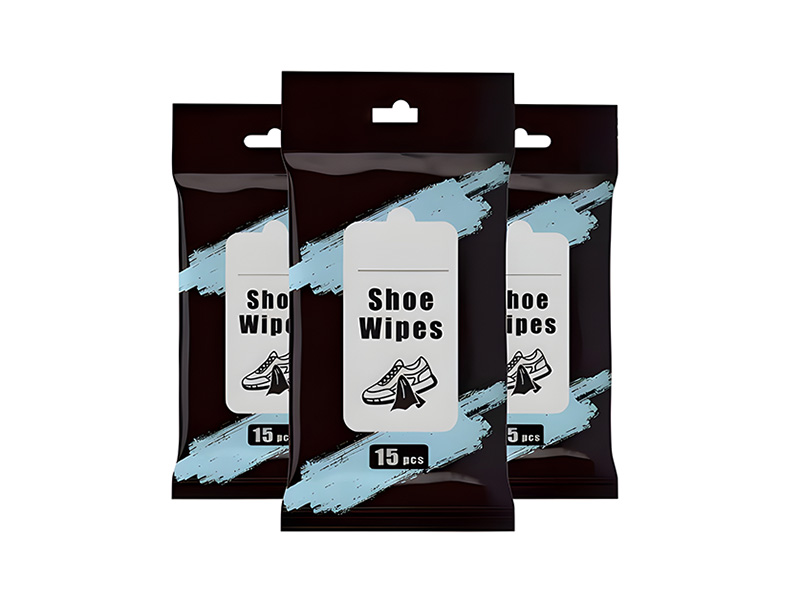
Shoe cleansing wipes are a practical maintenance product developed for consumers and businesses that need to refresh footwear quickly without washing or carrying a complete shoe-care kit. They are especially useful for white sneakers, casual shoes, sports footwear, leather uppers, mesh materials, and travel situations where dust, mud, and surface marks can affect appearance. A well-designed wipe can help remove everyday dirt, brighten the visible surface, reduce the appearance of yellow oxidation, and leave footwear looking cleaner within a short period of time.
For footwear brands, distributors, retailers, cleaning product companies, and importers, shoe cleansing wipes also represent a flexible private label opportunity. Compared with traditional liquid cleaners, brushes, sprays, and bulky cleaning kits, wipes combine the cleaning solution and application tool in a compact format. This supports convenient retail presentation, easy transportation, controlled use, and a wide range of packaging configurations.
The performance of a shoe cleansing wipe depends on much more than the liquid placed inside the package. Nonwoven selection, liquid absorption, sheet strength, surface texture, folding method, sealing quality, formula compatibility, packaging design, testing, and production control all influence the finished product. A professional manufacturer with integrated nonwoven and hygiene production capabilities can coordinate these elements more effectively than a supplier that only converts purchased materials.
This article examines the product characteristics, competitive advantages, material options, formulation considerations, manufacturing processes, quality controls, customization possibilities, and procurement requirements associated with OEM and ODM shoe cleansing wipes.
What Are Shoe Cleansing Wipes?
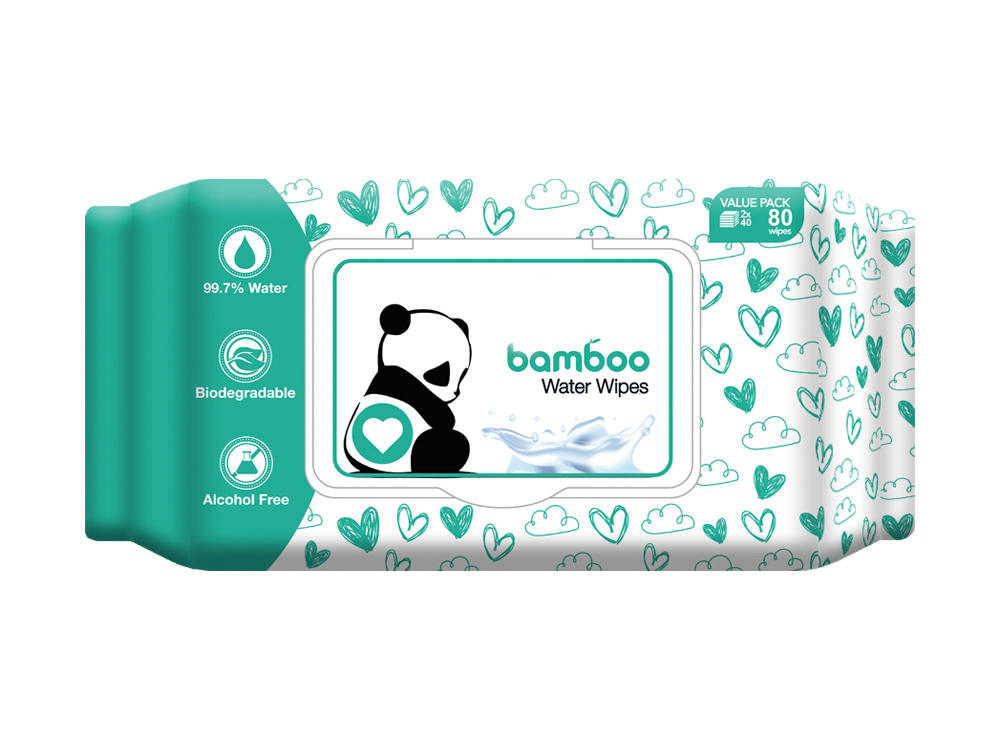
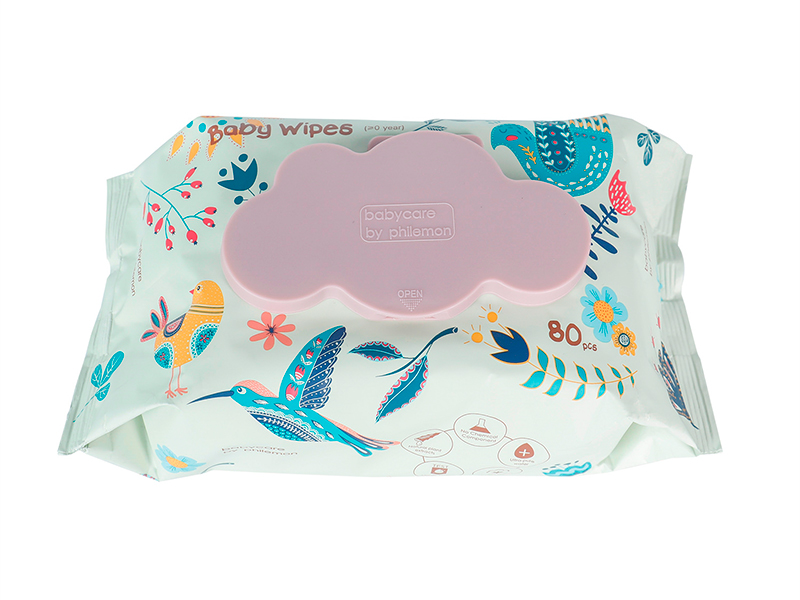
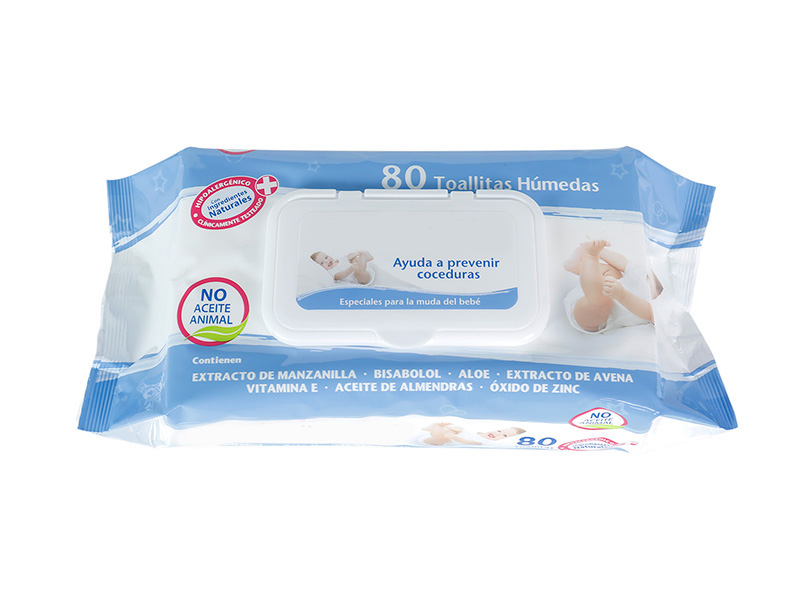
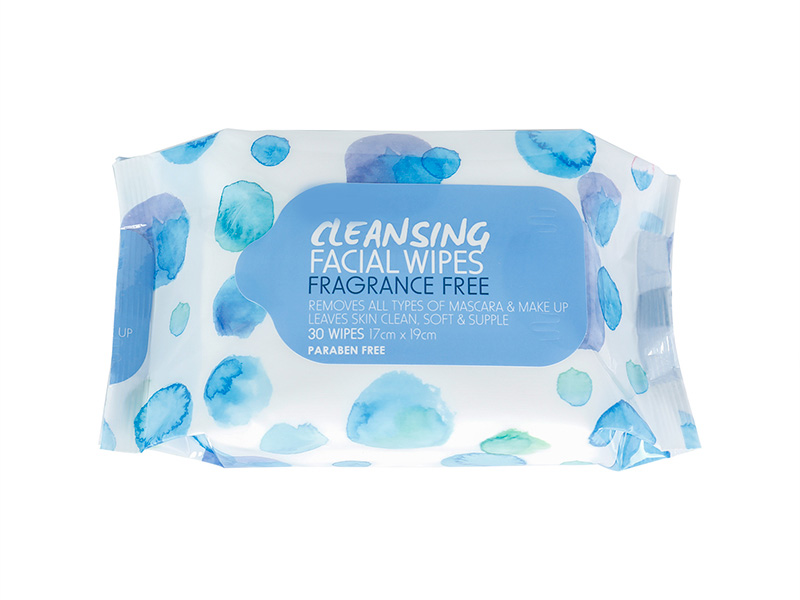
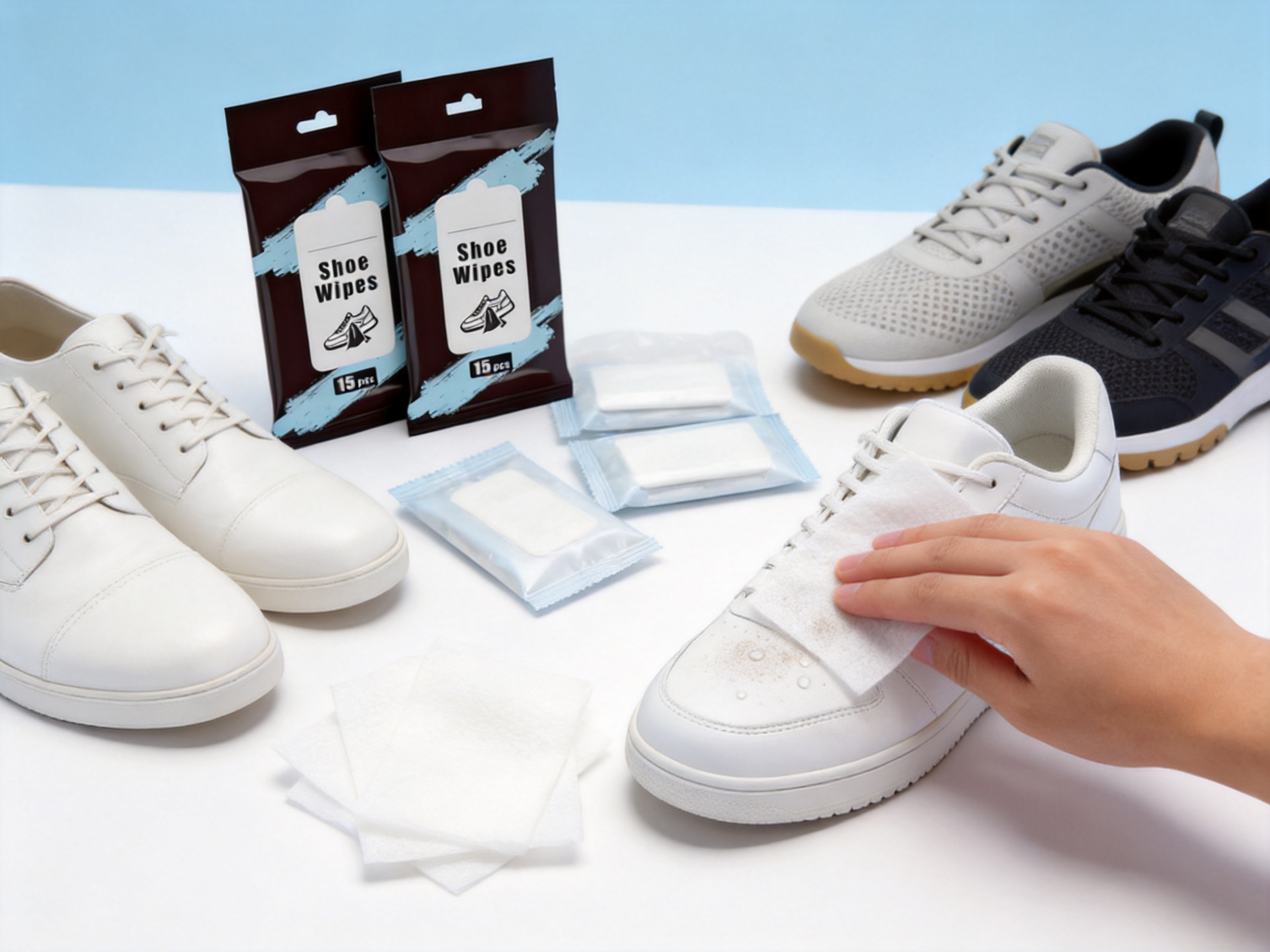
Shoe cleansing wipes are pre-moistened cleaning sheets designed to remove common surface contaminants from footwear. They are generally supplied in individually wrapped sachets, resealable soft packs, multipacks, or travel-oriented kits. The wipe is taken from the package and used directly on the shoe, eliminating the need to measure liquid cleaner or prepare a separate cloth.
The main application is the removal of dust, light mud, fingerprints, road residue, and other everyday marks. Some product concepts also focus on brightening white uppers, refreshing the appearance of sneakers, reducing visible dullness, or supporting rapid cleaning before work, travel, school, sports activities, or social events.
Shoe cleansing wipes are not intended to replace every professional shoe restoration process. Heavy stains, deeply embedded grease, permanent dye transfer, damaged finishes, and severe oxidation may require specialized treatment. However, for routine maintenance and quick appearance improvement, wipes offer a convenient and accessible solution.
A finished wipe usually contains four principal components: a nonwoven substrate, a cleaning liquid, a package, and product instructions. Each component must be selected according to the target footwear materials and the intended market. A wipe designed for white synthetic sneakers may use a different substrate texture and formula strategy from a wipe intended for smooth leather or delicate fashion footwear.
Key Applications for Footwear Maintenance
White Sneaker Cleaning
White footwear shows dust, mud, scuff marks, and surface discoloration more clearly than darker products. Consumers often want a product that can restore a fresher appearance quickly without putting sneakers through a complete washing process. Shoe cleansing wipes can be positioned as an everyday maintenance item for white leather, coated synthetic materials, rubber trim, and suitable mesh surfaces.
For white shoes, the visual result is particularly important. The wipe must remove visible soil without transferring color, leaving excessive lint, or creating an uneven wet appearance. A balanced formula and a soft, sufficiently saturated substrate can improve the user experience and help create a more uniform cleaning result.
Leather Shoe Care
Smooth leather footwear requires careful product development because excessive moisture, aggressive solvents, or unsuitable surfactants may affect the finish. A leather-oriented wipe should be developed with attention to the surface coating, color stability, gloss, and after-feel. Testing on representative leather samples is essential before commercial launch.
Many brands choose to position their product as suitable for selected leather surfaces rather than making broad claims for every type of leather. Product instructions may recommend testing on an inconspicuous area first and avoiding unfinished, suede, nubuck, or highly absorbent materials unless the formula has been specifically validated for them.
Sports and Outdoor Footwear
Sports and outdoor footwear often encounter dust, soil, grass marks, and moisture during use. Consumers may need a compact solution in a gym bag, vehicle, office drawer, or travel case. Wipes can help maintain the appearance of uppers between deeper cleaning sessions.
Mesh, knit, synthetic leather, rubber, and mixed-material shoes present different cleaning challenges. An appropriately engineered wipe can be designed to provide enough liquid to loosen surface contaminants while drying relatively quickly. The finished product should still be tested on representative materials, colors, prints, adhesives, and coatings.
Travel and On-the-Go Cleaning
Travel shoe cleaning kits often include wipes because they are lightweight, compact, and easy to distribute. Individual sachets are particularly suitable for luggage, hospitality amenities, airline or railway travel kits, shoe retailers, and promotional packages. Resealable packs are useful for households and regular users who want several applications in one package.
Unlike bottles of liquid cleaner, individually packaged wipes reduce the need for an additional cloth and can be used in locations where water is unavailable. This convenience is one of the strongest commercial advantages of the category.
Advantages Compared with Conventional Shoe-Care Products
Convenience and Controlled Application
Traditional shoe cleaning often requires a brush, liquid detergent, water, and a drying period. A shoe cleansing wipe combines the cleaning medium and the application surface in one ready-to-use item. The user can open the package, wipe the target area, and dispose of the used sheet.
The pre-measured liquid quantity also supports controlled application. Users do not need to estimate how much cleaner to pour onto a cloth. This can reduce unnecessary product consumption and help maintain a consistent experience from one use to another.
Compact Packaging
Wipes can be packed in formats that occupy relatively little space on shelves, in shipping cartons, or inside travel bags. Individual sachets provide strong portability, while soft packs and multipacks support household value positioning. Brands can select packaging according to price point, channel, target consumer, and expected usage frequency.
Fast Drying Potential
A suitable formula and a balanced liquid load may allow the treated shoe surface to dry quickly compared with a complete wet-cleaning process. Fast-drying positioning is particularly attractive to commuters, travelers, students, athletes, and retail customers who want to wear or display their shoes soon after cleaning.
Drying time depends on the footwear material, ambient conditions, application amount, and formula composition. Therefore, product claims should be based on testing under defined conditions rather than a general assumption that every shoe will dry at the same speed.
Reduced Equipment Requirements
A wipe does not normally require a separate brush, bowl, spray bottle, or towel. This makes it suitable for point-of-use maintenance and supports a simple user journey. In retail environments, the product can also be merchandised alongside sneakers, sportswear, luggage, travel accessories, or household cleaning products.
Flexible Product Positioning
Brands can develop different versions for sneaker refresh, leather care, sports footwear, travel, premium shoe maintenance, family use, or professional retail. The same manufacturing platform may support variations in substrate, liquid formula, scent, package size, sheet count, and visual design.
Nonwoven Substrate Selection
The nonwoven sheet is the part of the product that contacts the shoe surface and carries the cleaning liquid. It must provide adequate softness, strength, absorbency, liquid release, and handling performance. A substrate that is too weak may tear during use. A material that is too smooth may provide limited soil pickup, while a material that is too abrasive may be unsuitable for sensitive surfaces.
Spunlace Nonwoven
Spunlace nonwoven is a widely used option for cleansing wipes because it can provide a soft hand feel, good liquid absorption, and a flexible structure. High-quality spunlace substrates can be developed with different fiber compositions, basis weights, textures, and strength levels.
For shoe cleansing wipes, spunlace may be selected to balance surface contact and durability. The appropriate design depends on whether the product is intended for smooth leather, synthetic uppers, mesh, rubber components, or general sneaker cleaning. A manufacturer with in-house nonwoven development can adjust the substrate more precisely than a supplier limited to standard catalog materials.
Fiber Composition
Fiber selection affects softness, absorbency, strength, drying behavior, and sustainability positioning. Depending on the product concept, options may include conventional synthetic fibers, cellulose-based fibers, recycled-content fibers, or blended constructions. Any environmental claim should be supported by appropriate documentation and should accurately reflect the full product and packaging structure.
A footwear brand may prioritize softness and lint control for premium surfaces. Another customer may prioritize low cost, high wet strength, or a certain sustainability profile. These different objectives require a structured material-selection process rather than a single universal substrate.
Basis Weight and Sheet Dimensions
Basis weight influences the amount of liquid the wipe can hold, the perceived thickness, and the resistance to tearing. Sheet dimensions affect coverage, folding, packaging volume, and consumer handling. A compact individual wipe may be appropriate for quick spot cleaning, while a larger sheet may be preferred for cleaning a complete pair of shoes.
Manufacturers can evaluate the relationship between sheet size, liquid load, package dimensions, and shipping efficiency. This helps brands avoid a product that feels too small for its intended use or a package that contains unnecessary material and excess logistics cost.
Texture and Embossing
Surface texture can influence soil removal and user perception. A lightly textured sheet may assist with lifting dust and marks, while a smoother surface may be preferred for delicate finished materials. Embossing can also improve the tactile experience, support liquid distribution, and create a recognizable product identity.
Texture should be developed carefully. Increased mechanical cleaning action is not automatically better if it raises the risk of scratching, linting, finish disturbance, or color transfer. The optimum structure is determined through comparative testing on the intended footwear materials.
Cleaning Formula Development
The cleaning liquid is responsible for wetting the surface, loosening soil, and supporting wipe pickup. It may contain purified water, mild cleaning agents, conditioning components, preservatives where necessary, pH-adjusting ingredients, fragrance, and other functional materials. The exact composition should be developed according to the target market, product claims, package type, and material compatibility requirements.
Purified Water Systems
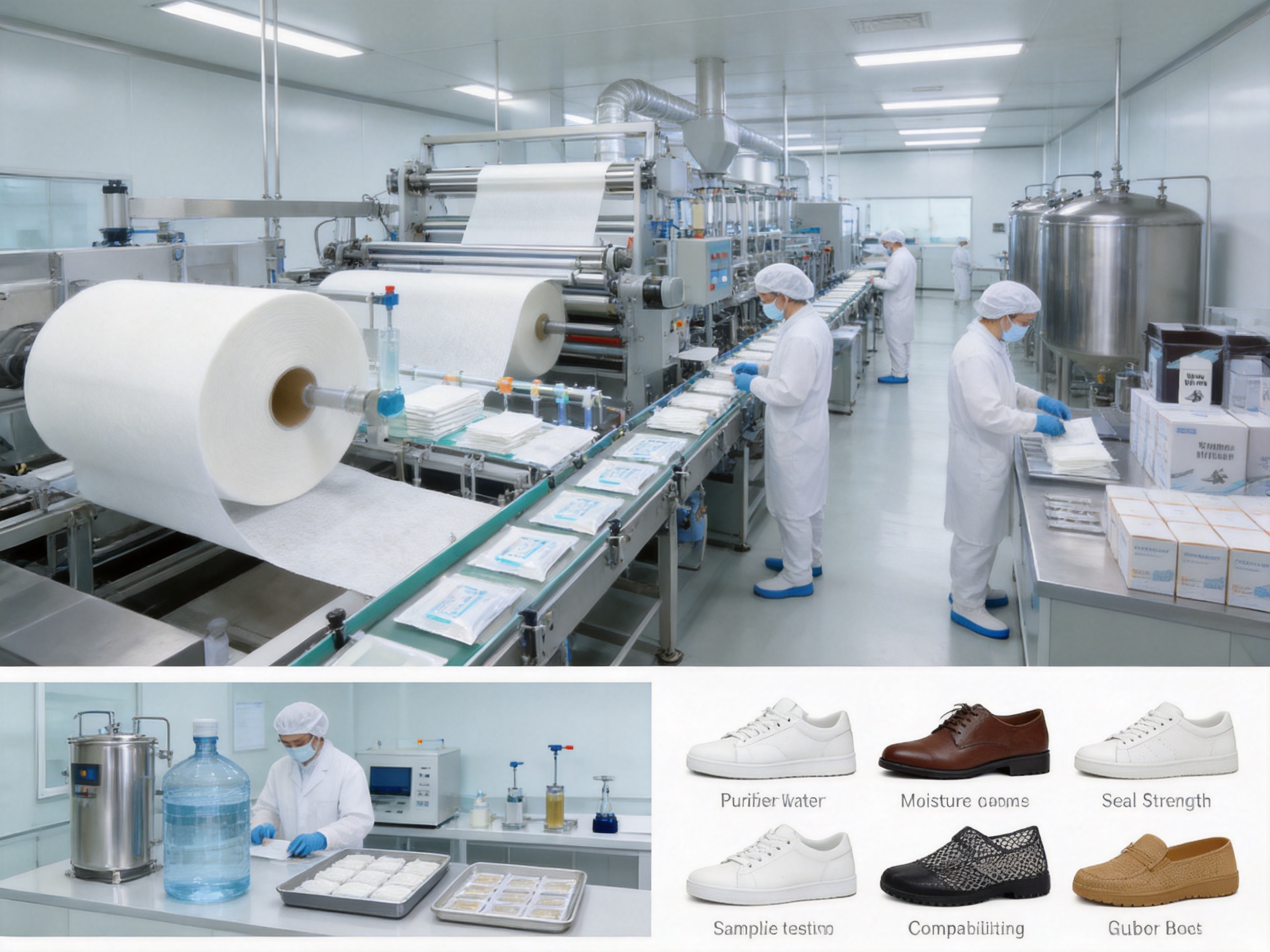
Water quality is a fundamental consideration for pre-moistened wipes. A professional production facility may use purified water systems to help control impurities and maintain batch consistency. Water quality management supports stable formula performance and can reduce avoidable variation between production runs.
Water treatment, storage, sampling, and monitoring procedures should be integrated into the plant’s quality system. These controls are particularly important for products that remain in a sealed package for an extended period before use.
Cleaning Performance
The formula should provide sufficient cleaning action for the product’s intended use without becoming unnecessarily harsh. Mild surfactant systems may help loosen surface soils, while the liquid balance influences how easily the wipe moves across the material.
Formula development should consider cleaning efficiency, odor, residue, drying time, foam behavior, stability, packaging compatibility, and user comfort. A strong scent or excessive residue may be undesirable for some markets, while other consumers may associate a light fragrance with freshness. These preferences can be addressed through customized development.
Moisture Level
Liquid loading is one of the most important product parameters. If the wipe is under-saturated, it may drag across the surface, provide limited cleaning performance, or dry before the user has finished. If it is over-saturated, it may drip, create excessive wetness, increase drying time, or raise packaging and shipping costs.
The optimal moisture level depends on substrate weight, sheet size, folding structure, packaging format, formula viscosity, and intended footwear material. Manufacturers can use production trials and performance testing to establish a suitable liquid range.
Fragrance and Sensory Experience
Fragrance can contribute to the consumer’s perception of cleanliness, but it must be selected carefully. The fragrance should be compatible with the formula, package, and target market requirements. Some brands prefer a fragrance-free or low-odor product for sensitive applications, while others may choose a fresh, clean scent for retail appeal.
Fragrance decisions should also consider storage stability and the possibility of interaction with shoe materials. Sensory approval samples are valuable during the development process.
Preservation and Shelf-Life Considerations
Because the product contains water, microbial control and stability evaluation are essential. The preservation system must be appropriate for the formula and comply with applicable regulations in the target market. Stability testing can examine appearance, odor, pH, liquid distribution, package integrity, and cleaning performance over time.
Finished product testing should be based on the customer’s specifications and the regulatory requirements of the destination market. Claims concerning shelf life should be supported by documented evaluation rather than relying only on short-term observation.
Compatibility with Different Footwear Materials
One of the central challenges in shoe cleansing wipe development is that footwear is manufactured from many different materials. Leather, coated synthetic leather, mesh, canvas, knit textiles, rubber, thermoplastic components, adhesives, printed graphics, and decorative finishes may all appear on one shoe.
A product described as suitable for a broad range of materials should undergo representative compatibility tests. These may include visual inspection, color transfer assessment, gloss evaluation, surface feel, residue observation, drying behavior, and repeated-use testing. Testing can be performed on both light and dark materials where appropriate.
For leather, evaluation may focus on finish integrity, color stability, shine, and dryness. For mesh and textiles, the focus may include lint, wicking, color bleeding, and residue. For rubber and synthetic components, testing may examine whitening, tackiness, cracking, or surface changes. The results can guide usage instructions and help determine whether certain materials should be excluded from the product claim.
Clear instructions are an important part of responsible product development. Packaging may advise users to test the wipe on a hidden area first, avoid heavily damaged surfaces, and follow the footwear manufacturer’s care guidance. Such information helps reduce misuse and supports a more reliable customer experience.
Integrated Manufacturing Strengths
Zhejiang Uniquality Nursing Products Technology Co., Ltd., operating within the Kingsafe and Uniquality manufacturing network, combines nonwoven material development, wipe production, hygiene product expertise, quality inspection, and finished-product delivery. This integrated structure is relevant to shoe cleansing wipes because the substrate and liquid product can be developed as a coordinated system.
The company has more than 13 years of experience in China’s nonwoven industry according to the supplied product materials, while its broader corporate history extends more than three decades. Its production network includes eight domestic production bases and an upcoming factory in Vietnam. This geographic structure can support capacity planning, regional supply strategies, and international customer development.
The company’s product experience covers medical, maternal and baby, household, industrial cleaning, beauty, clothing, flushable, degradable, wet wipe, dry wipe, and other hygiene-related categories. Experience across these applications can contribute to stronger process discipline, material knowledge, clean production practices, and customized product development.
Its facilities include GMP-standard clean workshops, purified water systems, professional testing capabilities, and a portfolio supported by 169 patents as described in the supplied company information. These capabilities provide a foundation for managing raw materials, production hygiene, formula consistency, package sealing, and finished-product quality.
For buyers, an integrated supplier can reduce the number of separate vendors involved in a project. Instead of sourcing nonwoven fabric from one company, liquid formula from another, packaging from a third party, and converting from a fourth supplier, customers may coordinate more stages through one manufacturing partner. This can simplify communication, reduce development delays, and improve accountability.
Shoe Cleansing Wipes
Manufacturing Process for Shoe Cleansing Wipes
1. Product Brief and Technical Definition
Every project begins with a product brief. The customer typically defines the target user, shoe materials, retail channel, target region, package type, sheet dimensions, expected order quantity, price positioning, and desired claims. The manufacturer can then translate these commercial objectives into technical requirements.
A premium leather-care wipe may require a soft, low-lint substrate and a carefully balanced formula. A mass-market sneaker wipe may prioritize broad everyday use, cost control, and strong retail presentation. A travel sachet may require a compact folded format, high sealing reliability, and sufficient liquid retention throughout storage.
2. Nonwoven Development
Based on the brief, the manufacturer selects or develops a suitable substrate. Trials may compare different fiber blends, basis weights, textures, widths, and strength levels. Absorption, liquid release, wet tensile strength, softness, lint, and folding performance can be assessed during this stage.
When a customer requires a distinctive product identity, the substrate may be customized rather than selected from a standard material list. This can help create a more consistent user experience and may differentiate the product from generic wipes.
3. Formula Design and Laboratory Testing
Formula development is conducted according to the intended footwear materials and marketing position. Laboratory samples can be evaluated for pH, appearance, odor, liquid stability, cleaning performance, residue, drying behavior, and compatibility with packaging components.
Formula trials may also examine different moisture levels, surfactant systems, fragrance options, and conditioning ingredients. The objective is not simply to create the strongest cleaner, but to develop a balanced product that performs effectively while respecting the selected material range.
4. Substrate Treatment and Liquid Application
During production, the dry nonwoven material is unwound, guided, and converted into the required sheet size. The cleaning liquid is applied at a controlled level, and the material is folded according to the package design. Accurate liquid dosing is important because variation can affect cleaning performance, package appearance, and shelf stability.
Automated equipment can support consistent cutting, folding, wetting, counting, and transfer operations. Process parameters are monitored to reduce variation between individual packs and production lots.
5. Packaging and Sealing
Packaging protects the wipe from evaporation, contamination, leakage, and damage during transportation. Individual sachets may use multilayer film structures selected for barrier performance, sealing quality, printability, and regulatory suitability. Resealable packs require a reliable closure system and a package design that helps retain moisture after opening.
Sealing temperature, pressure, dwell time, film alignment, and seal strength should be controlled. Packaging inspection may include visual checks, leak testing, seal evaluation, coding verification, and confirmation of the correct number of sheets.
6. Finished-Product Inspection
Finished-product inspection can cover appearance, odor, sheet dimensions, liquid content, package integrity, label information, production coding, and carton quantity. Samples may be retained for reference and future comparison.
Depending on customer and market requirements, testing may also cover microbial indicators, stability, transportation simulation, cleaning performance, and compatibility with representative footwear materials. A documented quality system helps ensure that inspection results are traceable to the relevant production batch.
7. Cartoning and Shipment
After release, individual packs or soft packs are placed into cartons suitable for storage and transportation. Carton marking, pallet configuration, loading methods, and export documentation should be coordinated with the buyer’s requirements.
The manufacturer’s experience with international orders can assist customers with production scheduling, sample approval, packaging confirmation, and delivery planning. For brands launching in multiple regions, supply continuity and communication are important parts of the total procurement value.
Quality Control Priorities
| Quality Area | Key Evaluation Points | Why It Matters |
|---|---|---|
| Nonwoven substrate | Softness, wet strength, absorbency, lint, dimensions, texture | Influences cleaning feel, durability, coverage, and material compatibility |
| Cleaning liquid | Appearance, odor, pH, stability, moisture level, cleaning performance | Supports consistent performance and user acceptance |
| Package integrity | Seal strength, leakage, evaporation resistance, opening performance | Protects liquid content and shelf-life performance |
| Footwear compatibility | Color stability, residue, gloss, surface feel, drying behavior | Reduces the risk of unsuitable effects on intended materials |
| Finished product | Sheet count, coding, appearance, carton quantity, labeling | Ensures conformity with the approved specification |
| Logistics readiness | Carton strength, pallet stability, shipping documentation | Helps protect products through international transportation |
Quality control should begin before production rather than being limited to final inspection. Raw material approval, supplier management, water quality, equipment sanitation, batch records, operator training, and process monitoring all contribute to a stable result.
For customized orders, an approved sample or sealed specification is particularly important. The sample can define sheet feel, liquid level, scent, package appearance, artwork, folding format, and performance expectations. Any significant change should be reviewed through a controlled approval process.
Private Label and OEM/ODM Customization
Private label shoe cleansing wipes allow a footwear brand, retailer, distributor, or cleaning-product company to sell a product under its own identity. The customer may select the formula direction, sheet structure, package format, artwork, language, and product positioning while relying on the manufacturer for technical development and production.
Packaging Options
Individual sachets are suitable for travel, promotional distribution, shoe-box inserts, hospitality programs, and premium product bundles. Small multipacks can be positioned for occasional consumers, while larger resealable packs may suit families, athletes, sneaker enthusiasts, and regular users.
Packaging design can be adapted for different retail environments. A brand may choose a minimalist premium appearance, a colorful sports-oriented layout, a family-friendly design, or a professional cleaning-product presentation. Packaging should communicate the intended footwear materials, usage method, sheet count, precautions, and storage guidance.
Formula Options
Customers may request fragrance-free, lightly fragranced, quick-drying, conditioning, sneaker-focused, leather-oriented, or general-purpose formulas. The final formula must remain consistent with the target market’s regulations and the footwear materials named in the product claims.
Formula customization should be evaluated together with the nonwoven substrate. A liquid that performs well on one fabric structure may release differently from another. Coordinated substrate and formula development is therefore more reliable than treating the two components as entirely separate decisions.
Sheet and Pack Specifications
OEM projects can define sheet length, width, folded size, sheet count, package dimensions, carton quantity, and labeling format. The manufacturer can help optimize these specifications for consumer handling and shipping efficiency.
Customers should consider how many wipes are needed to clean one pair of shoes under typical conditions. A sheet that is too small may create dissatisfaction, while an unnecessarily large sheet may increase cost and material consumption. User trials can help determine the most practical configuration.
Market and Regulatory Adaptation
Different regions may have different requirements for ingredients, labeling, language, packaging claims, waste information, and product documentation. A professional OEM partner can help customers organize the technical information required for their target markets, although the brand owner and importer remain responsible for confirming applicable local obligations.
Claims should be specific and supportable. Statements such as “suitable for selected leather and mesh surfaces,” “quick-drying,” or “designed for routine sneaker maintenance” should be based on product evaluation. Broad claims covering every shoe material should be avoided unless supported by extensive testing.
Competitive Positioning in the Market
The footwear-care market includes sprays, foams, liquid detergents, brushes, erasers, creams, ready-made kits, and professional services. Shoe cleansing wipes compete primarily through convenience, portability, ease of use, and fast routine maintenance.
Compared with a spray, a wipe may offer more direct control over where the cleaning liquid is applied. Compared with a bottle and brush, it requires fewer tools. Compared with a complete cleaning kit, it is lighter and more suitable for quick touch-ups. Compared with disposable dry tissues, it contains a formulated liquid capable of assisting with soil removal.
However, successful positioning requires a clear understanding of the product’s role. Wipes are strongest as a convenient maintenance solution rather than a universal replacement for deep cleaning, restoration, or specialty treatment. Honest positioning can improve customer trust and reduce inappropriate use.
Manufacturing integration is another competitive advantage. A company that develops nonwoven materials, produces wipes, manages purified water, operates clean workshops, performs testing, and supports packaging development can respond more efficiently to customized requirements. This can be especially valuable for brands that need a product differentiated by feel, moisture level, package design, or target footwear material.
Sustainability and Responsible Product Development
Sustainability is increasingly relevant to buyers of wipes and hygiene products. Shoe cleansing wipes can be developed with attention to material efficiency, packaging reduction, production efficiency, responsible water management, and suitable fiber selection. However, environmental communication should be accurate and supported by evidence.
Potential development directions may include reduced package weight, optimized sheet dimensions, recycled-content materials where technically appropriate, responsibly sourced cellulose fibers, and packaging structures designed to reduce unnecessary material use. These options must be assessed alongside wet strength, shelf stability, lint control, cleaning performance, and disposal requirements.
Flushability should not be claimed for shoe cleansing wipes unless the product has been specifically designed, tested, certified where applicable, and labeled for that purpose. In general, shoe cleaning wipes should be disposed of according to local waste guidance and should not be flushed into toilets.
A responsible manufacturer can help customers compare environmental choices with total product performance. The most suitable option depends on the target market, product category, regulations, consumer expectations, and available end-of-life infrastructure.
Procurement Considerations for Buyers
Before requesting quotations, buyers should prepare a clear specification. Useful information includes the target footwear materials, intended market, preferred formula characteristics, sheet size, package format, artwork requirements, expected order volume, delivery destination, certifications, testing expectations, and target launch date.
Buyers should ask for samples before confirming mass production. Sample evaluation should examine the cleaning result on representative shoes, wipe softness, sheet strength, liquid feel, drying time, odor, package opening, and any visible residue. Testing should include both light and dark materials where relevant.
It is also useful to clarify the development process. Buyers may ask whether the supplier can customize the nonwoven substrate, adjust the formula, provide private label packaging, support artwork review, arrange pre-production samples, and conduct quality inspections. These details reveal whether the supplier can support a complete OEM/ODM project rather than only provide standard finished goods.
Production capacity and supply continuity should also be evaluated. A supplier with multiple production bases may provide greater flexibility for capacity planning, although customers should confirm which site will manufacture the specific product and how quality consistency will be maintained across locations.
Commercial discussions should address minimum order quantities, sample costs, tooling or plate charges, lead times, payment terms, packaging material procurement, inspection standards, shipping documents, and procedures for handling nonconforming goods. A written specification helps prevent misunderstandings after the order is placed.
Recommended Product Development Workflow
Stage One: Define the Market Position
Decide whether the product is intended for mass retail, premium sneaker care, travel, sports, leather maintenance, promotional distribution, or professional resale. This decision influences substrate, formula, package design, product claims, and cost structure.
Stage Two: Select the Target Materials
Identify the shoe materials that the product is expected to handle. Avoid using a general description if the product has only been tested on a narrow range of surfaces. Material-specific development leads to clearer instructions and more reliable consumer expectations.
Stage Three: Develop Substrate and Formula Samples
Compare multiple wipe materials and formula versions. Review cleaning performance, softness, liquid release, moisture level, fragrance, drying time, residue, and packaging compatibility. Select the combination that best meets the commercial objective.
Stage Four: Conduct Application Testing
Use representative footwear samples, including different colors, finishes, and construction types. Record visual changes, soil removal, surface feel, drying behavior, and any undesirable effects. Revise the product if necessary.
Stage Five: Confirm Packaging and Artwork
Choose the final package format, approve the film structure, confirm the sheet count, and review all printed information. Artwork should be checked for product name, instructions, precautions, ingredients or required declarations, batch information, storage guidance, and recycling or disposal statements where applicable.
Stage Six: Approve the Production Sample
The pre-production sample should represent the actual materials and processes planned for bulk manufacturing. Approval should include both product performance and package appearance.
Stage Seven: Manufacture and Inspect
Production should follow the approved specification, with documented process controls and finished-product inspection. Any deviations should be reviewed before shipment.
Stage Eight: Evaluate Market Feedback
After launch, brands can collect information about cleaning performance, package usability, fragrance acceptance, sheet size, and repeat purchase behavior. This feedback can support future improvements or the development of additional versions.
Why Choose an Integrated Manufacturing Partner?
An integrated manufacturing partner can offer value across the complete product life cycle. The work begins with material and formula development, continues through packaging and production, and extends to quality control, documentation, and delivery support.
For shoe cleansing wipes, the relationship between nonwoven material and liquid formula is especially important. A converter that purchases a fixed substrate may have limited ability to adjust softness, absorbency, texture, or liquid release. By contrast, a manufacturer with nonwoven development capabilities can investigate the complete system and make more targeted improvements.
Experience in medical, baby, household, industrial, and personal-care products may also support stronger hygiene and process management. While shoe cleansing wipes are not medical products, disciplined production practices, clean workshops, purified water, batch traceability, and testing capabilities remain valuable.
The supplied company information states that the manufacturing network has served domestic and international brands and provides OEM and ODM services from concept development through mass production. For buyers seeking a long-term supply relationship, this broad capability may support future product extensions such as dry shoe wipes, travel kits, sneaker cleaning cloths, household cleaning wipes, and related maintenance products.
Frequently Asked Questions
What materials are commonly used for shoe cleansing wipes?
Shoe cleansing wipes are commonly produced with soft nonwoven materials such as spunlace nonwoven. Spunlace can provide useful softness, liquid absorption, flexibility, and wet strength. Material options may be adjusted according to the required performance, sustainability goals, footwear materials, package format, and target price.
Can the cleaning formula be customized?
Yes. The cleaning solution, fragrance, moisture level, drying behavior, and functional direction can be customized according to the customer’s application requirements and target market. Formula development should be combined with material compatibility testing and applicable regulatory review.
Are the wipes suitable for all types of shoes?
No single wipe should automatically be assumed to be suitable for every shoe material. Product performance should be validated on the intended surfaces. Customers should follow the instructions, test an inconspicuous area first, and avoid materials excluded by the product labeling, such as certain unfinished leather, suede, nubuck, or highly absorbent surfaces.
Can the product be used on white sneakers?
Yes. Shoe cleansing wipes are particularly suitable for routine maintenance of many white sneakers and other light-colored footwear, provided the surface has been included in product testing. They can help remove dust and light surface marks and improve the visible freshness of the upper.
Can the wipes remove yellow oxidation?
Some product formulas may help reduce the visible appearance of surface yellowing or oxidation-related discoloration. Results depend on the material, age, coating, severity of oxidation, and formulation. Deep or permanent discoloration may require professional restoration or a specialized treatment.
Do you provide private label packaging?
Yes. Private label packaging can include individual sachets, multipiece packs, resealable bags, branded retail packaging, and customized cartons. Artwork and packaging specifications should be approved before bulk production.
What information is required for an OEM or ODM project?
Customers should provide the intended product positioning, target footwear materials, market region, package type, sheet size, sheet count, formula preferences, artwork requirements, expected order quantity, certifications, and delivery schedule. The manufacturer can use this information to recommend suitable production solutions.
Can samples be arranged before mass production?
Yes. Samples can be prepared for evaluation and confirmation before bulk manufacturing. Buyers should test samples on representative footwear and review both the wipe performance and packaging details.
How should shoe cleansing wipes be stored?
They should generally be stored in a cool, dry place away from direct sunlight and excessive heat. The package should remain sealed until use. Specific storage instructions should be confirmed according to the final formula and packaging structure.
Can the wipes be flushed?
Shoe cleansing wipes should not be flushed unless they have been specifically designed, tested, and labeled for flushability. In normal use, they should be disposed of according to local waste-management guidance.
What makes an integrated manufacturer different from a trading supplier?
An integrated manufacturer may control or coordinate more stages, including nonwoven development, liquid preparation, wipe conversion, packaging, testing, and delivery. This can improve communication, customization, traceability, and supply-chain coordination. Buyers should still verify the actual manufacturing site, quality system, capacity, and documentation for the specific project.
Conclusion
Shoe cleansing wipes combine a cleaning formula and a convenient nonwoven application sheet in a compact product designed for routine footwear maintenance. Their main advantages include portability, controlled application, quick use, compact packaging, and suitability for travel, retail, sports, household, and professional distribution channels.
The strongest products are developed through coordinated decisions about substrate, formula, liquid loading, package barrier performance, footwear compatibility, and user instructions. Spunlace nonwoven can provide a strong foundation because of its softness, absorbency, flexibility, and adaptable structure. Purified water systems, clean production workshops, professional testing, and careful process control further support consistent quality.
For footwear brands, wholesalers, importers, retailers, and cleaning-product companies, OEM and ODM cooperation can provide a practical path from product concept to commercial launch. Customized nonwoven materials, cleaning formulas, fragrance, moisture levels, sheet dimensions, package formats, and artwork allow the finished product to match different market requirements.
With experience in nonwoven materials and hygiene-product manufacturing, Zhejiang Uniquality Nursing Products Technology Co., Ltd. and the Kingsafe and Uniquality production network can support customized shoe cleansing wipe projects from development and sampling to mass production and delivery. Buyers seeking a long-term partner should evaluate product performance, technical communication, manufacturing capacity, quality controls, packaging capabilities, and regulatory support together rather than selecting a supplier based only on unit price.
References
1. Internal product brief for shoe cleansing wipes, including application descriptions, customization options, and frequently asked questions.
2. Company manufacturing information concerning nonwoven materials, wet wipes, dry wipes, hygiene products, production bases, purified water systems, clean workshops, and OEM/ODM services.
3. General technical principles for spunlace nonwoven fabric selection, liquid absorption, wet strength, softness, and wipe conversion.
4. General quality-management practices for pre-moistened wipes, including raw-material control, liquid dosing, package sealing, stability evaluation, and finished-product inspection.
5. General footwear-care guidance concerning leather, synthetic leather, mesh, textile, rubber, coated surfaces, and inconspicuous-area testing.