中文简体
中文简体 English
 日本語
日本語 русский
 Español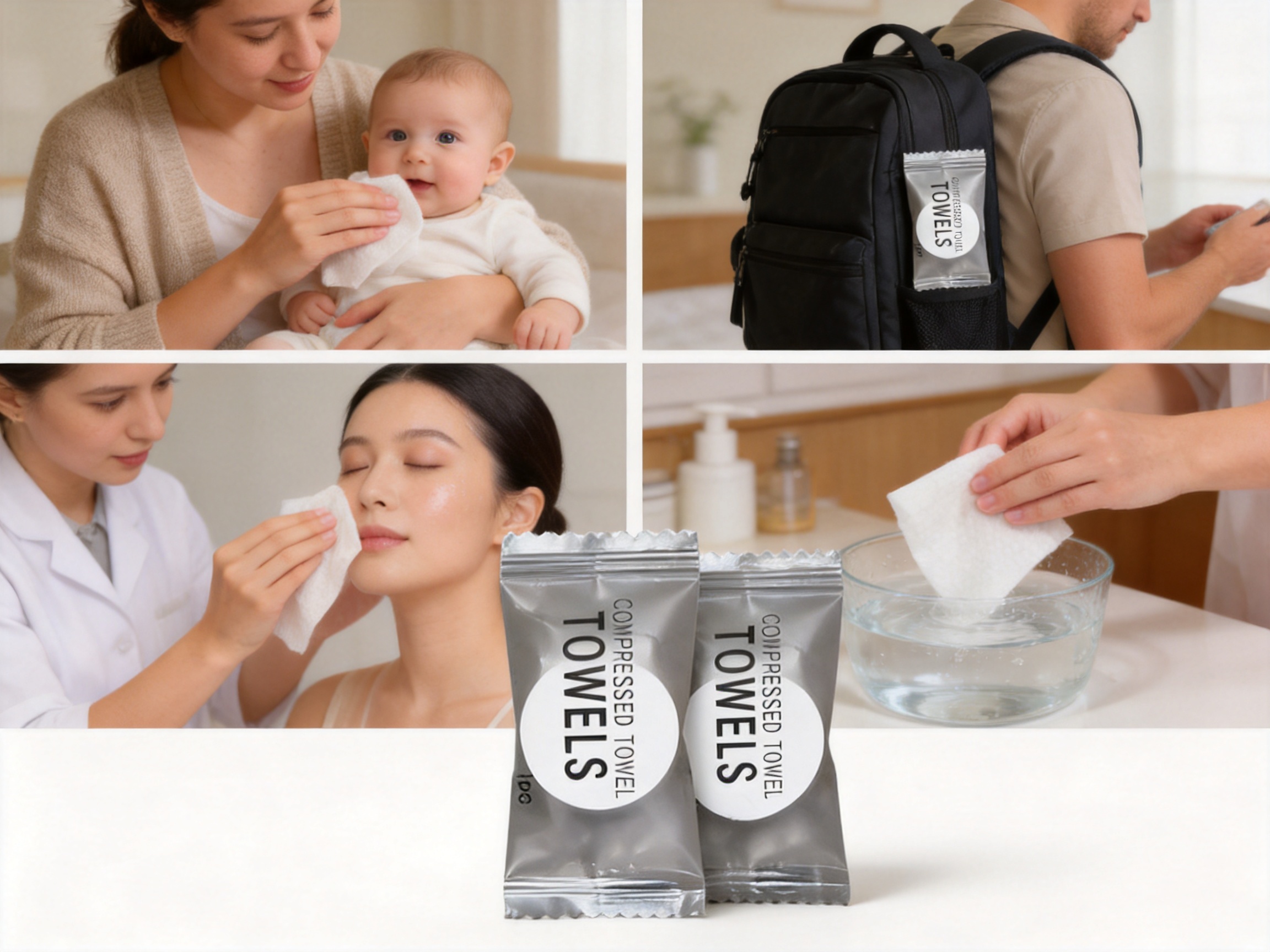
Dry wipes have become an important part of modern personal care, household cleaning, travel preparation, childcare, beauty routines, and professional service. Consumers increasingly want products that are clean, convenient, lightweight, easy to store, and suitable for different situations. At the same time, distributors, retailers, and private-label businesses are looking for reliable manufacturers that can provide consistent quality, flexible product development, and efficient packaging solutions.
Flow Pack Dry Wipes are designed to meet these needs through a combination of soft pack packaging, a resealable seal, portable construction, and convenient dispensing. The format is especially suitable for customers who want the practicality of pre-packed wipes without liquid content. Because the wipes are dry, users can apply them as supplied or moisten them with water, cleansing solution, disinfecting liquid, cosmetic formulations, or other suitable preparations according to the intended use.
The product belongs to the compressed towel category and is manufactured by Zhejiang Uniquality Nursing Products Technology Co., Ltd., a company operating under the Kingsafe and Uniquality group structure. The company has decades of experience in nonwoven materials, nursing products, medical and hygienic products, and high-end textile applications. Its production capabilities support both standard products and customized OEM or ODM programs.
This article examines the construction, benefits, applications, packaging performance, manufacturing strengths, customization possibilities, and purchasing considerations associated with Flow Pack Dry Wipes. It also explains why a professional nonwoven manufacturer can provide important advantages over suppliers with limited material expertise or narrow packaging capabilities.
Understanding Flow Pack Dry Wipes
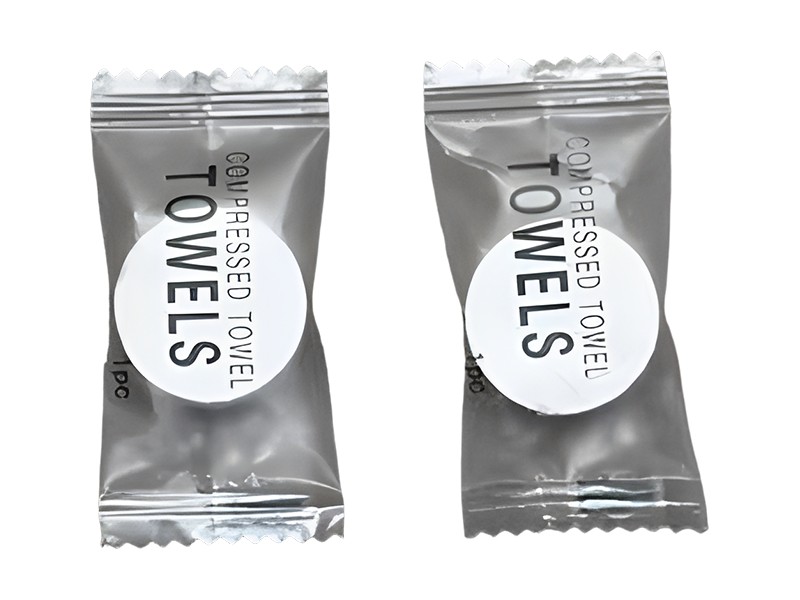
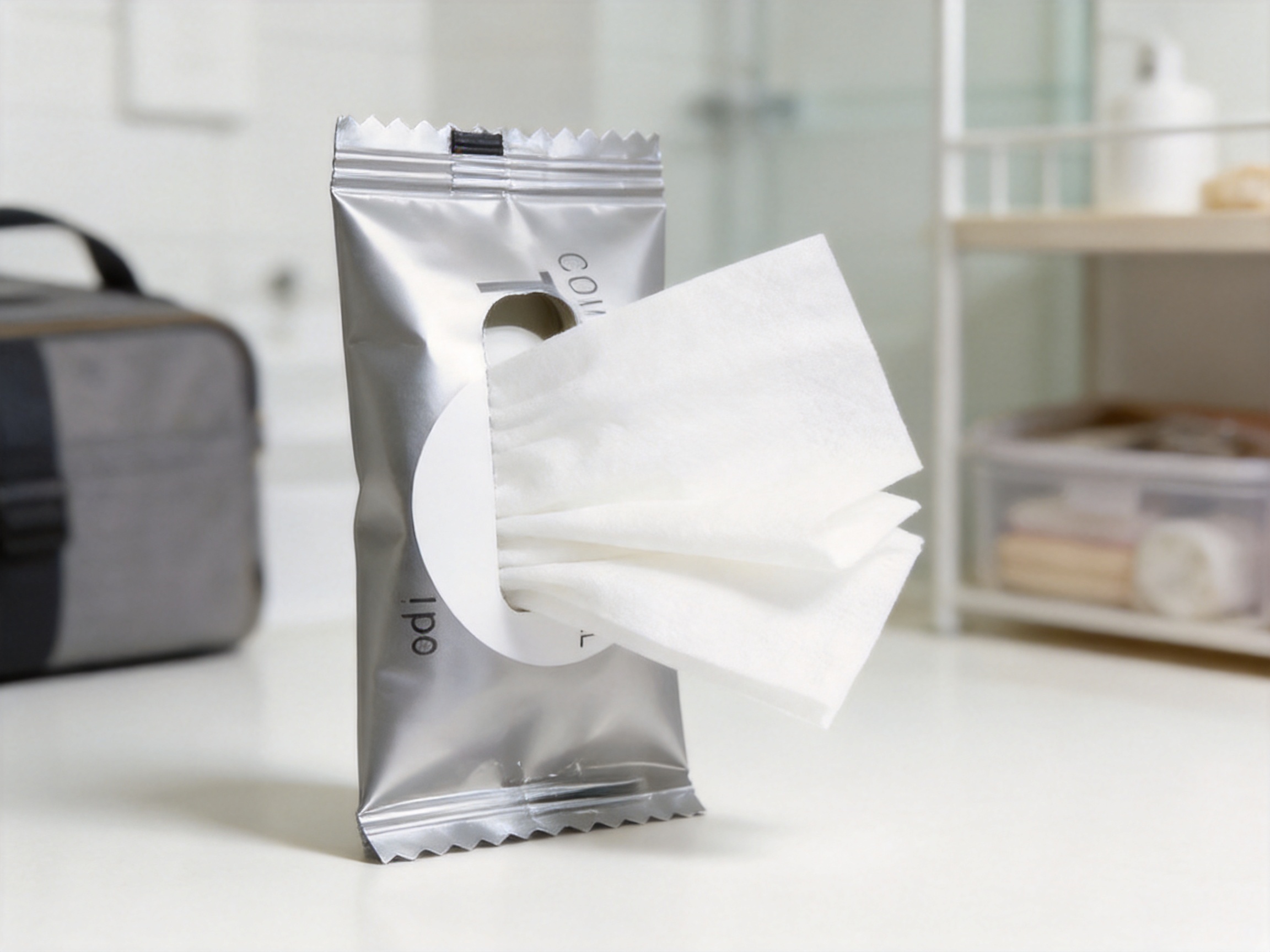
Flow Pack Dry Wipes are dry, pre-cut wipes packed in a flexible soft package. The package is designed with a resealable closure that helps reduce exposure to dust and supports cleaner storage after opening. The packaging format also makes the wipes easy to carry, distribute, and use in homes, offices, vehicles, travel bags, childcare settings, and commercial environments.
Unlike pre-moistened wipes, dry wipes do not contain a liquid formulation inside the package. This gives users and buyers more flexibility. The wipes can be used dry for wiping, drying, absorbing, or handling delicate tasks, or they can be moistened immediately before use. This two-way functionality can simplify logistics and broaden the number of possible applications.
The product is particularly appropriate for users who prefer a simple and adaptable hygiene item. Families may keep it in bathrooms, kitchens, bedrooms, diaper bags, or emergency kits. Travelers can use it when access to water or familiar hygiene products is limited. Professionals may select dry wipes when they need a clean substrate that can be paired with a specific liquid or treatment at the point of use.
The soft pack format also provides a practical balance between protection and portability. Compared with rigid containers, flexible packaging generally occupies less space and is easier to place in handbags, luggage, drawers, shelves, and shipping cartons. The resealable design helps maintain product cleanliness during repeated use, while the dispensing opening allows users to remove wipes one at a time.
Core Product Advantages
Soft Packaging for Convenient Storage
The soft pack is one of the most visible advantages of the product. Flexible packaging is lightweight, compact, and easy to organize. It can be placed in locations where a rigid tub or bulky container would be inconvenient. For retailers and distributors, soft packs can also support efficient carton packing and practical shelf presentation.
For consumers, the lighter package is useful in situations where every gram and every centimeter matter. A pack can be carried in a travel case, a baby-care bag, a vehicle compartment, or a workplace drawer without creating unnecessary bulk. The flexible outer structure also makes it easier to store several packs in reserve.
Resealable Protection
A resealable seal helps keep out dust after the pack has been opened. This feature is important because dry wipes are typically used over a period of time rather than consumed immediately. Repeated opening and closing can expose ordinary packaging to dust, moisture, and general handling. A well-designed closure helps create a more controlled internal environment and supports a better user experience.
The seal also reduces the need to transfer wipes into another container. Users can open the pack, take out the required quantity, and close it again. This improves convenience and reduces unnecessary handling. For products intended for hygiene-sensitive applications, a resealable format can be an important purchasing consideration.
Lightweight and Portable Design
Portability is central to the Flow Pack Dry Wipes concept. The product is suitable for daily home use as well as use outside the home. It can accompany consumers during commuting, travel, shopping, outdoor activities, childcare, and work. Since the wipes are dry, the pack does not carry the additional weight associated with liquid formulations.
Lower product weight may also contribute to simpler transportation and storage. For private-label buyers, the dry format can create greater flexibility when planning distribution to different markets. The absence of a pre-filled liquid formulation may also make it easier to develop versions for different customer groups and use environments.
Easy Dispensing
The pack is designed to make dispensing simple. A user can access the wipes through the opening without handling the complete stack or removing the entire contents. Controlled dispensing supports cleaner usage and can help reduce waste caused by pulling out multiple wipes at the same time.
For families and professional users, this type of access is especially useful when one hand may be occupied. Parents, caregivers, service staff, and travelers often need a wipe quickly and cannot spend time opening complicated packaging. A straightforward dispensing design makes the product more intuitive for a broad range of users.
Dry Format Flexibility
Dry wipes provide a level of versatility that pre-moistened wipes cannot always offer. A user can select whether to use the wipe dry or add moisture according to the task. For example, a dry wipe may be used for drying hands, absorbing small amounts of liquid, wiping surfaces, removing residue, or preparing a clean area. When a moistened wipe is preferred, the user can add water or another suitable liquid immediately before use.
This feature is valuable for private-label product development. Different markets may have different preferences regarding moisture level, fragrance, skin feel, ingredients, and intended use. A dry wipe base can serve as a foundation for multiple product concepts, allowing buyers to develop differentiated products without relying on one fixed liquid formulation.
Comparison with Common Alternatives
Flow Pack Dry Wipes compete with several categories, including loose tissue, rigid-container wipes, pre-moistened wipes, and low-quality nonwoven sheets packed in basic bags. Each alternative may have a particular use, but the flow pack dry wipe format combines several benefits in one product.
| Feature | Flow Pack Dry Wipes | Loose Tissue | Rigid-Container Wipes | Pre-Moistened Wipes |
|---|---|---|---|---|
| Packaging | Flexible soft pack with resealable closure | Usually a simple paper or plastic pack | Rigid tub or hard container | Flexible or rigid pack containing liquid |
| Portability | Lightweight and easy to carry | Lightweight but may offer less protection after opening | Generally heavier and bulkier | Heavier because of liquid content |
| Use format | Can be used dry or moistened when needed | Primarily used dry | Usually supplied in one fixed format | Supplied pre-moistened |
| Storage convenience | Compact and flexible | Compact but may be less durable | Requires more storage space | May require attention to liquid retention |
| Customization potential | Suitable for material, size, fold, count, and packaging customization | Often limited by tissue construction | Customization may increase packaging cost | Requires liquid formula development and compatibility testing |
| Best suited for | Home, travel, childcare, personal care, and multipurpose use | Basic wiping and drying | Long-term household storage | Convenient ready-to-use cleaning or personal care |
Compared with ordinary loose tissue, the product can provide a more substantial nonwoven wiping surface and more dependable pack protection. Compared with rigid containers, it is easier to carry and store. Compared with pre-moistened wipes, it provides greater flexibility and avoids the need to ship liquid in every pack.
These advantages do not mean that one format is suitable for every application. Pre-moistened wipes remain useful when immediate wet cleaning is required. However, for customers who value adaptable use, light weight, and convenient packaging, dry flow pack wipes offer a strong alternative.
Flow Pack Dry Wipes
Nonwoven Material Expertise
The performance of a dry wipe begins with its substrate. A wipe must have an appropriate balance of softness, strength, absorbency, surface texture, and resistance to tearing. The correct balance depends on its intended use. A product designed for personal care may prioritize softness and skin comfort, while a household or industrial wipe may require greater tensile strength and resistance during rubbing.
Zhejiang Uniquality Nursing Products Technology Co., Ltd. has a long operating history in medical and hygienic nonwoven materials. The company was founded in 1987 and has developed experience in the research, production, and sales of nonwoven fabrics, nursing products, and textile interlining materials. This background is important because it connects the finished wipe with upstream material knowledge.
The company’s stated product range includes spunlace nonwoven fabrics, spunmelt nonwoven fabrics, hot-air-through nonwoven fabrics, flushable and degradable nonwoven materials, wet wipes, dry wipes, baby diapers, pull-ups, wet toilet paper, and cleansing wipes. This broad range indicates experience with different fiber structures, processing requirements, and end-use expectations.
For buyers, a manufacturer with knowledge of both raw materials and finished products can support more informed product development. Material selection can be discussed together with fold design, packaging, intended use, softness, strength, and target price. This integrated approach is generally more efficient than purchasing a generic substrate from one supplier and attempting to solve all product issues separately.
Softness and User Comfort
Softness is a major consideration for wipes that may contact skin or delicate surfaces. A comfortable wipe should feel smooth and gentle during use, while still maintaining enough structure to avoid disintegrating too quickly. Material engineering, fiber selection, web formation, bonding, and finishing can all influence the final hand feel.
The company’s experience with maternal and baby products, personal care products, and medical and hygienic materials provides a relevant foundation for developing soft wipe substrates. Depending on the project, buyers can discuss the desired tactile characteristics and select a material structure appropriate for the target application.
Strength and Integrity
A wipe that tears too easily can create frustration and increase consumption. Strength is therefore important in both dry and moistened conditions. The material should maintain its integrity during removal from the pack and during normal wiping movements.
Strength requirements can vary widely. A facial or baby-care wipe may need gentle softness, while a household cleaning wipe may require more resistance. A professional manufacturer can adjust the material specification and product construction according to the intended use rather than applying one generic solution to every order.
Absorbency and Liquid Handling
Dry wipes may be used to absorb water, lotions, cleansing solutions, or other appropriate liquids. Their absorbency affects how quickly they take up moisture and how evenly they distribute it across the surface. For a wipe intended to be moistened before use, absorbency can also affect the user’s perception of wetness and softness.
Since the Flow Pack Dry Wipes are not permanently saturated during production, buyers can develop product concepts around different moisture levels and applications. This can be valuable for specialized markets where customers want to add a particular liquid at the point of use.
Advanced Manufacturing Capabilities
The company describes itself as a national high-tech enterprise specializing in research and development, production, and sales. Its capabilities include nonwoven material manufacturing and finished nursing products. The company has introduced advanced production equipment and technology from Germany, France, and Italy, supporting its ability to produce materials and finished products at an industrial scale.
International production equipment can contribute to process stability, material consistency, and efficient handling of large-volume orders. Equipment alone does not determine quality, but it can provide a strong technical foundation when combined with experienced operators, defined specifications, quality controls, and appropriate product testing.
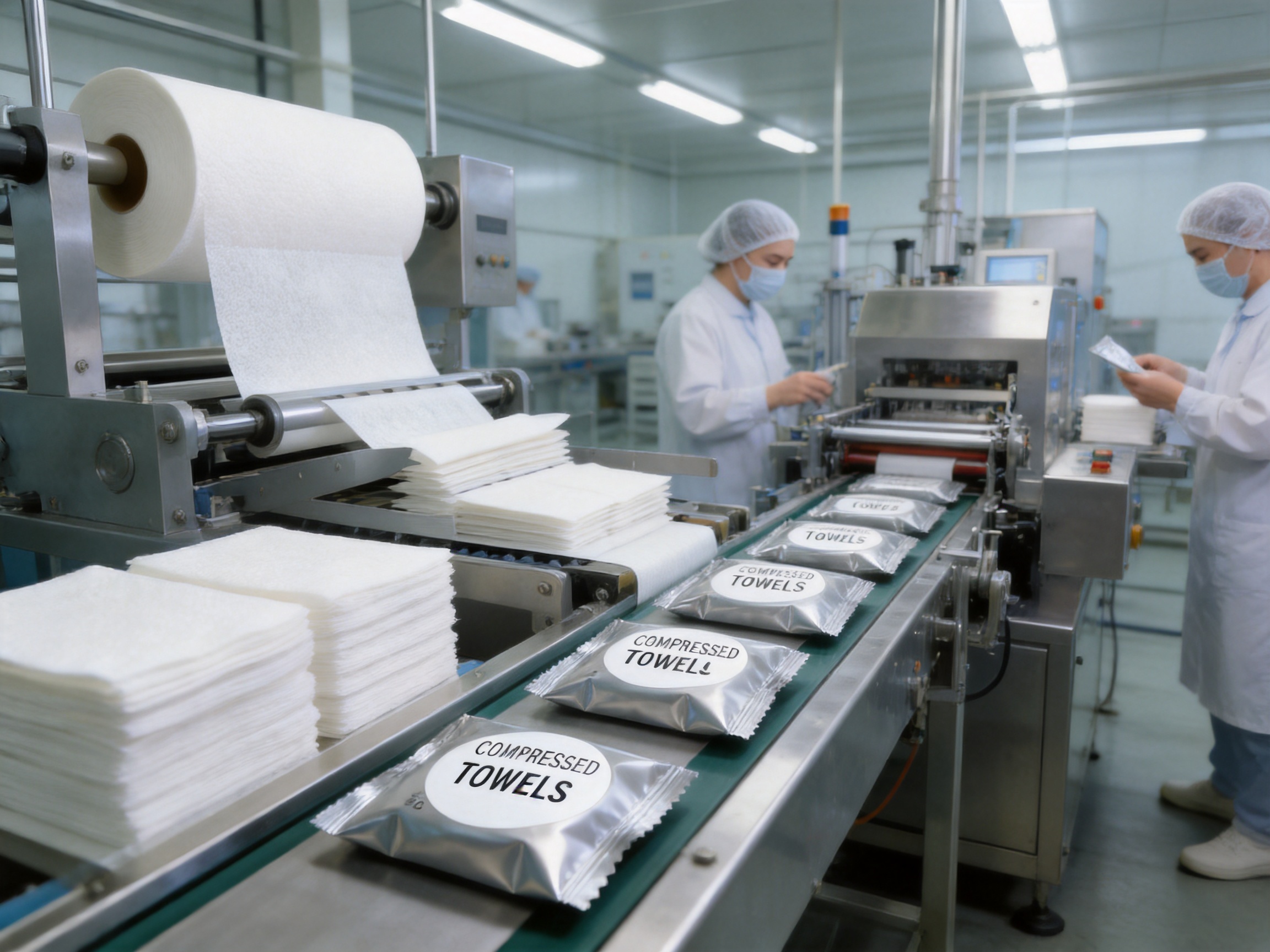
The manufacturing process for a flow pack dry wipe generally includes several coordinated stages. These may include raw material preparation, web formation, bonding or consolidation, cutting, folding, counting, stacking, packaging, sealing, inspection, and carton packing. Each stage influences the final product and must be managed as part of an integrated system.
Research and Development
Research and development allow a manufacturer to respond to changing customer requirements. A buyer may request a specific wipe size, fold pattern, thickness, softness, absorbency level, pack count, opening design, or packaging appearance. Product development work is needed to ensure that the requested features function together in a reliable and commercially practical format.
R&D can also support the development of products for different application fields. Medical and hygienic materials may require one set of performance priorities, while maternal and baby products, beauty products, home cleaning products, and industrial cleaning products may require others. A diverse technical background helps the manufacturer understand these differences.
Material Processing
Nonwoven processing must be controlled to create a uniform web with consistent weight and structure. Variations in the material can affect softness, absorbency, strength, and appearance. Stable processing is particularly important for private-label buyers, because retailers and consumers expect products to perform consistently from one batch to the next.
Depending on the product design, the company can work with different nonwoven categories, including spunlace and other nonwoven technologies represented in its wider product portfolio. The final material selection should be based on the intended application, customer expectations, product claims, and regulatory requirements of the destination market.
Cutting, Folding, and Stacking
Precise cutting and folding help create a uniform user experience. If wipes vary significantly in size or are folded inconsistently, dispensing may become difficult and the pack may not present properly. Accurate stacking also supports reliable pack counts and a more orderly appearance after opening.
For private-label programs, folding can be coordinated with the package dimensions and dispensing opening. The goal is to create a smooth relationship between the wipe stack and the outer pack. This can improve access, reduce pulling resistance, and support the intended dispensing behavior.
Flow Pack Packaging
Flow pack packaging requires coordination between film selection, forming, product loading, sealing, cutting, and closure application. The packaging must protect the wipes while maintaining a practical appearance and a convenient opening. Seal consistency is particularly important because the pack must remain closed during transportation and storage but still open easily for the consumer.
A resealable closure adds another layer of design consideration. It must align correctly with the dispensing area and remain functional through repeated use. Packaging performance should be evaluated in connection with the wipe stack, the number of wipes per pack, the pack dimensions, and the expected storage conditions.
When buyers choose a manufacturer with experience in both wipes and packaging, they can reduce the risk of incompatibility between the substrate and the pack. The product should be assessed as a complete system rather than as an isolated wipe material or an isolated package.
Quality Inspection
Quality inspection may address appearance, wipe dimensions, pack count, folding accuracy, seal condition, closure performance, material consistency, and packaging presentation. The precise quality plan should be agreed upon according to the product specification and market requirements.
For OEM and ODM projects, documented specifications are especially important. They create a reference for production and provide a basis for communication between the manufacturer, brand owner, distributor, and quality team. Clear standards can help reduce misunderstandings regarding softness, thickness, packaging, quantity, and acceptable variation.
Applications Across Multiple Markets
Home Use
At home, Flow Pack Dry Wipes can support many everyday tasks. They may be used for drying hands, wiping small spills, cleaning non-delicate surfaces, handling personal-care routines, or preparing a wipe with water or another suitable liquid. The compact pack can be stored in bathrooms, kitchens, bedrooms, utility areas, or family travel bags.
The resealable closure is especially practical in a household where a pack may be opened many times. It helps keep the contents more protected between uses and reduces the need for additional storage containers.
Baby and Maternal Care
Dry wipes are widely relevant to baby and maternal care because they can be used in a flexible way. Parents may use them dry for gentle drying or add water when a moistened wipe is preferred. Their portability is useful for diaper bags, nursery storage, travel, and visits outside the home.
For this application, softness, material cleanliness, pack protection, and easy dispensing are important considerations. Product claims and safety requirements must be evaluated according to the destination market, and any intended skin-contact use should be supported by suitable testing and documentation.
Beauty and Personal Care
Beauty professionals and consumers may use dry wipes as a clean, adaptable substrate for facial care, cleansing preparation, makeup-related routines, nail services, spa treatments, and other personal-care activities. The dry format allows the user or professional to choose a suitable liquid at the time of application.
In this category, tactile quality and appearance can have a strong influence on customer perception. A soft, uniform wipe packed in attractive private-label packaging can support a premium product position when the material and design are matched appropriately.
Travel and Outdoor Activities
Travelers value products that are compact, lightweight, and easy to pack. Flow Pack Dry Wipes can be placed in carry-on luggage, backpacks, cars, picnic kits, and emergency bags. They can be used for personal care, drying, wiping, or preparing a moistened wipe when needed.
The dry format can be useful in destinations where consumers want to control the liquid used with the wipe. It also avoids carrying unnecessary liquid in every pack, which may simplify packing and storage.
Commercial and Professional Use
Businesses may use dry wipes in salons, spas, hospitality environments, offices, childcare facilities, clinics, workshops, and service operations. The product can be customized for professional needs through differences in size, thickness, fold, pack count, material, and outer packaging.
Commercial buyers often require consistency and predictable supply. A manufacturer with multiple production bases and a broad industrial textile background may be better positioned to support larger or recurring programs than a small supplier with limited equipment and capacity.
OEM and ODM Customization
Private-label customers usually want more than a standard product. They may need a unique pack appearance, a specific wipe dimension, a particular number of pieces per pack, or a product positioned for a defined customer group. OEM and ODM services allow the buyer to develop a product around its own brand strategy and sales channel.
Possible customization areas include:
• Wipe dimensions and shape.
• Fold style and dispensing configuration.
• Material type and nonwoven structure.
• Softness, strength, thickness, and absorbency targets.
• Number of wipes per pack.
• Packaging film and printed artwork.
• Resealable closure and dispensing opening.
• Carton configuration and shipping arrangement.
• Product positioning for home, baby, beauty, travel, or professional use.
Customization should begin with a clear product brief. The brief should identify the target market, intended use, user expectations, pack size, estimated order volume, desired price range, and destination-market requirements. This information helps the manufacturer recommend a suitable material and packaging solution.
Not every requested feature will be compatible with every target price or production method. A professional development process should therefore include sampling, evaluation, revision, and final approval. Testing should consider both the wipe and the package, because changes in wipe thickness or fold may affect pack dimensions and dispensing performance.
Supply Chain and Production Scale
The company has established eight production bases in China, including locations in Guangdong, Jiangsu, and Hubei, in addition to its headquarters in Zhejiang. A multi-site production structure can provide broader manufacturing resources and support for different product categories. It may also help a company organize capacity according to product requirements and market demand.
For international buyers, production scale can be important when planning regular supply. A supplier must be able to manage raw material sourcing, production scheduling, packaging procurement, quality inspection, and shipment preparation. A company with a long history and broad product portfolio may offer more structured support than a trading company that does not control manufacturing operations.
More than thirty years of development have allowed the company to build experience across industrial textiles, nonwoven materials, medical products, hygiene products, and nursing products. This combination is relevant to dry wipes because the product sits at the intersection of material science, consumer packaging, hygiene, and logistics.
Supply continuity should still be confirmed on a project-by-project basis. Buyers should discuss minimum order quantities, lead times, packaging material availability, sample approval procedures, inspection arrangements, and shipping terms before finalizing an order.
How Flow Pack Dry Wipes Support Product Differentiation
Private-label markets are competitive. Retailers and distributors need products that are easy to understand and useful in daily life, but they also need ways to distinguish their offerings. Flow Pack Dry Wipes provide several opportunities for differentiation without changing the fundamental product category.
A brand may position the product around portability, family use, travel convenience, gentle care, multipurpose functionality, or minimalist packaging. It may choose different pack counts for household and on-the-go channels. It may also select different nonwoven structures for a softer personal-care product or a stronger household wipe.
Packaging design can reinforce the intended position. A small pack may be suitable for convenience stores, travel retailers, and online multipacks. A larger pack may be more appropriate for family use or institutional supply. Colors, graphics, labeling, and pack dimensions can be developed according to the brand’s identity and the expectations of the target market.
The dry format itself can be a selling point. Consumers may appreciate the ability to use the wipe dry or moisten it as required. This can present the product as flexible rather than limited to one fixed use. Buyers should ensure that all packaging and marketing statements accurately represent the product and comply with the rules of the markets in which it will be sold.
Advantages of Working with an Experienced Manufacturer
Long-Term Industry Knowledge
Founded in 1987, the company has accumulated substantial experience in nonwoven and hygienic product manufacturing. Long-term industry knowledge can support better understanding of material behavior, production planning, packaging compatibility, and customer requirements.
Broad Product Portfolio
The company’s portfolio covers medical, maternal and baby, beauty, home, industrial cleaning, and clothing-related applications. This range can encourage cross-category innovation. Lessons learned from one product family may support the development of another, especially in areas such as fiber selection, softness, absorbency, bonding, and packaging.
Integrated Product Development
Because the company is involved in both nonwoven materials and finished products, it can discuss the complete product rather than focusing on only one production step. This may simplify communication for buyers seeking a finished private-label solution.
International Equipment and Technology
The company has introduced production equipment and technology from Germany, France, and Italy. This international technical foundation supports its stated manufacturing capabilities and helps it serve customers requiring stable industrial production.
OEM and ODM Support
OEM and ODM services allow buyers to request products tailored to their brand and market. This can be especially useful for companies that want to enter the wipes market without building their own nonwoven or packaging factory.
Industry Recognition and Market Experience
The company states that it has ranked among the leading enterprises in China’s nonwoven industry and among major nonwoven manufacturers globally for multiple consecutive years. Such industry experience can provide confidence when evaluating a supplier, although buyers should still conduct their own qualification, sampling, testing, and quality review procedures.
Purchasing Considerations
Before ordering Flow Pack Dry Wipes, buyers should define the product’s intended use. A wipe for baby care may require different softness and testing considerations from a wipe for household cleaning. A travel pack may require a different count and size from an institutional pack. Clear application information helps the manufacturer recommend the correct specification.
Buyers should also assess the following points:
• What wipe material and structure are required?
• Will the wipe be used dry, moistened, or in both ways?
• What dimensions, fold, and pack count are preferred?
• What type of resealable closure is needed?
• What packaging artwork and labeling information must be included?
• What tests or documentation are required in the destination market?
• What are the estimated annual volumes and target order quantities?
• What delivery schedule and shipping arrangement are expected?
• Does the product need special claims such as degradability or flushability?
Claims require particular care. Not every dry wipe is suitable for flushing, composting, biodegradation, medical use, or direct skin contact under all conditions. Such claims should be made only when the product has been designed and tested for them and when the relevant market requirements have been met.
Q&A
What are Flow Pack Dry Wipes?
They are dry, pre-cut wipes packed in a flexible soft package with a resealable seal. The wipes can be used dry or moistened before use, depending on the application.
What is the main benefit of the resealable package?
The resealable package helps reduce exposure to dust after opening and allows the user to close the pack between uses. It also supports convenient storage and repeated dispensing.
Are these wipes supplied wet?
No. They are supplied dry. Users can use them dry or add water or another suitable liquid when a moistened wipe is preferred.
Where can the product be used?
Potential applications include home care, personal care, baby care, travel, outdoor activities, beauty services, hospitality, offices, childcare, and selected professional cleaning tasks. The final suitability depends on the material specification and intended use.
Can the product be customized for private-label sales?
Yes. OEM and ODM programs can be developed around wipe size, material, softness, strength, thickness, fold, pack count, packaging artwork, closure, and carton configuration, subject to production feasibility and order requirements.
Can the wipes be used on skin?
Some specifications may be suitable for skin-contact applications, but this must be confirmed according to the selected material, product design, testing, and destination-market requirements. Buyers should not assume that every dry wipe is appropriate for every skin-care purpose.
What makes a soft pack useful for travel?
A soft pack is generally lightweight, flexible, and compact. It can be stored in luggage, handbags, backpacks, cars, and travel kits more easily than many rigid containers.
How does the product compare with pre-moistened wipes?
Pre-moistened wipes are ready to use with no added liquid, while dry wipes offer greater flexibility and lower product weight. Dry wipes can be used as supplied or moistened at the point of use, depending on the user’s needs.
Why is the manufacturer’s nonwoven experience important?
Nonwoven experience helps support the development of suitable softness, strength, absorbency, thickness, and surface characteristics. It also helps connect substrate selection with folding, dispensing, packaging, and final application.
What should buyers request before placing an order?
Buyers should request product specifications, samples, packaging details, quality requirements, testing information, production lead times, minimum order quantities, and documentation relevant to the intended market.
Can the wipes be made for professional use?
They can be developed for professional environments when the material, size, strength, pack count, and packaging are selected for the intended task. Professional buyers should describe the use conditions clearly during product development.
Conclusion
Flow Pack Dry Wipes combine the practicality of a dry nonwoven wipe with the convenience of a resealable soft package. Their lightweight construction, portable format, easy dispensing, and flexible use make them suitable for daily home care, travel, personal care, baby care, beauty services, and professional applications.
The product’s main advantage over many alternatives is its balance of adaptability and convenience. Unlike a fixed wet wipe, it can be used dry or moistened when needed. Unlike loose tissue, it is supported by a more protective resealable pack. Unlike a rigid container, it is lightweight and flexible. These characteristics can help private-label buyers develop products for a wide variety of customer needs.
The manufacturing foundation behind the product is equally important. With roots extending back to 1987, experience in nonwoven materials and nursing products, advanced equipment and technology from Europe, multiple production bases, and a broad product portfolio, Zhejiang Uniquality Nursing Products Technology Co., Ltd. is positioned to support customized wipe programs. Its capabilities in OEM and ODM production allow buyers to coordinate material selection, product construction, packaging, and market positioning through one manufacturing partner.
For companies seeking a dependable, portable, and adaptable wipe product, Flow Pack Dry Wipes offer a practical platform for both standard supply and customized private-label development. The best results will come from a clear product brief, appropriate material selection, careful packaging design, suitable testing, and close cooperation between the buyer and manufacturer throughout sampling and production.
References
1. Company product information for Flow Pack Dry Wipes and compressed towel applications.
2. Company information regarding nonwoven materials, nursing products, and hygienic product manufacturing.
3. General principles of nonwoven fabric construction, fiber bonding, softness, strength, and absorbency.
4. General packaging principles for flexible flow pack formats and resealable closures.
5. General guidance on OEM and ODM product development for private-label consumer goods.
6. General considerations for product testing, labeling, and market compliance for wipes and hygiene products.