中文简体
中文简体 English
 日本語
日本語 русский
 Español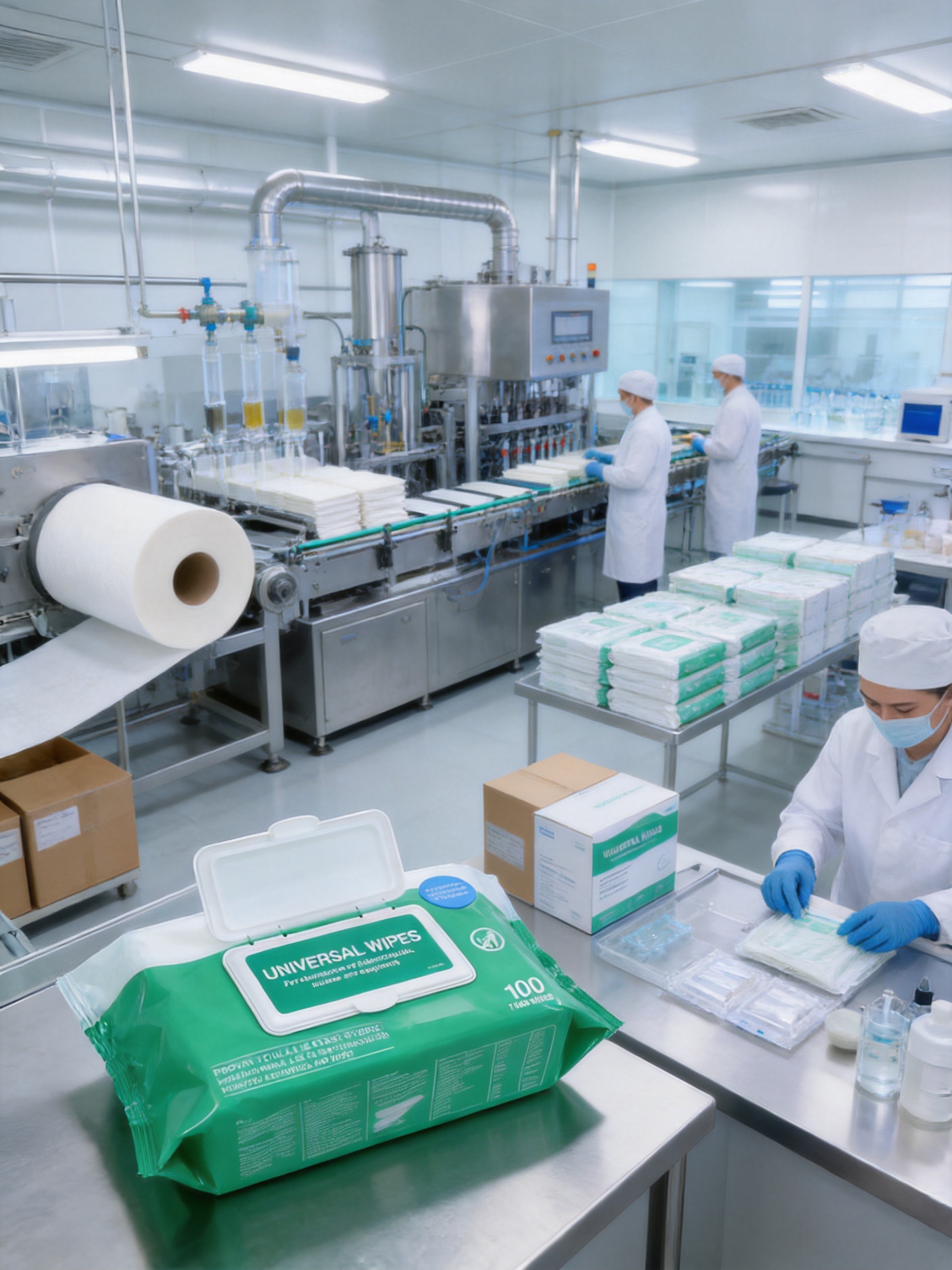
Medical antibacterial wipes are designed to support fast, consistent, and convenient cleaning and disinfection in healthcare environments. They are used on selected hard, non-porous surfaces associated with patient care, medical equipment, treatment areas, operating rooms, dental facilities, supply rooms, and other professional settings. Compared with traditional cleaning cloths and separately prepared disinfectant solutions, ready-to-use wipes can simplify the workflow, reduce preparation steps, and help standardize the amount of disinfectant applied to a surface.
The medical antibacterial wipe product described in this article is manufactured for professional and business-to-business applications. It can be developed for hospitals, clinics, medical distributors, healthcare procurement companies, pharmacies, private-label brands, medical device manufacturers, and institutional supply programs. The product is available with different substrate materials, active formulations, pack counts, fragrances, surface textures, and packaging formats.
Its value is not limited to the wipe itself. A reliable medical wipe program also depends on substrate engineering, liquid formulation, packaging integrity, manufacturing hygiene, testing, traceability, and compliance with the destination market. For this reason, an experienced integrated manufacturer can provide advantages over suppliers that only convert pre-made fabric or fill standard solutions into basic packaging.
What Are Medical Antibacterial Wipes?
Medical antibacterial wipes are pre-moistened nonwoven wipes containing a cleaning or disinfecting solution selected for a defined application. Depending on the formula and intended use, they may be used to clean and disinfect compatible environmental surfaces, medical equipment exteriors, treatment carts, dental units, worktops, and other high-touch areas.
These wipes are not a universal substitute for every sterilization or decontamination procedure. They must be used according to their approved instructions, compatibility information, contact time, and destination-market requirements. A product intended for environmental surface disinfection may not be suitable for direct application to skin, open wounds, invasive devices, or delicate optical components. Correct product positioning and labeling are therefore essential.
A medical antibacterial wipe normally consists of four major elements:
A nonwoven substrate that holds and releases the solution.
An active or functional liquid formula selected for the target application.
Packaging that preserves moisture, cleanliness, and product stability.
Instructions and labeling that explain the intended use, precautions, and required contact time.
The substrate may be produced from polyester, viscose, bamboo fiber, lyocell, cotton, or blended materials. Different fibers affect softness, strength, absorbency, lint performance, liquid retention, and wipe release. The solution may be alcohol-based, quaternary ammonium-based, biguanide-based, chlorine-containing, or another customer-specified formulation, subject to technical feasibility and regulatory review.
Why Ready-to-Use Medical Wipes Matter in Healthcare
Healthcare facilities operate under demanding conditions. Staff members may need to clean several surfaces between procedures, respond to contamination incidents, prepare equipment for the next patient, or maintain high-touch areas throughout a shift. A conventional process may require selecting a disinfectant concentrate, measuring or diluting it, locating a clean cloth, applying the solution, disposing of the cloth, and documenting the activity.
Ready-to-use wipes can reduce the number of these steps. The operator opens the package, removes a wipe, thoroughly wets the target surface, observes the required contact time, and disposes of the wipe according to facility procedures. This streamlined process can help reduce variation between users and improve workflow efficiency.
Pre-moistened packaging also helps protect the formula from repeated exposure to the environment. A sealed sachet, canister, flow pack, or soft pack can provide controlled access to the wipes and help prevent the product from drying out when properly closed and stored. Packaging design is particularly important in high-use departments where a product may be opened and handled many times each day.
Another important benefit is the reduction of solution mismatch incidents. When staff prepare a disinfectant manually, errors may occur in concentration, dilution ratio, water quality, mixing, labeling, or storage. A properly developed ready-to-use wipe eliminates the need for on-site dilution and can make the intended use easier to follow.
Medical wipes may also support better compliance. A product that is easy to locate, easy to open, and easy to apply is more likely to be used consistently than a complicated process requiring several preparation tools. Compliance still depends on training, supervision, suitable instructions, and adequate supply, but product convenience can contribute to more reliable execution.
Typical Healthcare Applications
The product can be developed for wiping and disinfecting compatible surfaces in a broad range of professional healthcare environments. The exact use claims depend on the formula, substrate, testing, regulatory status, and customer requirements.
Intensive Care and High-Risk Departments
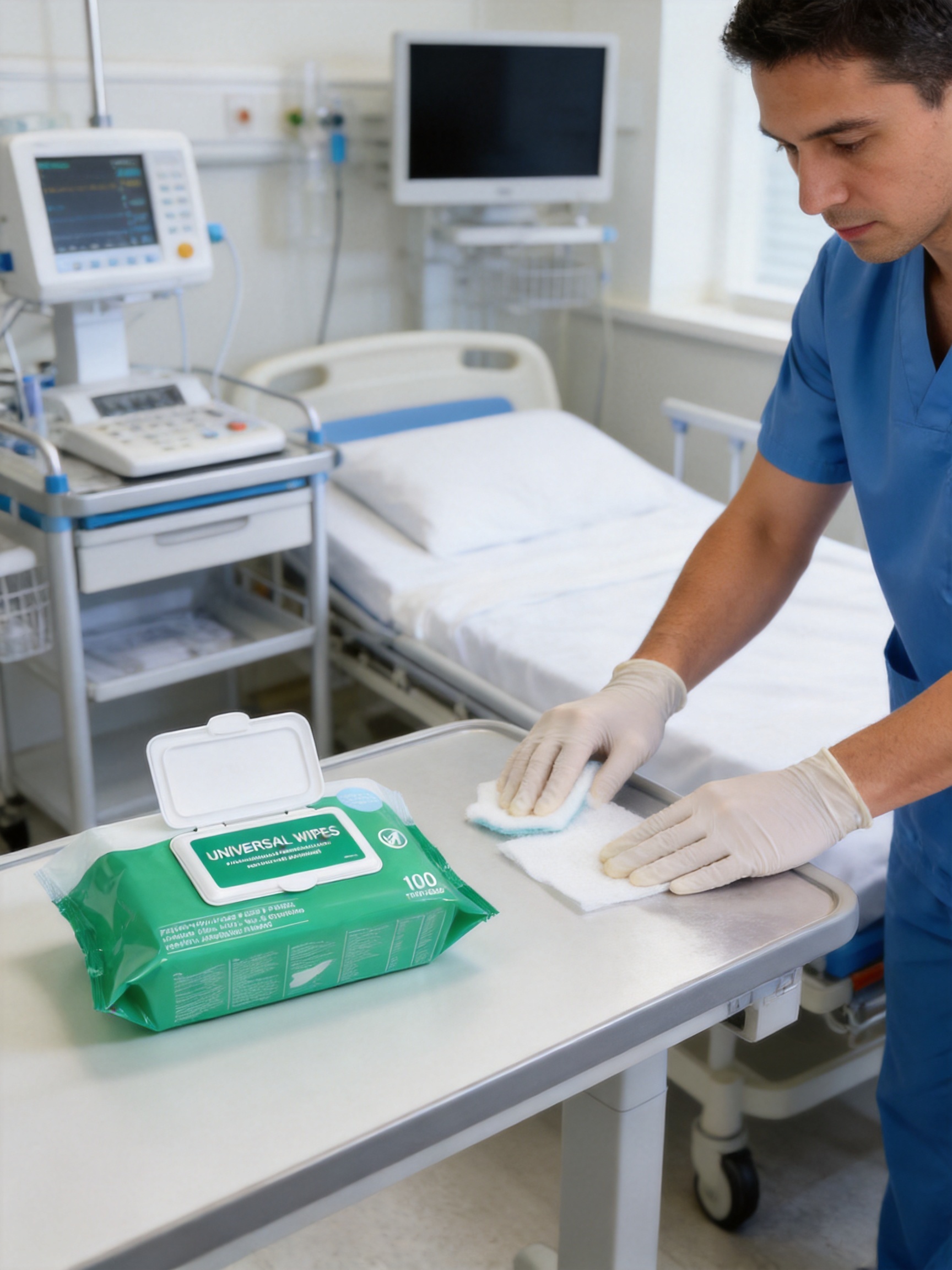
In intensive care units, neonatal intensive care units, burn wards, and hemodialysis centers, environmental cleaning is an important part of routine infection prevention. Bedside tables, bed units, equipment stands, work surfaces, and other frequently touched areas may require regular cleaning and disinfection.
These departments may also require careful consideration of material compatibility. Certain plastics, coated surfaces, touch screens, seals, and painted components can be sensitive to alcohol, chlorine, solvents, or repeated exposure to strong chemicals. A wipe selected for these areas should be evaluated against the facility’s equipment materials and cleaning protocols.
Ward Treatment Rooms
Treatment rooms contain many objects that are touched by staff, patients, and visitors. Medical antibacterial wipes can be used on suitable treatment surfaces, worktops, handles, carts, and external areas of equipment. A convenient format can help staff clean between patients and after procedures without waiting for a separate solution to be prepared.
Treatment Carts and Mobile Workstations
Treatment cars, medication carts, dressing carts, and mobile workstations move between patient areas and may accumulate contamination on handles, shelves, drawers, and work surfaces. Individually packed wipes or compact soft packs can be useful for mobile teams because they are easy to store and transport.
Medical Equipment Exteriors
External surfaces of hemodialysis machines, ventilators, monitors, diagnostic equipment, and other devices may require routine cleaning. The wipe formulation must be selected carefully because electronic displays, labels, plastics, rubber components, and coated metal surfaces can react differently to disinfectants.
Before commercial use, customers should verify equipment manufacturer instructions and conduct compatibility testing where necessary. The wipe should not be promoted for a specific device or material unless the required evidence and permissions are available.
Dental Treatment Units
Dental chairs, diagnosis and treatment units, control panels, handles, trays, and surrounding work surfaces are regularly exposed to contact with patients and staff. A suitable wipe can support cleaning between appointments and at the end of treatment sessions. Low-lint substrates and controlled liquid release are especially useful around equipment surfaces where residue or loose fibers could interfere with operation.
Neonatal Incubators and Specialized Chambers
Neonatal incubators and hyperbaric oxygen chambers require specific procedures because they may include sensitive materials, controlled environments, and strict safety requirements. A product intended for these applications must be assessed against the relevant equipment instructions and facility protocols. Formulation selection, residue control, fragrance level, and material compatibility are particularly important considerations.
Supply and Packaging Areas
Supply rooms and packaging work surfaces need routine cleaning to help maintain hygienic handling conditions. Wipes can be used on worktops, inspection surfaces, packing benches, and external storage-contact areas that are compatible with the selected formula.
Operating Rooms and Post-Procedure Cleaning
After a procedure, operating tables, equipment exteriors, instrument surfaces, surrounding work areas, and related objects may require cleaning and disinfection. A product for this environment should be selected according to the facility’s approved procedure and should not be presented as a replacement for sterilization of reusable surgical instruments.
General Hard-Surface Cleaning
Medical antibacterial wipes may also be used for other general hard, non-porous surfaces in healthcare environments. Applications can include door handles, work surfaces, counters, selected furniture surfaces, and other high-touch areas, provided the product label and compatibility information permit such use.
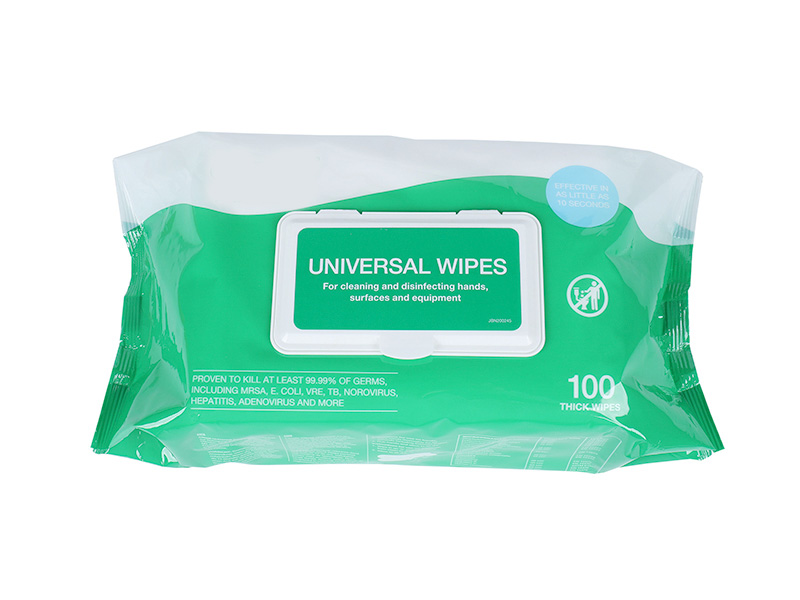
Medical antibacterial wipes
Formulation Options for Different Requirements
Different active ingredients provide different performance profiles. The choice should be based on the target microorganisms, required contact time, surface compatibility, residue expectations, worker safety, regulatory classification, and intended market.
Quaternary Ammonium-Based Wipes
Quaternary ammonium compounds are commonly used in surface disinfecting products. Depending on the specific active ingredient and tested concentration, they may be effective against selected bacteria, enveloped viruses, fungi, and other organisms identified on the approved product label.
Quaternary ammonium-based wipes may be suitable for routine environmental surface disinfection where a low-residue and material-compatible system is required. However, performance cannot be assumed solely from the ingredient category. The complete formula, concentration, contact time, test method, and regulatory authorization determine the claims that can be made.
Alcohol-Based Wipes
Alcohol wipes are often selected when rapid evaporation and quick action are important. They may be developed with different alcohol concentrations and can be useful for certain equipment exteriors, small surfaces, or applications requiring a fast-drying product.
Alcohol is flammable and may affect certain plastics, coatings, adhesives, or surface finishes. Packaging, storage, transport, workplace ventilation, and fire-safety requirements must therefore be considered during product development.
Biguanide-Based Wipes
Biguanide-containing products may be developed for specific antimicrobial applications and can offer a different balance of activity, residue, and material compatibility. The formula should be assessed through appropriate efficacy, stability, and compatibility testing before use in a professional environment.
Chlorine-Containing Wipes
Chlorine-containing wipes may provide strong antimicrobial performance for selected applications. At the same time, chlorine can present compatibility concerns for metals, textiles, coatings, and other materials. Odor, residue, storage stability, packaging resistance, and safe handling instructions also require careful evaluation.
Compound Formulas
Compound disinfectant wipes combine more than one functional component or use a broader formulation strategy. These products may be developed when customers require a specific spectrum of activity or performance profile. Compound formulas must be validated as complete products rather than judged only by the presence of individual ingredients.
Fragrance-Free and Fragranced Options
Healthcare customers frequently prefer fragrance-free products, especially for intensive care, neonatal, dental, respiratory, and sensitive environments. However, fresh, lavender, lemon, lotus, fruit, coconut, cucumber, or other fragrance options may be requested for selected markets or institutional programs.
Fragrance should never be used to disguise an unsuitable formula or excessive chemical odor. It should be selected according to user preference, regulatory requirements, patient sensitivity, and compatibility with the intended application.
Nonwoven Substrate Selection
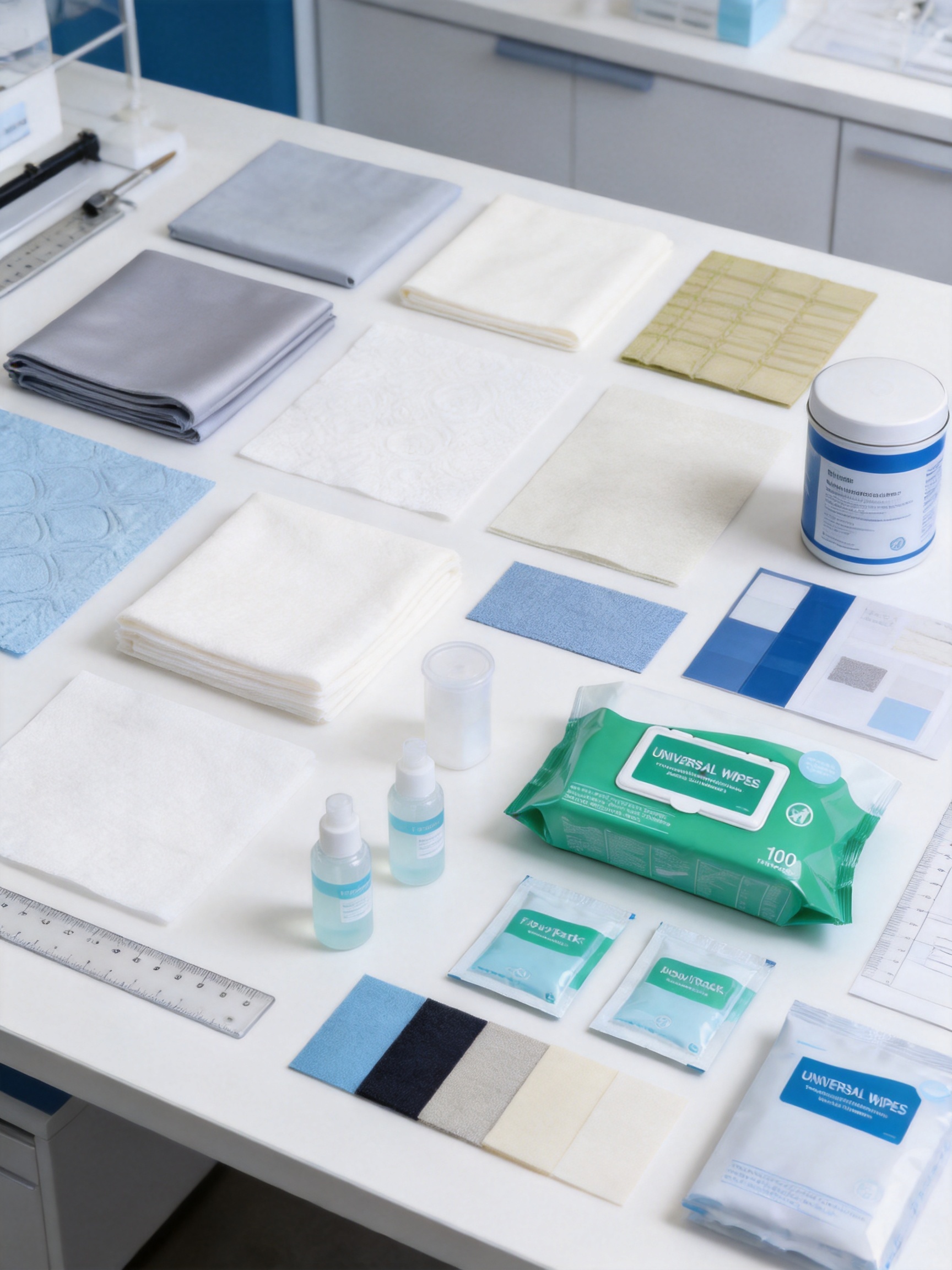
The wipe substrate directly affects cleaning performance, liquid management, user experience, and cost. A strong manufacturer should be able to recommend a substrate based on the application instead of offering only one standard fabric.
| Substrate or option | Potential characteristics | Typical development considerations |
|---|---|---|
| Polyester | Good strength, durability, and dimensional stability | Useful where low lint, repeated wiping pressure, or robust handling is required |
| Viscose | Soft hand feel and good liquid absorbency | Suitable when softness and fluid uptake are important |
| Bamboo fiber | Plant-based positioning and soft tactile performance | Requires evaluation of strength, liquid release, and environmental claims |
| Lyocell | Softness, absorbency, and a potential lower-impact material story | Appropriate for customers seeking specialized fiber options |
| Cotton | Natural-fiber positioning and comfortable handling | Should be assessed for lint, strength, absorbency, and formula compatibility |
| Blended substrate | Balanced strength, absorbency, softness, and cost | Can be engineered for specific wiping requirements |
The manufacturer can provide parallel or semi-cross technologies and a range of surface patterns. Plain, mesh, dot-embossed, flower, and star patterns can change the way the wipe feels and interacts with a surface. Embossing may improve texture and liquid distribution, while a smoother surface may be preferred for sensitive equipment or low-lint applications.
Basis weight can be customized from approximately 30 to 100 grams per square meter. Lower basis weights may support lightweight, economical, or individually packed formats. Higher basis weights may provide greater bulk, absorbency, and wiping strength. The correct selection depends on wipe dimensions, liquid loading, packaging format, intended surface, and customer price target.
Available dimensions include widths of approximately 12 to 22 centimeters and lengths of approximately 12 to 30 centimeters. Custom sizes can be developed for small equipment surfaces, large worktops, individual patient-care applications, or institutional bulk packs.
Product Specifications and Customization
Medical antibacterial wipes are rarely identical across all markets. A distributor serving clinics may need a compact 20-count soft pack, while a hospital procurement project may require 80 or 100 wipes in a larger canister or refill format. A medical device manufacturer may request individually packed wipes for use with a particular equipment kit.
| Specification | Available or customizable range |
|---|---|
| Wipe count | Single wipe, 10, 20, 50, 80, 100, up to approximately 200 pieces or customized |
| Material | Polyester, viscose, bamboo, lyocell, cotton, blends, and other approved nonwoven options |
| Technology | Parallel, semi-cross, and selected surface-engineering options |
| Pattern | Plain, mesh, dot embossed, flower, stars, or customized development |
| Basis weight | Approximately 30–100 gsm |
| Size | Approximately 12–22 cm wide and 12–30 cm long, with custom sizes available |
| Fragrance | Unscented, fresh, lavender, lemon, lotus, fruit, coconut, cucumber, or customized |
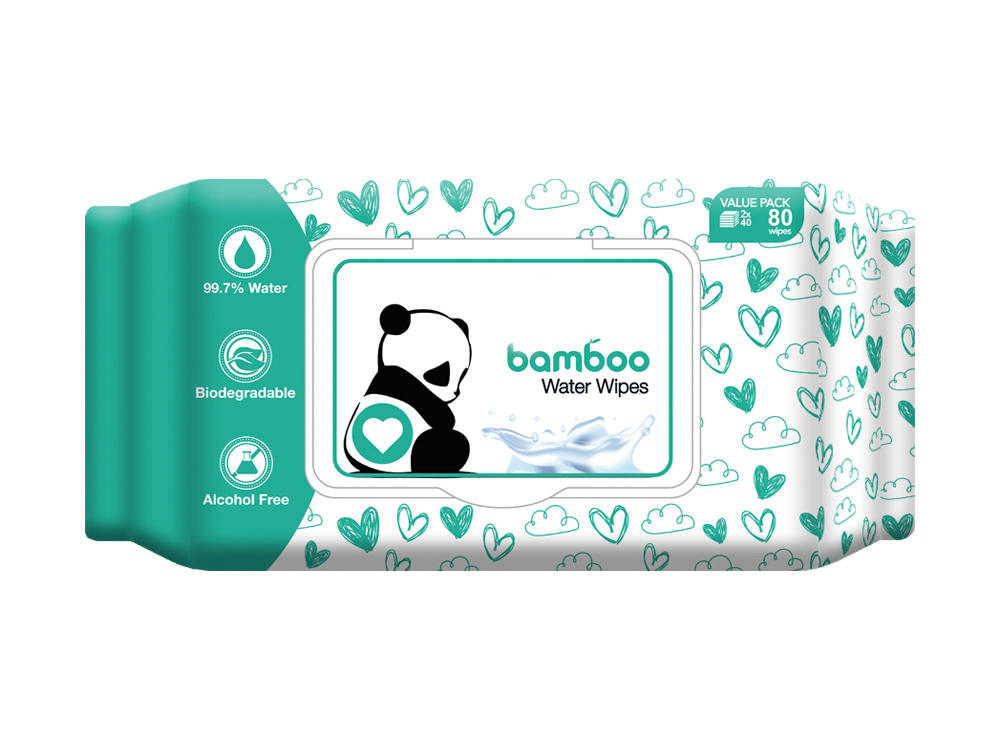
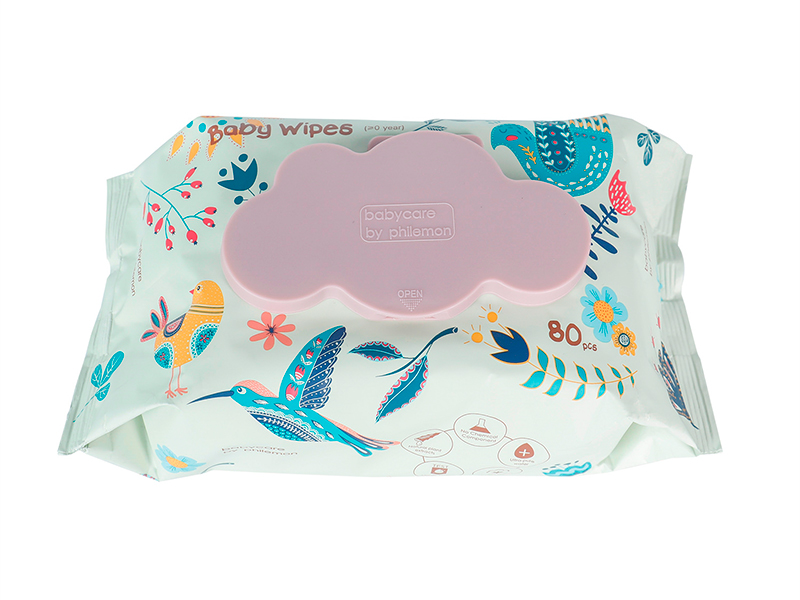
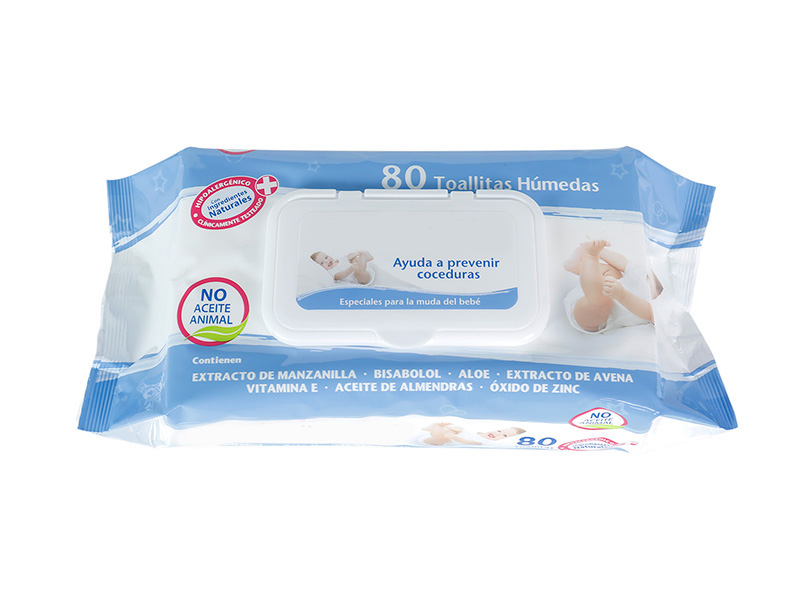
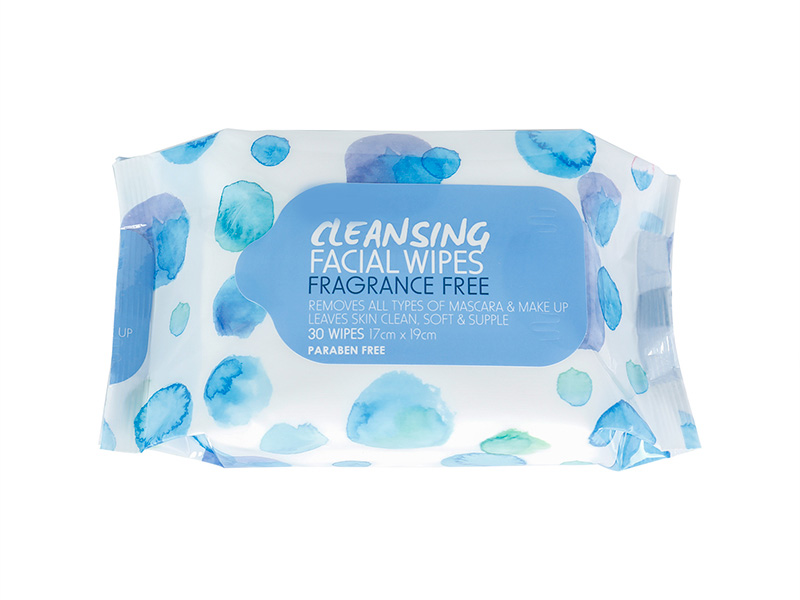
| Packaging | Sachet, flow pack, canister, soft pack, refill pack, or institutional bulk packaging |
Private-label customers can also customize the logo, artwork, color system, instructions, language, barcode, pack count, and carton configuration. Multilingual packaging is especially valuable for export projects and distributors serving more than one country.
Packaging development should consider moisture retention, seal strength, opening convenience, transport durability, storage conditions, and disposal instructions. The best format is not always the largest or least expensive one. It should protect the product while matching the way the customer will use, store, distribute, and reorder it.
Advantages Over Conventional Cleaning Cloths and Basic Wipe Suppliers
Ready-to-Use Convenience
Unlike dry cloths that require a separately prepared solution, ready-to-use medical wipes are supplied with the liquid already distributed through the substrate. This reduces preparation time and eliminates the need for on-site dilution during routine use.
More Consistent Product Control
A controlled manufacturing process can standardize substrate weight, liquid loading, active concentration, pack count, and sealing conditions. This provides greater consistency than repeatedly immersing reusable cloths in a shared bucket or manually applying disinfectant to dry materials.
Reduced Cross-Contamination Risk from Reuse
Single-use wipes help avoid the repeated reuse of a cloth across multiple surfaces or rooms. A fresh wipe can be used for an assigned area and then discarded according to facility procedures. This can support better separation of cleaning tasks and reduce the risk associated with putting a used cloth back into a common disinfectant solution.
Flexible Surface Engineering
Suppliers with control over nonwoven production can adjust fiber composition, basis weight, embossing, dimensions, and absorbency. This creates a more precise product than a generic wipe made from a fixed fabric specification.
Integrated OEM and ODM Support
Customers can work with one technical partner for formula selection, substrate development, packaging, artwork, private labeling, and production. This can shorten communication chains and reduce the risk that the formula, fabric, and packaging are developed independently without considering their interaction.
Scalable Production
A large production network can support different order sizes, product formats, and regional distribution requirements. The company described in the supplied materials operates multiple domestic production bases and is developing an additional facility in Vietnam, supporting a broader supply strategy for international customers.
Professional Manufacturing Environment
The manufacturer reports the use of GMP-oriented clean workshops, purified water systems designed to pharmacopoeia standards, documented quality procedures, and a full-function testing center. These capabilities can provide a stronger foundation for medical and healthcare projects than informal or lightly controlled conversion operations.
Integrated Manufacturing Capabilities
The company behind the product has operated since 1987 and specializes in medical and hygienic nonwoven materials, nursing products, and related textile technologies. According to the supplied company information, it has established eight production bases in China and has developed capabilities covering nonwoven materials, wet wipes, dry wipes, baby diapers, training pants, flushable products, and other hygiene categories.
This breadth is strategically important for medical wipe customers. A manufacturer that understands nonwoven fiber formation, liquid application, converting, sealing, and packaging can optimize the full product rather than treating the wipe as a simple commodity. It can also apply lessons from adjacent medical, maternal, baby-care, household, and industrial-cleaning products while maintaining separate specifications for each category.
Control of Nonwoven Materials
Substrate quality begins before the wipe is cut and packed. Fiber selection, web formation, bonding, basis weight, tensile strength, absorbency, and surface uniformity influence the final product. Internal or closely managed nonwoven production allows greater control over these variables.
For customers, this can improve supply continuity and make customization more practical. If a project requires a change from a soft viscose blend to a stronger polyester-viscose substrate, the manufacturer can evaluate the change within its broader technical system. If the customer wants a lower-lint surface, a different embossing pattern, or a heavier basis weight, the request can be assessed as part of product engineering rather than treated as an unrelated purchasing issue.
Liquid Preparation and Application
The disinfectant solution must be prepared, filtered or otherwise controlled as required, and applied evenly to the substrate. Liquid loading affects wipe weight, wetness, release, drying resistance, user feel, and performance during wiping. Too little liquid may reduce coverage, while too much can cause leakage, poor handling, or package instability.
Professional production requires controlled batching, suitable water quality, accurate ingredient measurement, mixing procedures, in-process checks, and documented release criteria. The precise process depends on the formula and the product’s regulatory classification. Customers may request formula development using purified water, alcohol, chlorhexidine, benzalkonium chloride, or another specified system, subject to validation and legal requirements.
Clean Workshop and Hygienic Handling
Manufacturing areas for healthcare wipes must be managed to reduce contamination risks during substrate handling, liquid application, folding, cutting, and packaging. The supplied company information refers to 100,000-class GMP clean workshops and a pharmacopoeia-standard purified water system. These facilities can support controlled production conditions for products intended for healthcare-related use.
Clean production does not automatically make every wipe sterile, nor does it replace product-specific validation. However, it demonstrates that the manufacturer recognizes the importance of environmental control, personnel practices, equipment sanitation, and controlled material flow.
Testing and Quality Documentation
The company reports a full-function testing center and a portfolio of 169 patents. Testing capability can assist with raw-material inspection, physical performance, microbial or chemical evaluation, package integrity, stability observation, and finished-product release, depending on the project.
Customers may request production records, quality inspection reports, material specifications, formula information, packaging specifications, and other compliance documents. The exact document package depends on the destination country, product claims, active ingredients, intended use, and classification. A responsible manufacturer should identify documentation requirements early rather than promise identical certifications for every product.
OEM and ODM Services for Business Buyers
The medical antibacterial wipes program is intended for business-to-business customers. Typical buyers include medical product importers, hospital and clinic supply companies, private-label healthcare brands, pharmacy chains, medical device manufacturers, government procurement projects, online healthcare retailers, offline healthcare retailers, and professional wholesalers.
OEM manufacturing allows the customer to supply its own brand identity while using the manufacturer’s production system. ODM development goes further by allowing the manufacturer to help define the substrate, formula, pack format, artwork, and product positioning. Both models can be adapted to the customer’s target market and purchasing volume.
Formula Development
The customer may request purified water-based, alcohol-based, chlorhexidine, benzalkonium chloride, or another specified formulation. Active ingredients, alcohol concentration, preservatives, fragrance, skin-friendly additives, and other parameters can be discussed during development.
For surface disinfecting wipes, the formula must be tested for antimicrobial efficacy, stability, compatibility, residue, odor, and packaging interaction as appropriate. If the customer plans to make medical, disinfectant, antibacterial, antiviral, or other regulated claims, the required testing and registration pathway should be determined before final artwork is approved.
Private-Label Packaging
Private-label support may include brand-name printing, artwork adaptation, multilingual instructions, pack-count customization, carton design, and barcode preparation. The packaging should clearly communicate intended use, directions, precautions, storage conditions, contact time, and disposal requirements.
Packaging design is also a technical matter. A beautiful label cannot compensate for a weak seal, an unsuitable film, poor moisture retention, or difficult dispensing. The packaging material must be selected to work with the liquid formula and the intended transport conditions.
Flexible Pack Formats
Individual sachets are appropriate for single-use kits, portable medical supplies, examination areas, and equipment bundles. Flow packs and soft packs are convenient for routine environmental cleaning and can offer a balance between portability and unit cost. Canisters may be suitable for frequent access in fixed locations, while refill packs can help reduce packaging volume when used with compatible dispensers.
Bulk packaging may be developed for institutional customers that need high-volume supply. The selected format should reflect the customer’s storage facilities, usage rate, infection-control procedure, and waste-management system.
Project-Based Technical Support
An accurate quotation requires more than the desired number of pieces. The manufacturer should understand the intended application, wipe size, material, formula, packaging type, pack quantity, estimated annual demand, target export market, and private-label requirements.
This information allows the engineering and sales teams to recommend a suitable product architecture. It can also identify potential issues early, such as a formula that may damage a target material, a package that cannot support the requested alcohol content, a claim that requires additional testing, or a pack size that is inefficient for the customer’s distribution model.
Quality and Compliance Considerations
Medical antibacterial wipes may fall under different regulatory frameworks depending on their ingredients, claims, intended use, and destination market. A wipe marketed for general cleaning may be regulated differently from a product making disinfectant, antibacterial, medical-device, patient-care, or infection-control claims.
Customers should define the intended market at the beginning of the project. Requirements may include ingredient review, safety data, efficacy testing, stability data, manufacturing records, labeling review, product registration, import documentation, and local language instructions.
Several technical points deserve attention:
The active ingredient and concentration must match the intended claim.
Contact time must be practical for the healthcare workflow and supported by testing.
The wipe must remain sufficiently wet throughout the required application.
The formula should be evaluated for compatibility with intended surfaces.
Packaging must maintain moisture and protect the product during transport and storage.
Lot identification and traceability should be maintained.
Instructions should explain coverage, contact time, precautions, and disposal.
Claims should be reviewed for compliance with the destination market.
The phrase “medical grade” should be used carefully. It is not a universal substitute for a defined regulatory category. Product positioning should be based on documented specifications, test results, manufacturing controls, and legal review.
How Medical Wipes Can Improve Workflow Efficiency
One of the strongest advantages of ready-to-use wipes is process simplification. A facility does not need to prepare a new bucket of solution for every cleaning activity. Staff can access a sealed pack, remove the required number of wipes, and apply them directly to compatible surfaces.
This can save labor in several ways. It reduces time spent measuring concentrates, locating clean cloths, preparing containers, disposing of leftover solution, and cleaning reusable wiping materials. It can also reduce the need for multiple cleaning accessories in a patient-care area.
Operational savings should not be measured only by the price per wipe. A higher-quality wipe may provide better liquid release, stronger handling, lower lint, improved coverage, fewer discarded unusable wipes, and more consistent performance. The total cost should include labor, storage, preparation, waste, damaged equipment, and compliance-related factors.
Convenience may also improve availability. Individual sachets can be placed in procedure kits or emergency carts. Soft packs can be positioned at nursing stations and treatment areas. Canisters can be installed in rooms with high wiping frequency. The product format can therefore be adapted to the workflow instead of forcing all departments to use the same dispensing method.
Recommended Use Principles
Before using the product, healthcare personnel should read the approved label and facility instructions. The surface should be visibly compatible with the selected formula. Heavy soil may need to be removed before disinfection if the product instructions require pre-cleaning.
The user should apply enough solution to keep the surface wet for the full stated contact time. Wiping too quickly or using a nearly dry wipe may not provide the intended performance. If a large surface area cannot remain wet with one wipe, additional wipes should be used according to the facility’s procedure.
Wipes should not be reused unless the product is specifically designed and labeled for another purpose. A used wipe should not be returned to a canister, container, or shared solution. The pack should be closed promptly after removing a wipe to reduce drying.
Users should observe precautions related to flammability, skin exposure, eye contact, ventilation, and chemical incompatibility. Alcohol-based products should be stored away from ignition sources as required. Chlorine-containing products should be used with appropriate caution around sensitive materials and other chemicals.
Medical antibacterial wipes should not be used on skin, mucous membranes, wounds, food-contact surfaces, invasive instruments, or delicate devices unless the product is specifically labeled and authorized for that purpose. Reusable surgical instruments generally require validated cleaning and sterilization procedures rather than routine surface wiping.
Why Choose an Experienced Integrated Supplier?
Medical wipe production combines textile engineering, chemical formulation, packaging science, quality control, and international business support. A supplier that focuses only on one stage may not be able to solve problems occurring at the interfaces between stages.
An integrated supplier can coordinate the nonwoven material with the liquid formula. For example, a high-absorbency viscose substrate may hold a larger liquid volume, while a polyester-rich structure may offer improved strength and lower lint. The formula may then be adjusted to achieve suitable release and wetness. Packaging can be selected to protect that formula and fit the chosen wipe size.
The company described in the supplied materials has more than three decades of experience, multiple production bases, broad nonwoven capabilities, and a product portfolio extending across medical, maternal, baby-care, household, industrial, and environmental product categories. It reports advanced equipment and technology introduced from Germany, France, and Italy, together with research and development resources and a substantial patent portfolio.
Its scale can also support international supply. Domestic production bases may provide capacity and redundancy, while the planned Vietnam factory may support regional manufacturing and delivery strategies. For global customers, a broader network can be valuable when managing demand growth, shipping schedules, and market expansion.
Most importantly, the supplier can support a project from initial specification through finished private-label goods. This includes material selection, formulation discussions, package development, artwork coordination, production, inspection, and export documentation. The result is a more complete solution than purchasing an anonymous generic wipe and adding a label after production.
Frequently Asked Questions
What types of medical wipes can be manufactured?
The manufacturer can develop alcohol wipes, disinfecting wipes, patient-care wipes, medical equipment wipes, examination wipes, and other healthcare-oriented formats. The final product depends on the intended use, substrate, formula, packaging, market regulations, and customer specifications.
Can the wipes be produced under our own brand?
Yes. Private-label services can include logo printing, artwork coordination, multilingual packaging, customized pack counts, and selected formula or substrate development. The customer should provide its branding requirements and target market at the beginning of the project.
Which active ingredients are available?
Possible options include alcohol-based systems, quaternary ammonium compounds such as benzalkonium chloride, biguanide-based formulas, chlorine-containing systems, chlorhexidine, purified water-based formulas, compound disinfectants, and customer-specified alternatives. Availability depends on technical feasibility and regulatory approval in the destination market.
Can the formula be fragrance-free?
Yes. Unscented products are commonly requested for hospitals and sensitive healthcare environments. Fresh, lavender, lemon, lotus, fruit, coconut, cucumber, and other fragrance options may also be considered where appropriate.
What packaging formats are available?
Available formats include individual sachets, flow packs, soft packs, canisters, refill packs, and bulk institutional packaging. The right format depends on use frequency, portability, storage space, distribution method, and customer budget.
What wipe sizes and materials are available?
Typical dimensions range from approximately 12 to 22 centimeters in width and 12 to 30 centimeters in length. Materials may include polyester, viscose, bamboo, lyocell, cotton, blends, and other nonwoven options. Size and material can be customized for a specific application.
Are the wipes suitable for all medical equipment?
No. Compatibility depends on the equipment materials and the wipe formula. Customers should review equipment manufacturer instructions and conduct compatibility testing where necessary. The wipe should only be used on surfaces listed in the approved instructions.
How long does disinfection take?
Contact time depends on the active ingredient, concentration, target organism, surface, and regulatory test data. Some formulas may support rapid action, but the exact contact time must come from the approved product label and validated testing rather than a general assumption.
Can the wipes be used on skin?
Only if they are specifically developed, labeled, and authorized for skin use. Surface disinfectant wipes should not automatically be applied to hands, skin, wounds, mucous membranes, or patients.
What documents can be provided?
Depending on the project and destination market, available documents may include material specifications, quality inspection reports, production records, formula information, packaging specifications, and other compliance documents. The required document package should be agreed during product development.
What information is needed for a quotation?
The manufacturer should receive the intended application, wipe size, substrate preference, formula requirements, packaging type, pack quantity, estimated annual demand, target export market, private-label requirements, and any required certifications or testing. More complete information allows a more accurate quotation and technical recommendation.
Is the product available for individual retail purchase?
The manufacturing service is intended primarily for business buyers, including distributors, hospitals, clinics, private-label brands, pharmacies, procurement companies, and professional wholesalers. Retail availability depends on the customer’s distribution channel and the final product program.
Conclusion
Medical antibacterial wipes provide a practical way to support routine cleaning and disinfection in healthcare environments. Their main advantages include ready-to-use convenience, reduced preparation work, controlled packaging, single-use hygiene, customizable substrate technology, and the ability to develop different formulas for different professional applications.
The strongest product programs are built around more than a moist cloth. They require carefully selected fibers, controlled liquid loading, validated formulation, suitable packaging, clear instructions, material compatibility review, consistent quality control, and documentation appropriate for the target market.
With experience in nonwoven materials, wet and dry wipes, healthcare products, private-label manufacturing, OEM and ODM development, and large-scale production, Zhejiang Uniquality Nursing Products Technology Co., Ltd., operating under the Kingsafe and Uniquality product ecosystem, can support customers seeking a complete medical wipe solution. Its reported production bases, GMP-oriented workshops, purified water system, testing resources, broad material portfolio, and international supply capabilities provide a foundation for customized healthcare products.
For distributors, hospitals, clinics, medical brands, and procurement organizations, the next step is to define the application clearly. Once the target surface, formula, pack format, volume, and market requirements are known, the manufacturer can recommend a suitable substrate and production plan. This approach helps customers obtain a medical antibacterial wipe that is not only convenient, but also aligned with their operational, quality, and regulatory objectives.
References
1. Product specification materials for medical antibacterial wipes, including substrate options, sizes, basis weights, packaging formats, and fragrance selections.
2. Manufacturer-provided information on medical disinfectant wipe applications in intensive care, neonatal care, burn wards, hemodialysis centers, dental units, operating rooms, supply rooms, and general healthcare areas.
3. Manufacturer-provided company profile covering nonwoven production, wet and dry wipes, nursing products, production bases, research and development, and OEM/ODM capabilities.
4. General principles of environmental cleaning and disinfection in healthcare facilities.
5. General technical guidance concerning disinfectant contact time, surface compatibility, packaging integrity, labeling, and product-specific efficacy validation.
6. Customer-provided requirements for private-label medical wipes, including formula, material, pack count, packaging, target market, and compliance documentation.