中文简体
中文简体 English
 日本語
日本語 русский
 Español
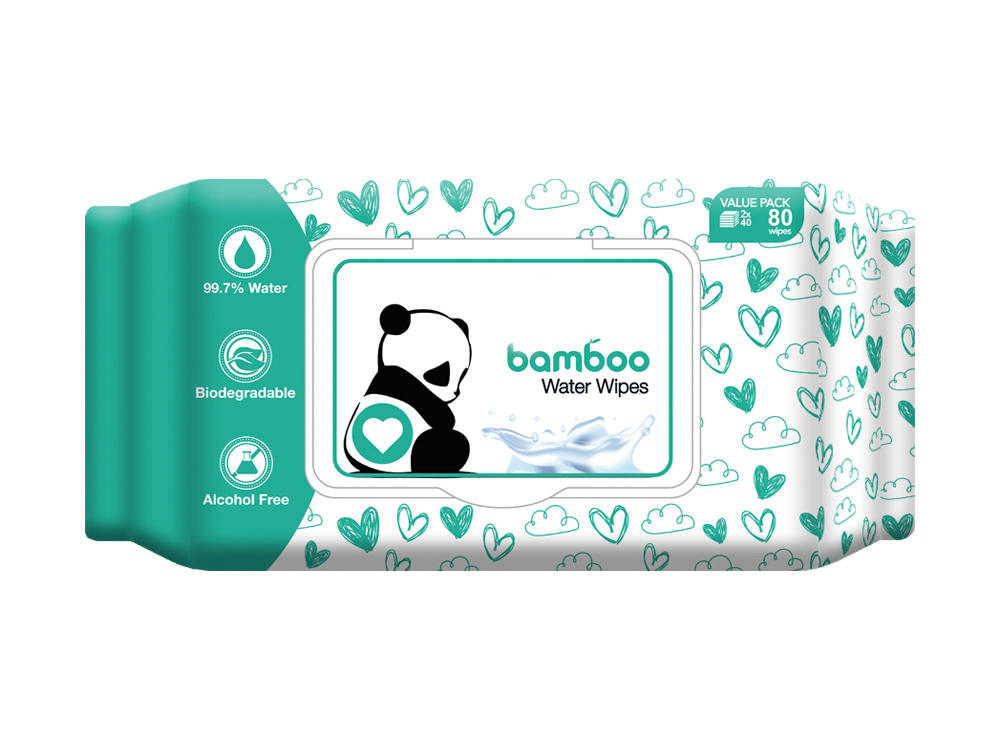
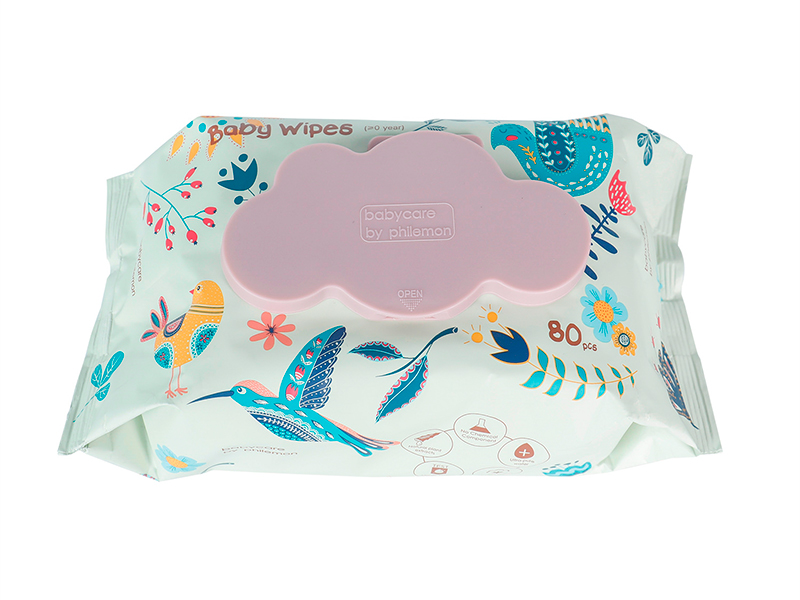
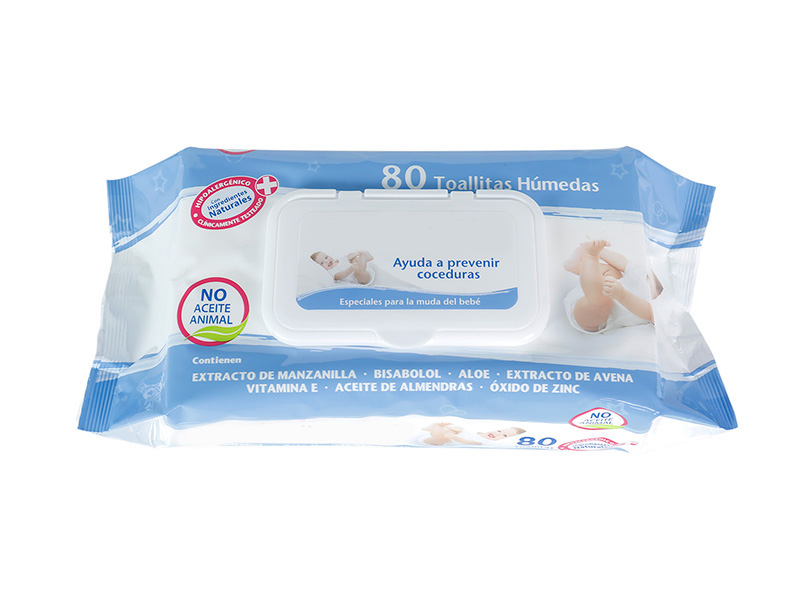
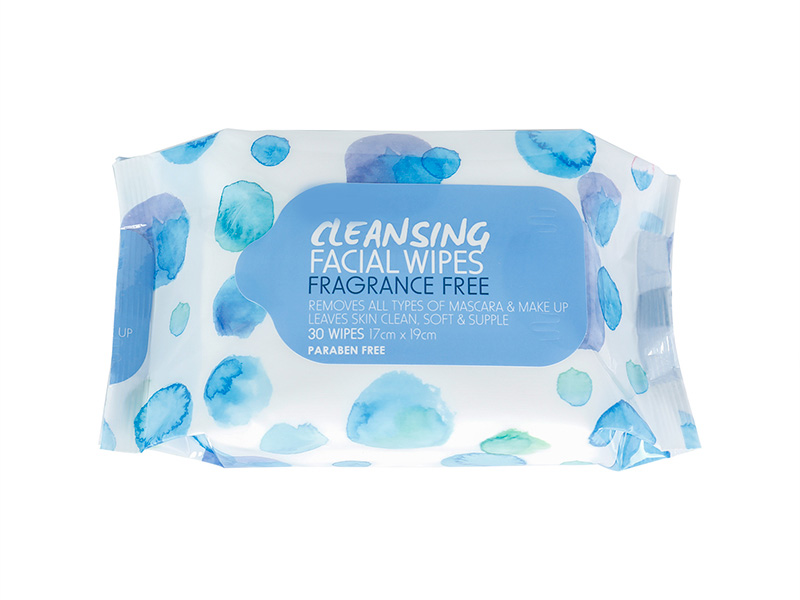
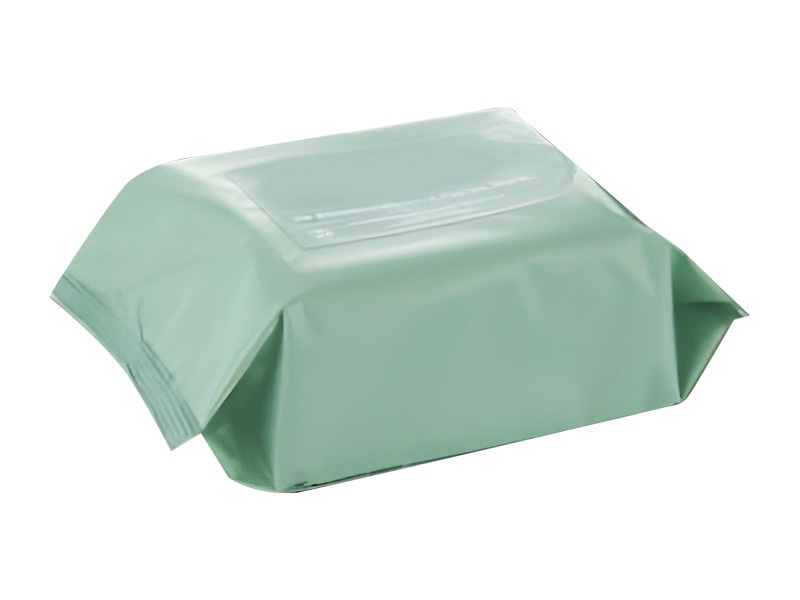
Biodegradable wipes are becoming an important product category for consumers, retailers, healthcare providers, hospitality companies, and personal care brands seeking practical hygiene solutions with a lower environmental impact. These wipes are designed to provide convenient cleansing while using materials that can break down more naturally than conventional plastic-based wipes. When combined with responsible packaging, efficient manufacturing, and clear product guidance, biodegradable wipes can support everyday hygiene without placing the same long-term burden on the environment as traditional nonwoven products.
Modern consumers are increasingly examining the complete life cycle of disposable products. They want to know what a wipe is made from, how it performs during use, whether its packaging is recyclable, and how it should be disposed of after use. For manufacturers and private label customers, this shift creates an opportunity to develop products that combine softness, strength, moisture retention, convenience, and sustainability. A successful biodegradable wipe must not simply carry an environmental message. It must also deliver dependable cleaning performance, comfortable skin contact, consistent quality, and a user-friendly package.
Zhejiang Uniquality Nursing Products Technology Co., Ltd., operating within the Kingsafe and Uniquality organization, has extensive experience in nonwoven materials, wet wipes, dry wipes, nursing products, baby care products, and related hygiene categories. Its capabilities in research and development, material selection, production, packaging, and customized manufacturing provide a strong foundation for biodegradable wipe programs. The company serves customers requiring original equipment manufacturing and original design manufacturing solutions, including private label products for different markets.
What Are Biodegradable Wipes?
Biodegradable wipes are disposable wipes made with fibers and supporting materials selected to decompose more readily under suitable environmental conditions. The term generally refers to the wipe substrate rather than automatically describing every component of the product. For this reason, responsible product development must evaluate the fabric, lotion, packaging, closure, printing inks, and disposal instructions as part of one complete system.
Many conventional wipes are produced with synthetic fibers such as polyester or polypropylene. These fibers can provide excellent strength and softness, but they may persist for a very long time after disposal. Biodegradable alternatives can use plant-derived or cellulose-based fibers, including materials sourced from wood pulp, bamboo, viscose, or other renewable feedstocks. The exact fiber blend depends on the required softness, wet strength, absorbency, appearance, biodegradation profile, and cost target.
A biodegradable wipe is not necessarily compostable, flushable, or suitable for disposal in every environment. These characteristics depend on the product design, applicable testing, local waste systems, and the claims approved for the product. A clear technical specification is therefore essential. Manufacturers and brands should define whether they are targeting biodegradability in industrial conditions, home composting conditions, soil environments, or another recognized testing framework. Disposal instructions should be accurate, visible, and consistent with the product’s tested performance.
Why the Market Is Moving Toward More Sustainable Wipes
The wipes industry has expanded because consumers value convenience. Wipes are used for personal cleansing, adult care, travel, beauty routines, household cleaning, medical support, and many other applications. However, convenience has also increased public attention toward disposable waste. Conventional products may contain plastic fibers, and incorrect disposal can contribute to blocked sewer systems, litter, or long-term waste accumulation.
Biodegradable wipes respond to several market needs at the same time. They give consumers a convenient format while helping brands reduce dependence on persistent synthetic materials. They also allow retailers to strengthen sustainability programs and provide product choices for environmentally conscious customers. For institutions, biodegradable wipes may support broader procurement objectives related to responsible sourcing, packaging reduction, and environmental management.
The market opportunity is especially strong in adult wipes. Adult users may require wipes for daily personal hygiene, incontinence care, mobility support, post-operative cleansing, travel, sports, workplace use, or assisted care. These applications demand more than a basic wet sheet. The wipe must be large enough for practical use, strong enough to maintain integrity, soft enough for sensitive skin, and adequately saturated without becoming excessively wet or difficult to handle.
For private label brands, biodegradable wipes can also serve as a visible sustainability product. A well-developed product can help a brand demonstrate attention to materials, packaging, manufacturing, and consumer education. However, the product must be supported by credible specifications and responsible claims. Overstated environmental language can damage consumer trust, while precise communication can strengthen long-term brand value.
Biodegradable Wipes
Key Advantages of Biodegradable Wipes
Reduced Dependence on Persistent Plastic Fibers
The principal advantage of biodegradable wipes is the possibility of reducing or eliminating certain persistent plastic fibers in the wipe substrate. Cellulose-based and other biodegradable fibers can break down more naturally under appropriate conditions. This can help reduce the long-term environmental persistence associated with conventional synthetic nonwoven materials.
The environmental benefit depends on the actual formulation. A wipe marketed as biodegradable should be developed with careful attention to the complete substrate construction. Binders, strengthening agents, surface treatments, and other additives should be selected according to the intended environmental profile. The product team should also evaluate whether the lotion and packaging are compatible with the sustainability objective.
Comfortable Skin Contact
Plant-derived and cellulose-based fibers can provide a soft, textile-like feel that is suitable for frequent cleansing. This is particularly important for adult wipes, where users may have sensitive, dry, fragile, or easily irritated skin. Softness is influenced by fiber type, fiber diameter, web formation, hydroentanglement settings, finishing processes, and lotion composition.
A comfortable wipe should glide smoothly across the skin without excessive friction. It should not feel rough, overly thin, or difficult to unfold. The surface should be uniform, with no sharp edges, hard particles, loose fibers, or areas of uneven lotion distribution. A well-designed biodegradable substrate can deliver a premium sensory experience while supporting the product’s environmental positioning.
Balanced Wet Strength and Absorbency
Adult wipes must remain intact during dispensing and use. A product that tears easily can create inconvenience, reduce user confidence, and lead to higher consumption. At the same time, the wipe should absorb and release lotion effectively. It should hold moisture throughout the package and provide enough liquid for cleansing without excessive dripping.
Manufacturers can adjust basis weight, fiber blend, web structure, hydroentanglement intensity, and lotion loading to achieve the required balance. A heavier wipe may offer increased coverage and strength, while a lighter wipe may be more economical and compact. The correct design depends on the intended use, package count, target market, and customer expectations.
Practical Packaging
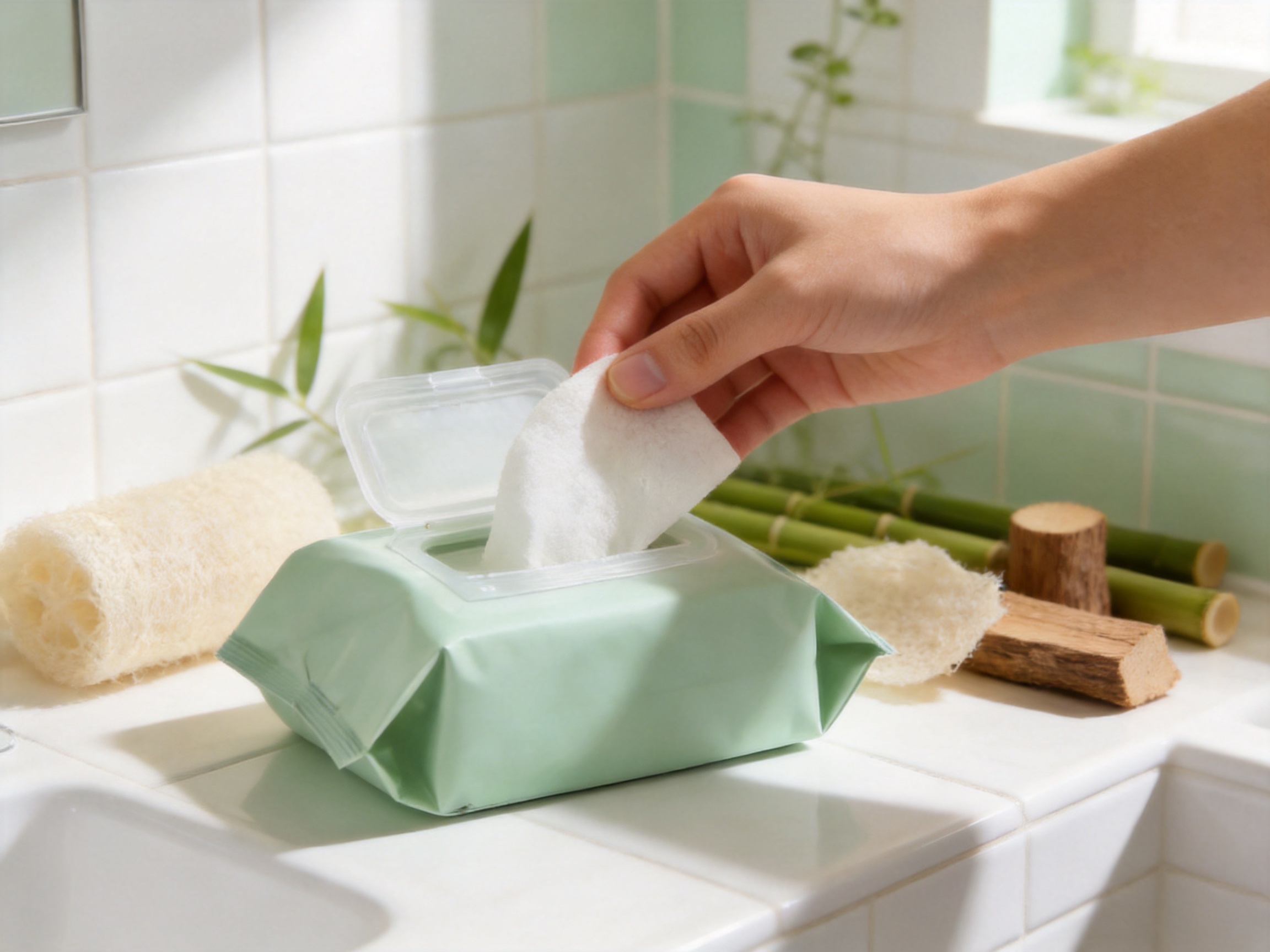
Packaging plays an important role in the performance of wet wipes. A secure closure helps prevent moisture loss, protects the remaining wipes from contamination, and makes the product easier to carry. Recyclable packaging materials may support the overall sustainability direction, provided that the package structure is compatible with local recycling systems and applicable regulations.
A resealable lid or adhesive closure can help maintain freshness after opening. The dispensing opening should allow one wipe to be removed at a time or should minimize accidental multiple dispensing. Package dimensions should be optimized for storage, transport, shelf presentation, and home use. Clear labeling can also explain the product’s intended application, disposal method, material characteristics, and storage requirements.
Versatility Across Applications
Biodegradable wipes can be developed for multiple adult care and personal hygiene uses. Possible applications include bathing assistance, perineal cleansing, body refreshment, hand cleansing, travel hygiene, hospital support, nursing care, gym use, and outdoor activities. The same basic platform can be customized through changes in size, thickness, lotion, fragrance, packaging, and sheet count.
This versatility is valuable for private label customers. A brand may launch a standard adult cleansing wipe, a sensitive-skin version, a fragrance-free version, a premium moisturized wipe, or a larger bathing wipe. Manufacturers with strong material and formulation capabilities can support these variations without requiring an entirely new production system for every product.
Comparison with Conventional Wipes
Biodegradable wipes are not automatically superior in every individual performance category. Conventional synthetic wipes may offer high tensile strength, excellent dimensional stability, and cost advantages in certain applications. The goal of advanced biodegradable wipe manufacturing is to close or reduce these performance gaps while improving the product’s environmental profile.
A high-quality biodegradable wipe should be evaluated on multiple criteria rather than on biodegradability alone. These criteria include softness, wet strength, absorbency, lotion retention, dispensing behavior, package stability, skin compatibility, visual appearance, storage life, and total cost. A product that performs poorly may cause users to consume more sheets, which can weaken its practical sustainability advantage.
| Evaluation Area | Biodegradable Wipes | Conventional Synthetic Wipes | Development Consideration |
|---|---|---|---|
| Primary fiber direction | Often uses cellulose-based or other renewable fibers | Often uses synthetic polymer fibers | Select fibers according to softness, strength, and environmental objectives |
| Environmental persistence | Designed to break down more readily under suitable conditions | May persist longer after disposal | Claims should be supported by appropriate testing and accurate disposal guidance |
| Skin feel | Can provide a soft, natural, textile-like surface | Can provide smoothness and high structural consistency | Optimize fiber blend, web structure, and lotion formulation |
| Wet strength | Can be engineered for dependable use | Often naturally strong because of synthetic fiber structure | Control basis weight, fiber bonding, and hydroentanglement |
| Packaging opportunity | Can be paired with recyclable or reduced-material packaging | May use conventional plastic packaging formats | Review the complete package system, including closure and labeling |
| Brand positioning | Supports sustainability-focused product lines | Supports established mass-market formats | Use clear, technically accurate product communication |
The comparison demonstrates why manufacturing expertise matters. A biodegradable wipe should be developed as a performance product first and an environmental product at the same time. Advanced process control allows the manufacturer to improve softness, absorbency, tensile strength, and package stability without abandoning the sustainability objective.
Advanced Nonwoven Material Manufacturing
Nonwoven technology is the foundation of wipe performance. Unlike woven fabric, nonwoven material is formed by arranging fibers into a web and bonding them through mechanical, thermal, chemical, or combined processes. Wipe manufacturers can adjust the process to create different levels of softness, bulk, absorbency, strength, and surface texture.
Uniquality and Kingsafe have long-standing experience in medical and hygienic nonwoven materials. The group has introduced advanced production equipment and technology from Germany, France, Italy, and other international sources. This experience supports the development of spunlace nonwovens, spunmelt nonwovens, hot-air nonwovens, degradable nonwovens, and related products for healthcare, personal care, household, industrial, and clothing applications.
Fiber Selection
The first stage is selecting fibers that match the product’s intended use. Cellulose-based fibers are commonly considered for biodegradable wipes because of their softness, absorbency, and renewable origin. Different fiber lengths, fineness levels, and processing characteristics affect the final web. A brand requiring a delicate facial or personal care wipe may prioritize softness and smoothness, while an adult bathing wipe may require greater thickness, coverage, and wet strength.
Fiber selection also affects the appearance and handling of the wipe. Long fibers may improve web cohesion, while shorter fibers may contribute to a soft and open structure. The manufacturer must consider how fibers behave during carding, web formation, hydroentanglement, drying, cutting, folding, and packaging. Consistency at this stage helps reduce variation throughout the finished product.
Spunlace Hydroentanglement
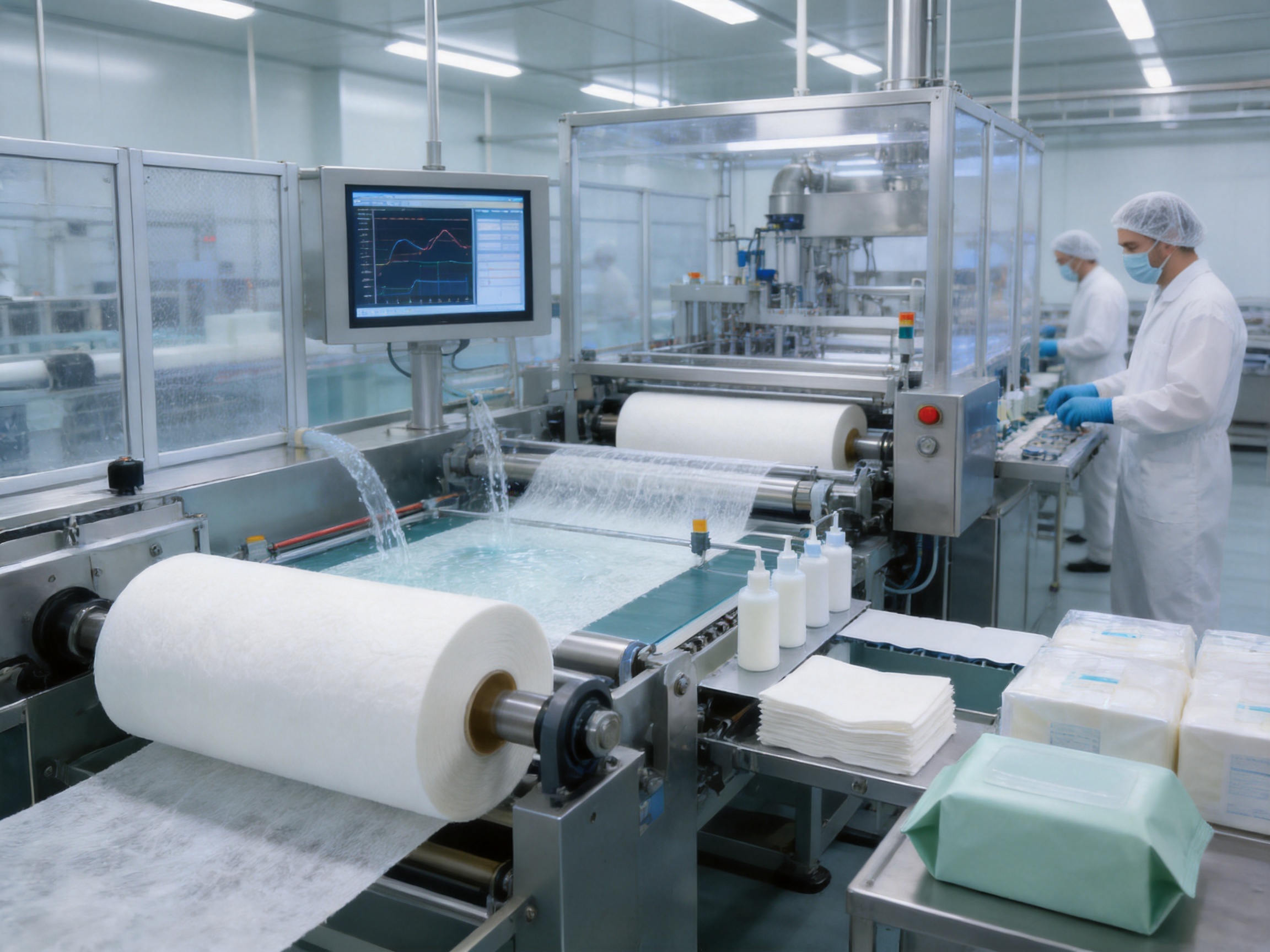
Spunlace technology uses high-pressure water jets to entangle fibers and form a cohesive nonwoven sheet. This process can create a strong, flexible, and soft material without relying heavily on chemical binders. It is widely used for wipes because it produces a textile-like hand feel and can accommodate several fiber compositions.
Process parameters such as water pressure, nozzle arrangement, web speed, fiber distribution, and drying conditions influence the final characteristics. Higher entanglement can improve strength, but excessive processing may affect softness or bulk. A skilled manufacturer balances these variables to achieve the required performance for an adult wipe.
For biodegradable products, spunlace is particularly useful because it can process cellulosic fibers into a coherent substrate with a comfortable surface. The result can be engineered for wet use while retaining a more natural fiber profile than many conventional plastic-based alternatives.
Web Uniformity and Basis Weight Control
Uniformity is essential for reliable wipes. If some areas of the web are too thin, the wipe may tear or release lotion unevenly. If other areas are too dense, the wipe may feel stiff or absorb liquid differently. Automated production systems and in-process monitoring help control basis weight, thickness, width, and visual appearance.
Uniform material also improves folding and dispensing. Each sheet should have a predictable size and shape, allowing the package to be filled accurately. Consistency helps private label customers maintain the same product experience across different production lots and distribution regions.
Surface Engineering
The surface of a wipe affects cleansing efficiency and skin comfort. A smooth surface may be preferred for sensitive skin, while a lightly textured surface may improve the removal of dirt, sweat, or residue. Texture can be influenced by web formation, embossing, pattern design, fiber selection, and finishing.
Surface engineering should be matched to the product’s intended application. An adult cleansing wipe for routine body care may require softness and low friction. A heavier bathing wipe may benefit from increased texture and absorbency. A medical support wipe may require a clean, uniform surface and carefully controlled lotion ingredients.
Wet Wipe Lotion and Formulation Development
The lotion is a central part of the user experience. It determines how the wipe feels, how effectively it cleanses, how well it supports skin comfort, and how stable the product remains during storage. A biodegradable substrate is only one part of the complete product; the lotion must also be developed with appropriate safety, stability, and compatibility considerations.
Water Quality and Purification
Water is often the primary ingredient in wet wipe lotion. Its quality can influence product stability, odor, appearance, and microbiological safety. Appropriate purification and monitoring systems are therefore important. The water treatment process should be matched to the product category and the applicable quality requirements of the target market.
Manufacturing teams typically establish controls for water quality, storage, sanitation, and transfer. These controls help reduce contamination risks and support batch-to-batch consistency. The specific system may include filtration, purification, controlled storage, and regular testing.
Skin-Friendly Ingredient Selection
Adult wipes can be formulated with ingredients selected for cleansing, moisturizing, soothing, or odor-control functions. A basic formulation may use purified water and mild cleansing-support ingredients. More advanced formulas may contain humectants, skin conditioners, botanical extracts, or carefully selected preservatives.
Ingredient selection should reflect the target user. A sensitive-skin product may be fragrance-free and designed with a short ingredient list. A refreshing personal care wipe may include a mild scent, provided the fragrance is suitable for the intended application. Products designed for frequent use should avoid unnecessary irritation potential and should be evaluated through appropriate safety procedures.
Manufacturers should also consider the interaction between the lotion and the biodegradable substrate. Certain ingredients may influence fiber strength, color, odor, or storage stability. Compatibility testing helps ensure that the finished wipe remains uniform and pleasant throughout its intended shelf life.
Microbiological Control
Because wet wipes contain water, microbiological control is a fundamental manufacturing responsibility. The production environment, raw materials, equipment, filling systems, containers, and finished packages should be managed according to an established hygiene and quality system.
Preservative systems, where used, must be selected and evaluated according to the target market and product requirements. Finished products may undergo microbiological testing, stability evaluation, and preservative effectiveness assessment as appropriate. These controls protect consumers and help maintain product quality during transportation and storage.
Moisture Distribution and Retention
Each wipe should receive a consistent amount of lotion. Under-saturated wipes may feel dry or provide insufficient cleansing, while over-saturated wipes can drip, feel heavy, or create packaging leakage risks. Automated dosing and controlled filling procedures help maintain uniform moisture distribution.
Package design also affects moisture retention. A reliable seal and secure closure help keep the wipes moist after opening. The package should be tested for leakage, seal integrity, closure performance, and storage stability under relevant conditions. These details distinguish a professional wet wipe from a product that merely uses a biodegradable label.
Packaging Designed for Convenience and Sustainability
Packaging must protect the wipe from drying, contamination, damage, and accidental opening. It also represents the product on the retail shelf and communicates essential usage information. For a sustainability-oriented wipe, packaging should be considered alongside the substrate rather than treated as an unrelated component.
Recyclable Material Options
Recyclable packaging materials may reduce the environmental impact of the product when they are accepted by appropriate recycling systems. The actual recyclability depends on the package structure, material combination, printing, closures, local collection infrastructure, and regional rules. Brands should therefore avoid making broad claims without confirming the package’s suitability for the intended market.
Packaging development may involve selecting suitable film structures, reducing unnecessary material, optimizing dimensions, or using components with established recycling pathways. The package still needs to meet barrier, seal, strength, and moisture-retention requirements. Sustainability improvements should not compromise the protection of the wipes.
Secure Closures
A secure closure is particularly important for products used over several days or weeks. An adhesive label may provide a simple and economical solution, while a rigid plastic lid may provide repeated opening and closing with a strong seal. The correct option depends on package size, product positioning, customer preferences, and sustainability objectives.
Closures should be tested for opening force, resealing performance, alignment, and durability. The dispensing opening should be large enough for convenient access but controlled enough to prevent multiple sheets from being pulled out unintentionally. A well-designed opening reduces waste and improves the overall user experience.
Labeling and Consumer Instructions
Labels should clearly identify the product, intended use, sheet count, dimensions, ingredients, warnings, storage instructions, and disposal guidance required in the target market. If the product is not tested or approved for flushing, the package should clearly state that it should not be flushed. If biodegradability depends on specific conditions, those conditions should be explained in a responsible way.
Clear instructions are especially important for adult care wipes. Users may include caregivers, healthcare workers, family members, travelers, and people with limited mobility. Simple language, legible text, and accessible design can make the product safer and easier to use.
Manufacturing Strengths of Zhejiang Uniquality Nursing Products Technology Co., Ltd.
Zhejiang Uniquality Nursing Products Technology Co., Ltd. is part of an organization with a long history in nonwoven materials and hygienic products. Founded in 1987, Kingsafe and Uniquality have developed capabilities across research and development, material production, finished product manufacturing, and sales. The business focuses on medical and hygienic nonwoven materials, nursing products, and high-end clothing interlining.
The company is headquartered in Changxing, Huzhou, Zhejiang, with access to the transportation network of the Yangtze River Delta. The organization has also established multiple production bases in areas including Foshan, Nantong, and Wuhan. This multi-site structure supports manufacturing capacity, technical cooperation, supply continuity, and access to different regional resources.
After more than three decades of development, the organization has become a major participant in China’s industrial textile sector. It has ranked among leading Chinese nonwoven enterprises for many years and has been recognized among major global nonwoven manufacturers. These industry positions reflect the organization’s scale, product experience, technical investment, and ability to support large and diverse customer requirements.
Integrated Product Experience
The organization’s product portfolio covers spunlace nonwovens, spunmelt nonwovens, hot-air nonwovens, flushable and degradable nonwoven materials, wet wipes, dry wipes, baby diapers, training pants, wet toilet paper, cleansing wipes, and other products. This broad experience is valuable because biodegradable wipes require knowledge of both raw materials and finished consumer goods.
A customer developing a private label biodegradable wipe can benefit from an integrated discussion covering fiber selection, basis weight, lotion, folding, package format, labeling, and production volume. Rather than treating the wipe as an isolated item, the manufacturer can review the entire product architecture and help align technical decisions with the intended market position.
International Equipment and Process Knowledge
Advanced equipment and technology introduced from Germany, France, Italy, and other international sources support stable production and process development. Equipment alone does not guarantee quality, but it provides an important foundation when combined with experienced operators, documented procedures, preventive maintenance, and quality monitoring.
International process knowledge can assist with the development of soft, uniform, high-strength, and absorbent substrates. It can also support the transition from laboratory samples to commercial production. This is important for private label customers, who need confidence that a successful sample can be reproduced consistently at the required scale.
Research, Development, and Customization
The company emphasizes research and development and is positioned to meet differentiated, functional, and customized customer requirements. For biodegradable wipes, customization may include biodegradable fiber selection, sheet dimensions, basis weight, embossing, lotion type, fragrance profile, packaging material, closure type, folding format, and carton design.
Customization should be managed through a structured development process. The customer first defines the intended use and target market. The manufacturer then recommends material and formulation options, produces samples, conducts internal evaluations, adjusts the design, and prepares a production specification. Pilot manufacturing and quality approval can follow before full-scale production begins.
Private Label and OEM/ODM Support
Private label wipes allow retailers, distributors, healthcare suppliers, care providers, and consumer brands to offer a differentiated product under their own identity. OEM manufacturing typically follows the customer’s product specification, while ODM support may include design recommendations, formulation development, packaging concepts, and technical optimization.
For a biodegradable adult wipe, private label development may begin with a basic brief containing the following information:
Product category: adult personal cleansing or adult care wipes.
Target user: general adults, sensitive-skin users, caregivers, healthcare facilities, travelers, or another defined group.
Material direction: biodegradable or renewable-fiber nonwoven substrate.
Required performance: softness, wet strength, absorbency, lotion retention, and easy dispensing.
Package format: soft pack, resealable pack, rigid-lid pack, canister, or institutional bulk format.
Sheet specification: length, width, fold pattern, basis weight, and number of sheets per package.
Lotion specification: fragrance-free, scented, moisturizing, refreshing, cleansing, or specialized formula.
Environmental communication: approved biodegradability language, packaging statement, and disposal instructions.
Sales channel: retail, e-commerce, healthcare, hospitality, institutional, or professional distribution.
Once the brief is established, the manufacturer can identify the most suitable production route. A professional supplier should help the customer understand the relationship between specifications and cost. For example, increasing sheet size, basis weight, lotion level, package strength, or closure complexity may affect unit pricing and transport efficiency. Transparent technical communication helps avoid misunderstandings later in the project.
Quality Management from Raw Material to Finished Package
Quality begins with approved raw materials. Incoming fibers, packaging films, closures, cartons, lotions, and other components should be identified, inspected, and stored under controlled conditions. Documentation helps ensure that only approved materials enter production and that batches can be traced when necessary.
In-Process Controls
During nonwoven production, key controls may include fiber blending, web uniformity, basis weight, thickness, moisture, strength, and visual appearance. During lotion preparation, controls may include ingredient weighing, mixing order, temperature, pH where relevant, viscosity, appearance, and microbiological condition.
During converting and packaging, operators can monitor sheet dimensions, folding, count accuracy, lotion addition, seal quality, closure placement, package appearance, and coding. These checks help identify issues before a large quantity is completed. Automated systems can improve repeatability, while trained personnel remain important for inspection, decision-making, and corrective action.
Finished Product Testing
Finished biodegradable wipes may be evaluated for tensile strength in dry and wet conditions, absorbency, moisture content, sheet dimensions, lotion distribution, package leakage, closure performance, odor, visual quality, and microbiological characteristics. The specific test plan should reflect the product’s intended use and the customer’s technical requirements.
Environmental claims require particular care. Biodegradability should be assessed using recognized methods appropriate to the intended claim and conditions. A product should not be described as compostable or flushable unless it has been developed and evaluated for those characteristics. Responsible testing and documentation protect both the manufacturer and the brand owner.
Traceability and Corrective Action
Traceability supports efficient investigation if a material or finished product issue occurs. Production records can link the final package to raw material batches, manufacturing dates, equipment, operators, inspection results, and shipment information. If a deviation is identified, the quality team can determine its scope and implement corrective or preventive action.
This system is especially important for private label products sold in multiple markets. The brand owner needs confidence that each production lot meets the approved specification. Consistent documentation also supports customer audits, regulatory reviews, and long-term product improvement.
Product Development for Different Adult Wipe Segments
Daily Personal Hygiene Wipes
Daily personal hygiene wipes are designed for quick cleansing when water and soap are not immediately available. They should be soft, portable, easy to open, and suitable for frequent use. A medium-weight biodegradable spunlace substrate with a mild lotion can provide a balance between convenience, comfort, and cost.
Incontinence and Caregiver Wipes
Incontinence and caregiver wipes may require larger dimensions, higher absorbency, increased wet strength, and a lotion that helps support comfortable cleansing. Caregivers often value a wipe that unfolds easily, covers a substantial area, and remains intact during use. Packaging may need to support one-handed dispensing or frequent opening throughout the day.
Bathing Wipes
Bathing wipes are often larger and thicker than ordinary personal care wipes. They may be used for bed bathing, travel, outdoor activities, or situations where a full shower is not convenient. A substantial biodegradable substrate can improve coverage and handling. The lotion may be formulated to leave the skin feeling clean and refreshed without requiring immediate rinsing, depending on the product design and instructions.
Sensitive-Skin Wipes
Sensitive-skin wipes should emphasize gentle materials, low friction, and a carefully selected lotion. Fragrance-free options may be preferred by users concerned about sensitivity. The package should communicate the intended use without making unsupported medical or therapeutic claims.
Institutional and Healthcare Wipes
Healthcare facilities, assisted living centers, hospitality businesses, and other institutions may require larger cases, standardized specifications, efficient carton packing, and reliable supply. Institutional products may use bulk packages or multi-pack formats designed for staff workflows. The manufacturer’s production capacity and experience with medical and hygienic materials can support these requirements.
How Biodegradable Wipes Can Offer a Competitive Advantage
The strongest competitive advantage comes from combining sustainability with dependable performance. A wipe that is environmentally positioned but tears easily, dries out quickly, or dispenses poorly may not succeed in a demanding market. Conversely, a comfortable and reliable wipe with credible biodegradability information can give a brand a meaningful point of difference.
Another advantage is product flexibility. Brands can create several versions from a common manufacturing platform, including fragrance-free, moisturizing, large-format, travel-size, premium, and institutional products. This allows a company to serve different customer groups while maintaining a recognizable sustainability message.
Manufacturing integration can also improve development speed. When a supplier understands nonwoven material production, lotion preparation, converting, and packaging, technical decisions can be coordinated earlier. This may reduce unnecessary sampling, identify compatibility problems sooner, and improve the transition to commercial production.
Scale and production experience may provide additional advantages in supply planning. Large or growing brands need a supplier capable of managing repeat orders, seasonal demand, multiple package formats, and quality consistency. A manufacturer with multiple production bases and a broad product portfolio may be better positioned to support long-term cooperation than a supplier focused on only one narrow product type.
Responsible Environmental Communication
Consumers appreciate simple sustainability messages, but environmental claims should be accurate and understandable. A biodegradable wipe should be described according to the material and testing evidence available. The package should distinguish between biodegradability, compostability, flushability, recyclability, and renewable sourcing because these terms describe different characteristics.
Brands should explain proper disposal. Most personal cleansing wipes should be placed in a waste bin unless the product has been specifically designed, tested, and approved for flushing. Even a biodegradable wipe may not break down quickly enough in a sewer system to prevent blockages. Correct instructions help protect drainage infrastructure and reduce misuse.
Packaging claims should also reflect local conditions. A package may be technically recyclable in one region but not accepted by collection systems in another. Brands should review the target market’s recycling guidance and use clear language that does not create unrealistic expectations.
Responsible communication is not a weakness. It can demonstrate that the brand understands the difference between marketing language and technical performance. Clear claims, supporting documents, and practical disposal instructions can build stronger trust than broad statements that cannot be verified.
Supply, Logistics, and Long-Term Cooperation
Wet wipes contain a high proportion of water, so logistics planning is important. Package dimensions, case configuration, pallet utilization, warehouse conditions, and transport routes can influence total cost and environmental impact. A manufacturer can help optimize the product’s package count and carton design so that the product is protected without unnecessary space or material.
Storage conditions should prevent excessive heat, freezing, direct sunlight, and damage to the package. Proper warehousing helps preserve lotion stability, package integrity, and consumer appearance. The finished product should be stored and transported according to the approved specification.
Long-term cooperation benefits from a clear quality agreement and production forecast. The customer and manufacturer should define approved materials, product tolerances, testing responsibilities, packaging artwork, order quantities, lead times, and change-control procedures. If the brand later changes the package, lotion, fiber blend, or claim language, the change should be evaluated before production.
Reliable communication is particularly important for export customers. Product specifications, labeling requirements, market regulations, shipping documents, and inspection expectations may vary from one country to another. An experienced OEM and ODM partner can help coordinate these details, although the brand owner remains responsible for confirming the legal requirements of the destination market.
Recommended Development Process
A practical development process begins with a detailed product brief. The brief should define the intended user, application, sustainability objective, wipe size, package format, lotion direction, target cost, expected order volume, and destination market.
The second stage is technical consultation. The manufacturer reviews the brief, recommends substrate and lotion options, identifies possible limitations, and proposes one or more initial specifications. This stage is useful for comparing a standard product with a more customized premium design.
The third stage is sampling. Samples allow the customer to evaluate softness, thickness, wet strength, absorbency, scent, lotion feel, dispensing, package handling, and visual appearance. Samples should be reviewed under realistic use conditions rather than only by looking at the package.
The fourth stage is testing and adjustment. The manufacturer can refine fiber composition, basis weight, lotion level, folding, closure, or package size based on feedback. Environmental claims and disposal instructions should also be reviewed at this point.
The fifth stage is pilot production. Pilot manufacturing confirms that the approved sample can be reproduced using commercial equipment. It also provides an opportunity to verify filling, sealing, counting, coding, carton packing, and quality inspection procedures.
The final stage is mass production and ongoing improvement. Production records, customer feedback, complaint analysis, and periodic product reviews can support continued improvement. A successful private label program is not finished when the first shipment leaves the factory; it develops through consistent quality and responsive cooperation.
Frequently Asked Questions
Are biodegradable wipes made entirely from plants?
Not necessarily. Many biodegradable wipes use cellulose-based or other renewable fibers, but the exact composition depends on the product specification. The lotion, binder, strengthening components, closure, and package may use different materials. Customers should request a complete material specification and claim-supporting information.
Can biodegradable wipes be flushed down the toilet?
Not automatically. Biodegradability and flushability are different characteristics. Unless the product has been specifically designed and tested for flushing and is clearly labeled for that use, it should be disposed of in a waste bin. Incorrect flushing can contribute to blockages and sewer problems.
Are biodegradable wipes suitable for adult care?
Yes, they can be developed for adult personal hygiene, caregiver cleansing, incontinence care, bathing assistance, travel, and other applications. The appropriate product should have a suitable size, softness, wet strength, absorbency, lotion, and package format for the intended use.
How can a biodegradable wipe remain strong when wet?
Wet strength is influenced by fiber selection, basis weight, web formation, hydroentanglement, finishing, and lotion compatibility. Advanced spunlace processing can create a cohesive substrate with a balance of softness and strength. Testing is required to confirm performance for the specific product design.
What packaging is available for private label wipes?
Common options include soft packs with adhesive labels, soft packs with rigid lids, resealable pouches, canisters, and institutional bulk formats. The best option depends on sheet count, target price, user requirements, moisture retention, distribution conditions, and sustainability goals.
Can the wipes be fragrance-free?
Yes. Fragrance-free formulations are often selected for sensitive-skin products or markets where a neutral sensory profile is preferred. Other formulations may use a mild fragrance or refreshing profile, subject to appropriate safety and product compatibility evaluations.
Can the wipe size and thickness be customized?
Yes. Private label customers can usually discuss sheet length, width, fold pattern, basis weight, texture, and package count. Larger and thicker wipes may provide better coverage but can affect material consumption, package dimensions, shipping volume, and unit cost.
How should a brand support a biodegradability claim?
The brand should define the exact claim, identify the relevant test conditions, retain technical documentation, and use wording consistent with applicable market requirements. Biodegradable, compostable, recyclable, and flushable should not be treated as interchangeable terms.
What is the difference between OEM and ODM service?
OEM service generally means manufacturing according to the customer’s specifications and brand requirements. ODM service may include additional support with product design, material selection, formulation, packaging, and technical recommendations. A supplier can provide one or both models depending on the project.
Why is manufacturing experience important for biodegradable wipes?
Biodegradable wipes must balance environmental objectives with softness, wet strength, absorbency, moisture retention, stability, and cost. Experience in nonwoven production and finished hygiene products helps the manufacturer manage these variables and produce a reliable commercial product rather than an environmental concept that performs inconsistently.
Conclusion
Biodegradable wipes provide a practical route toward more responsible disposable hygiene products. Their value comes from the combination of renewable or more readily degradable fibers, comfortable skin contact, dependable wet strength, effective lotion delivery, secure packaging, and accurate disposal guidance. For adult care and personal hygiene, these characteristics must be developed together because users expect convenience and performance as well as environmental consideration.
Zhejiang Uniquality Nursing Products Technology Co., Ltd., supported by the broader Kingsafe and Uniquality organization, offers extensive experience in nonwoven materials, wet wipes, nursing products, and private label manufacturing. Its research and development capabilities, international production technology, multiple manufacturing bases, and wide product portfolio provide a strong platform for biodegradable wipe projects.
For brands, retailers, healthcare suppliers, and distributors, the most successful product strategy is to begin with a clear specification and work with a manufacturer capable of supporting the complete development process. Fiber selection, spunlace processing, lotion formulation, packaging, testing, labeling, logistics, and quality control should be coordinated from the start. This integrated approach can help create biodegradable wipes that compete not only through sustainability, but also through softness, strength, convenience, reliability, and consistent production.
With responsible claims and well-controlled manufacturing, biodegradable adult wipes can become more than an alternative material choice. They can serve as a meaningful product platform for brands seeking to meet changing consumer expectations while maintaining the practical standards required in modern personal care and nursing markets.
References
International Organization for Standardization. Standards and guidance related to nonwoven fabric testing, absorbency, strength, and product quality.
International Organization for Standardization. Environmental management principles and life-cycle considerations for consumer products.
Association of the Nonwoven Fabrics Industry. Technical publications concerning nonwoven structures, hydroentanglement, fiber selection, and wipe performance.
European Committee for Standardization. Guidance concerning biodegradability, compostability, labeling, and environmental claims.
United States Federal Trade Commission. Environmental marketing principles concerning substantiation and clear communication of environmental claims.
World Health Organization. General principles for hygiene, skin care, and safe handling of personal cleansing products.
Technical literature on cellulose fibers, spunlace nonwovens, wet wipe lotion systems, packaging barrier performance, and microbiological quality control.
Manufacturer product and process information concerning nonwoven materials, wet wipes, adult care products, private label manufacturing, and customized OEM/ODM development.