中文简体
 English
 日本語
 русский
 Español

Disposable cleaning wipes have become an essential product category for households, retailers, hospitality businesses, healthcare environments, offices, and industrial facilities. Their popularity is driven by a simple combination of convenience, hygiene, portability, and consistent performance. Unlike reusable towels, disposable wipes are designed for controlled single-use cleaning, helping reduce the risk of cross-contamination and eliminating the need for washing, drying, and storing used textiles.
The product described in this article is a versatile nonwoven wipe solution developed for cleaning, personal care, cosmetic applications, and customized private label programs. It combines soft yet durable fibers, controlled manufacturing processes, flexible material choices, multiple embossing options, and adaptable packaging formats. The result is a product platform suitable for companies seeking dependable cleaning wipes under their own brand identity.
From facial cleansing and makeup removal to household surface care, the wipe format can be adapted to a wide range of applications. Depending on the selected substrate and lotion formulation, customers can create products for beauty care, general cleaning, kitchen use, bathroom care, glass cleaning, commercial maintenance, or environmentally conscious markets.
Understanding the Disposable Cleaning Wipe
A disposable cleaning wipe is a pre-cut sheet or roll of nonwoven material designed to absorb, release, or distribute liquid during cleaning. It may be supplied dry for use with water or a separately applied solution, or pre-moistened with a customized formulation. The wipe can be manufactured from polyester, viscose, bamboo fiber, lyocell, cotton, or other selected nonwoven substrates.
Unlike ordinary paper towels, nonwoven wipes are engineered to provide a combination of softness, tensile strength, liquid absorption, liquid release, and resistance to tearing. The fibers are bonded into a stable web structure, allowing the wipe to maintain its shape during wiping. This is especially important when removing makeup, wiping a face, cleaning a countertop, polishing a smooth surface, or performing repeated passes across a contaminated area.
The product platform supports sheet counts from approximately 1 to 200 pieces, depending on the packaging format and intended use. Available dimensions include widths of approximately 18 or 20 centimeters and lengths from approximately 10 to 20 centimeters, while custom sizes can be discussed for specific projects.
Material weight can generally range from 30 to 100 grams per square meter. Lower-weight materials may be suitable for light facial care, quick cleaning, or cost-sensitive applications. Higher-weight materials provide greater absorbency, strength, and hand feel for demanding cleaning tasks or premium product positioning.
Why Nonwoven Wipes Outperform Ordinary Towels and Cotton Pads
Reusable towels can appear economical, but they require frequent washing and drying. In humid environments, poorly dried towels may retain moisture and develop unpleasant odors. They may also accumulate cosmetic residue, oils, dirt, and microorganisms over time. Disposable wipes provide a controlled alternative because each sheet can be used once and then discarded in accordance with local waste-management requirements.
Cotton pads are useful for small cosmetic tasks, but they may deform, tear, or leave fibers behind when saturated or rubbed repeatedly. A well-engineered face cleaning wipe has a larger usable surface and stronger internal structure. One sheet may replace several small cotton pads during makeup removal or secondary cleansing, helping reduce handling time and improving convenience.
Paper towels can absorb liquid quickly, but many grades lack the wet strength required for prolonged wiping. They may break apart, pill, or leave fragments on the cleaned surface. Nonwoven wipes are designed to retain their integrity when wet, making them more suitable for applications that require a combination of absorption and durability.
Compared with low-quality wipes, advanced nonwoven products offer more consistent basis weight, improved texture, controlled dimensions, stable embossing, and more predictable liquid behavior. These characteristics help brands deliver a uniform consumer experience from one production batch to the next.
Performance factor |
Disposable nonwoven cleaning wipes |
Ordinary cotton pads |
Reusable towels |
Wet strength |
Designed to remain intact during wiping |
May deform or separate when saturated |
Usually strong, but performance depends on fabric and condition |
Hygiene control |
Single-use format reduces repeated-contact concerns |
Generally single-use, but smaller surface area |
Requires washing, drying, and storage |
Surface coverage |
Available in larger and customized sheet sizes |
Limited surface area |
Usually large, but can be difficult to control for one-time use |
Fiber retention |
Engineered to minimize flocculation and lint |
May shed fibers during repeated rubbing |
Depends on laundering, age, and fabric construction |
Customization |
Material, texture, formula, package, and branding can be customized |
Usually limited |
Usually not suitable for branded disposable programs |
Material Selection for Different Cleaning Requirements
Material selection is one of the most important decisions in wipe development. The best substrate depends on whether the product is intended for facial care, household cleaning, industrial wiping, premium retail, or an environmentally oriented product line.
Polyester and Viscose Blends
Polyester contributes strength, dimensional stability, and resistance to deformation. Viscose contributes softness, absorbency, and a comfortable skin-contact feel. A blend of these fibers can create a balanced wipe suitable for facial cleansing, general household cleaning, and many personal-care applications.
These blends are particularly useful when a brand needs a wipe that feels soft but remains durable during wet use. They can also support different textures, including plain surfaces, fine mesh structures, and embossed patterns.
Bamboo Fiber
Bamboo fiber is often selected by brands that want to emphasize plant-based materials, softness, and a more natural product identity. Depending on the specific fiber and processing method, bamboo-based nonwovens can provide good absorbency and a smooth hand feel.
Bamboo materials may be incorporated into facial wipes, baby-care products, household wipes, or premium cleaning ranges. Sustainability claims should always be supported by appropriate documentation and should accurately reflect the actual fiber composition and disposal characteristics.
Lyocell
Lyocell is a cellulose-based fiber valued for softness, moisture management, and a premium tactile experience. It can be considered for high-end facial cleansing wipes, sensitive-skin products, and environmentally positioned product lines.
Because product performance depends on the complete nonwoven structure rather than fiber type alone, lyocell should be evaluated together with basis weight, bonding method, liquid formulation, packaging, and intended use.
Cotton
Cotton offers a familiar natural-fiber profile and is widely associated with softness and absorbency. Cotton-based wipes can be developed for facial care, cosmetic removal, gentle cleansing, and other applications where a natural touch is important.
The wipe structure must be designed carefully to balance softness with strength. A wipe that is excessively loose may shed fibers or lose shape, while a highly compact structure may feel less soft. Manufacturing control is therefore essential.
Biodegradable and Plant-Based Options
Brands seeking alternatives to conventional synthetic substrates may request biodegradable nonwoven materials or plant-based fiber solutions. These materials can support product differentiation in markets where consumers and commercial buyers are paying greater attention to material sourcing and end-of-life considerations.
Biodegradability is not a single universal characteristic. It depends on the substrate, additives, packaging, disposal environment, and applicable testing standards. Responsible product development should use clear, accurate claims and provide supporting certification when required by the target market.
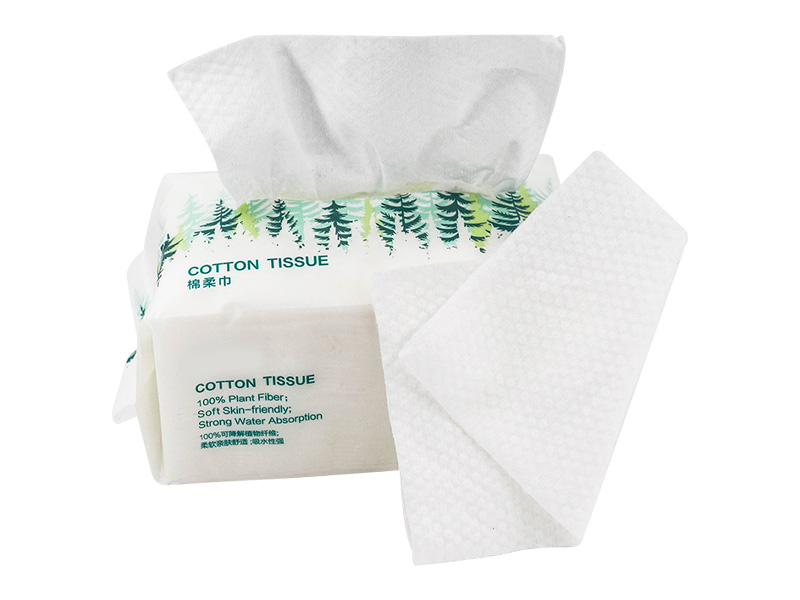
Natural cleaning wipes
Surface Structures and Embossing Choices
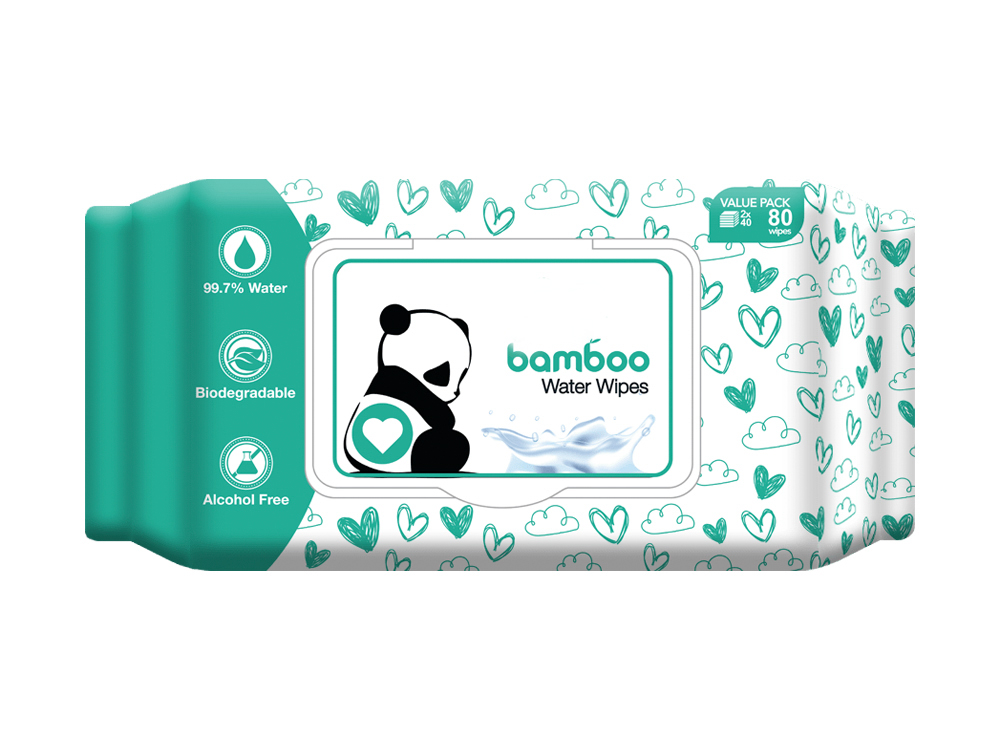
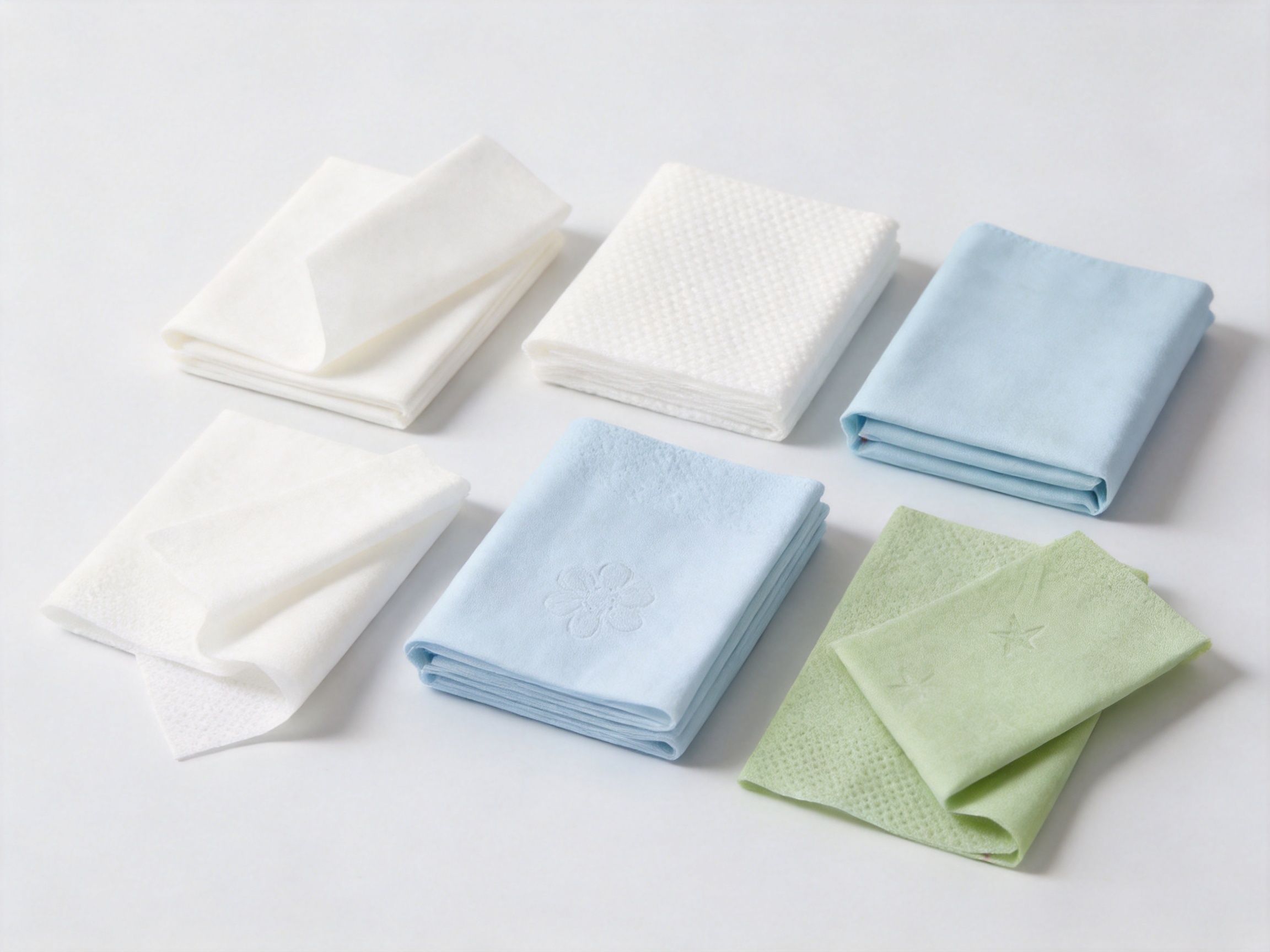
The surface pattern affects the tactile experience, liquid distribution, wiping friction, and visual identity of a cleaning wipe. Available structures may include plain, mesh, dot-embossed, flower, and star patterns.
Plain Pattern
A plain wipe presents a smooth and understated appearance. It is suitable for brands that prefer a clean, minimalist design or for applications where a low-profile surface is adequate. Plain wipes may also be cost-effective for high-volume programs.
Fine Mesh Pattern
A fine mesh pattern can create additional surface texture and may help lift light residue during wiping. It can be appropriate for facial cleansing, cosmetic removal, and general-purpose cleaning, depending on the softness and formulation requirements.
Dot-Embossed Pattern
Dot embossing gives the wipe a more structured surface and can support a stronger scrubbing sensation without requiring an abrasive material. This format may be selected for kitchen, bathroom, or household cleaning products where consumers want improved contact with light dirt and residue.
Decorative Embossing
Flower and star patterns can help create a distinctive appearance for beauty, baby-care, hospitality, or promotional product lines. Embossing may also improve product recognition and reinforce a premium retail presentation.
Pattern selection should always be matched to the intended skin or surface contact. A texture that is appropriate for a household cleaning wipe may not be suitable for sensitive facial skin. Sampling and application testing are important before mass production.
Applications in Facial Care and Beauty
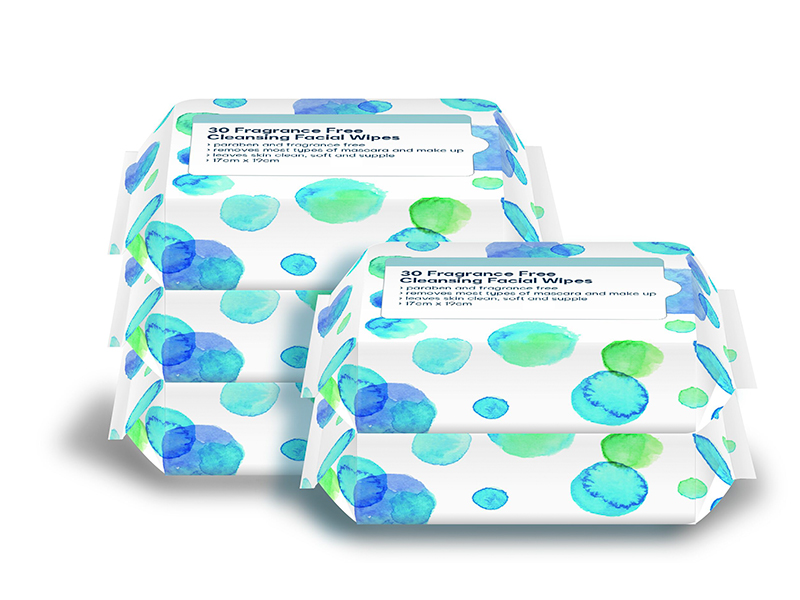
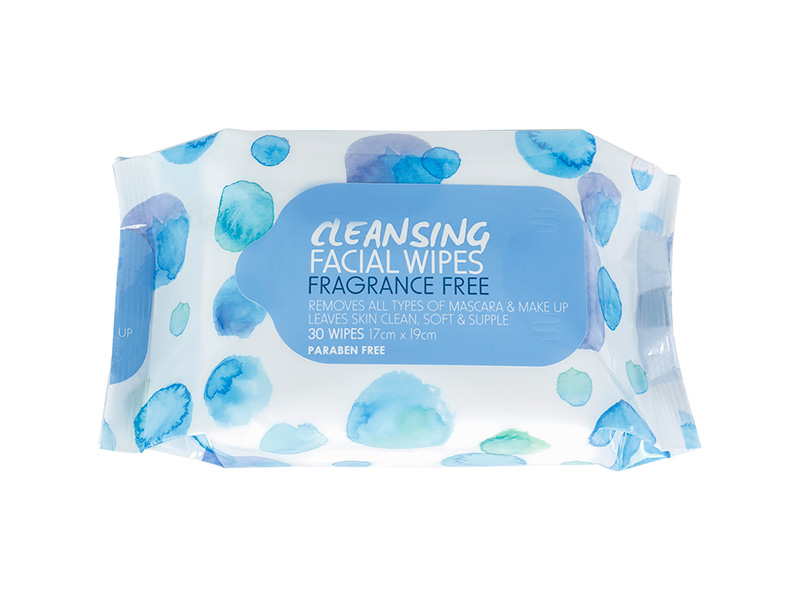
Face cleaning wipes are valued for their convenience and versatility. They can be used as part of a personal cleansing routine, particularly when consumers are traveling, working away from home, exercising, or seeking a quick makeup-removal solution.
Makeup Removal
A durable face wipe can remove foundation, powder, blush, and other surface cosmetics with fewer sheets than small cotton pads. The larger surface area allows the user to work across the forehead, cheeks, nose, chin, and neck without constantly replacing the wiping material.
The wipe should be soft enough for facial contact while maintaining sufficient strength to resist deformation. A stable sheet helps the user apply consistent pressure and reduces the risk of the product rolling, tearing, or leaving loose fragments.
Facial Cleansing
A damp wipe can be used after applying a cleansing solution or as part of a pre-moistened cleansing format. Some users prefer the tactile control of wiping with a soft textile-like sheet rather than washing only with their hands.
For facial products, the formulation should be developed with appropriate attention to skin compatibility, fragrance levels, preservatives, pH, and regulatory requirements in the target market. A manufacturer may provide fragrance-free or customized fragrance options depending on the project.
Secondary Cleansing and Gentle Exfoliation
A textured wipe may assist with the removal of remaining lotion, makeup traces, or surface impurities after the initial cleansing step. However, the product should not be positioned as an aggressive exfoliating tool unless the surface structure and cosmetic formulation have been tested and approved for that purpose.
For sensitive-skin markets, brands may prefer a smooth or lightly textured substrate, fragrance-free formulation, and carefully selected cleansing ingredients. Clear use instructions can help consumers choose the product that best matches their skin type.
Wet Compresses
Wipes can be cut or manufactured into selected dimensions for use as a wet compress. Compared with repeatedly saturating multiple small cotton pads, a larger wipe can provide broader and more even coverage. This feature may be useful in beauty salons, spas, travel kits, and home-care routines.
Nail Polish Removal
A strong wipe can be used with an appropriate nail polish remover to wipe nails. The sheet should be tested for compatibility with the chosen solvent because different formulations may affect fiber strength, surface integrity, or packaging materials.
Household, Commercial, and Institutional Cleaning
The same nonwoven manufacturing platform can support wipes for household and commercial cleaning. The final product depends on the selected substrate, liquid formula, package, and intended surface.
General-purpose wipes may be used on tables, desks, counters, shelves, appliances, and other hard surfaces. Kitchen wipes can be designed to help remove food residue, grease, and everyday spills. Bathroom wipes may be formulated for soap residue, water marks, and routine sanitation support.
Glass and smooth-surface wipes require careful control of the lotion and sheet structure. The formulation should dry quickly and minimize visible streaks or water marks. The wipe itself should have sufficient strength and low lint performance to support a clean finish.
Commercial cleaning suppliers may require larger sheet sizes, higher basis weights, bulk packaging, or stronger substrates. Hospitality companies may prefer individually wrapped wipes, refill packs, or branded soft packs for guest rooms and public areas. Facility management companies may need products suitable for offices, schools, retail premises, and common areas.
Industrial users may value tensile strength, solvent compatibility, absorbency, and packaging efficiency. In these applications, the wipe may be used to remove oil, dust, light residues, or maintenance contaminants. The cleaning chemistry must be matched carefully to the surface and the operating environment.
Product claims such as broad-spectrum sterilization, bacteriostasis, disinfection, or antimicrobial performance must be supported by appropriate testing and regulatory review. A wipe manufacturer can assist with product development, but the final claims must comply with the laws of the target market.
Manufacturing Process and Quality Control
Advanced wipe production begins with controlled raw-material preparation. Fibers are selected according to the required softness, strength, absorbency, sustainability profile, and cost target. Incoming materials should be inspected to verify composition, appearance, basis weight, and other relevant specifications.
Nonwoven Web Formation
Fibers are distributed into a web using specialized nonwoven production equipment. Uniform fiber distribution is essential because variations can affect thickness, absorbency, strength, and cutting performance. The manufacturing process may be configured to create parallel or semi-cross fiber arrangements, depending on the desired performance.
Bonding and Structural Stabilization
After web formation, the fibers are bonded or entangled to create a stable nonwoven sheet. The bonding method affects softness, tensile strength, elongation, absorbency, and wet performance. A suitable structure allows the wipe to remain intact while still feeling flexible and comfortable.
Pattern Formation
If the product requires mesh, dot, flower, or star embossing, the pattern is applied through controlled processing. Embossing depth, repeat accuracy, and surface uniformity are monitored to help ensure that the final product looks and performs consistently.
Slitting, Cutting, and Folding
The nonwoven roll is converted into the requested sheet size. Accurate slitting and cutting are important for pack count, appearance, and user convenience. Depending on the packaging format, sheets may be folded, stacked, interleaved, rolled, or compressed.
Liquid Preparation and Saturation
For wet wipes, the cleansing solution is prepared according to the approved formula. Possible product directions include multi-purpose cleaning, kitchen cleaning, bathroom cleaning, glass cleaning, general surface care, facial cleansing, or fragrance-free personal care.
Liquid application must be controlled so that each sheet receives a consistent amount of solution. Too little liquid may reduce cleaning performance, while excessive saturation can cause leakage, poor dispensing, or an unpleasant user experience. The formula and substrate must be evaluated together because different materials absorb and release liquid differently.
Packaging and Sealing
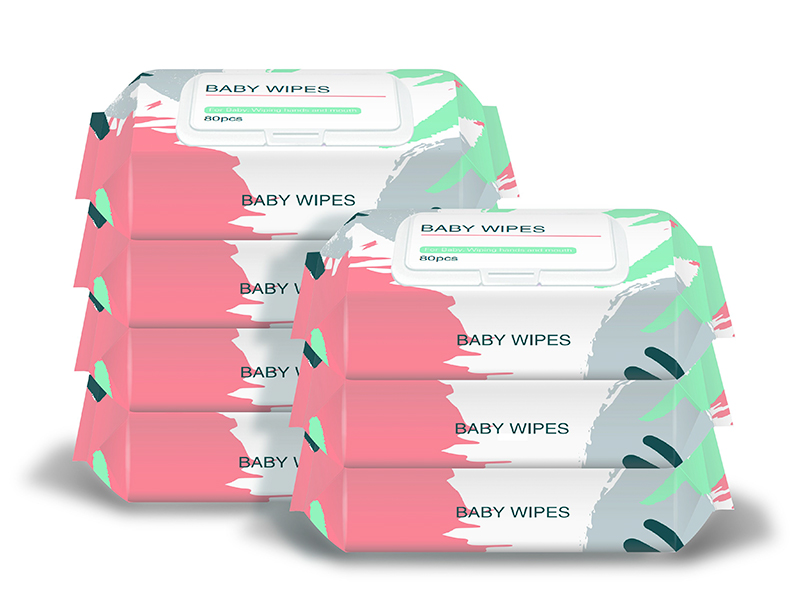
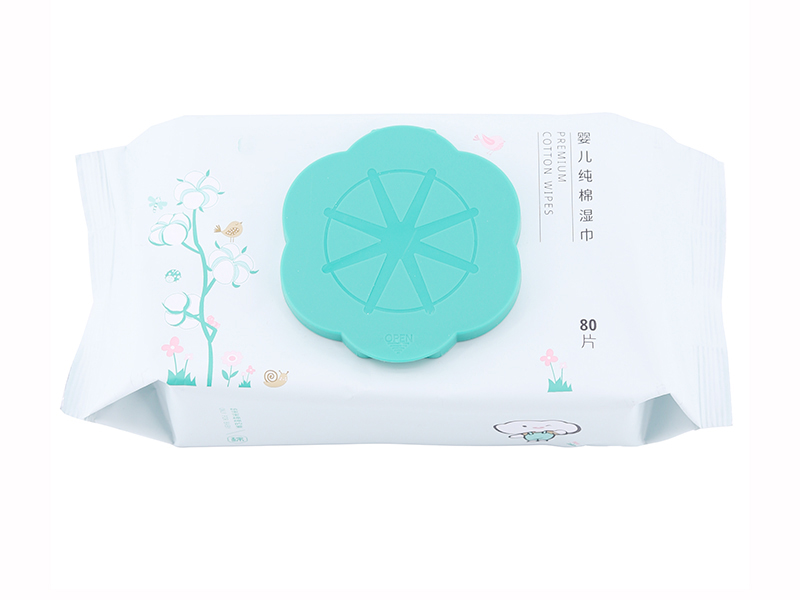
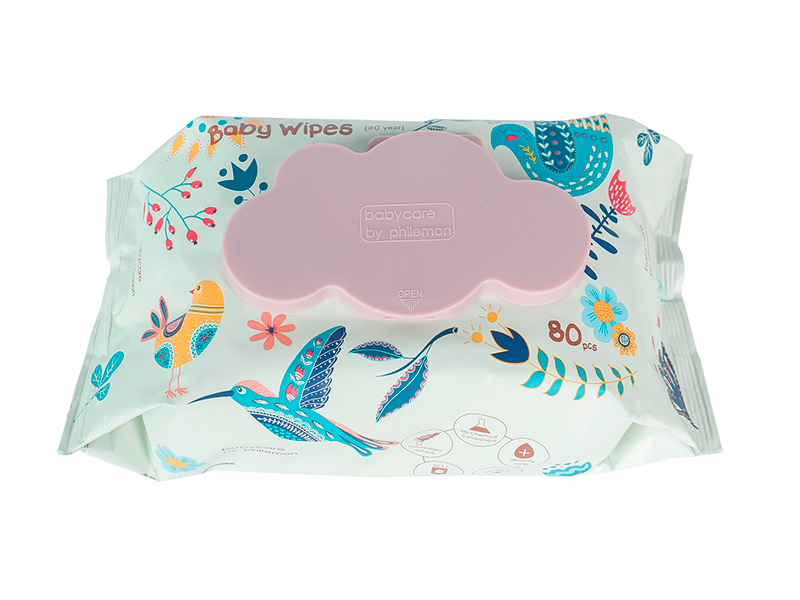
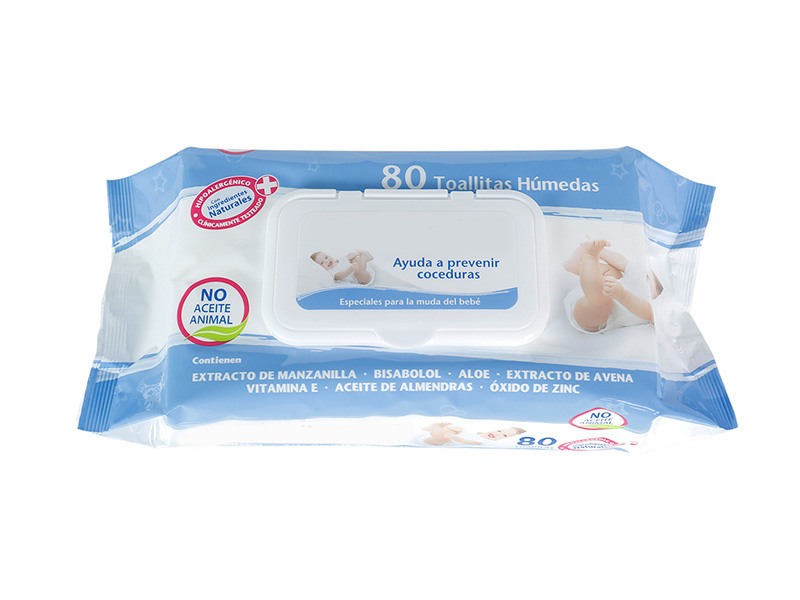
Packaging protects the wipe from contamination, evaporation, drying, and physical damage. Common formats include soft packs, canisters, refill packs, flow packs, individually wrapped units, roll formats, extraction packs, and compressed formats.
Seal integrity is especially important for wet wipes. Production controls should verify that the package remains closed during transportation and storage. Packaging materials must also be compatible with the lotion, fragrance, preservatives, and expected shelf life.
Inspection and Testing
Quality control may include checks for appearance, dimensions, basis weight, tensile strength, absorbency, liquid add-on, odor, pH, microbial condition, package seal integrity, dispensing performance, and carton quantity. The specific test program depends on the product category and the destination market.
A full-function testing center and trained technical team can help manufacturers identify problems before mass production. Sampling, pilot runs, stability studies, and production-line inspections provide additional safeguards for private label customers.
Advanced Manufacturing Strengths
The manufacturer described in the supplied company information has operated since 1987 and specializes in medical and hygienic nonwoven materials, nursing products, and related textile solutions. Its capabilities cover both nonwoven substrates and finished hygiene products, allowing customers to work with a partner that understands the complete product chain.
The company operates multiple production bases in China and has described plans for an additional production facility in Vietnam. This type of manufacturing network can support capacity planning, regional supply strategies, and more efficient delivery for domestic and overseas customers.
Its product portfolio includes spunlace nonwoven fabrics, spunmelt materials, hot-air nonwovens, flushable and degradable nonwovens, wet wipes, dry wipes, baby diapers, training pants, wet toilet paper, cleansing wipes, and industrial cleaning products. The breadth of this portfolio allows technical knowledge to move between raw materials, converting, packaging, and finished consumer goods.
The company reports the use of advanced production equipment and technologies originating from Germany, France, and Italy. It also reports clean manufacturing environments, purified-water systems, a testing center, and a substantial patent portfolio. These resources are particularly valuable for buyers who need stable quality across repeated orders.
Large-scale production can also create advantages in material sourcing and process control. A manufacturer with its own nonwoven expertise may be able to adjust fiber blends, basis weight, texture, and converting specifications more efficiently than a trading company that purchases finished wipes from unrelated suppliers.
OEM and Private Label Development
Private label customers increasingly expect more than a standard product in generic packaging. They want a manufacturing partner that can support market research, material selection, formulation development, package design, testing, production, and shipment coordination.
The available OEM and ODM program is designed to support brands, wholesalers, distributors, supermarket chains, e-commerce companies, hospitality suppliers, and industrial cleaning businesses. Customers may begin with a standard specification or request a product developed around a particular consumer group, application, or price position.
Formula Customization
Formulas may be developed for general-purpose cleaning, kitchen cleaning, bathroom cleaning, glass cleaning, surface cleaning, facial cleansing, or other defined applications. Fragrance-free options can be considered for sensitive users, healthcare-related environments, or markets where minimal-ingredient products are preferred.
Customized fragrance options can help a brand create a recognizable identity. Fragrance selection should be reviewed for user preferences, product stability, regulatory restrictions, and compatibility with the packaging and substrate.
Packaging Customization
Packaging can be selected according to sales channel and intended use. Soft packs are lightweight and convenient for households, travel, and retail. Canisters offer a rigid format and easy dispensing for frequent use. Refill packs may reduce packaging consumption and provide a practical option for repeat buyers.
Sheet count can be adjusted to create travel sizes, trial packs, standard household packs, professional-use packs, or bulk commercial formats. The number of sheets, folded configuration, opening design, and package dimensions should be evaluated together to ensure reliable dispensing.
Branding and Artwork
Private label programs may include logo printing, front-panel design, usage instructions, ingredient or material information, barcode placement, warning statements, and carton artwork. The packaging should communicate the product’s purpose clearly, especially when a brand sells both personal-care wipes and household cleaning wipes.
Shipping marks and carton design can also be customized. Clear carton information helps distributors, warehouses, and retailers manage inventory efficiently. Artwork should be checked carefully before printing to avoid errors in language, regulatory statements, dimensions, and product claims.
Project Support from Sampling to Shipment
A structured development process normally includes initial consultation, specification confirmation, sample preparation, performance evaluation, packaging confirmation, pilot production, testing, mass production, final inspection, and shipment. Close communication at each stage helps reduce misunderstandings and improves the likelihood of a successful product launch.
Advantages for Global Buyers
One major advantage of working with an integrated manufacturer is the ability to coordinate several product elements through one supply chain. The buyer can discuss material, formula, embossing, size, folding, packaging, carton design, and shipping requirements with a unified technical and commercial team.
This can reduce the coordination burden associated with using separate suppliers for nonwoven fabric, liquid formulation, converting, packaging, and finished goods. It may also improve accountability because the manufacturer has greater visibility over the relationship between raw materials and final product performance.
Production scale can support competitive pricing, but cost should not be evaluated solely on the factory quotation. Buyers should also consider yield, pack accuracy, shipment stability, defect rates, product consistency, lead times, and the cost of handling customer complaints. A stable manufacturing process can create value beyond the initial unit price.
Export experience is another important consideration. International buyers often require documentation related to materials, testing, packaging, labeling, safety, and customs. A manufacturer familiar with overseas markets can help customers organize the required information and identify potential compliance issues before shipment.
Multiple production bases and an expanding international manufacturing presence may also support business continuity. Customers should still confirm the exact production site, available capacity, quality system, and logistics plan for each project.
Environmental and Responsible Product Development
Disposable products should be developed with environmental responsibility in mind. Material choice, packaging design, production efficiency, transportation, consumer instructions, and disposal pathways all influence the total environmental impact.
Biodegradable or plant-based substrates may be available for customers seeking more sustainable alternatives. However, the product should not be described as flushable, compostable, biodegradable, or environmentally safe unless the claim is supported by appropriate testing and applicable standards.
Packaging optimization can reduce unnecessary material use. Refill formats may be appropriate when consumers already own a compatible dispenser. Lightweight packaging can reduce transportation weight, while accurate sheet counts help minimize product waste.
Manufacturing facilities can also improve environmental performance through efficient water use, energy management, waste reduction, responsible chemical handling, and process optimization. Buyers interested in sustainability should request relevant documentation and evaluate the complete product system rather than relying only on a single material claim.
How to Choose the Correct Product Specification
The first step is to define the application. A facial cleansing wipe has different requirements from a kitchen degreasing wipe, a glass-cleaning wipe, or an industrial maintenance wipe. Skin-contact products generally require a softer hand feel and carefully reviewed formulations, while household products may prioritize soil removal and surface finish.
The second step is to determine the substrate. Polyester and viscose blends offer balanced performance, cotton supports a natural positioning, bamboo and lyocell can support plant-based or premium concepts, and biodegradable nonwovens may be considered for sustainability-focused programs.
The third step is to select the basis weight and dimensions. Larger and heavier wipes may provide greater cleaning coverage and durability, while smaller or lighter wipes can be suitable for travel, sampling, or cost-sensitive categories.
The fourth step is to choose the surface pattern. Smooth materials may be preferred for sensitive facial applications. Mesh or dot embossing may provide additional texture for general cleaning. Decorative embossing can support premium presentation and product differentiation.
The fifth step is to choose the formula. Fragrance-free products may be suitable for sensitive users or professional environments. Fragranced products can create a more distinctive consumer experience. Cleaning formulas should be evaluated for effectiveness, residue, compatibility, safety, stability, and regulatory compliance.
The sixth step is to confirm packaging. Buyers should consider how the product will be transported, stored, displayed, opened, resealed, and used. Soft packs, canisters, refill packs, flow packs, and individual sachets each serve different commercial requirements.
Specification area |
Questions for buyers |
Possible options |
Application |
What will the wipe clean, and who will use it? |
Face, kitchen, bathroom, glass, household, commercial, industrial |
Material |
Is softness, strength, absorbency, or sustainability the priority? |
Polyester, viscose, cotton, bamboo, lyocell, biodegradable nonwoven |
Surface |
Should the wipe feel smooth or textured? |
Plain, mesh, dot embossed, flower, stars |
Size |
How much coverage is needed per sheet? |
Standard or customized dimensions |
Formula |
Should the product be dry, wet, scented, or fragrance-free? |
Multi-purpose, kitchen, bathroom, glass, facial, customized |
Packaging |
How will the product be sold and dispensed? |
Soft pack, canister, refill pack, flow pack, individual pack |
Order planning |
What quantity and delivery schedule are required? |
Trial order, regular production, promotional or bulk program |
Who Can Benefit from This Product Platform?
Private label brands can use the platform to launch cleaning or personal-care products without investing in their own nonwoven factory. The manufacturer can help transform a brand concept into a defined material, formula, package, and production plan.
Supermarket and retail chains may use customized wipes as part of their store-brand strategy. Different pack sizes and formulas can be developed for value, standard, and premium product tiers.
Importers and distributors can select established specifications or request products tailored to regional consumer preferences. They may also benefit from coordinated carton design, shipping marks, and export documentation.
Cleaning wholesalers and facility management companies may require larger packs, stronger substrates, and products designed for frequent professional use. Hospitality suppliers can request compact, branded, or individually packaged wipes for hotels, restaurants, offices, and public facilities.
E-commerce brand owners can use packaging and sheet-count customization to create differentiated products for online channels. Attractive artwork, clear usage information, and practical pack formats are particularly important when consumers make purchasing decisions from product images and descriptions.
Industrial and commercial cleaning suppliers may require technical discussions regarding solvent resistance, surface compatibility, lint control, absorbency, and workplace handling. These requirements should be evaluated through application-specific samples rather than assumed from a general-purpose specification.
Recommended Buyer Qualification Process
Before placing a large order, buyers should request product samples that represent the actual proposed material, surface pattern, liquid formulation, size, and packaging. A sample made from a different substrate may not provide a reliable indication of mass-production performance.
Testing should reflect real use. Facial wipes should be evaluated for softness, cleansing feel, residue, odor, and skin compatibility. Household wipes should be tested on representative surfaces for soil removal, streaking, lint, drying time, and package dispensing. Industrial wipes should be tested with the actual contaminants and cleaning agents used by the customer.
Buyers should also confirm the production specification in writing. Important details include fiber composition, basis weight, sheet dimensions, folding method, sheet count, lotion add-on, fragrance, packaging material, carton quantity, labeling language, inspection standards, and acceptable tolerance ranges.
Quality documentation should be reviewed according to the product category and target market. Depending on the project, buyers may require material declarations, safety information, microbiological results, stability data, packaging tests, factory audits, or specific certifications.
Clear communication about forecast volume is equally important. A manufacturer can recommend a suitable production and packaging arrangement when it understands the expected order quantity, seasonal demand, launch schedule, and target market.
Frequently Asked Questions
What are disposable cleaning wipes made from?
They can be made from polyester, viscose, bamboo, lyocell, cotton, biodegradable nonwoven materials, or customized fiber blends. The correct choice depends on the intended application, desired hand feel, wet strength, absorbency, sustainability goals, and price target.
Are these wipes suitable for facial cleansing?
Selected materials and formulations can be developed for facial cleansing, makeup removal, secondary cleansing, wet compresses, and related beauty applications. Facial products should use an appropriate softness level and a formulation that has been evaluated for the target skin-contact application.
Can the same product be used for household cleaning?
The nonwoven platform can support household cleaning products, but facial wipes and household wipes should not automatically be treated as identical products. Household cleaning may require a different formula, texture, basis weight, package, and labeling strategy.
What surface patterns are available?
Available options may include plain, fine mesh, dot embossed, flower, and star patterns. Pattern selection should reflect the required tactile experience, cleaning performance, visual identity, and intended surface or skin contact.
Can the wipe material be customized?
Yes. Customers may request spunlace, bamboo, biodegradable nonwoven, cotton, lyocell, or other suitable materials. The final material should be confirmed through sampling and performance testing.
Can the cleaning solution be customized?
Yes. Formulation directions may include multi-purpose cleaning, kitchen cleaning, bathroom cleaning, glass cleaning, general surface cleaning, facial cleansing, fragrance-free products, or other application-specific concepts.
What packaging formats are available?
Common formats include soft packs, canisters, refill packs, flow packs, individual packs, roll formats, extraction formats, and compressed formats. The best choice depends on product moisture, dispensing requirements, sales channel, pack size, and target price.
Can private label branding be added?
Yes. Private label support may include logo printing, artwork development, package customization, carton design, shipping marks, sheet count selection, and other brand-specific requirements.
What information is needed for a quotation?
A useful quotation request should include the intended application, wipe size, preferred material, surface pattern, sheet count, packaging format, formula direction, fragrance preference, estimated order quantity, destination market, and expected delivery schedule.
Are eco-friendly options available?
Biodegradable or plant-based nonwoven materials may be available upon request. Buyers should request supporting documentation and ensure that all environmental claims match recognized testing and regulatory requirements.
How does a manufacturer help maintain consistent quality?
Consistency is supported through controlled raw-material selection, nonwoven production, converting, liquid application, packaging, inspection, and testing. An integrated manufacturer can also coordinate the relationship between the substrate, formula, package, and finished product.
What types of companies can purchase these products?
Typical customers include private label brands, retailers, supermarkets, importers, distributors, cleaning wholesalers, hospitality suppliers, facility management companies, e-commerce businesses, and industrial cleaning-product companies.
Why is sampling important before mass production?
Sampling allows buyers to evaluate softness, strength, absorbency, cleansing performance, texture, odor, package usability, and surface compatibility. It also helps confirm that the proposed product meets the commercial and regulatory expectations of the target market.
Conclusion
Disposable cleaning wipes offer a practical combination of convenience, hygiene, controlled use, and adaptable performance. Compared with ordinary cotton pads, paper towels, and reusable towels, high-quality nonwoven wipes can provide better wet strength, larger surface coverage, more consistent fiber retention, and greater customization potential.
The product platform described here supports a broad range of applications, including facial cleansing, makeup removal, wet compresses, nail care, household cleaning, kitchen care, bathroom maintenance, glass cleaning, hospitality service, facility management, and industrial wiping.
Its advantages are strengthened by flexible material choices, multiple surface patterns, customizable dimensions, tailored formulas, varied packaging formats, and private label support. The manufacturer’s experience in nonwoven materials and finished hygiene products provides an integrated foundation for customers seeking reliable OEM and ODM development.
For global buyers, the most important step is to define the application clearly and evaluate the complete product system. Material, texture, formula, package, labeling, testing, and logistics must work together. With careful specification and professional production support, disposable cleaning wipes can become a dependable and scalable product category for both established brands and new market entrants.
References
1. Company-provided product specifications for disposable facial and cleaning wipes.
2. Company-provided information on OEM, ODM, private label production, packaging, and customization services.
3. Company-provided corporate profile covering nonwoven materials, hygiene products, manufacturing bases, and production capabilities.
4. General principles of nonwoven fabric construction, absorbency, wet strength, and converting technology.
5. General guidance on cosmetic product safety, household cleaning product labeling, and responsible environmental claims.
6. General quality-control practices for wipes, including dimensional inspection, basis-weight control, liquid add-on, package integrity, and microbiological evaluation.