中文简体
中文简体 English
 日本語
日本語 русский
 Español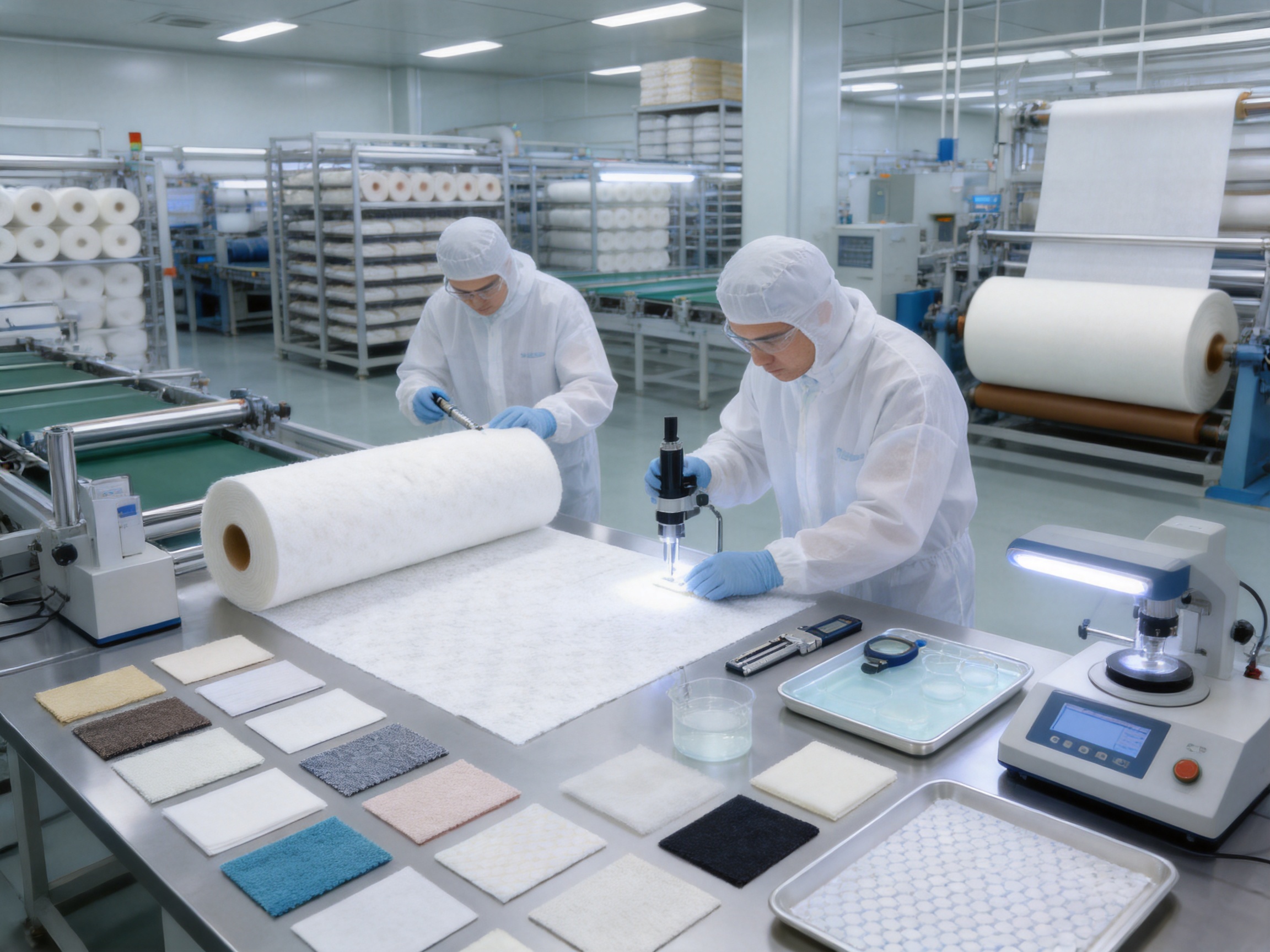
Modern hygiene, medical, beauty, and household-care products require nonwoven materials that combine softness, strength, absorbency, clean appearance, and reliable processing performance. The 5mm Dot Flower Spunlace Nonwoven Fabric is designed to meet these demanding requirements through carefully engineered fiber blends, advanced carding methods, and controlled water-jet bonding technology.
Unlike ordinary nonwoven materials that may focus on only one characteristic, this fabric is developed as a versatile platform for wet wipes, dry wipes, facial masks, medical gauze, diaper cores, cotton wipes, composite materials, and mask cloth. Its 5mm dot pattern provides a distinctive surface appearance while supporting a balanced combination of texture, structural integrity, and user comfort.
The fabric can be produced from polyester, viscose, bamboo, Tencel fiber, cotton, low-melt polyester fiber, or customized blends. This broad raw-material selection allows manufacturers to choose a formulation according to softness, liquid absorption, tensile strength, biodegradability objectives, cost requirements, and end-use performance.
With customizable weights from 20 grams per square meter to 100 grams per square meter, multiple fiber orientations, optional functional finishing, and several bonding configurations, the product is suitable for both standard and specialized applications. It can be supplied as a practical material for high-volume disposable products or adapted for differentiated private-label and contract-manufacturing programs.
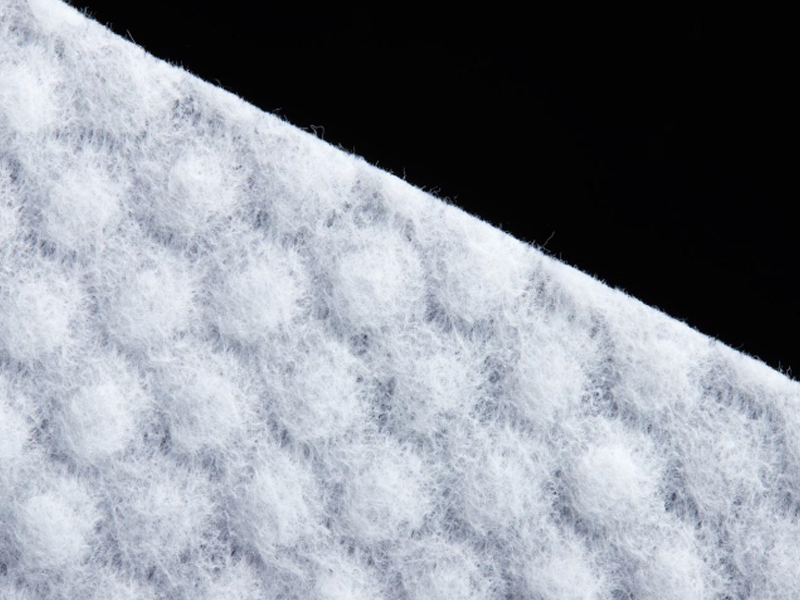
5mm Dot Flower Spunlace Non-woven Fabric
What Is 5mm Dot Flower Spunlace Nonwoven Fabric?
Spunlace nonwoven fabric is manufactured by arranging loose fibers into a web and entangling those fibers with high-pressure water jets. The process creates a fabric-like structure without conventional weaving or knitting. Because the fibers are mechanically entangled rather than joined through a traditional yarn system, spunlace materials can offer a soft hand feel, good drape, attractive surface uniformity, and excellent adaptability to converting processes.
The “5mm Dot Flower” designation refers to the visible embossed or patterned structure created on the fabric surface. The dot-style pattern can improve visual appeal and may contribute to a more distinctive tactile experience. Pattern customization is also available, allowing customers to request different appearances for specific product lines or brand identities.
The fabric is available in plain, dot, mesh, and other customized pattern configurations depending on the production method and intended application. A patterned surface can help distinguish a finished wipe or mask from commodity products, while a plain surface may be preferred for applications where smooth conversion, simple appearance, or particular contact characteristics are more important.
Its structure can be engineered using single-carding, double-carding, triple-carding, or sandwich construction. Carding determines how fibers are opened, aligned, and distributed before bonding. The selection of carding technology influences thickness, uniformity, directional strength, bulk, and surface quality.
The product can also be manufactured with parallel, semi-cross, or tambour-transfer fiber arrangements. These arrangements provide different machine-direction and cross-direction strength relationships. Such flexibility is particularly valuable because wipes, masks, gauze, diaper components, and composite materials do not all require the same balance of properties.
Key Product Advantages
Soft and Comfortable Surface
Softness is essential for products that contact the skin, including facial masks, baby-care articles, cleansing wipes, medical gauze, and personal-care wipes. The use of rayon, viscose, bamboo, cotton, and Tencel fibers can create a smooth and comfortable surface suitable for frequent or prolonged contact.
The spunlace process preserves much of the natural softness of the selected fibers while avoiding the stiff hand feel that can occur with some resin-bonded materials. Depending on the blend, basis weight, and finishing treatment, the finished fabric can range from light and flexible to fuller and more substantial.
Softness is not limited to consumer comfort. A flexible and supple fabric can also improve converting performance. It may fold more easily, conform to curved packaging, and reduce the risk of harsh edges in finished wipes or masks.
High Tenacity and Friction Resistance
Many disposable products must remain intact during wetting, wiping, pulling, folding, dispensing, or use. The fabric is designed to provide high tenacity and friction resistance through controlled fiber selection, web formation, and hydroentanglement.
Polyester can contribute strength, dimensional stability, and resistance to repeated handling. Rayon, viscose, bamboo, cotton, and Tencel fibers can contribute softness and absorbency. By adjusting the blending ratio, manufacturers can create a balanced formulation rather than relying on a single fiber type.
For applications requiring stronger cross-direction performance, sandwich construction can be selected. In this structure, fiber layers surround a polypropylene layer, creating a composite arrangement with higher cross breaking strength and a thicker fabric profile. This can be useful when the material must withstand demanding converting or handling conditions.
Uniform and Attractive Appearance
Uniform fiber distribution is important for both technical performance and product presentation. Uneven areas may produce variations in absorbency, thickness, opacity, strength, or pattern clarity. The manufacturing process is designed to maintain consistent web formation and controlled bonding across the fabric width.
The 5mm dot pattern creates a recognizable and attractive surface. For consumer products, appearance can influence perceived quality. A regular pattern can make a wipe, mask, or other finished article appear more carefully engineered than an unstructured commodity material.
Pattern clarity can be adjusted according to the desired visual effect and application. Customers may request a standard dot surface or explore customized patterns that support product differentiation.
Fine and Rich Texture
The fabric combines a fine surface texture with a rich, textile-like appearance. This characteristic is particularly useful in beauty wipes, facial masks, cleansing products, premium household wipes, and other products where touch and appearance are important purchasing factors.
A textured surface may also improve the user experience during wiping. Depending on the final construction, the pattern can provide a gentle mechanical effect for lifting moisture, creams, dust, or surface residues. The precise wiping performance depends on the finished product design, lotion formulation, and converting method.
Wide Basis-Weight Range
Products from 20 to 100 grams per square meter can be customized. This range enables the same material platform to serve lightweight, economical applications as well as thicker, more absorbent, or more durable products.
Lightweight fabrics may be suitable for thin masks, economical wipes, or composite layers. Medium-weight fabrics can provide a practical balance between softness, strength, and absorbency. Heavier fabrics may be selected when greater body, thickness, liquid-holding capacity, or premium tactile performance is required.
Basis weight should always be selected together with fiber composition, bonding pattern, and end-use requirements. A higher basis weight does not automatically guarantee better performance; the correct combination of structure and material is more important than weight alone.
Raw-Material Flexibility
One of the major strengths of this spunlace fabric is its compatibility with several fiber families. The available raw materials include polyester, viscose, bamboo, Tencel fiber, cotton, and low-melt polyester fiber. Blending ratios can be customized to achieve a specific property profile.
Polyester
Polyester is commonly selected when strength, resilience, dimensional stability, and resistance to handling are priorities. It can support durable wipe structures, composite materials, mask cloth, medical applications, and products requiring consistent processing behavior.
Polyester can also be used in antistatic or hydrophilic constructions after the appropriate finishing treatment. A 100 percent polyester product can be manufactured at different weights and with different carding and fiber-direction configurations.
Rayon and Viscose
Rayon and viscose fibers are valued for their softness, absorbency, and comfortable skin contact. They are frequently considered for wet wipes, dry wipes, facial masks, and other personal-care products.
High-rayon formulations can create a soft and absorbent fabric. The provided application examples include 100 percent rayon fabrics at 60 grams per square meter for wet and dry wipes, as well as a 42-gram facial-mask material. These examples demonstrate how the same general technology can be adapted for different finished-product requirements.
Bamboo Fiber
Bamboo fiber can provide a soft hand feel and is often selected for products positioned around natural or plant-based material concepts. A 40-gram, 100 percent bamboo construction is listed as an example for dry wipes.
Actual performance depends on fiber type, processing conditions, finishing, and the final product format. Manufacturers should evaluate absorbency, wet strength, lint behavior, and converting compatibility before approving a formulation for commercial production.
Cotton
Cotton is recognized for its natural softness and comfortable skin contact. A 60-gram, 100 percent cotton spunlace construction can be used for dry wipes and similar applications where a natural-fiber positioning is desirable.
Cotton selection may require close attention to fiber preparation and web uniformity. Proper processing helps create a consistent fabric while retaining the characteristic comfort expected from cotton-based materials.
Tencel Fiber
Tencel fiber can be incorporated when customers are seeking a soft, premium, and plant-derived cellulosic component. Its inclusion can support products positioned for beauty, personal care, or environmentally conscious consumers, subject to the specific fiber certification and product claims applicable to the project.
Low-Melt Polyester Fiber
Low-melt polyester fiber can be blended into special constructions to support additional bonding or a stiffer hand feel. One listed example contains 50 percent rayon, 45 percent polyester, and 5 percent low-melt polyester fiber at 30 grams per square meter.
This kind of formulation demonstrates that the product range is not limited to soft wipes. The technology can also be adapted for fabrics requiring greater body, improved shape retention, or a firmer tactile profile.
Advanced Manufacturing Processes
The quality of a spunlace fabric depends on more than the fiber recipe. It also depends on opening, blending, carding, web formation, water-jet entanglement, pattern control, drying, finishing, inspection, and winding. An experienced manufacturer must coordinate all these stages to deliver a stable and repeatable material.
Single-Carding Technology
Single-carding is suitable for a variety of lightweight and straightforward constructions. It can provide a practical production route for medical gauze, diaper-core components, composite materials, and special fabrics.
A single-carding process may be selected when the application requires a specific fiber orientation, moderate basis weight, or efficient production. The final performance depends on card settings, fiber length, blend uniformity, and bonding conditions.
Double-Carding Technology
Double-carding allows more control over web layering and fiber distribution. It is used in several wipe, facial-mask, antistatic, and hydrophilic examples. Double-carding can support better uniformity, increased bulk, and a more controlled surface structure.
For a 5mm dot fabric, double-carding can help create a stable base before the pattern is formed. This is particularly useful when the customer requires a combination of softness, thickness, pattern definition, and reliable tensile performance.
Triple-Carding Technology
Triple-carding can be considered when a more complex or highly controlled fiber web is required. It may provide additional opportunities to manage layering, fiber distribution, and surface characteristics.
The choice between single, double, and triple carding should be based on the finished product rather than on process complexity alone. The best solution is the one that produces consistent performance at the required commercial cost.
Sandwich Construction
Sandwich products use a fibers/polypropylene/fibers arrangement. This construction is designed to provide higher cross breaking strength and a thicker fabric profile compared with a simple fiber web of similar weight.
The sandwich design may be valuable for applications requiring greater structural support, enhanced handling strength, or a more substantial hand feel. A listed patent-style example contains 50 percent rayon, 32 percent polyester, and 18 percent polypropylene at 45 grams per square meter, using double carding, parallel orientation, and a dot pattern.
Because the sandwich construction combines different layers, process control is especially important. The layers must be adequately integrated, and the finished material must be evaluated for delamination resistance, uniformity, flexibility, and end-use compatibility.
Parallel Fiber Orientation
Parallel orientation aligns fibers predominantly in one direction. This can be useful when a particular machine-direction strength or processing behavior is required. Examples include wet wipes, medical gauze, diaper cores, composite materials, and hydrophilic polyester fabric.
Parallel orientation can also be selected for applications in which the fabric must move efficiently through high-speed converting equipment. However, the machine-direction and cross-direction strength ratio must be considered carefully for the final product design.
Semi-Cross Orientation
Semi-cross orientation distributes fibers in a manner that can provide a more balanced strength profile than strongly parallel construction. It is used in several wet-wipe, dry-wipe, facial-mask, antistatic, and mask-cloth examples.
This orientation can help products withstand handling from multiple directions. It may also support improved dimensional stability during cutting, folding, packaging, and consumer use.
Tambour Transfer
Tambour transfer technology is available for customers seeking a low machine-direction to cross-direction strength ratio. This is an important advantage for products that require more balanced directional behavior.
Reducing the MD/CD ratio can help limit excessive directional weakness and may provide a more uniform response during wiping, stretching, or conversion. The precise result depends on fiber type, basis weight, pattern, bonding conditions, and finishing.
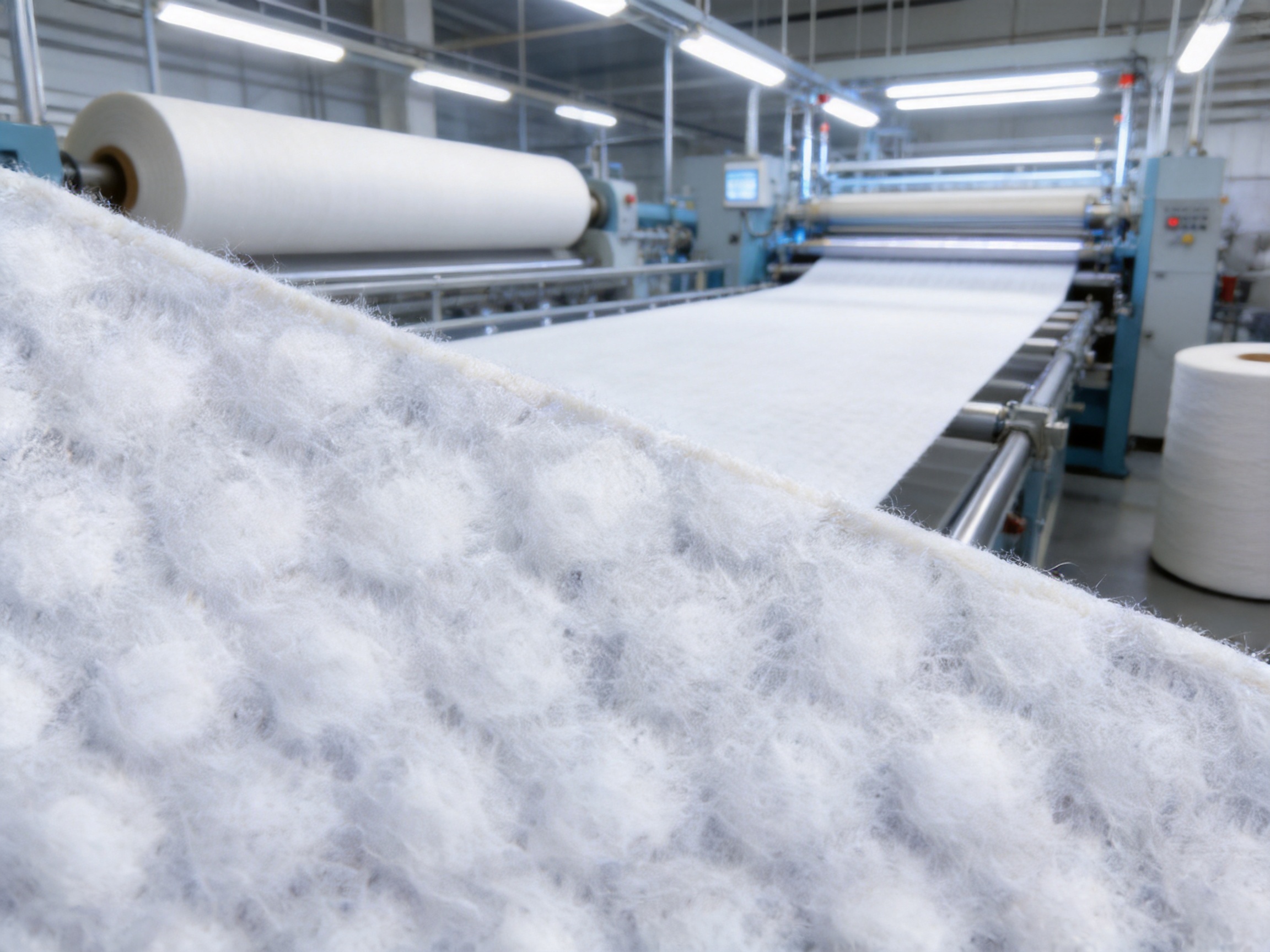
Functional Finishing Options
Hydrophilic Finishing
Hydrophilic finishing improves the fabric’s ability to accept and distribute water-based liquids. This can be beneficial for wet wipes, cleansing products, absorbent layers, and other applications in which rapid wetting is important.
A listed example is a 40-gram, 100 percent polyester fabric made by double-carding and parallel orientation with a hydrophilic finish. Polyester is naturally less absorbent than many cellulosic fibers, so hydrophilic treatment can help improve its interaction with aqueous formulations.
Finishing conditions must be selected carefully to support wetting without creating unwanted odor, migration, skin-sensitivity concerns, or instability during storage. Finished products should be assessed under their actual lotion, packaging, and shelf-life conditions.
Antistatic Finishing
Static electricity can affect material handling, dust attraction, packaging, and user experience. Antistatic finishing can be applied when static control is an important requirement.
A listed antistatic construction uses 100 percent polyester, a 50-gram basis weight, double-carding, semi-cross orientation, and a plain surface. This illustrates how a functional finish can be combined with a selected fiber, weight, and structure to create a material for a specialized purpose.
Coating
Coating can be considered when the fabric requires an additional surface or barrier function. The coating type, add-on level, curing conditions, and compatibility with the intended application should be established through technical trials.
Coated materials may be developed for composite structures, specialty medical products, industrial cleaning products, or other uses requiring controlled surface behavior. The final specification should include coating uniformity, adhesion, flexibility, odor, extractables, and converting performance where applicable.
Application Areas
Wet Wipes
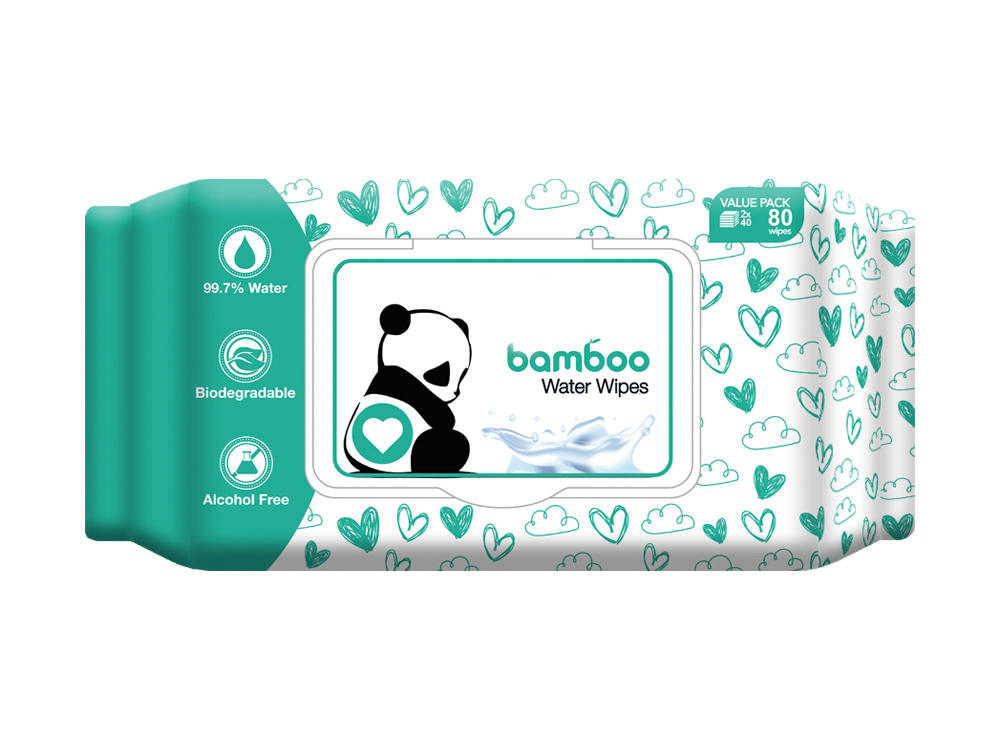
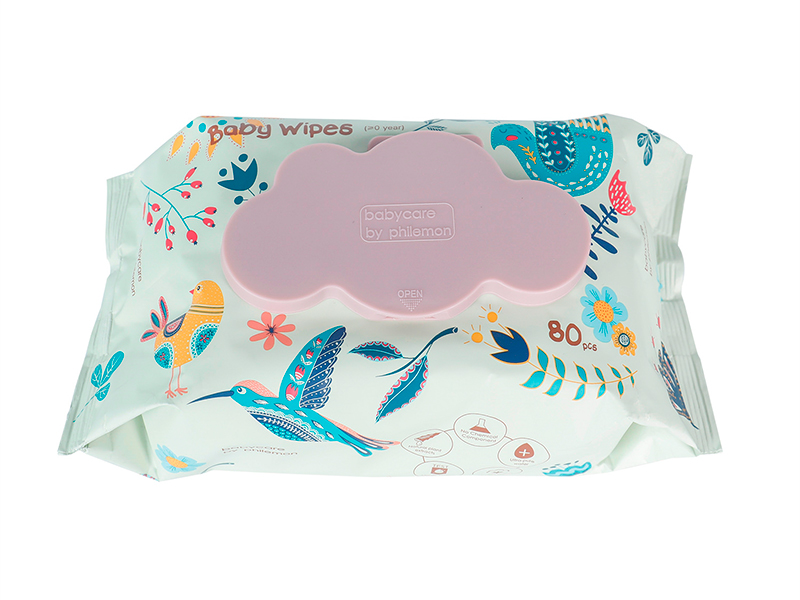
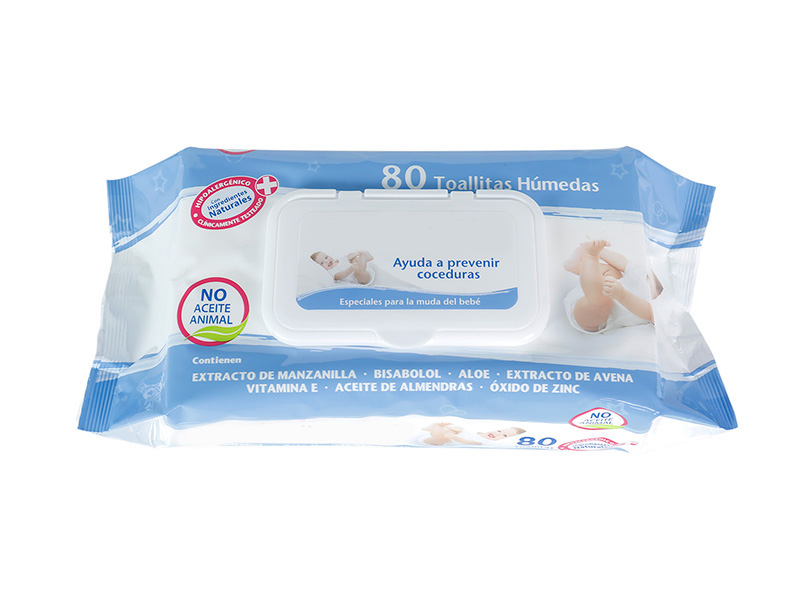
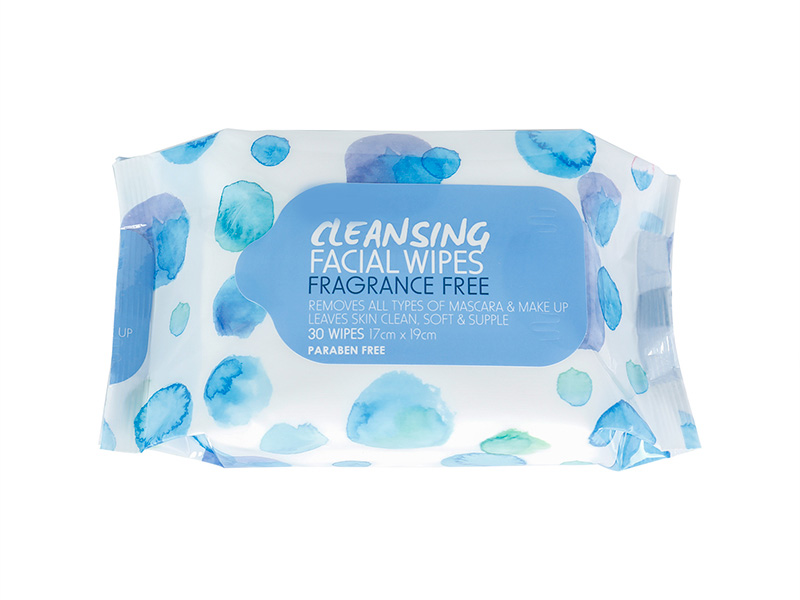
Wet wipes require a fabric that can absorb or carry lotion, remain intact when saturated, feel comfortable against the skin, and dispense reliably from packaging. The 5mm dot spunlace fabric can be customized for these requirements through fiber selection, basis weight, orientation, and hydrophilic finishing.
Examples include 100 percent rayon at 60 grams per square meter with double-carding and semi-cross orientation. Another wet-wipe example uses 100 percent rayon at the same basis weight with double-carding and parallel orientation. These alternatives show how different fiber arrangements can be considered for separate converting or strength targets.
For premium wipes, a patterned surface can strengthen visual differentiation and provide a more substantial tactile impression. For economical high-volume wipes, a simpler construction may deliver the best balance between cost and performance.
Dry Wipes
Dry wipes are used for household cleaning, personal care, infant care, medical preparation, and industrial maintenance. They may need high softness, low lint, adequate dry strength, and good folding performance.
The available examples include 100 percent rayon at 60 grams per square meter, 100 percent bamboo at 40 grams per square meter, and 100 percent cotton at 60 grams per square meter. Each formulation offers a different combination of touch, absorbency, natural-fiber positioning, and processing characteristics.
The appropriate choice depends on whether the product is designed for general cleaning, sensitive skin, beauty use, baby care, or professional applications.
Facial Masks
Facial-mask materials must conform comfortably to the face, hold an essence or treatment liquid, resist tearing during application, and provide an even surface. A 42-gram, 100 percent rayon construction with double-carding, semi-cross orientation, and a dot pattern is listed for facial-mask use.
The patterned structure can create a distinctive appearance while the rayon content supports softness and liquid uptake. Customers may adjust basis weight, fiber blend, pattern, and finishing according to mask thickness, essence viscosity, folding method, and packaging requirements.
Medical Gauze
Medical gauze requires clean processing, appropriate strength, controlled absorbency, and reliable conversion. A listed example uses 70 percent rayon and 30 percent polyester at 30 grams per square meter, produced through single-carding and parallel orientation with a mesh pattern.
The material specification for medical applications must be validated according to the applicable regulatory framework and intended use. Sterilization compatibility, bioburden control, lint behavior, extractables, and packaging should be evaluated as part of the finished medical-product program.
Diaper Core Materials
Diaper-core components must support fluid distribution, structural integrity, and compatibility with other absorbent layers. A listed construction contains 30 percent rayon and 70 percent polyester at 31 grams per square meter, using single-carding, parallel orientation, and a plain surface.
The best structure depends on the diaper design, absorbent system, acquisition layer, core-forming process, and required wet-strength behavior. Nonwoven materials may also be engineered as support layers or composites within broader absorbent-hygiene constructions.
Composite Materials
Composite products combine the spunlace fabric with other films, webs, membranes, or absorbent materials. A 35-gram, 100 percent polyester example uses single-carding, parallel orientation, and a plain surface.
Composite applications benefit from stable thickness, consistent bonding compatibility, and predictable behavior during lamination or adhesive application. Customers should assess peel strength, flexibility, moisture interaction, and the performance of the complete composite rather than evaluating the spunlace layer in isolation.
Mask Cloth
Mask cloth requires a combination of softness, strength, breathability, and stable processing. A listed example uses 100 percent polyester at 45 grams per square meter with double-carding, semi-cross orientation, and a plain pattern.
Depending on the final mask design, the material may be used as an external, internal, or structural layer. Air permeability, filtration-system compatibility, skin comfort, and edge-sealing behavior should be included in the validation process.
Specialty and Industrial Uses
The product platform can also be adapted for specialty applications that require a stiffer feel, antistatic performance, hydrophilic behavior, or customized patterning. Industrial cleaning, clothing interlining, beauty accessories, and other technical textile applications may benefit from this flexibility.
A stiffer-feel fabric can be produced with a rayon, polyester, and low-melt polyester blend. This demonstrates that the technology can support applications beyond soft disposable wipes, including products where body, shape retention, or controlled rigidity is more important.
Representative Specifications
The following examples illustrate available material combinations. They are representative configurations rather than limitations on customization. Final specifications should be confirmed through technical sampling and approval.
| Application | Fiber Composition | Basis Weight | Carding | Orientation | Pattern or Finish |
|---|---|---|---|---|---|
| Wet wipes | 100% rayon | 60 g/m² | Double | Semi-cross | Dot |
| Wet wipes | 100% rayon | 60 g/m² | Double | Parallel | Plain |
| Dry wipes | 100% rayon | 60 g/m² | Double | Semi-cross | Dot |
| Dry wipes | 100% bamboo | 40 g/m² | Double | Semi-cross | Plain |
| Dry wipes | 100% cotton | 60 g/m² | Double | Semi-cross | Plain |
| Facial masks | 100% rayon | 42 g/m² | Double | Semi-cross | Dot |
| Medical gauze | 70% rayon, 30% polyester | 30 g/m² | Single | Parallel | Mesh |
| Diaper core | 30% rayon, 70% polyester | 31 g/m² | Single | Parallel | Plain |
| Composite | 100% polyester | 35 g/m² | Single | Parallel | Plain |
| Mask cloth | 100% polyester | 45 g/m² | Double | Semi-cross | Plain |
| Stiffer-feel specialty fabric | 50% rayon, 45% polyester, 5% low-melt polyester | 30 g/m² | Single | Parallel | Plain |
| Antistatic fabric | 100% polyester | 50 g/m² | Double | Semi-cross | Plain with antistatic finish |
| Hydrophilic fabric | 100% polyester | 40 g/m² | Double | Parallel | Plain with hydrophilic finish |
| Sandwich construction | 50% rayon, 32% polyester, 18% polypropylene | 45 g/m² | Double | Parallel | Dot |
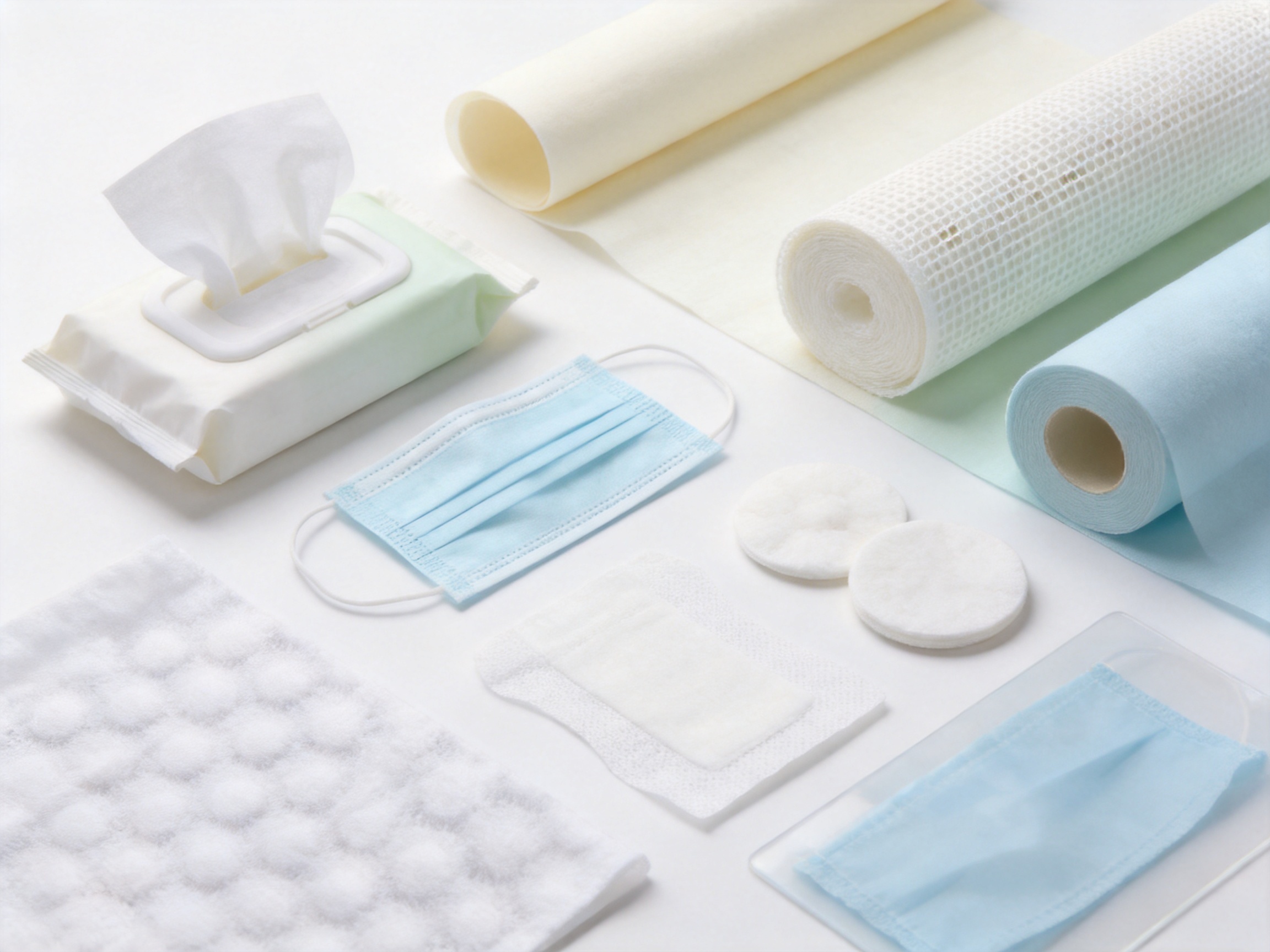
Advantages Over Conventional Alternatives
The 5mm dot spunlace fabric offers several advantages over less flexible or less specialized nonwoven alternatives. Its main competitive strength is not one isolated feature but the ability to combine multiple performance requirements in a configurable structure.
More Flexible Than Single-Fiber Commodity Fabrics
Some commodity fabrics are produced from one standard fiber and one fixed weight. This can simplify purchasing but may limit product development. The present fabric platform supports polyester, rayon, viscose, bamboo, Tencel fiber, cotton, and blended constructions.
This flexibility allows customers to match the material more closely to their product concept. A customer seeking softness and absorbency can emphasize cellulosic fibers, while a customer requiring strength and dimensional stability can increase polyester content. Blended structures can balance both requirements.
More Adaptable Than Fixed-Pattern Materials
Many standard nonwovens are available only in plain surfaces. A 5mm dot pattern provides a more distinctive appearance and texture, while the broader production system also allows customized patterns where appropriate.
Pattern choice can influence product identity, tactile impression, and perceived quality. It can also help a finished wipe or mask stand apart in a crowded market without requiring a completely different manufacturing platform.
More Functional Than Basic Unfinished Fabrics
Hydrophilic, antistatic, and coating options allow the fabric to be adapted for specific technical requirements. A basic unfinished material may be acceptable for a simple dry-wipe product, but specialized applications often require additional surface performance.
Functional finishing gives product developers more tools for solving issues related to wetting, static, liquid distribution, surface behavior, and composite compatibility.
More Balanced Directional Performance
Fiber orientation can be selected according to the end-use requirements. Parallel construction can emphasize a particular processing direction, while semi-cross and tambour-transfer technologies can support more balanced behavior.
The low MD/CD ratio associated with tambour transfer is especially relevant for applications in which excessive directional imbalance could lead to tearing, distortion, or inconsistent handling. This provides an advantage over materials produced with limited control of directional properties.
Higher Structural Options Through Sandwich Design
Sandwich construction provides a route to higher cross breaking strength and greater thickness. This can be an important advantage when the final product must withstand demanding mechanical handling or maintain a more substantial profile.
Because the construction is customizable, customers can evaluate whether a sandwich structure offers a better total solution than simply increasing the basis weight of a conventional web.
Manufacturing and Corporate Strengths
The manufacturer behind the material has specialized in medical and hygienic nonwoven materials, nursing products, and high-end clothing interlining for more than three decades. This background is important because it connects raw-material expertise with practical knowledge of hygiene, care products, medical applications, and technical textile conversion.
The company was founded in 1987 and has developed multiple production bases in China, including operations in Zhejiang, Guangdong, Jiangsu, and Hubei. A multi-site manufacturing structure can support broader production capacity, supply continuity, regional service, and access to specialized equipment.
The organization reports that it has established eight production bases and has developed into a major participant in China’s industrial textile sector. It also reports long-term industry rankings in China and international recognition among leading nonwoven manufacturers. These claims should be considered together with customer audits, product testing, certifications, and project-specific quality documentation during procurement.
Advanced equipment and production technologies introduced from Germany, France, and Italy support the company’s manufacturing capabilities. International equipment can contribute to improved line control, web uniformity, process stability, pattern accuracy, and repeatability when operated with appropriate technical expertise.
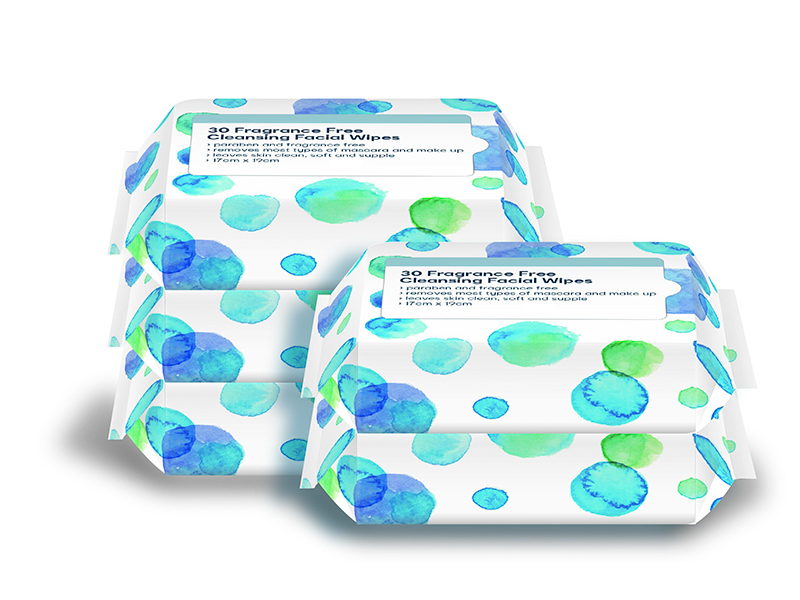
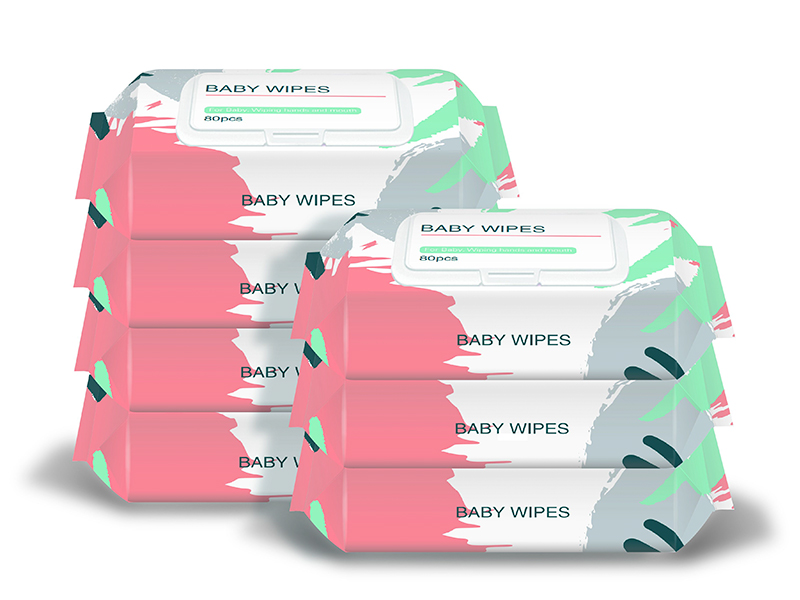
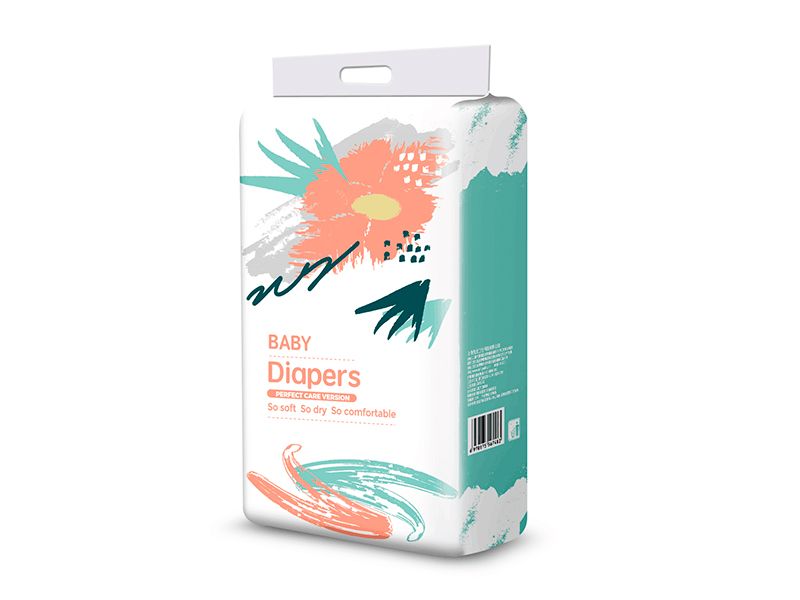
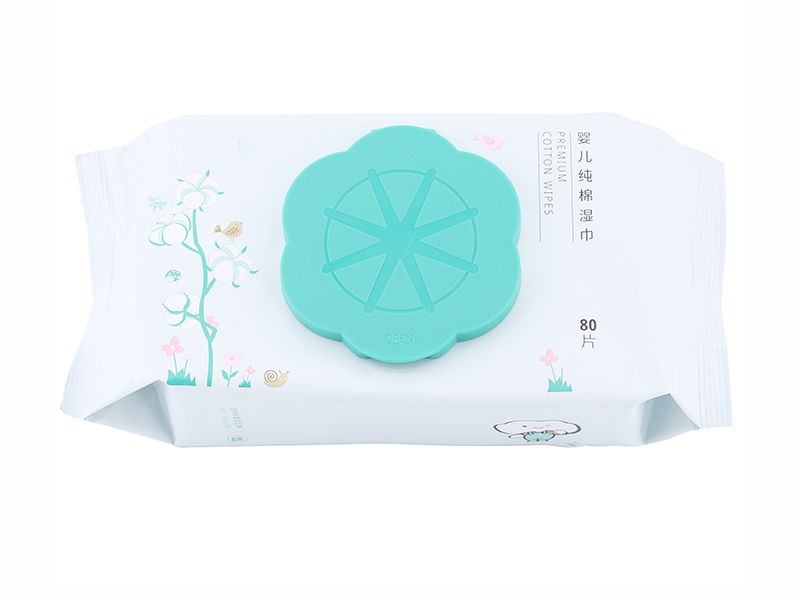
The company’s product portfolio covers spunlace nonwoven fabrics, spunmelt materials, through-air hot-air nonwovens, flushable and degradable nonwovens, wet wipes, dry wipes, baby diapers, pull-up pants, wet toilet paper, cleansing wipes, and related care products.
This broad portfolio creates an important development advantage. A material manufacturer that also understands finished wipes and absorbent hygiene products can better evaluate how a nonwoven behaves during lotion application, folding, cutting, packaging, dispensing, and consumer use.
Research and Development Capability
Product differentiation increasingly depends on material engineering. Customers may require a particular combination of softness, liquid management, wet strength, biodegradability objectives, surface pattern, or cost. A manufacturer with research and development capability can help transform these requirements into a workable fiber blend and process specification.
Development can include laboratory formulation, pilot production, sample evaluation, converting trials, and production-scale validation. This staged approach reduces the risk of selecting a material that performs well in a laboratory but fails during high-speed commercial conversion.
Customization Capability
Customization is available for blending ratio, basis weight, carding method, orientation, pattern, finishing, and construction. This enables OEM and private-label customers to develop products with differentiated technical and commercial profiles.
Customization should be managed through a clear technical brief. The brief should identify the finished product, target weight, dimensions, liquid or lotion system, packaging format, converting speed, strength requirements, appearance preferences, regulatory needs, and expected annual volume.
Integrated Product Knowledge
Experience across nonwoven materials and finished nursing products can improve communication between material engineers and product developers. Instead of treating the fabric as an isolated roll good, the manufacturer can consider the complete product system.
This integrated perspective is valuable for baby wipes, feminine-care products, facial masks, medical products, household wipes, and diaper components, where fabric performance interacts with liquid formulation, packaging, skin contact, absorbent layers, and disposal expectations.
Quality-Control Considerations
For commercial approval, customers should establish measurable specifications for each project. Typical quality-control areas include basis weight, thickness, width, tensile strength, elongation, absorbency, liquid strike-through, surface appearance, pattern regularity, moisture content, roll hardness, winding quality, and packaging integrity.
For wet wipes and absorbent products, wet tensile strength is particularly important. A material may have adequate dry strength but lose integrity when saturated. Testing should therefore reflect the actual lotion, water quality, temperature, and dwell time used in the finished product.
For facial masks and skin-contact products, softness, drape, liquid holding capacity, lint, odor, and skin compatibility should be evaluated. For medical applications, testing and documentation must be aligned with the relevant regulatory and quality systems.
For diaper and composite applications, customers should assess layer compatibility, adhesive bonding, compression recovery, fluid distribution, and behavior under pressure. Testing the nonwoven alone is not sufficient when the fabric will operate as part of a multilayer structure.
Roll-to-roll consistency is also essential. A product may meet the specification at the beginning of a roll but show variation if web formation or finishing is unstable. Production inspections should therefore include sampling across the roll length and width.
How to Select the Correct Configuration
The first step is to define the finished product rather than simply requesting a fabric category. A facial mask, dry wipe, medical gauze, and diaper core may all use spunlace technology, but each has a different performance profile.
The second step is to identify the primary performance priority. If softness and absorbency are most important, rayon, viscose, bamboo, cotton, or Tencel fiber may be considered. If strength and dimensional stability are more important, polyester or a blended construction may be appropriate.
The third step is to select a basis-weight range. Lightweight materials can reduce material consumption and improve flexibility, while heavier materials can provide greater bulk and liquid-holding capacity. The final choice should be confirmed through actual product trials.
The fourth step is to determine directional behavior. Parallel orientation may be appropriate for specific processing or strength needs. Semi-cross orientation may offer a more balanced performance. Tambour transfer can be considered when a low MD/CD ratio is required.
The fifth step is to decide whether a patterned surface is valuable. The 5mm dot pattern can improve appearance and tactile differentiation, while a plain surface may be better for certain medical, composite, or high-speed converting applications.
The sixth step is to evaluate functional finishing. Hydrophilic treatment may be necessary for polyester-based wet applications. Antistatic treatment may be useful where static creates processing or use problems. Coating may be selected for composite or specialty applications.
Finally, customers should complete a sample-to-production validation. The approved sample should be compared with pilot and mass-production rolls to confirm that the product remains consistent under commercial conditions.
Why the Material Is Suitable for OEM and Private-Label Programs
OEM and private-label customers often need more than a standard fabric. They may require a stable supply, a distinctive surface, a controlled formula, packaging compatibility, technical documentation, and the ability to scale from trial quantities to full production.
The customizable structure of the 5mm dot spunlace fabric supports this business model. Customers can define fiber content, weight, pattern, orientation, and finish according to their own product strategy. This makes it possible to develop a material that supports a particular price point, performance claim, or consumer experience.
Long-term supply relationships are easier to manage when the manufacturer has multiple product categories and production locations. The supplier can potentially support not only the nonwoven roll goods but also finished wet wipes, dry wipes, diapers, pull-ups, and other care products.
For private-label product developers, the patterned fabric can also provide a visible point of differentiation. A recognizable dot surface may help communicate softness, premium quality, or specialized design without changing the basic purpose of the finished product.
Sustainability and Material Responsibility
Material sustainability must be evaluated across the entire product life cycle. Fiber selection, production energy, finishing chemistry, product durability, packaging, use pattern, and disposal route all influence environmental performance.
Bamboo, cotton, rayon, and Tencel fiber may be considered when customers are developing products with plant-derived or cellulosic material concepts. Polyester and polypropylene may be selected when strength, process stability, or structural performance is essential. Blending decisions should be made according to the full product requirement rather than marketing language alone.
Flushable, degradable, or biodegradable claims require careful testing and must correspond to applicable standards and local regulations. A fabric’s fiber content alone does not establish that a finished wipe is flushable or biodegradable. The complete product, including lotion, packaging, dimensions, and disposal conditions, must be assessed.
The ability to customize weight can also support material efficiency. If a product can achieve its required performance at a lower basis weight without compromising safety or usability, total material consumption may be reduced. Such decisions should be supported by validated performance testing.
Frequently Asked Questions
What does the 5mm dot pattern mean?
The 5mm dot pattern identifies the surface design of the fabric. It creates a regular dot-style texture and appearance that can support product differentiation. Other patterns may be customized according to the application and production requirements.
What fibers can be used in this fabric?
Available materials include polyester, viscose, rayon, bamboo, Tencel fiber, cotton, low-melt polyester fiber, polypropylene in sandwich structures, and customized blends. The appropriate composition depends on the required softness, strength, absorbency, thickness, processing behavior, and product positioning.
What basis weights are available?
Products from approximately 20 to 100 grams per square meter can be customized. The final basis weight should be selected according to the finished product, desired thickness, absorbency, tensile strength, and cost target.
Is the fabric suitable for wet wipes?
Yes. The material can be developed for wet wipes using rayon, viscose, polyester, bamboo, or blended fibers. Hydrophilic finishing may be added when improved wetting is required. Wet strength, lotion compatibility, lint, folding, and dispensing should be validated in the finished wipe.
Can it be used for dry wipes?
Yes. Representative dry-wipe constructions include rayon, bamboo, and cotton materials. The best choice depends on whether the product prioritizes softness, absorbency, natural-fiber positioning, strength, or cost efficiency.
Can the fabric be used for facial masks?
Yes. A 100 percent rayon, 42-gram, dot-pattern construction is listed for facial-mask use. Customers can adjust the composition, weight, pattern, and finish to match the mask essence, folding format, and desired tactile performance.
What is the purpose of semi-cross orientation?
Semi-cross orientation can help create a more balanced directional strength profile than strongly parallel fiber alignment. It is used in several wipe, mask, antistatic, and mask-cloth constructions. The final result depends on the complete process and should be confirmed through testing.
What is tambour transfer used for?
Tambour transfer is used when a lower machine-direction to cross-direction strength ratio is desired. It can help provide more balanced directional behavior for applications that are sensitive to directional weakness or distortion.
What is a sandwich spunlace structure?
A sandwich structure places a polypropylene layer between fiber layers. It is designed to provide higher cross breaking strength and a thicker fabric profile. A representative formulation contains rayon, polyester, and polypropylene with a dot pattern.
Can the fabric be made hydrophilic?
Yes. Hydrophilic finishing is available and can improve the interaction of the fabric with water-based liquids. This option is especially relevant to polyester-based wet applications and absorbent products.
Can the fabric be made antistatic?
Yes. Antistatic finishing is available for applications where static control is important. A representative example uses 100 percent polyester at 50 grams per square meter with double-carding and semi-cross orientation.
Can the product be customized for private-label products?
Yes. Fiber blend, basis weight, carding method, orientation, pattern, construction, and finishing can be customized. Customers should provide a detailed product brief and complete sample and production validation before approval.
What should customers test before placing a large order?
Customers should test basis weight, thickness, dry and wet tensile strength, elongation, absorbency, pattern uniformity, lint, odor, softness, roll quality, converting behavior, packaging compatibility, and finished-product performance. The exact test list should reflect the intended application.
Can the material be used in medical products?
It can be developed for medical gauze and related medical applications, but the finished product must meet the applicable regulatory, cleanliness, biocompatibility, packaging, and sterilization requirements. A technical review is required before commercial medical use.
Conclusion
5mm Dot Flower Spunlace Nonwoven Fabric is a versatile material platform for hygiene, medical, beauty, household, and technical textile applications. Its key strengths include a distinctive dot surface, soft and comfortable texture, high tenacity, friction resistance, uniform appearance, rich tactile quality, and broad customization options.
The ability to use polyester, rayon, viscose, bamboo, Tencel fiber, cotton, low-melt polyester fiber, polypropylene, and blended formulations gives product developers significant flexibility. Single, double, or triple carding can be selected according to the required structure, while parallel, semi-cross, and tambour-transfer technologies allow directional performance to be managed more precisely.
Hydrophilic finishing, antistatic treatment, coating, customized patterns, and sandwich construction further expand the material’s application range. The result is a fabric that can be adapted for wet wipes, dry wipes, facial masks, medical gauze, diaper cores, composite layers, cotton wipes, mask cloth, and specialty products.
Supported by long-term experience in medical and hygienic nonwoven materials, multiple production bases, advanced international equipment, broad product knowledge, and customization capability, the manufacturer is positioned to support both standard orders and complex OEM or private-label development programs.
For the best commercial outcome, customers should define the finished-product requirements clearly, select the fiber and process combination through technical consultation, conduct laboratory and pilot trials, and validate the approved specification during mass production. When properly matched to its application, this spunlace fabric can provide an effective balance of comfort, strength, appearance, functionality, and manufacturing reliability.
References
1. Product technical specification for 5mm Dot Flower Spunlace Nonwoven Fabric.
2. Representative application and construction schedule for spunlace nonwoven materials.
3. General principles of carding, web formation, and hydroentanglement in spunlace production.
4. Technical information on fiber blending, directional orientation, and nonwoven tensile performance.
5. Manufacturer profile and corporate information concerning medical, hygienic, and industrial textile production.
6. General quality-control practices for nonwoven fabrics used in wipes, masks, gauze, and absorbent hygiene products.