中文简体
 English
 日本語
 русский
 Español
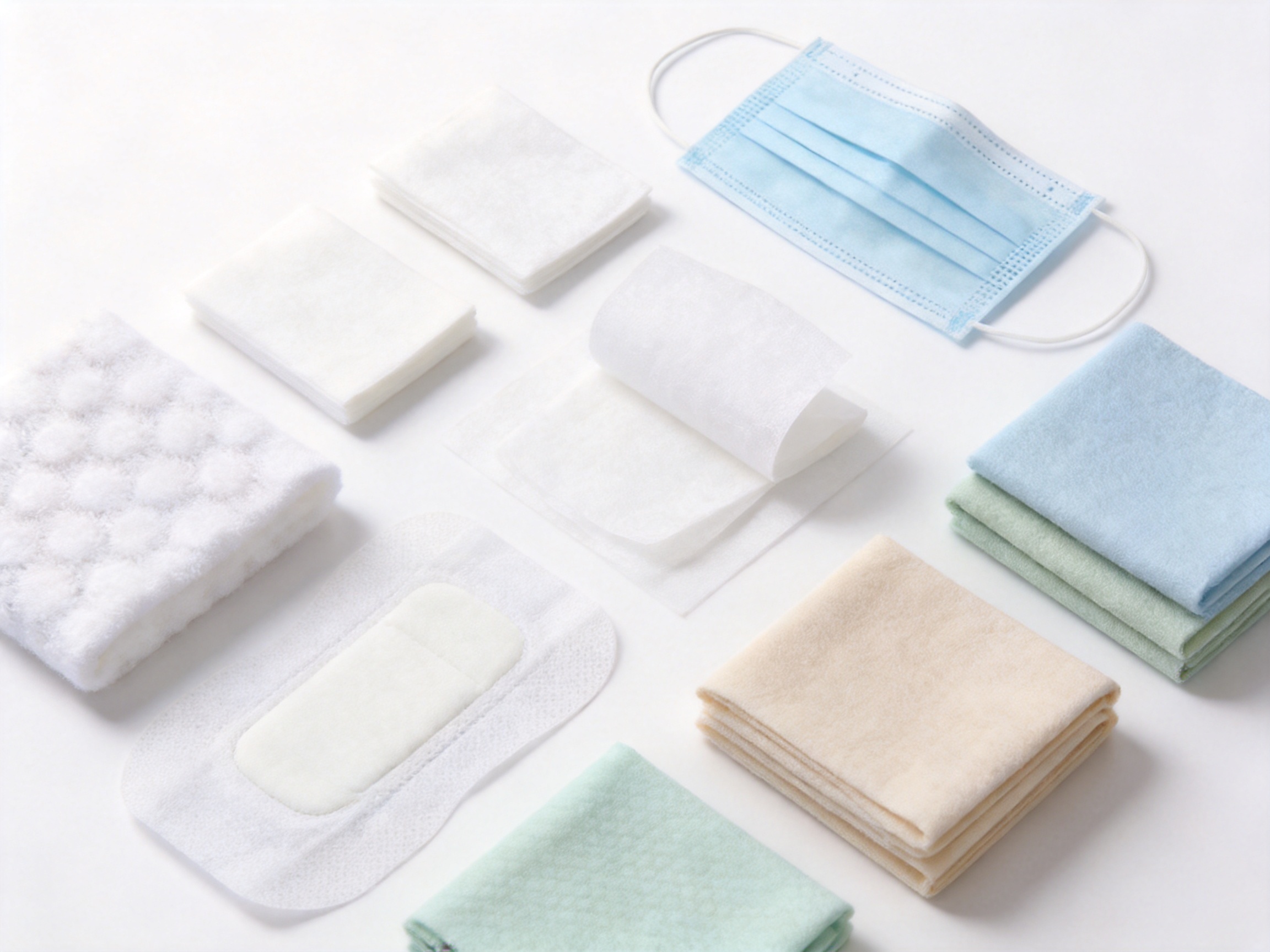
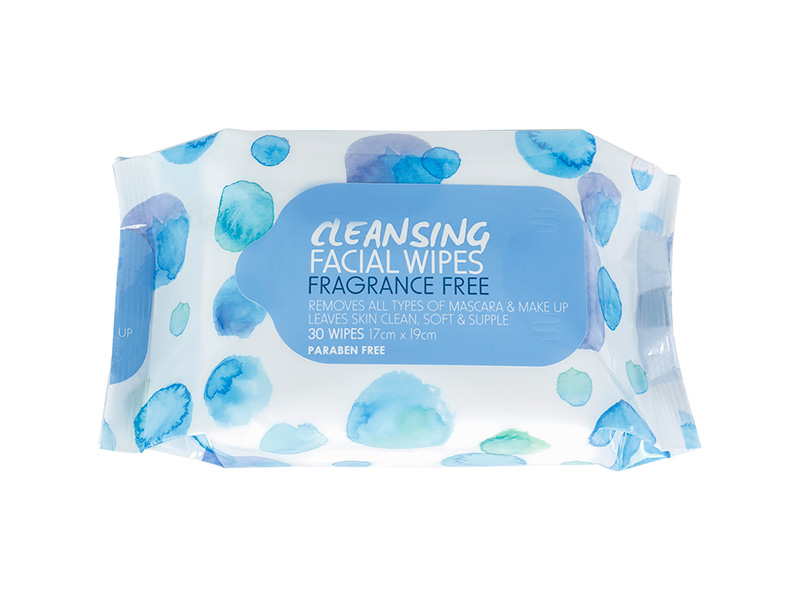
High-quality nonwoven materials are essential to the performance, comfort, safety, and appearance of modern hygiene and medical products. Wet wipes, dry wipes, facial masks, medical gauze, diaper cores, cleaning cloths, composite materials, and protective products all depend on carefully engineered substrates. Among the available options, 5mm dot flower spunlace nonwoven fabric provides a valuable combination of softness, absorbency, strength, texture, process flexibility, and visual appeal.
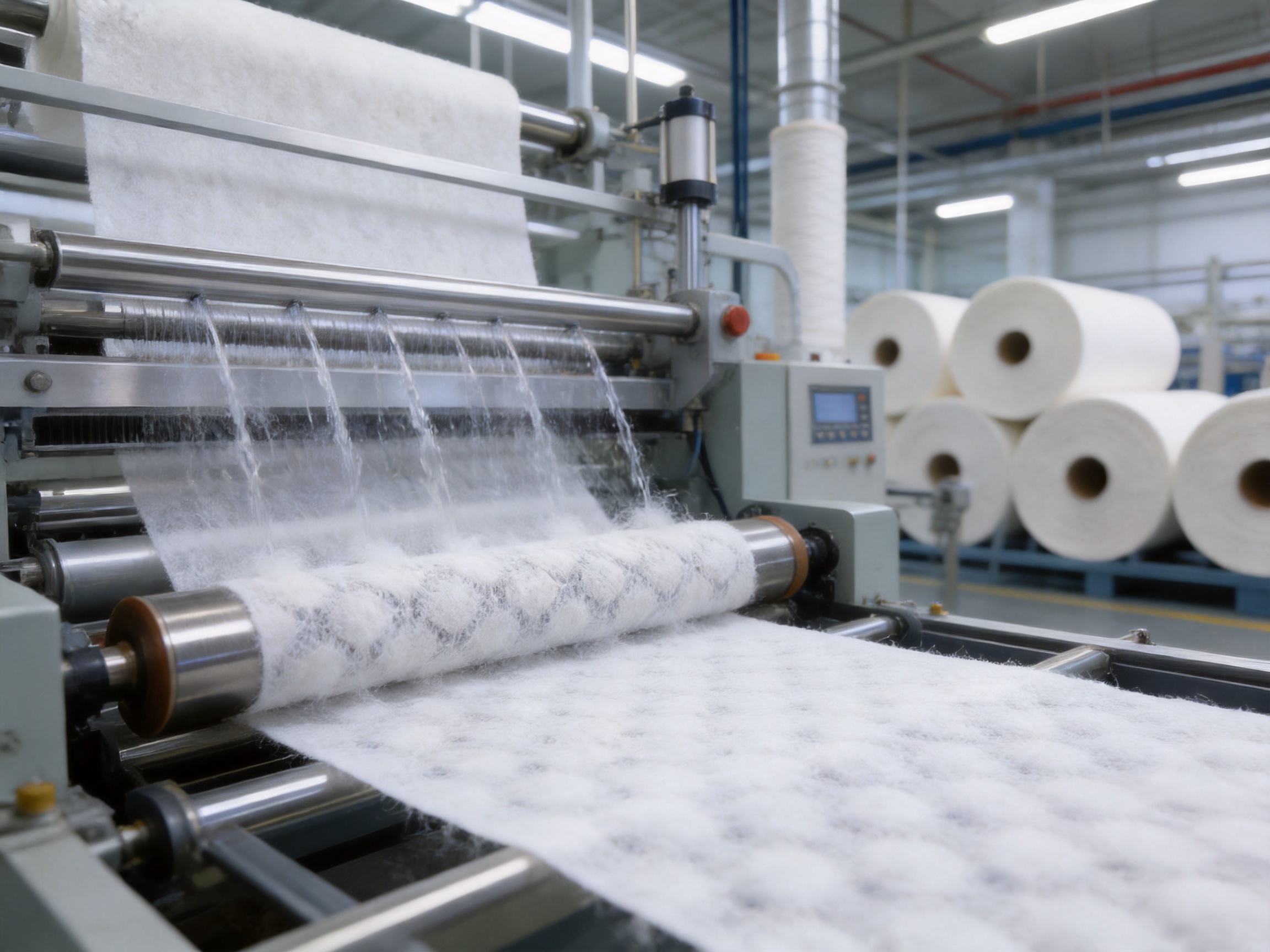
This material is manufactured by entangling fibers through high-pressure water jets rather than relying solely on adhesives, thermal bonding, or mechanical stitching. The resulting fabric has a soft hand feel and a textile-like structure while retaining the productivity and versatility associated with nonwoven technology. Its characteristic 5mm dot pattern can improve surface texture, support liquid distribution, and create an attractive appearance suitable for consumer-facing products.
The product is designed for customers who require more than a basic plain nonwoven sheet. Its fiber composition, weight, carding method, web orientation, pattern, and finishing treatment can be adjusted for different applications. Polyester, viscose, bamboo, Tencel fiber, cotton, low-melt polyester fiber, and other materials may be used individually or in customized blends. This makes the fabric suitable for both standardized high-volume products and specialized private-label programs.
Manufactured by Zhejiang Uniquality Nursing Products Technology Co., Ltd., under the Kingsafe and Uniquality manufacturing system, the product benefits from long-term experience in medical and hygienic nonwoven materials. The company combines research and development, fiber preparation, web formation, hydroentanglement, finishing, inspection, and converting expertise to support customers from material selection through finished-product development.
What Is 5mm Dot Flower Spunlace Nonwoven Fabric?
5mm dot flower spunlace nonwoven fabric is a patterned hydroentangled fabric featuring a repeated dot-style or flower-like surface design with an approximate 5mm pattern interval. It is produced from a web of natural, regenerated, or synthetic fibers. High-pressure water jets penetrate the web and entangle the fibers, creating a stable sheet without requiring a conventional woven or knitted structure.
The term “spunlace” refers to the hydroentanglement process. During production, prepared fibers are opened, blended, carded, and formed into a web. The web is then supported on a forming surface while water jets pass through it. The jet energy causes individual fibers to wrap around and interlock with neighboring fibers. After dewatering and drying, the result is a flexible, soft, and coherent nonwoven material.
The 5mm dot flower pattern is created during the web-forming or hydroentanglement stage, depending on the selected production configuration. A patterned surface can provide a more distinctive appearance than a plain fabric. It can also influence bulk, surface friction, liquid movement, and tactile perception. The final effect depends on fiber type, basis weight, carding configuration, web orientation, pressure settings, drying conditions, and finishing chemistry.
Unlike many paper-based substrates, the fabric can offer improved wet integrity and a more textile-like hand. Compared with some thermally bonded nonwovens, it can provide greater softness and flexibility. Compared with ordinary plain spunlace, the patterned surface can deliver a more premium visual and tactile impression. These characteristics are especially valuable in wipes, facial masks, personal-care products, and other applications in which users directly touch the material.
Core Product Characteristics
Flexible Fiber Selection
The fabric can be produced from polyester, viscose, bamboo fiber, Tencel fiber, cotton, low-melt polyester fiber, or combinations of these materials. Each fiber contributes different performance characteristics. Viscose and rayon-type fibers are valued for absorbency and softness. Bamboo fiber may support a soft, natural-oriented product concept. Cotton offers a familiar natural hand feel. Polyester contributes strength, dimensional stability, and abrasion resistance. Tencel fiber can provide a smooth, soft surface and a premium positioning.
Blending ratios can be customized according to the intended use. A wipe intended for high liquid absorption may require a different composition from a diaper core, a medical gauze substrate, or a mask layer. The ability to adjust the fiber blend helps manufacturers balance strength, softness, absorbency, drying behavior, cost, and processing performance.
Multiple Web-Formation Options
The product can be manufactured using single-carding, double-carding, or triple-carding processes. Carding separates, aligns, and distributes fibers before the web enters the hydroentanglement stage. A single-carding structure may be suitable for lighter or more economical products. Double-carding can provide improved uniformity and greater control over fiber distribution. Triple-carding can help create a more developed structure for demanding applications or products requiring additional bulk and consistency.
The production system can also support parallel, semi-cross, and other web-orientation configurations. Fiber orientation affects the ratio between machine-direction and cross-direction strength. Parallel orientation may support specific strength requirements, while semi-cross structures can create a more balanced property profile. Selecting the appropriate orientation is important when a fabric will be cut, folded, perforated, embossed, or converted at high speed.
Pattern Customization
The standard design is a 5mm dot flower pattern, but the pattern can be customized. Pattern development may be used to achieve a particular appearance, surface feel, bulk profile, or functional effect. Customers can evaluate pattern scale, repeat, openness, and visual density according to the finished-product design.
A patterned surface may also make the material more recognizable in a retail environment. In facial masks and beauty wipes, the surface can contribute to a more refined appearance. In household and personal-care wipes, it can create a textured feel that communicates quality and functionality. The pattern may also help hide minor liquid marks or provide a more distinctive alternative to plain white material.
Broad Basis-Weight Range
Products from approximately 20 grams per square meter to 100 grams per square meter can be customized. Basis weight influences thickness, absorbency, coverage, drape, strength, and cost. Lightweight grades can be considered for thin facial-mask sheets, composite layers, and selected medical or hygiene applications. Medium-weight grades are suitable for many wet wipes, dry wipes, and beauty products. Higher-weight grades can be evaluated where greater bulk, coverage, or liquid-holding capacity is required.
Basis weight should not be considered in isolation. A 40-gram fabric made from highly absorbent fibers may behave differently from a 40-gram polyester-rich fabric. Similarly, a higher basis weight does not automatically guarantee higher performance in every category. The best specification is determined by the relationship between fiber composition, pattern, web structure, finishing, and intended use.
Optional Functional Finishes
Hydrophilic finishing can improve the speed and uniformity with which water-based liquids spread across the material. This is useful for wet wipes, facial masks, cleansing products, and other applications in which rapid liquid uptake or distribution is important. Antistatic finishing can reduce the tendency of synthetic-fiber fabrics to accumulate static electricity during handling and converting. Coating may be selected when a customer requires a specific surface property, barrier behavior, bonding effect, or compatibility with another layer.
Finishing treatments must be selected according to the final application and regulatory requirements. The treatment level, chemical compatibility, residual moisture, odor, skin-contact expectations, and downstream converting conditions should all be considered. Technical sampling and testing are recommended before commercial production.
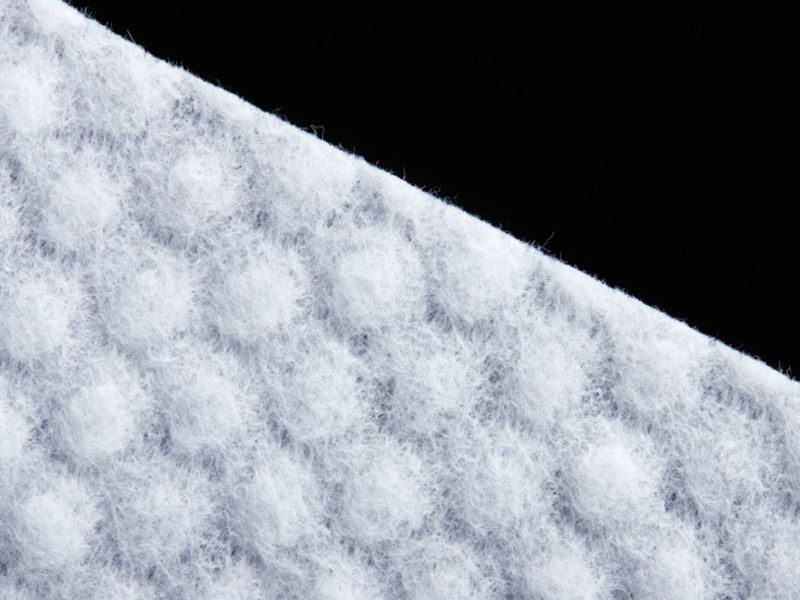
5mm Dot Flower Spunlace Non-woven Fabric
Advantages Compared with Conventional Alternatives
Softness with Useful Wet Integrity
One of the most important advantages of spunlace fabric is its ability to combine a soft, textile-like hand with functional sheet integrity. Many hygiene products need to feel gentle against skin while remaining intact during wet handling. A properly engineered hydroentangled structure can support this balance more effectively than a fragile low-strength substrate.
For wet wipes, fabric integrity affects dispensing, unfolding, wiping, and disposal behavior. For facial masks, softness affects comfort and user acceptance. For medical gauze and cleansing products, the material must remain coherent while being applied. The selected fiber blend and entanglement level can be adjusted to provide the required balance of softness, strength, and flexibility.
More Distinctive Surface Texture
Plain nonwoven materials can perform well, but they may provide limited visual differentiation. The 5mm dot flower pattern adds a recognizable surface structure and can improve the perceived quality of the finished product. A patterned material may also provide a more pleasant tactile experience than a completely flat sheet.
Surface texture can support product positioning in premium wipes, facial-care products, and private-label programs. It allows a converter to differentiate a finished product without changing the entire manufacturing platform. The pattern may be retained as a visible design element or used beneath another layer, depending on the product construction.
Balanced Strength in Multiple Directions
Fabric strength is influenced by fiber type, fiber length, basis weight, carding, hydroentanglement, and orientation. The available semi-cross and other configurations make it possible to develop a more balanced machine-direction and cross-direction performance than a highly one-directional web. This can reduce the risk of tearing during converting, folding, dispensing, or use.
The product range also includes a tambour-transfer option. This process can provide a lower machine-direction-to-cross-direction strength ratio, which may be useful in applications requiring more balanced directional properties. Directional balance is particularly important for wipes and sheet products that are pulled, unfolded, stretched, or rotated during use.
Improved Design Flexibility
A single material platform can be adapted for numerous end uses. Customers may select natural fibers for softness and absorbency, synthetic fibers for strength and stability, or blended compositions for a controlled compromise. They may also vary basis weight, carding level, web direction, pattern, and finishing.
This flexibility can reduce the need to source completely different substrates for every product category. It also makes the fabric suitable for contract manufacturing, private-label development, and product lines with several performance levels. A converter can use related materials across multiple stock-keeping units while adjusting the specification to suit each product.
Compatibility with High-Speed Converting
Uniformity is essential when fabric is processed on high-speed equipment. Variations in basis weight, width, moisture, thickness, or fiber distribution can cause web breaks, misalignment, uneven folding, and inconsistent absorbency. A controlled spunlace process can provide the consistency needed for slitting, rewinding, perforation, folding, lamination, and packaging.
The exact converting performance depends on the chosen grade and the customer’s equipment. Nevertheless, the combination of controlled carding, web formation, hydroentanglement, drying, and inspection creates a strong foundation for reliable processing. Technical teams can evaluate roll width, roll diameter, core size, winding tension, moisture, and surface characteristics during product development.
Manufacturing Technology and Process Strengths
Fiber Preparation and Blending
Manufacturing begins with the selection and preparation of fibers. Raw materials are checked for consistency, cleanliness, fiber length, moisture, color, and other relevant parameters. Fibers are then opened to separate compressed bundles and promote even blending. When a mixed composition is required, the components must be distributed consistently throughout the blend.
Accurate blending is important because the fiber ratio affects the finished fabric’s absorbency, strength, softness, bulk, and drying behavior. For example, a viscose-rich composition may be selected for a soft and absorbent wipe, while a polyester-containing structure may be chosen when higher wet strength and abrasion resistance are required. Low-melt polyester fiber can be incorporated when a stiffer hand or additional structural support is desired.
Carding and Web Formation
Carding converts the prepared fiber mass into a controlled web. During this stage, fibers are opened further, aligned, and distributed. Single-, double-, or triple-carding configurations can be selected according to the target structure. Multiple carding stages can support greater uniformity, improved blending, and more precise control of the web.
Web orientation is also established during this part of the process. The arrangement of fibers affects strength in the machine direction and cross direction. The production team can select parallel, semi-cross, or other structures to match the requirements of the finished product. Careful web handling helps preserve uniformity before hydroentanglement.
Hydroentanglement
In hydroentanglement, fine high-pressure water jets pass through the fiber web. The energy of the jets causes fibers to entangle with one another. The process can be adjusted through water pressure, jet arrangement, line speed, supporting screens, and the number of treatment stages.
Hydroentanglement avoids the need for large quantities of adhesive to hold the primary fabric structure together. This can help preserve softness and flexibility. It also permits the formation of patterned surfaces and textile-like structures. Water is removed after entanglement, and the fabric is dried under controlled conditions to achieve the required moisture level and dimensional stability.
Pattern Formation
The 5mm dot flower appearance is achieved through controlled interaction between the fiber web and the patterned forming or entanglement surface. Pattern formation must be coordinated with the selected basis weight, fiber composition, and web structure. If the pattern is too deep or too open for a particular fiber blend, it may affect uniformity or strength. If it is too subtle, the visual and tactile benefits may be reduced.
Experienced process engineers can adjust the pattern to support the final application. A wipe may require a surface that combines gentle contact with effective pickup. A facial mask may prioritize a smooth, comfortable touch and consistent liquid retention. A medical application may require a different balance of texture, cleanliness, drape, and strength.
Drying and Finishing
After water entanglement, the fabric is dried to remove residual moisture and stabilize the structure. Drying conditions must be controlled to avoid excessive shrinkage, stiffness, curling, or uneven moisture distribution. The final fabric may then receive hydrophilic, antistatic, coating, or other finishing treatment as specified.
Finishing is not simply an additional step; it is part of the product design. Hydrophilic treatment can support liquid distribution. Antistatic treatment can improve handling of synthetic-rich grades. Coating can alter surface behavior or support composite construction. Each treatment should be validated for compatibility with the end use, packaging materials, and downstream processes.
Inspection and Quality Control
Quality control may include inspection of raw materials, monitoring of process conditions, measurement of basis weight, evaluation of thickness, testing of tensile strength, assessment of elongation, checking of absorbency, and visual examination of pattern uniformity. Depending on the application, customers may also request testing for lint, pH, odor, microbial condition, extractables, or skin-contact suitability.
Roll inspection is particularly important for large-scale converting. The fabric should be reviewed for holes, streaks, hard spots, excessive variation, edge damage, pattern discontinuity, and winding defects. Consistent roll quality helps converters maintain stable production and reduce material waste.
Special “Sandwich” Construction
A special sandwich structure can be produced using a combination such as fibers, polypropylene, and fibers. In this construction, the central layer contributes structural support while the outer fiber layers provide softness and a more textile-like surface. The arrangement can produce higher cross-breaking strength and a thicker fabric compared with a single-layer configuration of similar basis weight.
Sandwich materials may be considered for products that need additional bulk, improved handling strength, or a defined multilayer structure. Potential uses include selected composite materials, wipes requiring extra body, protective layers, and specialized hygiene components. The exact formulation can be adapted by changing the outer-fiber composition, central-layer characteristics, total basis weight, and surface pattern.
The sandwich design should be evaluated according to the final product’s requirements. A thicker material may improve coverage and handling but may also affect folding volume, package count, and liquid release. Technical development should therefore consider the complete product system rather than fabric properties alone.
Application Guide
Wet Wipes
Wet wipes require softness, liquid uptake, wet strength, clean cutting, and reliable dispensing. The fabric can be made with rayon or viscose-rich compositions for absorbency and a gentle hand. A 60-gram double-carded, semi-cross, dot-pattern construction is one example of a specification suitable for conventional wet wipes.
For premium wipes, customers may choose the 5mm dot flower pattern to create a more distinctive texture. Hydrophilic finishing can help the fabric accept and distribute lotions or water-based formulations. The final wipe design should also consider lotion viscosity, preservative system, folding method, package format, and disposal instructions.
Dry Wipes
Dry wipes are used for personal care, baby care, household cleaning, and industrial maintenance. The material may be produced from rayon, bamboo, cotton, polyester, or blends. A 40-gram bamboo grade can provide a soft, natural-oriented option, while a 60-gram cotton or rayon grade may offer greater body and absorbency.
Dry-wipe performance depends on the balance between pickup, softness, lint control, tear resistance, and surface texture. A patterned structure can help provide a more effective contact surface for certain cleaning tasks. The appropriate specification should be selected through practical testing with the intended liquid, surface, and wiping motion.
Facial Masks
Facial-mask sheets must be comfortable, flexible, absorbent, and capable of holding cosmetic essence against the skin. A 42-gram double-carded, semi-cross, dot-pattern fabric made from rayon is an example of a suitable development direction. The pattern can contribute to appearance and tactile differentiation while the absorbent fiber structure supports liquid retention.
For mask manufacturing, dimensional stability and cutting accuracy are also important. The sheet should conform to facial contours without excessive tearing. It should release essence gradually during the recommended wearing period and remain comfortable around the eyes, nose, and mouth. Customers can evaluate basis weight, fiber blend, pattern depth, and finishing treatment together.
Medical Gauze
Medical gauze applications require careful control of cleanliness, absorbency, strength, lint, and regulatory suitability. A 70 percent rayon and 30 percent polyester composition at approximately 30 grams per square meter, produced through single-carding and parallel web formation, may be considered for a mesh-style structure.
Medical applications require product-specific validation. The final material may need to meet requirements relating to biocompatibility, sterilization, packaging, microbial limits, extractables, and clinical use. The fabric manufacturer and medical-product customer should define the applicable standards before commercial production.
Diaper Cores
Diaper-core materials need to manage liquid distribution while remaining lightweight and compatible with the absorbent construction. A composition containing approximately 30 percent rayon and 70 percent polyester at around 31 grams per square meter may be developed for a plain, parallel, single-carded structure.
The most suitable diaper-core fabric depends on the absorbent core design, acquisition layer, airlaid material, superabsorbent polymer, topsheet, backsheet, and bonding method. Spunlace may be used as part of a multilayer system rather than as a complete absorbent core by itself. The fabric’s thickness, wet strength, liquid permeability, and bonding compatibility should be tested within the full diaper assembly.
Composite Materials
Composite applications may use spunlace fabric as a support, cover, reinforcement, or functional layer. A 100 percent polyester, approximately 35-gram, single-carded, parallel, plain structure can be considered where synthetic strength and dimensional stability are priorities.
The fabric may be laminated, coated, bonded, or combined with films, foams, tissue, absorbent materials, or other nonwovens. Successful composite production depends on surface energy, adhesive compatibility, thermal sensitivity, tension control, and the required final peel or burst strength.
Mask Cloth
A 100 percent polyester, approximately 45-gram, double-carded, semi-cross, plain structure may be used as a development option for mask cloth or other protective textile components. Polyester can contribute to strength, shape retention, and processing stability.
The final mask construction must be evaluated as a complete system, including filtration layers, inner and outer layers, nose-wire assembly, ear-loop attachment, breathability, pressure drop, fluid resistance, and applicable regulatory standards. The spunlace layer may serve a specific comfort, support, or protective function within that system.
Stiffer-Feel Products
Some products require more body or a stiffer hand than conventional soft wipes. A composition such as 50 percent rayon, 45 percent polyester, and 5 percent low-melt polyester fiber can be considered for this purpose. A 30-gram single-carded, parallel, plain material may provide a firmer feel while retaining a blended-fiber structure.
Low-melt fibers can support bonding or structural development when processed under suitable conditions. The exact thermal treatment must be controlled carefully because excessive heat may reduce softness, cause shrinkage, or alter surface appearance. This type of construction can be useful in selected supports, composite layers, packaging-related components, or specialized hygiene products.
Antistatic Applications
A 100 percent polyester, approximately 50-gram, double-carded, semi-cross, plain fabric with antistatic finishing may be considered for applications in which static control is important. Synthetic fibers can generate static during unwinding, cutting, folding, or contact with other surfaces. Antistatic treatment can improve handling and reduce attraction of dust under appropriate conditions.
Antistatic performance depends on environmental humidity, treatment durability, surface contamination, friction, and the type of equipment used. Customers should define the required resistance range, decay behavior, and test method before approving the specification.
Hydrophilic Materials
A 100 percent polyester, approximately 40-gram, double-carded, parallel, plain fabric with hydrophilic finishing may be used where synthetic strength is desired alongside improved wetting behavior. Untreated polyester is naturally less absorbent than rayon or cotton, so hydrophilic treatment can help water-based liquids spread over the surface.
This type of product may be suitable for selected wipes, fluid-distribution layers, filtration-related components, or composite constructions. The treatment should be assessed for durability, wash-off, skin contact, liquid compatibility, and downstream bonding.
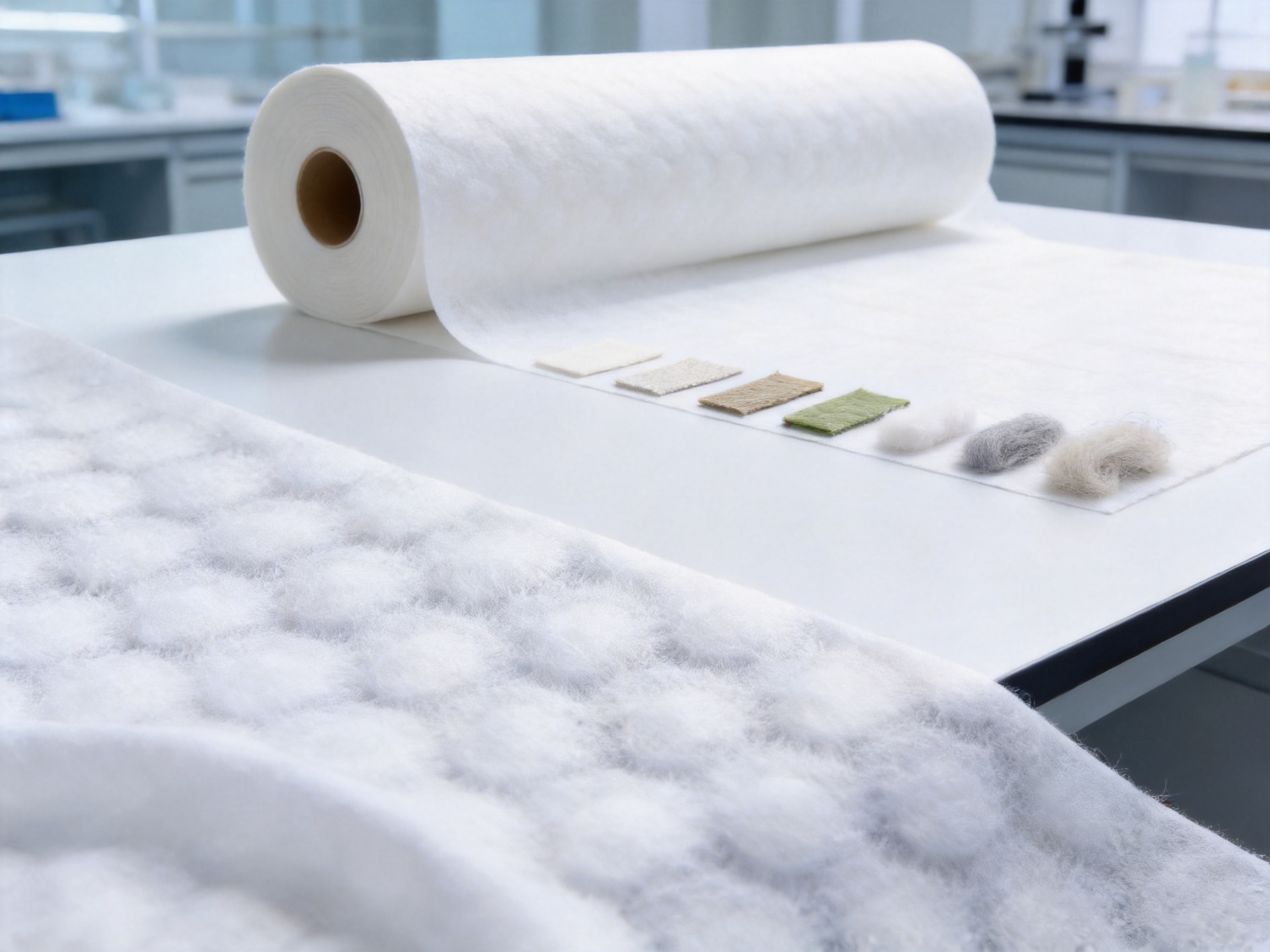
Example Product Specifications
| Application or Function | Fiber Composition | Basis Weight | Carding and Web Structure | Pattern or Finish |
|---|---|---|---|---|
| Conventional wet wipes | 100% rayon | 60 g/m² | Double-carding, semi-cross | Dot pattern |
| Wet wipes | 100% rayon | 60 g/m² | Double-carding, parallel | Plain |
| Dry wipes | 100% rayon | 60 g/m² | Double-carding, semi-cross | Dot pattern |
| Dry wipes | 100% bamboo | 40 g/m² | Double-carding, semi-cross | Plain |
| Dry wipes | 100% cotton | 60 g/m² | Double-carding, semi-cross | Plain |
| Facial masks | 100% rayon | 42 g/m² | Double-carding, semi-cross | Dot pattern |
| Medical gauze | 70% rayon, 30% polyester | 30 g/m² | Single-carding, parallel | Mesh |
| Diaper core component | 30% rayon, 70% polyester | 31 g/m² | Single-carding, parallel | Plain |
| Composite material | 100% polyester | 35 g/m² | Single-carding, parallel | Plain |
| Mask cloth | 100% polyester | 45 g/m² | Double-carding, semi-cross | Plain |
| Stiffer-feel material | 50% rayon, 45% polyester, 5% low-melt polyester | 30 g/m² | Single-carding, parallel | Plain |
| Antistatic material | 100% polyester | 50 g/m² | Double-carding, semi-cross | Plain with antistatic finish |
| Hydrophilic material | 100% polyester | 40 g/m² | Double-carding, parallel | Plain with hydrophilic finish |
| Sandwich construction | 50% rayon, 32% polyester, 18% polypropylene | 45 g/m² | Double-carding, parallel | Dot pattern |
How to Select the Correct Grade
Product selection should begin with the finished application rather than with a single fabric characteristic. The customer should define whether the material must prioritize softness, absorbency, wet strength, dry strength, bulk, low lint, liquid release, static control, or visual appearance. These requirements can then be translated into a fiber blend and manufacturing structure.
Consider the Intended Contact Surface
Materials intended for facial, baby, intimate, or medical contact often require a soft and smooth hand. Cotton, rayon, bamboo, and Tencel fiber may be considered where softness and absorbency are priorities. Polyester can still be used, particularly in blends, when additional strength and dimensional stability are necessary.
Match Absorbency to the Formula
A fabric for a watery lotion may require different properties from one used with a viscous cleansing formula. Highly absorbent fibers can hold liquid effectively, but excessive retention may reduce release during wiping. A synthetic-rich fabric may release liquid more readily but may need hydrophilic treatment. The fabric must therefore be tested with the actual formulation rather than with water alone.
Evaluate Strength in Both Directions
Customers should identify how the material will be pulled, folded, stretched, and converted. If directional imbalance creates a risk of tearing, a semi-cross or tambour-transfer structure may be more appropriate. If the product requires strong machine-direction handling during unwinding, a parallel structure may be selected and then tested on the production line.
Choose Basis Weight Carefully
Higher basis weight can improve coverage, thickness, and liquid-holding capacity, but it may also increase material cost, package volume, and drying time. Lightweight fabric can reduce cost and packaging space but may provide less body or wet strength. The correct weight should be based on the finished product’s performance and consumer expectations.
Review Pattern Requirements
The 5mm dot flower pattern is suitable when a textured and recognizable surface is desired. A plain structure may be preferable for products requiring a smooth surface, minimal visual variation, or a specific lamination interface. Pattern selection should account for both appearance and actual contact performance.
Research, Production Capacity, and Company Strengths
Zhejiang Uniquality Nursing Products Technology Co., Ltd. is part of an established manufacturing organization focused on medical and hygienic nonwoven materials, nursing products, and clothing interlining. The company has developed experience in research and development, production, and sales since its founding in 1987.
The organization operates from Changxing, Huzhou, Zhejiang, within the Yangtze River Delta manufacturing region. It has also established production bases in several locations in China, including Foshan, Nantong, and Wuhan. This broader manufacturing presence can support production coordination, capacity planning, supply continuity, and access to regional industrial resources.
The company has invested in production equipment and technology originating from major European textile-equipment markets, including Germany, France, and Italy. Internationally developed equipment can support accurate web formation, hydroentanglement, drying, finishing, and roll handling when properly maintained and operated by trained personnel.
Its product portfolio covers spunlace nonwoven fabrics, spunmelt nonwovens, hot-air-through nonwovens, flushable and degradable nonwovens, wet wipes, dry wipes, baby diapers, training pants, wet toilet paper, cleansing wipes, and related nursing products. This range gives the company a broader understanding of how raw materials behave in finished consumer and medical products.
A manufacturer with both material and finished-product experience can offer practical support during development. For example, the team may help a customer determine whether a problem is caused by the fabric, lotion, folding method, package, sealing process, or converting equipment. This integrated viewpoint can shorten the path from laboratory sample to stable mass production.
The company emphasizes differentiation, functionalization, and customization. This approach is important because customers increasingly require products that are not only economical but also distinctive, comfortable, application-specific, and suitable for private-label markets. Customization may include fiber ratio, basis weight, web direction, pattern, finish, roll dimensions, and packaging requirements.
The company also serves a broad range of fields, including medical care, maternal and baby care, beauty, household cleaning, industrial cleaning, and clothing. This cross-sector experience can help transfer material knowledge between applications while maintaining attention to each product category’s specific requirements.
Private-Label and OEM/ODM Development
Private-label customers often need a material that can support a unique product identity without requiring a completely new manufacturing process. The 5mm dot flower fabric provides a practical basis for customized wipes, facial products, nursing products, and selected hygiene components. The customer can specify the desired fiber composition, weight, pattern, finish, roll format, and final application.
OEM and ODM cooperation should begin with a technical brief. The brief should state the intended application, target basis weight, fiber preference, dimensions, required softness, absorbency expectations, strength targets, pattern requirements, finishing needs, regulatory market, and anticipated annual volume. If the fabric will be converted into a wet wipe, the lotion formulation and package type should also be provided.
Sample approval should include both laboratory evaluation and production-line trials. Laboratory tests can measure basis weight, thickness, tensile strength, elongation, absorbency, liquid retention, and other properties. Production trials reveal practical issues such as roll unwinding, edge stability, folding, perforation, sealing, cutting, and package filling.
Once a specification is approved, quality requirements should be documented in a product specification sheet. This document may include acceptable ranges rather than single nominal values. It should identify the test methods, inspection frequency, sampling plan, roll identification, packaging method, storage conditions, and procedures for handling nonconforming material.
Storage, Handling, and Converting Recommendations
Spunlace fabric should be stored in a clean, dry, and well-ventilated environment. Rolls should remain protected in their original packaging until they are ready for use. Excessive humidity can affect moisture content, web stability, and converting behavior, while excessive heat may alter certain finishes or packaging materials.
Rolls should be handled carefully to prevent crushed edges, telescoping, contamination, and surface damage. Before production, the material should be conditioned to the converting room when necessary. The customer should verify roll direction, width, core size, winding tension, and outer-wrap condition before loading the roll onto equipment.
When the fabric is converted into wet wipes or facial masks, tension should be adjusted gradually. Excessive tension can stretch or distort the pattern and may lead to uneven sheet dimensions. Insufficient tension can cause wrinkles, web wandering, or poor folding. Cutting tools should be maintained to avoid dragging, fuzzing, or edge deformation.
For laminated or coated products, compatibility testing should be performed with the adhesive, coating, film, or additional nonwoven layer. The surface finish, pattern depth, and fiber composition can influence bonding strength. The customer should assess peel strength, delamination resistance, flexibility, aging, and performance after exposure to the intended liquid or environment.
Quality and Compliance Considerations
Quality requirements vary according to market and end use. General hygiene products may require control of physical properties, cleanliness, odor, and microbiological condition. Medical products may require more extensive validation, including biocompatibility, sterilization compatibility, packaging integrity, and traceability. Cosmetic products may require assessment of skin-contact safety and interaction with the formulation.
Customers should identify the regulations and standards applicable to the destination market before confirming a commercial specification. The fabric may be only one component of a finished product, and compliance must be evaluated for the final article. Claims such as biodegradable, flushable, compostable, hypoallergenic, or medical-grade should be supported by appropriate testing and documentation.
Traceability is also important. A reliable supply system should connect finished rolls with raw-material batches, production dates, process records, inspection results, and packaging information. This enables faster investigation if a quality concern arises and supports consistent replenishment for private-label products.
Environmental and Material-Efficiency Considerations
Material selection has an environmental dimension as well as a performance dimension. Natural and regenerated fibers may support a different sustainability profile from synthetic fibers, but the actual impact depends on sourcing, processing, durability, product lifetime, disposal route, and finished-product design. Customers should evaluate the entire life cycle rather than relying on a single fiber label.
Basis-weight optimization is one practical way to improve material efficiency. If a product can meet its performance target with a lighter fabric, material consumption and package volume may be reduced. However, reducing weight too far can increase waste through tearing, failed converting, or poor consumer performance. The best result comes from optimizing the complete system.
Flushable or degradable product concepts require specialized design and testing. A fabric suitable for a standard wipe should not automatically be described as flushable or biodegradable. Fiber selection, pattern, bonding, lotion, package, sewer conditions, and disposal behavior must all be assessed before making such claims.
Recommended Development Process
The first step is application definition. The customer should describe the finished product, target users, contact conditions, liquid or lotion, package format, production speed, and required claims. Clear application information allows the manufacturer to recommend a realistic starting specification.
The second step is material screening. Several fiber compositions and basis weights can be compared. For example, a rayon-rich grade may be evaluated against a rayon-polyester blend, while a cotton or bamboo option may be assessed for a natural-oriented product line. Patterned and plain versions can also be compared.
The third step is performance testing. Testing should include both standard laboratory measurements and practical use trials. Important observations may include softness, liquid pickup, liquid release, wet strength, dry strength, lint, odor, foldability, surface appearance, and user comfort.
The fourth step is converting validation. The selected fabric should be tested on the customer’s actual equipment. This stage confirms whether the material can run at the required speed and whether the approved laboratory characteristics translate into stable production.
The fifth step is specification finalization. Once the grade is approved, the parties should agree on a technical data sheet, quality limits, packaging details, delivery requirements, and change-control procedures. Any future change in fiber source, finish, pattern, process, or packaging should be evaluated before implementation.
Frequently Asked Questions
What does the 5mm designation mean?
The 5mm designation generally refers to the approximate repeat or spacing of the dot-style pattern on the fabric surface. The exact visual appearance may vary according to the forming surface, basis weight, fiber composition, and production settings.
Is the fabric suitable for both wet and dry wipes?
Yes. The material can be customized for wet or dry wipes by changing the fiber blend, basis weight, web structure, pattern, and finish. Absorbent fibers are often selected for soft and liquid-holding products, while synthetic fibers or blends may be used where greater strength and dimensional stability are required.
Can the fiber composition be customized?
Yes. Polyester, viscose, bamboo, Tencel fiber, cotton, low-melt polyester fiber, and other materials can be considered. Blending ratios can be adjusted according to the required performance, appearance, cost, and processing conditions.
What basis weights are available?
The general customization range is approximately 20 to 100 grams per square meter. The practical range for a particular application depends on the selected fiber, pattern, web structure, required thickness, strength, absorbency, and converting process.
Can the pattern be changed?
Yes. The standard product uses a 5mm dot flower pattern, but alternative patterns can be evaluated. Pattern changes should be reviewed for visual quality, surface feel, strength, absorbency, and compatibility with downstream converting.
What is the benefit of semi-cross web formation?
Semi-cross web formation can help create a more balanced strength profile between the machine direction and cross direction. This may be beneficial when the material is pulled, folded, perforated, or handled in multiple directions.
What is the advantage of the sandwich construction?
The sandwich structure combines outer fiber layers with a central polypropylene layer. It can provide higher cross-breaking strength and a thicker fabric compared with some single-layer constructions. The exact result depends on the formulation, basis weight, and processing conditions.
Can the fabric receive hydrophilic treatment?
Yes. Hydrophilic finishing can be applied when improved wetting and liquid distribution are required, particularly for synthetic-rich materials. The treatment should be tested with the actual liquid formulation and final application.
Can antistatic fabric be supplied?
Yes. Antistatic finishing is available for suitable product constructions, including polyester-rich grades. Performance depends on humidity, friction, treatment durability, and the test method used.
Is the fabric suitable for medical products?
It can be considered for medical gauze and other medical-related components, subject to application-specific testing and regulatory validation. Medical suitability cannot be established by fabric composition alone; cleanliness, biocompatibility, sterilization, packaging, and applicable standards must also be addressed.
Can the material be used for facial masks?
Yes. Rayon-rich, soft, absorbent grades with suitable basis weight and web structure can be developed for facial-mask sheets. The finished mask should be evaluated for fit, liquid retention, comfort, cutting accuracy, and skin-contact requirements.
What information is needed for a quotation or sample?
Useful information includes the intended application, preferred fiber composition, target basis weight, fabric width, pattern, finish, estimated order quantity, roll requirements, destination market, and any relevant regulatory or testing requirements. Details about the customer’s converting equipment can also improve the recommendation.
Conclusion
5mm dot flower spunlace nonwoven fabric is a versatile material for manufacturers seeking softness, functional performance, visual differentiation, and customization. Its hydroentangled structure can support a useful balance of comfort, absorbency, strength, flexibility, and wet integrity. The patterned surface provides an alternative to ordinary plain nonwoven materials and can help finished products achieve a more distinctive appearance and tactile experience.
The product’s flexibility is one of its strongest advantages. Customers can choose among polyester, viscose, bamboo, Tencel fiber, cotton, low-melt polyester, and blended compositions. They can also adjust basis weight, carding method, web orientation, pattern, and functional finishing. This makes the material suitable for wet wipes, dry wipes, facial masks, medical gauze, diaper components, composite structures, mask cloth, antistatic products, hydrophilic products, and specialized applications.
The manufacturing system behind the product combines long-term nonwoven experience, international production technology, multiple carding options, hydroentanglement expertise, functional finishing, and application-oriented development. Zhejiang Uniquality Nursing Products Technology Co., Ltd. can support customers seeking standard materials as well as OEM and ODM solutions tailored to specific product requirements.
For the best result, fabric selection should be based on the complete finished-product system. Fiber, basis weight, pattern, web direction, finish, lotion, package, converting equipment, regulatory market, and disposal route should all be considered together. With structured sampling, laboratory testing, production trials, and specification control, the 5mm dot flower spunlace platform can provide a reliable foundation for differentiated hygiene, medical, beauty, and cleaning products.
References
1. International Nonwovens Association. Technical principles and applications of spunlace and hydroentangled nonwoven materials.
2. Association of the Nonwoven Fabrics Industry. Nonwoven fabric manufacturing methods, fiber selection, and performance evaluation.
3. Standard methods for testing textile and nonwoven fabric basis weight, thickness, tensile strength, elongation, absorbency, and dimensional stability.
4. Technical literature on rayon, polyester, cotton, bamboo fiber, Tencel fiber, polypropylene, and blended nonwoven structures.
5. Product development principles for wet wipes, dry wipes, facial masks, medical gauze, diaper components, and composite hygiene materials.
6. General quality-management practices for roll goods inspection, traceability, converting trials, and private-label product development.