中文简体
中文简体 English
 日本語
日本語 русский
 Español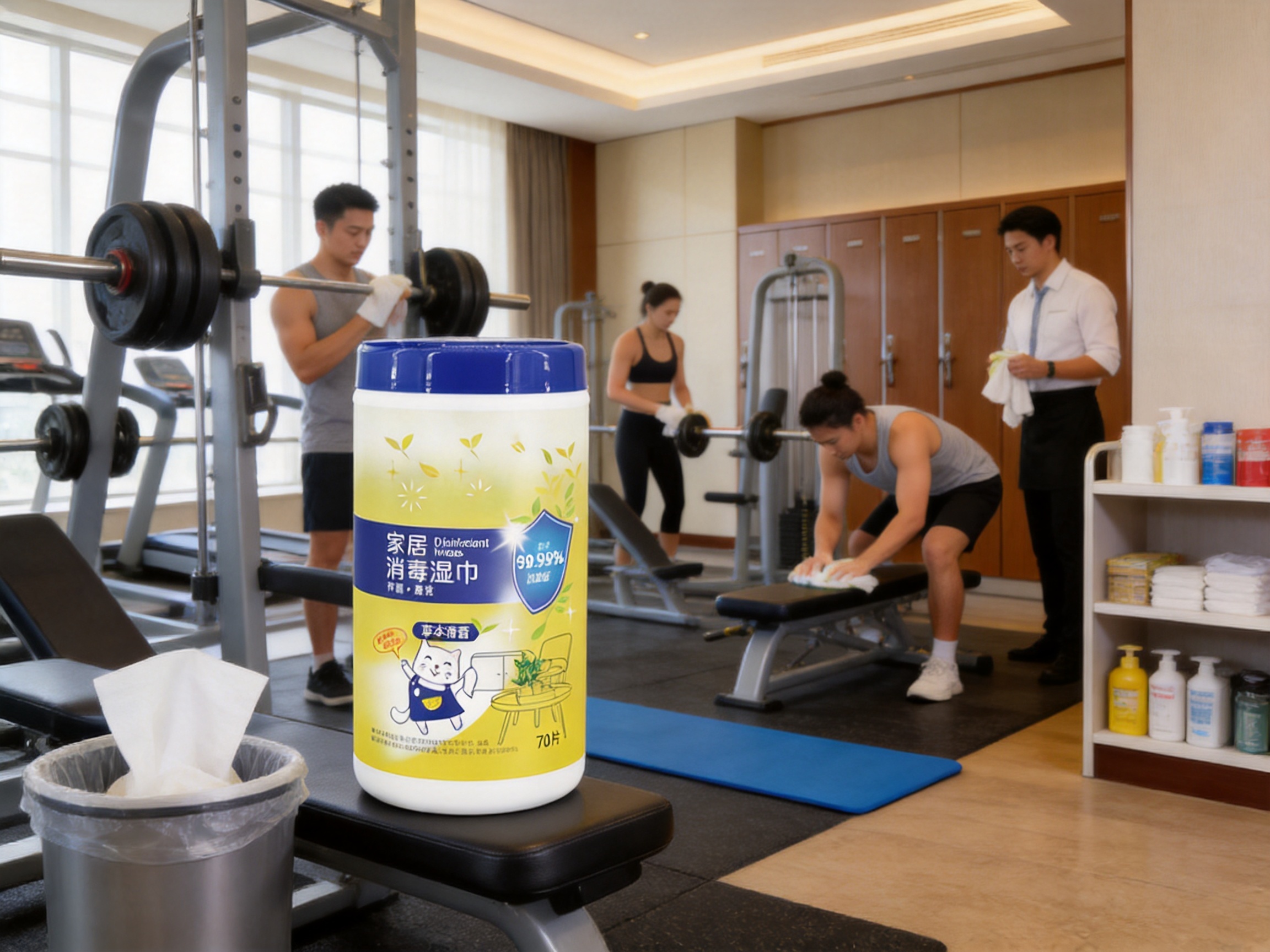
Introduction
Gyms, fitness centers, sports clubs, hotels, schools, rehabilitation facilities, and corporate wellness spaces all face the same hygiene challenge: equipment and frequently touched surfaces must be cleaned quickly, consistently, and conveniently throughout the day. Treadmills, exercise bikes, weight machines, benches, mats, locker handles, reception counters, and shared accessories can all come into contact with sweat, skin oils, dust, and microorganisms. A practical cleaning system must therefore combine effective surface hygiene with fast dispensing, reliable moisture retention, convenient storage, and efficient commercial supply.
Gym disinfectant wipes in canisters are designed to address these requirements. They are pre-moistened wipes packed in a rigid container with a resealable lid and dispensing opening. This structure allows staff members and gym users to remove one wipe at a time without opening individual sachets or handling a large liquid bottle. The result is a convenient, controlled, and highly visible cleaning solution suitable for frequent use in demanding environments.
The product described in this article is a customizable canister wipe solution manufactured by Zhejiang Uniquality Nursing Products Technology Co., Ltd., under the Kingsafe and Uniquality business structure. The company combines nonwoven fabric manufacturing, formulation development, converting, packaging, quality testing, and private label production. This integrated approach allows buyers to source gym wipes, antibacterial wipes, disinfecting wipes, alcohol wipes, industrial cleaning wipes, and related products from one experienced manufacturing partner.
Unlike basic household wet wipes, commercial gym wipes can be configured according to the intended application. Buyers may select the nonwoven substrate, sheet size, weight, number of sheets per canister, active formula, fragrance, canister dimensions, label design, and outer carton configuration. This flexibility is particularly valuable for distributors, fitness equipment suppliers, private label owners, institutional buyers, and international importers.
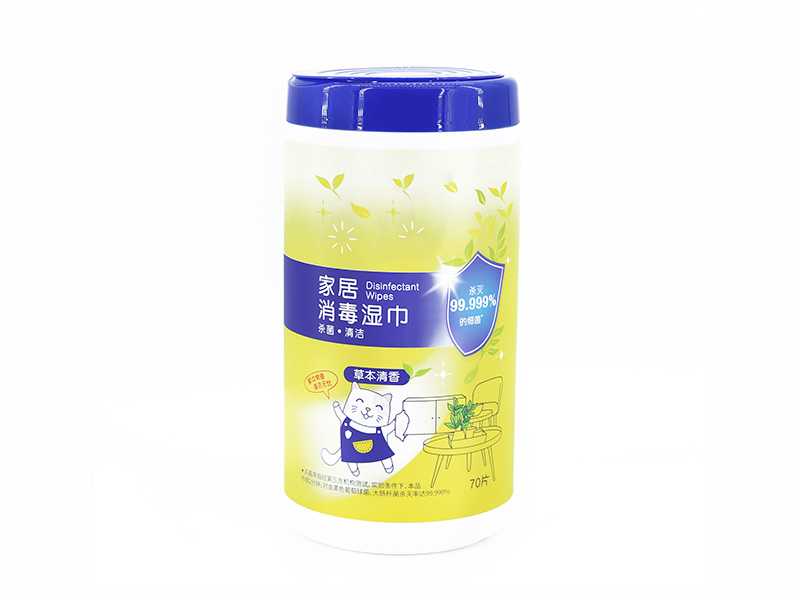
Gym disinfectant wipes
Why Gym Surfaces Require a Dedicated Wipe Solution
Fitness equipment is used repeatedly by many people during the same day. A person may touch a machine handle, adjust a seat, use a control panel, lean against a bench, or place personal belongings on a shared surface. The next user may come into contact with the same areas only minutes later. Sweat and skin residue can make surfaces feel unpleasant, while dust and organic contamination can reduce the perceived cleanliness of the facility.
Although a spray bottle and reusable cloth may appear economical, this method can introduce several practical problems. Staff must carry both the liquid and cloth, measure or spray the correct amount, manage used cloths, and repeatedly return to a supply area. Excess liquid can also reach electronic controls, screens, seams, or upholstery. A pre-moistened wipe provides a more controlled amount of solution and can be used immediately at the point of need.
Individual sachets offer portability, but they generate more packaging waste and require additional effort to open. They are often less practical for high-frequency cleaning because each user must tear open a packet. A canister creates a central, easy-to-recognize cleaning station. When placed near equipment or in a wall-mounted holder, it encourages regular cleaning behavior and minimizes interruptions to gym operations.
Gym disinfectant wipes must also balance cleaning performance with material compatibility. Fitness equipment may include stainless steel, painted metal, molded plastic, rubber, vinyl, glass, coated surfaces, and electronic interfaces. A suitable formulation and usage instruction should be selected according to the surface manufacturer’s recommendations. The wipe should remove common residue without leaving excessive liquid, sticky deposits, or an overpowering odor.
The product’s broad application potential makes it suitable for fitness equipment, general hard surfaces, reception areas, lockers, door handles, shared accessories, and other nonporous areas where routine cleaning is required. Buyers should always validate the final formula against the applicable regulations and the intended surface claims in each destination market.
How the Disinfecting Formula Works
The supplied product information identifies benzalkonium chloramine as the bactericidal component of the disinfectant wipe formula. It is described as a broad-spectrum bactericide that works by affecting bacterial cytoplasmic substances and interfering with microbial metabolism. According to the provided product description, the formula can effectively act against microorganisms such as Escherichia coli, Staphylococcus aureus, Candida albicans, and Pseudomonas aeruginosa.
The stated sterilization rate is 99.9 percent under applicable testing conditions. However, performance claims for disinfectant products depend on the exact formulation, concentration, contact time, test method, target organism, packaging stability, and regulatory requirements of the destination country. For this reason, buyers should request current test reports, technical documentation, safety information, and regulatory confirmation before using a claim on a label or in advertising.
One important advantage of a canister wipe is that the active solution is distributed throughout the nonwoven roll or folded wipe stack before use. Each sheet is designed to provide a ready-to-use cleaning surface. This reduces the need for gym staff to mix, dilute, or transfer liquid during routine operations. A consistent manufacturing process is essential because the wipe must combine adequate wetness, uniform solution distribution, sheet strength, and controlled dispensing.
Formula customization is available for different market requirements. A buyer may request an alcohol-based formula, alcohol-free antibacterial formulation, disinfecting formulation, fragrance-free option, moisturizing additive for selected applications, or another compatible composition. Any customized formula must be assessed for efficacy, stability, compatibility, worker safety, transport classification, and local legal requirements.
For gym equipment, alcohol-free or low-residue formulations may be preferred for certain surfaces, while alcohol-based wipes may be requested for applications where rapid evaporation is important. The correct choice depends on the equipment materials, cleaning protocol, customer expectations, and regulatory framework. A professional manufacturer can help evaluate these factors before mass production.
Product Construction and Customization Options
The canister wipe consists of several coordinated components: the nonwoven substrate, treatment solution, dispensing system, canister, lid, label, and transport carton. Each component affects the final user experience. A strong wipe that tears during dispensing will frustrate users. A lid that does not seal properly can lead to moisture loss. A formula that is too wet may create dripping, while a formula that is too dry may reduce cleaning convenience.
The available wipe materials include polyester, viscose, bamboo, lyocell, cotton, spunlace nonwoven, biodegradable nonwoven, and wood pulp blended fabric. Material selection should reflect the intended use, required softness, absorbency, tensile strength, sustainability goals, cost target, and disposal expectations.
Polyester-containing substrates can provide strength and dimensional stability. Viscose and lyocell can offer absorbency and a soft hand feel. Bamboo fiber may support a natural-material positioning, while wood pulp blends can provide a balance between absorbency and cost. Biodegradable substrates may be selected by brands seeking to reduce reliance on conventional synthetic fibers, although biodegradability claims must be supported by appropriate standards and disposal conditions.
The stated fabric weight range is approximately 30 to 100 grams per square meter. Lower weights may be suitable for lighter cleaning applications or cost-sensitive programs, while higher weights can improve hand feel, durability, and solution-holding capacity. The final specification should be determined through product trials because a heavier fabric is not automatically better for every application.
Available sheet sizes range from approximately 12 to 22 centimeters in width and 12 to 30 centimeters in length. Commercial buyers may select a compact sheet for quick equipment wipe-downs or a larger format for benches, mats, counters, and broad surfaces. Sheet count can be configured from approximately 1 to 100 pieces per canister, depending on the desired package size and dispensing design.
Surface patterns can also be customized. Options include plain, mesh, dot embossed, flower, and star patterns. Embossing may help create texture, improve the user’s grip, or support a distinctive visual identity. For gym applications, a practical pattern should provide sufficient surface contact without snagging on seams, screens, or delicate coatings.
Fragrance options include unscented, fresh, Johnson-style, lavender, lemon, lotus, fruit, coconut, cucumber, and other customized choices. Unscented wipes are often preferred in healthcare, wellness, and professional environments where strong fragrance may be inappropriate. Fresh or citrus profiles may be attractive in gyms because they communicate cleanliness, but fragrance selection should be tested for user acceptance and potential sensitivities.
Specification |
Available or Customizable Options |
Commercial Considerations |
Wipe material |
Polyester, viscose, bamboo, lyocell, cotton, spunlace, biodegradable nonwoven, wood pulp blend |
Select according to strength, absorbency, sustainability, and budget |
Fabric weight |
Approximately 30–100 gsm |
Higher weight may improve durability and liquid capacity |
Sheet size |
Approximately 12–22 cm wide and 12–30 cm long, or custom |
Larger sheets cover more surface area; compact sheets support rapid use |
Sheet count |
Approximately 1–100 sheets per canister, or custom |
Choose according to consumption, storage, and retail or institutional needs |
Pattern |
Plain, mesh, dot embossed, flower, stars |
Texture can influence grip, appearance, and wiping performance |
Fragrance |
Unscented, fresh, lavender, lemon, lotus, fruit, coconut, cucumber, and custom |
Fragrance-free options may be preferred for sensitive environments |
Formula |
Alcohol-based, alcohol-free, antibacterial, disinfecting, fragrance-free, or customized |
Claims and active ingredients must comply with destination-market rules |
Packaging |
Standard or custom canister, private label, multilingual artwork, carton packaging |
Packaging should protect moisture and support efficient logistics |
Advantages of Canister Wipes Over Competing Formats
Fast, One-Handed Dispensing
One of the strongest advantages of a canister is convenience. The user opens the lid, pulls the next wipe through the dispensing opening, and closes the lid. This process can generally be completed with one hand, allowing staff or gym members to clean equipment without carrying multiple items. Easy pop-up dispensing is especially helpful during busy periods when several machines require attention.
Moisture-Lock Protection
The moisture-lock lid helps reduce evaporation between uses. This is important because a wipe that dries out prematurely is less useful and may create unnecessary product waste. A well-designed lid also helps keep dust and airborne debris away from the contents. The container therefore acts not only as a dispenser but also as a protective storage system.
Lower Operational Complexity
Compared with spray-and-cloth systems, pre-moistened wipes reduce the number of items required for routine cleaning. There is no need to carry a spray bottle, locate a reusable cloth, or manage cloth laundering during every cleaning round. This can simplify staff training and make cleaning procedures easier to standardize across multiple facilities.
Better Visibility at the Point of Use
A canister can be placed beside cardio equipment, strength-training zones, reception desks, changing rooms, or maintenance stations. Its presence reminds users and employees that cleaning is expected. A private label design can also reinforce the gym’s visual identity and communicate hygiene standards to members.
Controlled Sheet Consumption
Single-sheet dispensing helps control consumption and reduces the chance that an entire stack will be exposed to air. The number of sheets per canister can be selected according to expected daily usage. High-volume fitness centers may prefer large-capacity canisters, while smaller studios may choose more compact formats to avoid prolonged storage after opening.
Flexible Formulation and Material Choices
Many competing products are sold in fixed configurations. A private label canister program provides greater control over fabric, formula, fragrance, dimensions, packaging, and labeling. This gives distributors and brand owners the opportunity to create a product that fits their specific market instead of competing only on the basis of price.
Commercial and Institutional Suitability
Canister wipes are designed for repeated use in offices, hotels, schools, factories, medical environments, food service areas, and fitness facilities. Their rigid packaging is more suitable for shared stations than soft refill packs in some settings. They can be stored on shelves, carts, counters, wall holders, and service cabinets, supporting organized cleaning workflows.
Advanced Manufacturing Capabilities
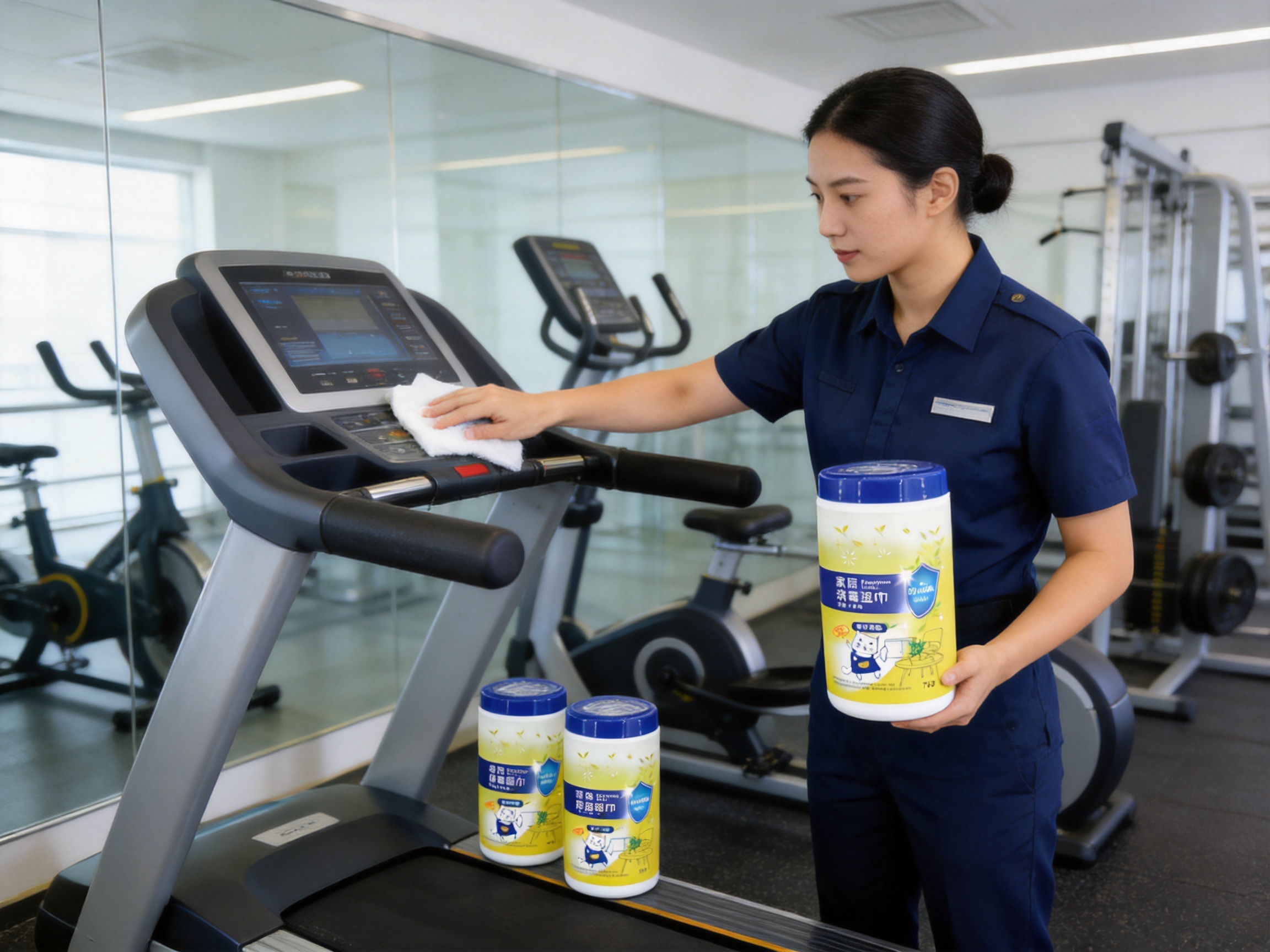
The manufacturer’s principal strength is its integrated industrial structure. The company has developed capabilities in nonwoven materials, nursing products, hygiene goods, and high-end clothing interlining. This background is significant for canister wipes because the wipe substrate is not treated as a simple commodity. The manufacturer can coordinate fabric development, wetting, converting, filling, packaging, and quality control within a broader production system.
Founded in 1987, the company has more than three decades of experience in medical and hygienic nonwoven products. It has established eight production bases in China, including facilities associated with Zhejiang, Guangdong, Jiangsu, and Hubei, and has announced an upcoming Vietnam factory. This multi-site structure supports production scale, supply continuity, regional coordination, and access to different manufacturing resources.
The company reports a leading position in China’s nonwoven industry and a long-term ranking among major global nonwoven manufacturers. Its production portfolio includes spunlace nonwoven fabrics, spunmelt nonwoven fabrics, through-air bonded materials, flushable and degradable nonwoven products, wet wipes, dry wipes, baby diapers, pull-ups, wet toilet paper, cleansing wipes, and other hygiene products.
This broad product base creates a technical advantage for buyers seeking specialized wipes. A supplier focused only on finished canisters may depend on external fabric sources and have limited control over substrate performance. An integrated nonwoven manufacturer can develop or select fabric structures that better match absorbency, strength, softness, embossing, and liquid retention requirements.
The company has introduced advanced equipment and technologies from Germany, France, and Italy. International production technology can support more stable web formation, improved converting accuracy, controlled cutting, and consistent package presentation. For high-volume customers, process consistency is essential because small variations in sheet dimensions, moisture level, or dispensing performance can become significant across large shipments.
Manufacturing is supported by 100,000-class GMP clean workshops and a purified water system described as meeting pharmacopoeia standards. Although the precise regulatory classification of each wipe depends on its formula and intended claims, controlled production environments are valuable for products used in hygiene-sensitive applications. Water quality, environmental controls, personnel procedures, and equipment sanitation all influence finished product consistency.
The company also reports a full-function testing center supported by 169 patents. Testing capabilities can assist with raw material evaluation, physical performance, solution quality, package integrity, microbial testing, and stability assessment. A strong testing system is particularly important when customers request customized formulas or sustainable substrates because each change may affect absorbency, shelf life, compatibility, and dispensing.
Another advantage is the company’s full industrial chain, extending from self-developed nonwoven substrates to finished hygiene products. This arrangement can reduce coordination challenges between separate fabric suppliers, liquid formulators, converters, and packaging vendors. It may also improve communication during product development and shorten the time required to revise a specification.
Quality Control from Raw Material to Finished Canister
Reliable commercial wipes require quality control at every stage. The first stage is raw material inspection. Nonwoven rolls should be checked for width, weight, appearance, tensile strength, absorbency, and foreign matter. Packaging materials should be checked for dimensions, sealing performance, print accuracy, color consistency, and compatibility with the filling process.
The liquid formula requires separate control. Important parameters may include appearance, odor, pH, active ingredient concentration, viscosity, microbial quality, and stability. The exact tests depend on the formula and regulatory category. When a customer requests an antibacterial or disinfectant claim, the relevant efficacy tests should be planned before commercial production rather than after the product has been printed and packed.
During converting, the manufacturer must control sheet dimensions, folding or interleaving, perforation, embossing, roll tension, and dispensing behavior. A sheet that is too tightly connected to the next sheet may pull several wipes from the canister. A sheet that is too weak may tear inside the lid. Both problems reduce user satisfaction and increase consumption.
Filling and packaging operations must ensure that the specified amount of solution reaches the wipe material. Uniform wetness is essential. The first wipe, middle wipes, and final wipe should all remain usable when the package is stored under recommended conditions. The canister and lid must also be sealed or closed effectively to limit leakage and evaporation during storage and transport.
Finished product inspections can include visual appearance, sheet count, net weight, canister dimensions, label placement, lid function, dispensing performance, leakage resistance, moisture retention, and carton integrity. Batch coding and traceability support investigation if a customer reports a problem. For export markets, documentation may include a certificate of analysis, safety data sheet, product specification, packing list, and other customer-requested records.
The manufacturer’s experience in medical, baby, household, industrial, and eco-flushable products provides a broad quality-management foundation. Different categories have different technical requirements, but the common principles remain consistent: controlled materials, documented procedures, trained operators, equipment maintenance, test verification, and traceable production records.
Private Label and OEM/ODM Services
Private label buyers often need more than a finished wipe. They need a complete product concept that can be positioned in a particular market. The manufacturer provides OEM and ODM support for distributors, importers, supermarkets, healthcare brands, industrial suppliers, fitness equipment suppliers, and private label owners.
OEM production allows a buyer to provide a defined specification and brand design while the manufacturer produces the wipes according to those requirements. ODM development is more collaborative. The manufacturer can recommend a material, formula, sheet size, fragrance, canister structure, and packaging configuration based on the target application and budget.
The wipe material can be selected from conventional spunlace, biodegradable nonwoven, bamboo fiber, wood pulp blended fabric, or another suitable substrate. The formula can be alcohol-based, alcohol-free, antibacterial, disinfecting, fragrance-free, moisturizing, or customized. The size and sheet count can be adjusted to match the expected cleaning area and use frequency.
Canister dimensions can also be customized. A wider canister may accommodate larger sheets or make dispensing easier, while a taller format may provide more capacity without increasing the footprint substantially. The final design should consider shelf space, shipping efficiency, storage height, stability, and compatibility with gym equipment stations or wall-mounted holders.
Packaging services include private label printing, artwork development, multilingual labeling, customized canisters, and carton packaging. A professional label should clearly identify the product type, intended use, directions, precautions, ingredients or active components where required, batch information, net contents, storage conditions, and responsible-market information. Claims should be reviewed for compliance before printing.
For international buyers, the destination market is one of the most important pieces of information in the quotation process. Disinfectant and antibacterial products may be regulated differently from general cleaning wipes. Classification can depend on whether the product is intended for human skin, hard surfaces, medical devices, food-contact environments, or general cleaning. A manufacturer can help prepare technical information, but the importer or brand owner remains responsible for confirming local obligations.
Applications Across Commercial Environments
Fitness Centers and Health Clubs
Large gyms can place canisters in cardio areas, weight rooms, group exercise studios, and stretching zones. The product can support a routine in which users wipe touchpoints before or after exercise, while staff complete scheduled deep-cleaning procedures. Bulk canisters reduce the need for constant replacement during busy hours.
Boutique Studios
Yoga studios, cycling studios, dance facilities, and personal training centers often value appearance and convenience. A customized canister can match the studio’s branding and be positioned discreetly near equipment. Unscented or lightly fragranced formulas may be selected according to the atmosphere of the facility.
Hotels and Corporate Wellness Areas
Hotels may use wipes in fitness rooms, spas, business centers, and shared recreational areas. Corporations can place them in employee gyms and wellness spaces. Private label packaging can help facility managers maintain a consistent hygiene program across multiple locations.
Healthcare and Rehabilitation Facilities
Rehabilitation centers and physiotherapy clinics use shared exercise equipment and frequently touched surfaces. They may require specific formulations, documentation, and compatibility testing. The product should be integrated into a broader cleaning and disinfection protocol rather than treated as a substitute for professional infection-control procedures.
Schools and Sports Clubs
Schools, universities, sports clubs, and community centers need products that are straightforward for staff and users. Canisters can be placed near sports equipment, changing rooms, training areas, and administrative desks. Durable packaging is useful in environments where products may be moved frequently.
Industrial and Institutional Facilities
Industrial companies may use canister wipes for shared tools, control panels, workstations, and nonporous surfaces. The formula and material should be selected for the relevant contaminants and surface types. Industrial buyers may prefer larger sheets, stronger nonwoven fabrics, lower fragrance, and carton configurations optimized for warehouse distribution.
Recommended Use and Handling Practices
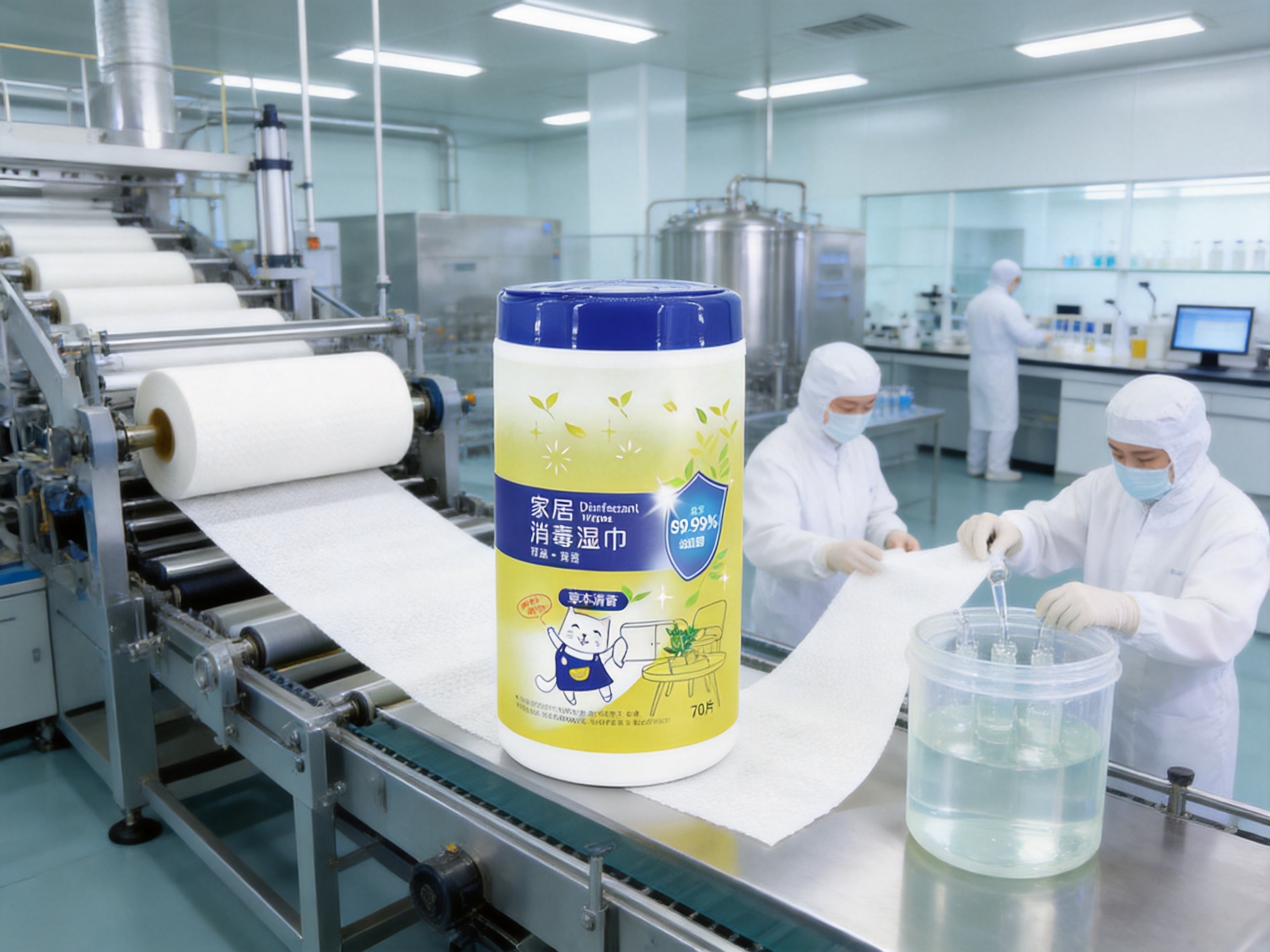
Before using a gym disinfectant wipe, the user should read the product label and confirm that the surface is suitable. Loose dirt, heavy grease, or visible debris may require preliminary cleaning. The wipe should be removed from the canister, unfolded if necessary, and applied evenly across the target surface.
For disinfectant performance, the surface may need to remain visibly wet for the specified contact time. Wiping the product away immediately may reduce efficacy if the formula requires a defined wet-contact period. The exact instructions must be established through product testing and printed on the final label.
Users should avoid applying liquid directly to electronic equipment, electrical openings, speakers, ports, or screens unless the equipment manufacturer permits it. Instead, the wipe should be applied carefully to the appropriate surface, with excess liquid avoided around sensitive components. Upholstery, coated surfaces, rubber, and painted materials should be tested for compatibility before routine use.
The lid should be closed immediately after each use. This helps preserve moisture and reduce contamination. Canisters should be stored in a cool, dry location away from direct sunlight, excessive heat, freezing conditions, and incompatible chemicals. Stock rotation should follow a first-in, first-out method, and opened packages should be used according to the supplier’s instructions.
Used wipes should be disposed of according to local waste-management rules. Unless the product is specifically designed and certified as flushable, used gym wipes should not be flushed down toilets or drainage systems. Facilities should also provide suitable waste containers near cleaning stations to reduce litter and improve housekeeping.
Environmental and Sustainability Considerations
Sustainability has become an increasingly important factor in wipe purchasing. Buyers may request bamboo fiber, lyocell, biodegradable nonwoven, or wood pulp blended materials. These options can support a reduced-plastic or renewable-fiber product strategy, but environmental claims should be precise and supported by appropriate evidence.
A biodegradable wipe may require specific temperature, moisture, microbial, or industrial composting conditions to break down. It does not necessarily mean that the wipe will decompose rapidly in a landfill or natural environment. Similarly, a plant-based fiber may still be combined with synthetic components or packaged in conventional plastic. Responsible communication should explain the actual material composition and disposal pathway.
Canister design also influences environmental performance. A durable container may be reused for refills if the system is designed for that purpose. Lightweight packaging can reduce transport volume, while concentrated supply programs may reduce the number of deliveries. However, packaging changes should not compromise moisture retention, hygiene, or product stability.
The manufacturer’s experience with flushable and degradable nonwoven products can support discussions about alternative substrates. During development, buyers should evaluate wet strength, dry strength, absorbency, dispersion behavior where relevant, shelf life, packaging compatibility, and certification requirements. Sustainability should be considered across the complete product lifecycle rather than based on one material attribute alone.
Why an Integrated Manufacturer Can Offer More Value
Purchasing from an integrated manufacturer can simplify the supply chain. Instead of coordinating separate suppliers for fabric, formula, filling, canisters, labels, and cartons, the buyer can work with one technical and commercial team. This can reduce communication errors and make it easier to trace changes in the specification.
Integrated manufacturing may also improve cost control. The supplier can assess whether a change in fabric weight, sheet count, canister size, or formula will affect other production stages. For example, a heavier wipe may require different filling settings, while a larger sheet may change carton dimensions. Coordinated planning helps prevent unexpected costs late in the development process.
Product development can be more efficient when the same organization understands both the substrate and the finished package. The manufacturer can recommend a suitable nonwoven structure rather than simply accepting a customer’s initial material request. This technical support is valuable for companies entering the professional cleaning or fitness supply market for the first time.
The company’s large production network can support both standard orders and customized programs. Eight domestic production bases provide a broad operating platform, while the planned Vietnam facility may strengthen future international supply capabilities. For global customers, production scale can help with capacity planning, recurring orders, and regional delivery strategies.
The company also offers a broad portfolio that includes medical, baby, household, industrial, and environmentally oriented products. This diversity indicates experience with different customer standards and product specifications. A distributor may therefore be able to source several related categories from the same partner, including dry wipes, cleansing wipes, baby care products, diapers, and specialized nonwoven materials.
How the Product Compares with Common Alternatives
Traditional spray-and-cloth systems may offer low material costs, but they require more labor and equipment management. Canister wipes provide a ready-to-use format and reduce the number of steps required for routine cleaning. Their main advantages are speed, controlled dispensing, portability, and consistent presentation.
Soft refill packs can hold a large number of wipes and may have a lower package weight, but they usually require an external dispenser or careful handling. They may be less stable on counters and less convenient for one-handed use. A rigid canister offers structural protection and can be placed directly at a cleaning station.
Individually wrapped wipes provide excellent portability and separation, but they create more packaging waste and may cost more per sheet. They are suitable for travel kits, personal hygiene packs, and emergency use, while canisters are generally more efficient for high-frequency commercial environments.
Dry wipes used with a separate liquid system allow facilities to choose their own chemical product, but they require additional preparation and may lead to inconsistent wetness. Pre-moistened canister wipes simplify the process by combining substrate and solution in one ready-to-use unit.
Low-quality generic wipes may compete primarily on price, but they can have inconsistent sheet strength, poor moisture retention, weak lids, limited documentation, or restricted customization. A manufacturer with integrated fabric production, controlled workshops, testing resources, and OEM/ODM experience can offer greater support for buyers seeking stable long-term supply.
Procurement Guidance for Distributors and Brand Owners
Before requesting a quotation, buyers should define the intended application. A wipe for gym equipment may have different requirements from a medical surface wipe, food-service wipe, hand wipe, or industrial degreasing wipe. The application affects the formula, claims, substrate, size, packaging, testing, and regulatory documentation.
The buyer should also specify the target market and sales channel. Products for supermarkets may require retail-ready artwork and barcode management. Products for institutional procurement may prioritize carton efficiency, documentation, and recurring supply. Products for fitness brands may require strong visual identity, custom fragrance, and packaging that matches existing equipment or accessory lines.
Estimated order quantity is another critical factor. Small trial orders, regular wholesale orders, and large private label programs may require different production planning. Minimum order quantities can depend on the formula, canister mold, label printing, carton configuration, and number of variants.
Sample evaluation should cover more than appearance. The buyer should test dispensing, sheet separation, wetness, odor, wiping feel, residue, surface compatibility, drying time, lid closure, package stability, and storage behavior. If the product is intended to make a disinfectant or antibacterial claim, the buyer should review the corresponding laboratory reports and regulatory pathway.
Packaging artwork should be finalized only after the product specification is confirmed. Changes to sheet count, active ingredient, canister size, or net weight may require label revisions. Multilingual packaging should be reviewed by qualified professionals to avoid incorrect directions, unsupported claims, or missing warnings.
Suggested Commercial Product Configurations
A standard gym equipment wipe may use a medium-weight spunlace substrate, a practical rectangular sheet, an alcohol-free antibacterial or disinfecting formula, an unscented or fresh fragrance, and a moisture-lock canister. This configuration is suitable for fitness centers that need routine cleaning of handles, benches, control panels, and shared accessories.
A premium private label version may use bamboo or lyocell-blended fabric, a larger sheet, a distinctive embossed pattern, customized fragrance, and a high-quality printed canister. This configuration can appeal to boutique studios, hotel gyms, wellness brands, and environmentally conscious distributors.
An institutional bulk version may prioritize a stronger nonwoven material, a large sheet count, simple multilingual labeling, durable cartons, and a formula selected for frequent maintenance operations. This format may be appropriate for schools, sports complexes, industrial facilities, and government procurement projects.
A sensitive-environment version may use fragrance-free material and formula, low-residue performance, clear usage directions, and compatibility testing for a wide range of hard surfaces. This product may be considered by healthcare suppliers, rehabilitation centers, and professional cleaning companies.
Q&A: Gym Disinfectant Canister Wipes
What are gym disinfectant wipes?
Gym disinfectant wipes are pre-moistened nonwoven wipes designed for cleaning and, when supported by the applicable formula and testing, disinfecting suitable equipment and hard surfaces in fitness environments. They are commonly packed in rigid canisters with resealable lids for convenient dispensing.
What microorganisms can the disinfectant formula address?
The provided product information states that the benzalkonium chloramine formula can act against microorganisms including Escherichia coli, Staphylococcus aureus, Candida albicans, and Pseudomonas aeruginosa. Actual claims depend on the final formula, test conditions, contact time, and local regulatory approval.
Does the product kill 99.9 percent of bacteria?
The supplied product description states a sterilization rate of 99.9 percent. Buyers should request the relevant laboratory evidence and confirm that the exact claim is permitted in the destination market before using it on packaging or promotional materials.
Can the formula be customized?
Yes. Available options may include alcohol-based, alcohol-free, antibacterial, disinfecting, fragrance-free, moisturizing, and other customized formulations. Active ingredients, concentrations, fragrance, pH, and additives should be evaluated for efficacy, safety, compatibility, stability, and regulatory compliance.
What wipe materials are available?
Available materials include polyester, viscose, bamboo, lyocell, cotton, spunlace nonwoven, biodegradable nonwoven, and wood pulp blended fabric. The appropriate choice depends on the desired strength, absorbency, softness, sustainability profile, price, and application.
Can the wipe size and sheet count be changed?
Yes. The stated size range is approximately 12 to 22 centimeters in width and 12 to 30 centimeters in length, while the sheet count may range from approximately 1 to 100 pieces per canister. Custom specifications can be discussed according to production feasibility and order volume.
Can I create my own private label brand?
Yes. Private label services may include customized wipe materials, formula development, canister dimensions, label printing, multilingual artwork, packaging design, and carton production. The buyer should provide the brand requirements, target market, estimated quantity, and intended claims.
Are these wipes suitable for electronic gym equipment?
They may be suitable for selected external hard surfaces, but users should follow the equipment manufacturer’s instructions. Wipes should not be applied directly to electrical openings, ports, speakers, or sensitive electronic components unless compatibility has been confirmed. Applying the wipe carefully and avoiding excess liquid is recommended.
Are canister wipes intended for individual household purchases?
The product is primarily positioned for wholesale, commercial, institutional, and private label supply. It may not be economical for customers who need only one or two canisters for occasional personal use. Distributors, importers, fitness suppliers, healthcare suppliers, and facility operators are the main target buyers.
What information is needed for an accurate quotation?
Useful information includes the intended application, destination market, wipe material preference, sheet size, sheet count, formula type, fragrance, canister dimensions, packaging design, estimated order quantity, required certifications, and delivery destination.
Can the manufacturer supply other hygiene products?
Yes. The company’s product range includes nonwoven fabrics, wet wipes, dry wipes, cleansing wipes, baby diapers, pull-ups, wet toilet paper, flushable and degradable materials, and other medical, maternal, household, beauty, and industrial hygiene products.
How should used wipes be disposed of?
Unless the product is specifically certified and labeled as flushable, used gym wipes should be placed in an appropriate waste container. They should not be flushed into toilets or drainage systems. Disposal procedures should follow local regulations and facility policies.
Conclusion
Gym disinfectant wipes in canisters provide a practical solution for high-frequency surface cleaning in fitness and commercial environments. Their key advantages include easy one-hand dispensing, moisture-lock packaging, controlled sheet consumption, convenient point-of-use placement, and flexible customization. Compared with spray-and-cloth systems, individual sachets, and basic refill packs, canisters can simplify daily operations while presenting a more organized cleaning program.
The product’s value is strengthened by the manufacturer’s integrated capabilities. With experience dating back to 1987, eight Chinese production bases, international equipment and technology, GMP-class clean workshops, purified water systems, a full-function testing center, and a broad nonwoven product portfolio, the company can support both standard and customized wipe programs.
For buyers, the most important step is to define the intended use before selecting the final specification. Material, wetness, active formula, fragrance, sheet size, canister design, testing, labeling, and disposal instructions should all be considered together. A professional OEM/ODM process can then convert those requirements into a stable product suitable for distributors, fitness brands, institutional buyers, healthcare suppliers, and industrial customers.
When supplied with appropriate documentation and used according to validated instructions, customized canister wipes can help facilities maintain cleaner shared spaces, improve user convenience, support consistent hygiene routines, and build a reliable long-term supply program.
References
1. Product specification and technical information for gym disinfectant canister wipes, including material, size, formula, fragrance, pattern, and sheet-count options.
2. Manufacturer information concerning nonwoven materials, wet wipes, dry wipes, hygiene products, OEM services, ODM development, and private label manufacturing.
3. General principles of surface cleaning and disinfection for shared commercial environments.
4. Technical guidance concerning disinfectant efficacy testing, contact time, active ingredients, and destination-market regulatory review.
5. General nonwoven textile engineering principles covering spunlace structures, absorbency, tensile strength, basis weight, embossing, and converting performance.
6. Packaging quality-control principles for moisture retention, resealable lids, dispensing systems, batch traceability, and transport protection.
7. General sustainability guidance for biodegradable fibers, bamboo fiber, lyocell, wood pulp blends, packaging reduction, and responsible environmental claims.