中文简体
中文简体 English
 日本語
日本語 русский
 Español
Body wipes have become an important part of modern personal care. They provide a practical way to refresh the skin when a conventional shower is inconvenient, unavailable, or impossible. For travelers, athletes, outdoor workers, families, caregivers, and consumers with active lifestyles, a dependable body wipe can help remove sweat, surface dirt, body oils, and unwanted odors in only a few minutes.
However, not all body wipes offer the same experience. Differences in substrate quality, moisture balance, softness, package design, lotion formulation, tear resistance, and manufacturing consistency can significantly affect performance. A wipe that is too small may require several sheets for full-body use. A wipe that is too dry may leave the skin feeling uncomfortable, while one that is excessively wet can create leakage, mess, or slow drying. The most effective product must balance cleansing ability, skin comfort, durability, convenience, and reliable shelf life.
The Body Wipes product is designed for full-body cleaning without water. It is suitable for travel, outdoor activities, gym sessions, camping, emergency preparedness, personal care routines, and any situation where showering is not immediately available. Its broad application range makes it a practical addition to household care, hospitality, healthcare support, sports, transportation, and private-label personal care product portfolios.
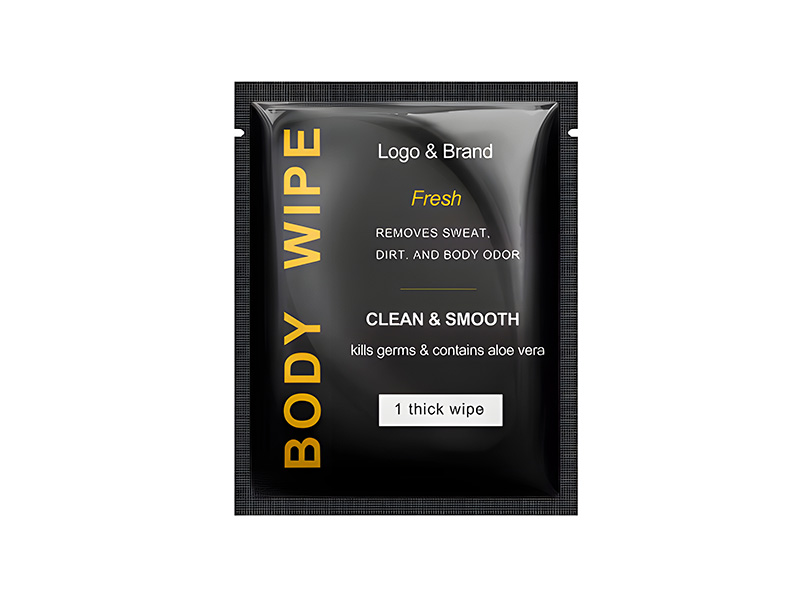
Body Wipes
What Are Body Wipes?
Body wipes are pre-moistened cleansing sheets intended to refresh and clean large areas of the body. Unlike small facial wipes or compact hand wipes, body wipes are generally developed with a larger format and a more substantial substrate so that users can clean the underarms, chest, back, arms, legs, feet, and other external skin areas efficiently.
The purpose of a body wipe is not necessarily to replace every function of a complete shower. Instead, it offers a convenient waterless cleansing solution for moments when a shower is unavailable or when a quick refresh is more appropriate than a full bathing routine. Body wipes can remove sweat and surface impurities while helping users feel cleaner and more comfortable throughout the day.
A well-designed body wipe normally combines several elements:
1. A soft nonwoven substrate that feels comfortable against the skin.
2. A cleansing solution that helps lift sweat, dirt, and body oils.
3. Sufficient moisture to support effective wiping without excessive dripping.
4. Adequate tensile strength so the sheet remains intact during use.
5. Packaging that protects moisture, supports portability, and allows convenient dispensing.
6. A stable manufacturing process that keeps size, weight, wetness, folding, and sealing consistent.
When these components work together, body wipes offer a reliable balance between hygiene, convenience, and user comfort.
Why Waterless Body Cleansing Is Increasingly Important
Daily life is becoming more mobile and time-sensitive. Many people move directly from one activity to another without returning home for a shower. A commuter may need to refresh before a meeting. An athlete may want to remove sweat after training. A traveler may spend many hours in transit. An outdoor worker may have limited access to clean water. In these situations, body wipes provide a simple and portable solution.
Body wipes are also useful in circumstances where water access is temporarily disrupted. They can be included in emergency kits, vehicle supplies, disaster-relief packages, first-aid support systems, and workplace hygiene programs. Their sealed packaging helps protect the product before use, while their ready-to-use format eliminates the need for a basin, towel, soap, or additional cleansing equipment.
For caregivers and assisted-living environments, body wipes can support personal hygiene when a full shower is physically demanding or temporarily unsuitable. They may also be helpful for bed-bound individuals, post-exercise recovery, long-distance transportation, and overnight travel. The product should always be used according to individual care needs, and medical or specialized cleansing requirements may call for professional guidance.
The growing interest in waterless cleansing is also connected to convenience and resource awareness. A wipe does not require running water during use, and it can help users reduce the time and equipment needed for a quick refresh. Although responsible disposal remains essential, the compact, pre-moistened format makes body wipes suitable for many environments where traditional bathing is difficult.
Key Product Advantages
Large-Surface Cleaning Performance
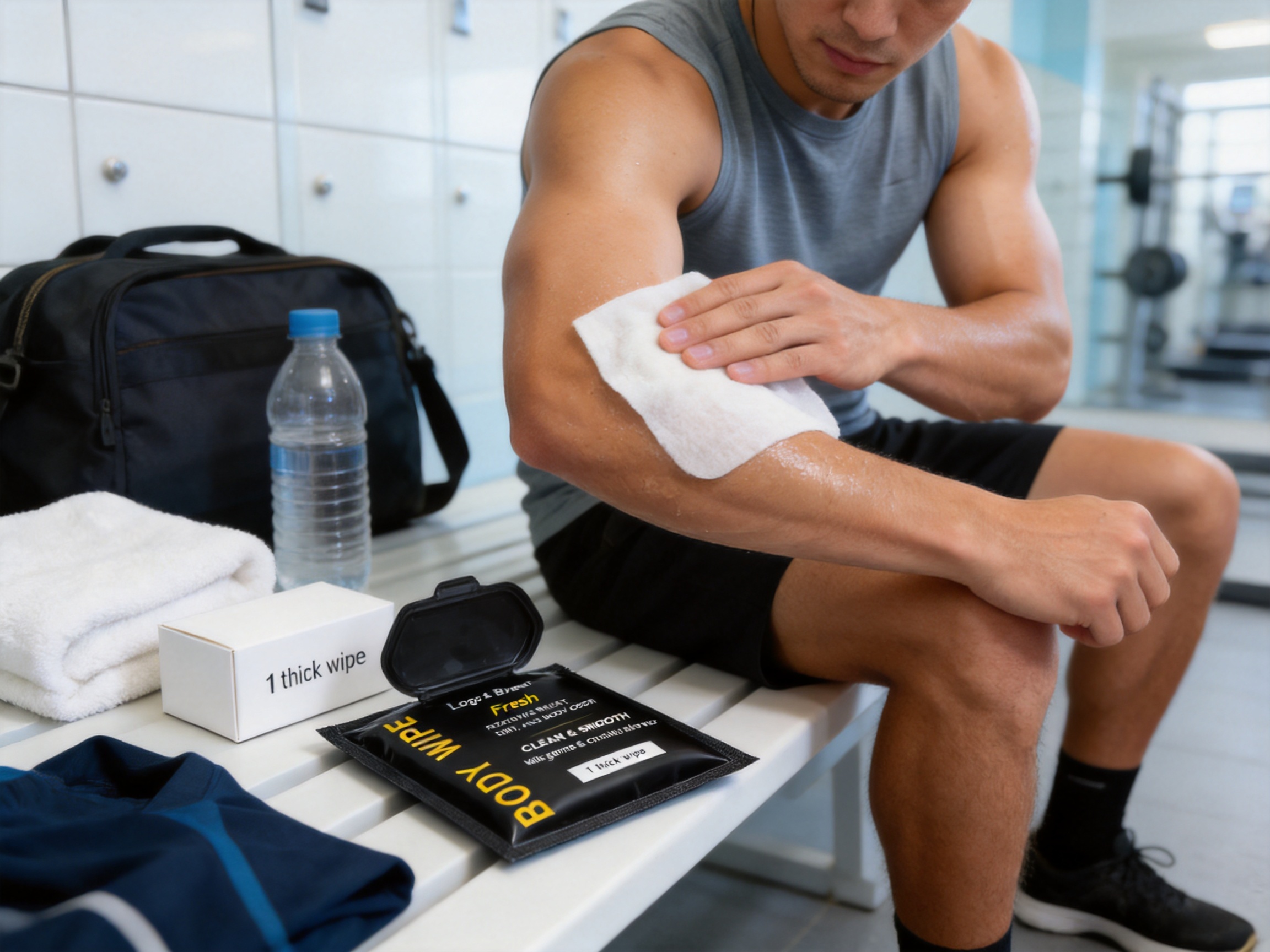
One of the main advantages of body wipes over smaller personal cleansing wipes is their suitability for larger areas of the body. A larger sheet can cover more skin with fewer passes, helping users complete a refresh routine more quickly. This is particularly valuable after sports, during travel, or when users need to clean several body areas without access to a shower.
The larger format also improves handling. Users can fold the wipe into sections, use different areas for different parts of the body, and maintain a more organized cleaning process. A sufficiently sized sheet can reduce the need to hold multiple small wipes at once, which may make the experience more convenient and less wasteful.
Softness for Frequent Use
Because body wipes may be used on sensitive or repeatedly exposed areas, softness is an important product characteristic. A well-selected nonwoven fabric should feel smooth and gentle while maintaining enough structure for effective cleaning. Excessively rough materials may cause discomfort, particularly when used on areas that are already irritated by sweat, friction, or physical activity.
The company’s experience with medical, nursing, maternal, baby, beauty, and household hygiene materials supports a manufacturing approach focused on nonwoven quality and user comfort. The use of specialized nonwoven technologies allows product developers to select different levels of softness, absorbency, thickness, texture, and strength according to the intended market.
Balanced Moisture Content
Moisture balance directly influences user satisfaction. A dry wipe may not lift sweat effectively, while a saturated wipe can feel messy and may leave excess liquid on the skin. Body wipes should deliver enough cleansing solution to support a comfortable and effective wipe while minimizing dripping and unnecessary waste.
Consistent moisture distribution is also important from one sheet to the next. Advanced production controls can help reduce variation within a package, ensuring that users receive a similar experience throughout the product’s usable life. This consistency is especially important for private-label brands that need dependable quality across large production runs.
Durability During Use
A body wipe must remain intact when unfolded, pulled, wiped, and sometimes folded several times. Low-strength sheets can tear easily, leaving pieces on the skin or forcing the user to use additional product. A strong yet soft substrate offers a better balance between cleansing performance and comfort.
Durability is influenced by fiber selection, web structure, bonding technology, basis weight, wet strength, and converting conditions. The right combination depends on whether the product is intended for general personal care, athletic use, travel, professional care, or another specialized application.
Portable and Ready to Use
Body wipes are convenient because they are ready to use immediately. There is no need to add water, mix a cleanser, prepare a towel, or locate a shower. The package can be stored in a suitcase, backpack, gym bag, bedside cabinet, vehicle, workplace drawer, or emergency kit.
Portability gives body wipes an advantage over many conventional cleansing products. Liquid cleansers may require separate water and towels. Washcloths require washing and drying. Larger bathing systems may be impractical outside the home. A sealed pack of body wipes provides a compact alternative for quick cleansing wherever the user may be.
Suitable for Multiple Usage Scenarios
The product is suitable for a wide range of situations:
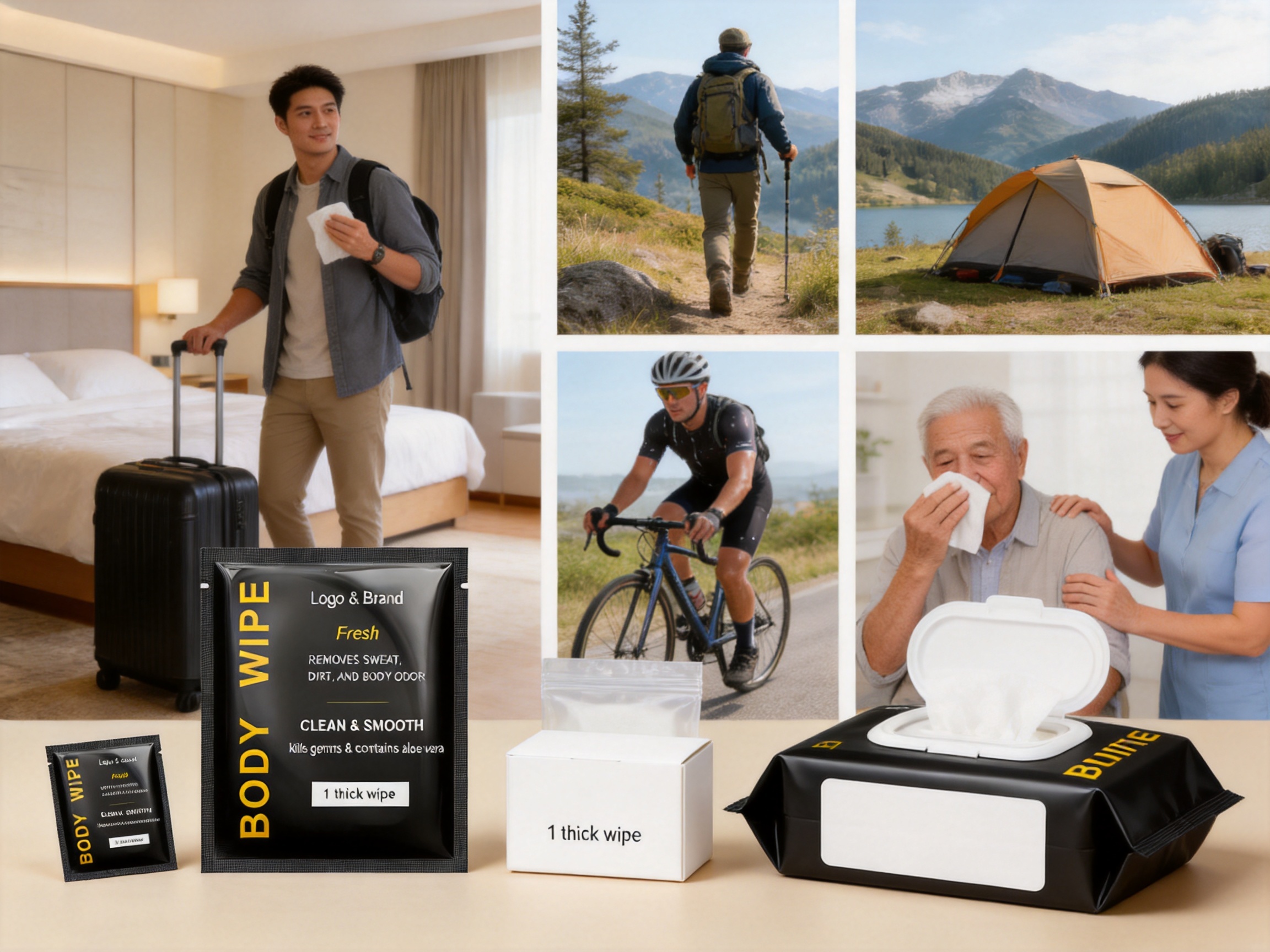
Travel: Body wipes can help users refresh during flights, road trips, train journeys, hotel transfers, and outdoor excursions.
Sports and fitness: They can remove sweat after exercise when the user has limited time or no immediate access to a shower.
Outdoor activities: Hikers, campers, cyclists, festival attendees, and field workers can use them to maintain personal freshness away from home.
Workplace use: They may be useful in workshops, warehouses, construction environments, transport operations, and other workplaces where heat and physical exertion create perspiration.
Care support: They can assist with partial cleansing routines when a full bath or shower is difficult.
Emergency preparedness: They can be included in disaster response supplies, vehicle kits, shelters, and long-term storage programs.
Daily personal care: Some consumers use body wipes in the morning, after commuting, before social activities, or as part of a nighttime routine.
How Body Wipes Compare with Other Cleansing Options
Consumers have several choices for personal cleansing, including traditional bathing, liquid body wash, dry towels, small facial wipes, and general-purpose wet wipes. Body wipes occupy a specific position among these alternatives by combining portability with broader coverage.
| Cleansing Option | Main Strength | Typical Limitation | Where Body Wipes Offer Value |
|---|---|---|---|
| Traditional shower | Comprehensive cleansing with water | Requires time, facilities, and water | Provides a quick refresh when showering is unavailable |
| Liquid body wash | Suitable for regular bathing | Needs water, a container, and a towel | Offers a ready-to-use, waterless format |
| Small facial or hand wipes | Compact and easy to carry | Limited size and coverage | Designed for larger body areas and full-body refreshing |
| Dry towel | Useful for drying or wiping perspiration | Does not provide a pre-moistened cleansing solution | Combines a cleansing liquid with a disposable sheet |
| Generic wet wipes | Broad availability and convenience | May not be optimized for large-area body use | Can be developed with body-focused size, softness, and moisture balance |
The comparison shows that body wipes are not simply a smaller substitute for bathing. Their value lies in providing an efficient intermediate solution: more comprehensive than a small facial wipe, more convenient than liquid soap, and more cleansing-focused than a dry towel.
Nonwoven Material and Product Engineering
The nonwoven substrate is one of the most important components of a body wipe. Unlike woven fabric, nonwoven material is made by arranging fibers into a web and bonding them through mechanical, thermal, chemical, or combined methods. This structure allows manufacturers to engineer softness, absorbency, strength, thickness, drape, and texture for different applications.
The company specializes in the research, production, and sale of medical and hygienic nonwoven materials, nursing products, and high-end clothing interlining. Its product range includes spunlace nonwoven fabrics, spunmelt nonwoven fabrics, hot-air-through nonwoven fabrics, flushable and degradable nonwoven fabrics, wet wipes, dry wipes, cleansing wipes, baby diapers, pull-ups, and wet toilet paper.
Such a broad material background is beneficial for body wipe development because different applications require different substrate characteristics. A travel body wipe may prioritize compact packaging and softness. A sports wipe may require a stronger sheet and a larger format. A care-oriented wipe may emphasize gentle texture and controlled lotion distribution. A private-label brand may request a particular basis weight, embossing pattern, folding style, or sheet dimension.
Spunlace Technology
Spunlace nonwoven fabrics are formed by entangling fibers with high-pressure water jets. This process can produce a fabric with a textile-like hand feel, good drape, and a soft surface. Spunlace materials are widely used in wipes because they can combine comfort with practical strength.
For body wipes, spunlace technology can support the development of soft and flexible sheets that conform to the body during use. The material can also be engineered with different fiber blends and weights to achieve the desired absorbency and tensile performance.
Spunmelt Technology
Spunmelt technology includes processes such as spunbond and meltblown production. These methods can generate continuous fiber webs with controlled characteristics. Depending on the construction, spunmelt materials may contribute to strength, uniformity, filtration, fluid management, or protective performance.
Although the exact substrate selection depends on the product specification, access to multiple nonwoven technologies allows a manufacturer to evaluate different material solutions rather than relying on a single standard fabric for every application.
Hot-Air-Through Nonwoven Materials
Hot-air-through nonwoven materials are frequently associated with soft, lofty, and breathable structures. These characteristics can be useful in personal care products where a comfortable surface and gentle contact are important. Material selection should be based on the intended use, package format, lotion system, and target consumer group.
Flushable and Degradable Material Experience
The company also develops flushable and degradable nonwoven materials. These product categories require careful attention to fiber selection, wet strength, dispersibility, disposal conditions, and relevant testing. Body wipes are not automatically flushable simply because they are wet wipes, and users should follow the disposal instructions printed on the package.
Experience with degradable and disposal-oriented materials can nevertheless support broader product development discussions, particularly for brands seeking improved environmental positioning. Any sustainability claim should be supported by appropriate testing, certification, and clear communication.
Advanced Manufacturing Capabilities
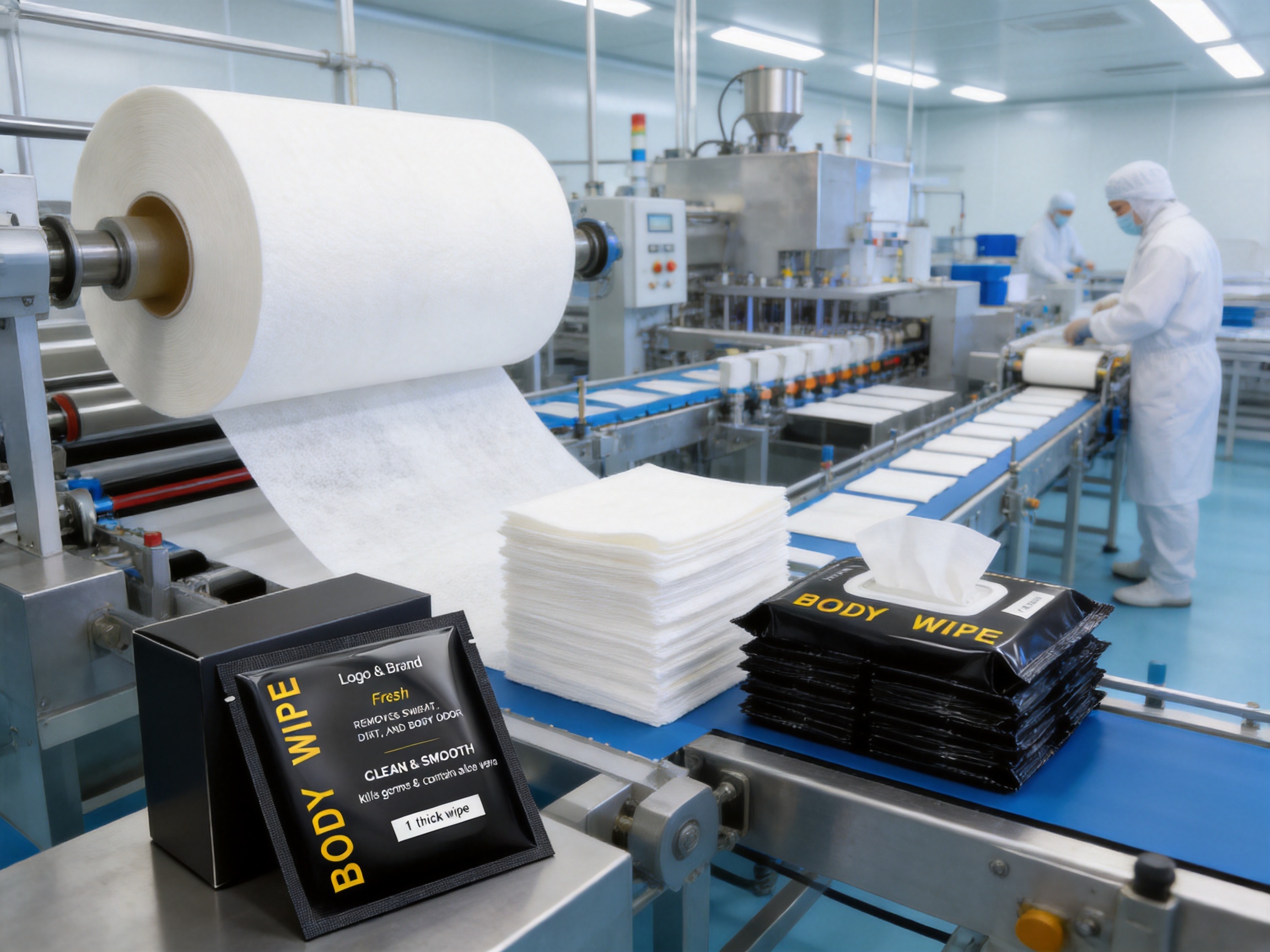
Manufacturing quality is central to body wipe performance. A high-quality concept can lose its advantages if the production process causes uneven lotion application, weak seals, inaccurate folding, poor perforation, contamination, or inconsistent sheet dimensions. For this reason, body wipe manufacturing requires coordinated control over raw materials, liquid preparation, converting, packaging, inspection, and warehousing.
Founded in 1987, the company has more than three decades of experience in nonwoven materials and personal care products. It has established production bases in several regions of China and has introduced advanced production equipment and technology from Germany, France, and Italy. This international equipment background supports process modernization and helps the company serve customers with different technical and quality requirements.
Research and Development
Research and development allows the product to be adjusted for different markets and usage situations. Product developers may evaluate:
Sheet size and folding structure.
Basis weight and thickness.
Fiber composition and surface texture.
Wet and dry tensile strength.
Liquid pickup and release behavior.
Moisture distribution throughout the package.
Lotion compatibility with the substrate and packaging.
Fragrance or fragrance-free options.
Packaging format and dispensing method.
Private-label branding and artwork requirements.
By managing these variables systematically, manufacturers can create body wipes that are better matched to the intended consumer rather than offering a one-size-fits-all product.
Raw Material Control
Raw material control begins with supplier qualification and incoming inspection. Nonwoven rolls should be checked for appearance, width, basis weight, softness, strength, odor, and other relevant characteristics. Packaging films, labels, lids, cartons, and cleansing ingredients also require controlled specifications.
Stable raw materials help reduce variation during converting. They also support more predictable machine performance, fewer production interruptions, and improved finished-product consistency. For private-label customers, raw material control is especially important because the final product must remain consistent from one order to the next.
Lotion Preparation and Dosing
The cleansing solution is prepared according to a controlled formulation and process. Water quality, ingredient compatibility, mixing sequence, temperature, storage time, and dosing accuracy can influence the finished wipe. The solution must be distributed through the substrate in a way that supports effective cleansing without creating excessive free liquid.
Controlled dosing equipment can help maintain consistent wetness across production batches. This is a key advantage over small-scale or poorly controlled production, where some packs may be noticeably wetter or drier than others. Stable lotion application also supports better packaging performance and a more uniform user experience.
High-Speed Converting
Converting transforms large nonwoven rolls into finished wipe stacks or folded sheets. The process may include slitting, cutting, folding, wetting, stacking, count control, and transfer to the packaging line. Automated converting equipment can improve production speed while reducing manual handling.
Automation also helps maintain repeatable dimensions and folding patterns. This matters because a sheet that is incorrectly folded may not dispense properly, while inconsistent cutting can create sharp edges, excessive trim waste, or different sheet sizes within one package.
Sealing and Packaging Control
Packaging must preserve the moisture and cleanliness of the wipes during transportation and storage. Seals should be strong enough to prevent leakage and moisture loss while remaining practical for opening. Resealable formats require particular attention to lid adhesion, film compatibility, and repeated opening and closing.
Packaging design can include soft packs, resealable flow packs, individual sachets, canister formats, travel packs, or larger household packs. The best option depends on the target market, usage frequency, distribution channel, and desired retail price.
Inspection and Quality Assurance
Quality assurance should cover both the product and the manufacturing environment. Typical inspection areas may include sheet count, dimensions, weight, moisture content, seal integrity, package appearance, odor, liquid leakage, tensile strength, and microbiological quality.
Production records and traceability systems help manufacturers identify the materials and processes used for each batch. If a question arises after delivery, traceability supports faster investigation and more effective corrective action.
Hygiene and Safety Considerations
Body wipes are designed for external use. They should be used according to the product label and should not be applied to open wounds, eyes, or internal body areas unless the product has been specifically developed and labeled for that purpose. Users with known skin sensitivities should review the ingredient information and discontinue use if irritation occurs.
Microbiological control is especially important for pre-moistened products because the liquid environment can support microbial growth if the formulation, filling process, or packaging system is not properly controlled. Manufacturers must use suitable production hygiene practices, validated preservation strategies where applicable, and appropriate testing programs.
Good manufacturing practice also involves environmental control, equipment sanitation, personnel hygiene, controlled material flow, and procedures for handling nonconforming products. These measures help protect product quality from raw material receipt through final shipment.
For brands selling body wipes in different countries, regulatory requirements may vary. Ingredient restrictions, labeling rules, claims, packaging symbols, product registration, and testing expectations should be reviewed for each target market. Claims such as “hypoallergenic,” “dermatologically tested,” “antibacterial,” “biodegradable,” or “flushable” should only be used when supported by appropriate evidence.
Customization for Private-Label Brands
Private-label customers often need more than a standard stock product. They may require a specific sheet size, pack count, fragrance profile, material type, packaging design, or retail positioning. An experienced OEM and ODM manufacturer can support the product from concept development through mass production.
Possible customization options include:
Sheet dimensions designed for compact travel packs or large full-body use.
Different basis weights for lighter, softer, thicker, or stronger sheets.
Various folding configurations to improve dispensing and reduce package size.
Fragrance-free, lightly fragranced, or customized scent options where permitted.
Different lotion concepts for refreshing, moisturizing, sensitive-skin, sports, or general cleansing positioning.
Soft pack, resealable pack, individual sachet, or canister packaging.
Custom printed film, labels, cartons, and promotional packaging.
Small trial packs, standard retail packs, family packs, and professional-use formats.
Private-label production can help retailers, distributors, hospitality companies, healthcare suppliers, fitness brands, travel companies, and online businesses introduce a differentiated product without building their own factory.
From Product Brief to Sample
A successful development process begins with a clear product brief. The brief should define the intended user, target market, usage environment, preferred sheet dimensions, pack count, desired softness, lotion characteristics, packaging format, regulatory expectations, and estimated order volume.
The manufacturer can then recommend suitable nonwoven materials and packaging structures. Samples allow the customer to assess wetness, texture, durability, odor, appearance, folding, dispensing, and overall user experience. Feedback from sample evaluation can be used to refine the product before final approval.
From Approved Sample to Mass Production
Once the sample is approved, the product specification should be documented in detail. This may include material composition, sheet size, tolerance ranges, lotion weight, package dimensions, artwork, sealing requirements, carton configuration, and inspection standards.
Clear documentation reduces misunderstandings and supports consistent manufacturing. It also makes it easier to repeat the product for future orders and to manage quality expectations across international supply chains.
Competitive Advantages in the Body Wipes Market
Body wipes compete in a crowded personal care market. A successful product therefore needs advantages that are meaningful to consumers and practical for distributors. The following strengths can help position this product effectively.
Broader Technical Background
The company’s expertise extends beyond finished wipes to include multiple categories of nonwoven materials and nursing products. This broader technical foundation can support more informed substrate selection and product engineering than a manufacturer focused only on basic converting.
Long-Term Industry Experience
With operations dating back to 1987, the company brings long-term experience in industrial textiles, nonwoven materials, hygiene products, and personal care manufacturing. Experience does not replace testing or regulatory compliance, but it can contribute to more mature process management, supplier relationships, product development, and customer support.
Integrated Product Categories
The company produces wet wipes, dry wipes, cleansing wipes, baby diapers, pull-ups, and other care-related products. This category breadth can be advantageous for customers seeking coordinated product sourcing. A brand may be able to develop a family of products with consistent packaging, material quality, and manufacturing support.
Multiple Production Bases
Production bases in different Chinese regions can support manufacturing capacity, logistics planning, and supply-chain flexibility. The exact production arrangement depends on product specifications, capacity schedules, customer requirements, and order planning.
International Equipment and Process Development
The introduction of equipment and technology from Germany, France, and Italy reflects an emphasis on modern manufacturing capability. Advanced equipment can support higher automation, improved process repeatability, more efficient production, and better integration of inspection and packaging controls.
Customization and Differentiation
Some suppliers offer only standardized wipe formats. A manufacturer with research and development capabilities can help brands create products with different materials, sizes, packaging formats, and positioning. This allows customers to target distinct groups rather than competing only on price.
Recommended Use Scenarios
Body wipes can be used as part of a practical personal care routine. After exercise, a user may wipe the face and body according to product labeling, paying particular attention to areas where sweat accumulates. During travel, the wipe can provide a quick refresh before arrival at a destination or before a change of activity.
For camping and hiking, body wipes can be stored in an easily accessible pocket or equipment compartment. In hot climates, they can help users feel refreshed after outdoor work or extended commuting. In offices and schools, they may be used after physical activities or during long days away from home.
Caregivers may use body wipes to support partial cleansing, but they should consider the individual’s skin condition, mobility, medical needs, and care plan. If the skin is damaged, severely dry, infected, or unusually sensitive, a healthcare professional should be consulted regarding suitable products.
After opening, the package should be resealed properly to reduce moisture loss and protect the remaining sheets. Wipes should be stored in a cool, dry place away from direct sunlight and excessive heat. Consumers should follow the package instructions for disposal and should not flush the product unless it is specifically labeled and certified for flushing in the relevant market.
Packaging and Sustainability Considerations
Packaging plays a role in both product protection and environmental performance. A package must preserve moisture, prevent contamination, withstand transportation, and remain convenient for users. At the same time, brands and consumers are increasingly interested in reducing unnecessary material use and improving packaging recyclability.
Potential improvement areas include lightweight packaging films, optimized pack dimensions, reduced secondary packaging, responsible carton design, and clear disposal instructions. Material choices should be evaluated across the product’s complete life cycle rather than based on a single environmental attribute.
Substrate sustainability is another important consideration. Customers may ask about plant-based fibers, recycled content, biodegradable fibers, or degradable nonwoven structures. Each option involves trade-offs related to softness, strength, absorbency, preservation, cost, production efficiency, and disposal conditions.
Environmental claims must be specific and verifiable. A product described as biodegradable may require defined testing conditions and a stated time frame. A product described as compostable may require industrial or home composting conditions. A product described as flushable must meet relevant standards and should not be promoted for flushing without evidence.
The company’s experience with degradable and flushable nonwoven materials provides a foundation for discussions about future-oriented product development. However, the final material and claim strategy should be determined through technical evaluation, testing, certification, and market-specific regulatory review.
Quality Control from Fiber to Finished Pack
A reliable body wipe is the result of multiple controlled stages rather than one isolated manufacturing step. The process begins with fiber and nonwoven material selection, continues through web formation and finishing, and extends into liquid preparation, cutting, folding, stacking, packaging, and storage.
At the material stage, the manufacturer evaluates appearance, uniformity, softness, weight, thickness, and strength. During liquid preparation, the formulation and mixing process must be controlled. During converting, machine settings influence sheet dimensions, folding accuracy, and production speed. During packaging, seal integrity and moisture retention are essential.
Finished-product inspection may include visual checks, quantity verification, package weight, leakage testing, opening and resealing performance, and other tests specified by the customer. Microbiological evaluation and shelf-life studies may also be required depending on the product formulation, packaging, market, and regulatory category.
Corrective and preventive action systems are valuable when a deviation occurs. Rather than addressing only the immediate issue, the manufacturer can investigate the underlying cause, adjust the process, and verify that the solution is effective. This approach supports continuous improvement and long-term customer confidence.
How Distributors and Buyers Can Evaluate Body Wipes
Buyers should evaluate body wipes using more than price and package appearance. A lower unit cost may not represent better value if the product tears easily, dries out before use, leaks during shipment, or generates consumer complaints.
Important evaluation questions include:
Is the sheet large enough for the intended application?
Does the material feel soft and comfortable during repeated wiping?
Is the sheet strong enough to remain intact when wet?
Is the cleansing solution evenly distributed?
Does the product maintain moisture during the expected shelf life?
Is the package easy to open and reseal?
Are the product specifications and tolerances clearly documented?
Can the manufacturer provide samples and technical support?
Are production facilities, quality systems, and testing procedures suitable for the target market?
Can the supplier support private-label artwork, packaging, and order planning?
Are claims supported by appropriate evidence?
A structured evaluation process helps buyers select a product that is commercially viable and technically dependable.
Potential Markets for Body Wipes
Body wipes can serve both consumer and institutional markets. In retail, they may be sold through supermarkets, pharmacies, convenience stores, travel shops, sports retailers, department stores, and online platforms. Packaging and communication should be adapted to the shopping habits of each channel.
In the hospitality sector, body wipes can be offered in hotels, resorts, airlines, trains, gyms, spas, and event venues. In healthcare support, they may be considered for home care, elderly care, nursing services, and emergency response, provided that the product specifications are appropriate for the intended use.
Employers may use body wipes in workplace hygiene programs, particularly in environments involving heat, physical work, travel, or limited bathing facilities. Sports clubs and fitness centers may also provide them as part of post-exercise amenities.
Private-label opportunities exist because different markets value different features. A travel brand may prefer compact individual sachets. A family retailer may want larger multipacks. A sports brand may seek a cooling or refreshing positioning. A healthcare distributor may require fragrance-free packaging and detailed technical documentation.
Product Positioning and Consumer Communication
Clear communication helps users understand what body wipes can and cannot do. Marketing language should emphasize convenient waterless refreshing, sweat and dirt removal, portability, softness, and broad usage scenarios without making unsupported medical or environmental claims.
Useful product communication may explain the intended body areas, directions for use, storage instructions, disposal guidance, package resealing, and precautions for sensitive skin. Visual design can show portability and everyday convenience while avoiding misleading suggestions that a wipe provides the same cleansing process as a complete shower.
Brands may also educate consumers about responsible disposal. Unless clearly labeled otherwise, wet wipes should generally be placed in a waste bin rather than flushed. This information protects plumbing systems and supports more responsible product use.
Q&A About Body Wipes
What are body wipes used for?
Body wipes are used to clean and refresh external areas of the body without water. They can help remove sweat, surface dirt, and body oils after exercise, during travel, outdoors, at work, or whenever a shower is unavailable.
Can body wipes replace a shower?
Body wipes provide a convenient temporary cleansing solution, but they are not necessarily a complete replacement for regular bathing. A shower or bath may be more suitable for comprehensive cleansing, especially after heavy soiling or prolonged physical activity.
Are body wipes suitable for travel?
Yes. Their sealed, ready-to-use format makes them suitable for suitcases, backpacks, gym bags, vehicles, and carry-on personal care kits. Travelers should check transportation rules for liquids and personal care products before departure.
What makes a body wipe different from a facial wipe?
Body wipes are generally designed with a larger sheet size and broader coverage for areas such as the arms, chest, back, legs, and feet. Facial wipes are usually optimized for facial skin and may have a smaller format or a different cleansing formulation.
Are these wipes suitable for sensitive skin?
Suitability depends on the substrate, lotion formulation, fragrance, preservatives, and the individual’s skin condition. People with sensitive skin should check the ingredient information, test cautiously, and stop using the product if irritation occurs.
Can body wipes be used on broken or irritated skin?
Unless specifically labeled for that purpose, body wipes should not be used on open wounds or severely damaged skin. Users with medical skin concerns should seek professional advice before selecting a cleansing product.
How should opened body wipes be stored?
The package should be closed securely after each use and stored away from excessive heat, direct sunlight, and moisture. Proper resealing helps reduce drying and protects the remaining wipes from contamination.
Can body wipes be flushed down the toilet?
Only products specifically labeled and certified as flushable for the relevant market should be considered for flushing. Standard body wipes should be disposed of in a waste bin according to local waste-management guidance.
Can the product be customized for a private-label brand?
Yes. Customization may include sheet size, material, weight, lotion characteristics, fragrance, fold, package type, sheet count, artwork, carton design, and product positioning. The final options depend on technical feasibility, order quantity, regulatory requirements, and customer specifications.
What should a buyer request before placing an order?
A buyer should request product samples, detailed specifications, packaging information, test documentation where applicable, production lead-time guidance, minimum order information, artwork requirements, and quality-control expectations. Clear documentation helps ensure that the delivered product matches the approved sample.
What company capabilities support body wipe production?
The manufacturer has long-term experience in nonwoven materials, hygiene products, nursing products, wipes, diapers, and related personal care categories. It operates multiple production bases and has introduced advanced equipment and technology from Germany, France, and Italy.
Why Choose an Experienced OEM and ODM Manufacturer?
Developing a body wipe requires coordination between material science, formulation, converting, packaging, quality assurance, and supply-chain management. An experienced OEM and ODM manufacturer can help customers move through these stages more efficiently.
For a new brand, technical support can reduce the risk of selecting a substrate that feels unpleasant or fails during use. For an established brand, a capable supplier can help create product variations, improve packaging, expand capacity, and develop new market-specific formats.
The value of manufacturing partnership is also reflected in communication and consistency. A supplier should be able to discuss specifications clearly, identify potential production risks, provide realistic development guidance, and maintain the approved quality standard during repeat orders.
With its history in nonwoven materials and personal care products, broad category coverage, multiple production bases, international equipment background, and OEM and ODM experience, Zhejiang Uniquality Nursing Products Technology Co., Ltd. is positioned to support body wipe projects for domestic and international customers. Its related Kingsafe and Uniquality product activities reflect an emphasis on hygiene materials, nursing products, and differentiated personal care solutions.
Conclusion
Body wipes provide a practical answer to the need for fast, portable, and waterless personal cleansing. They are useful for travel, sports, outdoor activities, work, caregiving, emergency preparation, and daily refreshing. Their performance depends on more than moisture alone. Sheet size, softness, strength, lotion distribution, package integrity, hygiene control, and manufacturing consistency all contribute to the final user experience.
The product described here is designed for full-body cleaning without water and can be adapted for a wide range of consumer and professional applications. Its potential advantages include broad coverage, convenient portability, comfortable nonwoven materials, balanced wetness, dependable durability, and flexible private-label customization.
The manufacturing foundation behind the product is equally important. More than 30 years of industry experience, expertise in medical and hygienic nonwoven materials, multiple production bases, advanced international equipment, research and development capability, and a broad personal care product portfolio provide a strong platform for body wipe production.
For buyers, distributors, retailers, and private-label brands, the best body wipe is one that combines consumer comfort with stable quality and commercially practical supply. Careful material selection, controlled lotion application, reliable converting, secure packaging, documented inspection, and responsible product communication can help create a body wipe that performs consistently and stands out in a competitive market.
References
1. International Organization for Standardization. Nonwoven Fabrics: Definitions, Classification, and General Technical Principles.
2. International Organization for Standardization. Quality Management Systems and Process-Control Principles.
3. Association of the Nonwoven Fabrics Industry. Technical Guidance on Nonwoven Materials and Wipes.
4. United States Food and Drug Administration. General Guidance on Cosmetic Product Safety, Labeling, and Manufacturing Practices.
5. European Commission. Guidance on Cosmetic Product Safety, Ingredient Information, and Consumer Labeling.
6. World Health Organization. General Principles of Hygiene, Cleaning, and Infection-Prevention Practices.
7. Relevant national and regional standards for wet wipes, degradable nonwovens, packaging integrity, microbiological quality, and product disposal.