中文简体
中文简体 English
 日本語
日本語 русский
 Español
Hydrophilic super soft pp spunbond nonwoven fabric has emerged as a critical material in industries that demand both comfort and performance. As a nonwoven material derived from polypropylene fibers, it combines lightweight characteristics, softness, and high moisture permeability. One of its defining features is hydrophilicity, a property that enables it to attract and retain water molecules efficiently.
Understanding hydrophilic super soft pp spunbond nonwoven fabric
Composition and structure
Hydrophilic super soft pp spunbond nonwoven fabric is manufactured using polypropylene fibers that are bonded together in a continuous web. Unlike woven or knitted textiles, the fibers in spunbond nonwoven fabrics are laid randomly and thermally bonded to create a strong yet soft material. The hydrophilic treatment involves modifying the fiber surface to attract water, often through chemical or physical processes that do not compromise the softness or strength of the material.
The unique combination of softness, strength, and hydrophilicity makes this fabric suitable for applications where direct contact with skin or fluids is expected. Its uniform fiber distribution contributes to consistent performance, ensuring that the hydrophilic property is evenly available across the entire fabric surface.
Key properties
The primary characteristics of hydrophilic super soft pp spunbond nonwoven fabric include:
- Softness: Offers a gentle touch suitable for sensitive skin applications.
- Hydrophilicity: Enhances moisture absorption and distribution.
- Lightweight structure: Facilitates easy handling and integration into various products.
- Durability: Maintains structural integrity even when wet.
- Air permeability: Ensures breathability while managing moisture effectively.
The significance of hydrophilicity in performance
Hydrophilicity plays a pivotal role in enhancing the functional performance of hydrophilic super soft pp spunbond nonwoven fabric. Its ability to interact with moisture transforms the fabric into a versatile material for various applications.
Moisture management
One of the most significant impacts of hydrophilicity is moisture absorption and distribution. Hydrophilic fibers attract water molecules, allowing the fabric to quickly wick away moisture from surfaces. This capability is particularly valuable in hygiene and medical products, such as diapers, sanitary napkins, and surgical gowns, where moisture control is critical for user comfort and safety.
By facilitating uniform moisture distribution, hydrophilic super soft pp spunbond nonwoven fabric prevents localized wet spots that can compromise comfort or lead to microbial growth. This ensures enhanced hygiene, improved comfort, and extended product lifespan.
Skin compatibility and comfort
Hydrophilicity also contributes to skin-friendly performance. In products that maintain contact with human skin, the ability of hydrophilic fibers to absorb and dissipate moisture prevents irritation and reduces the risk of rashes or discomfort. The softness of the fabric complements this function, making hydrophilic super soft pp spunbond nonwoven fabric ideal for personal care and medical applications.
Performance under high moisture conditions
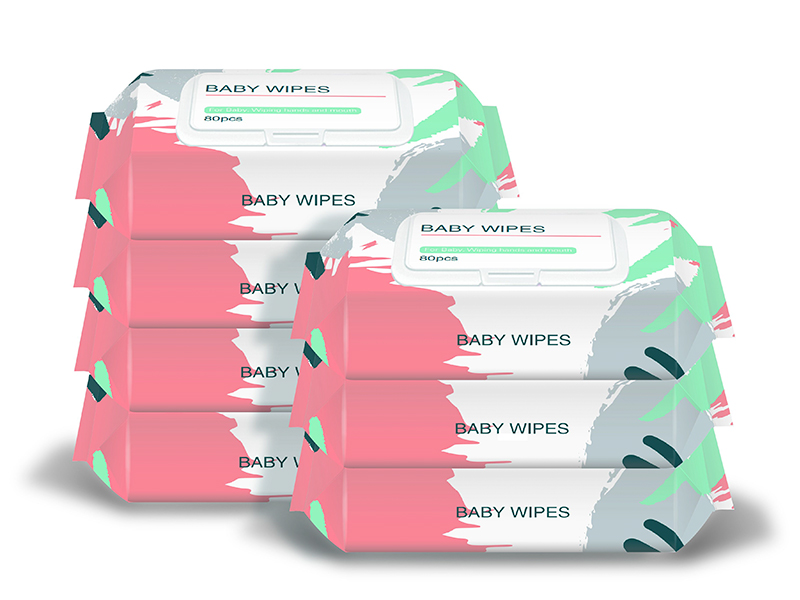
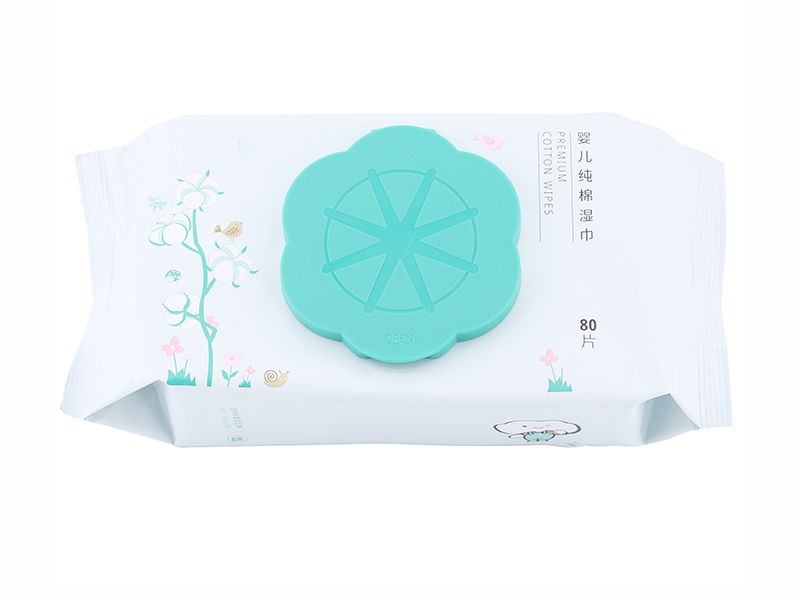
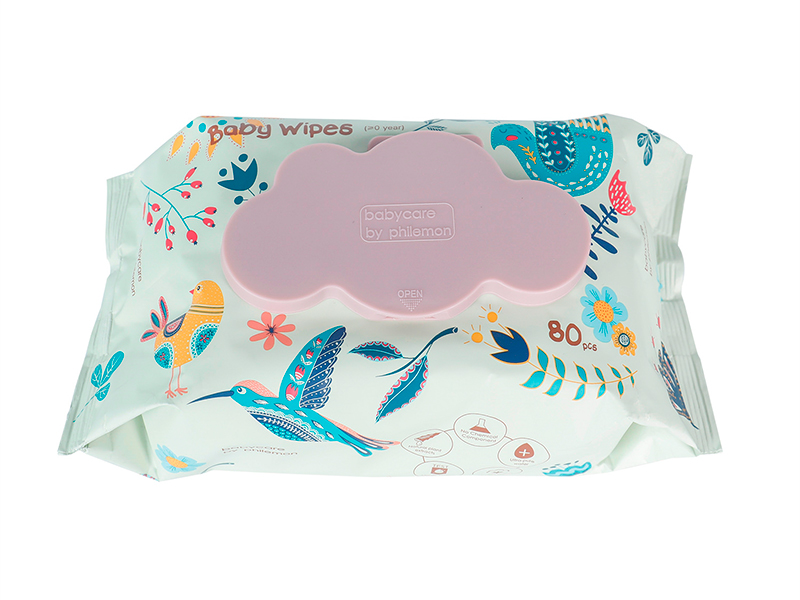
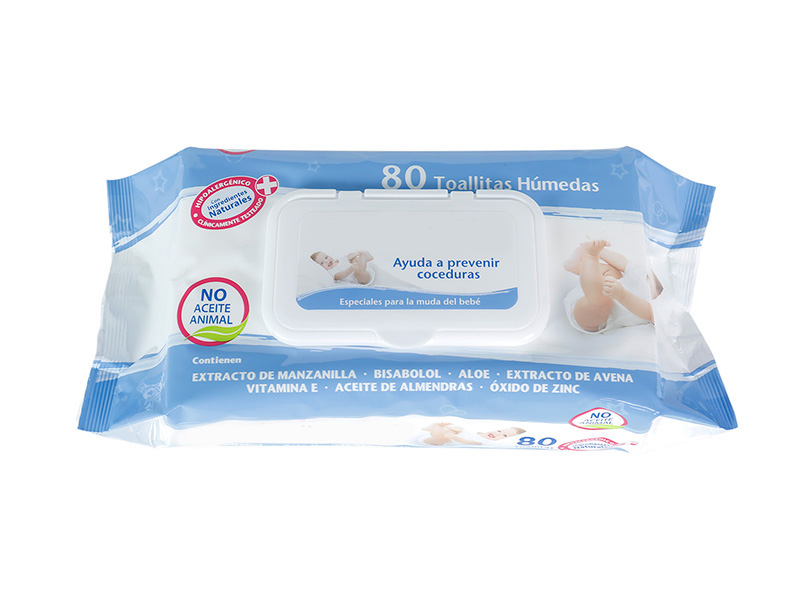
Unlike conventional polypropylene nonwoven fabrics that are inherently hydrophobic, hydrophilic super soft pp spunbond nonwoven fabric maintains structural integrity and softness even when exposed to moisture. This ensures consistent performance in environments where wetness is unavoidable, such as in wet wipes or absorbent pads. Hydrophilicity prevents the fabric from repelling liquids, which can otherwise compromise effectiveness in fluid management.
Applications influenced by hydrophilicity
Hydrophilic super soft pp spunbond nonwoven fabric finds applications across multiple industries, largely due to the hydrophilic property. Understanding these applications highlights the practical importance of hydrophilicity.
Medical and hygiene products
In the medical field, hydrophilic super soft pp spunbond nonwoven fabric is used in:
- Surgical gowns and drapes: Ensures comfort while efficiently managing sweat and minor fluid exposure.
- Masks and respirators: Enhances moisture absorption from exhaled breath, improving breathability and hygiene.
- Wound care products: Supports fluid absorption while maintaining softness for sensitive skin.
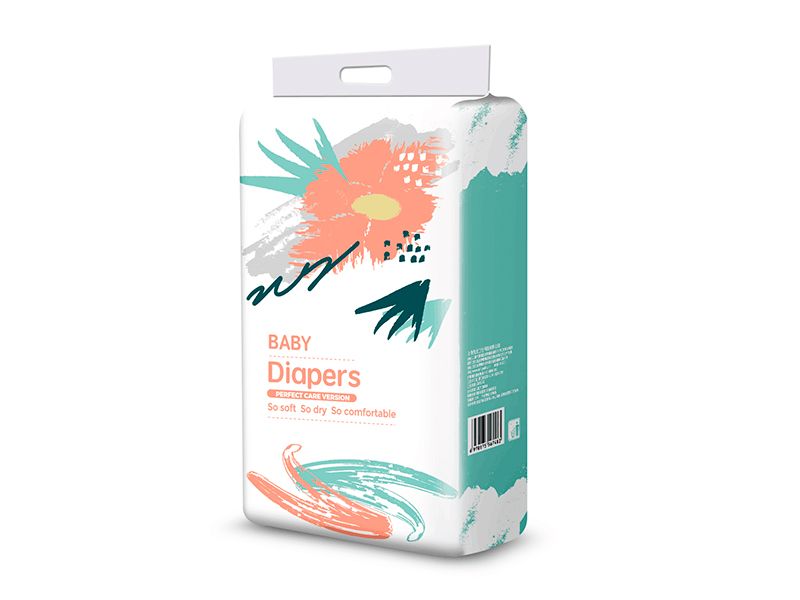
In hygiene products, hydrophilicity ensures effective moisture management, enhancing user comfort and safety in products such as diapers, sanitary pads, and adult incontinence solutions.
Personal care and cosmetics
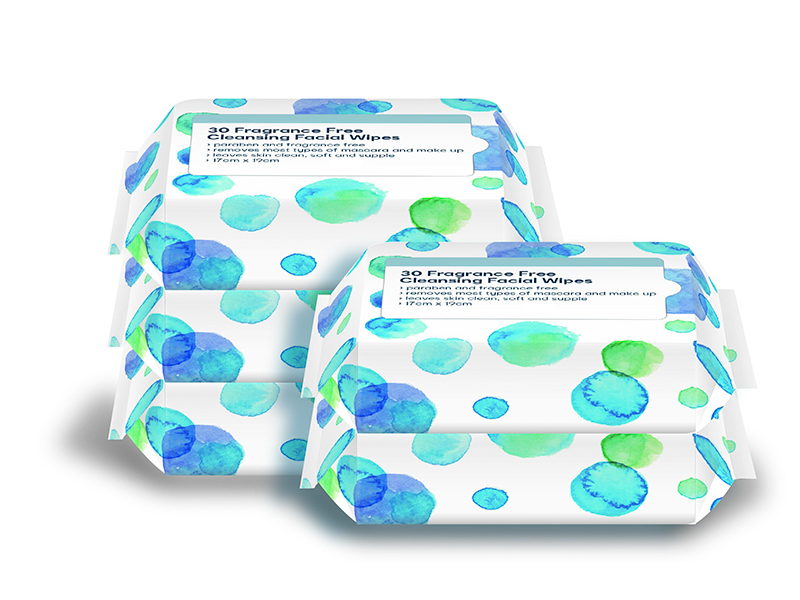
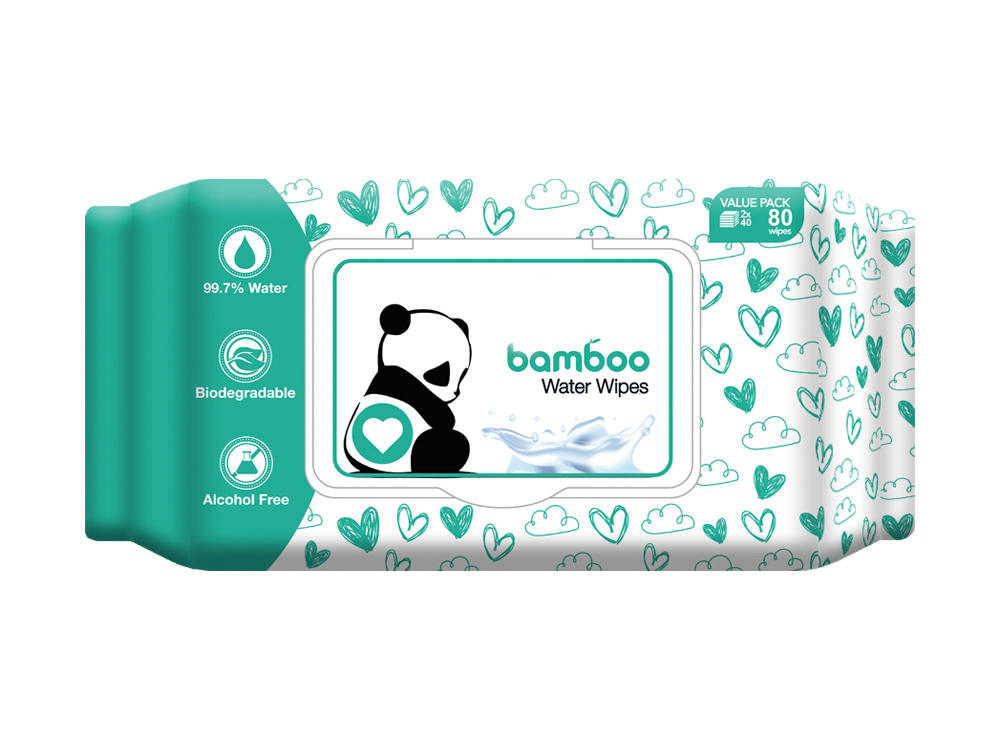
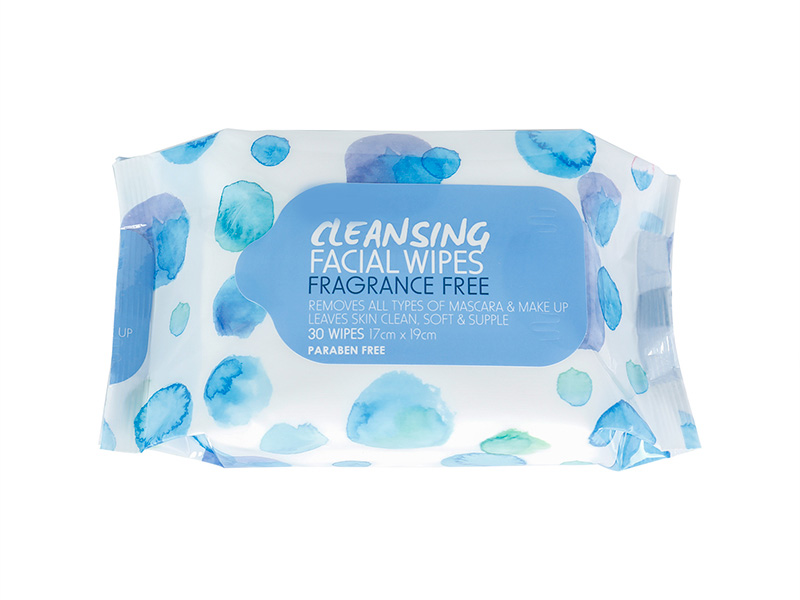
The softness and absorbent nature of hydrophilic super soft pp spunbond nonwoven fabric make it ideal for cosmetic applications, including facial wipes, cleansing pads, and other disposable products. Hydrophilicity allows these fabrics to retain moisture-based solutions, providing a gentle and effective application to the skin.
Industrial and technical uses
Hydrophilic super soft pp spunbond nonwoven fabric is also used in filters, wipes, and protective layers where liquid absorption is required. Hydrophilicity ensures that these fabrics capture and retain moisture or contaminants effectively, improving performance in technical applications.
Advantages of hydrophilic super soft pp spunbond nonwoven fabric
The inclusion of hydrophilic properties offers several advantages that enhance both product functionality and user experience:
- Enhanced absorption: Hydrophilic fibers capture and distribute moisture efficiently.
- Comfortable texture: Maintains softness even when wet.
- Hygienic performance: Reduces microbial growth by controlling moisture levels.
- Versatility: Suitable for multiple applications, from medical to personal care to industrial uses.
- Consistent performance: Maintains structural integrity and uniform moisture handling across the fabric.
These advantages underscore why hydrophilic super soft pp spunbond nonwoven fabric is preferred over traditional hydrophobic polypropylene nonwoven fabrics in applications requiring fluid management and skin contact.
Considerations for buyers and manufacturers
When selecting hydrophilic super soft pp spunbond nonwoven fabric, buyers and manufacturers must consider factors that influence hydrophilicity and overall performance:
- Treatment method: The process used to make the fabric hydrophilic affects absorption and durability.
- Basis weight: Heavier fabrics may offer higher absorbency but could compromise softness.
- Surface texture: Smooth surfaces improve comfort, while textured surfaces enhance liquid distribution.
- Environmental impact: Consider the recyclability and biodegradability of treated fabrics.
- Application-specific requirements: For example, surgical gowns require higher sterility and fluid resistance compared to cosmetic wipes.
Attention to these factors ensures that the hydrophilic property effectively translates into real-world performance, supporting both user comfort and product reliability.
Challenges and limitations
While hydrophilic super soft pp spunbond nonwoven fabric provides numerous advantages, certain challenges must be addressed:
- Durability under repeated moisture exposure: Prolonged exposure may reduce hydrophilicity over time.
- Cost implications: Hydrophilic treatment adds production complexity and cost.
- Chemical compatibility: Some chemicals may interfere with hydrophilic properties.
- Storage and handling: Proper storage is necessary to prevent contamination or loss of hydrophilicity.
Understanding these limitations helps manufacturers optimize performance while maintaining product quality.
Future developments and trends
Advancements in hydrophilic super soft pp spunbond nonwoven fabric focus on enhancing absorbency, softness, and durability without compromising sustainability. Emerging trends include:
- Eco-friendly hydrophilic treatments: Reducing chemical usage while maintaining moisture management.
- Hybrid nonwoven fabrics: Combining hydrophilic polypropylene with other fibers for specialized applications.
- Performance monitoring: Testing and standardization for consistent hydrophilic performance in medical and hygiene products.
These developments indicate a growing recognition of the critical role of hydrophilicity in meeting industry demands for comfort, performance, and sustainability.
Conclusion
Hydrophilic super soft pp spunbond nonwoven fabric demonstrates the critical impact of hydrophilicity on material functionality. By improving moisture management, skin comfort, and product versatility, hydrophilic treatment transforms polypropylene nonwoven fabrics into a highly effective material suitable for medical, hygiene, personal care, and industrial applications.
For manufacturers, designers, and buyers, understanding the role of hydrophilicity is essential to selecting, processing, and applying these fabrics effectively. The combination of softness, absorbency, and durability ensures that hydrophilic super soft pp spunbond nonwoven fabric remains a leading choice in industries that demand both comfort and high performance.
Table 1: Key Functional Benefits of Hydrophilic Super Soft PP Spunbond Nonwoven Fabric
| Property | Benefit |
|---|---|
| Hydrophilicity | Efficient moisture absorption and distribution |
| Softness | Comfort for sensitive skin |
| Lightweight | Easy handling and product integration |
| Durability | Maintains structure under wet conditions |
| Versatility | Suitable for medical, hygiene, cosmetic, and industrial uses |