中文简体
中文简体 English
 日本語
日本語 русский
 Español
The Most Common Fiber: Polypropylene (PP) Dominates Spunbond Production
Polypropylene (PP) is by far the most widely used fiber in spunbond nonwoven fabric production, accounting for over 60% of global spunbond output. Its dominance comes from a combination of low raw material cost, excellent processability, and a broad range of end-use performance. PP melts at around 160–170°C, making it easy to spin into continuous filaments at high throughput speeds, often exceeding 300 meters per minute on modern production lines.
That said, PP is not the only option. Depending on end-use requirements, manufacturers also select polyester (PET), polyethylene (PE), polylactic acid (PLA), and bicomponent fibers. Each brings distinct physical and chemical properties that suit different markets.
Key Fibers Used in Spunbond Nonwoven Fabrics
Polypropylene (PP)
PP remains the industry standard for most disposable and hygiene applications. Key characteristics include:
- Density of 0.90–0.91 g/cm³ — the lightest of common thermoplastic fibers
- Excellent chemical resistance and moisture-wicking properties
- Low cost: raw material prices are typically 20–30% lower than PET
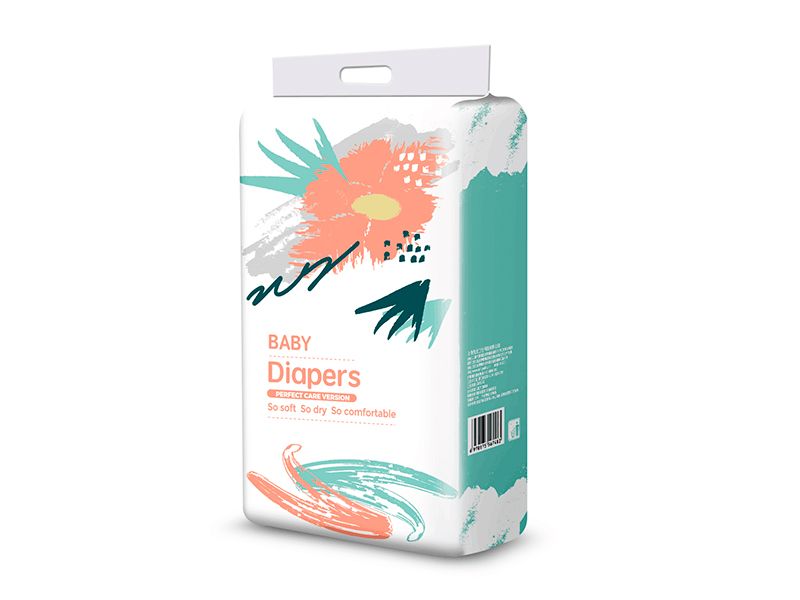
- Widely used in diapers, medical drapes, geotextiles, and agricultural covers
The main limitation of PP is its low thermal resistance (softening near 140°C) and relatively poor UV stability without additives, which restricts outdoor applications.
Polyester (PET)
PET spunbond fabrics offer superior tensile strength, heat resistance up to 220–240°C, and better dimensional stability than PP. These properties make PET the preferred choice for:
- Roofing underlays and construction membranes
- Automotive interiors requiring high temperature performance
- Filtration media where structural integrity under load is critical
PET accounts for approximately 25–30% of global spunbond nonwoven production by volume.
Polyethylene (PE)
PE, especially high-density polyethylene (HDPE), is used when softness, chemical inertness, and barrier properties are prioritized. It is commonly found in protective coveralls and agricultural mulch films. However, its relatively low melting point (~130°C for HDPE) limits processing speeds.
Bicomponent Fibers (BiCo)
Bicomponent spunbond fibers — typically PE/PP or PE/PET sheath-core configurations — combine the bonding ease of a low-melt outer layer with the structural strength of a high-performance core. This results in fabrics with improved softness and bonding at lower thermal energy inputs, making them popular in high-end hygiene and medical products.
Polylactic Acid (PLA)
PLA is a bio-based and compostable alternative gaining traction in sustainable packaging and single-use products. It currently holds a small but growing share of the spunbond market, driven by tightening regulations on petroleum-based plastics in Europe and North America.
Fiber Comparison: At a Glance
| Fiber | Market Share (approx.) | Key Strength | Main Applications |
| PP | >60% | Low cost, lightweight | Hygiene, medical, agriculture |
| PET | 25–30% | High strength, heat resistance | Construction, filtration, automotive |
| PE / BiCo | ~8% | Softness, barrier | Premium hygiene, protective wear |
| PLA | <3% | Biodegradable, bio-based | Eco-packaging, sustainable wipes |
Beyond Pure Fibers: The Role of PET/Pulp Compound Spunlace Fabric
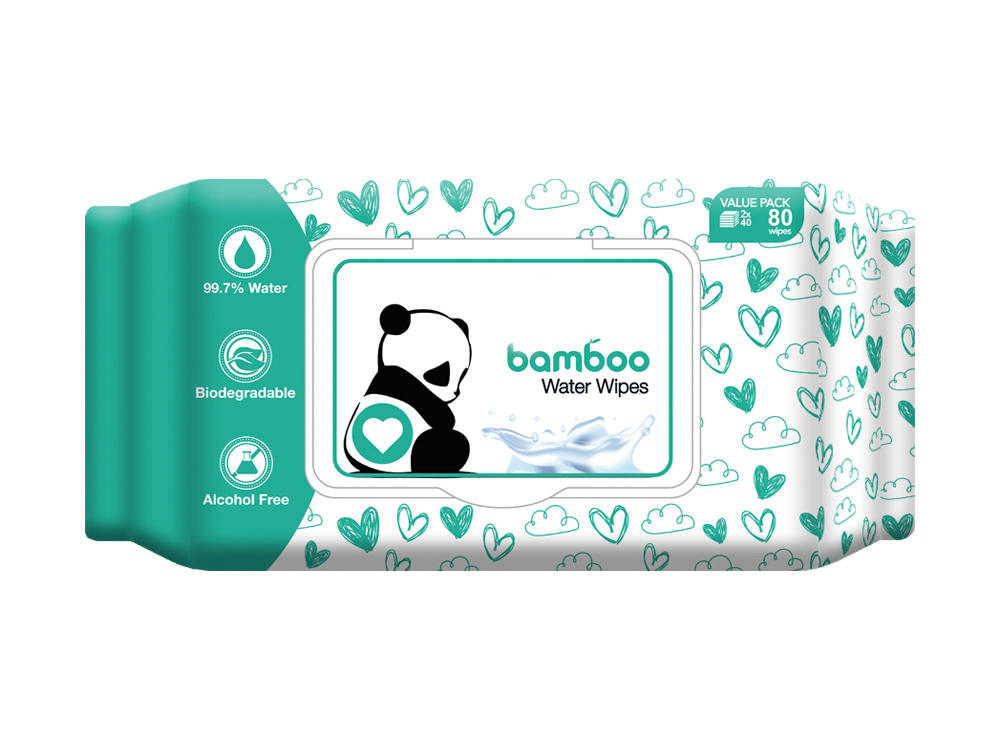
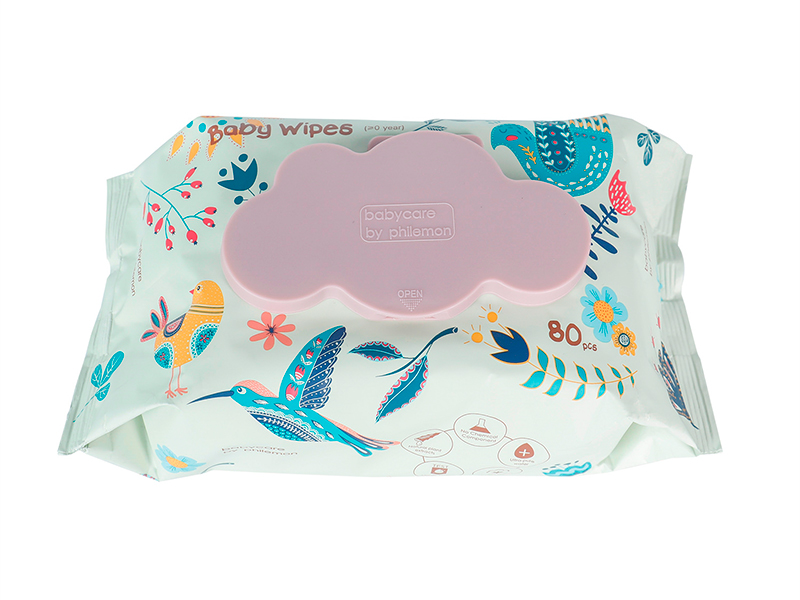
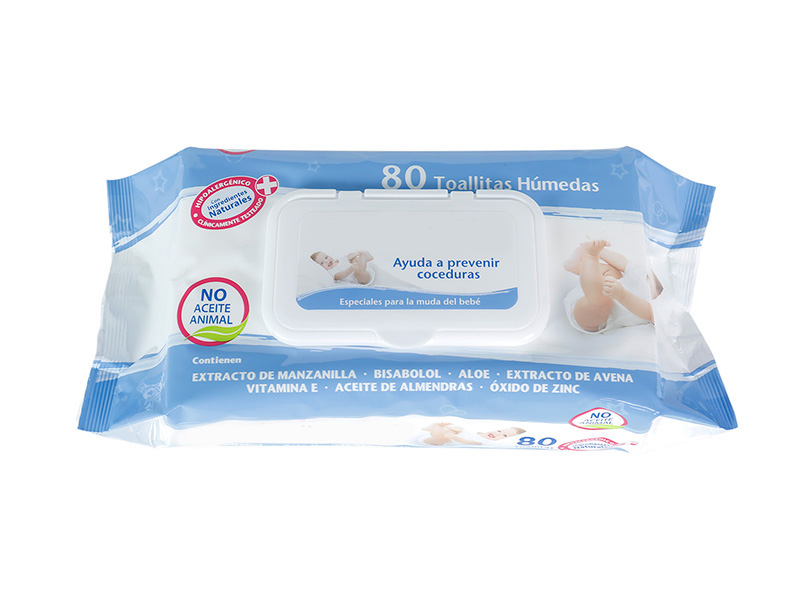
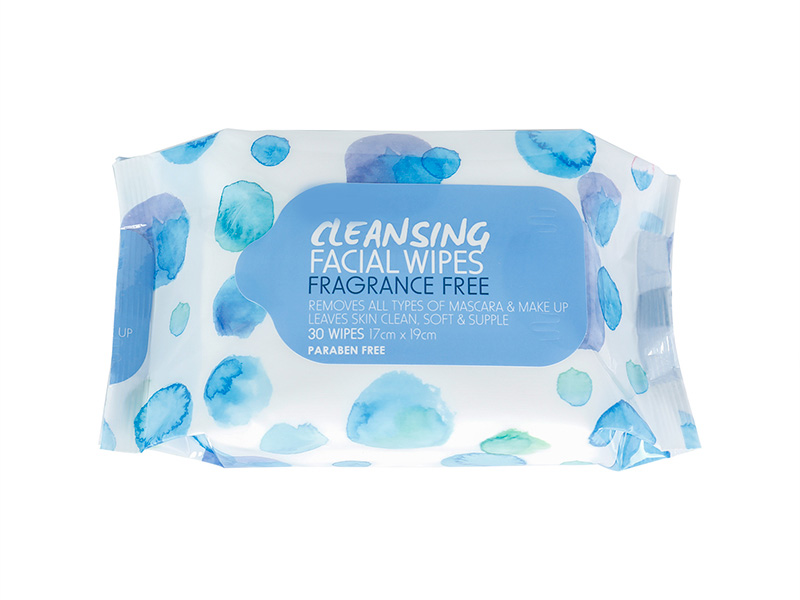
While spunbond fabrics rely on thermoplastic fibers bonded by thermal or chemical processes, another important category is spunlace (hydroentangled) nonwovens, where fibers are bonded mechanically by high-pressure water jets. Within this segment, PET/Pulp Compound Spunlace Fabric has emerged as a highly functional material — especially for disposable personal care and cleaning products.
This fabric combines polyester (PET) staple fibers with natural wood pulp in varying ratios, typically 30/70 to 50/50 PET/pulp. The result is a fabric that offers:
- High absorbency from the pulp component — pulp can absorb up to 10–15 times its own weight in water
- Wet strength and structural integrity from PET fibers, preventing the fabric from disintegrating during use
- A soft, cloth-like hand feel that is gentle on skin
- Cost efficiency compared to 100% PET spunlace, due to the lower cost of pulp
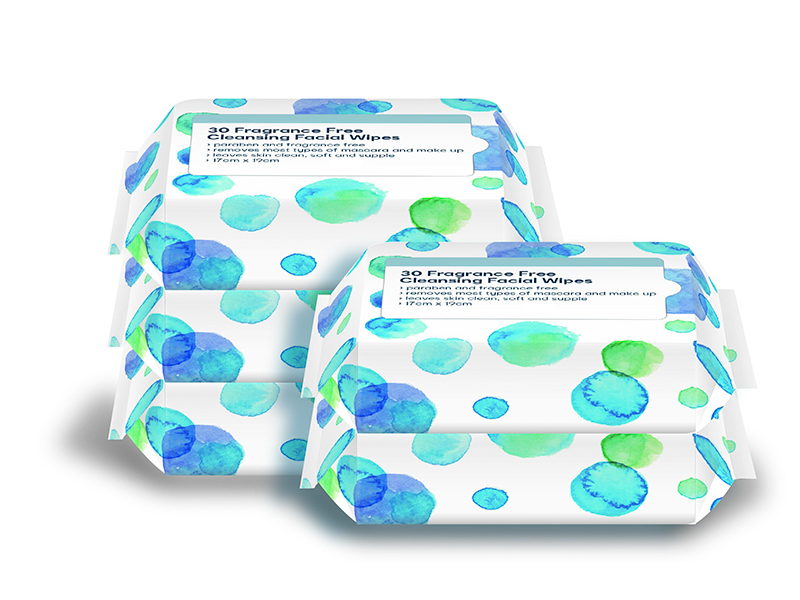
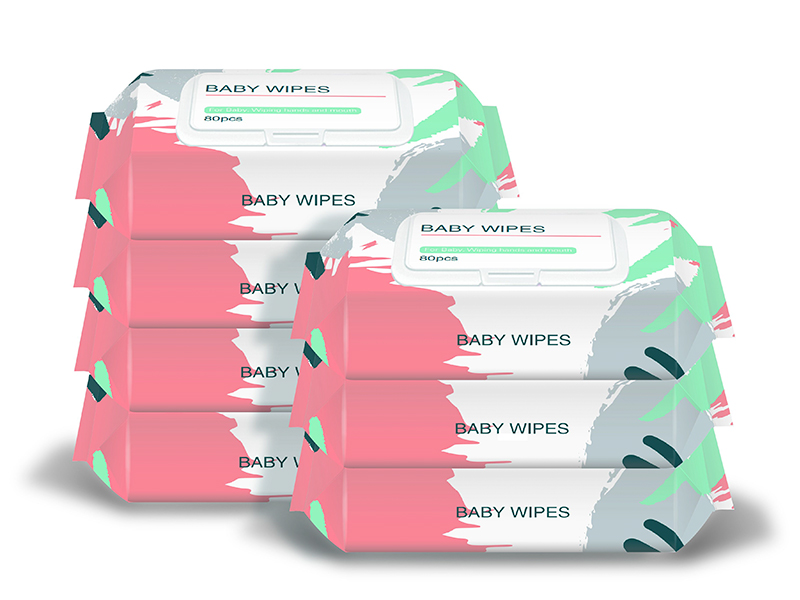
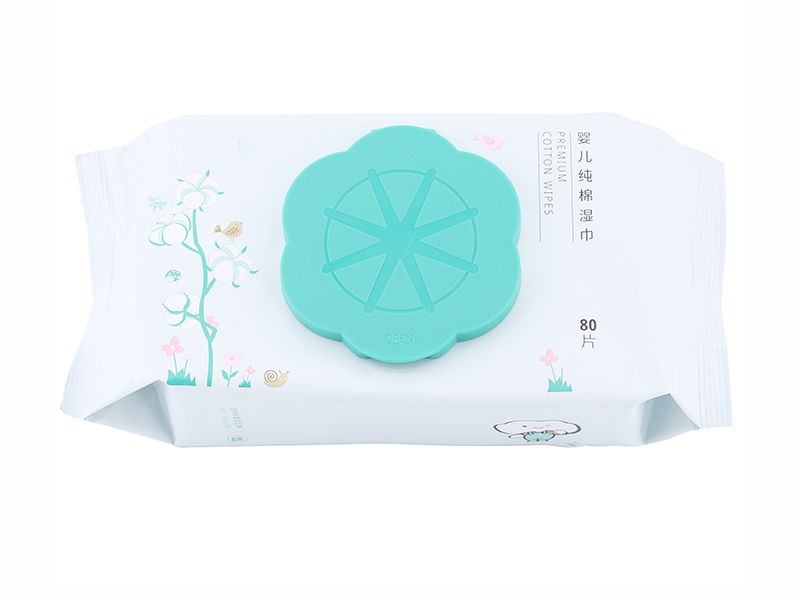
Typical basis weights range from 40 gsm to 80 gsm, and the fabric is widely used in disposable towels, facial wipes, household cleaning wipes, and medical underpads.
Why Fiber Selection Matters for End-Use Performance
Choosing the wrong fiber can lead to product failure or unnecessary cost. Here are practical considerations manufacturers evaluate:
- Liquid management: For products requiring fast absorption (wipes, pads), pulp-rich or hydrophilic PET blends outperform standard PP which is naturally hydrophobic unless surface-treated.
- Tensile and tear strength: PET delivers significantly higher tensile strength than PP at equivalent basis weights — critical for filtration or construction uses.
- Regulatory compliance: Medical and food-contact applications require fibers meeting specific standards (e.g., ISO 13485 for medical devices, FDA 21 CFR for food contact).
- Sustainability goals: End markets increasingly demand recycled PET (rPET) or bio-based fibers to meet corporate ESG targets.
- Processing compatibility: The chosen fiber must suit the production line — spunbond, meltblown, spunlace, or stitch-bond — each imposing different requirements on fiber melt flow index, fineness (denier), and staple length.
Emerging Trends in Fiber Technology for Nonwovens
The nonwoven industry is undergoing rapid innovation in fiber development:
- Recycled PET (rPET): Major producers are transitioning to rPET to reduce carbon footprint. Fabrics made from rPET can achieve up to 60% lower CO₂ emissions per kilogram compared to virgin PET.
- Nanofiber layers: Electrospun nanofibers (diameters <1 micron) are being integrated into composite structures to achieve filtration efficiencies exceeding 99.97% (HEPA level).
- Functional finishes: Antimicrobial, flame-retardant, and superhydrophobic coatings are applied post-production to expand performance without changing base fiber.
- Natural fiber blends: Cotton, bamboo, and lyocell (Tencel) are gaining attention in premium wipes and hygiene products targeting sensitive skin.
FAQ
Q1: What is the most commonly used fiber in spunbond nonwoven fabric?
Polypropylene (PP) is the most commonly used fiber, representing over 60% of global spunbond production due to its low cost, light weight, and ease of processing.
Q2: What is PET/Pulp Compound Spunlace Fabric used for?
It is primarily used for disposable towels, facial wipes, cleaning wipes, and medical underpads — applications that require both high absorbency (from pulp) and wet strength (from PET).
Q3: What is the difference between spunbond and spunlace nonwovens?
Spunbond fabrics are formed by spinning continuous thermoplastic filaments and bonding them thermally or chemically. Spunlace fabrics use high-pressure water jets to mechanically entangle staple fibers, including natural fibers like pulp.
Q4: Is PET or PP better for industrial applications?
PET is generally better for industrial uses requiring high tensile strength and heat resistance (e.g., roofing underlays, filtration). PP is preferred when low cost and lightweight are the priorities.
Q5: What ratio of PET to pulp is typical in compound spunlace fabric?
Common ratios are 30/70 to 50/50 PET to pulp, balancing absorbency with structural durability depending on the specific application.
Q6: Can spunbond nonwovens be made from biodegradable fibers?
Yes. Polylactic acid (PLA) is a commercially available biodegradable option for spunbond production, though it currently holds less than 3% market share due to higher cost and processing limitations.