中文简体
中文简体 English
 日本語
日本語 русский
 Español
Makeup removal is an essential component of daily skincare routines, and makeup remover wipes have become a widely used solution for many individuals seeking convenience and effectiveness. Among the various options available, wet and dry makeup remover wipes are the most common formats.
Overview of Makeup Remover Wipes
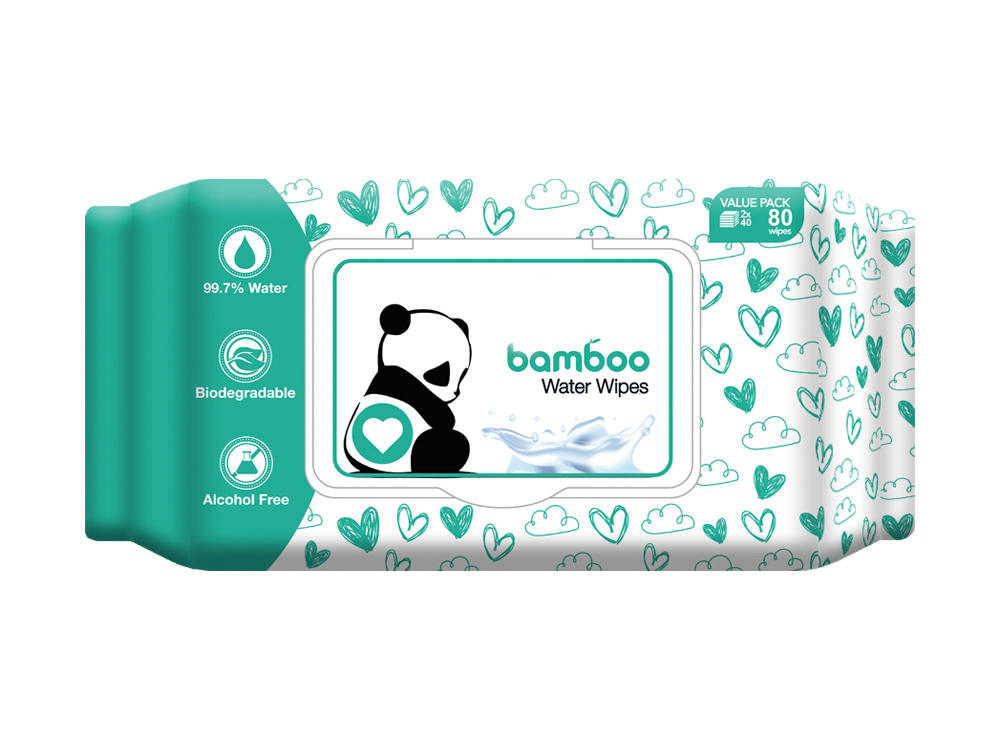
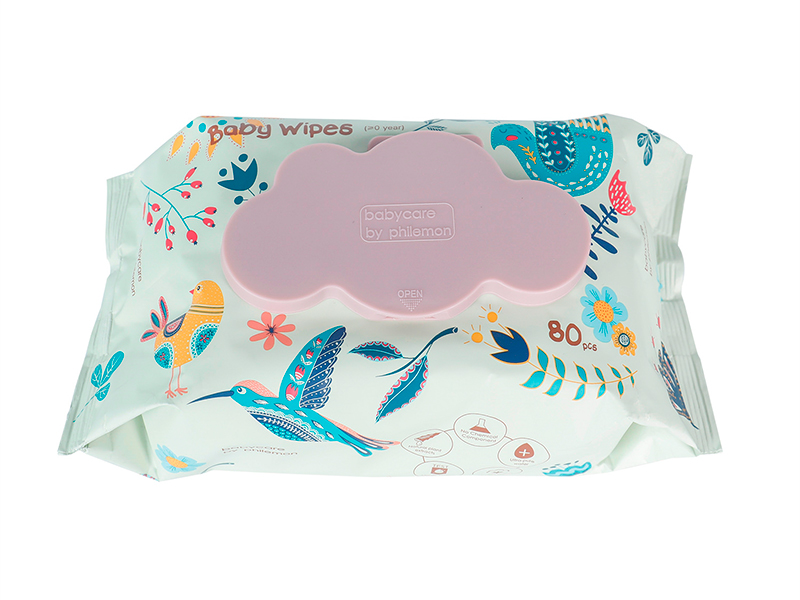
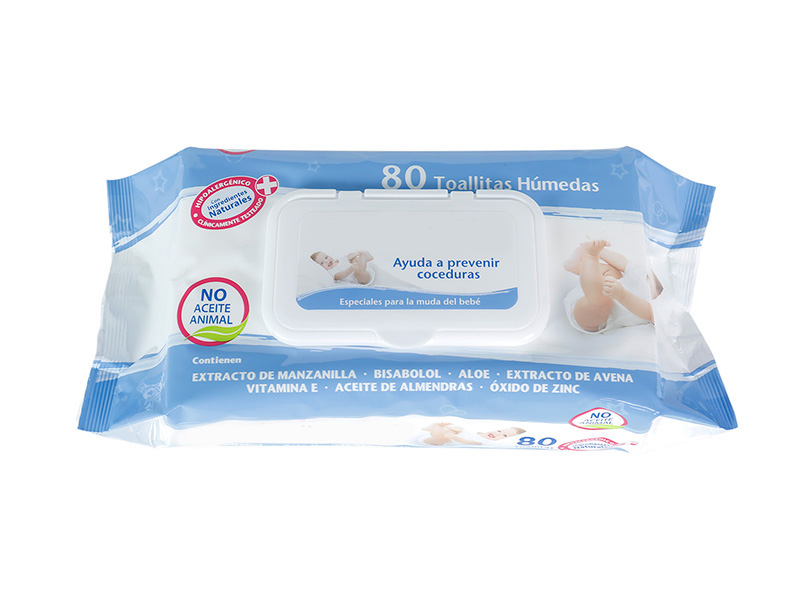
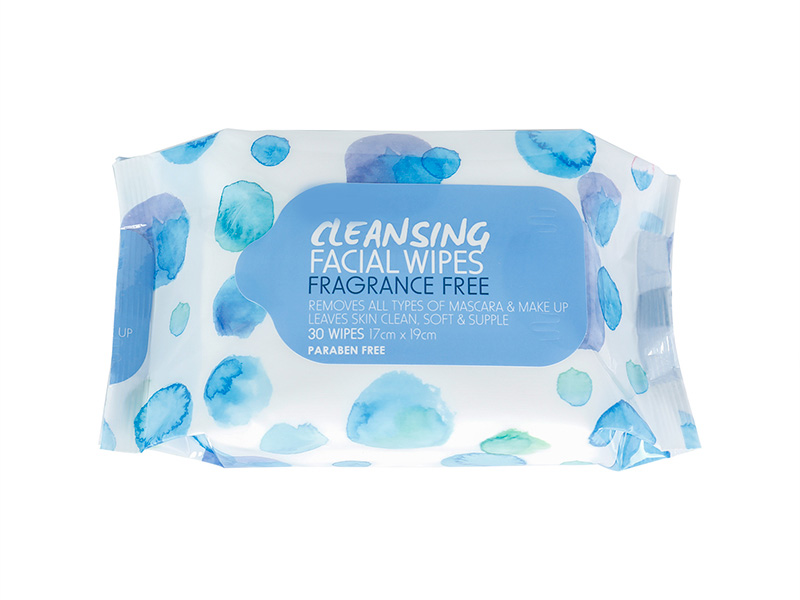
Makeup remover wipes are pre-prepared sheets designed to remove cosmetics, dirt, and impurities from the skin. They are typically made from soft, non-woven fabrics that provide gentle exfoliation while carrying cleansing agents. The wipes can be categorized into wet and dry variants, each offering unique characteristics and benefits depending on skin type, makeup intensity, and user preferences.
Key Components of Makeup Remover Wipes
Regardless of type, makeup remover wipes generally contain the following elements:
- Fibrous substrate: Non-woven fabric, cotton, or synthetic blends provide structural integrity.
- Cleansing solution: Water, surfactants, oils, or micellar formulations aid in makeup removal.
- Moisturizers and emollients: Ingredients such as glycerin or aloe vera maintain skin hydration.
- Preservatives and stabilizers: Ensure product longevity and prevent microbial growth.
In wet makeup remover wipes, the solution is pre-infused into the sheet, ready for immediate use. Dry wipes, in contrast, are plain sheets that require a separate liquid solution to activate their cleansing properties.
Differences Between Wet and Dry Makeup Remover Wipes
The distinctions between wet and dry makeup remover wipes span several aspects, including convenience, shelf life, environmental impact, and skin compatibility.
1. Moisture Content and Usage
Wet makeup remover wipes are saturated with a pre-measured cleansing solution. This makes them convenient for on-the-go makeup removal, travel, or situations where water access is limited. Users can immediately apply the wipe to the face without additional preparation.
Dry makeup remover wipes, however, remain moisture-free until use. They require the addition of a cleansing liquid such as micellar water or a formulated solution. While this adds a preparation step, it allows for customization of the cleansing solution, offering flexibility for different skin types or makeup intensity.
Table 1: Moisture Content Comparison
| Feature | Wet Makeup Remover Wipes | Dry Makeup Remover Wipes |
|---|---|---|
| Moisture Level | Pre-saturated with cleansing solution | Requires external liquid |
| Ready-to-use | Yes | No |
| Customization | Limited | High |
| Convenience | High | Moderate |
2. Shelf Life and Storage
The water content in wet wipes can make them more prone to microbial contamination if improperly sealed. Manufacturers typically incorporate preservatives to extend shelf life, but once the package is opened, the product’s longevity may decrease.
Dry wipes, being moisture-free, generally have a longer shelf life and are less sensitive to storage conditions. They are suitable for bulk packaging and can remain viable for extended periods without preservatives.
3. Effectiveness in Makeup Removal
Wet makeup remover wipes are designed to provide immediate cleansing with minimal effort. They are particularly effective in removing light to moderate makeup, including foundation, blush, and powder. Some formulations also target waterproof mascara and eyeliner, often with specialized oils or surfactants.
Dry makeup remover wipes rely on the chosen solution for effectiveness. When paired with a potent cleansing liquid, they can match or even exceed the efficacy of wet wipes. However, performance is dependent on user preparation and proper solution saturation.
4. Skin Compatibility
Sensitive skin users often prioritize hypoallergenic and alcohol-free wipes.
- Wet wipes can sometimes contain preservatives or fragrances that may irritate delicate skin. Choosing formulations with gentle surfactants and soothing agents is crucial.
- Dry wipes provide the flexibility to select a mild, skin-friendly solution, making them preferable for highly sensitive skin or dermatological use.
5. Environmental Considerations
Environmental impact is increasingly relevant in the makeup remover wipes market.
- Wet wipes contribute to moisture-laden waste, which is often non-biodegradable due to synthetic fibers. Biodegradable or compostable wet wipes are emerging to mitigate these effects.
- Dry wipes reduce moisture-related shipping weight and allow users to combine them with environmentally responsible cleansing solutions, decreasing overall ecological footprint.
Table 2: Environmental Impact Comparison
| Feature | Wet Makeup Remover Wipes | Dry Makeup Remover Wipes |
|---|---|---|
| Biodegradability | Moderate | Higher potential |
| Packaging weight | Higher | Lower |
| Shipping efficiency | Moderate | Higher |
| Customizable eco-solution | Low | High |
Practical Considerations for Buyers
For procurement professionals and distributors, evaluating makeup remover wipes requires attention to several critical factors:
- Target market and usage scenarios: Travel, home use, professional salons, or sensitive skin segments.
- Packaging format: Travel packs, resealable containers, or bulk boxes.
- Cost efficiency: Wet wipes often have a higher unit cost due to pre-saturation and preservatives. Dry wipes can reduce shipping costs and allow bulk purchasing.
- Regulatory compliance: Products should meet safety standards, dermatological testing, and relevant labeling requirements.
- Consumer preferences: Increasing demand for organic, fragrance-free, and biodegradable wipes can influence procurement strategies.
Trends and Innovations in Makeup Remover Wipes
The makeup remover wipes market continues to evolve, driven by consumer demand for convenience, safety, and environmental sustainability. Notable trends include:
- Biodegradable fibers and compostable packaging
- Multi-functional wipes that combine makeup removal with hydration or exfoliation
- Customized dry wipes for use with professional-grade cleansers in salons
- Advanced formulations targeting stubborn or waterproof makeup
- Travel-friendly and refillable packaging to reduce waste
These developments reflect a balance between user convenience and environmental responsibility.
Guidelines for Choosing the Right Makeup Remover Wipes
Selecting the appropriate makeup remover wipes requires a careful evaluation of personal or consumer needs:
- Skin type assessment: Sensitive, oily, dry, or combination skin requires different formulations.
- Makeup intensity: Heavier or waterproof makeup may necessitate specialized wet wipes or customized dry wipes.
- Usage frequency: Frequent users may prefer dry wipes with a gentle cleanser to minimize potential irritation.
- Portability requirements: Wet wipes are more convenient for immediate use, whereas dry wipes are suitable for controlled environments.
- Environmental preferences: Biodegradable dry wipes can align with sustainability goals.
Common Misconceptions About Makeup Remover Wipes
There are several misconceptions surrounding makeup remover wipes:
- Wipes alone can replace complete cleansing: While convenient, they often leave residual impurities. Follow-up cleansing may be necessary.
- All wet wipes are equally effective: Ingredient composition, moisture level, and fabric quality vary significantly.
- Dry wipes are less effective: When combined with an appropriate solution, they can match or surpass wet wipes in performance.
Best Practices for Usage
To maximize the benefits of makeup remover wipes, consider the following practices:
- Gently swipe without excessive rubbing to prevent skin irritation.
- Choose hypoallergenic and alcohol-free formulas for sensitive skin.
- For dry wipes, fully saturate the sheet with the chosen cleanser to ensure effectiveness.
- Dispose of used wipes responsibly to minimize environmental impact.
- Avoid prolonged storage of opened wet wipes to reduce contamination risks.
Summary
Wet and dry makeup remover wipes each offer unique advantages and limitations. Wet wipes provide convenience and immediate usability, while dry wipes offer flexibility, longer shelf life, and environmental benefits.
Key Takeaways:
- Wet wipes: ready-to-use, convenient, but limited customization and shorter post-opening lifespan.
- Dry wipes: flexible, customizable, longer shelf life, potentially more environmentally friendly.
- Both types are effective when used properly, with the choice depending on user preference, skin type, and usage context.
Frequently Asked Questions (FAQ)
Q1: Can wet makeup remover wipes be used for all skin types?
Yes, but it is important to choose hypoallergenic, alcohol-free, and fragrance-free wipes for sensitive or delicate skin.
Q2: Are dry makeup remover wipes more environmentally friendly than wet wipes?
Generally, yes. Dry wipes reduce moisture-related packaging and allow users to select eco-friendly cleansing solutions, minimizing overall environmental impact.
Q3: How should I store wet and dry makeup remover wipes?
Wet wipes should be kept sealed to prevent drying and contamination, while dry wipes can be stored in a cool, dry environment for extended periods.
Q4: Can makeup remover wipes remove waterproof makeup?
Some wet wipes contain specialized oils and surfactants for waterproof makeup removal. Dry wipes require pairing with an appropriate cleansing solution for similar effectiveness.
Q5: Are there any skin safety concerns with frequent wipe use?
Excessive rubbing or using wipes with harsh chemicals may cause irritation. Choosing gentle formulas and following proper techniques is recommended.
References
- Smith, J. (2022). The Science of Makeup Removal: Wipes and Cleansing Methods. Skincare Journal, 15(4), 45-59.
- Johnson, A., & Lee, K. (2021). Consumer Preferences in Cosmetic Cleansing Products. Beauty Science Review, 8(2), 33-48.
- Green, R. (2020). Sustainability Trends in Personal Care Wipes. Environmental Product Review, 12(1), 20-36.