中文简体
中文简体 English
 日本語
日本語 русский
 Español
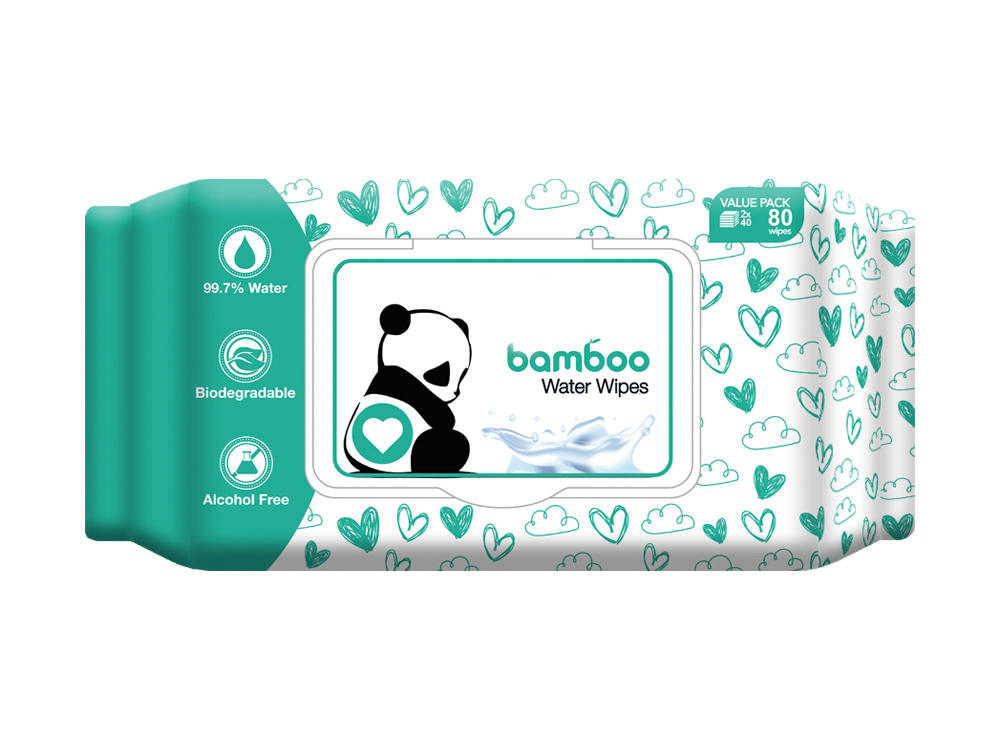
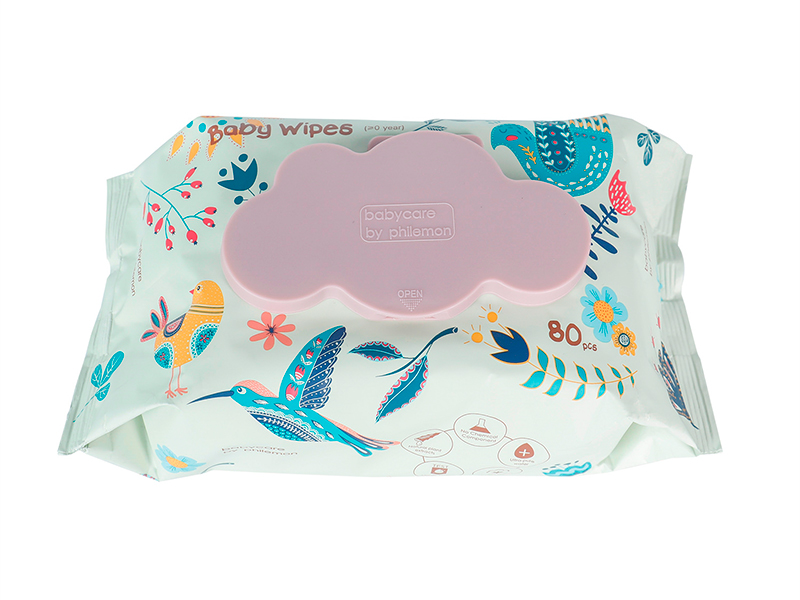
Bamboo Fibers Soft Baby Wipes have become a popular choice among parents, caregivers, and procurement professionals due to their natural softness, high absorbency, and eco-friendly attributes. One of the most significant features of these wipes is their ability to maintain moisture without dripping, which is essential for safe and convenient use on infants’ sensitive skin.
The role of bamboo fibers in moisture retention
Natural fiber structure
The core advantage of Bamboo Fibers Soft Baby Wipes lies in the structural properties of bamboo fibers. Bamboo fibers are naturally composed of cellulose microfibrils, which form a highly porous network capable of absorbing and retaining water. Unlike synthetic fibers that may allow excess liquid to escape, bamboo fibers create a capillary effect, drawing moisture into the fiber network and holding it without immediate release. This characteristic is crucial for preventing dripping while ensuring that the wipe remains sufficiently hydrated for cleaning.
Table 1. Comparison of fiber properties in baby wipes
| Feature | Bamboo fibers | Cotton fibers | Synthetic fibers |
|---|---|---|---|
| Absorbency | High | Medium | Low to medium |
| Softness | Very soft | Soft | Medium |
| Moisture retention | Excellent | Moderate | Low |
| Biodegradability | Yes | Yes | No |
| Skin-friendliness | High | High | Medium |
Hygroscopic properties
Bamboo fibers are inherently hygroscopic, meaning they can attract and hold water molecules. This allows Bamboo Fibers Soft Baby Wipes to maintain optimal moisture levels for extended periods. Unlike conventional wet wipes, which may leak or drip if over-saturated, the hygroscopic nature of bamboo fibers ensures a controlled release of moisture when pressure is applied during use.
Formulation and liquid composition
Water-based solutions
The liquid in Bamboo Fibers Soft Baby Wipes is predominantly water, often combined with mild cleansing agents, moisturizers, and natural extracts. The formulation aims to balance hydration with controlled retention. Additives such as glycerin, aloe vera extract, or plant-based emulsifiers enhance the ability of the wipe to hold moisture within the fibers without creating excess runoff.
Controlled viscosity
Maintaining the right viscosity of the liquid solution is essential. A solution that is too thin may seep through the wipe and cause dripping, whereas a solution that is too thick may limit coverage and spread during use. Manufacturers of Bamboo Fibers Soft Baby Wipes carefully regulate the rheology of the solution to ensure optimal adherence to the fiber matrix.
Table 2. Typical liquid formulation parameters for moisture retention
| Component | Function | Typical concentration |
|---|---|---|
| Purified water | Solvent/base | 85–90% |
| Glycerin | Moisturizer, hygroscopic | 3–5% |
| Aloe vera extract | Skin soothing | 1–2% |
| Mild surfactants | Cleansing | 0.5–1% |
| Natural preservative | Shelf-life extension | 0.1–0.5% |
Role of natural additives
Bamboo Fibers Soft Baby Wipes may also incorporate plant-based polymers or cellulose derivatives to enhance moisture retention further. These additives increase the water-binding capacity of the fibers, reducing the likelihood of dripping while providing a gentle, smooth feel on the skin.
Manufacturing techniques that prevent dripping
Fiber bonding
During production, bamboo fibers are carefully bonded into a soft, uniform nonwoven fabric. This fiber network density is optimized to hold liquid without leakage. The combination of layered fiber structures and micro-perforations ensures that liquid is evenly distributed and contained within the wipe.
Airlay and spunlace technology
Modern manufacturing processes for Bamboo Fibers Soft Baby Wipes often involve airlay or spunlace techniques. Airlay creates a dense web of fibers, while spunlace uses high-pressure water jets to entangle fibers without adhesives. Both methods produce a wipe that is soft yet structurally capable of retaining moisture within the fiber matrix, minimizing dripping.
Heat and pressure calibration
Proper heat and pressure application during bonding also contribute to moisture retention. Over-compression can reduce absorbency, while under-compression can lead to fiber separation and dripping. Manufacturers carefully calibrate machinery to maintain the optimal balance between softness, absorbency, and moisture control.
Packaging and sealing technologies
Airtight packaging
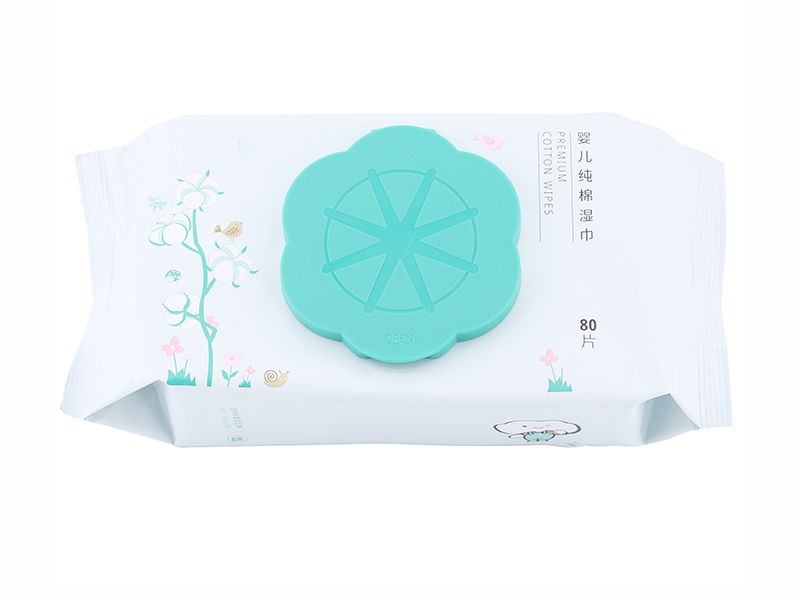
Bamboo Fibers Soft Baby Wipes are typically packaged in resealable pouches or tubs to prevent moisture loss. Airtight seals maintain the hydration level of each wipe until it is used, ensuring that the wipes remain moist without becoming oversaturated and prone to dripping.
Portion control
Packaging designs often incorporate perforated dispensing openings or pop-up lids that limit exposure to air and control the amount of moisture released per wipe. This design ensures consistent usage and prevents liquid from pooling at the bottom of the container.
Storage and transportation considerations
Maintaining moisture also depends on environmental control during shipping and storage. Bamboo Fibers Soft Baby Wipes should be kept at moderate temperatures and humidity levels to avoid excessive evaporation or condensation, which could compromise performance and lead to dripping.
Quality control measures
Moisture content testing
Manufacturers regularly test Bamboo Fibers Soft Baby Wipes for moisture content to ensure consistency. Typical quality checks include weight-based moisture analysis and absorbency testing, which measure how much liquid each wipe can hold without dripping.
Microbial safety
Maintaining moisture should not compromise safety. Quality control protocols ensure that Bamboo Fibers Soft Baby Wipes are free from harmful bacteria and fungi. Controlled moisture content, combined with natural preservatives, provides a balance between hygiene and hydration.
Consumer safety standards
Compliance with industry standards such as ISO 9001, OEKO-TEX, or equivalent certifications ensures that moisture retention mechanisms in Bamboo Fibers Soft Baby Wipes do not introduce chemical risks. This guarantees that the wipes remain safe for prolonged contact with delicate baby skin.
Environmental and sustainability aspects
Biodegradability
One of the defining attributes of Bamboo Fibers Soft Baby Wipes is their eco-friendliness. Bamboo fibers are naturally biodegradable, which allows moisture-laden wipes to break down safely after disposal. Controlled moisture levels also reduce liquid wastage and minimize environmental impact during manufacturing and shipping.
Sustainable sourcing
Sustainable bamboo cultivation ensures that fibers retain their natural hygroscopic properties without excessive chemical treatment. This contributes to both the moisture retention and softness of the wipes, aligning with eco-conscious purchasing criteria.
Practical applications and buyer considerations
For caregivers
The ability of Bamboo Fibers Soft Baby Wipes to maintain moisture without dripping is particularly valuable for routine infant care. Caregivers benefit from consistent hydration, ease of handling, and reduced mess, making the wipes practical for diaper changes, facial cleaning, and hands-on hygiene.
For bulk purchasers
Procurement professionals consider moisture retention as a key quality indicator when evaluating suppliers. Wipes that leak or dry out prematurely may incur higher replacement costs and impact operational efficiency. Bulk packaging that preserves moisture is therefore essential in large-scale purchase decisions.
Common performance metrics
Performance metrics for Bamboo Fibers Soft Baby Wipes include:
- Absorbency rate: Ability to hold liquid per gram of wipe without dripping.
- Moisture uniformity: Even distribution of liquid across the wipe surface.
- Softness index: Measured by subjective tactile evaluation and fiber density.
- Shelf-life moisture retention: Percentage of initial moisture maintained over time.
These metrics help buyers assess whether a wipe meets hygiene, usability, and safety requirements.
Challenges and solutions
Avoiding dripping in high-moisture formulations
One challenge is that highly hydrated wipes may drip if the fiber network is not optimized. Solutions include adjusting fiber density, improving layer adhesion, and fine-tuning liquid viscosity to achieve controlled release.
Maintaining moisture in variable climates
Extreme heat or humidity can affect moisture retention. Manufacturers mitigate this risk through airtight packaging, moisture stabilizers in the formulation, and careful logistics planning.
Balancing softness and structural integrity
Highly soft wipes may tear under pressure, releasing excess moisture. Selecting multi-layer bamboo fiber structures ensures both gentle touch and sufficient tensile strength.
Conclusion
Bamboo Fibers Soft Baby Wipes maintain moisture without dripping through a combination of natural fiber properties, carefully formulated liquid solutions, advanced manufacturing processes, and airtight packaging. The synergy between bamboo’s hygroscopic structure, controlled viscosity of cleaning liquids, and fiber bonding techniques ensures that wipes are both safe and convenient for infants.
The maintenance of moisture without dripping is a critical differentiator for Bamboo Fibers Soft Baby Wipes, and understanding the interplay of fibers, liquid composition, and packaging provides insight into why these wipes are preferred in both household and professional settings.
FAQ
Q1: Are Bamboo Fibers Soft Baby Wipes safe for newborns?
Yes, the wipes are formulated with hypoallergenic ingredients and soft bamboo fibers, making them suitable for newborn skin.
Q2: Can Bamboo Fibers Soft Baby Wipes be flushed after use?
Generally, these wipes are not flushable. Despite being biodegradable, they should be disposed of in waste bins to avoid plumbing issues.
Q3: How long can Bamboo Fibers Soft Baby Wipes retain moisture after opening?
With proper resealable packaging, the wipes can retain optimal moisture for several weeks after opening, depending on storage conditions.
Q4: Are these wipes environmentally friendly?
Yes, bamboo fibers are biodegradable, and controlled moisture formulations reduce water and chemical waste, supporting eco-friendly practices.
Q5: What factors affect the risk of dripping?
Dripping can occur due to over-saturation, low fiber density, or improper packaging. Advanced fiber bonding and controlled liquid formulations minimize this risk.
References
- Chen, Y., & Li, H. (2022). Advances in natural fiber baby wipes: Bamboo fiber applications and environmental benefits. Journal of Textile Research, 34(2), 45-59.
- Wang, L., & Zhao, X. (2021). Moisture retention mechanisms in nonwoven wipes: Implications for infant hygiene products. International Journal of Materials Science, 12(4), 112-127.
- Global Wipes Industry Report. (2023). Trends and innovations in eco-friendly baby wipes. Market Research Publications.