中文简体
中文简体 English
 日本語
日本語 русский
 Español
Why Sensitive Skin Needs Specially Formulated Makeup Remover Wipes
Sensitive skin reacts more intensely to external stimuli than normal skin types. Redness, stinging, tightness, and breakouts are common responses when the wrong product is used. When it comes to removing makeup, the friction of wiping combined with harsh chemical formulations can trigger significant irritation — which is why choosing the right makeup remover wipes matters enormously for this skin type.
According to dermatological research, approximately 60–70% of people self-identify as having sensitive or reactive skin, making it one of the most prevalent skin concerns globally. Despite this, many standard makeup wipes still contain fragrances, alcohol, and preservatives that are known sensitizers.
The key difference between regular wipes and those designed for sensitive skin lies in three areas: the formulation of the solution, the texture and softness of the fabric substrate, and the absence of irritating additives. Understanding these differences will help you identify what to look for — and what to avoid.
What to Look for in Makeup Remover Wipes for Sensitive Skin
Not all wipes marketed as "gentle" are truly suitable for sensitive skin. Here is a breakdown of the most important criteria to evaluate before choosing a product.
Gentle, Skin-Compatible Ingredients
The solution soaked into the wipe fabric is what does the actual cleansing work. For sensitive skin, look for formulas that incorporate the following:
- Micellar water: A water-based formula containing micelles (tiny cleansing molecules) that attract and lift away oil, dirt, and makeup without requiring rinsing or heavy rubbing.
- Aloe vera extract: Widely studied for its anti-inflammatory and soothing properties, aloe vera helps calm redness and reduce post-cleansing tightness.
- Glycerin: A humectant that draws moisture into the skin, preventing the dryness that often follows cleansing.
- Panthenol (Pro-Vitamin B5): Supports the skin's barrier function and aids in skin recovery.
- Chamomile or green tea extract: Natural botanical ingredients with antioxidant and calming properties.
Ingredients to Avoid
Equally important is knowing what not to find in a sensitive skin wipe. The following ingredients are commonly associated with irritation and allergic reactions:
- Fragrance / Parfum: One of the top allergens found in skincare products. Even "natural" fragrances can trigger reactions in sensitive skin.
- Alcohol (ethanol or isopropyl alcohol): Strips the skin's natural moisture barrier, leading to dryness and irritation over time.
- Sodium lauryl sulfate (SLS): A surfactant that can disrupt the skin barrier and cause inflammation.
- Methylisothiazolinone (MI) and Methylchloroisothiazolinone (MCI): Preservatives associated with a high rate of contact dermatitis.
- Parabens: While still debated, many people with sensitive skin find paraben-free formulas more tolerable.
Fabric Material and Texture
The physical substrate of the wipe is just as critical as its formula. The fabric should be soft, non-abrasive, and lint-free. For sensitive skin, spunlace nonwoven fabric — particularly those made with a blend of cotton and viscose — is widely regarded as the gold standard. Cotton-based substrates are naturally hypoallergenic, breathable, and gentle on delicate facial skin.
Avoid wipes with rough or heavily textured surfaces, as repeated mechanical friction on sensitive skin can cause micro-tears and worsen redness.
Key Features That Define a High-Quality Sensitive Skin Wipe
Beyond formulation and fabric, there are several practical product features that distinguish a truly skin-friendly wipe from a mediocre one. The table below summarizes the most important features and why they matter:
| Feature | Why It Matters for Sensitive Skin | What to Look For |
| pH Balance | Skin's natural pH is 4.5–5.5; mismatched pH disrupts the barrier | pH-balanced formula (4.5–5.5) |
| Fragrance-Free | Fragrance is a leading cause of contact dermatitis | Clearly labeled "fragrance-free" (not just "unscented") |
| Hypoallergenic Testing | Reduces risk of allergic reactions | Dermatologist-tested or clinically verified claims |
| Fabric Softness | Rough textures cause friction and redness | Soft spunlace or cotton-based nonwoven substrate |
| Moisture Retention | Cleansing should not strip the skin of natural oils | Contains glycerin or other humectants |
| Packaging Seal | Prevents drying and contamination between uses | Resealable lid or individually wrapped sheets |
| Preservative System | Some preservatives are common allergens | MI-free, MCI-free, or paraben-free labeling |
How the Fabric Substrate Affects Sensitive Skin Performance
One underappreciated factor in choosing makeup remover wipes is the nonwoven fabric used as the base sheet. For sensitive skin users, the substrate material directly affects comfort, efficacy, and post-cleansing skin condition.
Spunlace Nonwoven Fabric
Spunlace nonwoven fabric is produced by entangling fibers using high-pressure water jets — no chemical bonding agents are required. This results in a fabric that is soft, strong, and free from chemical binders that could irritate sensitive skin. It is by far the most common substrate used in premium facial wipes globally.
Cotton-Blend vs. Synthetic Substrates
Wipes made from a blend of natural cotton and viscose (rayon) fibers offer superior softness and absorbency compared to purely synthetic substrates like polyester. Cotton is naturally hypoallergenic and has been used in sensitive skin applications for centuries. A 70% cotton / 30% viscose blend is a common formulation that balances softness with durability and moisture retention.
Purely synthetic substrates — especially thicker polyester — can feel scratchy and are more likely to cause friction-related irritation. While they are cheaper to produce, they are generally not the best choice for daily use on reactive or delicate skin.
Dry vs. Pre-Moistened Options
It is worth noting that some sensitive skin users prefer dry wipe substrates that they can then saturate with their own chosen micellar water or cleansing lotion. This approach gives full control over the formula used. However, pre-moistened wipes from a reputable manufacturer can be just as effective — and more convenient — provided the formulation meets sensitive skin standards.
How to Use Makeup Remover Wipes Without Irritating Sensitive Skin
Even the best wipe can cause irritation if used incorrectly. Technique matters just as much as product choice for people with reactive skin. Follow these best-practice steps:
- Use gentle, pressing motions — not scrubbing. Place the wipe flat against the skin and hold it briefly to let the formula dissolve the makeup, then wipe slowly in one direction. Avoid back-and-forth scrubbing, which increases friction and irritation.
- Use a separate wipe for eye makeup. Eye makeup (especially waterproof mascara and eyeliner) requires more product to dissolve. Using a dedicated wipe for eyes reduces the number of passes over delicate facial skin.
- Do not reuse the same side of the wipe. Once one surface is saturated with removed makeup, fold it to expose a clean side. Reusing the same surface drags makeup residue back across the skin.
- Follow up with a rinse if needed. Even wipes labeled "no-rinse" can leave a thin residue. If your skin tends to react, a quick rinse with cool water after wiping can reduce post-cleansing sensitivity.
- Apply moisturizer immediately after. Cleansing — even gentle cleansing — can temporarily disrupt the skin barrier. Applying a fragrance-free, sensitive skin moisturizer right after wiping locks in hydration and supports barrier recovery.
Comparing Makeup Remover Wipes to Other Makeup Removal Methods
Wipes are not the only option for removing makeup. For people with sensitive skin, it is helpful to understand how they compare to alternatives so you can choose the method — or combination of methods — that works best for your routine.
| Method | Pros for Sensitive Skin | Cons for Sensitive Skin |
| Makeup Remover Wipes | Convenient, no water needed, pre-measured formula | Friction if used incorrectly; formula must be carefully chosen |
| Micellar Water + Cotton Pad | Gentle, no surfactant rinsing required, widely available | Requires separate cotton pad; can be slower |
| Cleansing Oil or Balm | Excellent at dissolving heavy/waterproof makeup gently | Must be thoroughly rinsed; not ideal for travel |
| Foam/Gel Cleanser | Can be very effective if pH-balanced | Foaming agents (SLS) can be irritating; requires water |
| Reusable Microfiber Cloths | Eco-friendly, effective with just water | Bacteria build-up if not washed regularly; texture can irritate |
For daily use and travel, makeup remover wipes are consistently ranked among the most convenient options — provided they are well-formulated for sensitive skin. Many dermatologists recommend using them as a first-step cleanser to remove surface makeup, followed by a gentle rinse-off cleanser for a thorough double cleanse.
What "Hypoallergenic" and "Dermatologist-Tested" Actually Mean
Product claims like "hypoallergenic," "dermatologist-tested," and "clinically proven gentle" appear on many wipe packages, but they can be misleading without proper understanding.
Hypoallergenic
This term means that the product has been formulated to minimize the risk of allergic reactions. It does not mean the product is completely free of all allergens or that it will never cause a reaction. However, products making this claim are generally formulated without known sensitizers like common fragrances, dyes, and harsh preservatives.
Dermatologist-Tested
This label indicates that a dermatologist participated in testing the product — but it does not specify the testing method, sample size, or outcome. A product can be "dermatologist-tested" even if only one dermatologist evaluated it, and the test may not have included people with sensitive skin specifically. Look for products that specify the type of testing (e.g., patch-tested, clinically proven for sensitive skin in a study of X participants).
Fragrance-Free vs. Unscented
This distinction is crucial: "fragrance-free" means no fragrance ingredients have been added. "Unscented" means the product may still contain masking fragrances that neutralize the scent of other ingredients — these can still trigger reactions. For sensitive skin, always choose explicitly fragrance-free products.
Alcohol-Free
Products labeled alcohol-free typically do not contain ethanol or isopropyl alcohol, but they may still contain fatty alcohols (like cetyl or stearyl alcohol), which are generally well-tolerated and even beneficial for skin hydration. Check ingredient lists carefully if you have reacted to alcohols in the past.
Sensitive Skin Sub-Types and What Each Needs
Sensitive skin is not a single condition — it encompasses several different skin profiles, each with unique needs. Choosing the right wipe formula depends on understanding which sub-type applies to you.
Rosacea-Prone Skin
This skin type is characterized by chronic redness, visible blood vessels, and a tendency to flush. Rosacea-prone skin requires wipes that are free of fragrance, menthol, eucalyptus, and alcohol. Anti-inflammatory ingredients like niacinamide and green tea extract are beneficial. Avoid wipes with exfoliating agents or rough textures.
Acne-Prone Sensitive Skin
This skin type is sensitive but also prone to breakouts. For this profile, choose wipes that are non-comedogenic (will not clog pores) and free of heavy oils or silicones. Micellar-based formulas work well. Some formulas include low-concentration salicylic acid, which can help with mild breakouts, but concentrations above 0.5% may irritate very reactive skin.
Dry and Sensitive Skin
This combination requires a wipe formula with strong hydrating properties. Look for glycerin, hyaluronic acid, squalane, or aloe vera as primary ingredients. Avoid any wipe that leaves a tight, dry feeling after use — this is a sign of barrier disruption.
Reactive / Allergy-Prone Skin
People with highly reactive skin or known contact allergies should prioritize wipes with the shortest, simplest ingredient lists. Fewer ingredients means fewer potential triggers. If reactions to specific ingredients are known (e.g., specific preservatives or botanical extracts), always check the full INCI ingredient list before purchasing.
Tips for Evaluating Makeup Remover Wipes Before Regular Use
Even with careful label reading, a new product can still cause a reaction in sensitive skin. Here are practical steps to safely introduce a new wipe into your routine:
- Patch test first: Apply a small amount of the wipe's solution to the inside of your wrist or behind your ear and wait 24–48 hours. If no redness, itching, or irritation develops, the product is likely safe to use on your face.
- Start with a limited area: For the first 3–5 uses, limit application to a small area of the face (e.g., just the chin or forehead) to observe any localized reactions before using across the whole face.
- Check the expiry date: Wipes that are past their expiry date can harbor bacteria or have degraded preservatives, both of which can trigger irritation. Always check packaging before use.
- Store correctly: Heat and humidity can degrade the formula. Keep wipes sealed and stored at room temperature away from direct sunlight.
- Discontinue use at first sign of irritation: If you notice persistent redness, burning, or itching after using a new wipe, stop use immediately and allow the skin to recover before trying another product.
The Role of Packaging in Wipe Quality and Skin Safety
Packaging is often overlooked when evaluating makeup remover wipes, but it directly affects both product efficacy and skin safety — especially for sensitive users.
Resealable Lids and Flap Closures
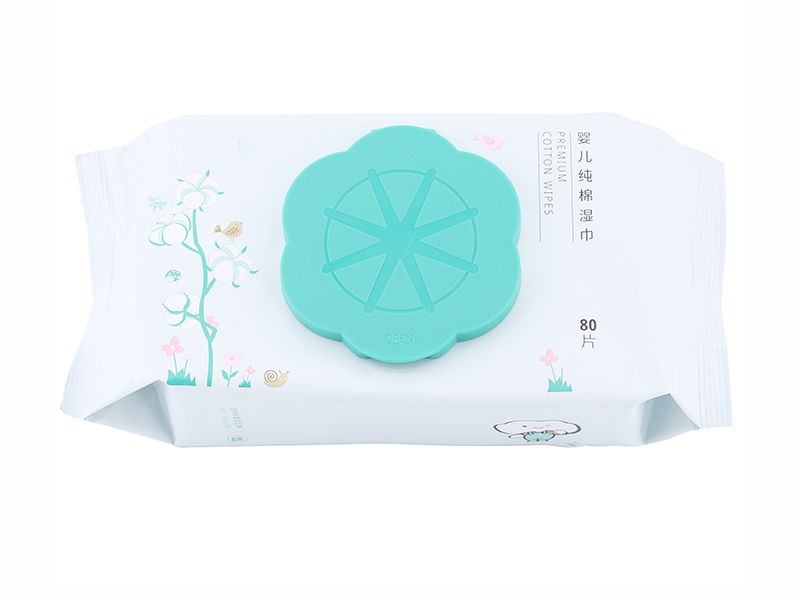
Wipes in multi-use packs should have a secure resealable closure. Poor sealing leads to evaporation of the moistening solution, resulting in drier wipes that require more friction to use — a significant concern for sensitive skin. Look for packs with a firm adhesive flap or a hard plastic flip-top lid.
Individual Packaging
Individually wrapped wipes offer the highest level of freshness and hygiene. Each wipe is fully sealed until use, preventing contamination and ensuring consistent moisture levels. They are particularly valuable for travel and on-the-go use, where a resealable pack may be opened and closed many times.
Material-Safe Packaging
The packaging material itself should be BPA-free and manufactured without chemical migrants that could leach into the wipe solution. Reputable manufacturers test their packaging for compliance with international safety standards, including REACH regulations in the EU and FDA standards in the US.
Frequently Asked Questions (FAQ)
Q1: Can I use makeup remover wipes every day if I have sensitive skin?
Yes, if the wipe is specifically formulated for sensitive skin — fragrance-free, pH-balanced, and made with a soft fabric — daily use is generally safe. Follow up with a light moisturizer to restore hydration after each use.
Q2: Are "natural" or "organic" wipes automatically better for sensitive skin?
Not necessarily. Natural ingredients can still cause allergic reactions — common botanical allergens include lavender, citrus extracts, and essential oils. Always check the full ingredient list regardless of natural claims.
Q3: Can makeup remover wipes replace a full facial cleanser for sensitive skin?
Wipes are best used as a first-step cleanser to remove surface makeup. A gentle rinse-off cleanser is still recommended afterward to remove residual wipe solution and any remaining impurities, especially for acne-prone sensitive skin.
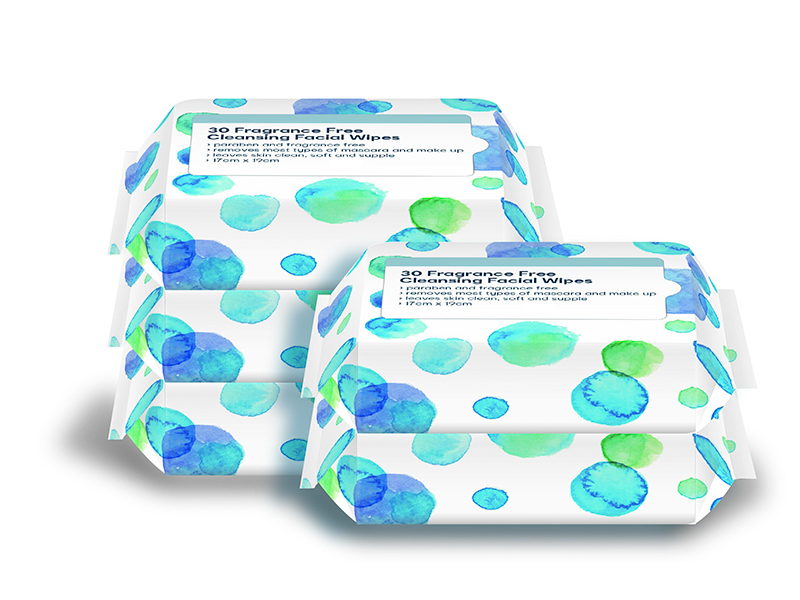
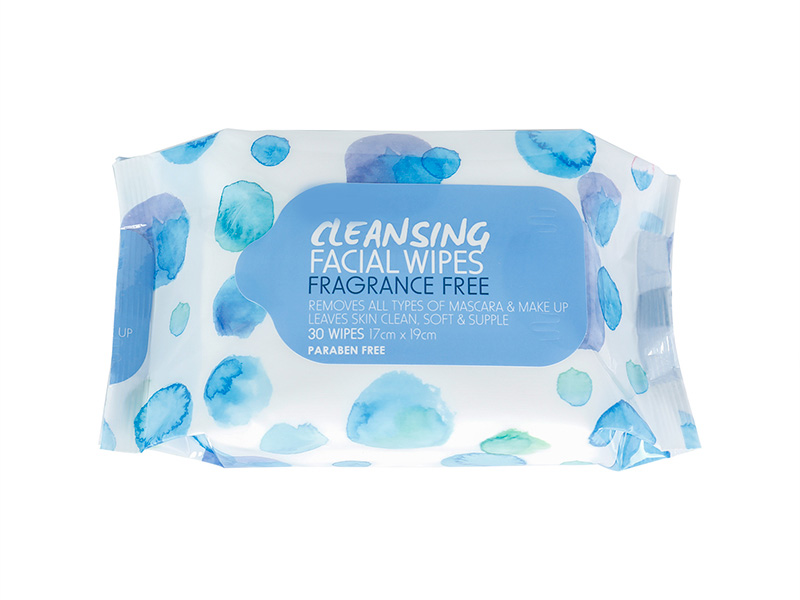
Q4: What sheet count is ideal for daily use — like a 30-count pack?
A 30-count pack is a practical size for approximately one month of nightly use. It also allows you to assess how your skin responds over a full usage cycle before committing to larger quantities.
Q5: Can makeup remover wipes cause long-term skin barrier damage?
Poor-quality wipes with harsh ingredients used aggressively over time can contribute to barrier disruption. However, well-formulated sensitive skin wipes used gently and followed by moisturizer pose minimal risk to long-term skin barrier health.
Q6: Are wipes with micellar water better than oil-based wipes for sensitive skin?
Micellar water wipes tend to feel lighter and leave less residue, making them preferred by many sensitive skin users. Oil-based wipes are more effective for heavy or waterproof makeup but may need thorough rinsing, which some users find irritating.
Q7: How do I know if a wipe substrate is truly soft enough for sensitive skin?
Look for products that specify spunlace nonwoven fabric, cotton-blend, or similar descriptions. If possible, feel the dry wipe texture before purchasing — it should feel smooth and flexible, not stiff or rough.