中文简体
中文简体 English
 日本語
日本語 русский
 Español
Understanding Food-Safe Disposable Kitchen Wipes
Food-safe disposable kitchen wipes are pre-moistened cleaning cloths specifically formulated for surfaces that come into direct contact with food. Unlike standard disinfecting wipes, these specialized products are designed to clean countertops, cutting boards, and food preparation areas without leaving harmful chemical residues that could contaminate ingredients or prepared meals.
The primary distinction lies in their formulation and compliance with regulatory standards. Food-safe wipes must meet strict requirements under FDA 21 CFR regulations, ensuring that any ingredients used are safe for incidental food contact. According to industry standards, wipes intended for food-contact surfaces must have extractable levels below 50 ppm per FDA 21 CFR 177.1520 to prevent migration of deleterious substances onto food.
Kitchen environments present unique cleaning challenges. Countertops encounter raw meat juices, vegetable debris, grease splatters, and frequent high-touch contact. Food-safe disposable wipes address these concerns by combining effective cleaning power with formulations that prioritize consumer safety. They eliminate the need for rinsing after use—a critical advantage over conventional cleaners that require thorough water rinsing before food contact.
Key Materials Used in Food-Safe Kitchen Wipes
The material composition of disposable kitchen wipes significantly impacts their performance, safety, and environmental footprint. Understanding these materials helps consumers make informed decisions when selecting products for food-contact surface cleaning.
Spunlace Non-Woven Fabric
Spunlace non-woven fabric represents the gold standard for premium kitchen wipes. This material is created through high-pressure hydroentanglement, where water jets bond fibers together without chemical adhesives. The result is a soft, durable cloth that maintains structural integrity even when saturated with cleaning solution.
Spunlace fabrics typically feature fiber blends such as wood pulp combined with polyester or viscose. Wood pulp provides exceptional absorbency—capable of absorbing liquids 30% faster than standard cotton cloths—while synthetic fibers contribute tensile strength exceeding 20 N/m². This combination ensures wipes resist tearing during vigorous scrubbing of stubborn grease deposits.
Wood Pulp Cellulose
Natural wood pulp cellulose offers biodegradable properties that appeal to environmentally conscious consumers. These fibers decompose naturally, reducing landfill burden compared to petroleum-based alternatives. Wood pulp-based wipes typically achieve absorbency rates suitable for soaking up spills up to 10 times their dry weight.
Products utilizing wood pulp cellulose are often certified compostable and free from plastic derivatives. They provide a soft texture that won't scratch delicate countertop surfaces like quartz, sealed granite, or stainless steel while maintaining sufficient abrasion to remove dried food particles.
Viscose and Bamboo Blends
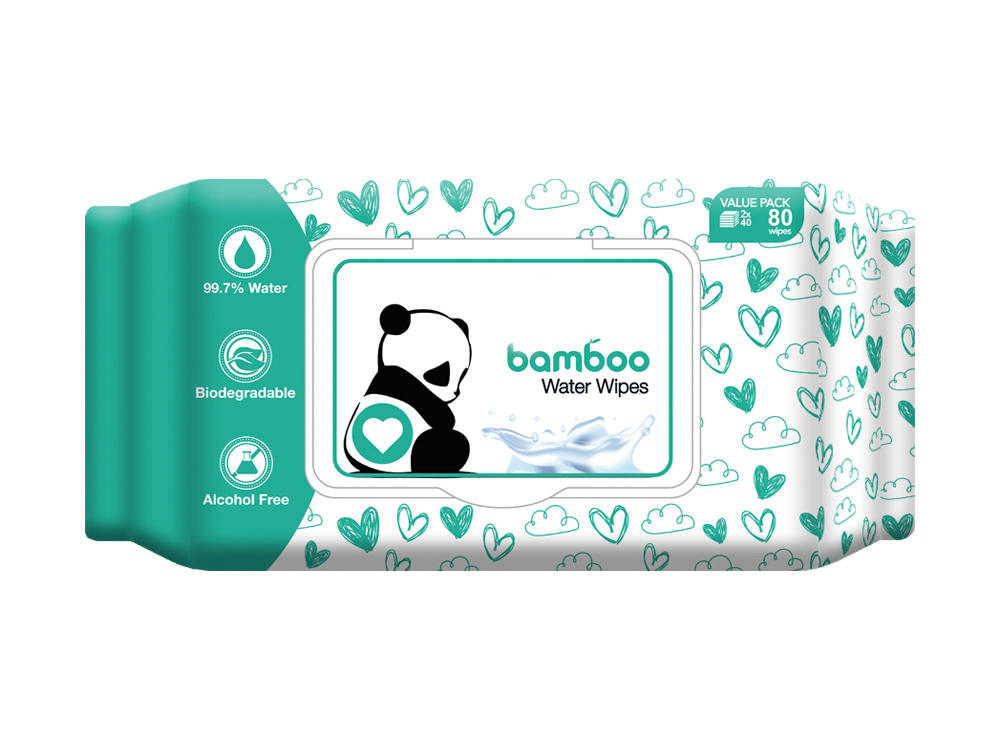
Viscose fibers, derived from regenerated cellulose, offer exceptional softness and high absorbency. When blended with bamboo fibers, these materials create wipes with natural antibacterial properties. Bamboo viscose blends can be manufactured with weights ranging from 35 gsm to 120 gsm, allowing manufacturers to optimize thickness for specific cleaning tasks.
The following table compares common material types used in food-safe kitchen wipes:
| Material Type | Absorbency | Biodegradability | Best Application |
| Spunlace (Wood Pulp + Polyester) | High | Partial | Heavy-duty grease removal |
| 100% Wood Pulp | Very High | High | Daily countertop maintenance |
| Viscose/Bamboo Blend | High | High | Gentle surface cleaning |
| Cellulose Sponge | Maximum | High | Spill cleanup |
Essential Certifications and Safety Standards
When evaluating food-safe disposable kitchen wipes, certifications provide objective verification of safety claims. Reputable manufacturers subject their products to rigorous third-party testing to demonstrate compliance with established regulatory frameworks.
FDA 21 CFR Compliance
The Food and Drug Administration's Code of Federal Regulations Title 21 sets forth requirements for materials intended for food contact. Wipes meeting FDA 21 CFR 177.2800 standards utilize substances generally recognized as safe for incidental food contact. Manufacturers must ensure that wipe materials do not allow migration of deleterious substances, impart colors, odors, or tastes to food.
According to the FDA Food Code, food-contact surfaces must be cleaned using agents that can be effectively rinsed away or, in the case of no-rinse formulations, leave residues within established safety tolerances. Food-safe wipes designed as no-rinse products undergo testing to verify they meet these strict residue limitations.
HACCP Alignment
Hazard Analysis and Critical Control Points (HACCP) principles guide food safety management in commercial settings. Disposable kitchen wipes supporting HACCP protocols help establishments maintain critical control points by preventing cross-contamination between raw and ready-to-eat food preparation areas.
Color-coded wipe systems—typically using blue, green, or red wipes for different zones—enable visual identification and prevent accidental use of restroom or general-purpose wipes in food preparation areas. This systematic approach reduces the risk of introducing pathogens from non-food areas into kitchen spaces.
EPA Registration for Disinfectant Wipes
Wipes containing disinfectant active ingredients must register with the Environmental Protection Agency. This registration verifies that the product meets efficacy claims for killing specific pathogens. However, consumers should note that not all EPA-registered disinfectant wipes are food-safe; registration indicates antimicrobial effectiveness but does not automatically confer food-contact safety approval.
Food-safe disinfectant wipes must carry specific labeling indicating suitability for food-contact surfaces without rinsing. Products lacking this designation should never be used on countertops where direct food contact occurs.
Critical Selection Criteria for Countertop Wipes
Selecting appropriate disposable kitchen wipes requires evaluating multiple factors beyond basic cleaning effectiveness. The following criteria ensure optimal performance while maintaining food safety standards.
Surface Compatibility
Modern kitchen countertops utilize diverse materials including quartz, granite, marble, stainless steel, laminate, and butcher block. Food-safe wipes must clean effectively without damaging these surfaces. Abrasive formulations can etch natural stone or scratch stainless steel finishes, while highly acidic solutions may degrade sealants on porous materials.
pH-neutral formulations generally provide the safest cleaning action across all countertop types. These formulations effectively remove grease and food soils without compromising surface integrity. For sealed stone surfaces, wipes should be free from harsh solvents that could penetrate and discolor the material.
Moisture Content and Drying Time
Pre-moistened wipes contain varying levels of cleaning solution. High-moisture wipes excel at dissolving dried food residues and grease but may leave surfaces temporarily wet. Quick-dry formulations minimize downtime in busy kitchens, allowing immediate food preparation after cleaning.
Standard moisture levels range from medium saturation for light daily cleaning to high saturation for deep cleaning tasks. Packaging with resealable closures maintains moisture levels throughout the product lifecycle, preventing wipes from drying out before use.
Residue and Streak Performance
The best food-safe wipes leave no visible residue or streaks after drying. Streak-free formulations contain balanced surfactant systems that lift soils without depositing films on surfaces. This characteristic proves particularly important for glass cooktops, polished stone, and stainless steel appliances where streaks are highly visible.
Testing demonstrates that wipes with proper surfactant balance achieve streak-free results on 95% of tested surfaces when used according to manufacturer instructions. Wiping technique also influences results—using single-direction strokes rather than circular motions minimizes streaking.
Packaging and Dispensing
Packaging design affects both convenience and product longevity. Resealable containers or adhesive lids prevent moisture loss, ensuring wipes remain effective until the last sheet. Pop-up dispensing systems allow single-handed retrieval during food preparation—a practical consideration when hands are occupied or contaminated.
Compact packaging sizes suit home kitchens with limited storage, while bulk containers serve high-volume commercial environments. Some manufacturers offer portable packs containing 15 to 30 wipes for outdoor cooking, picnics, or camping applications.
Proper Usage Techniques for Maximum Safety
Even the highest-quality food-safe wipes require proper usage techniques to achieve optimal results. Following established protocols ensures effective cleaning while maintaining food safety standards.
Preventing Cross-Contamination
Cross-contamination represents the primary food safety risk in kitchen environments. When using disposable wipes, adhere to the principle of single-use per zone. Never use the same wipe for raw meat areas and ready-to-eat food preparation surfaces. This practice prevents transferring pathogens from raw proteins to foods consumed without further cooking.
Implement a systematic approach:
- Use separate wipes for raw food zones, cooked food areas, and general surfaces
- Discard wipes immediately after cleaning high-risk areas such as raw chicken preparation zones
- Wash hands thoroughly after handling used wipes, even when using food-safe products
- Store unused wipes in sealed containers away from potential contamination sources
Contact Time Requirements
Disinfectant wipes require specific contact times to achieve claimed pathogen reduction. While cleaning wipes remove visible soils immediately, sanitizing action typically requires the surface to remain visibly wet for 30 seconds to 4 minutes depending on the active ingredients. Consult product labeling for exact timing requirements.
For food-contact surfaces, follow the manufacturer's instructions regarding rinsing. True food-safe no-rinse wipes allow immediate food contact after the surface dries naturally, while other formulations may require water rinsing before food placement.
Storage and Handling
Proper storage maintains wipe efficacy and prevents contamination. Store containers in cool, dry locations away from direct sunlight, which can degrade active ingredients and dry out the product. Avoid storing wipes near heat sources such as stovetops or ovens.
Always close containers immediately after dispensing a wipe. Exposure to air accelerates moisture loss and can introduce airborne contaminants. Most manufacturers recommend using opened containers within 3 to 6 months for optimal performance.
Environmental Considerations and Disposal
The convenience of disposable wipes carries environmental implications that conscious consumers should consider. Understanding disposal requirements and environmental impact helps users make responsible choices.
Biodegradability and Composting
Not all disposable wipes biodegrade equally. Wipes containing synthetic fibers such as polyester or polypropylene resist natural decomposition and persist in landfills for decades. Conversely, wipes manufactured from 100% plant-based fibers such as wood pulp, bamboo, or cotton can biodegrade within weeks to months under appropriate conditions.
Some manufacturers now offer flushable or compostable wipes certified by third-party organizations. However, even flushable wipes should not be disposed of in toilets unless explicitly labeled as sewer-safe, as they can contribute to plumbing blockages and wastewater system issues.
Proper Disposal Methods
Standard disposable kitchen wipes should be discarded in household trash. Never flush non-flushable wipes, as these products do not disintegrate in water like toilet paper and contribute to fatberg formations in municipal sewer systems.
Used wipes contaminated with raw meat juices or other potentially hazardous materials should be sealed in plastic bags before disposal to prevent cross-contamination during waste handling. This precaution protects sanitation workers and prevents odor issues.
Reducing Environmental Impact
Consumers seeking to minimize environmental footprint can:
- Select wipes with biodegradable certifications and minimal packaging
- Choose concentrated refill systems that reduce plastic waste
- Use reusable microfiber cloths for light cleaning and reserve disposable wipes for tasks requiring sanitization
- Purchase wipes in bulk to reduce packaging per wipe ratio
Common Applications for Food-Safe Kitchen Wipes
Food-safe disposable kitchen wipes serve multiple purposes beyond basic countertop cleaning. Understanding their versatility maximizes value and ensures appropriate use across kitchen tasks.
Countertop and Food Preparation Surfaces
The primary application involves cleaning countertops before, during, and after food preparation. Wipes effectively remove flour dust, vegetable trimmings, meat juices, and spilled liquids. Their single-use nature eliminates the bacterial harboring common with reusable sponges, which can contain millions of bacteria per square inch when not properly sanitized between uses.
Appliance Exteriors and Handles
Refrigerator handles, microwave touchpads, oven doors, and faucet controls represent high-touch surfaces requiring frequent cleaning. Food-safe wipes safely clean these areas without introducing chemicals that could transfer to hands and subsequently to food. The convenience of grab-and-wipe formats encourages more frequent cleaning of these often-neglected germ hotspots.
Cutting Boards and Utensils
Between cutting different ingredients, wipes provide quick sanitation of cutting boards and knives. This practice proves especially valuable when transitioning from raw proteins to vegetables or ready-to-eat foods. Food-safe formulations ensure that subsequent ingredients do not pick up cleaning chemical residues.
Dining Tables and High Chairs
Post-meal cleanup of dining surfaces requires products safe for incidental food contact. Food-safe wipes clean high chair trays, dining tables, and placemats without requiring extensive rinsing before the next meal. This application particularly benefits households with young children, where surfaces frequently contact both food and mouths.
Frequently Asked Questions
Q1: What makes kitchen wipes food-safe compared to regular disinfecting wipes?
Food-safe kitchen wipes are formulated with ingredients that meet FDA 21 CFR standards for incidental food contact. They leave no harmful residues and often require no rinsing before food contact, whereas regular disinfecting wipes may contain quaternary ammonium compounds or bleach that require thorough rinsing and are not certified for food-contact surfaces.
Q2: Can I use food-safe wipes on all types of countertops?
Most food-safe wipes are compatible with common countertop materials including quartz, granite, sealed stone, stainless steel, laminate, and solid surfaces. However, always verify surface compatibility on the product label. Natural stone countertops with unsealed surfaces may require pH-neutral formulations specifically to prevent etching or staining.
Q3: Do food-safe wipes kill bacteria and viruses effectively?
Food-safe sanitizing wipes can reduce common kitchen pathogens including E. coli and Salmonella when used according to contact time instructions. However, not all food-safe wipes are disinfectants. Products labeled as disinfectants must EPA-register and list specific kill claims. For maximum pathogen reduction, ensure the wipe remains visibly wet on the surface for the manufacturer-specified duration, typically 30 seconds to 4 minutes.
Q4: Are biodegradable food-safe wipes as effective as synthetic alternatives?
Biodegradable wipes made from wood pulp or plant fibers can match synthetic alternatives in cleaning effectiveness. Modern spunlace manufacturing creates strong, absorbent fabrics that resist tearing during use. The primary difference lies in wet strength—synthetic fibers may maintain slightly more strength when saturated, but premium biodegradable options perform comparably for typical kitchen cleaning tasks.
Q5: How should I store food-safe kitchen wipes to maintain their effectiveness?
Store wipes in their original sealed container in a cool, dry location away from direct sunlight and heat sources. Always reseal the package immediately after removing a wipe. Properly stored, most pre-moistened wipes remain effective for 3 to 6 months after opening. Never transfer wipes to unsealed containers, as this accelerates drying and reduces efficacy of active ingredients.
Q6: Can I flush food-safe kitchen wipes down the toilet?
No, unless the product is explicitly labeled as flushable and sewer-safe. Most kitchen wipes, even biodegradable ones, do not disintegrate rapidly enough for toilet disposal and can cause plumbing blockages or contribute to municipal sewer system issues. Always dispose of kitchen wipes in household trash. Even flushable-labeled wipes should be discarded in trash when possible to protect plumbing infrastructure.