中文简体
 English
 日本語
 русский
 Español
As demand for convenient cleaning products continues across personal care, healthcare, hospitality, and household applications, wet and dry wipes are attracting attention from international buyers looking for reliable quality and more sustainable materials. However, purchasing decisions are becoming more detailed. Buyers are no longer concerned only with softness, absorbency, and cleaning performance. Material composition, disposal instructions, moisture retention, and regulatory compliance are also influencing product development and supplier selection.

Plastic-Free Materials Are Becoming a Purchasing Priority
Environmental requirements are changing how brands evaluate nonwoven materials. In particular, the UK has introduced legislation prohibiting the supply of plastic-containing wet wipes from May 2027 in England. Similar restrictions are being introduced in other UK nations.
For manufacturers, this means material selection needs to be considered earlier in product development. Plant-based fibers, cellulose, and other suitable nonwoven materials are receiving greater attention as alternatives to conventional plastic-containing substrates.
When developing wet and dry wipes, we recommend evaluating:
- Fiber composition and whether the substrate contains plastic.
- Material softness and tensile strength during use.
- Absorption capacity and compatibility with different formulations.
- Applicable environmental claims and supporting documentation.
Choosing materials based only on environmental marketing descriptions can create problems when products enter different international markets.
Flushability Requires More Than a Marketing Claim
Another important industry development is the growing focus on how wipes behave after disposal. Improperly discarded wipes can contribute to sewer blockages and environmental pollution, particularly when plastic fibers are involved.
ISO published ISO/TS 18671:2026 in August 2026, providing test methodologies for assessing the compatibility of wet wipes and moist toilet tissue with wastewater collection and treatment systems.
This development makes it increasingly important to distinguish between plastic-free, biodegradable, and flushable products. These terms describe different product characteristics and should not be treated as interchangeable.
Manufacturers should select suitable substrates, conduct relevant testing, and provide clear disposal instructions instead of making unsupported flushability claims.
Absorbency and Moisture Retention Still Matter
While sustainability attracts attention, everyday performance remains a major purchasing consideration.
For wet wipes, insufficient moisture retention can cause uneven cleaning and an unpleasant user experience. Excessive liquid, on the other hand, may cause leakage or inconsistent dispensing.
Dry wipes present a different challenge. Their absorbency, surface texture, thickness, and resistance to tearing influence their suitability for cleaning, personal care, and industrial applications.
During product development, manufacturers need to consider the relationship between substrate structure and intended use rather than focusing on one material property alone.
Packaging Design Can Prevent Product Quality Problems
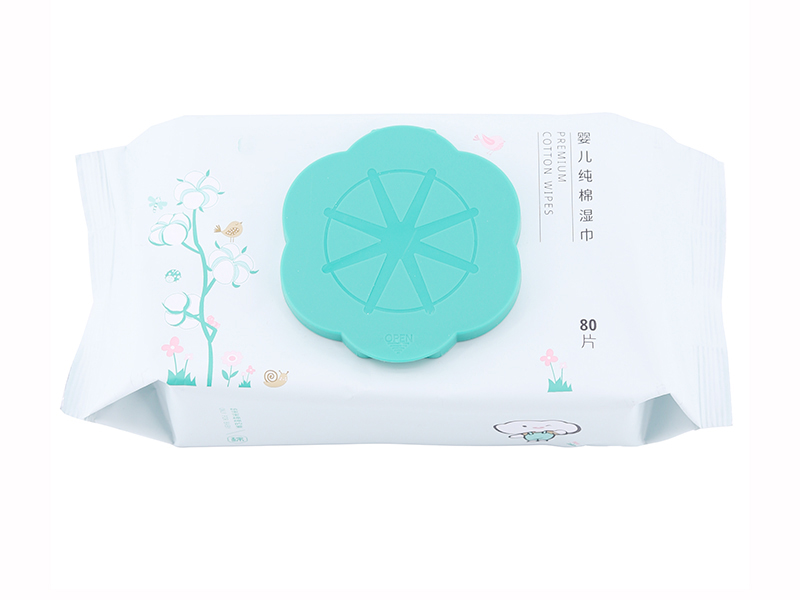
Packaging is closely connected to the performance of wet and dry wipes. Poor sealing may allow moisture to evaporate, while unsuitable dispensing openings can make individual wipes difficult to remove.
For bulk and retail orders, buyers should pay attention to:
- Resealable labels and lid structures.
- Moisture barriers and sealing performance.
- Pack size and dispensing convenience.
- Compatibility with storage and transportation conditions.
These details can reduce complaints related to dried-out wipes, damaged packaging, and inconsistent product presentation.
Different Applications Require Different Wipe Specifications
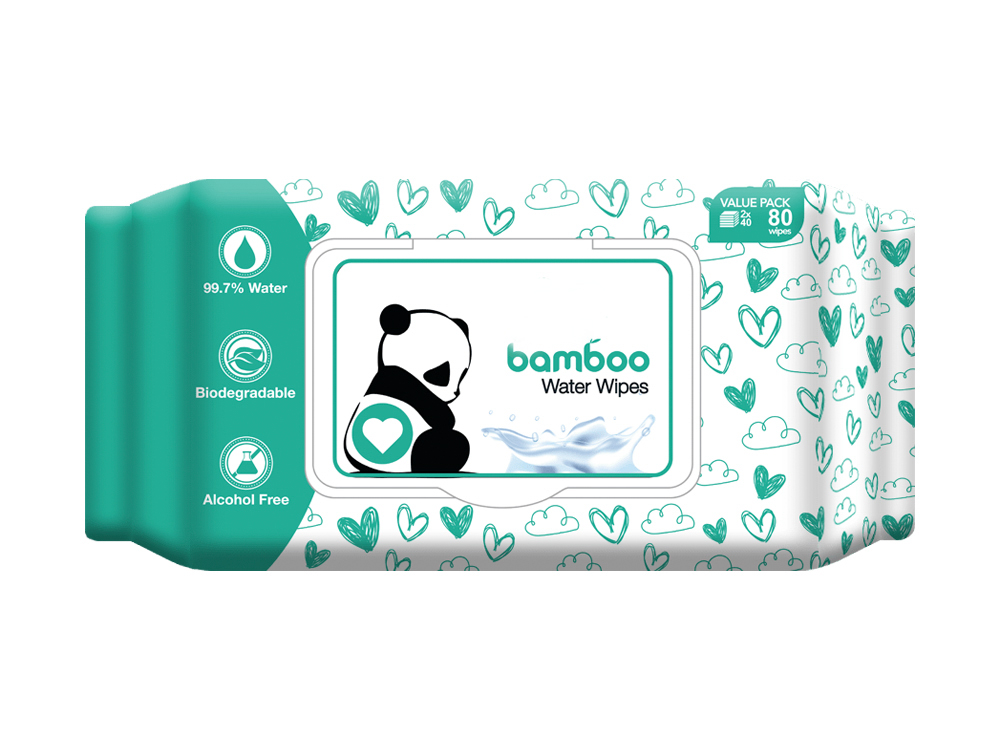
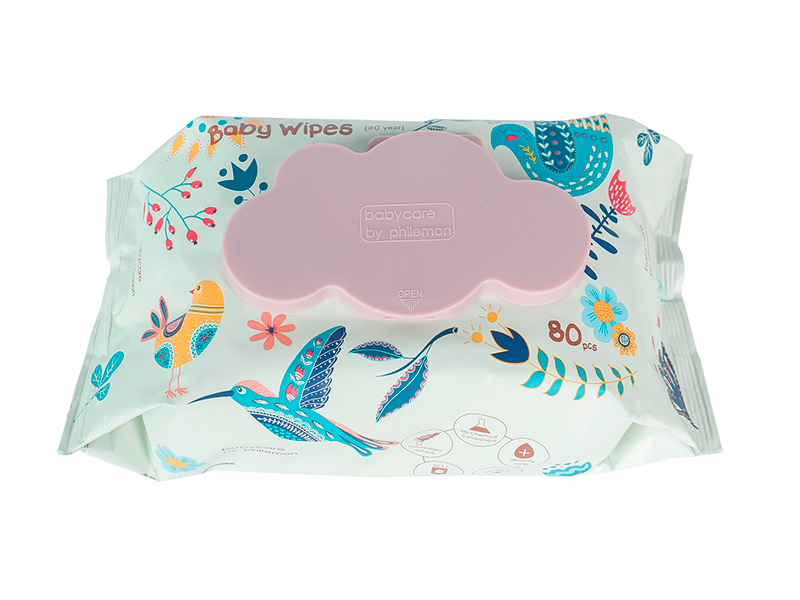
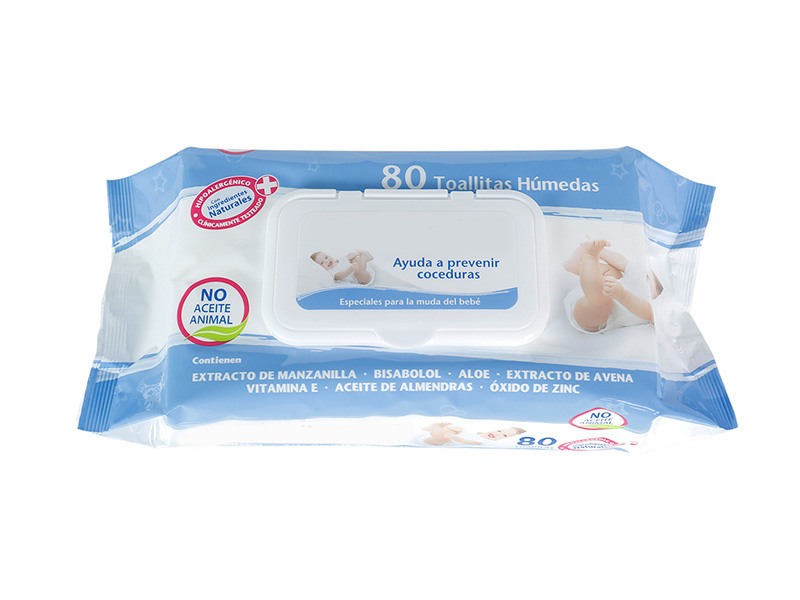
A single substrate specification may not suit every market. Baby care products require attention to softness and skin compatibility, while household cleaning wipes need suitable strength and liquid absorption.
Healthcare and industrial buyers may also have specific requirements concerning material structure, cleaning agents, and product handling.
Manufacturers should therefore clarify the intended application before confirming material selection, formulation, dimensions, and packaging.
Quality Control Should Cover the Entire Production Process
Consistent product quality depends on more than inspecting finished packages. Substrate selection, liquid application, cutting, folding, sealing, and storage conditions can all affect the final product.
A practical quality control process should include:
- Incoming material inspection.
- Absorption and tensile strength testing.
- Moisture distribution checks for wet wipes.
- Package sealing and leakage inspection.
- Finished-product appearance and specification checks.
Keeping these checks connected helps manufacturers identify production issues before bulk orders are delivered.
Developing Wipes for Changing International Markets
The wet and dry wipes market is moving toward products that combine practical cleaning performance, responsible material selection, and dependable manufacturing quality. For overseas buyers, working with a manufacturer that understands substrate differences, packaging requirements, and application-specific specifications can make product development easier. By addressing these factors from the beginning, wet and dry wipes suppliers can help brands build product ranges that respond to changing customer expectations and international market requirements.