中文简体
 English
 日本語
 русский
 Español
A diaper may look soft and well-designed on the shelf, but its real performance becomes clear during everyday use. Parents need reliable protection during naps, feeding, travel, and play, while retailers need products that deliver consistent quality and fewer fit-related complaints. As a baby diapers manufacturer, we focus on moisture management, absorbent core construction, and fit to help business buyers evaluate products against practical customer expectations.
Liquid Distribution Matters as Much as Absorption
Fast absorption is important, but liquid also needs to spread through the absorbent core instead of collecting in one area. Uneven distribution can create localized swelling, affect the diaper's fit, and make movement less comfortable.
When comparing baby diapers, buyers should examine absorption speed, retention, and rewet performance together. These factors provide a clearer picture of how a diaper handles repeated wetting than absorbency claims alone. Product testing under consistent conditions also makes comparisons between samples more meaningful.
Managing Moisture During Longer Wear
Parents often expect a diaper to remain comfortable between changes, particularly during naps or overnight sleep. However, extended wear places greater demands on liquid retention and moisture control.
The absorbent core, topsheet, and inner structure work together to manage liquid. A suitable design should retain moisture while limiting its return to the surface. Buyers sourcing daytime and overnight products should confirm that each version has been developed and tested for its intended use rather than assuming one construction will suit every situation.
Fit Helps Prevent Unexpected Leaks
Even a well-constructed absorbent core cannot prevent every leak if the diaper fits poorly. Gaps around the legs, an unsuitable waist size, or incorrectly positioned fastening tabs can allow liquid to escape.
We pay attention to elastic components, fastening systems, and diaper shape during product development. For distributors serving different markets, reviewing size guidance and testing samples on different body shapes can help identify fit issues before commercial orders are placed.
Material Selection and Skin Contact
The topsheet is the part of the diaper that comes into direct contact with the baby's skin. Its softness, surface texture, and moisture-transfer properties influence the wearing experience.
We evaluate material choices as part of the complete diaper structure rather than treating the inner layer as an isolated component. Buyers should also review material documentation and applicable safety requirements. Claims about skin sensitivity or hypoallergenic performance need appropriate supporting evidence to remain credible in product listings and packaging.
Quality Control Beyond the Initial Sample
For B2B buyers, product consistency is essential when moving from sample approval to repeat production. Variations in absorbent material placement, elastic tension, dimensions, or fastening strength can affect the experience across different batches.
Our manufacturing approach emphasizes agreed product specifications and suitable inspection procedures. Depending on the requirements, checks may cover absorption, leakage resistance, dimensions, fastening performance, and packaging integrity. Defining acceptance criteria before production helps establish a shared basis for quality evaluation.
Packaging That Supports Distribution
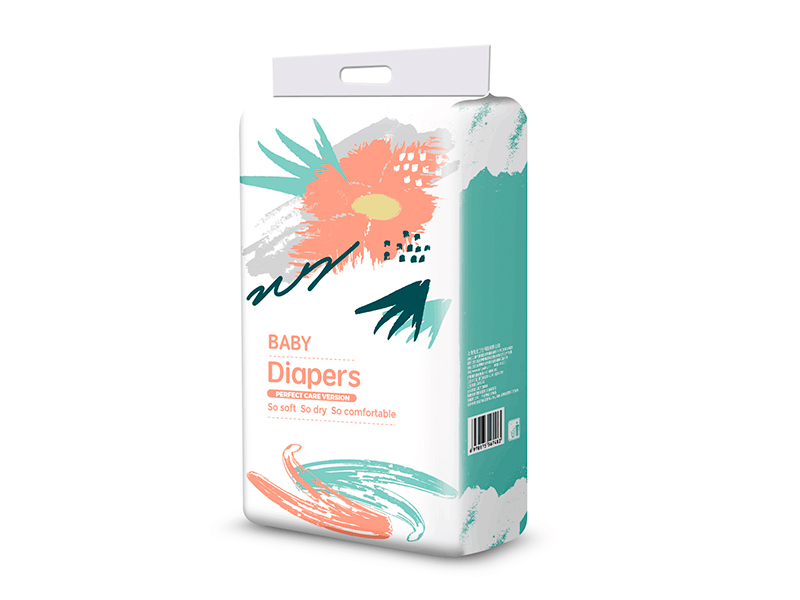
Packaging decisions affect storage, transport, and retail presentation. Compact packs may suit convenience stores and online orders, while larger packs may fit supermarket or wholesale channels.
Before production, buyers should confirm pack quantities, size labels, artwork, language requirements, and destination-market regulations. These details help prevent avoidable changes and make the supply process easier to coordinate.
Building Confidence Through Product Performance
Moisture management, fit, material comfort, and consistent production all contribute to a diaper's everyday usability. As a baby diapers manufacturer, we work with distributors and private-label brands to clarify performance expectations and select specifications suited to their target customers. A practical evaluation process helps buyers build a dependable product range around real family needs rather than relying on packaging claims alone.