中文简体
 English
 日本語
 русский
 Español
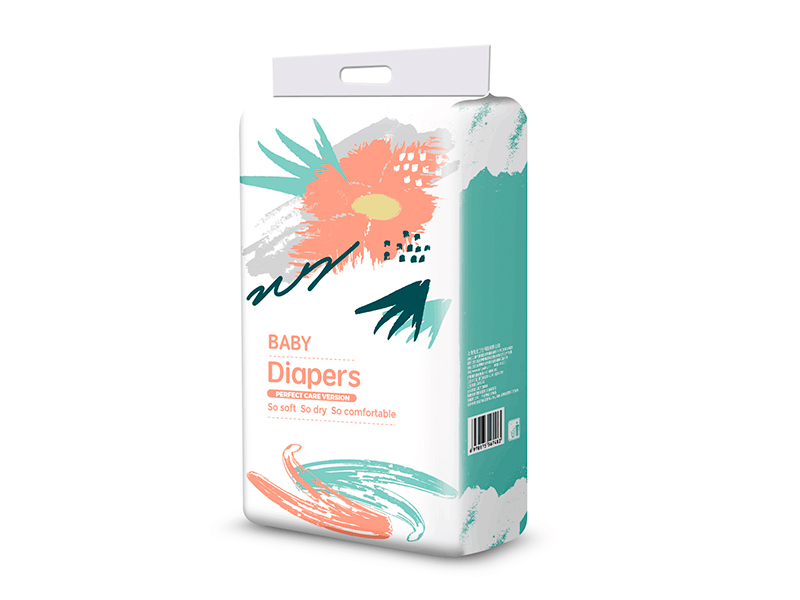
As babies grow from rolling and crawling to taking their steps, their diaper needs change. A design that works during quiet naps may not stay comfortable during active play. For retailers, distributors, and private-label brands, understanding these differences helps build a product range that meets real family needs. As a baby diapers manufacturer, we pay attention to fit, flexibility, absorbency, and material selection to help products perform reliably throughout daily activities.
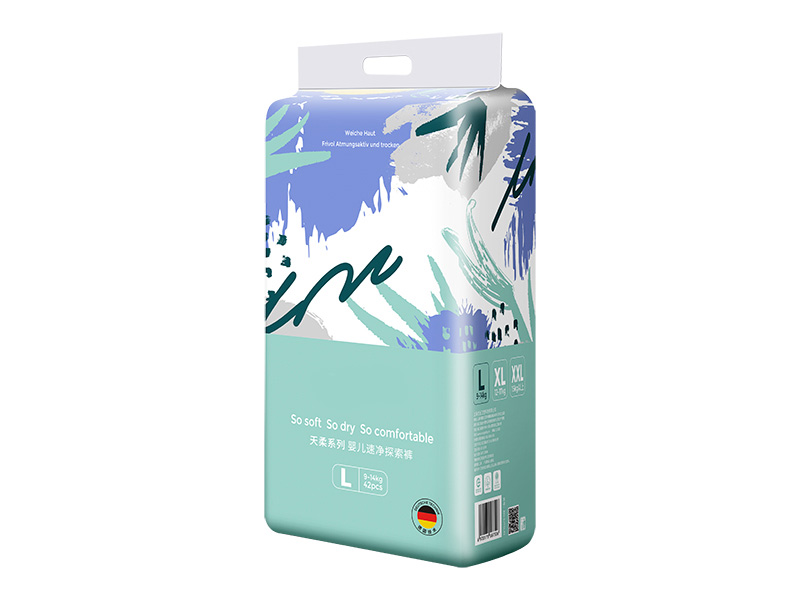
Flexible Construction for Growing Babies
Active babies bend, stretch, crawl, and move constantly. If a diaper feels restrictive or shifts out of position, parents may notice red marks, gaps around the legs, or leakage during movement.
Stretchable waistbands, flexible side panels, and well-designed leg cuffs help the diaper adapt to changing positions. Buyers should assess these features during sample testing rather than judging fit from product images alone. Checking different sizes and movement patterns can also reveal whether the design suits the intended age group.
Absorbency During Play and Sleep
Diaper performance needs to remain consistent when babies move around or sleep for extended periods. Liquid should spread through the absorbent core without creating excessive bulk or allowing moisture to return easily to the surface.
When evaluating baby diapers, buyers should consider absorption speed, retention capacity, and rewet performance together. Daytime products may prioritize flexibility and a slim feel, while overnight designs may require greater liquid-handling capacity. The right balance depends on the intended use and product specifications.
Keeping Materials Comfortable Against the Skin
Frequent movement can increase friction between a diaper and the skin. Material softness, surface texture, and moisture management therefore deserve attention during product development.
We consider the compatibility of the topsheet, absorbent structure, and outer materials when developing diaper products. Buyers serving warm or humid markets may also want to evaluate breathability and wearing comfort under local conditions. Any claims concerning sensitive skin or hypoallergenic properties should be supported by suitable testing and documentation.
Practical Features Worth Testing
Small design details can make a noticeable difference during daily diaper changes and active use. When reviewing samples, buyers can focus on:
- Elastic leg cuffs: Check whether they sit comfortably without leaving excessive gaps.
- Fastening tabs: Confirm that they remain secure during movement and can be adjusted as intended.
- Waistband flexibility: Evaluate whether the diaper stays in position without feeling excessively tight.
- Core distribution: Look for even construction and check whether the absorbent area remains suitable during wear.
These checks help buyers compare products based on actual use rather than packaging claims alone.
Production Consistency for Repeat Orders
For overseas distributors, a successful sample is only part of the evaluation. Repeat orders must maintain the agreed specifications to avoid inconsistent customer experiences and unnecessary complaints.
As a manufacturer, we emphasize production controls and inspection procedures appropriate to each product. Depending on the agreed requirements, checks may include dimensions, absorbency, leakage resistance, fastening performance, and packaging condition. Clear specifications established before production help both manufacturers and buyers manage expectations throughout the supply process.
Matching Product Design to Market Demand
Different sales channels may require different diaper combinations. Supermarkets may focus on pack sizes and shelf presentation, while online sellers may pay closer attention to product descriptions, size guidance, and packaging durability during delivery. Private-label brands may also need flexibility in product features and artwork.
As a baby diapers manufacturer, we work with business buyers to clarify their target age groups, intended applications, and packaging requirements before confirming product specifications. By focusing on everyday comfort and dependable performance, buyers can develop diaper ranges that respond to practical family needs and support long-term customer relationships.