中文简体
中文简体 English
 日本語
日本語 русский
 Español
Parents often notice diaper problems during ordinary routines: leakage during naps, poor fit when babies start crawling, or skin discomfort after extended wear. For retailers, distributors, and private-label brands, these concerns influence product selection and customer loyalty. As a baby diapers manufacturer, we focus on practical design details that help buyers choose products suited to different age groups, usage habits, and market expectations.
Fast Absorption for Everyday Comfort
A diaper needs to absorb liquid quickly and distribute it effectively through the absorbent core. If liquid remains near the surface, the baby may feel uncomfortable, especially during sleep or active play.
When evaluating baby diapers, buyers should consider absorption speed, liquid retention, and rewet performance together. A product that holds liquid but allows moisture to return to the surface may not deliver the expected wearing experience. Matching core construction to daytime or overnight use helps create a more suitable product range.
A Better Fit Reduces Leakage Complaints
Leakage does not always indicate insufficient absorbency. Gaps around the legs, loose waistbands, or incorrect sizing can also allow liquid to escape.
We pay attention to elastic leg cuffs, fastening tabs, and waistband construction during product development. These components help the diaper stay in place as babies roll, crawl, and walk. For overseas buyers, reviewing size charts and testing samples across different body shapes can help reduce fit-related complaints after a product enters the market.
Soft Materials Support Daily Wear
The inner surface touches a baby's skin for extended periods, making material selection an important part of product evaluation. Buyers should consider surface softness, moisture management, and the suitability of materials for the intended application.
Breathable structures may help manage heat and moisture, although actual performance depends on the complete diaper design. We recommend reviewing material specifications and relevant test documentation rather than relying solely on general marketing descriptions. Clear product information also helps retailers communicate realistic benefits to customers.
Quality Checks That Matter to Buyers
A sample may perform well, but overseas buyers also need confidence that subsequent batches will meet the agreed specifications. Differences in core placement, fastening strength, dimensions, or material texture can affect the user experience.
Our manufacturing process emphasizes consistent production requirements and appropriate quality inspections. Depending on the product specification, checks may cover absorbency, leakage resistance, dimensions, fastening performance, and packaging integrity. Establishing acceptance criteria before production helps both parties evaluate quality against the same expectations.
Packaging and Private-Label Flexibility
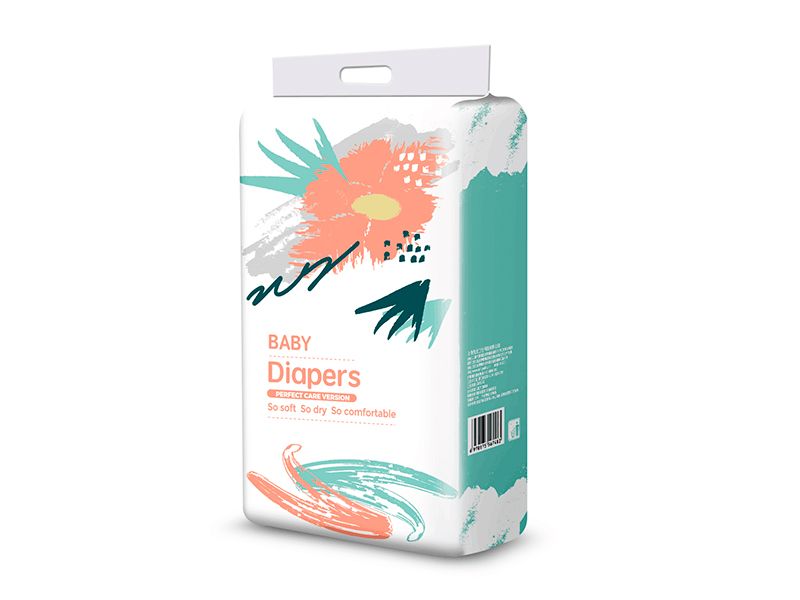
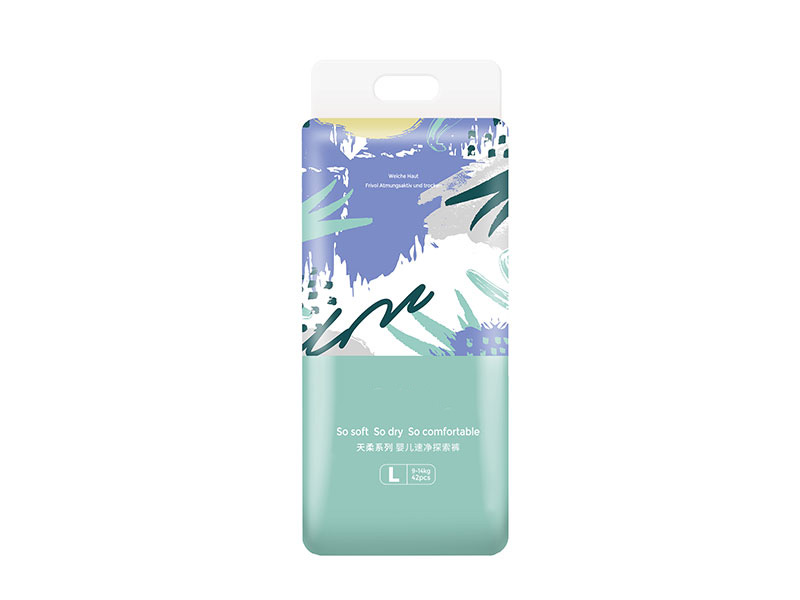
Packaging influences shelf presentation, warehouse storage, and transportation efficiency. Some buyers prefer compact packs for convenience retail, while others need larger packs for supermarkets or online sales.
Private-label projects should confirm size ranges, pack quantities, artwork, labeling languages, and applicable market requirements early. These details help prevent unnecessary packaging changes and keep product development aligned with the buyer's sales channels.
Choosing Products for Long-Term Sales
A reliable diaper range depends on more than price alone. Absorption, fit, material comfort, batch consistency, and packaging all contribute to customer satisfaction. As a baby diapers manufacturer, we work with business buyers to clarify product requirements and assess suitable specifications for their target markets. Starting with real consumer needs helps distributors and private-label brands build a product range that is practical for daily use and supports repeat business.