中文简体
中文简体 English
 日本語
日本語 русский
 Español
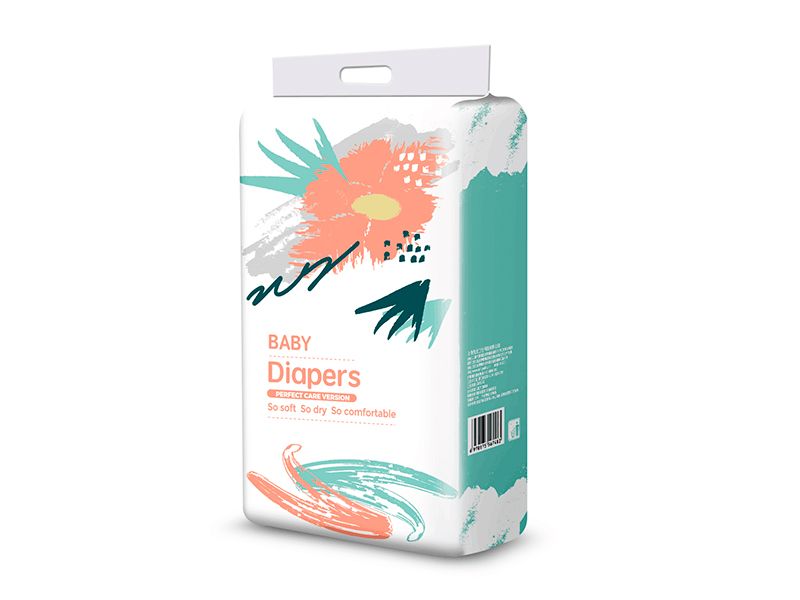
For parents, a diaper needs to do more than keep clothes dry. It should fit comfortably during naps, crawling, outdoor activities, and overnight sleep without causing frequent changes or skin irritation. As a baby diapers manufacturer, we understand that these everyday concerns also shape the decisions of retailers, distributors, and private-label brands. Choosing the right diaper design means balancing absorbency, fit, material softness, and production consistency to meet the needs of different markets.
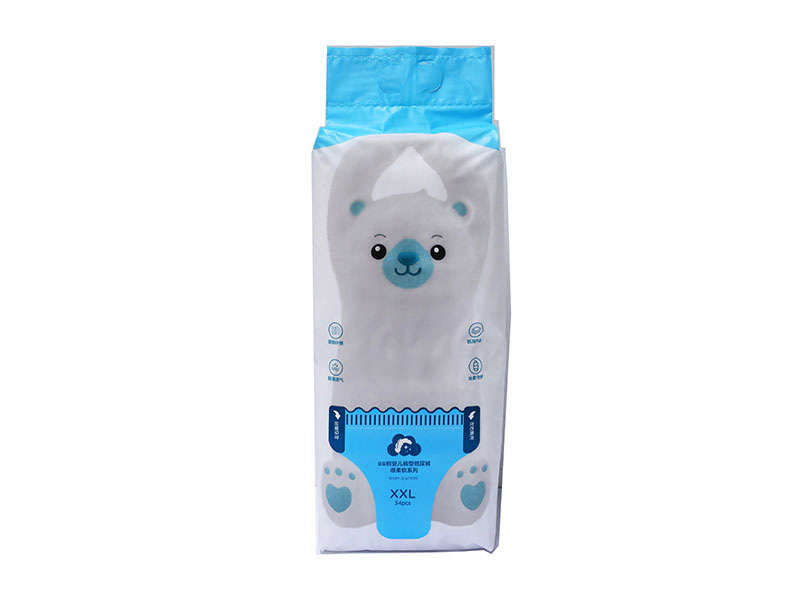
Absorbency That Matches Daily Routines
A diaper that absorbs liquid quickly helps keep moisture away from the baby's skin. However, absorbency is not simply about adding more absorbent material. The distribution of the absorbent core, its liquid retention capacity, and the way moisture spreads through the structure all affect performance.
For daytime use, quick absorption and a comfortable fit support active movement. Overnight products may require greater liquid retention and reliable protection during longer periods of wear. When developing baby diapers, we evaluate these factors according to the intended product type rather than applying one design to every application.
Leakage Protection Starts With Fit
Leaks often occur around the legs or waist when a diaper does not fit properly. Even an absorbent core cannot compensate for poorly positioned elastic components or an unsuitable diaper shape.
We pay close attention to leg cuffs, waist elasticity, fastening strength, and the overall cut. These details help the diaper follow a baby's movements while maintaining a secure fit. For buyers selecting products for different age groups, checking the size range and fit consistency is important because a diaper that works well for one stage may not suit another.
Skin Comfort Depends on Material Selection
Parents increasingly pay attention to softness, breathability, and the materials that touch their baby's skin. A rough inner surface or excessive moisture buildup can make daily wear uncomfortable, particularly in warm climates.
Our product development process considers the topsheet texture, material compatibility, and moisture management. Buyers should also review material specifications and relevant safety documentation before making product claims. Terms such as hypoallergenic or sensitive-skin suitable should only be used when supported by appropriate evidence.
Practical Details That Influence Product Choice
Beyond the absorbent core, several design features affect how easily a diaper fits into everyday routines:
- Stretchable waistbands: Help accommodate movement while maintaining a secure fit.
- Adjustable fastening tabs: Allow caregivers to position the diaper according to the baby's body shape.
- Wetness indicators: Can help caregivers recognize when a diaper may need changing, depending on the product design.
- Soft inner and outer layers: Support comfortable contact with the skin and a pleasant feel during handling.
Not every market requires the same combination of features. We work with buyers to identify the product specifications that match their target customers, retail positioning, and intended use.
Consistent Quality Across Production Batches
For distributors and private-label businesses, product consistency matters as much as the initial sample. Differences in absorbency, fastening performance, dimensions, or material feel can customer complaints and repeat-order difficulties.
As a manufacturer, we focus on production controls and product inspections that help maintain consistent specifications. Depending on the agreed requirements, quality checks can cover absorbency, leakage resistance, dimensions, fastening performance, and packaging condition. Clear product specifications and documented inspection procedures also make communication between manufacturers and overseas buyers more straightforward.
Packaging and Market Requirements
Packaging affects storage, transportation, shelf presentation, and customer understanding. Retailers may need compact packs for convenience stores, larger packs for supermarkets, or customized packaging for private-label programs.
Before confirming an order, buyers should review pack quantities, size labeling, language requirements, shipping protection, and applicable local regulations. Early agreement on these details can reduce avoidable revisions and help products move through the supply chain with fewer disruptions.
Building a Product Range Around Real Needs
Selecting baby diapers is a practical decision that connects product performance with customer expectations. Absorbency, fit, softness, quality consistency, and packaging all influence whether a product meets daily needs and earns repeat purchases. As a baby diapers manufacturer, we work with business buyers to clarify specifications, evaluate product requirements, and develop suitable solutions for their target markets. A well-defined product brief provides a solid starting point for building a reliable diaper range that supports both customer satisfaction and long-term business relationships.