中文简体
 English
 日本語
 русский
 Español
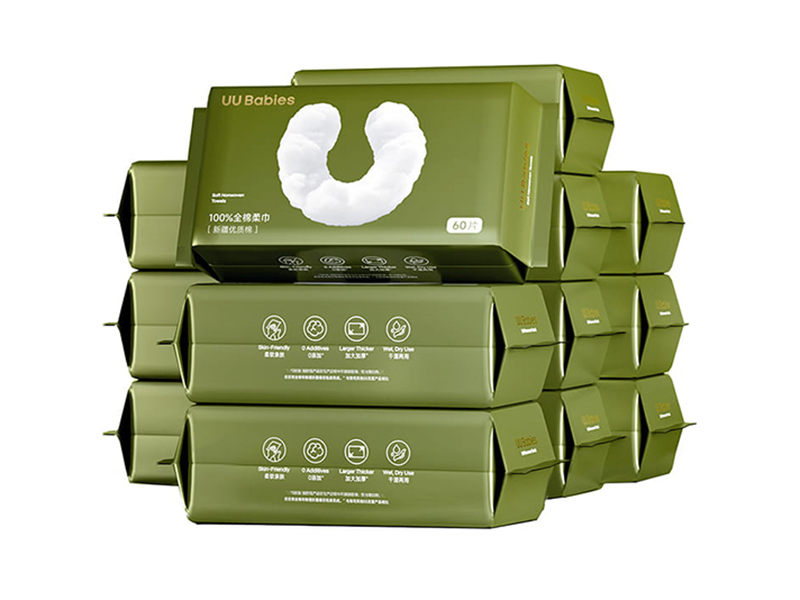
For distributors, private-label brands, and hygiene product suppliers, maintaining consistent wipe quality across different applications is an important part of product sourcing. A pack may look satisfactory when it leaves the factory, but problems can appear during transportation, storage, or daily use. Dry wipes may lose their softness or absorbency, while wet wipes can experience uneven moisture distribution or liquid leakage. As a manufacturer, we believe that producing reliable wet and dry wipes requires attention to material selection, production control, and packaging details from the beginning.
Choosing Nonwoven Materials for Different Applications
The performance of a wipe starts with its substrate. Different applications require different combinations of softness, tensile strength, absorbency, and surface texture.
For example, personal care products usually need a gentle surface, while household cleaning wipes may require greater durability when handling dirt and moisture. Buyers should consider the intended application before selecting a nonwoven material.
Common options include:
- Spunlace nonwoven for a soft texture and good liquid absorption.
- Spunbond materials for applications requiring structural strength.
- Blended nonwoven fabrics for balancing softness, durability, and cost.
Matching the substrate to the end use helps prevent unnecessary material costs and performance complaints.
Preventing Uneven Moisture Distribution
One common problem with wet wipes is that some sheets become excessively wet while others feel relatively dry. This can affect the user experience and create difficulties for distributors handling customer feedback.
During manufacturing, liquid formulation, substrate properties, and impregnation conditions all influence moisture distribution. We pay attention to the compatibility between the nonwoven fabric and the selected liquid formula.
For bulk orders, buyers should also check samples from different positions within a package rather than evaluating only the top sheet. This provides a more practical understanding of moisture consistency.
Keeping Packaging Sealed During Transportation
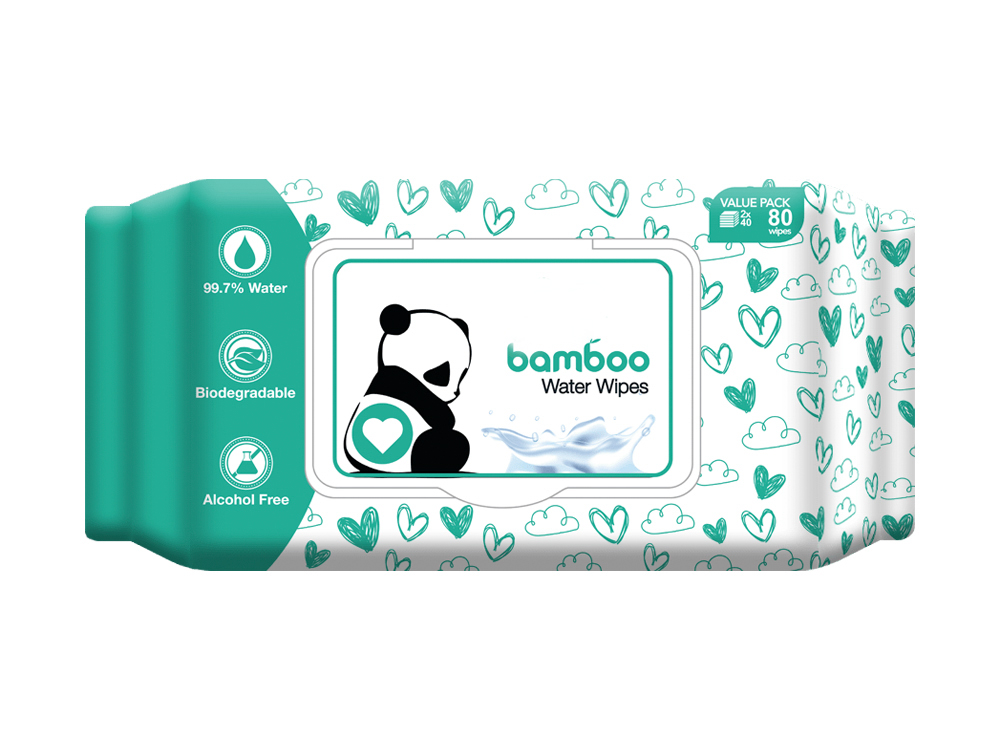
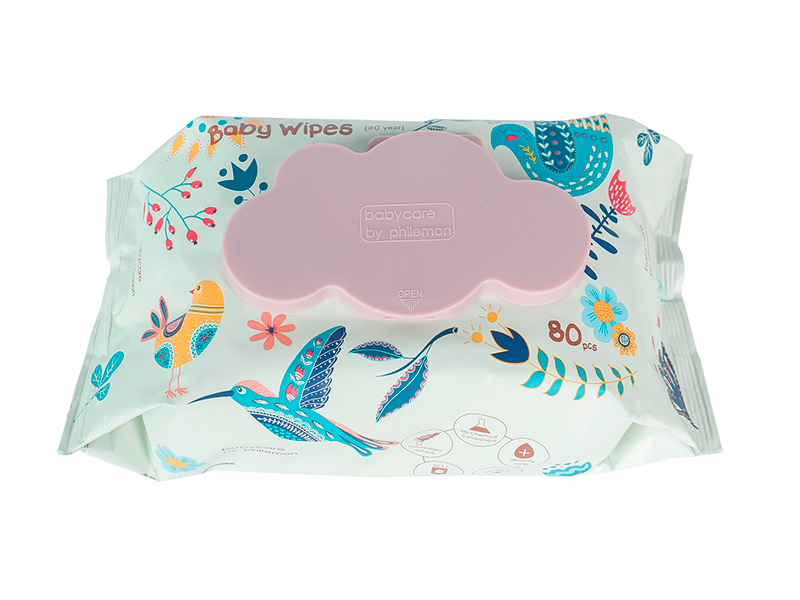
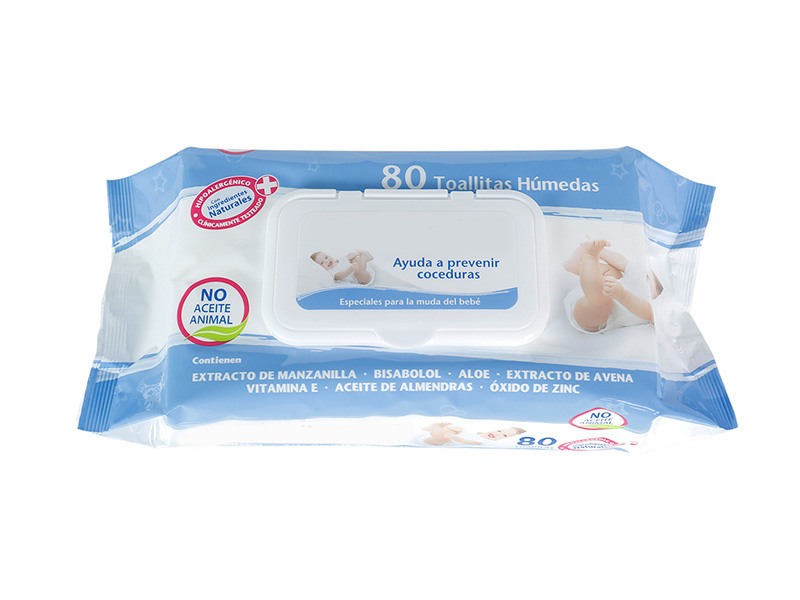
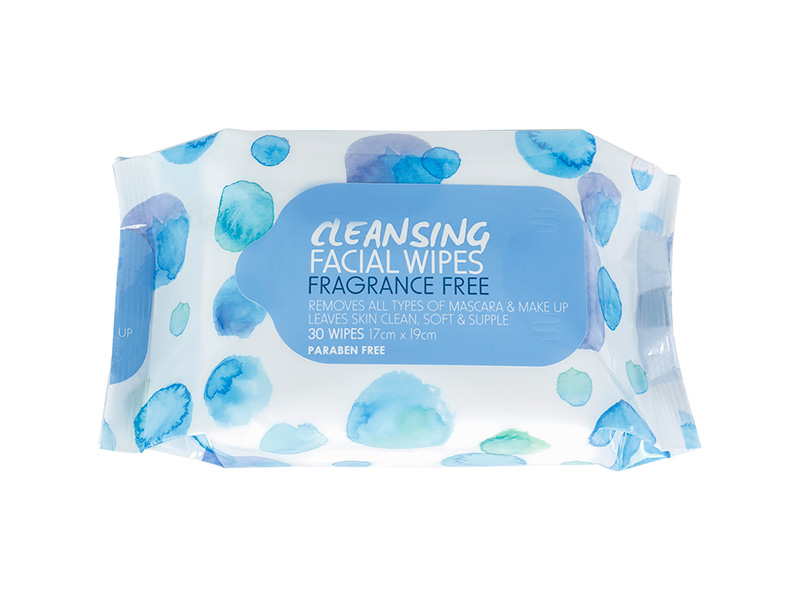
Packaging plays an important role in protecting wipe quality. Poor sealing can allow moisture to escape, causing wet wipes to dry out before reaching warehouses or retail channels.
For this reason, packaging selection should consider:
- Seal strength around package openings.
- Compatibility between packaging materials and liquid formulations.
- Resealable closures for repeated access.
- Resistance to compression during storage and shipping.
When developing private-label products, we recommend checking packaging performance alongside the wipe itself. A suitable substrate cannot compensate for inadequate moisture protection.
Adapting Materials to Changing Environmental Requirements
Material composition has become an important purchasing consideration in overseas markets. Buyers supplying European and British customers need to pay attention to plastic content, disposal instructions, and product classification.
For example, UK regulations are introducing restrictions on the supply of plastic-containing wet wipes, with the ban taking effect in England in May 2027. European guidance also distinguishes between different wipe materials and intended uses. UK Government Guidance European Union Guidance
Plastic-free alternatives, including suitable cellulose-based materials, may provide options for certain product lines. However, material claims should be supported by accurate composition information rather than packaging descriptions alone.
Maintaining Consistency Across Production Batches
A product sample represents only one stage of the purchasing process. For wholesalers and brand owners, the more important concern is whether repeat orders maintain the same specifications.
Our manufacturing quality checks focus on several practical areas:
- Fabric weight and thickness consistency.
- Sheet dimensions and cutting accuracy.
- Surface condition and material integrity.
- Moisture distribution in wet wipe products.
- Package sealing and finished product appearance.
These checks help identify production variations before finished goods enter the shipping process.
Matching Product Specifications to Target Markets
Not every buyer needs the same wipe specifications. Hospitality suppliers may prioritize convenient packaging and frequent-use performance, while personal care brands may focus more on softness and skin-contact requirements. Industrial buyers may need stronger materials for routine equipment cleaning.
Before confirming an order, buyers should communicate the intended application, substrate preference, sheet size, packaging format, and required documentation. Clear specifications make sampling and production discussions more efficient.
Building a More Reliable Wipe Supply Chain
Consistent product quality depends on more than selecting a suitable fabric. Material compatibility, liquid distribution, packaging integrity, and production inspection all contribute to the finished product. As a manufacturer, we work with buyers to evaluate these details before confirming product specifications and bulk orders. Whether developing customized wet and dry wipes for personal care, household cleaning, or professional applications, a clear understanding of the end-use requirements helps create products that are easier to distribute and more dependable in everyday use.