中文简体
 English
 日本語
 русский
 Español
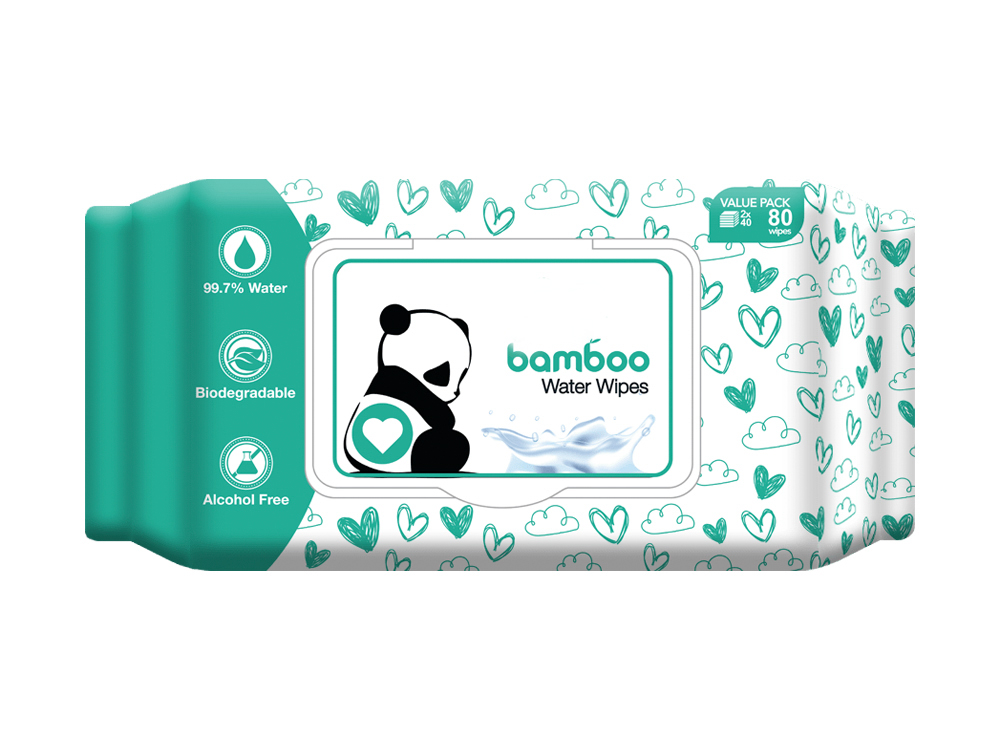
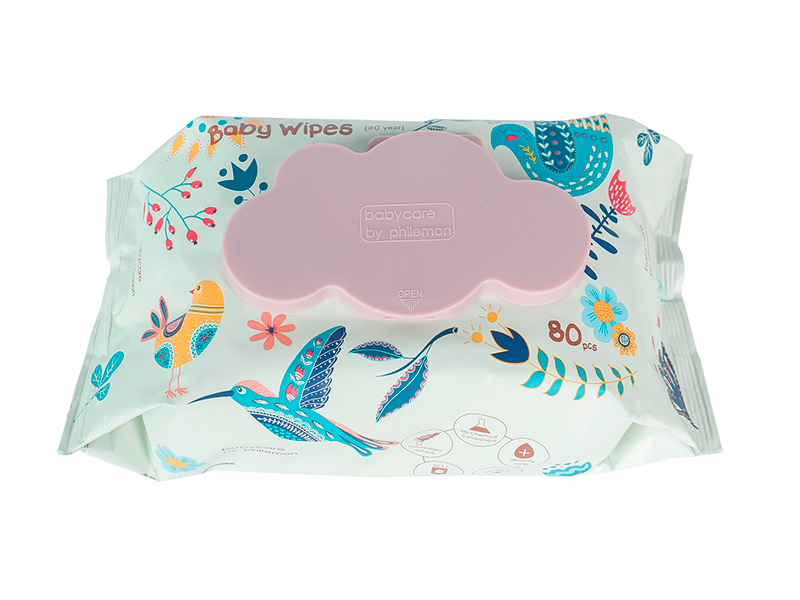
For overseas distributors and private-label brands, product complaints do not always come from poor raw materials. Sometimes, the problem lies in the combination of fabric, liquid formulation, and packaging. A wipe may feel soft but tear during use, or it may have good absorbency but become difficult to dispense after repeated opening. As a manufacturer, we pay close attention to these details when developing wet and dry wipes, helping buyers select specifications that suit their actual markets and applications.
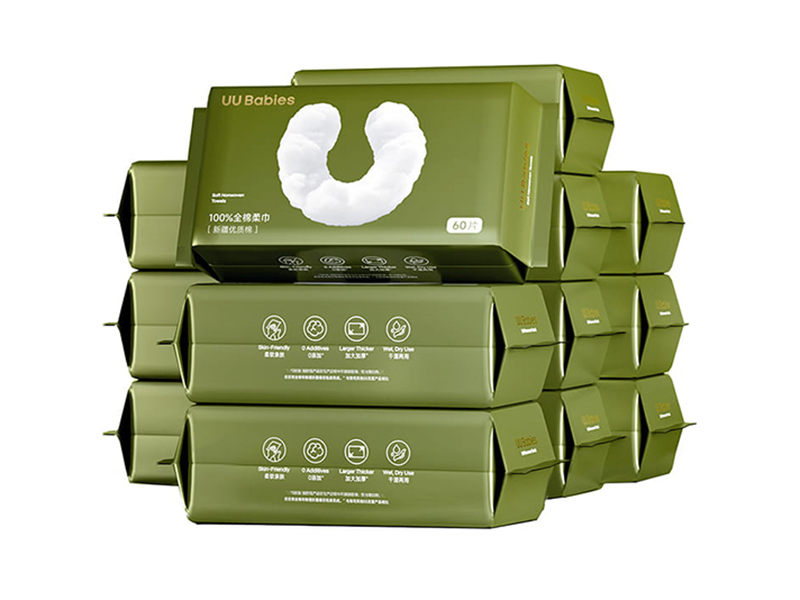
Fabric Strength Matters During Daily Use
Wipes need to remain intact when pulled, unfolded, and used on different surfaces. If the fabric is too weak, it may stretch or tear during cleaning. If it is too dense, liquid absorption and softness may be affected.
Spunlace nonwoven is commonly used because its structure can provide a combination of softness and strength. However, the suitable fabric weight and texture depend on the intended application.
Absorbency Should Match the Cleaning Task
Different buyers have different expectations for liquid absorption. Personal care wipes need a comfortable feel, while household cleaning products may require sufficient liquid retention to handle repeated wiping.
When selecting materials, we consider:
- Fabric composition and surface structure.
- Liquid absorption and retention.
- Thickness and flexibility.
- Resistance to tearing when wet.
These factors help buyers avoid choosing materials based on appearance alone.
Packaging Design Affects Product Usability
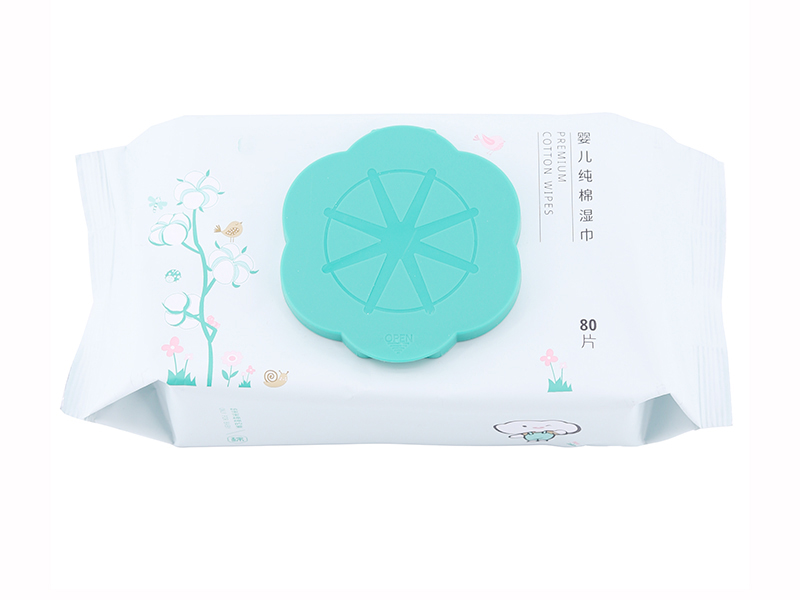
Packaging is often overlooked during early sourcing discussions. However, an unsuitable opening or weak resealable label can make a product inconvenient to use.
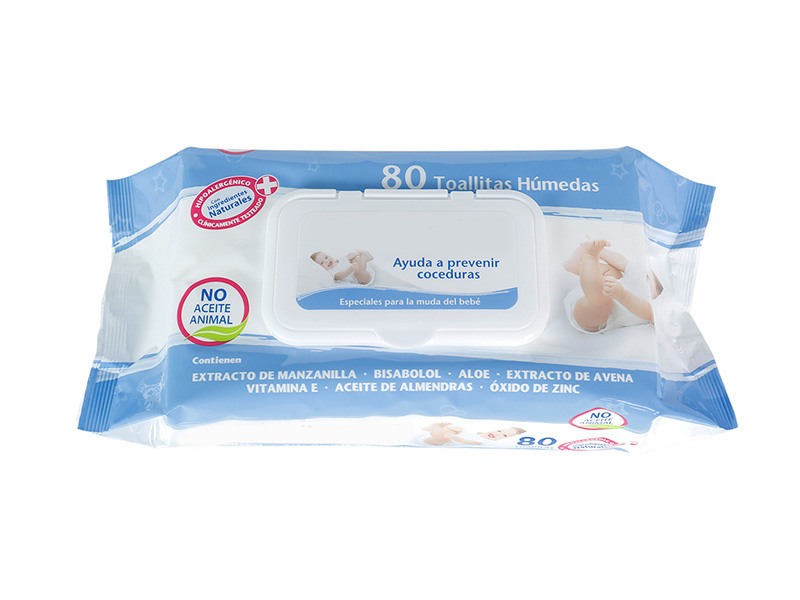
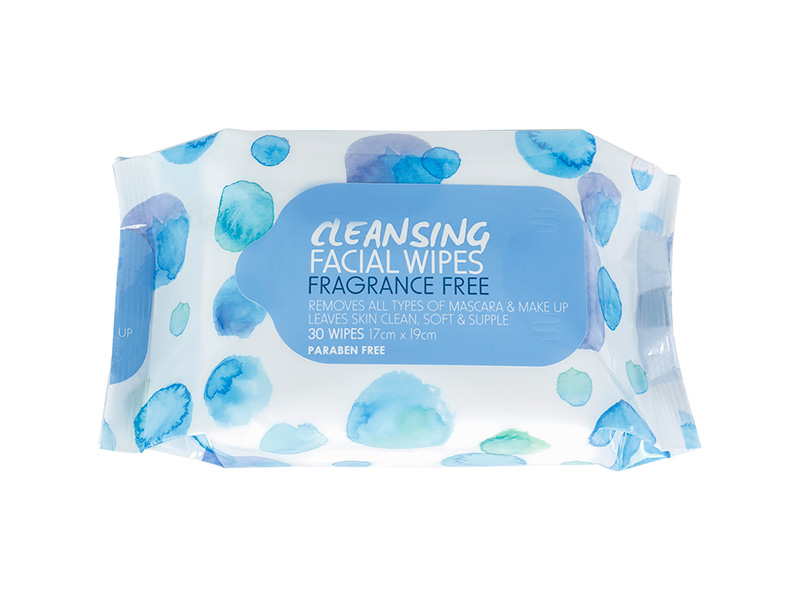
For wet wipes, effective sealing helps reduce moisture loss after opening. For dry wipes, packaging should protect the sheets from dust, contamination, and unnecessary exposure to moisture.
Packaging format should also reflect the sales channel, whether products are supplied to supermarkets, hospitality businesses, or professional cleaning distributors.
Avoiding Problems in Bulk Orders
A sample can show the basic appearance and feel of a wipe, but bulk production requires more attention to consistency. Small variations in fabric thickness, cutting, or folding may affect the finished package.
As a manufacturer, we recommend checking samples against confirmed specifications before mass production. Buyers should also establish clear requirements for sheet dimensions, material composition, packaging, and product application.
Developing Products for Different Customer Groups
A single wipe specification may not suit every market. For example, personal care distributors may prioritize softness, while commercial cleaning suppliers may focus on durability and convenient dispensing.
Understanding the target customer helps determine the appropriate substrate, sheet size, and packaging format. This also gives private-label brands more flexibility when developing different product ranges.
Making Product Specifications Easier to Confirm
Before placing a bulk order, buyers should provide clear information about the intended use, preferred material, package quantity, and required product documentation. This reduces misunderstandings during sampling and production.
Our manufacturing team evaluates these requirements together rather than treating fabric selection and packaging as separate decisions. A balanced specification helps control product quality and supports repeat purchasing.
Building Consistency From Material to Finished Package
Reliable wipes depend on the coordination of materials, production processes, and packaging details. For distributors and brand owners, these factors directly influence product handling, customer feedback, and repeat orders. By evaluating each stage before production, we help buyers develop wet and dry wipes that match their application requirements and remain consistent throughout the supply process.