中文简体
 English
 日本語
 русский
 Español
For wholesalers, hygiene product distributors, and private-label brands, wipe quality involves more than fabric softness and liquid absorption. The way individual sheets are folded and dispensed can also affect product usability. Sheets that stick together, become difficult to pull out, or tear during dispensing may cause customer complaints. As a manufacturer, we pay attention to these practical details when developing wet and dry wipes for different market applications.
Why Folding Methods Matter
Folding design affects how easily users can remove individual sheets from a package. If the folding structure is unsuitable, several sheets may come out together, resulting in unnecessary product waste.
Different packaging formats require different folding arrangements. Interfolded wipes are commonly used for convenient sheet-by-sheet dispensing, while other folding styles may be more suitable for compact retail packs.
During product development, we consider sheet dimensions, fabric thickness, and package size together.
Balancing Sheet Size and Package Capacity
A larger sheet does not always mean a more practical product. Buyers need to balance coverage, material consumption, package dimensions, and shipping requirements.
For example, personal care wipes may require a convenient sheet size for everyday use, while commercial cleaning wipes may need a larger format for wiping work surfaces.
Before confirming specifications, buyers should evaluate:
- Intended application and wiping area.
- Sheet dimensions and fabric thickness.
- Number of sheets per package.
- Folding method and dispensing convenience.
These details help prevent packaging mismatches during bulk production.
Preventing Sheets From Sticking Together
Wet wipes can sometimes be difficult to separate because of excessive liquid, fabric characteristics, or unsuitable folding arrangements. This problem becomes particularly noticeable when users try to remove one sheet quickly.
Manufacturers should evaluate the relationship between substrate structure, liquid loading, and folding tension. Testing multiple sheets from the same package can help identify dispensing problems before shipment.
Selecting Suitable Packaging Openings
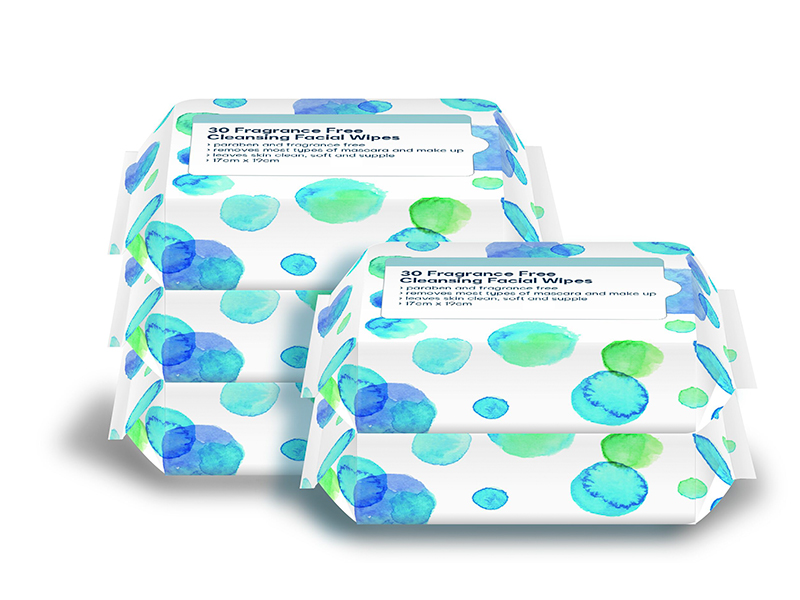
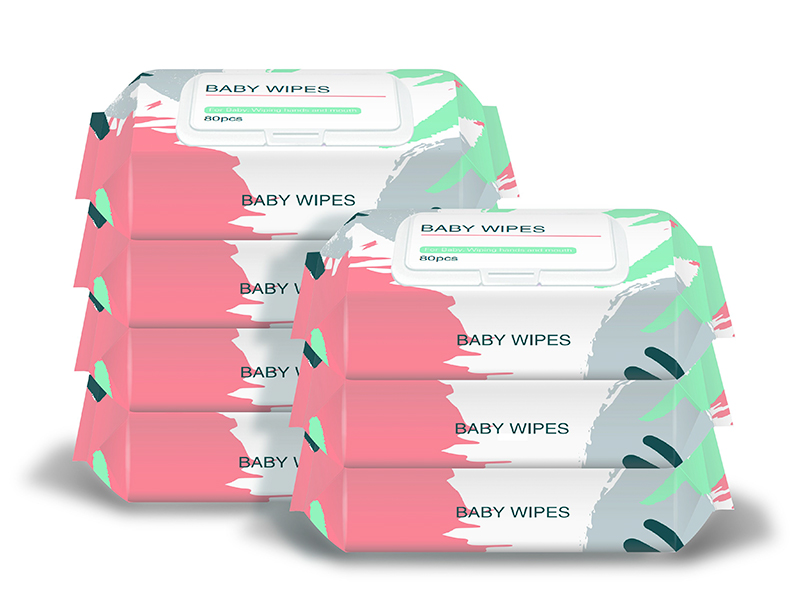
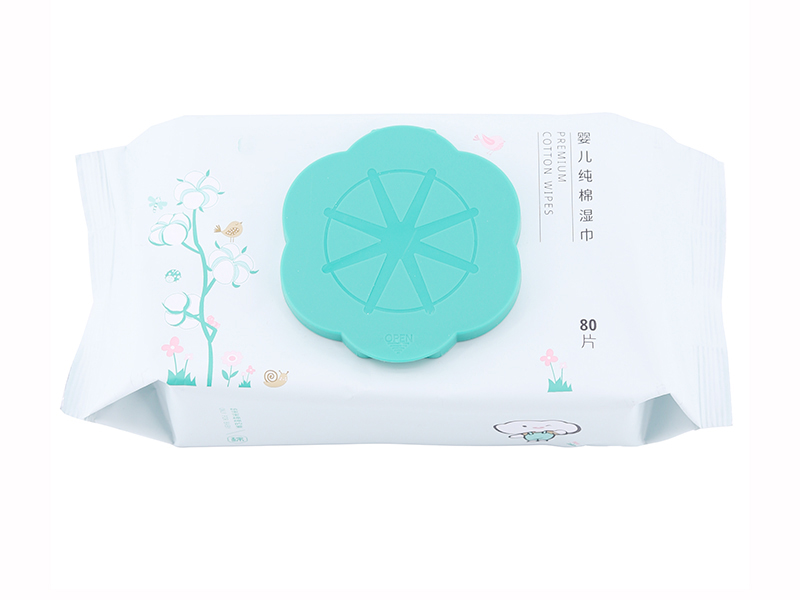
The package opening affects both accessibility and product protection. A resealable label may suit compact packs, while a rigid plastic lid can offer a different opening experience.
For buyers developing private-label products, packaging decisions should consider:
- Ease of opening and closing.
- Protection against moisture loss.
- Compatibility with the selected package material.
- Convenience during repeated use.
The right format depends on the target market and product positioning.
Maintaining Consistency During Mass Production
Small differences in folding position or sheet alignment can affect the appearance and dispensing performance of finished products. Therefore, production inspection should cover more than the fabric itself.
Our manufacturing checks include sheet cutting, folding accuracy, package arrangement, and finished product appearance. For wet wipes, sealing condition and moisture distribution also require attention.
Considering Different Distribution Channels
Retail brands, hospitality suppliers, and commercial cleaning distributors often have different packaging preferences. Retail customers may prefer compact packs, while institutional buyers may need larger packages that are convenient for frequent use.
Understanding the distribution channel before production helps manufacturers recommend suitable sheet sizes and packaging structures.
Developing Products Around Practical Use
A well-designed wipe should be easy to remove, comfortable to handle, and suitable for its intended task. These details influence how customers evaluate a product after purchase. By coordinating fabric selection, folding methods, and packaging design, we help buyers develop wet and dry wipes that meet practical market requirements and support consistent bulk supply.