中文简体
中文简体 English
 日本語
日本語 русский
 Español
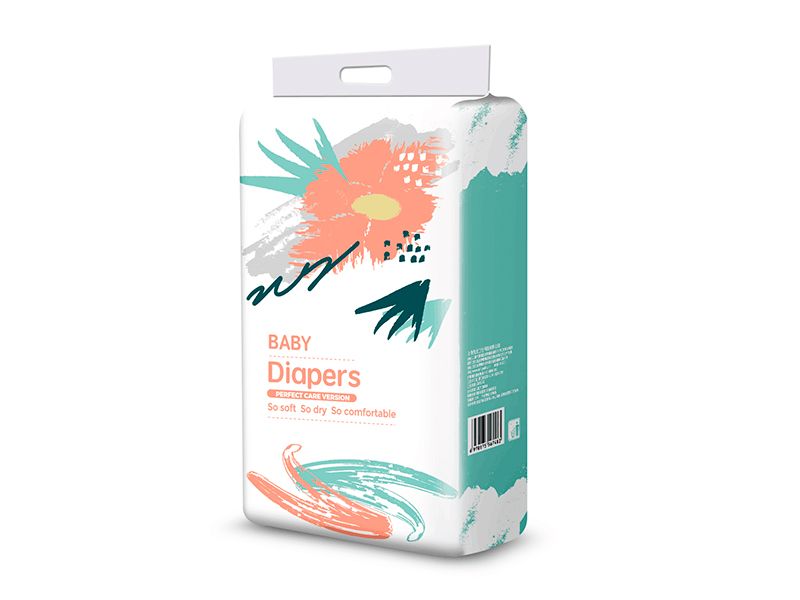
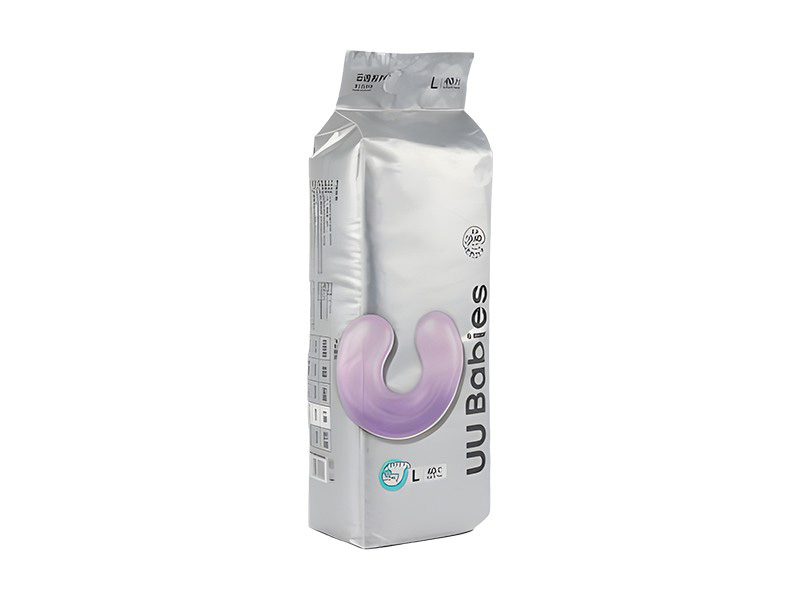
Baby care is a field where comfort, safety, absorbency, and trust must work together. A baby diaper is not simply a disposable hygiene product; it is a daily protection system that supports sleep quality, skin health, caregiver confidence, and brand loyalty. For newborns and infants, a well-designed tape diaper must adapt to frequent movement, delicate skin, different body shapes, and changing absorption needs throughout the day and night. The Baby Diapers described here are developed for newborns and infants with adjustable adhesive tapes, soft skin-friendly materials, double leak-proof barriers, a breathable back sheet, an elastic waistband, and an advanced SAP absorbent core that locks in liquid quickly and keeps the surface dry for hours.
These diapers are designed for parents who want dependable dryness and a gentle fit, and for distributors, retailers, and private label buyers who need a consistent, scalable, customizable product from an experienced manufacturer. Zhejiang Uniquality Nursing Products Technology Co., Ltd., supported by the long industrial background of Kingsafe & Uniquality, brings together more than three decades of nonwoven material expertise, advanced production capabilities, and market-oriented product development. This combination allows the diaper to compete not only on price, but also on fit, softness, performance stability, supply reliability, and OEM/ODM flexibility.
Understanding the Needs of Newborn and Infant Diaper Users
Newborns and infants require diapers that can provide protection without restricting movement or irritating the skin. Their skin barrier is still developing, which makes breathability, softness, and moisture control essential. A diaper that feels acceptable to an adult hand may still be too rough, too stiff, or too humid for a baby’s delicate skin. Therefore, premium baby diaper design begins with the understanding that dryness and gentleness are inseparable.
During the first months of life, babies spend much of their time sleeping, feeding, and being held. Diapers must perform in lying, sitting, crawling, and early standing positions. A product that absorbs well in laboratory tests but gaps at the waist or leaks at the leg opening will not satisfy parents. In practical use, leakage prevention depends on several elements working together: fast liquid acquisition, strong storage capacity, a snug but gentle waistband, elastic leg cuffs, and secure tapes that allow caregivers to adjust the fit.
The Baby Diapers presented in the provided product material are tape-style diapers. This format is especially suitable for newborns and younger infants because caregivers can lay the baby down and fasten the diaper with two side tapes. Adjustable adhesive tapes on both sides of the waist allow the fit to be customized according to the baby’s body shape. This is an advantage over less flexible designs because babies of the same weight range may have different waist sizes, thigh shapes, and activity levels. A customizable fit reduces pressure marks, prevents gaping, and improves overall comfort.
Core Product Positioning
This diaper is positioned as a soft, protective, and high-absorbency tape diaper for newborns and infants. Its main value lies in combining comfort and performance: soft materials protect delicate skin, while the advanced SAP core quickly absorbs and locks liquid away. The breathable back sheet helps release moisture and reduce the risk of diaper rash, while the double leak-proof barriers provide extra security around the leg area.
The product is also well suited to OEM and private label development. Retailers and distributors increasingly want diapers that can be customized for their target market while maintaining reliable quality. With strong manufacturing capabilities, experience in nonwoven materials, and the ability to support functionalization and customization, the manufacturer can provide a competitive foundation for private label baby diaper programs.
Key Features at a Glance
| Feature | Product Benefit | Competitive Advantage |
|---|---|---|
| Adjustable adhesive tapes | Allows caregivers to customize the waist fit | Improves comfort and reduces leakage caused by poor fitting |
| Soft skin-friendly materials | Gentle contact with delicate infant skin | Supports premium positioning and parent confidence |
| Double leak-proof barriers | Helps prevent side leakage during movement and sleep | Provides better practical protection than basic single-barrier designs |
| Elastic waistband | Creates a snug fit without gaping | Balances flexibility, security, and comfort |
| Breathable back sheet | Releases moisture and reduces stuffiness | Helps minimize diaper rash risk and improve wearing comfort |
| Advanced SAP core | Absorbs and locks in liquid quickly | Keeps the surface dry for hours and supports overnight use |
| OEM/ODM manufacturing support | Enables customized private label programs | Helps buyers differentiate products in competitive retail channels |
Softness as a Performance Standard
Softness is one of the first qualities parents notice when choosing a baby diaper. However, softness is more than a pleasant touch. It affects how the diaper feels during extended wear, how it moves against the skin, and how likely it is to create friction. A stiff or rough diaper can cause redness around the waist, thighs, or lower abdomen, especially when the baby moves frequently.
The diaper uses soft, skin-friendly materials designed to provide gentle contact. In modern diaper construction, softness can come from multiple layers, including the topsheet, acquisition layer, elastic components, and back sheet. The topsheet is especially important because it directly touches the baby’s skin. It must allow liquid to pass through quickly while remaining dry and smooth after absorption. A high-quality topsheet can improve the entire wearing experience by reducing stickiness and maintaining a pleasant surface feel.
Compared with low-cost competitors that may prioritize material savings over tactile quality, a diaper made with carefully selected skin-friendly materials can create an immediate difference. Parents often associate softness with care and safety. In private label programs, this is important because a soft hand feel can help a new brand earn trust during the first purchase and encourage repeat buying after real-life use.
Dryness Through Advanced Absorbent Core Design
Absorbency is the technical center of diaper performance. The advanced SAP core in this diaper is designed to absorb liquid instantly and lock it away from the surface. SAP, or superabsorbent polymer, is a critical material in modern diapers because it can retain many times its own weight in liquid. When properly distributed within the absorbent core, SAP helps prevent wetness from returning to the topsheet even when the baby sits, rolls, or sleeps for several hours.
Dryness is not only about total capacity. A diaper must manage liquid in stages. First, urine must pass through the topsheet quickly. Second, it must be distributed into the absorbent layer so that one area does not become overloaded. Third, SAP must lock the liquid securely. Fourth, the surface must remain dry enough to reduce prolonged contact between moisture and skin. If any of these stages fails, the diaper may leak, sag, feel wet, or contribute to irritation.
The described diaper emphasizes instant absorption and long-lasting dryness. This is a strong advantage in competitive markets, where parents often compare diapers based on whether they can last through naps, nighttime sleep, or outings. A diaper that keeps babies dry for hours can reduce the frequency of changes, improve sleep continuity, and help caregivers feel more confident when leaving home.
Leakage Protection for Real Baby Movement
Leakage is one of the most common reasons parents switch diaper brands. Even a soft diaper with good absorbency may fail if the fit is poor or if the leg area is not properly protected. Babies kick, roll, twist, crawl, and sleep in different positions. Liquid can move toward the sides before the core fully absorbs it, especially during sudden urination. This is why double leak-proof barriers are an important feature.
Double leak-proof barriers help create a secure channel around the leg openings. They are designed to reduce side leakage and contain liquid until it is absorbed by the core. This structure is especially valuable for infants who move frequently or sleep on their sides. Compared with simpler diaper constructions, a double-barrier system provides an additional line of defense and improves user satisfaction in everyday conditions.
The elastic waistband also contributes to leakage prevention. A snug waistband prevents gaps at the back and sides, which can otherwise lead to leakage during sleeping or sitting. The diaper is designed to fit closely without tightness, which is essential because parents do not want to choose between leak protection and comfort. A diaper that is too loose leaks; a diaper that is too tight leaves marks and causes discomfort. The best design achieves a flexible balance.
Adjustable Tapes and Customized Fit
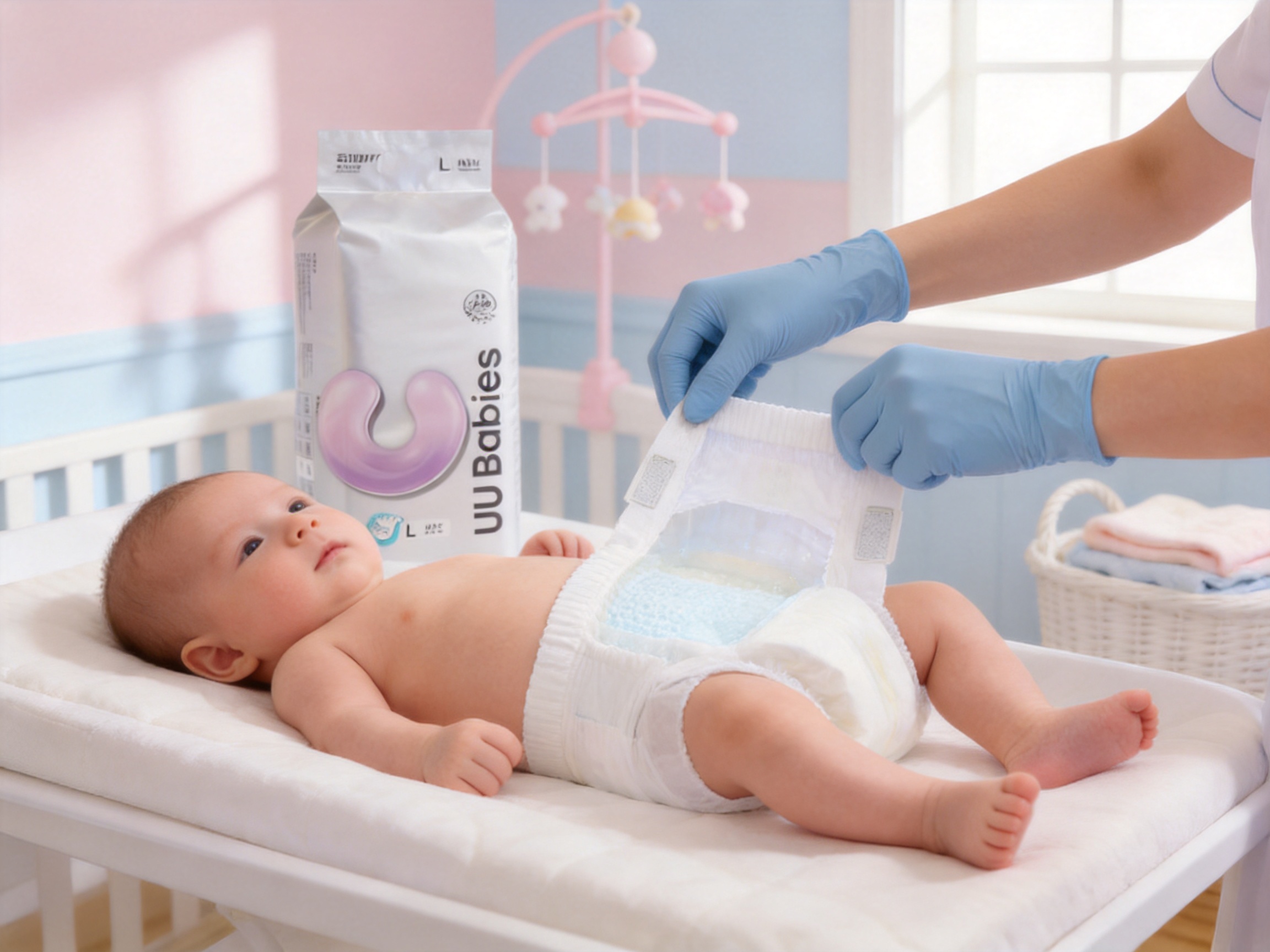
Tape diapers remain a preferred choice for newborns and young infants because they are easy to put on while the baby is lying down. The adjustable adhesive tapes on both sides of the waist allow parents to customize the fit. This adjustability is important because babies grow quickly, and the same size diaper must often accommodate small changes in body shape over several weeks.
Good tapes must attach securely, maintain grip during movement, and allow accurate positioning. If the tapes are weak, they may loosen and cause gaping. If they are too aggressive, they may be difficult to reposition or may damage the outer layer. A well-designed tape system supports both convenience and reliability.
Compared with pull-up pants, tape diapers can be easier for newborn care because caregivers do not need to pull the diaper over the baby’s legs. Compared with low-grade tape diapers, this product’s emphasis on adjustable fit and comfort helps differentiate it. The customization of the waist fit also makes it suitable for different regional body-shape preferences and market needs, which is important for private label customers selling across different consumer groups.
Breathability and Skin Health
Diaper rash is a major concern for parents. While many factors can contribute to skin irritation, moisture and heat trapped inside the diaper are among the most common issues. A breathable back sheet helps release moisture and reduce stuffiness, supporting a more comfortable microclimate inside the diaper. When combined with fast absorption and a dry topsheet, breathability can help protect the baby’s skin.
The breathable back sheet is designed to allow vapor to escape while maintaining leakage resistance. This is a key engineering balance. A diaper must not feel like sealed plastic, yet it must still contain liquid. Premium diaper design often focuses on this balance because it directly affects comfort during long wear periods.
In competitive comparison, some economy diapers may feel hot or damp after extended use because of weaker breathability or slower absorption. By focusing on moisture release and surface dryness, this diaper offers a more comfortable wearing experience. For brands seeking premium or mid-to-high market positioning, breathability is an important selling point that can be communicated clearly to parents.
Comfort Without Tightness
Parents often check a baby’s diaper fit by looking for red marks around the waist and thighs. Marks can indicate excessive pressure, while loose areas can indicate poor sealing. This diaper is designed with an elastic waistband that ensures a snug fit without gaping. The goal is a close, adaptive fit that follows the baby’s body without creating a feeling of tightness.
Comfort depends on flexibility. Babies do not remain still, and diapers must move with them. The waistband, side tapes, leg cuffs, and absorbent core must all work together without stiffness. A diaper that bends naturally and stays in place can improve sleep, play, and caregiver satisfaction.
This is also an important area where manufacturing experience matters. Elastic materials, bonding techniques, and production consistency influence how the diaper fits. If tension is inconsistent, some diapers may be too loose while others may be too tight. A strong manufacturer with advanced process control can reduce this variation and deliver more consistent product quality.
Manufacturing Strength as a Competitive Advantage
The performance of a baby diaper is not determined only by its design drawing. It depends on material selection, production equipment, process control, quality inspection, and supply chain stability. Zhejiang Uniquality Nursing Products Technology Co., Ltd. benefits from the industrial foundation of Kingsafe & Uniquality, a company founded in 1987 and developed into a national high-tech enterprise specializing in research, production, and sales of medical and hygienic nonwoven materials, nursing products, and high-end clothing interlining.
This background matters because baby diapers depend heavily on nonwoven material technology. The company’s product coverage includes spunlace nonwoven fabrics, spunmelt nonwoven fabrics, hot air through nonwoven fabrics, flushable and degradable nonwoven fabrics, wet wipes, dry wipes, baby diapers, pull-ups, wet toilet paper, and cleansing wipes. This broad material and hygiene product experience allows the company to understand not only diaper assembly, but also the behavior of the materials that form the diaper’s core comfort and protection layers.
For buyers, manufacturing strength reduces risk. A supplier with more than thirty years of industry development, multiple production bases, and experience serving medical, maternal and baby, beauty, home, industrial cleaning, clothing, and other fields can usually offer better quality stability and stronger development support than a short-term trading supplier. This is especially important for private label diaper projects, where consistent quality affects brand reputation directly.
Advanced Equipment and International Technology
Kingsafe has introduced advanced production equipment and technology internationally from Germany, France, and Italy. In hygiene product manufacturing, equipment quality influences product consistency, production speed, bonding accuracy, elastic placement, material cutting, and defect control. Modern diaper production requires precise coordination of multiple materials, including topsheet, back sheet, absorbent core, elastic components, leak guards, tapes, and packaging.
Advanced equipment helps ensure that each diaper maintains the intended shape, absorbent distribution, elastic tension, and sealing performance. If the core is not evenly formed, the diaper may clump or leak. If elastic placement is inaccurate, the leg cuffs may not seal properly. If tapes are misaligned, caregivers may find the diaper difficult to fasten. Therefore, production technology directly affects consumer satisfaction.
Internationally sourced technology can also support process efficiency and quality consistency. For OEM and ODM customers, this means the manufacturer can support larger orders while maintaining stable standards. It also enables product upgrades, such as improved softness, breathable structures, thinner absorbent cores, enhanced leakage protection, or customized packaging formats.
Nonwoven Expertise and Vertical Material Understanding
One of the company’s major strengths is its deep involvement in nonwoven materials. Nonwovens are essential to diaper performance because they appear in the topsheet, back sheet components, acquisition layers, side materials, and leak guards. A company with strong nonwoven knowledge can better adjust softness, strength, liquid permeability, breathability, and skin contact properties.
This creates an advantage over competitors that only assemble diapers using purchased materials without deep technical insight. When problems arise, such as slow absorption, rough touch, or poor breathability, a material-focused manufacturer is better positioned to diagnose and improve the structure. It can evaluate fiber selection, web formation, bonding methods, basis weight, and surface treatment. These details may not be visible to consumers, but they strongly influence the final user experience.
In addition, the company’s experience across medical and hygienic nonwoven materials reinforces its quality awareness. Products used in medical and hygiene fields require careful attention to safety, cleanliness, stability, and performance. This mindset supports diaper production because baby products must meet high expectations for skin contact and everyday reliability.
OEM and Private Label Opportunities
The global baby diaper market is highly competitive, but it also offers strong opportunities for private label development. Retail chains, e-commerce brands, importers, and regional distributors often seek reliable manufacturers who can provide product customization, packaging design support, size range development, and stable delivery. Zhejiang Uniquality Nursing Products Technology Co., Ltd. is positioned to serve this demand through OEM and ODM manufacturing for wet and dry wipes, diapers, and growing training pants.
Private label buyers need more than a factory that can produce a basic diaper. They need a partner who can help create a product that fits their target price, quality level, branding strategy, and regulatory requirements. Customization may include diaper size, absorbency level, softness grade, packaging count, artwork, positioning claims, and market-specific preferences. Because the company is able to meet differentiation, functionalization, and customization needs, it can support brands seeking to stand out in crowded retail categories.
For example, a premium private label may emphasize ultra-soft topsheets, overnight dryness, breathable comfort, and elegant packaging. A value-focused private label may emphasize dependable leakage protection and cost-effective daily use. A distributor entering a new market may require flexible minimum order planning, localized packaging language, and a product that balances affordability with quality. Strong OEM/ODM capability allows these different needs to be addressed within a controlled manufacturing framework.
Advantages Over Competitors
The product’s competitive advantage can be understood in several dimensions: fit, absorption, leakage protection, skin comfort, manufacturing background, and customization capability. Many diapers compete on one or two of these points, but a strong diaper must combine them.
First, the adjustable adhesive tapes provide better fit control than non-adjustable or poorly fastening systems. Parents can position the tapes according to the baby’s waist and body shape, improving comfort and reducing leakage risk. This is especially important for newborns and infants whose bodies change rapidly.
Second, the advanced SAP core provides fast absorption and liquid locking. Some low-cost diapers may absorb slowly or allow wetness to return to the surface. A high-performance SAP core helps maintain dryness for hours, improving sleep and reducing skin discomfort.
Third, the double leak-proof barriers provide stronger side leakage control. Basic diapers may rely on simple leg openings that fail during active movement or side sleeping. Double barriers add security and support parent confidence.
Fourth, the breathable back sheet improves wearing comfort. Cheaper diapers may feel stuffy, especially in warm climates or during long wear. Breathability can help manage humidity and reduce the conditions associated with diaper rash.
Fifth, the soft, skin-friendly materials help the diaper feel gentle against delicate skin. This is a major purchase driver for parents and a key factor in repeat buying.
Sixth, the manufacturer’s industry background provides supply and quality confidence. With a history dating back to 1987, multiple production bases, advanced imported equipment, and a strong position in China’s nonwoven industry, the company can offer more than simple contract production. It can offer technical depth, process experience, and scalable capacity.
Quality Control Across the Production Chain
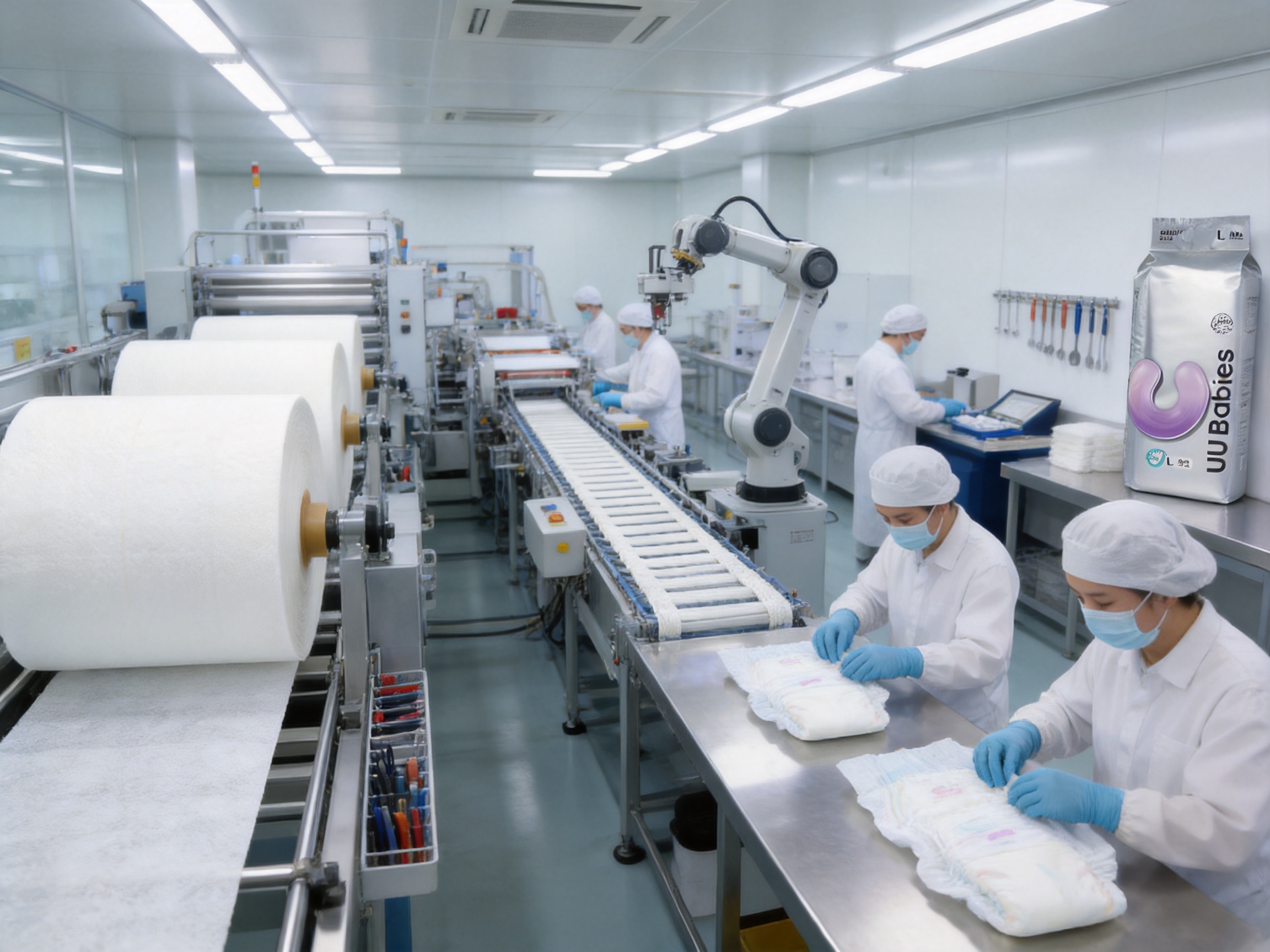
Reliable diaper manufacturing requires quality control at every stage. Incoming materials must be checked for softness, strength, cleanliness, absorbency, and consistency. During production, machine settings must be monitored to ensure correct cutting, alignment, bonding, elastic tension, and core formation. Finished products must be inspected for appearance, dimensions, adhesion, leakage resistance, and packaging integrity.
For private label buyers, quality control is especially important because the product carries their name in the market. Any leakage complaint, tape failure, or skin comfort issue becomes a brand problem. A manufacturer with mature processes can reduce the risk of inconsistency between batches. This supports long-term brand building and reduces after-sales pressure.
Quality control also includes traceability. A professional hygiene product manufacturer should be able to track materials and production batches, identify potential causes of issues, and implement corrective actions. The company’s broad experience in medical and hygienic nonwoven materials supports a systematic approach to production management.
Research, Development, and Product Innovation
Baby diaper innovation continues to evolve. Parents want diapers that are thinner, softer, more absorbent, more breathable, and more environmentally responsible. Retailers want products that are distinctive and profitable. Manufacturers must therefore continue improving materials and structures.
The company’s status as a national high-tech enterprise reflects its commitment to research and development. Its experience in different types of nonwoven fabrics, including spunlace, spunmelt, hot air through, flushable, and degradable nonwoven materials, provides a platform for future product upgrades. For diapers, such upgrades may include softer topsheets, improved acquisition layers, more efficient SAP distribution, thinner core designs, enhanced breathable backsheets, and more sustainable material options.
Innovation also includes consumer-oriented improvements. For example, easier-to-use tapes, clearer size markings, wetness indicators, improved packaging convenience, and better fit by weight range can all affect purchase decisions. In private label projects, R&D support can help buyers create products that respond to local consumer feedback and competitive trends.
Supply Chain Reliability and Production Scale
In the diaper business, supply reliability is a major purchasing factor. Retail shelves and e-commerce channels require consistent stock. If a supplier cannot deliver on time, a brand may lose market share even if the product is good. The company’s development into a leading enterprise in China’s industrial textile industry, together with multiple production bases in regions such as Guangdong, Jiangsu, and Hubei, supports production flexibility and supply capacity.
A strong supply chain also helps manage material fluctuations. Diaper production depends on SAP, nonwoven fabrics, films, adhesives, elastics, packaging materials, and logistics. A manufacturer with broad purchasing experience and established industrial relationships can better control cost, quality, and delivery. This is valuable for international buyers who need predictable planning.
The company’s location in the Yangtze River Delta region, with convenient land, sea, and air transportation, also supports export and domestic distribution. Efficient logistics can reduce lead times and improve responsiveness to customer demand.
Application Scenarios for the Diaper
The diaper is suitable for everyday infant care, including daytime wear, naps, overnight use, travel, daycare, and hospital or maternity settings. Its adjustable tape design makes it especially practical for newborn care because caregivers can change the diaper easily while the baby lies down. The soft surface and breathable back sheet support long-wear comfort, while the absorbent core and leak barriers provide protection during sleep and movement.
For hospitals, maternity centers, and maternal-baby retailers, product reliability is important because users may be first-time parents who are learning diaper routines. A diaper that is easy to fasten and dependable in use can create a positive first impression. For supermarkets and pharmacies, the diaper can be positioned as a trustworthy daily essential. For e-commerce, the combination of performance claims and private label customization can support visual branding and repeat subscription sales.
How the Product Supports Parent Confidence
Parents evaluate diapers through daily experience. They notice whether the diaper leaks at night, whether the baby wakes due to discomfort, whether the surface feels dry, whether red marks appear, and whether the diaper is easy to change. The product addresses these concerns through practical design features.
The adjustable tapes help parents achieve the correct fit. The elastic waistband reduces gaping. The double barriers reduce leakage. The SAP core locks liquid away. The breathable back sheet releases moisture. The soft materials protect delicate skin. Together, these features create a diaper that supports confidence across the full wearing cycle.
Confidence also comes from consistency. Parents do not want a diaper that works well in one pack but performs poorly in the next. Manufacturing stability is therefore part of the product promise. The company’s industrial experience and production capabilities help support this consistency.
Importance of Fit in Leakage Prevention
Absorbency alone cannot prevent every leak. Fit is equally important. A diaper that is too loose around the waist or thighs leaves channels where liquid can escape. A diaper that is too tight may cause discomfort and distort the absorbent core, reducing performance. Adjustable tapes and elastic components allow the diaper to adapt to the baby’s body and movement.
Parents should place the diaper high enough at the back, center the absorbent core, fasten the tapes evenly, and check that the leg cuffs are properly turned outward. A good diaper design makes these steps easier by providing flexible materials and reliable tapes. For private label brands, clear instructions on packaging can further reduce misuse and improve customer satisfaction.
Packaging and Branding Considerations for Private Label Buyers
For OEM and private label customers, packaging is a major part of product success. Parents often choose diapers from shelves or online listings based on trust signals: softness claims, absorbency claims, skin-friendly messaging, size clarity, and visual design. The diaper’s features can be communicated through packaging statements such as breathable comfort, soft touch, secure leak protection, adjustable fit, and long-lasting dryness.
Different markets may require different packaging strategies. In some regions, parents prioritize overnight absorbency. In others, softness and rash prevention are the strongest concerns. Some channels prefer jumbo packs for value, while others prefer smaller trial packs for new users. OEM flexibility allows buyers to create product lines that match local retail behavior.
Brand owners may also build a product range that includes newborn sizes, infant sizes, larger tape diapers, and training pants. Since the company also manufactures growing training pants and related hygiene products, buyers can develop a broader baby care portfolio with one manufacturing partner. This can simplify sourcing and create a more unified brand identity.
Environmental and Material Development Trends
Parents and retailers are increasingly interested in sustainability. While disposable diapers must meet strict performance requirements, manufacturers can still explore improvements in material efficiency, packaging reduction, degradable or bio-based components, and responsible production practices. The company’s experience with flushable and degradable nonwoven fabrics may support future development in more environmentally conscious hygiene products.
However, sustainability in baby diapers must never compromise safety or leakage protection. A diaper that leaks frequently may increase laundry, waste, and dissatisfaction. Therefore, responsible product development should balance environmental goals with functional performance. Advanced material knowledge is important for achieving this balance.
Why Manufacturer Selection Matters
For buyers, choosing a diaper manufacturer is a strategic decision. A low-cost supplier may seem attractive at first, but inconsistent quality can damage a brand quickly. A strong manufacturing partner should offer product development support, material expertise, stable production, quality control, export experience, and the ability to customize according to market needs.
Zhejiang Uniquality Nursing Products Technology Co., Ltd. provides several strengths relevant to these needs. The broader Kingsafe & Uniquality organization has a long history beginning in 1987, recognized strength in nonwoven materials, advanced equipment introduced from Europe, multiple production bases, and a wide product portfolio in hygiene and care products. These advantages help private label customers create competitive diaper products with more confidence.
The company’s long-term cooperation with well-known domestic and international brands also indicates its ability to meet professional customer requirements. For new brands, this experience can shorten the learning curve. For established brands, it can support product upgrades and supply expansion.
Detailed Product Benefit Analysis
Gentle Protection for Delicate Skin
Infant skin is thinner and more sensitive than adult skin. A diaper must reduce friction, manage moisture, and avoid rough contact. The soft, skin-friendly material structure helps provide gentle protection during daily wear. This is important not only for comfort but also for brand trust, because parents are unlikely to repurchase a diaper that causes visible discomfort.
Fast Liquid Intake
Fast absorption reduces the time liquid remains on the surface. The advanced SAP core is designed to draw in and lock liquid quickly, helping the topsheet stay dry. This feature is especially useful during nighttime use, when diapers may remain on longer than during the day.
Long-Lasting Dryness
Keeping the surface dry for hours improves baby comfort and helps reduce skin exposure to moisture. Long-lasting dryness is one of the strongest selling points for parents and can help a private label product compete with established brands.
Secure Waist Fit
The elastic waistband and adjustable tapes create a snug, customized fit. This reduces gaping and improves leakage prevention. The diaper is designed to fit securely without tightness, helping babies move naturally.
Side Leakage Control
Double leak-proof barriers provide extra protection at the leg openings. This is a key feature for active babies and for overnight use. Strong leakage control can reduce laundry, caregiver stress, and negative product reviews.
Breathable Comfort
The breathable back sheet helps moisture vapor escape, reducing stuffiness inside the diaper. This supports comfort in warm climates and during extended wear. Breathability also strengthens premium product positioning.
Q&A Section
What type of baby is this diaper designed for?
This diaper is designed for newborns and infants. Its tape-style structure is especially convenient for babies who are changed while lying down, and its adjustable waist tapes help caregivers achieve a comfortable fit.
How does the diaper help prevent leakage?
The diaper combines double leak-proof barriers, an elastic waistband, adjustable adhesive tapes, and a fast-absorbing SAP core. These features work together to reduce side leakage, waist gaping, and surface wetness.
Why are adjustable adhesive tapes important?
Adjustable tapes allow parents to customize the fit according to the baby’s body shape. This improves comfort and helps prevent leakage caused by a diaper that is too loose or unevenly fastened.
How does the diaper support skin comfort?
The diaper uses soft, skin-friendly materials, a breathable back sheet, and an absorbent core that locks away liquid. These features help reduce friction, stuffiness, and prolonged moisture contact.
What is the role of SAP in the diaper?
SAP, or superabsorbent polymer, absorbs and retains liquid. In this diaper, the advanced SAP core helps absorb urine quickly and lock it away, keeping the surface dry for hours.
Is this product suitable for private label brands?
Yes. The product is suitable for OEM and private label development. Buyers can work with the manufacturer to customize product specifications, packaging, positioning, and market-oriented features.
What makes the manufacturer competitive?
The manufacturer benefits from decades of nonwoven material expertise, advanced production equipment introduced from Germany, France, and Italy, multiple production bases, and experience in medical, hygiene, maternal and baby, beauty, home, and industrial cleaning product fields.
Can the diaper be used overnight?
The diaper is designed for long-lasting dryness with an advanced SAP core and leakage protection features. Actual overnight performance depends on baby age, urine volume, fit, and diaper size, but the product structure supports extended wear comfort.
How does breathability help babies?
Breathability helps release moisture vapor from inside the diaper, reducing stuffiness and supporting a more comfortable skin environment. This can help reduce conditions associated with diaper rash.
Why should buyers choose a manufacturer with nonwoven expertise?
Nonwoven materials affect softness, breathability, strength, and liquid transfer. A manufacturer with deep nonwoven expertise can better control material performance and develop improved diaper structures.
Conclusion
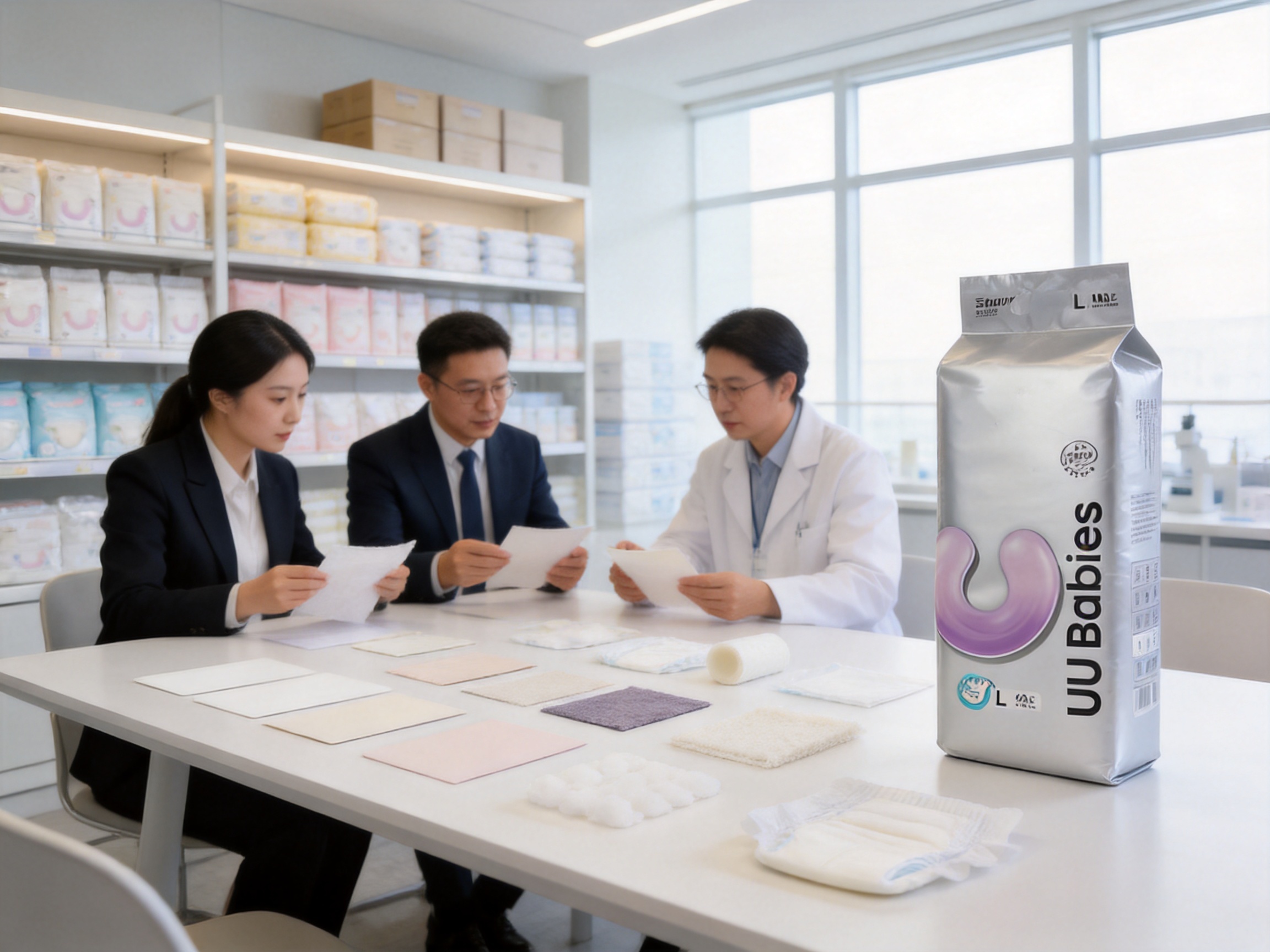
A high-quality baby diaper must deliver softness, dryness, leakage protection, breathability, and reliable fit. The Baby Diapers described in the product material are built around these priorities. Adjustable adhesive tapes allow a customized fit for newborns and infants. Soft, skin-friendly materials provide gentle contact. Double leak-proof barriers help prevent side leakage. An elastic waistband ensures a snug fit without gaping. A breathable back sheet releases moisture to improve comfort. An advanced SAP core absorbs and locks in liquid quickly, keeping the surface dry for hours.
Beyond product features, the manufacturer’s strength adds significant value. Zhejiang Uniquality Nursing Products Technology Co., Ltd., supported by the long-established Kingsafe & Uniquality industrial platform, brings more than thirty years of development, advanced international production equipment, strong nonwoven material expertise, multiple production bases, and OEM/ODM customization capabilities. These strengths make the product suitable not only for direct consumer use but also for private label brands seeking stable quality and meaningful differentiation.
In a market where parents demand trust and buyers demand consistency, this diaper offers a balanced solution. It competes through practical performance rather than empty claims: comfortable fit, dry surface, leakage resistance, breathable protection, and manufacturing reliability. For retailers, distributors, and brand owners, it provides a strong foundation for building a baby care product line that can earn parent confidence and support long-term growth.
References
1. EDANA. Guidelines for Absorbent Hygiene Products and Nonwoven Material Performance.
2. INDA Association of the Nonwoven Fabrics Industry. Nonwovens in Hygiene Applications: Materials, Design, and Performance Principles.
3. Kosemund, K., Schlatter, H., Ochsenhirt, J. L., Krause, E. L., Marsman, D. S., and Erasala, G. N. Safety Evaluation of Superabsorbent Baby Diapers.
4. World Health Organization. Newborn Health and Hygiene Care Recommendations.
5. U.S. National Library of Medicine. Infant Skin Barrier Development and Diaper Dermatitis Studies.
6. European Disposables and Nonwovens Association. Sustainability and Product Stewardship in Absorbent Hygiene Products.