中文简体
中文简体 English
 日本語
日本語 русский
 Español
When it comes to choosing the best wipes for infants, parents often weigh multiple factors such as skin sensitivity, environmental impact, and material quality. Two popular options on the market are bamboo fibers soft baby wipes and cotton baby wipes. Understanding the differences between these products is essential for caregivers seeking both safety and sustainability.
Material Composition and Structure
Bamboo Fibers Soft Baby Wipes
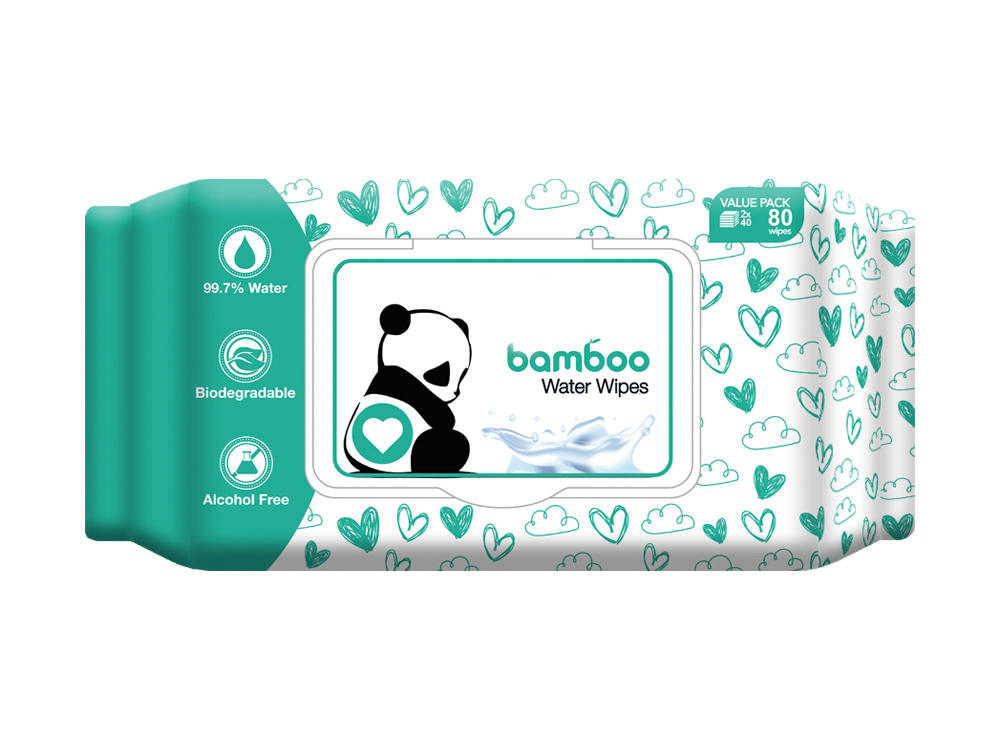
Bamboo fibers soft baby wipes are primarily made from bamboo pulp, which undergoes a gentle processing method to transform raw bamboo into soft and flexible wipes. Bamboo is naturally rich in cellulose, which gives these wipes inherent strength and absorbency without the need for harsh chemical additives. In addition, bamboo fibers are naturally antibacterial, which can reduce the growth of microbes on the wipe surface, contributing to better hygiene for sensitive baby skin.
Cotton Baby Wipes
Cotton baby wipes are made from cotton fibers, which are soft and breathable. Cotton is widely recognized for its comfort against delicate skin, but it does not naturally possess antimicrobial properties. Cotton fibers tend to be less resistant to tearing when wet compared to bamboo fibers, which may affect usability in certain cleaning scenarios. Furthermore, conventional cotton farming requires significant water and pesticide use, which can raise environmental concerns.
Comparison Table: Material Properties
| Feature | Bamboo Fibers Soft Baby Wipes | Cotton Baby Wipes |
|---|---|---|
| Fiber Source | Bamboo pulp | Cotton fibers |
| Natural Antibacterial Properties | Yes | No |
| Strength When Wet | High | Moderate |
| Environmental Impact | Low (sustainable growth) | Moderate to high (water, pesticides) |
| Softness | High | High |
Skin Sensitivity and Safety
Bamboo fibers soft baby wipes are designed to be gentle on sensitive skin. The hypoallergenic properties of bamboo fibers, combined with a typically lower chemical content in the processing stage, make these wipes suitable for newborns and babies with eczema or skin irritation. Many bamboo wipes are alcohol-free, fragrance-free, and paraben-free, reducing the likelihood of skin reactions.
Cotton baby wipes, while soft, can sometimes require additional chemicals for strength and durability, especially when wet. Some infants may react to these additives, making it necessary for parents to test wipes carefully before regular use.
Softness, Texture, and Durability
The texture of the wipe plays a crucial role in cleaning efficiency and skin comfort. Bamboo fibers have a naturally smooth and silky feel, which allows bamboo fibers soft baby wipes to glide gently across the skin without causing abrasion. The long fibers of bamboo contribute to durability, meaning wipes maintain integrity even when soaked or used multiple times during a diaper change.
Cotton wipes are soft but can lose structural integrity more quickly under moisture. While still comfortable, cotton wipes may tear or become less effective during heavy cleaning tasks. This difference can be significant for parents managing frequent or messy diaper changes.
Absorbency and Moisture Retention
Bamboo fibers soft baby wipes are highly absorbent due to the natural structure of bamboo cellulose. This allows them to hold more liquid without becoming soggy, which improves cleaning efficiency and reduces waste. Moisture retention is a key factor in user experience; bamboo wipes tend to maintain their dampness longer than cotton wipes, which can dry out more quickly once exposed to air.
Cotton wipes are absorbent but generally require more material to achieve the same cleaning capacity as bamboo-based wipes. This can lead to the use of more wipes per diaper change, potentially increasing environmental impact.
Environmental Sustainability
One of the most significant differences between bamboo fibers soft baby wipes and cotton baby wipes is their ecological footprint. Bamboo is a rapidly renewable resource that grows without pesticides or fertilizers and requires minimal water. The cultivation of bamboo has a lower environmental impact compared to traditional cotton farming, which consumes large amounts of water and often relies on chemical treatments.
Additionally, bamboo wipes are often biodegradable, breaking down faster in composting environments compared to conventional cotton wipes that may include chemical residues or synthetic components. This makes bamboo wipes a more sustainable choice for environmentally conscious consumers.
Packaging and Convenience
Both bamboo and cotton wipes are available in convenient packaging, such as resealable tubs or soft packs. However, bamboo fibers soft baby wipes are often packaged with moisture-seal technology to preserve dampness for longer periods. The combination of durability, softness, and moisture retention makes bamboo wipes particularly convenient for travel and extended use.
Cotton wipes also provide portability, but they may require more frequent replenishment due to lower moisture retention and potential tearing during heavy use.
Cost Considerations
Price is an important consideration for parents and caregivers. Bamboo fibers soft baby wipes may have a higher upfront cost compared to cotton wipes due to sustainable sourcing and specialized processing. However, the superior durability and absorbency of bamboo wipes often means fewer wipes are needed per diaper change, which can balance out the cost over time.
Cotton wipes are generally more widely available and may be priced lower initially, but their environmental impact and potential need for larger quantities could influence the overall cost-benefit analysis.
Conclusion
In summary, the differences between bamboo fibers soft baby wipes and cotton baby wipes extend across multiple dimensions, including material composition, skin sensitivity, softness, absorbency, environmental impact, and cost. Bamboo wipes offer enhanced durability, natural antibacterial properties, and eco-friendliness, while cotton wipes provide traditional softness and comfort with moderate absorbency and environmental considerations.
For parents prioritizing gentle care, sustainability, and efficiency, bamboo fibers soft baby wipes present a compelling option. Cotton wipes remain a reliable choice for everyday use, but understanding the key differences allows caregivers to make an informed decision that balances safety, comfort, and environmental responsibility.