中文简体
中文简体 English
 日本語
日本語 русский
 Español
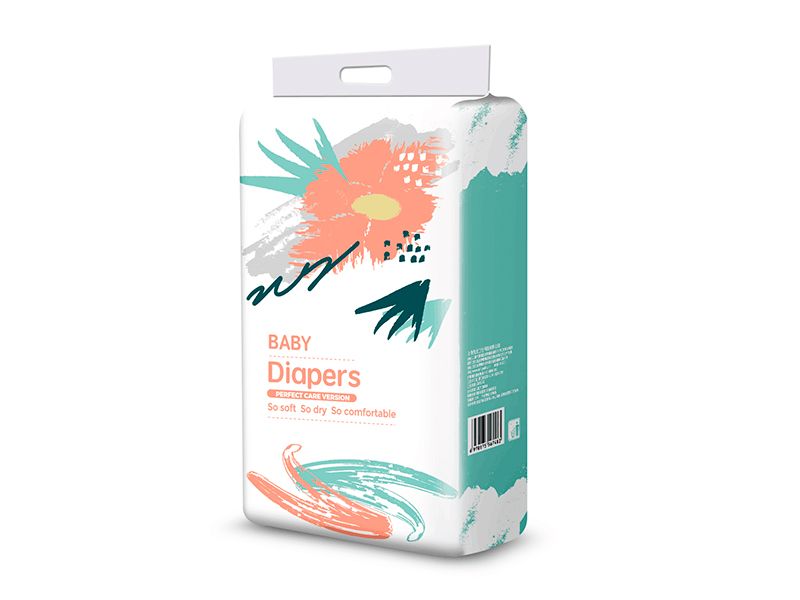
For international baby care brands, wholesalers, and retail suppliers, selecting a reliable manufacturing partner is becoming more important as market expectations continue to change. Buyers are not only evaluating product appearance and pricing but also paying attention to production stability, material utilization, customization capability, and quality consistency. As a manufacturer of baby diapers, we focus on improving every stage of production to help global partners create products that meet daily user needs while maintaining efficient supply management. Current industry discussions show that private label development, material optimization, and responsible manufacturing practices are becoming important considerations for diaper sourcing decisions.
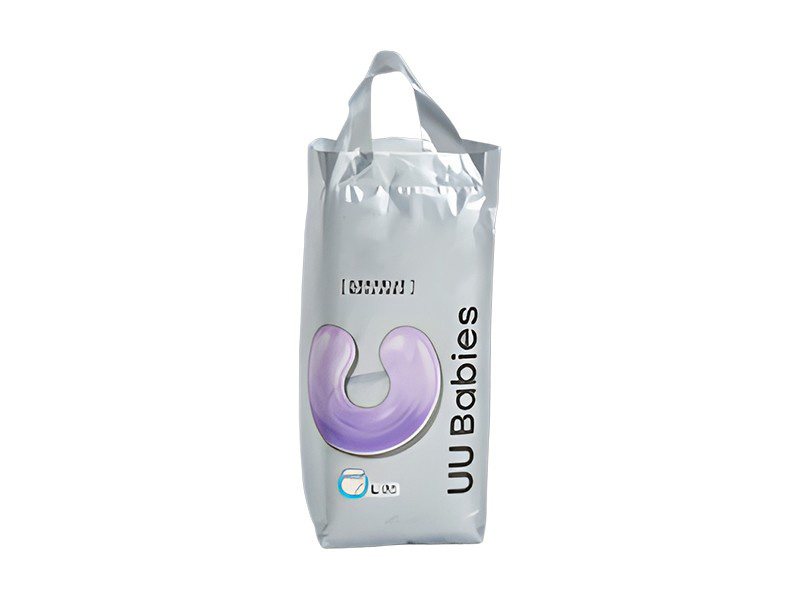
Reducing Production Risks Through Better Process Management
For diaper brands, quality problems can affect customer trust and market performance. Issues such as uneven absorption, loose elastic areas, or inconsistent product dimensions are often related to production control rather than product design alone.
A stable manufacturing process requires attention to multiple details, including:
- Raw material inspection before production.
- Equipment adjustment during manufacturing.
- Regular quality checks on production lines.
- Final product inspection before shipment.
By strengthening process management, manufacturers can help buyers reduce unexpected quality issues and maintain consistent product performance across repeated orders.
Improving Material Efficiency Without Affecting Comfort
Material selection plays an important role in both product performance and manufacturing cost. A diaper is made from multiple components, and each layer has a specific function.
For baby diapers, manufacturers need to balance:
- Softness of the surface layer.
- Absorption efficiency of the core structure.
- Breathability of the back sheet.
- Flexibility of elastic components.
Using materials efficiently does not mean simply reducing material quantity. Instead, it requires better product engineering to ensure that each component works together effectively.
For overseas buyers, this approach helps create products with reliable performance while supporting reasonable production planning.
Creating More Flexible Solutions for Different Markets
Different regions have different expectations for baby care products. Some markets focus more on skin comfort and breathable materials, while others pay closer attention to cost control, packaging formats, or specific product features.
A flexible manufacturing system allows brands to develop products according to their target customers. This may include:
- Different size options.
- Customized absorption levels.
- Various packaging solutions.
- Private label product development.
- Adjusted material combinations.
For distributors and retailers, this flexibility provides more opportunities to build product lines that fit local purchasing habits.
Supporting OEM and ODM Projects With Technical Experience
Many international companies prefer working with manufacturers that can provide more than basic production services. OEM and ODM cooperation requires communication between product design, material selection, production planning, and quality evaluation.
As a manufacturer, we support customers during different development stages, including:
- Product structure suggestions.
- Material selection guidance.
- Sample adjustment.
- Mass production preparation.
This cooperation model helps brands shorten development processes and create products that match their positioning.
Strengthening Product Safety Through Quality Inspection
Safety and reliability remain major concerns for baby product buyers. Consumers increasingly want clearer information about product materials and manufacturing practices, while brands need suppliers that can provide stable quality management.
Quality inspection is not limited to checking finished products. A complete management system should also include:
- Verification of incoming materials.
- Monitoring of production conditions.
- Product appearance checks.
- Packaging quality evaluation.
These steps help ensure that products meet customer expectations before reaching international markets.
Adapting Manufacturing Strategies to Sustainability Needs
Sustainability has become a growing consideration in baby care product development. However, practical sustainable manufacturing requires balancing environmental goals with product performance and affordability.
Manufacturers can support more responsible production by improving material usage, reducing unnecessary waste, optimizing packaging structures, and selecting suitable materials according to market requirements.
For buyers, working with a manufacturer that understands these factors makes it easier to develop products that meet both consumer expectations and business goals.
Building Long-Term Value Through Reliable Manufacturing
The success of a diaper brand depends on more than a single product launch. Stable production capability, flexible customization, and continuous quality improvement are essential for long-term cooperation. For companies searching for a dependable baby diapers supplier, choosing a manufacturer with strong process management and product development experience can create a more reliable supply foundation and support future market expansion.