中文简体
中文简体 English
 日本語
日本語 русский
 Español
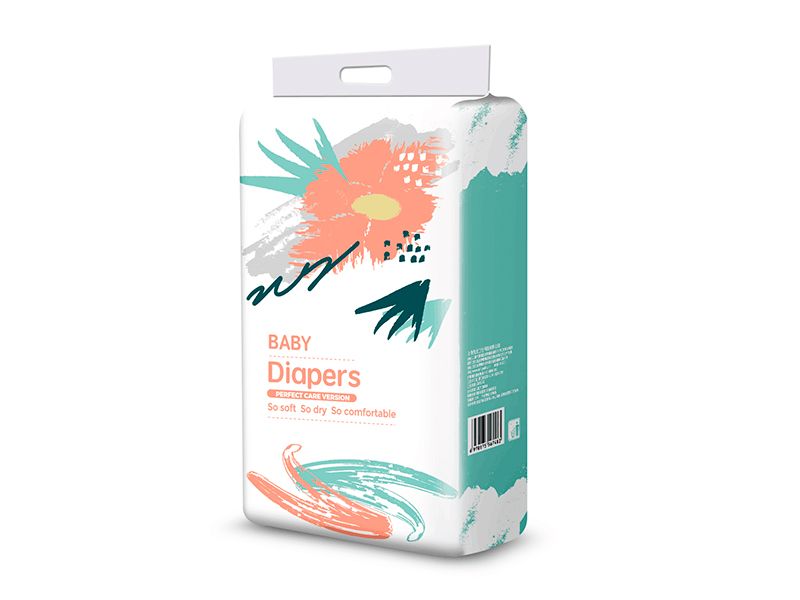
For global baby care brands, retailers, and distributors, product consistency has become a key factor when selecting a reliable supplier. Buyers are paying closer attention to absorbency performance, skin comfort, material safety, and production stability rather than only focusing on purchase price. As a professional manufacturer of baby diapers, we understand that small differences in raw materials, structure design, and quality control can directly affect customer feedback and repeat orders.
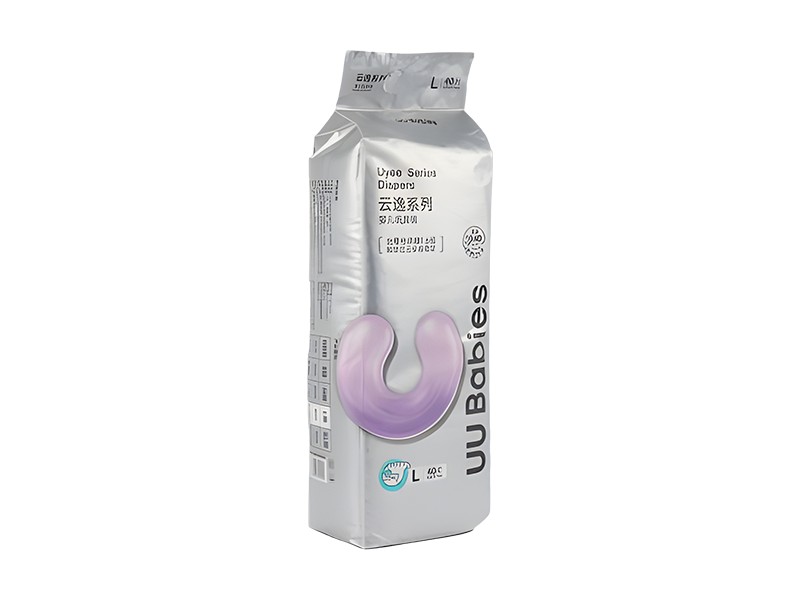
Addressing Leakage Concerns Through Layer Structure Optimization
Leakage remains one of the common challenges faced by diaper brands during product development. A diaper with an unsuitable absorbent core or poor liquid distribution design may create discomfort and increase customer complaints.
During manufacturing, we focus on the cooperation between different layers, including the soft top sheet, absorbent core, and breathable back sheet. The top layer helps liquid pass quickly, while the absorbent core stores moisture and reduces rewet issues. Side barriers and elastic components also play an important role in improving fit around the baby’s legs.
For wholesale buyers, selecting a supplier with stable production control helps maintain the same performance across different batches, which is important for building market trust.
Choosing Materials That Support Baby Skin Comfort
Skin-friendly materials have become a major consideration for international buyers. Parents are increasingly looking for products that provide softness, breathability, and comfortable long-term wear. This trend has encouraged manufacturers to improve material selection and production processes.
When developing baby diapers, we carefully evaluate:
- Nonwoven fabric softness and surface feel.
- Breathability of outer materials.
- Compatibility of elastic components.
- Absorbent material performance.
- Safety requirements for different markets.
A balanced material combination helps create diapers that support daily use while meeting expectations from private label brands and retail partners.
Improving Supply Reliability for Global Procurement
For overseas buyers, a dependable supply chain is just as important as product quality. Delayed shipments, unstable raw material supply, or inconsistent production capacity can affect sales planning and inventory management.
As a manufacturer, we pay attention to every production stage, from incoming material inspection to finished product evaluation. Standardized manufacturing procedures help reduce unexpected quality variations and allow customers to plan regular purchasing cycles more effectively.
For distributors managing multiple markets, stable production capability also makes it easier to develop different sizes, packaging formats, and customized product lines.
Supporting Private Label and Customized Diaper Projects
Many international brands are expanding their own baby care product ranges and looking for manufacturers that can provide flexible customization support. Private label projects usually require adjustments in packaging, product specifications, size ranges, and functional features.
Our OEM and ODM services help customers develop products based on their market positioning. Common customization options include:
- Customized packaging design.
- Different absorption levels.
- Various size combinations.
- Material selection according to target markets.
- Product structure adjustments.
This approach allows brands to create products that better match local consumer preferences without building their own production facilities.
Balancing Product Performance and Cost Control
Procurement teams often need to find a practical balance between product performance and production costs. Increasing material usage does not always create better market value if the overall structure is not properly designed.
Manufacturers need to consider the relationship between absorbent materials, production efficiency, packaging requirements, and transportation costs. Through reasonable product engineering, brands can achieve reliable performance while maintaining competitive pricing for different market segments.
This is especially important for wholesalers and retailers who need long-term cooperation with suppliers.
Strengthening Quality Management for International Markets
Different regions may have different expectations for hygiene products, including material documentation, testing requirements, and labeling information. A professional manufacturing process helps customers prepare products that fit their sales channels.
Our quality management focuses on production consistency, appearance inspection, functional testing, and packaging checks. These procedures help reduce quality risks and provide buyers with greater confidence when expanding their product portfolio.
Building Long-Term Partnerships Through Manufacturing Expertise
The demand for safer, more comfortable, and more reliable infant care products continues to influence the development of the hygiene industry. For brands searching for a dependable baby diapers manufacturer, product performance, customization capability, and manufacturing stability are important factors when choosing a long-term partner. By combining material expertise with careful production management, we help global customers create baby care solutions that meet changing market needs.