中文简体
中文简体 English
 日本語
日本語 русский
 Español
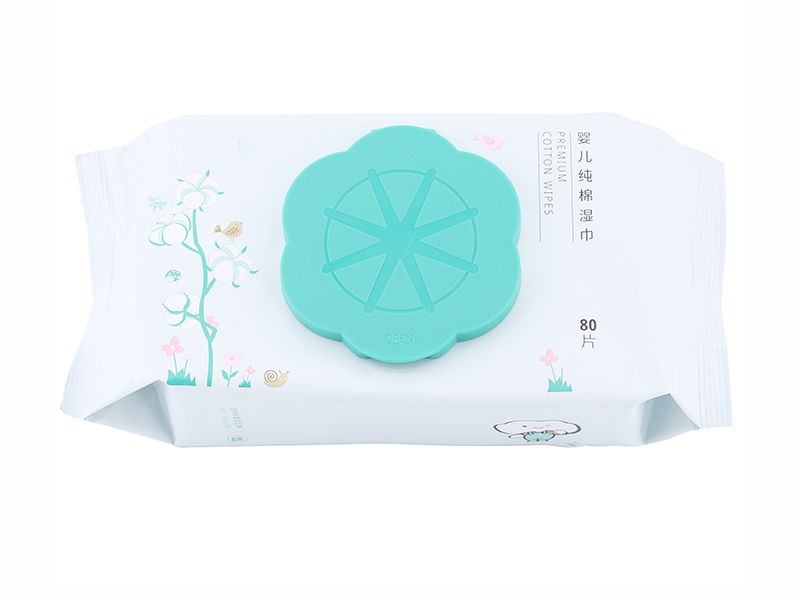
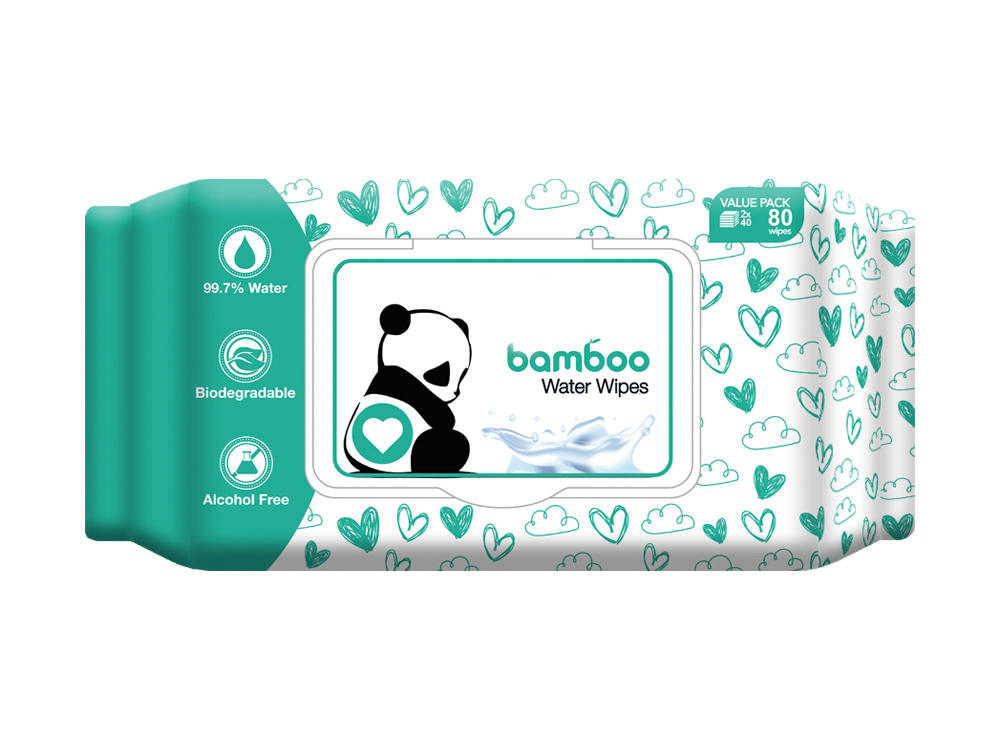
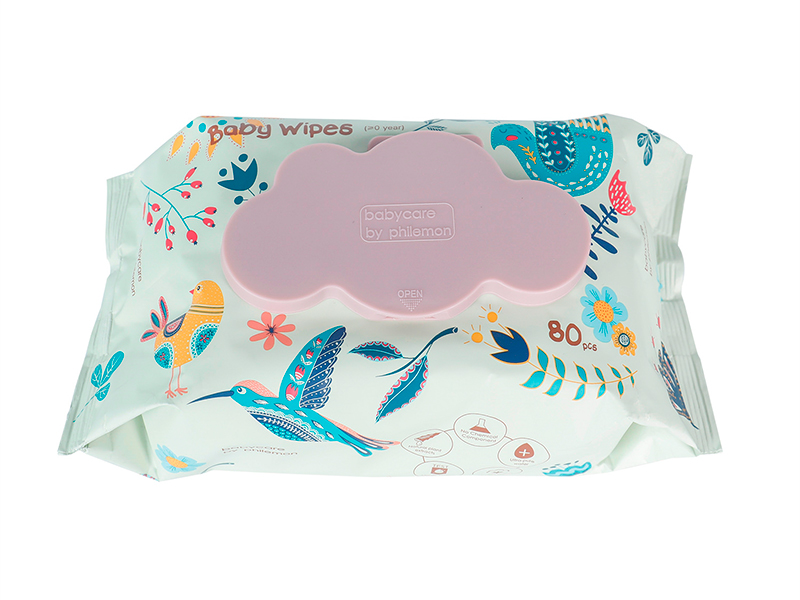
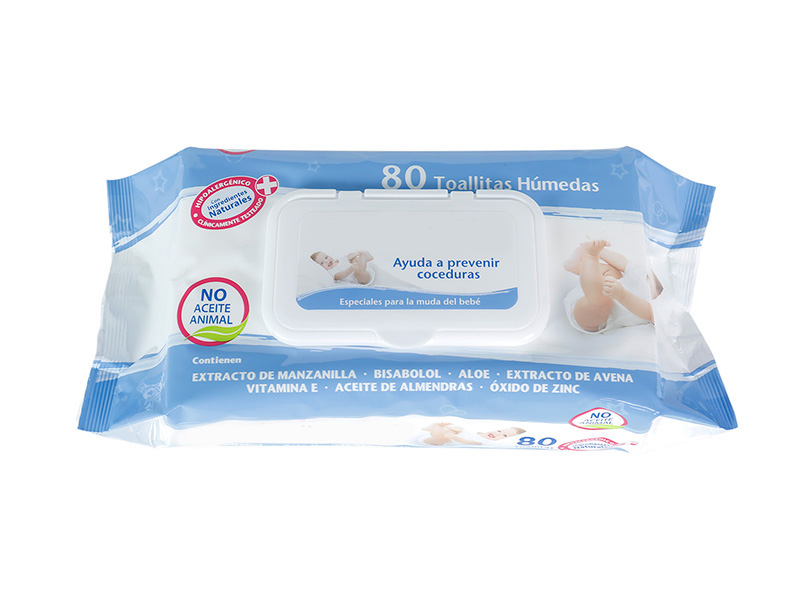
Walk down any personal care aisle today and you'll notice something striking: the simple "wet wipe" has quietly split into dozens of highly specific product categories — baby wipes, antibacterial wipes, gym wipes, pet wipes, medical wipes, flushable wipes, alcohol wipes, and more. What's behind this rapid specialization, and what does it mean for brands and buyers sourcing wet wipes in 2026?
1. From One Product to a Whole Ecosystem
Not long ago, "wet wipes" largely meant one thing: a basic baby wipe. Today, the category has fragmented into a wide ecosystem of specialized formats, each engineered for a specific use case, skin type, or hygiene standard. This shift reflects a broader change in how consumers — and institutions — think about hygiene.
2. The "Clinic-Level at Home" Trend
One of the clearest signals from recent industry research is the blurring line between institutional-grade hygiene and everyday household use. Consumers increasingly expect wipes that deliver clinic-level cleaning, skincare-level gentleness, and multi-purpose versatility — all in a single product line.
- Antibacterial and disinfecting wipes originally designed for healthcare and institutional settings are now standard items in household cleaning routines
- Dermatologist-formulated baby wipes bring medical-grade gentleness to everyday infant care
- Gym and sports wipes apply antibacterial performance to a fast-growing fitness and wellness segment
- Patient and medical wipes extend hospital-grade hygiene standards into home care and eldercare settings
For brands, this means a single "wipes" product line is no longer enough. Success increasingly depends on offering a portfolio of application-specific formats — each backed by the right nonwoven substrate, the right liquid formulation, and the right safety credentials for its intended use.
3. Mapping the Modern Wet Wipes Category
To understand where the category is heading, it helps to map out how today's wet wipes portfolio breaks down by application — and what each segment typically prioritizes.
| Category | Primary Use Case | Key Priorities |
|---|---|---|
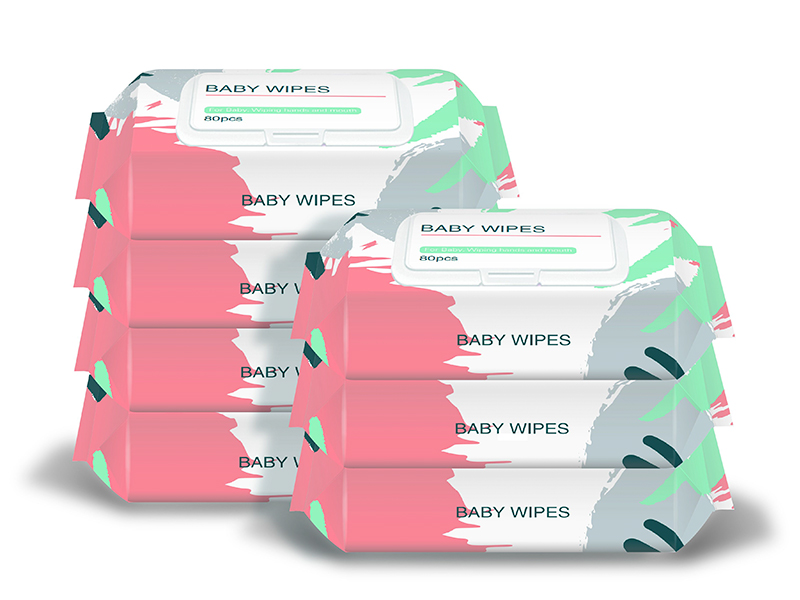
| Baby Wipes | Infant skin cleansing | Hypoallergenic, fragrance-free, soft spunlace substrate |
| Antibacterial / Disinfecting Wipes | Household & institutional surface cleaning | Efficacy, strength, fast-evaporating formulations |
| Medical & Patient Wipes | Clinical and eldercare hygiene | Regulatory compliance, gentle yet effective cleansing |
| Flushable Wipes | Personal hygiene with disposal convenience | Dispersibility, biodegradable nonwoven substrates |
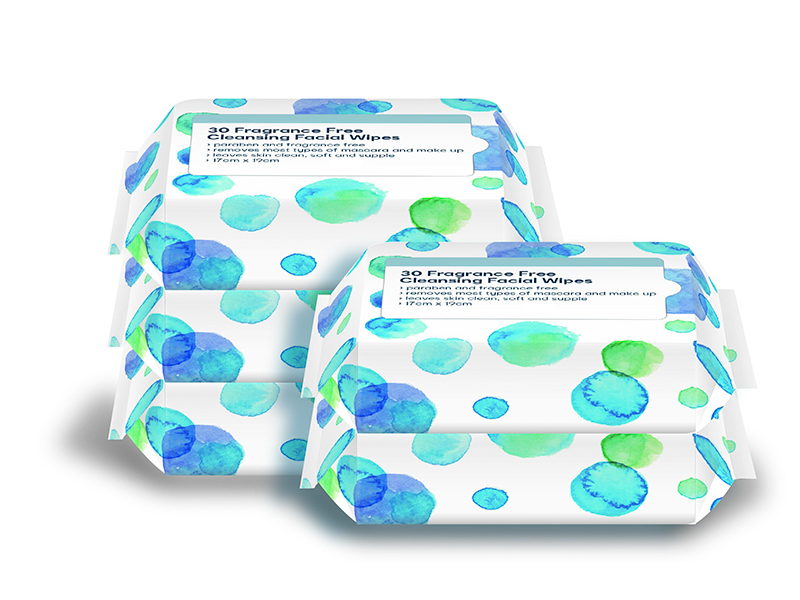
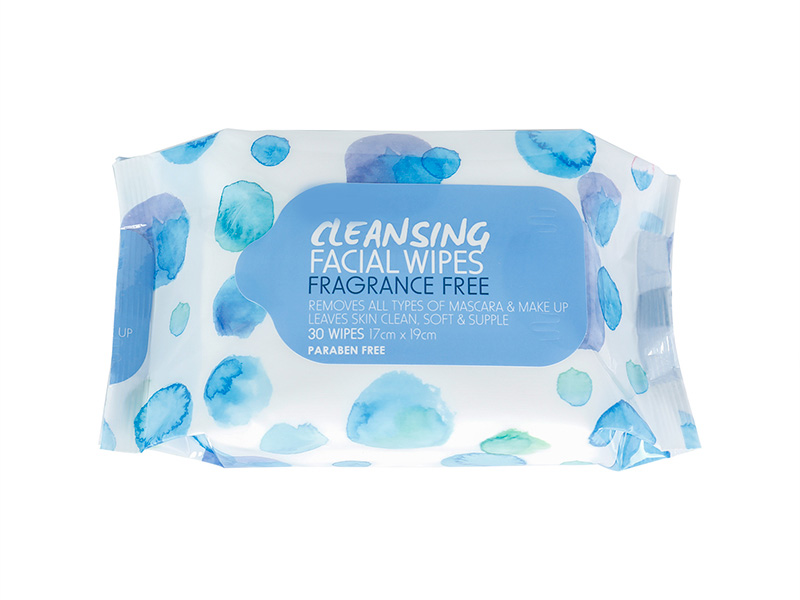
| Makeup Remover / Facial Wipes | Beauty & skincare routines | Softness, absorbency, skin-feel |
| Gym & Pet Wipes | Fitness and pet care hygiene | Durability, antibacterial properties, portability |
| Alcohol Wipes | Quick disinfection of skin or surfaces | Saturation control, fast-dry nonwoven substrate |
4. Why the Nonwoven Substrate Is the Real Differentiator
Across nearly all of these categories, one factor determines whether a wet wipe performs as promised: the nonwoven fabric it's built on. Spunlace nonwoven remains the dominant substrate for wet wipes — and for good reason. Its hydroentanglement process bonds fibers without damaging them, producing a fabric that is simultaneously soft, strong, and highly absorbent, capable of holding several times its own weight in liquid.
This is the foundation of Kingsafe's approach to wet wipes manufacturing. With advanced spunlace nonwoven production lines using equipment introduced from Germany, France, and Italy, Kingsafe is able to produce the wide range of substrate types needed to serve this increasingly specialized market — from lightweight, fragrance-free fabrics for baby wipes to higher-strength, fast-drying substrates for antibacterial and alcohol wipes.
- Spunlace nonwoven fabrics — parallel, semi-cross, and triple-carding structures, allowing brands to fine-tune softness, strength, and loft for different wipe categories
- Wet-laid spunlace nonwoven fabrics, including PP/pulp and PET/viscose/lyocell/pulp composites — supporting premium, natural-fiber product positioning
- Flushable nonwoven substrates — engineered for dispersibility, supporting flushable wipes and wet toilet paper formats
- Absorbent cotton — for premium, natural-positioned baby and facial wipes
5. OEM and Private Label: Scaling Specialization
As more retailers, pharmacies, and online sellers launch their own wipes brands to strengthen customer loyalty and margins, the ability to execute private label and OEM programs across multiple wipe categories has become a major competitive factor. Buyers are increasingly evaluating manufacturers not just on price, but on customization flexibility, export experience, and the ability to maintain stable quality across a diversified product range.
Kingsafe's wet wipes production — spanning baby wipes, makeup remover wipes, household cleaning wipes, antibacterial and disinfecting wipes, alcohol wipes, pet wipes, medical and patient wipes, flushable wipes, gym wipes, canister and mini wipes, facial wipes, and adult wipes — reflects exactly this kind of multi-category capability. For brands looking to build out a full wipes portfolio under a single private label, working with a manufacturer that already produces across this breadth of categories — on its own nonwoven fabric base — significantly reduces the complexity of scaling new product lines.
6. What This Means for Buyers in 2026
As the wet wipes category continues to fragment into specialized formats, the manufacturers best positioned to support brand growth will be those that combine in-house nonwoven fabric production, multi-category manufacturing experience, and the regulatory and export track record needed to serve global markets — from FDA and CE compliance to ISO-certified quality systems.
The Bottom Line
The wet wipes market is no longer a single product category — it's a fast-growing ecosystem of specialized formats, each demanding the right nonwoven substrate and formulation for its specific use case. With in-house spunlace and wet-laid spunlace nonwoven production using equipment from Germany, France, and Italy, plus manufacturing experience across baby, medical, antibacterial, flushable, and beauty wipe categories, Kingsafe is positioned to help brands build diversified, private-label wet wipes portfolios that meet today's "clinic-level at home" expectations.
For inquiries about custom wet wipes manufacturing, private label programs, or nonwoven substrate development across any wipe category, contact Kingsafe to discuss your specific requirements.