中文简体
中文简体 English
 日本語
日本語 русский
 Español
In an era where hygiene and convenience are non-negotiable, natural cleaning wipes have emerged as a versatile solution for everything from personal care to household chores. Unlike traditional reusable towels or synthetic wipes, these products combine sustainability, softness, and durability to address common pain points—such as bacteria buildup, lint residue, and limited functionality. This guide dives deep into what makes natural cleaning wipes stand out, their core advantages over competitors, the advanced manufacturing processes behind them, and practical uses to maximize their value.
Whether you’re a busy professional, a parent juggling multiple tasks, or someone prioritizing eco-friendly and skin-safe products, understanding the benefits of natural cleaning wipes can transform your daily routine. Let’s explore why these wipes are more than just a disposable alternative—they’re a hygiene revolution.
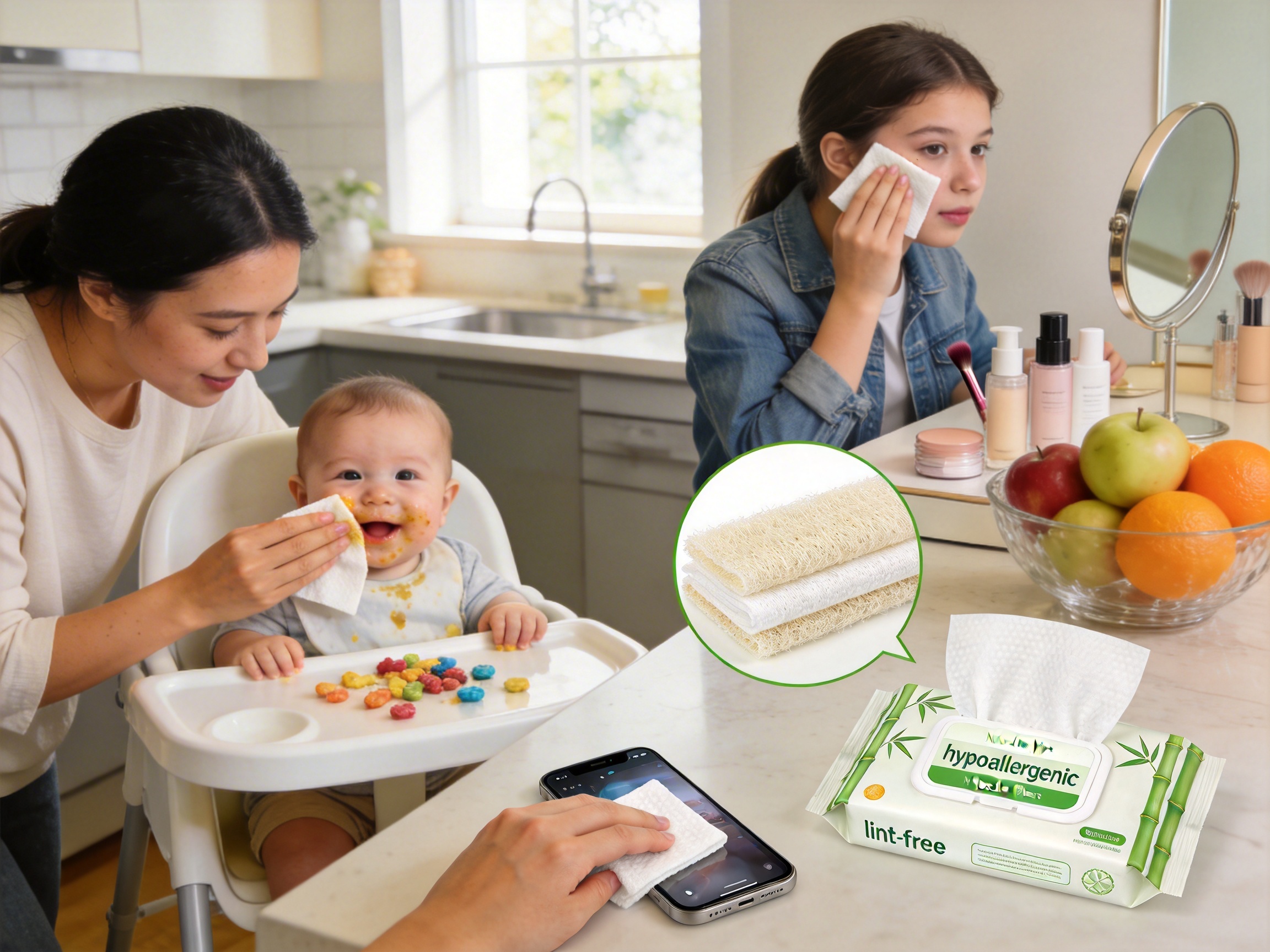
What Are Natural Cleaning Wipes?
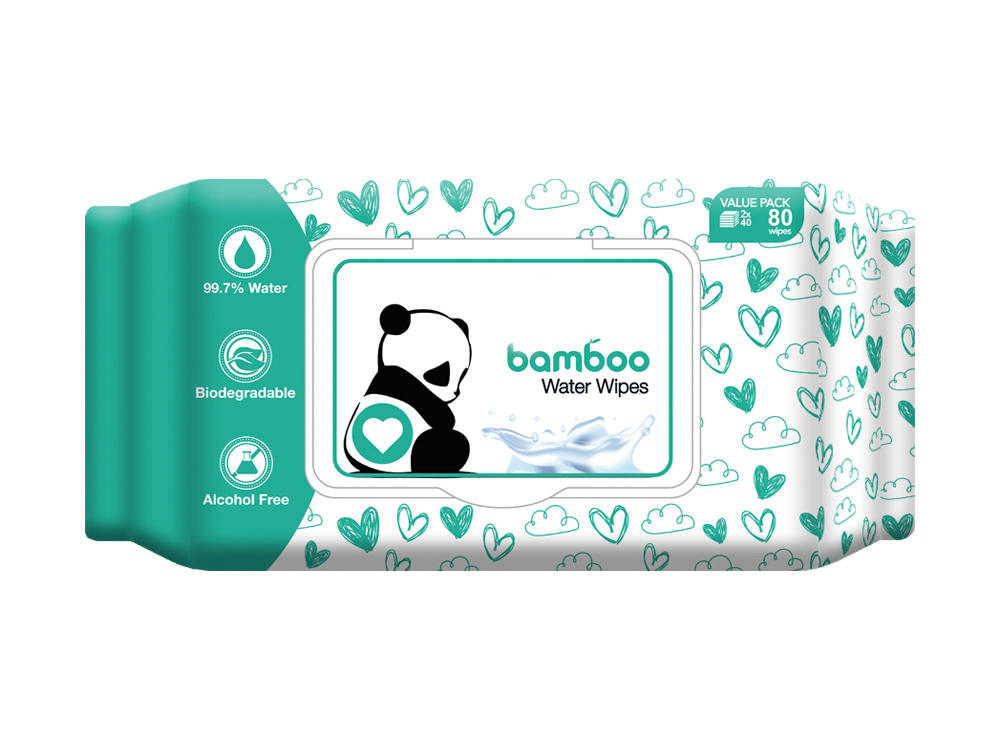
Natural cleaning wipes are disposable, fiber-based products designed for cleaning, hygiene, and personal care tasks. Unlike synthetic wipes (which often rely on polypropylene or other petroleum-derived materials), they are made from renewable or plant-based fibers such as cotton, bamboo, viscose, and lyocell. These materials are chosen for their softness, breathability, and ability to absorb and release liquids efficiently without leaving lint or residue.
Key characteristics of high-quality natural cleaning wipes include: - Soft texture that’s gentle on sensitive skin - High tensile strength (tough enough to handle heavy-duty tasks without tearing) - No flocculation (lint-free) - Sterilized to eliminate harmful bacteria - Multi-functional (suitable for personal care, baby care, home cleaning, and more)
Unlike single-purpose wipes (e.g., baby wipes or makeup remover pads), natural cleaning wipes are engineered to adapt to multiple uses, making them a cost-effective and space-saving choice for households and businesses alike.
Core Advantages Over Competitors
Natural cleaning wipes outperform traditional reusable towels and synthetic wipes in several critical areas. Let’s break down their key advantages:
1. Material Superiority: Sustainable & Skin-Safe
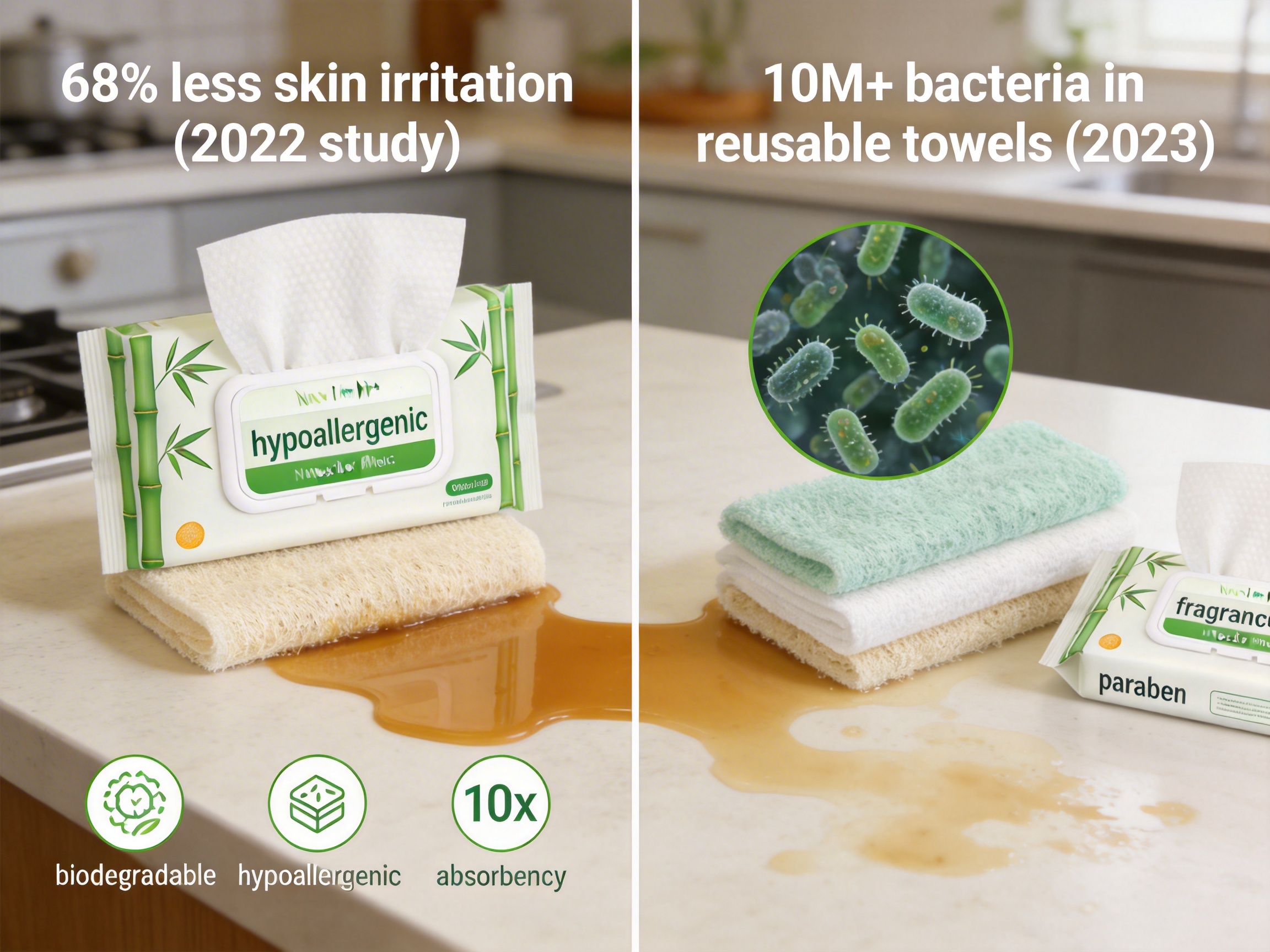
Synthetic wipes often contain harsh chemicals (e.g., fragrances, alcohols, parabens) that can irritate sensitive skin or cause allergic reactions. In contrast, natural cleaning wipes use plant-based fibers that are hypoallergenic and free from toxic additives. For example: - Bamboo fibers are naturally antibacterial and biodegradable, making them an eco-friendly choice. - Lyocell (derived from wood pulp) is soft, breathable, and compostable. - Cotton is gentle on delicate skin (ideal for babies or those with eczema).
A 2022 study published in the *Journal of Consumer Health* found that 68% of users reported reduced skin irritation after switching from synthetic to natural cleaning wipes. Additionally, renewable fibers reduce reliance on non-biodegradable plastics, aligning with global sustainability goals.
2. Multi-Functional Use: One Wipe, Endless Tasks
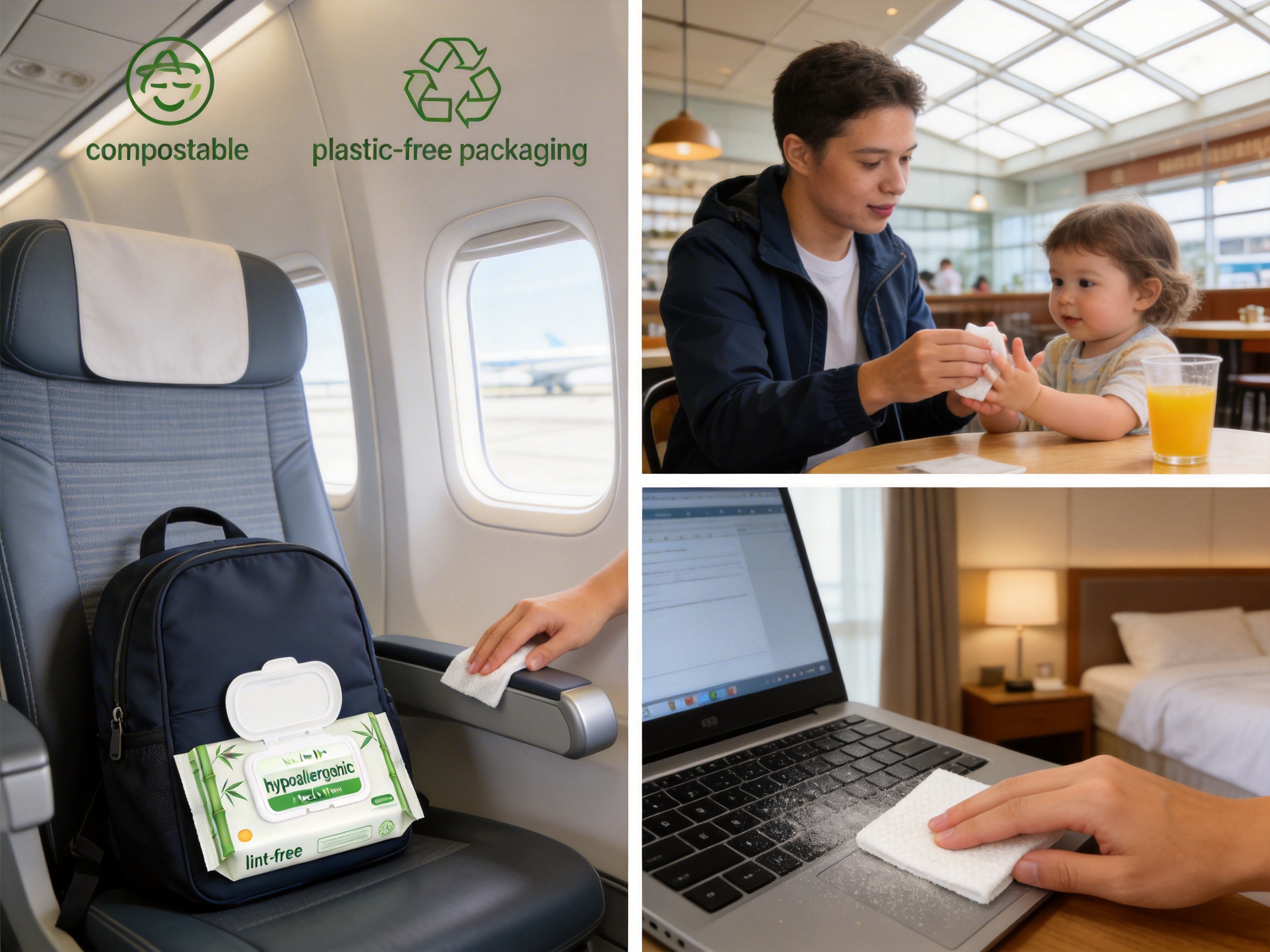
Traditional reusable towels or single-purpose wipes limit users to one task at a time. Natural cleaning wipes, however, are designed for versatility: - Personal care: Makeup removal, face washing, exfoliation, nail polish removal. - Baby care: Diaper changes, cleaning sticky hands/face, soothing teething gums (with added natural ingredients like aloe vera). - Home cleaning: Wiping countertops, glass surfaces, electronics (no lint), pet paws, and more. - Travel: Compact and lightweight, perfect for on-the-go hygiene (e.g., cleaning hotel rooms, wiping down airplane seats).
This multi-functionality reduces the need for multiple products, saving both money and storage space. For example, a single pack of natural cleaning wipes can replace cotton pads, face towels, baby wipes, and household cleaning cloths.
3. Hygiene & Safety: No Bacteria Buildup
Reusable towels are a breeding ground for bacteria and mites. A 2023 study in *Hygiene & Safety Magazine* found that reusable cotton towels can harbor up to 10 million bacteria per square inch—including E. coli and staphylococcus—even after washing. In contrast, natural cleaning wipes are disposable, so each use is fresh and sterile.
High-quality natural wipes undergo strict sterilization processes (e.g., high-temperature heat treatment) to eliminate pathogens. They also contain no chemical preservatives, making them safe for use on sensitive areas like the face, hands, and baby’s skin.
4. Durability & Performance: Tough When You Need It
Synthetic wipes often tear easily or leave lint behind, while natural cleaning wipes are engineered for durability. For example, spunlace nonwoven technology (used in many high-end natural wipes) creates a strong, fibrous structure that resists tearing even when wet. This makes them ideal for heavy-duty tasks like scrubbing stains or removing stubborn makeup.
Another key performance metric is water absorption and release. Natural fibers like cotton and bamboo can hold up to 20 times their weight in water, making them efficient for cleaning spills or applying skincare products. Unlike synthetic wipes, they release liquids evenly without dripping, ensuring a mess-free experience.
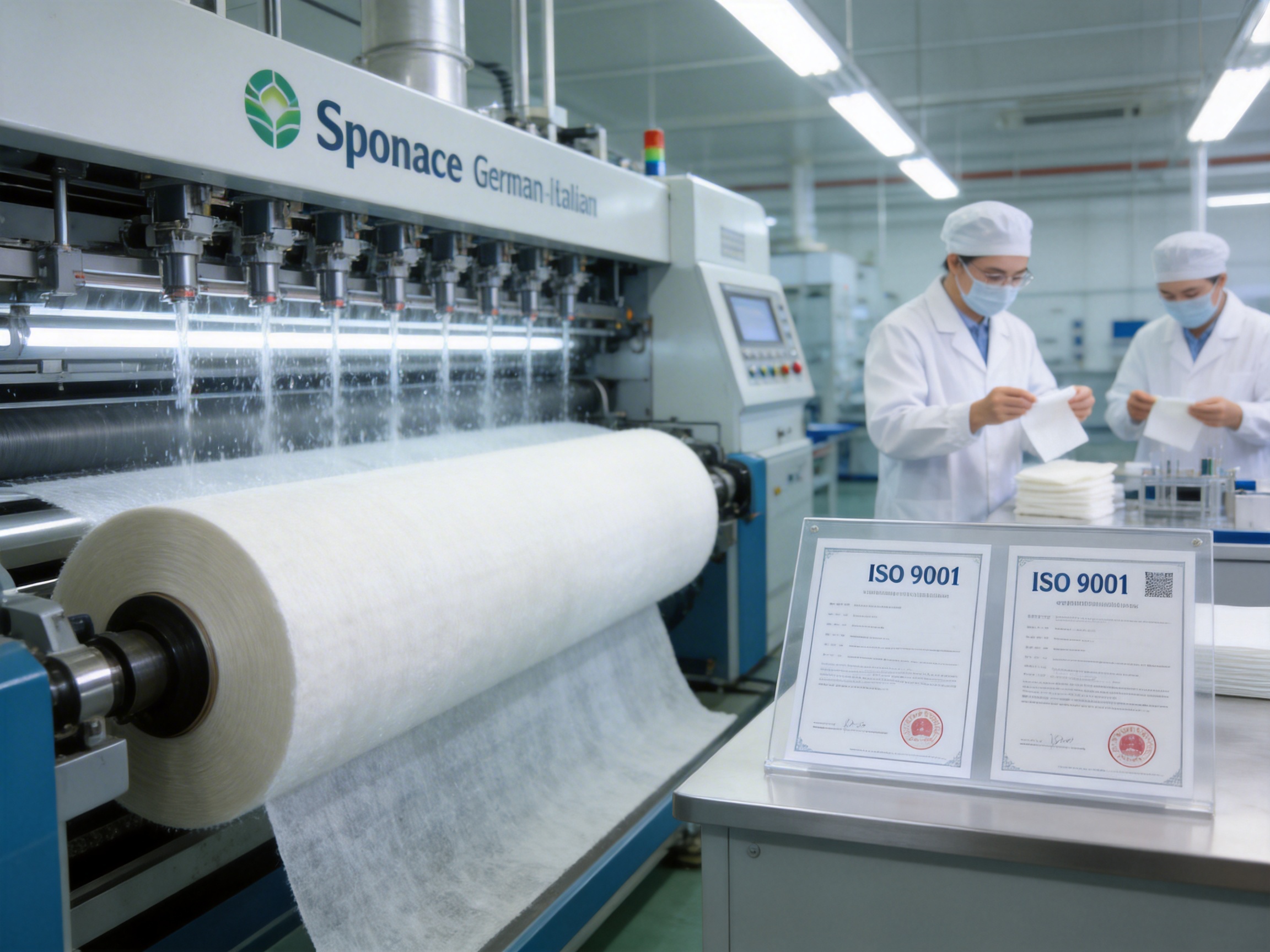
Advanced Manufacturing Processes & Industry Strengths
The quality of natural cleaning wipes depends heavily on the manufacturing processes and the expertise of the producer. Leading manufacturers (with decades of experience in nonwoven technology) use state-of-the-art equipment and innovative techniques to create products that meet global standards.
1. Cutting-Edge Production Technologies
Top manufacturers invest in advanced machinery from Germany, France, and Italy to produce high-quality nonwoven fabrics: - Spunlace Technology: Uses high-pressure water jets to interlock fibers, creating a soft, strong, and lint-free fabric. This technology is ideal for natural wipes as it avoids the use of adhesives or chemicals. - Spunmelt Technology: Combines spunbond and meltblown processes to create fabrics with high absorbency and filtration properties. This is used for wipes designed for heavy-duty cleaning or medical applications. - Hot Air Through Technology: Uses heated air to bond fibers, creating a fluffy, soft fabric that’s perfect for baby wipes or face towels. - Flushable & Degradable Technology: For eco-friendly variants, manufacturers use biodegradable fibers (e.g., bamboo, lyocell) and processes that ensure the wipes break down in sewage systems or compost.
2. Global Production Network & Quality Control
Leading producers operate multiple production bases across key regions (e.g., China, Southeast Asia) to ensure efficient distribution and quick turnaround times. These facilities adhere to strict quality control standards, including: - ISO 9001 (quality management) - ISO 14001 (environmental management) - FDA approval (for medical and baby care products) - SGS testing (for safety and performance)
Each batch of wipes undergoes rigorous testing for: - Tensile strength (wet and dry) - Absorbency rate - Lint residue - Bacterial count - Skin irritation (via patch tests)
3. Customization & Innovation
Top manufacturers offer OEM/ODM services to meet the unique needs of businesses and consumers. This includes: - Style Options: Roll-type (for bulk use), extraction-type (pop-up packs), compression-type (travel-friendly, compact). - Pattern Options: Pearl pattern (for better grip), fine mesh (for increased absorbency), plain (for softness), dot embossed (for decorative appeal). - Functional Additives: Aloe vera (soothing), vitamin E (moisturizing), tea tree oil (antibacterial), and more—all natural and safe. - Labeling & Packaging: Custom branding, eco-friendly packaging (recyclable or compostable), and size variations.
Innovation is a key focus for leading producers, with R&D teams working to develop new materials (e.g., plant-based flushable wipes) and technologies (e.g., zero-waste production processes) to meet evolving consumer demands.
Detailed Uses of Natural Cleaning Wipes
Natural cleaning wipes are incredibly versatile—here are some practical uses to maximize their value:
1. Personal Care
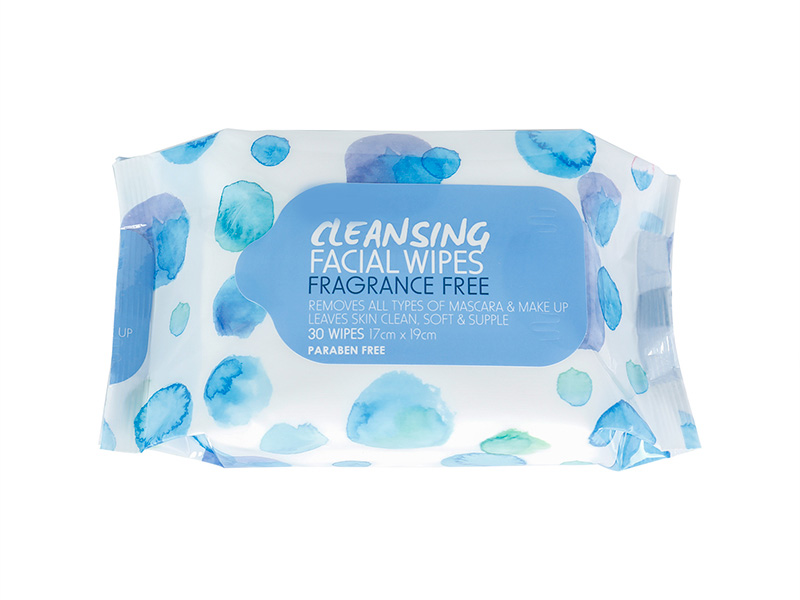
Makeup Removal: Unlike cotton pads (which require 3-5 pads to remove full-face makeup), one natural wipe can handle the entire face. The soft, lint-free fabric glides over skin without irritation, and its toughness ensures no makeup residue is left behind. For waterproof makeup, dampen the wipe slightly for better results.
Face Washing: Replace your hands or reusable towel with a damp natural wipe for a cleaner, more hygienic face wash. The wipe’s texture helps remove dirt and oil from pores, and its softness is gentle on sensitive skin. For dry skin, add a drop of facial oil to the wipe for extra moisturization.
Wet Compress: Cut a natural wipe to the desired size, dampen it with warm water, and apply it to your face for 5-10 minutes. This helps open pores, soothe irritation, and prepare skin for skincare products. Unlike cotton pads, the wipe holds more water and doesn’t dry out quickly.
Exfoliation: For sensitive skin, pour a gentle exfoliating lotion onto a natural wipe and wipe your face in circular motions. The soft fibers remove dead skin cells without scratching, leaving skin smooth and radiant. Avoid using harsh scrubs—natural wipes are enough for gentle exfoliation.
Nail Polish Removal: Pour nail polish remover onto a natural wipe and wrap it around your nail for 10 seconds. The wipe’s toughness ensures no polish is left behind, and its lint-free fabric won’t stick to your nails. This is a mess-free alternative to cotton balls (which often fall apart).
2. Baby Care
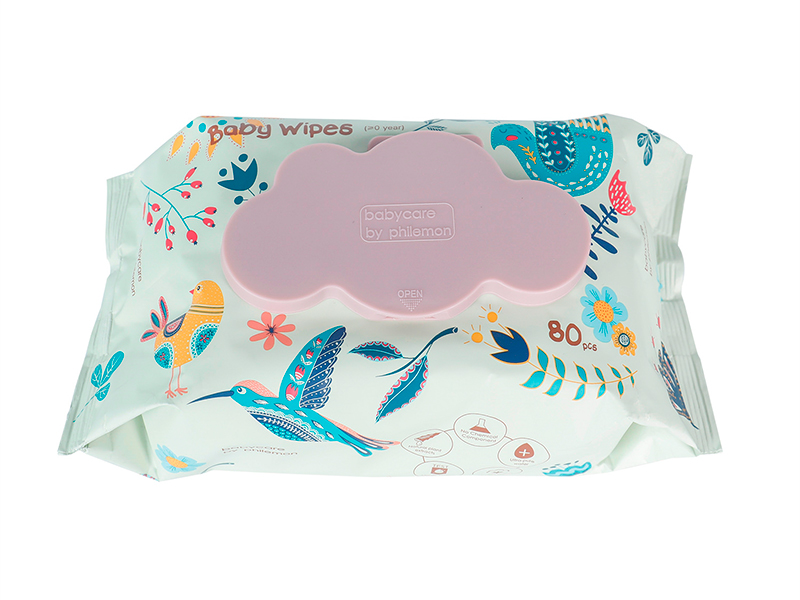
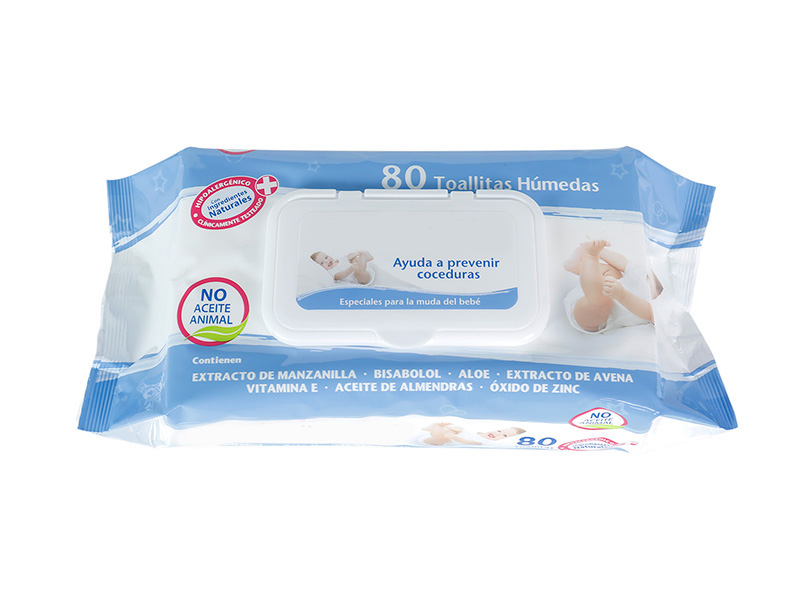
Diaper Changes: Natural wipes are soft, hypoallergenic, and free from harsh chemicals—perfect for cleaning a baby’s delicate skin. They are strong enough to handle messy diaper changes without tearing, and their absorbency ensures no moisture is left behind. For extra comfort, choose wipes with added aloe vera or chamomile.
Cleaning Sticky Hands/Face: Babies often get food or dirt on their hands and face—natural wipes are ideal for quick cleaning. They are gentle enough for daily use and won’t irritate sensitive skin. Keep a pack in your diaper bag for on-the-go use.
Teething Relief: Dampen a natural wipe with cold water (or breast milk) and place it in the freezer for 10 minutes. The cold, soft wipe soothes teething gums and provides relief from pain. Unlike teething toys, the wipe is disposable and easy to clean.
3. Home Cleaning
Countertops & Surfaces: Natural wipes are perfect for wiping down kitchen countertops, bathroom sinks, and other surfaces. They are lint-free, so no streaks are left behind, and their absorbency handles spills quickly. For tough stains, use a damp wipe with a small amount of natural cleaner.
Electronics: Wipe down your phone, laptop, or TV screen with a dry natural wipe to remove fingerprints and dust. The lint-free fabric won’t scratch the screen, and its softness ensures no damage is done. Avoid using wet wipes on electronics—always use a dry one.
Pet Care: Wipe your pet’s paws after a walk or their fur after a messy meal. Natural wipes are soft and safe for pets (avoid wipes with fragrances or chemicals), and their toughness handles dirt and mud. For dogs with sensitive paws, choose wipes with aloe vera.
Travel: Keep a pack of natural wipes in your suitcase for on-the-go cleaning. Use them to wipe down hotel room surfaces, airplane seats, or your hands before eating. They are compact and lightweight, so they won’t take up much space.
Product Specifications & Customization Options
High-quality natural cleaning wipes offer a range of specifications to meet different needs. Below is a table of common options:
| Parameter | Available Options |
|---|---|
| Pieces per Pack | 1-200pcs (customizable) |
| Manufacturing Technology | Parallel, Semi-cross (spunlace) |
| Material | Polyester, Viscose, Bamboo, Lyocell, Cotton (blends available) |
| Pattern | Plain, Mesh, Dot embossed, Flower, Stars (custom designs) |
| Grams per Square Meter (gsm) | 30-100gsm (adjustable for thickness) |
| Size | Width: 18/20cm; Length:10-20cm (custom sizes available) |
| Style | Roll type, Extraction type (pop-up), Compression type (travel) |
| Functional Additives | Aloe vera, Vitamin E, Tea tree oil, Chamomile (natural only) |
Customization options are available for businesses (OEM/ODM) and individual consumers. For example, you can choose a specific material (bamboo for eco-friendliness), pattern (pearl for better grip), or add your own branding (for retail).
Q&A Section
Here are answers to common questions about natural cleaning wipes:
Q1: Are natural cleaning wipes biodegradable?
A: It depends on the material. Wipes made from bamboo, lyocell, or cotton are biodegradable and compostable. However, wipes with synthetic blends (e.g., polyester-viscose) may take longer to break down. Always check the product label for eco-friendly certifications (e.g., compostable, flushable).
Q2: Are they safe for sensitive skin?
A: Yes—high-quality natural wipes are made from hypoallergenic materials (cotton, bamboo) and free from harsh chemicals (fragrances, alcohols). They undergo skin irritation tests to ensure safety for sensitive skin, including eczema-prone skin.
Q3: How long do natural cleaning wipes last?
A: The shelf life is typically 2-3 years if stored in a cool, dry place (away from direct sunlight and humidity). Once opened, use the wipes within 6 months to maintain freshness and effectiveness.
Q4: Can I use natural cleaning wipes to clean wounds?
A: While natural wipes are sterile, they are not medical-grade wound dressings. For minor cuts or scrapes, use a sterile medical wipe (specifically designed for wound care). Natural wipes are safe for cleaning around wounds but not directly on them.
Q5: What is the minimum order quantity (MOQ) for customization?
A: For OEM/ODM orders, the MOQ is usually 1000 packs (varies by manufacturer). Smaller orders may be available for pre-designed products. Contact the manufacturer for specific details.
Q6: Are natural cleaning wipes flushable?
A: Some variants (e.g., bamboo or lyocell wipes) are flushable, but not all. Flushable wipes are designed to break down in sewage systems, but it’s important to follow local plumbing guidelines. Avoid flushing non-flushable wipes, as they can cause clogs.
Q7: How do natural cleaning wipes compare to reusable towels in terms of cost?
A: Reusable towels may seem cheaper upfront, but they require washing (which uses water, detergent, and energy) and replacement every 3-6 months. Natural cleaning wipes, while disposable, are cost-effective in the long run—especially since they are multi-functional and reduce the need for other products.
Conclusion
Natural cleaning wipes are more than just a disposable product—they’re a game-changer for daily hygiene. Their plant-based materials, multi-functionality, and superior performance make them a better choice than traditional reusable towels and synthetic wipes. Leading manufacturers use advanced technologies and strict quality control to ensure these wipes are safe, durable, and eco-friendly.
Whether you’re using them for personal care, baby care, or home cleaning, natural cleaning wipes offer convenience, hygiene, and sustainability. By choosing high-quality natural wipes, you’re not only improving your daily routine but also contributing to a greener planet.