中文简体
中文简体 English
 日本語
日本語 русский
 Español
Medical antibacterial wipes are an essential part of modern hygiene management. They provide a practical way to clean and disinfect selected skin areas, equipment surfaces, workstations, and frequently touched objects without requiring separate buckets, sprays, cloths, or other application tools. For healthcare facilities, medical supply distributors, nursing organizations, hygiene brands, retailers, and professional users, the value of a high-quality wipe extends beyond convenience. Consistent liquid distribution, suitable substrate selection, controlled production, packaging integrity, and dependable supply capacity all influence the final performance of the product.
The Medical Antibacterial Wipes supplied by Zhejiang Uniquality Nursing Products Technology Co., Ltd., under the Kingsafe and Uniquality manufacturing system, are designed for professional purchasing and private-label development. The product combines a medical-grade positioning with a broad-spectrum disinfecting concept, a neutral and non-corrosive formula, and a flexible OEM/ODM service model. It is intended to help business customers develop dependable hygiene products for healthcare, nursing, institutional, household, and professional cleaning channels.
Unlike basic household cleaning wipes, medical antibacterial wipes must be developed with greater attention to formulation compatibility, substrate performance, microbial control, packaging stability, and production hygiene. A wipe that appears wet and clean may still deliver inconsistent results if the liquid is poorly distributed, the material tears during use, the package allows evaporation, or the formulation is unsuitable for the intended surface. For this reason, product development and manufacturing capability are as important as the visible packaging.
This article examines the principal characteristics of Medical Antibacterial Wipes, their advantages compared with ordinary wipes, the manufacturing resources behind them, their applications, and the customization services available to professional buyers.
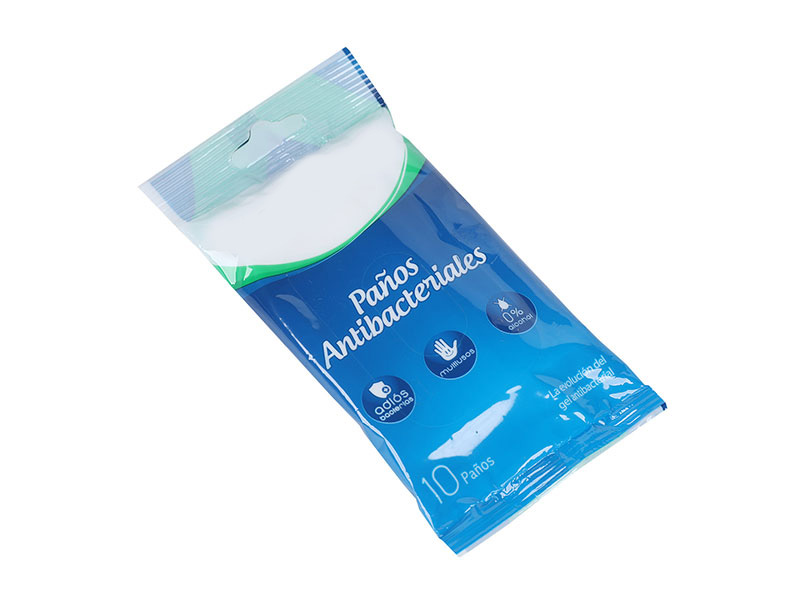
Medical antibacterial wipes
1. Product Overview
Medical Antibacterial Wipes are pre-moistened nonwoven wipes developed for convenient hygiene and disinfection. They are supplied ready for use and do not require additional preparation. A user can open the package, remove one wipe, apply it to the intended area, and dispose of it according to the applicable waste-handling procedures.
The product is positioned around several core features: medical-grade production standards, a claimed sterilization rate of up to 99.999% under applicable test conditions, broad-spectrum action against selected pathogenic bacteria and other microorganisms, a neutral non-corrosive formula, bleach-free formulation, and dual-use potential for skin and equipment. The actual permitted claims, directions, contact time, and intended applications should always be confirmed through the relevant product testing and regulations in the target market.
The wipe format makes the product suitable for locations where speed and portability are important. Healthcare workers may need to clean a small surface between tasks. Nursing personnel may require a convenient wipe for routine care. Maintenance staff may need to disinfect frequently touched equipment or work areas. Retail customers may prefer individually packed or resealable wipes for travel, personal care, or home hygiene. A well-developed product can be adjusted for these different use environments through changes in substrate, liquid loading, packaging, size, and pack count.
Key Product Characteristics
Ready-to-use format: The product is supplied with the liquid already absorbed into the nonwoven material. No dilution, spray bottle, measuring equipment, or separate cloth is needed.
Broad-spectrum hygiene concept: The formulation is designed to address a wide range of bacteria, viruses, and fungi, subject to verified testing and the regulations applicable to the destination market.
High claimed microbial reduction: The product information specifies a sterilization rate of 99.999%. Buyers should review the corresponding test methods, organisms, exposure time, and regulatory classification before making market-specific claims.
Neutral and non-corrosive formulation: A neutral formulation can be advantageous for routine cleaning because it may help reduce concerns about harsh acidity or alkalinity on compatible surfaces.
Bleach-free composition: The absence of bleach can support applications where users seek a less aggressive odor profile and reduced risk of bleaching compatible materials.
Skin and equipment use: The product is described as suitable for dual use on skin and equipment. Specific use instructions, skin compatibility data, and equipment compatibility must be confirmed for each final formulation and market.
OEM/ODM adaptability: Nonwoven material, liquid formulation, dimensions, packaging, and visual identity can be customized for different customer requirements.
2. Why Medical Antibacterial Wipes Are Different from Ordinary Wipes
Many general-purpose wipes are produced primarily for basic cleaning, refreshing, or removing visible dirt. Medical antibacterial wipes require a more controlled balance between cleaning convenience and antimicrobial performance. Their development must consider the interaction between the active ingredients, the nonwoven substrate, the package, and the surface or skin on which the wipe will be used.
One important difference is liquid uniformity. The wipe must carry enough liquid to support effective application, but excessive liquid can cause leakage, poor handling, or package instability. Insufficient liquid may lead to dry areas and inconsistent coverage. Advanced production systems and quality checks help manufacturers control liquid addition, folding, sealing, and package filling.
Another difference is formulation design. A disinfectant wipe must be effective against the microorganisms included in its intended claims while remaining suitable for the declared application. A formula for hard-surface equipment may not be identical to a formula for skin. If a product is intended for dual use, its formulation and testing must be developed carefully to balance antimicrobial activity, material compatibility, odor, residue, and user comfort.
Packaging also plays a more significant role. The package must limit evaporation and protect the product from contamination during storage and transport. Resealable lids, adhesive labels, flow packs, sachets, tubs, and other formats each offer different advantages. For professional customers, packaging must also support clear instructions, batch identification, shelf-life information, regulatory labeling, and brand presentation.
| Evaluation Area | Medical Antibacterial Wipes | Basic Cleaning Wipes | Business Value |
|---|---|---|---|
| Primary purpose | Hygiene, antimicrobial treatment, and professional cleaning applications | General cleaning or refreshing | Supports healthcare and institutional positioning |
| Formulation focus | Controlled antimicrobial performance, compatibility, and residue management | Removal of dirt, oils, or light stains | Enables more specialized product development |
| Substrate requirements | Strength, absorbency, softness, and consistent liquid release | Usually optimized for basic wiping convenience | Improves handling and application consistency |
| Production controls | Greater emphasis on cleanroom practices, purified water, testing, and traceability | May use simpler production controls depending on product type | Supports professional procurement requirements |
| Packaging needs | Evaporation control, contamination protection, labeling, and batch management | Convenience and basic protection | Helps preserve quality throughout distribution |
| Customization potential | Material, formula, dimensions, pack format, and brand design | Often limited to basic packaging changes | Supports private-label and market-specific strategies |
3. Advantages of the Medical Antibacterial Wipes
3.1 Convenient Disinfection Without Additional Equipment
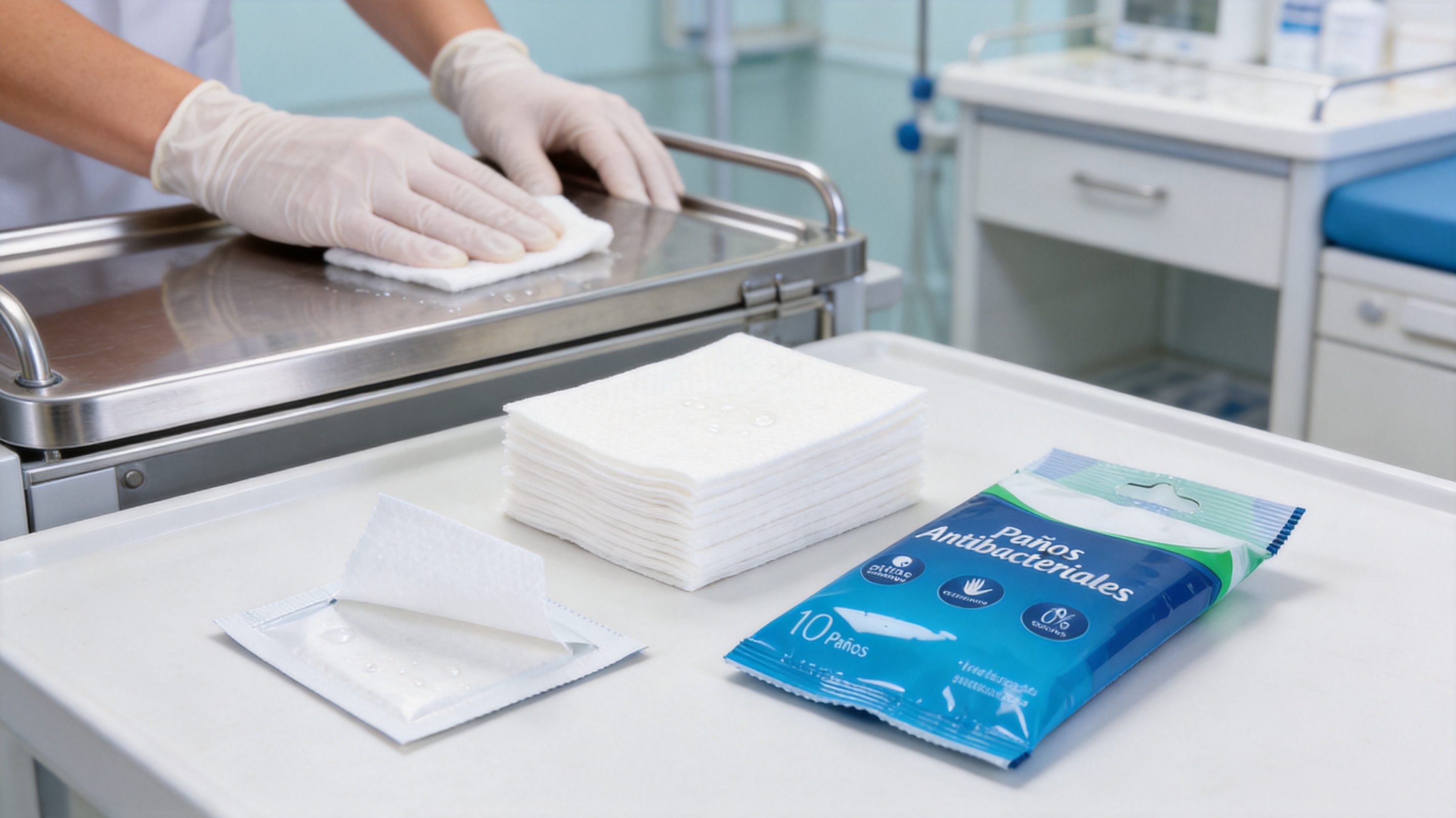
The main practical advantage of a pre-moistened wipe is immediate availability. Users do not need to prepare a disinfectant solution or locate a separate cloth. This is valuable in healthcare areas, examination rooms, nursing stations, laboratories, offices, transportation environments, retail stores, and homes where frequent cleaning is required.
Convenience can improve cleaning compliance. When a product is easy to access and simple to apply, staff members are more likely to use it at the appropriate point in their workflow. A wipe can be placed near high-touch areas, inside equipment kits, in nursing carts, or in personal hygiene packs. Single-use formats can also reduce the risk of repeatedly placing a contaminated cloth into a shared liquid container.
3.2 Broad-Spectrum Antimicrobial Positioning
The product is designed around broad-spectrum elimination of pathogenic bacteria, viruses, and fungi. This positioning makes it more versatile than a wipe developed only for visible dirt. Professional buyers can consider it for different hygiene programs where several categories of microorganisms may be relevant.
However, antimicrobial claims must be supported by appropriate laboratory testing. Performance depends on the active ingredients, concentration, contact time, test organism, surface condition, temperature, and user technique. For international distribution, claims must also comply with the legislation of each destination country. The manufacturer can provide product information and export support, while the importer or brand owner remains responsible for confirming market-specific requirements.
3.3 Neutral, Bleach-Free, and Non-Corrosive Product Concept
A neutral, non-corrosive, bleach-free formula can offer important advantages in routine environments. Some customers prefer to avoid strong bleaching agents because of odor, discoloration concerns, or compatibility issues with certain materials. A neutral formulation may be more suitable for repeated use on compatible equipment and surfaces, although testing is still necessary for plastics, metals, coated materials, fabrics, screens, and other substrates.
The formulation concept may also improve user acceptance. Healthcare workers, caregivers, cleaners, and retail consumers often prefer products that do not leave a strong chemical odor or visible residue. Product acceptance is influenced by the complete experience, including the feel of the wipe, ease of dispensing, drying time, scent, package design, and clarity of instructions.
3.4 Dual-Use Flexibility
The product information describes Medical Antibacterial Wipes as suitable for both skin and equipment. This dual-use direction can simplify procurement for organizations that need more than one hygiene application. Hospitals, nursing institutions, clinics, and care organizations may benefit from a product platform that can be adapted to multiple use scenarios.
Dual-use products must be developed responsibly. Skin use requires consideration of irritation, sensitization, dermatological compatibility, and directions for use. Equipment use requires material compatibility, residue control, and confirmation that the formula does not damage the intended surfaces. A professional manufacturer should distinguish between verified applications and general marketing language and provide supporting documentation for the final product specification.
3.5 Gentle Application Concept
The product is described as gentle on wounds. This is a sensitive claim that should be supported by appropriate testing and clear instructions. For professional buyers, the advantage is the possibility of developing a wipe that provides hygiene support while minimizing discomfort during suitable applications.
Gentleness is influenced by more than the liquid formula. The nonwoven substrate also matters. A soft, smooth, low-lint material can improve comfort and reduce mechanical irritation. Fiber selection, web formation, bonding method, embossing, basis weight, and finishing treatment can all influence the final user experience.
3.6 Consistent Wipe Performance
A medical wipe should deliver consistent performance from the first piece to the last piece in a package. The substrate must absorb the liquid evenly and release it during wiping. It should have adequate tensile strength when wet and dry, resist tearing, and maintain its shape while being applied.
Consistency is particularly important for professional users. If one wipe is saturated and another is nearly dry, the worker may not achieve the same coverage or contact time. Manufacturing controls for liquid loading, folding, cutting, sealing, and package filling help reduce variation and improve the reliability of the finished product.
4. Nonwoven Substrate and Material Engineering
The nonwoven substrate is the functional foundation of a wet wipe. It determines how the wipe feels, absorbs liquid, releases liquid, withstands pressure, and interacts with the user’s skin or the target surface. A manufacturer with in-house nonwoven research and production capabilities can adjust the substrate more precisely than a company that only purchases finished wipes for repacking.
Kingsafe and Uniquality operate across several nonwoven categories, including spunlace nonwoven fabrics, spunmelt nonwoven fabrics, hot-air-through nonwoven fabrics, and flushable or degradable nonwoven materials. This broad material experience provides a foundation for selecting or developing substrates for different wipe applications.
Spunlace Nonwoven Options
Spunlace materials are widely used in wet wipes because they can offer softness, absorbency, drape, and a textile-like hand feel. High-pressure water jets entangle the fibers, creating a stable web without the need for traditional woven construction. Different fiber blends and basis weights can be selected according to the intended product position.
For medical antibacterial wipes, spunlace can be developed to balance softness with wet strength. A softer material may be appropriate for skin-contact applications, while a stronger or more textured structure may be preferred for equipment and surface cleaning. The final selection depends on the formulation, wipe size, folding pattern, packaging, and intended market.
Fiber and Basis-Weight Customization
OEM/ODM customers may request different fiber materials, including options selected for softness, absorbency, strength, sustainability, or cost control. Basis weight can also be adjusted. A lighter wipe may support compact packaging and lower material consumption, while a heavier wipe may provide a more substantial feel and greater liquid-holding capacity.
These adjustments should be made together with liquid loading and pack design. A change in basis weight can affect saturation, folding, dispensing, drying behavior, and packaging dimensions. Integrated development helps ensure that a requested material change does not create an unexpected performance problem elsewhere in the product system.
Low-Lint and Surface Performance
For healthcare and equipment applications, low-lint performance may be important. Loose fibers can be undesirable around sensitive instruments, optical surfaces, electronic components, or clean work areas. Substrate design, fiber selection, bonding, cutting quality, and handling conditions all influence lint behavior.
Surface texture is another consideration. A smooth wipe may be preferred for skin and polished surfaces, while a lightly textured structure may improve the removal of residues. The correct surface design depends on the intended use and should be validated through practical application testing.
5. Formulation and Liquid Management
The liquid solution is the second major functional component of the wipe. It must be designed to support the product’s intended antimicrobial claims while maintaining acceptable compatibility, stability, odor, skin feel, and material performance.
The manufacturer describes the Medical Antibacterial Wipes formula as neutral, non-corrosive, bleach-free, and suitable for skin and equipment applications. These characteristics create a foundation for a versatile product, but every customized formulation must be assessed independently. Changes in active ingredients, preservatives, fragrances, pH, water quality, or concentration can alter the performance and regulatory status of the final product.
Purified Water and Formula Consistency
Water is a major component of most wet wipe liquids, so its quality is important. Kingsafe and Uniquality use pharmacopoeia-standard purified water systems as part of their manufacturing infrastructure. Purified water can help control unwanted impurities and support more consistent formulation quality.
Water quality alone does not guarantee product performance. The complete formula must be mixed, stored, dosed, and tested under controlled conditions. Production records, batch identification, and laboratory checks help manufacturers identify variation and maintain repeatability across orders.
Liquid Absorption and Release
The liquid must move into the nonwoven web and remain distributed throughout the package. During use, it should be released efficiently enough to wet the intended area without excessive dripping. This balance depends on the fiber composition, web density, wipe dimensions, folding method, liquid-to-material ratio, and package structure.
Liquid management is also connected to shelf life. If the package seal is weak or the closure is not properly designed, evaporation can cause the wipe to dry prematurely. If the formulation interacts with the package or substrate, the appearance, odor, or performance may change during storage. Package compatibility and stability testing are therefore essential parts of professional product development.
6. Advanced Manufacturing Process
The strength of Medical Antibacterial Wipes depends on an integrated manufacturing process rather than a single production step. The company describes an industrial chain extending from independent nonwoven substrate research and development to finished wet wipes and other hygiene products. This integration can improve communication between material engineering, liquid formulation, converting, packaging, quality assurance, and customer service.
6.1 Nonwoven Research and Development
The development process begins with identifying the performance requirements of the target product. These may include softness, strength, absorbency, liquid release, lint control, biodegradability, flushability, or cost objectives. Engineers can then evaluate suitable fiber combinations, web structures, bonding methods, basis weights, and surface treatments.
For Medical Antibacterial Wipes, the substrate must be compatible with the liquid solution and intended application. A material that performs well with a mild cleansing liquid may not perform identically with an antimicrobial formula. Testing therefore needs to consider both dry and wet strength, long-term storage, chemical interaction, and practical wiping performance.
6.2 GMP-Standard Cleanrooms
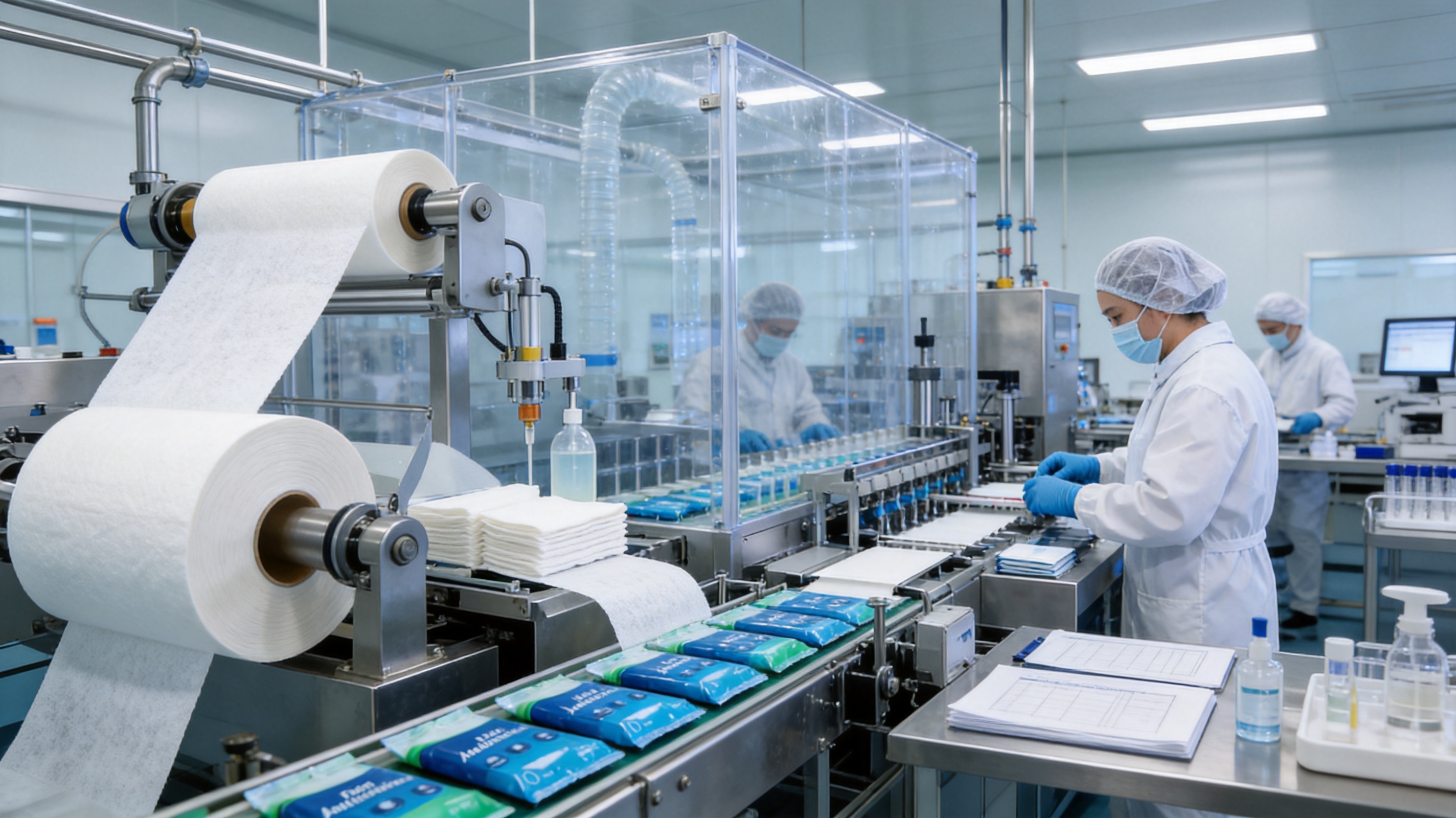
GMP-standard cleanrooms provide a controlled environment for relevant production activities. Cleanroom management may include environmental monitoring, personnel hygiene procedures, controlled access, cleaning protocols, equipment maintenance, and documented operating instructions.
Clean production conditions are particularly valuable for products used in healthcare and personal hygiene settings. They help reduce the risk of unnecessary contamination during processing and packaging. Cleanrooms must operate as part of a broader quality system that includes raw material controls, validated procedures, testing, traceability, and corrective actions.
6.3 Purified Water Systems
The company’s pharmacopoeia-standard purified water systems support the preparation of wet wipe liquids. The water system is managed to provide a controlled input for formulation and production. Consistent water quality can help reduce variability and support the stability of the finished product.
For buyers, the existence of a dedicated purified water system is an important indicator of manufacturing maturity. It demonstrates that the supplier recognizes the relationship between water quality, formulation consistency, microbial control, and final product quality.
6.4 Automated Converting and Filling
Wet wipe converting generally involves unwinding the nonwoven roll, cutting or perforating the material, folding it into the required format, adding the liquid, inserting the wipes into the package, and sealing the package. Each step must be coordinated to maintain dimensional accuracy and prevent unnecessary exposure.
Automated or semi-automated equipment can improve production efficiency and reduce manual variation. It can also support multiple product formats, including soft packs, individual sachets, tubs, canisters, and other customized configurations. The most suitable format depends on the customer’s distribution channel, usage environment, price positioning, and regulatory labeling requirements.
6.5 Testing and Quality Assurance
A comprehensive testing system is used to assess the product and manufacturing process. Testing may cover raw materials, purified water, formulation characteristics, microbial limits, physical properties, seal integrity, package appearance, wipe dimensions, liquid content, and storage stability.
Antimicrobial testing should be matched to the intended claims. Important variables include the test organisms, test surface, contact time, soil load, temperature, concentration, and evaluation method. Professional buyers should request the relevant technical documentation and avoid applying a test result beyond the conditions for which it was generated.
6.6 Traceability and Batch Management
Traceability allows a manufacturer to connect finished goods with raw material lots, production dates, equipment, operators, test records, packaging materials, and shipment information. This is valuable for quality investigations, regulatory communication, inventory management, and long-term supply relationships.
For private-label customers, batch traceability can also support their own quality systems. Clear records help brand owners manage product complaints, monitor market performance, and coordinate with distributors or healthcare customers.
7. Company Manufacturing Strengths
Zhejiang Uniquality Nursing Products Technology Co., Ltd. is part of the Kingsafe and Uniquality manufacturing organization, which was founded in 1987. The company specializes in the research, development, production, and sales of medical and hygienic nonwoven materials, nursing products, and high-end clothing interlining.
Its headquarters are located in Changxing, Huzhou, Zhejiang, with additional production bases in several Chinese regions, including Foshan, Nantong, and Wuhan. The company describes a network of eight production bases. This multi-base structure can provide advantages in production organization, capacity planning, regional logistics, and supply continuity.
Long-Term Industry Experience
More than three decades of industry experience provide a broad base of knowledge in nonwoven materials and hygiene products. This experience is relevant to Medical Antibacterial Wipes because product performance depends on the interaction of multiple disciplines: fiber engineering, liquid chemistry, converting technology, packaging, clean manufacturing, testing, and customer-specific compliance.
A long operating history can also help a supplier understand the changing needs of brand owners and importers. Different markets may request different substrates, product claims, package formats, sustainability features, or documentation packages. An experienced manufacturer is better positioned to coordinate these requirements during product development.
Broad Product Portfolio
The company’s product portfolio includes spunlace nonwoven fabrics, spunmelt nonwoven fabrics, hot-air-through nonwoven fabrics, flushable and degradable nonwoven materials, wet wipes, dry wipes, baby diapers, pull-ups, wet toilet paper, cleansing wipes, and related products. This range indicates experience across medical, maternal and infant, beauty, household, industrial cleaning, and apparel-related fields.
For Medical Antibacterial Wipes customers, a broad portfolio can create practical development benefits. The same organization may be able to support multiple products in a customer’s hygiene range, simplifying communication and reducing the need to coordinate separate suppliers for wipes, dry materials, absorbent products, or related nonwoven components.
International Equipment and Technology
The company has introduced production equipment and technology from Germany, France, and Italy. International equipment can support precise web formation, converting, material handling, and production efficiency. Equipment quality must be supported by appropriate maintenance, process control, operator training, and quality monitoring, but it provides a strong technical foundation for large-scale manufacturing.
Capacity for Long-Term Supply
Medical product brands, importers, wholesalers, and hospital supply companies often need reliable repeat deliveries rather than one-time samples. Large-scale production capabilities can help accommodate scheduled orders, seasonal demand, product launches, and long-term supply agreements.
Capacity is not simply a matter of machine speed. It also includes access to raw materials, production planning, quality assurance, packaging procurement, warehouse management, and export coordination. An integrated supplier can help reduce delays caused by communication gaps between different companies.
8. OEM and ODM Services for Professional Buyers
The Medical Antibacterial Wipes program supports OEM and ODM cooperation. OEM service generally allows a customer to sell a product under its own brand using an agreed specification. ODM service may involve a more extensive development process in which the manufacturer supports product design, material selection, formulation, packaging, and production.
Product Design
Customers can begin with a target market and usage scenario. For example, a healthcare distributor may need a soft wipe for nursing environments, while an industrial supplier may require a stronger wipe for equipment surfaces. Retail buyers may focus on compact packaging, attractive branding, and consumer-friendly instructions.
The manufacturer can help convert these needs into a product specification covering wipe dimensions, folding format, substrate, liquid loading, packaging, labeling, and carton configuration.
Material Selection
Material selection can be customized according to softness, strength, absorbency, sustainability, application, and budget. Customers may select a standard substrate for faster development or request a tailored material for a differentiated product position.
Formula Development
The wet liquid can be adjusted to meet the intended application and market requirements. Possible development considerations include antimicrobial performance, pH, odor, skin feel, residue, preservative system, fragrance preference, and compatibility with the selected nonwoven and package.
Any formulation change should be followed by appropriate testing. A formula that performs well in a laboratory sample must also remain stable during mass production, transport, and storage.
Packaging Customization
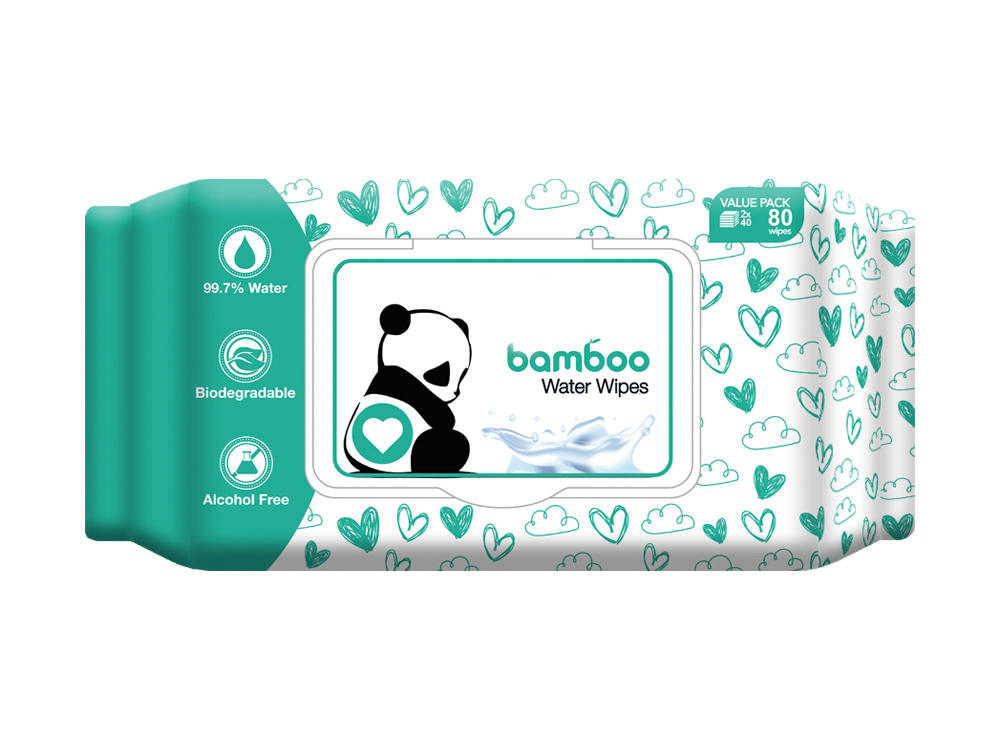
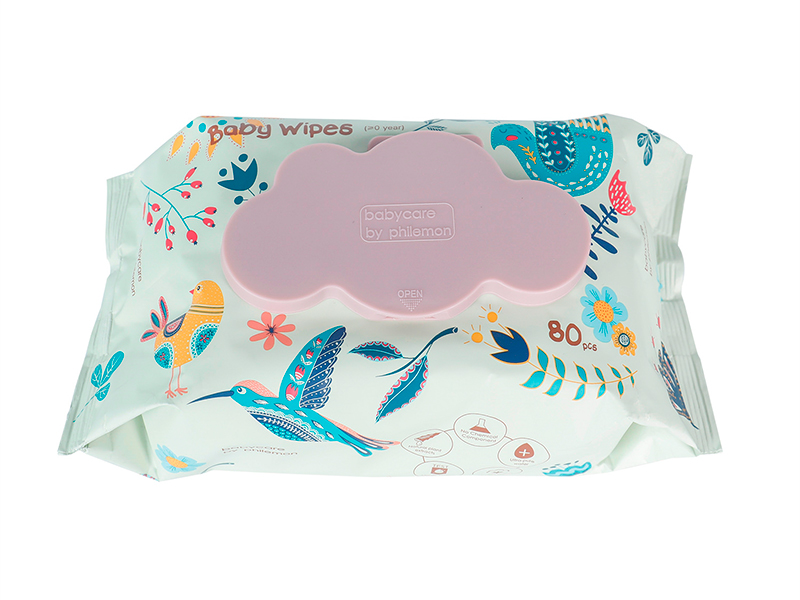
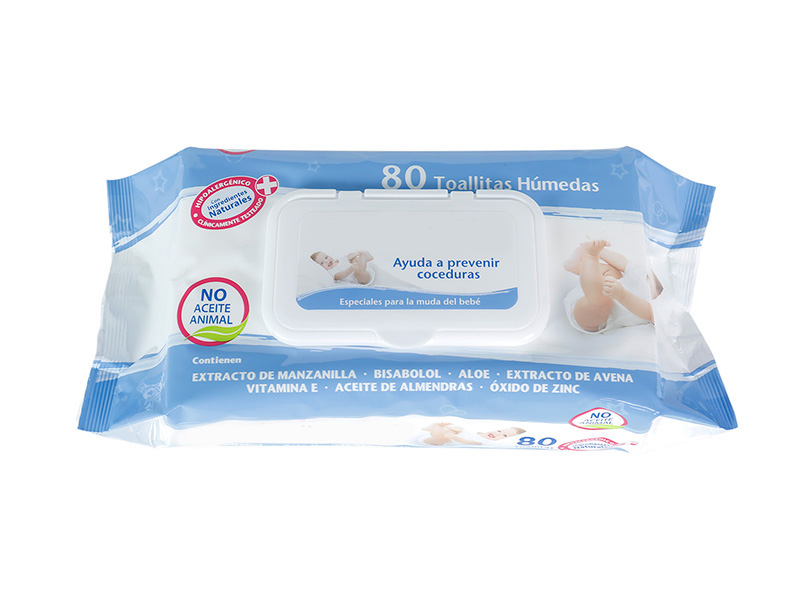
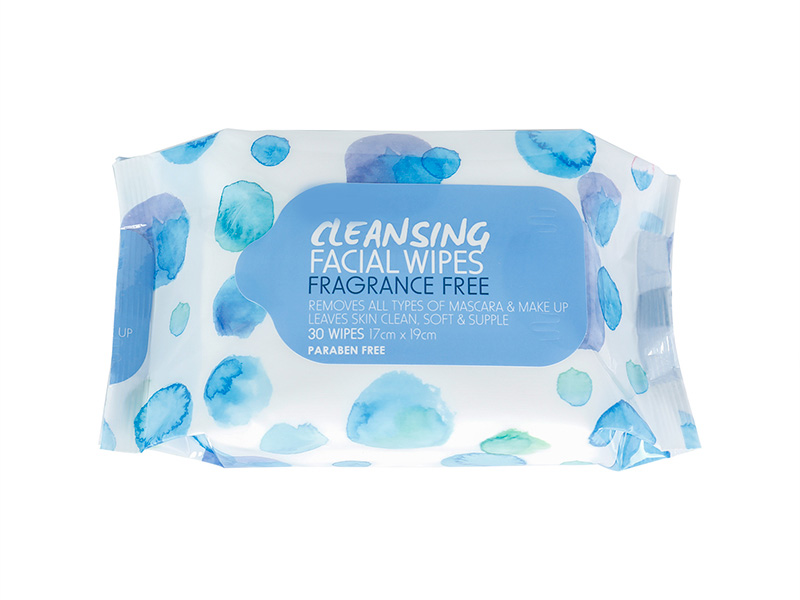
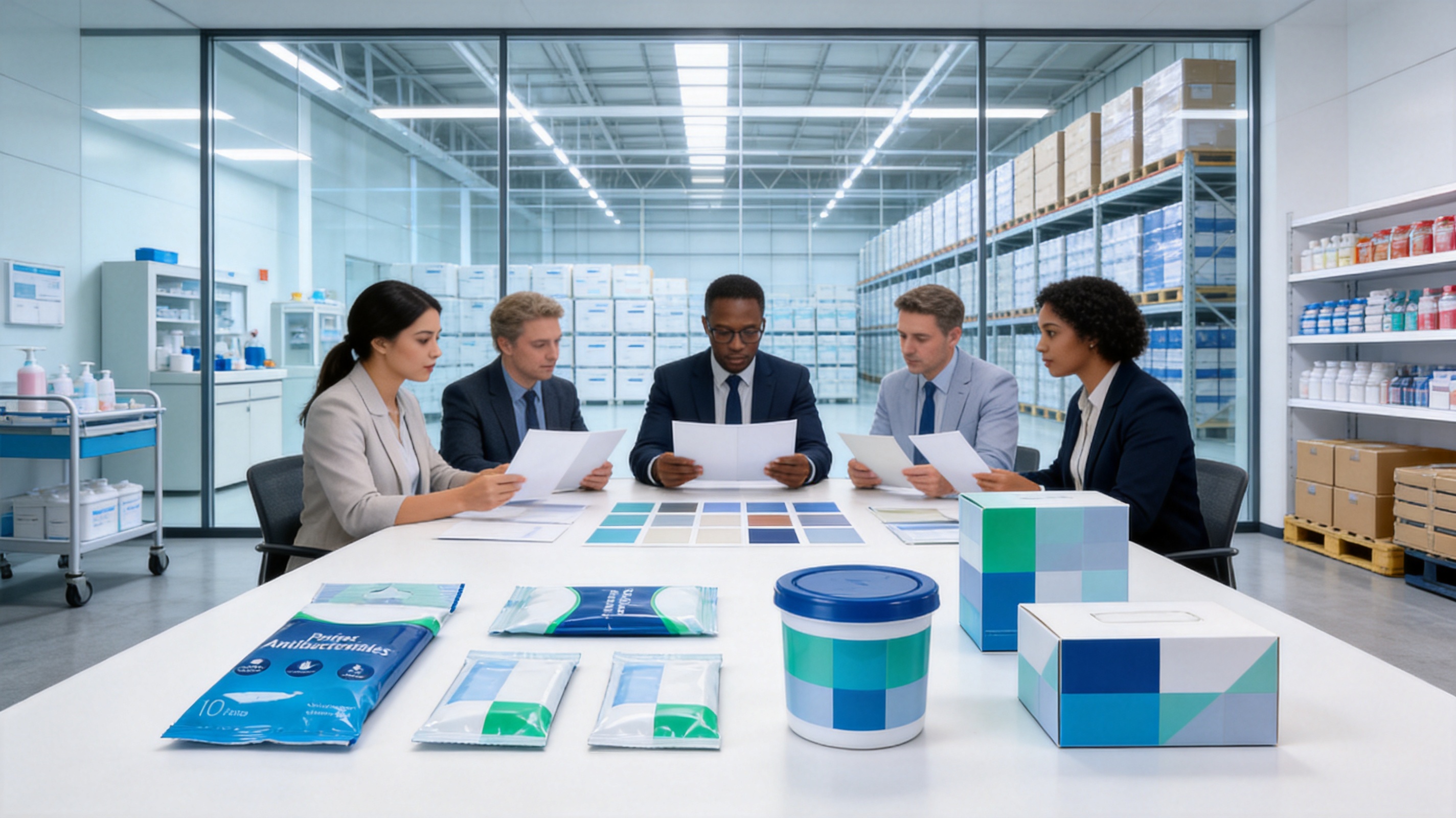
Packaging may be supplied in individual sachets, soft packs, resealable packs, tubs, canisters, or other formats. Individual packaging is useful for portability and controlled dispensing. Multi-piece packs can provide better value for hospitals, households, and institutional users. Resealable formats are suitable when the product will be used repeatedly over an extended period.
Packaging design can include brand colors, logos, product instructions, regulatory information, lot codes, and market-specific language. Packaging materials and sealing methods must be selected to help preserve moisture and protect product quality.
Visual Brand Development
Private-label buyers can request support with the visual presentation of the product. A medical product may require a clean, professional appearance, while a retail product may use stronger shelf visibility. The design should communicate the intended application without making claims that exceed the supporting documentation.
9. Applications and Target Customers
Medical Antibacterial Wipes are intended primarily for professional purchasing clients rather than one-time individual purchases. Their strongest commercial value is found in bulk procurement, private-label development, long-term distribution, and institutional supply.
Medical Supply Brand Owners
Medical supply brands can use the product as part of a broader infection-control or hygiene portfolio. OEM/ODM development allows the brand owner to specify the wipe format, pack count, visual identity, and product positioning.
Medical Product Importers
Importers can work with the manufacturer to develop products that fit the regulations, price structure, packaging conventions, and customer expectations of a particular country. Export documentation and product information can be coordinated during the purchasing process.
Hygiene Product Wholesalers
Wholesalers may require standardized products in multiple pack sizes or customized products for different distribution channels. A manufacturer with large-scale production and a broad material portfolio can support a more flexible product assortment.
Hospitals and Nursing Supply Companies
Healthcare supply organizations generally value consistency, documentation, delivery reliability, and clear usage instructions. They may use the wipes for selected equipment, work surfaces, nursing environments, or other approved applications.
Supermarket and Retail Suppliers
Retail suppliers may request consumer-friendly packaging, convenient pack sizes, strong shelf presentation, and competitive pricing. Product claims must remain clear and appropriate for the retail market, and instructions should be easy for non-professional users to understand.
Companies Developing Their Own Brands
Businesses entering the medical or hygiene sector can use OEM/ODM services to build a product without establishing their own wipe production line. The manufacturer can support the process from initial concept through sampling, testing, packaging confirmation, and mass production.
10. Product Selection Considerations
Before placing an order, buyers should define the intended application and target market. Important questions include whether the wipes will be used on skin, intact skin, wounds, equipment, hard surfaces, or a combination of applications. The buyer should also identify the required microbial claims, contact time, package size, storage conditions, and language requirements.
Wipe dimensions should match the application. Small wipes may be suitable for personal care or individual equipment components, while larger wipes can improve coverage on worktops or other broad surfaces. Folded dimensions must also fit the selected package.
Pack count influences cost, portability, and usage frequency. Single sachets are convenient for distribution and controlled use. Larger resealable packs may be better for institutions and high-frequency applications. The closure must be tested to help prevent drying during the expected use period.
Buyers should request samples before confirming mass production. Sample evaluation can cover softness, wet strength, liquid distribution, odor, residue, dispensing, package integrity, and practical wiping performance. Where required, buyers should also review antimicrobial, compatibility, stability, and skin-related documentation.
11. Storage, Handling, and Responsible Use
Medical Antibacterial Wipes should be stored according to the final product instructions. In general, finished packs should be protected from excessive heat, freezing conditions, direct sunlight, puncture, and prolonged exposure to unsuitable humidity. Packages should remain sealed until use.
Users should follow the instructions printed on the final packaging, including the required contact time and the intended application. A wipe should not automatically be used on every type of skin, wound, instrument, electronic device, or coated surface without confirmation of compatibility. Professional environments should establish procedures for disposal and for the handling of used wipes.
Antibacterial wipes are not a substitute for all cleaning, sterilization, or infection-control procedures. Visible contamination may require prior cleaning, and critical medical instruments may require validated reprocessing methods. The product should be used only for the applications and claims supported by its technical documentation and regulatory authorization.
12. Quality, Compliance, and Export Support
International sales require careful attention to the rules of the destination market. Classification, permitted claims, active ingredients, labeling, packaging language, safety information, product registration, and testing requirements can vary between countries.
The manufacturer provides relevant product information and export support based on market needs. Customers should communicate their destination countries early in the development process so that the product specification and documentation can be reviewed before packaging production begins.
A reliable export supplier should be able to discuss raw material information, product specifications, test reports, batch identification, packaging details, shelf-life expectations, and shipping arrangements. Early communication helps prevent delays caused by artwork changes, incomplete labels, unsuitable claims, or missing documentation.
13. Comparison with Competing Supply Models
Medical Antibacterial Wipes can be sourced through several supply models. A buyer may purchase generic finished goods, work with a trading company, or cooperate directly with an integrated manufacturer. Each model has different advantages.
Generic finished goods may offer a short purchasing cycle but limited customization. A trading company may simplify communication but may rely on multiple external factories for nonwoven materials, liquid formulation, and packaging. An integrated manufacturer can coordinate these stages within one industrial system.
The Kingsafe and Uniquality model is differentiated by its combination of nonwoven research, multiple production bases, wet wipe manufacturing, purified water systems, cleanroom production, testing resources, and OEM/ODM services. This integration can help customers improve specification control and reduce the number of separate suppliers involved in product development.
The company’s experience across medical, nursing, infant, household, industrial, and environmentally oriented product categories also provides a broad technical perspective. Buyers can discuss not only a single wipe, but also a complete product line that may include dry wipes, cleansing wipes, absorbent hygiene products, and customized nonwoven materials.
14. Frequently Asked Questions
Q1: Can Medical Antibacterial Wipes be sold under our own brand?
Yes. OEM and ODM services are available. Customers can request support with product specifications, nonwoven material, formulation, wipe size, packaging, artwork, and mass production. Final claims and labeling must be confirmed according to the target market.
Q2: What is the claimed sterilization rate?
The product information specifies a claimed sterilization rate of up to 99.999% under applicable testing conditions. Buyers should request the relevant test information, including organisms, method, contact time, and product concentration, before using this claim in commercial materials.
Q3: Can the wipes be used on skin and equipment?
The product is described as supporting dual use for skin and equipment. However, the exact permitted applications depend on the final formulation, testing, product instructions, and regulations of the destination market. Compatibility should be confirmed before use on sensitive skin, wounds, medical devices, or specialized surfaces.
Q4: Can the wipe size be customized?
Yes. Wipe dimensions, folding format, basis weight, liquid loading, and packaging size can be adjusted according to the customer’s requirements and the feasibility of the final specification.
Q5: What packaging formats are available?
Packaging can be developed in formats such as individual sachets, soft packs, resealable packs, tubs, or canisters. The best option depends on portability, dispensing frequency, shelf-life requirements, retail presentation, and institutional use.
Q6: Can the formulation be changed?
Yes. The wet liquid can be adjusted for the intended application and market requirements. Any change should be evaluated for antimicrobial effectiveness, stability, skin compatibility, material compatibility, packaging interaction, and regulatory compliance.
Q7: Does the company support bulk purchasing?
Yes. The company has large-scale production capabilities and supports the supply needs of brand owners, importers, wholesalers, institutional buyers, and long-term distribution partners.
Q8: Can the product be exported to different countries?
Yes. Export support and product information can be provided according to the requirements of different markets. Because regulations differ between countries, buyers should confirm classification, labeling, claims, testing, and registration requirements before ordering.
Q9: What makes the manufacturer suitable for private-label projects?
The manufacturer combines nonwoven material development, wet wipe production, cleanroom facilities, purified water systems, testing capabilities, multiple production bases, and experience with OEM/ODM cooperation. This integrated structure supports product development from material selection through finished packaging.
Q10: Are the wipes suitable for individual consumer purchases?
The product is primarily positioned for professional buyers, bulk purchasing, private-label development, and long-term supply. Retail versions can be developed for consumer channels, but the specification, packaging, labeling, and instructions should be adapted to the target market.
Q11: How should buyers evaluate samples?
Buyers should review softness, strength, liquid uniformity, odor, residue, dispensing, package sealing, drying behavior, and practical cleaning performance. If antimicrobial or skin-related claims are required, the relevant technical and testing documentation should also be evaluated.
Q12: Can the company develop a complete hygiene product range?
The company has experience with wet wipes, dry wipes, cleansing wipes, diapers, pull-ups, nonwoven materials, and other hygiene products. Customers can discuss coordinated product development for a broader private-label or professional hygiene portfolio.
15. Conclusion
Medical Antibacterial Wipes provide a convenient and adaptable solution for professional hygiene and disinfection applications. Their principal advantages include ready-to-use operation, broad-spectrum antimicrobial positioning, a neutral and bleach-free formulation concept, potential dual use for skin and equipment, flexible packaging, and suitability for customized private-label development.
The product’s value is strengthened by the manufacturing system behind it. Kingsafe and Uniquality combine long-term nonwoven industry experience with independent material development, multiple production bases, international production equipment, GMP-standard cleanrooms, pharmacopoeia-standard purified water systems, and comprehensive testing resources. These capabilities support the consistency, scalability, and customization required by medical supply brands, importers, wholesalers, hospitals, retailers, and institutional buyers.
For customers seeking more than a generic wipe, the integrated OEM/ODM model offers a practical route from product concept to mass production. Material selection, formulation, dimensions, packaging, visual identity, documentation, and supply planning can be coordinated within one manufacturing partnership.
As with all antimicrobial products, the final product claims and applications must be supported by suitable testing and comply with the laws of the target market. When properly specified, validated, manufactured, packaged, and used, Medical Antibacterial Wipes can become a dependable component of professional hygiene programs and a strong addition to private-label medical product portfolios.
References
1. World Health Organization. Guidelines on Hand Hygiene in Health Care.
2. World Health Organization. Infection Prevention and Control Guidance for Health-Care Facilities.
3. United States Pharmacopeia. General Chapters Relating to Purified Water and Microbiological Quality.
4. International Organization for Standardization. Quality Management Systems—Requirements.
5. International Organization for Standardization. Cleanrooms and Associated Controlled Environments.
6. International Organization for Standardization. Nonwovens—General Principles of Testing and Evaluation.
7. Good Manufacturing Practice guidance for medicinal and healthcare-related products.
8. Technical product information supplied for Medical Antibacterial Wipes and related OEM/ODM manufacturing services.