中文简体
中文简体 English
 日本語
日本語 русский
 Español
Modern healthcare, hygiene, and industrial products increasingly depend on nonwoven materials that combine softness, strength, protection, processability, and consistent quality. Among the most versatile solutions available is oval dot spunbond and meltblown, or spunmelt, nonwoven fabric. Designed for use in medical garments, disposable masks, diapers, period pants, protective products, automotive components, agricultural covers, and other applications, this material can be engineered to meet a wide range of functional and commercial requirements.
Manufactured primarily from polypropylene and supported by advanced spunbond, meltblown, and composite nonwoven technologies, oval dot spunmelt fabric offers a flexible alternative to conventional textiles and basic disposable materials. Its structure can be customized according to weight, color, pattern, softness, fluid behavior, filtration performance, antistatic requirements, flame resistance, antibacterial performance, and other application-specific needs.
For manufacturers and brand owners, the value of this fabric extends beyond its basic material properties. A reliable nonwoven supplier must also provide stable raw materials, accurate process control, specialized functional additives, consistent roll quality, technical support, and scalable production. Zhejiang Uniquality Nursing Products Technology Co., Ltd., together with the Kingsafe and Uniquality manufacturing system, has developed extensive capabilities in medical and hygienic nonwoven materials, nursing products, and high-end clothing interlinings. Its experience supports the development of customized materials for customers in multiple markets.
Understanding Oval Dot Spunbond and Meltblown Nonwoven Fabric
Oval dot spunbond and meltblown nonwoven fabric belongs to the spunmelt family of engineered textile materials. Unlike woven fabric, which is made by interlacing yarns, or knitted fabric, which is formed through loops, nonwoven fabric is produced by arranging and bonding fibers or polymer filaments. This manufacturing approach allows producers to create lightweight, breathable, soft, protective, and highly functional materials at commercial scale.
The material described in this article may be manufactured using several configurations, including SS, SSS, SMS, SMMS, SSMMS, SSSMS, and M. The letters represent the arrangement of spunbond and meltblown layers. Spunbond layers generally contribute strength, elongation, softness, and surface performance, while meltblown layers are especially useful where fine-fiber filtration or barrier performance is required.
The oval dot pattern is a surface embossing or bonding design that gives the fabric a distinctive appearance and can influence tactile feel, surface stability, and handling characteristics. Although oval dot is a standard pattern, the pattern can be customized for specific customer requirements. This creates opportunities for private-label manufacturers, medical product producers, hygiene brands, and industrial users that want differentiated material without changing the fundamental polymer platform.
Polypropylene is the main raw material. Depending on the intended use, the material may also contain masterbatch, functional masterbatch, and other functional additives. These additions can support color matching, hydrophilicity, water repellency, antistatic behavior, flame retardancy, antibacterial performance, odor or fragrance features, and other product characteristics.
Why Spunmelt Nonwoven Fabric Is Important
Spunmelt materials are valued because they can combine multiple performance characteristics in one engineered structure. A single fabric may need to be soft enough for direct skin contact, strong enough for converting, resistant to fluids, breathable enough for comfortable wear, and uniform enough for high-speed automated production. These requirements are difficult to satisfy with a single conventional textile.
For medical and protective applications, the material may need to help control the passage of liquids, blood, alcohol, or other contaminants. For hygiene products, it may need to provide a dry and comfortable skin-facing surface, absorbent-core support, leakage protection, or a soft waistband. For masks, the material may serve as an outer layer, inner layer, or specialized filtration layer. For industrial products, it may need resistance to aging, slipping, flame, or environmental exposure.
Spunmelt manufacturing supports these varied needs by controlling fiber formation, layer arrangement, bonding, additives, basis weight, color, and finish. The result is not simply a generic sheet material. It is a configurable platform that can be adapted to the technical specifications of a particular product.
Core Material and Manufacturing Technologies
Polypropylene as the Main Polymer
Polypropylene is widely used in disposable and technical nonwoven products because it is lightweight, processable, and compatible with high-speed production. It can be converted into continuous spunbond filaments or fine meltblown fibers. The polymer also allows manufacturers to modify surface properties through carefully selected additives and process conditions.
For hygiene and medical products, polypropylene can be engineered into fabrics with different levels of softness, strength, stiffness, opacity, and fluid interaction. The material is also suitable for colored products, including white, blue, yellow, pink, black, and other customized shades.
Spunbond Technology
In spunbond production, molten polymer is extruded through fine openings to form continuous filaments. These filaments are drawn, distributed across a moving web, and bonded to create a stable nonwoven structure. Spunbond layers commonly provide tensile strength, tear resistance, surface uniformity, and dimensional stability.
SS and SSS structures use multiple spunbond layers to improve overall performance. They can be selected for applications such as diaper components, mask surfaces, medical garments, waistband materials, automotive interiors, agricultural covers, and non-slip products.
Meltblown Technology
Meltblown production uses high-speed air to attenuate polymer streams into very fine fibers. These fibers form a dense web with a large surface area and can be used where filtration or barrier characteristics are important. Meltblown material is particularly relevant to mask filter layers and other products requiring controlled particle or aerosol filtration.
The supplied product range includes water electret meltblown and electric electret meltblown. Electret treatment gives the material an electrical charge that can improve filtration performance without relying only on extremely dense mechanical structures. This can help balance filtration, breathability, and weight when the material is properly designed and converted.
Composite Spunmelt Structures
SMS, SMMS, SSMMS, SSSMS, and related structures combine spunbond and meltblown layers. These constructions can provide a useful balance between outer-layer strength and inner-layer filtration or barrier performance. For example, the spunbond surfaces can improve handling and resistance to tearing, while meltblown layers can contribute to liquid resistance or filtration.
Composite structures are especially useful when customers need a material with more than one function. A medical gown may require a soft but durable surface and resistance to blood or alcohol. A mask may require comfortable outer and inner layers together with a dedicated filter layer. A hygiene product may need a soft surface, liquid management, and reliable bonding during conversion.
Oval Dot Pattern and Surface Customization
Surface pattern is an important part of nonwoven fabric design. The oval dot pattern provides a recognizable visual finish and can influence how the material feels, folds, unwinds, and performs during converting. Embossed or bonded patterns can also help create a more stable fabric surface than an entirely unpatterned web.
Pattern customization is valuable for customers developing private-label products or product lines with different grades. A customized pattern may be selected to create a particular tactile impression, support branding differentiation, or match the appearance of a finished medical or hygiene product. The ability to customize the pattern also allows the material to be adapted to different product designs and converting equipment.
Pattern selection should always be considered together with basis weight, layer configuration, softness, bonding conditions, and end-use requirements. A pattern that is ideal for an outer garment layer may not be appropriate for a skin-contact hygiene layer. Technical consultation helps ensure that appearance and performance are balanced rather than treated as separate objectives.
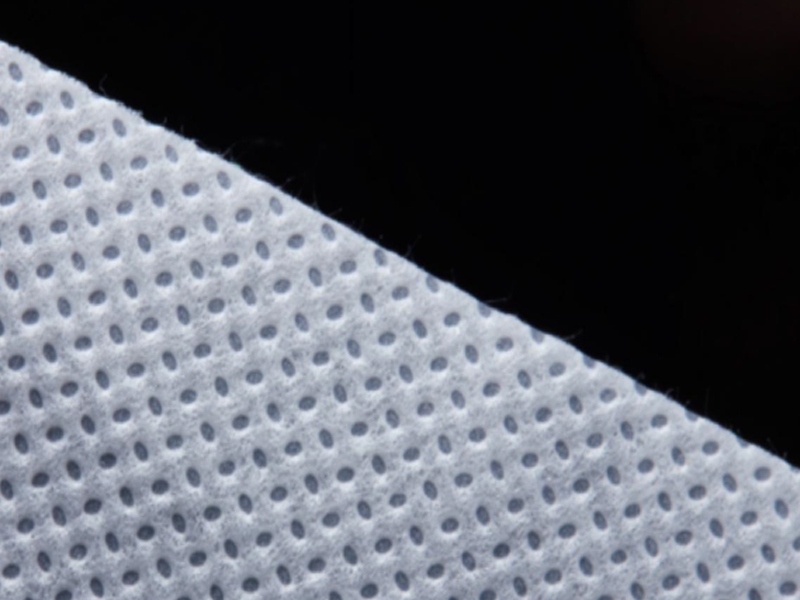
Oval Dot Spunbond & Meltblown(Spunmelt)Non-woven Fabric
Performance Advantages Over Basic Nonwoven Materials
Many low-cost nonwoven materials provide only a limited combination of strength, softness, and fluid behavior. Oval dot spunmelt fabric is designed as a more adaptable platform. Its main advantages come from the ability to combine multiple technologies and functional options within a controlled production system.
Multiple Layer Options
The availability of SS, SSS, SMS, SMMS, SSMMS, SSSMS, and M structures gives customers more options than a single-layer spunbond material. Different constructions can be selected according to the intended product. A lightweight spunbond layer may be sufficient for a mask outer surface, while a medical garment may require a composite structure with enhanced barrier performance.
This structure-based approach can reduce the need to compromise. Instead of selecting one material for all uses, manufacturers can specify a construction that aligns with the product’s function, converting process, and target price.
Broad Functional Customization
The fabric can be customized with several functional properties, including water repellency, hydrophilicity, antistatic behavior, flame retardancy, antibacterial performance, anti-skid properties, resistance to aging, and different levels of softness. Three-anti treatment can be used for resistance to alcohol, blood, and grease in suitable applications.
Functional customization is one of the key differences between a general-purpose nonwoven sheet and an application-oriented material. A diaper core cover requires a hydrophilic surface, while an anti-leakage layer generally needs water repellency. A car interior material may need flame retardancy, while a disposable gown may need fluid resistance. The correct treatment is therefore determined by use rather than by appearance alone.
Softness and Skin Comfort
For products worn against the body, softness is a central performance factor. Nonwoven materials used in masks, diapers, pull-ups, period pants, and medical garments must be comfortable during extended contact. The product range includes super-soft, cotton-soft, and soft options, allowing customers to select a suitable tactile profile.
Softness can be influenced by polymer selection, fiber fineness, web formation, bonding pattern, basis weight, additive selection, and finishing. A well-controlled process helps produce a fabric that feels comfortable without becoming too weak for automated converting or end-product assembly.
Lightweight Construction
Spunbond and spunmelt fabrics can deliver useful performance at relatively low basis weights. The product range includes customized spunbond and spunmelt grades from 8 to 80 grams per square meter, while meltblown products can be customized from 20 to 50 grams per square meter.
Lightweight construction can reduce material consumption and product weight. This is important for disposable medical garments, masks, diapers, and other high-volume products. However, low basis weight must be matched with appropriate layer design and bonding quality. The objective is not simply to make the fabric thinner, but to achieve the required performance with efficient material use.
Color and Appearance Options
Color customization supports product differentiation and application identification. White remains widely used in hygiene and medical products, while blue, yellow, pink, black, and other colors may be selected for garments, industrial products, or brand-specific designs.
Color can also support production management. For example, different colors may help distinguish product grades, application areas, or garment types. Consistent color matching is particularly important for customers that produce finished products under a private label.
Special Additives and Sensory Features
Selected products may include scent options such as mint or apple. Aloe essence may be added to hydrophilic products, and other essence options can be discussed according to customer requirements. These features are relevant to consumer-oriented hygiene products where sensory experience is part of product differentiation.
Any fragrance, essence, or skin-contact additive should be evaluated for compatibility with the intended application, production process, packaging, storage conditions, and applicable market requirements. Functional creativity must be supported by appropriate technical validation.
Medical and Protective Applications
Surgical Gowns
Surgical gowns require a carefully balanced combination of protection, comfort, drape, strength, and resistance to liquids. SSMMS structures are suitable for applications where multiple spunbond and meltblown layers are used to support these requirements. A listed specification includes 37-gram blue SSMMS fabric with three-anti performance against alcohol, blood, and grease. A 45-gram blue SSMMS option is also available for surgical gown applications.
The selection between 37 grams and 45 grams depends on the desired protection level, garment design, sewing or ultrasonic bonding process, wearing time, and target market specification. Color, softness, and barrier performance can be adjusted as part of the product development process.
Isolation and Protective Clothing
Isolation clothing and protective clothing may require water repellency, antistatic performance, or a higher basis weight. A 26-gram SMMS yellow material is listed for isolation clothing with water repellency and American standard Level 2 positioning. A 45-gram white SSMMS material is available for isolation or protective clothing with water-repellent performance.
Another listed construction combines PP and PE, using 35-gram SSS with 30-gram PE in white and antistatic form. Composite PP and PE materials can be considered when a customer needs a different balance of textile feel and barrier characteristics. The final suitability depends on garment construction, seam treatment, testing, and regulatory requirements.
Mask Surface and Inner Layers
Mask outer and inner layers must support comfort, structural stability, breathability, and compatibility with mask-making equipment. The listed SSS materials are available in 20-gram, 25-gram, 30-gram, and 50-gram grades. These materials can be white and may include antibacterial, skin-friendly, or super-soft characteristics.
The inner layer is normally selected with close attention to skin contact and moisture comfort. The outer layer may require a different balance of appearance, strength, and fluid resistance. By offering several weights and softness levels, the manufacturer can support different mask designs and production requirements.
Mask Filter Layers
Meltblown filter media are available in 25-gram M construction. Water electret meltblown is specified for filtration performance reaching European FFP2 or FFP3 standards and American standard Level 2 or Level 3 positioning, depending on the tested product system. Electric electret meltblown is specified for BFE99+ and PFE99 performance.
Filtration values should be interpreted as product and test-system performance rather than as a universal guarantee for every finished mask. Finished-mask results depend on filter media, mask design, sealing, nose clip construction, welding, airflow, test method, and production control. Customers should confirm the applicable standard, test laboratory, and finished-product requirements before commercialization.
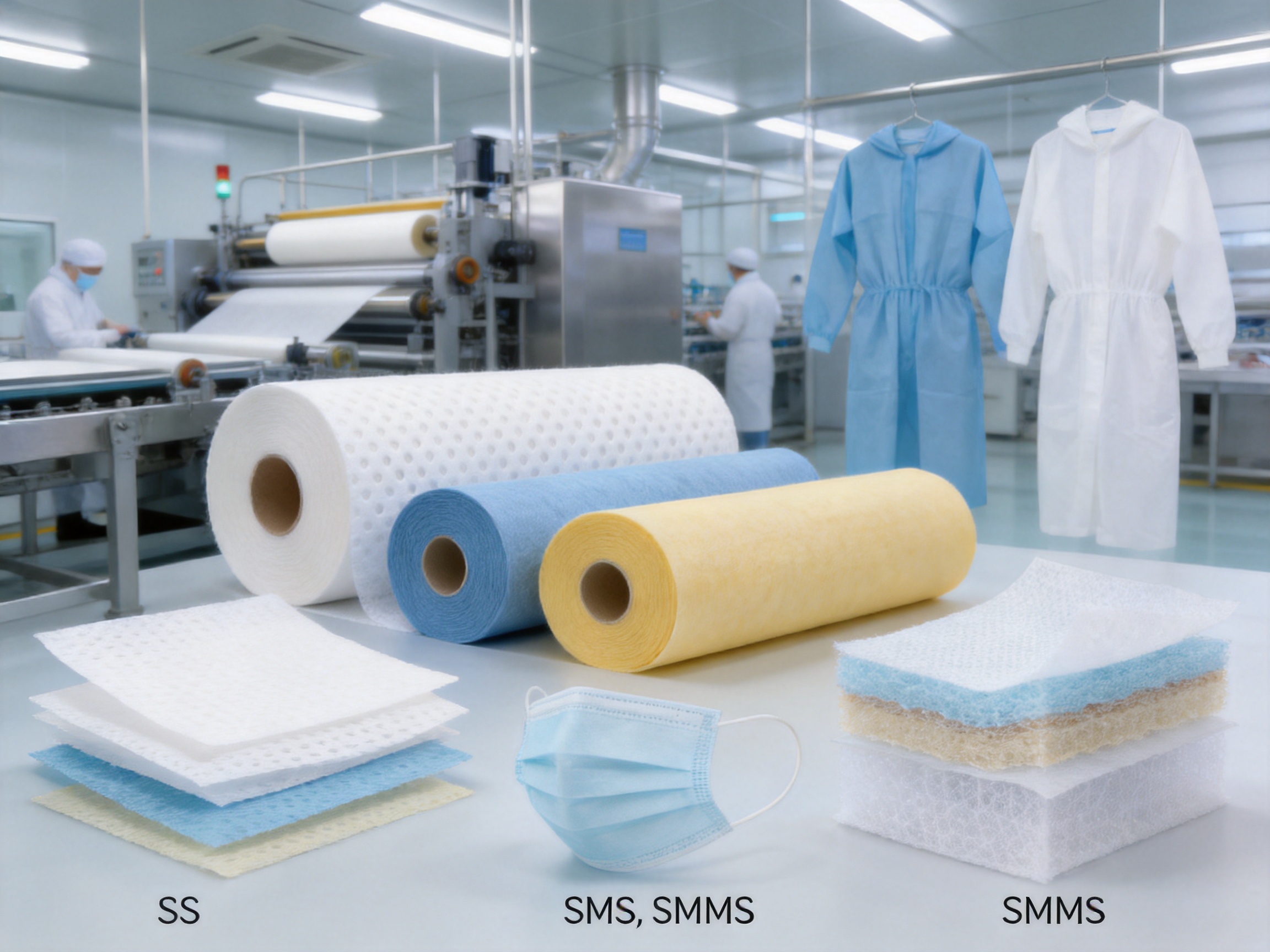
Hygiene Product Applications
Diaper Surface and Core Cover
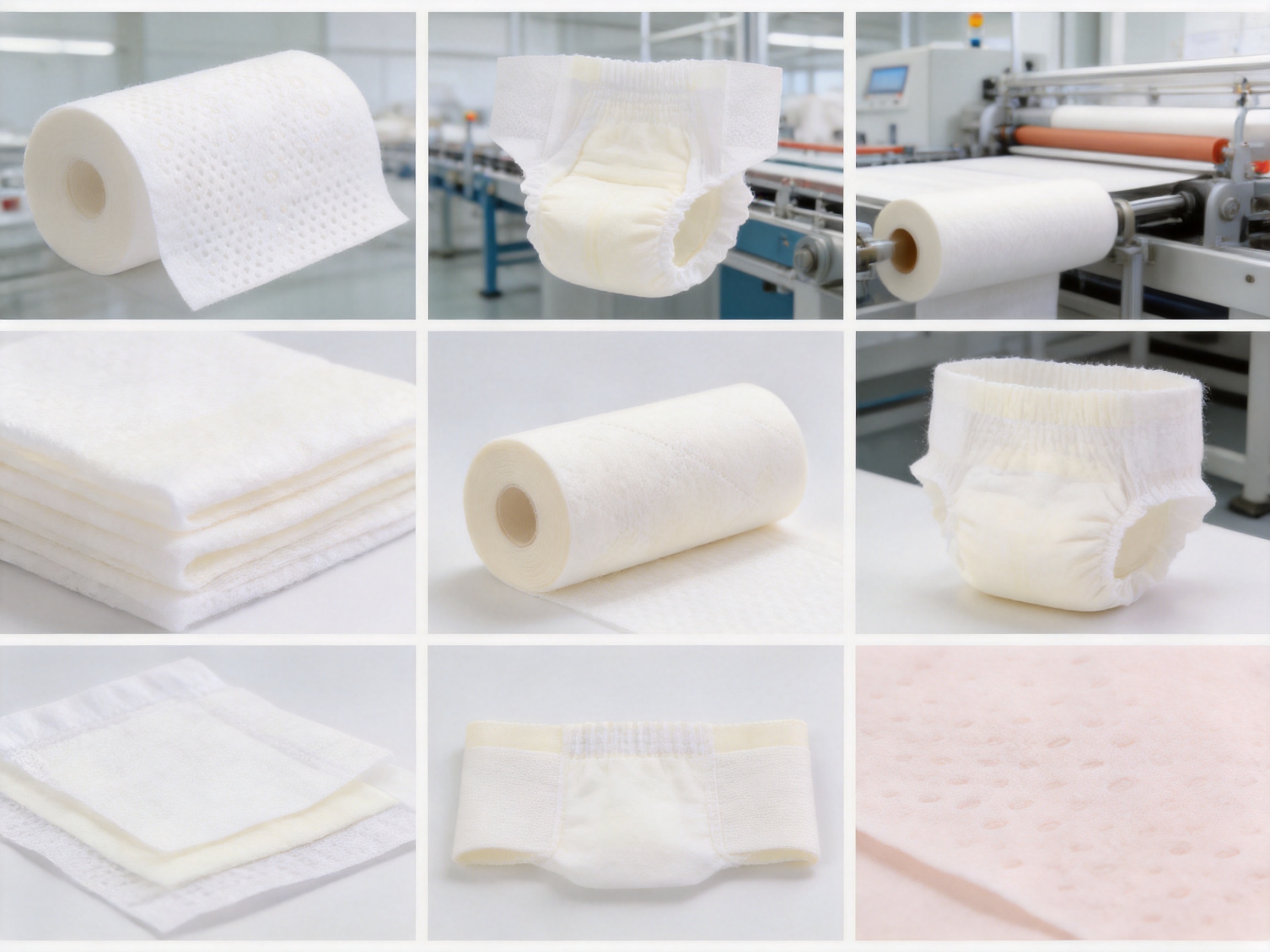
In baby diapers and other absorbent hygiene products, nonwoven fabric can be used as a topsheet, core cover, acquisition-related component, or other structural layer. A skin-contact topsheet generally benefits from softness, low irritation potential, good surface uniformity, and controlled liquid passage. A core cover may be designed with hydrophilic performance to help distribute fluid toward the absorbent core.
The listed 12-gram SS, SSS, or SMS white hydrophilic material is suitable for core-cover applications. A manufacturer can select the appropriate construction according to the absorbent core design, fluid acquisition requirements, production speed, and desired tactile performance.
Anti-Leakage Protection
Anti-leakage structures help control the movement of fluid away from the intended absorbent area. The listed 12-gram SSMMS material is available in white or creamy white and can be customized for water repellency, super softness, cotton softness, or standard softness.
Leakage protection requires more than a water-repellent fabric. The overall product design must also consider leg cuffs, elastic components, bonding lines, absorbent-core capacity, garment fit, and converting accuracy. Nevertheless, a stable and appropriately treated nonwoven layer is an important part of the system.
Pull-Ups and Period Pants Waist Components
Waist materials for pull-ups and period pants must combine softness, elasticity compatibility, surface comfort, and processing stability. The listed 15-gram and 16-gram SS or SSS creamy-white materials are offered in super-soft, cotton-soft, or soft versions.
The right grade depends on the waist design, elastic placement, adhesive or ultrasonic bonding process, product size, and expected wearing duration. Softness is particularly important because the waist area may remain in close contact with the skin while the wearer is moving.
For private-label hygiene brands, material customization can help create a distinctive product experience. Color, pattern, softness level, scent, essence, and finished-product design may be coordinated to support a consistent brand identity.
Industrial, Automotive, and Agricultural Uses
Car Covers and Agricultural Sheds
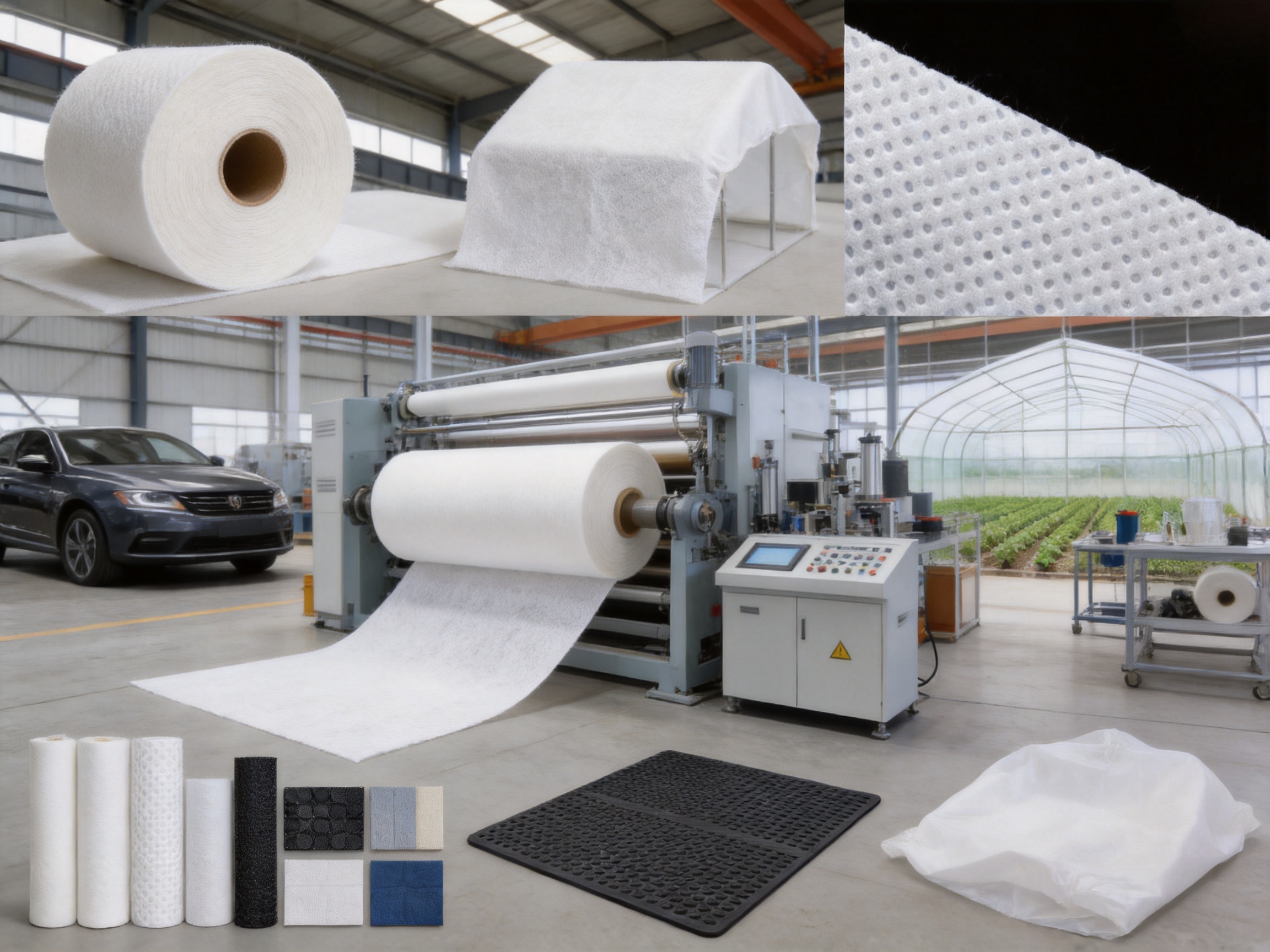
A 35-gram SSS white material with aging resistance is listed for car covers and agricultural shed applications. These uses may expose the material to sunlight, temperature variation, moisture, dust, and repeated handling. Aging resistance can help preserve material performance over the expected service period, although the actual durability depends on exposure conditions and product design.
Car covers benefit from a fabric that is lightweight, easy to handle, and capable of protecting surfaces from dust or environmental contamination. Agricultural shed components may require a different combination of strength, air permeability, light management, and resistance to outdoor conditions. Material selection should therefore be made according to local climate and installation requirements.
Automotive Interiors
A 40-gram SSS white material with flame-retardant functionality is listed for car interiors. Automotive interior components may include liners, trim-related materials, backing layers, or other nonwoven parts. Flame behavior, odor, surface appearance, bonding compatibility, and long-term dimensional stability are often important considerations.
Automotive customers typically require consistent batch performance because materials are converted through highly controlled production lines. Stable basis weight, width, roll winding, color, and surface quality can reduce waste and support reliable assembly.
Non-Slip Mats
A 36-gram SSS white material with single-side anti-skid performance is available for non-slip mat applications. A controlled anti-skid surface can help improve the position stability of a mat on a compatible substrate. The final coefficient of friction depends on the counterpart surface, pressure, moisture, temperature, and product construction.
Non-slip materials may be used in healthcare, household, packaging, automotive, and industrial products. The surface treatment should be matched to whether the mat must remain removable, washable, disposable, or permanently bonded.
Other Technical Applications
Additional applications may include cotton-like cloth products, mattress surface layers, protective covers, packaging components, and other industrial or household materials. The broad functional platform allows customers to explore new uses where low weight, softness, fluid control, breathability, or surface engineering is required.
Available Specifications
The following examples summarize the listed application-oriented grades. They are reference specifications rather than a limit on customization. Final values should be confirmed through technical discussion, sampling, and testing.
Application |
Construction or Material |
Basis Weight |
Color |
Main Function |
Surgical gowns |
SSMMS |
37 g or 45 g |
Blue |
Three-anti protection: alcohol, blood, and grease |
Isolation clothing |
SMMS |
26 g |
Yellow |
Water repellency; American standard Level 2 positioning |
Protective clothing |
SSMMS |
45 g |
White |
Water repellency |
Isolation clothing |
PP plus PE |
35 g SSS plus 30 g PE |
White |
Antistatic performance |
Mask outer and inner layers |
SSS |
20 g, 25 g, 30 g, or 50 g |
White |
Antibacterial, skin-friendly, and super-soft options |
Diaper anti-leakage protection |
SSMMS |
12 g |
White or creamy white |
Water repellency and soft-touch options |
Diaper core cover |
SS, SSS, or SMS |
12 g |
White |
Hydrophilic performance |
Pull-up or period-pants waist |
SS or SSS |
15 g or 16 g |
Creamy white |
Super-soft, cotton-soft, or soft finish |
Car covers and agricultural sheds |
SSS |
35 g |
White |
Aging resistance |
Car interiors |
SSS |
40 g |
White |
Flame retardancy |
Non-slip mats |
SSS |
36 g |
White |
Single-side anti-skid performance |
Mask filter layer |
M water electret |
25 g |
White |
FFP2 or FFP3 and comparable tested performance |
Mask filter layer |
M electric electret |
25 g |
White |
BFE99+ and PFE99 tested performance |
Advanced Manufacturing Strengths
Long-Term Industry Experience
The manufacturing group was founded in 1987 and has more than three decades of experience in medical and hygienic nonwoven materials, nursing products, and high-end clothing interlinings. This history provides a foundation for understanding the requirements of different end-use sectors, from disposable healthcare products to consumer hygiene and technical textiles.
Long-term experience is particularly valuable in nonwoven production because material performance depends on many connected variables. Polymer quality, extrusion stability, fiber formation, web distribution, bonding, additive dispersion, winding, storage, and converting compatibility all influence the final result. Experience helps technical teams identify the most important variables for each application.
Research, Development, and Product Engineering
The company is described as a national high-tech enterprise specializing in research and development, production, and sales. This focus supports the development of differentiated and functional materials rather than relying solely on standard commodity products.
Research and development may involve adjusting layer structures, basis weights, pattern designs, additives, color systems, surface properties, softness levels, and filtration characteristics. For customers, this means that product development can begin with an application problem rather than a fixed catalog item.
International Production Equipment and Technology
Advanced production equipment and technology have been introduced from Germany, France, and Italy. International equipment can support precise fiber formation, stable web distribution, controlled bonding, and reliable production efficiency when operated with appropriate technical expertise.
Modern equipment is important, but machinery alone does not determine product quality. The most effective production systems combine equipment capability with trained personnel, process monitoring, preventive maintenance, raw-material management, and documented quality control. The combination of these elements supports more consistent material from one order to the next.
Multiple Production Bases
The company has established eight production bases in China, including facilities associated with Foshan, Nantong, and Wuhan, in addition to its headquarters in Changxing, Huzhou. A multi-base manufacturing network can support production capacity, geographic flexibility, supply continuity, and access to different logistics routes.
For international customers, supply continuity is an important commercial consideration. Medical and hygiene product manufacturers often operate continuous converting lines and need dependable material availability. Multiple production resources can provide a stronger foundation for capacity planning and customer support, subject to specific order scheduling and quality-assurance arrangements.
Broad Product Portfolio
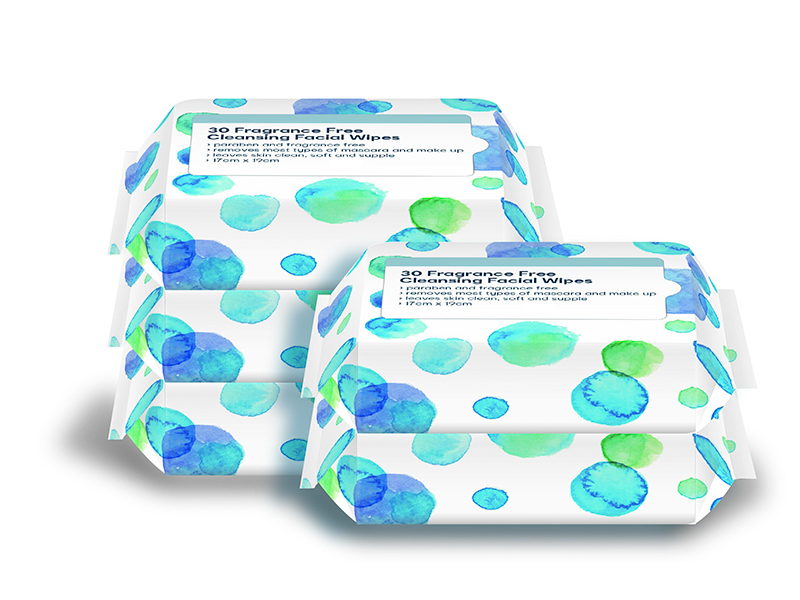
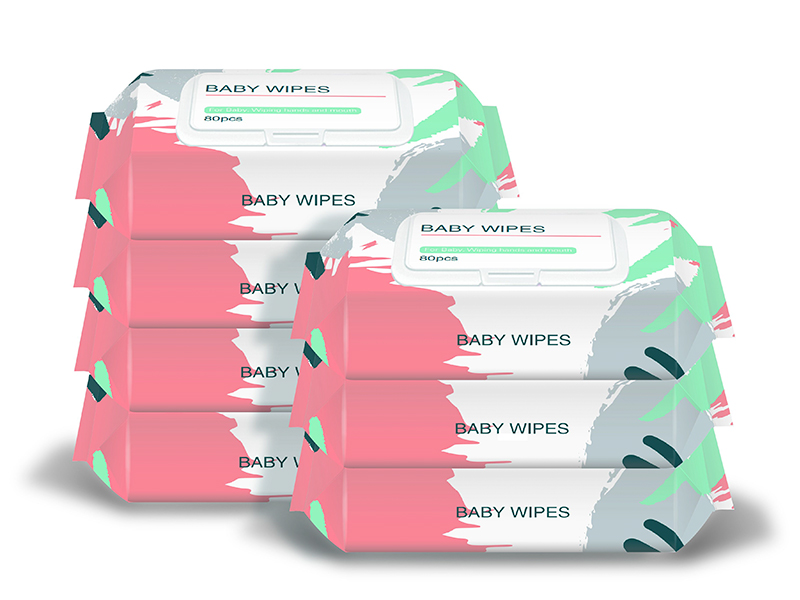
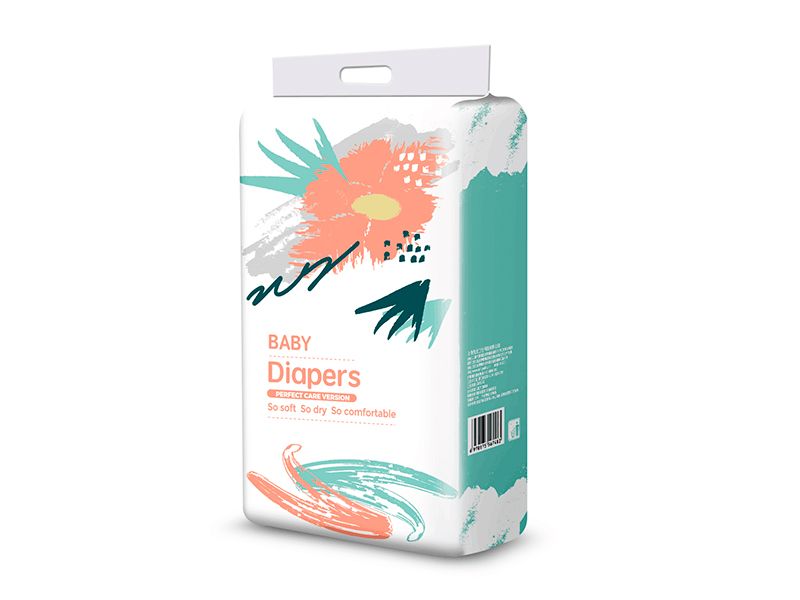
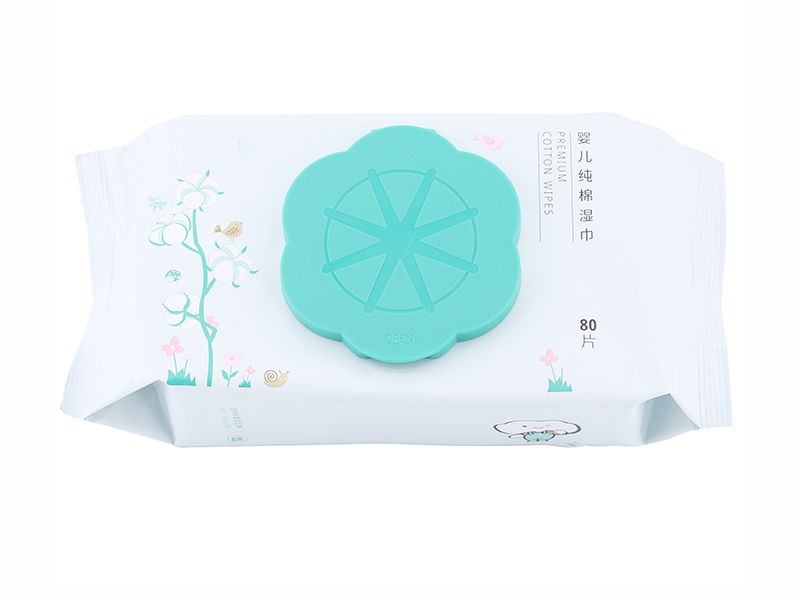
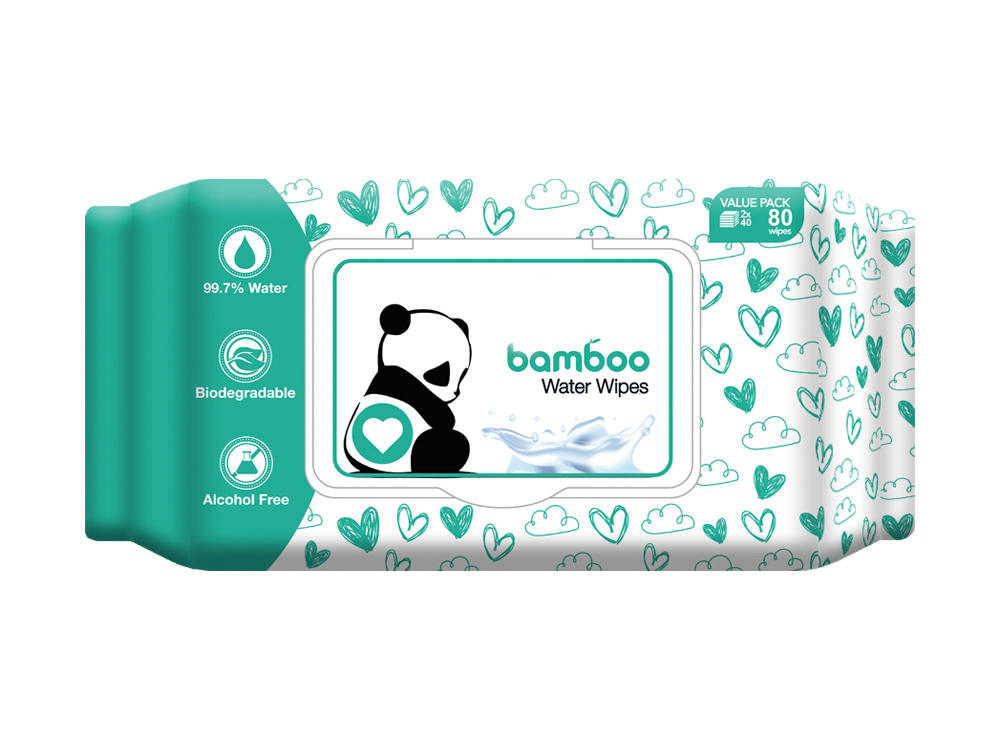
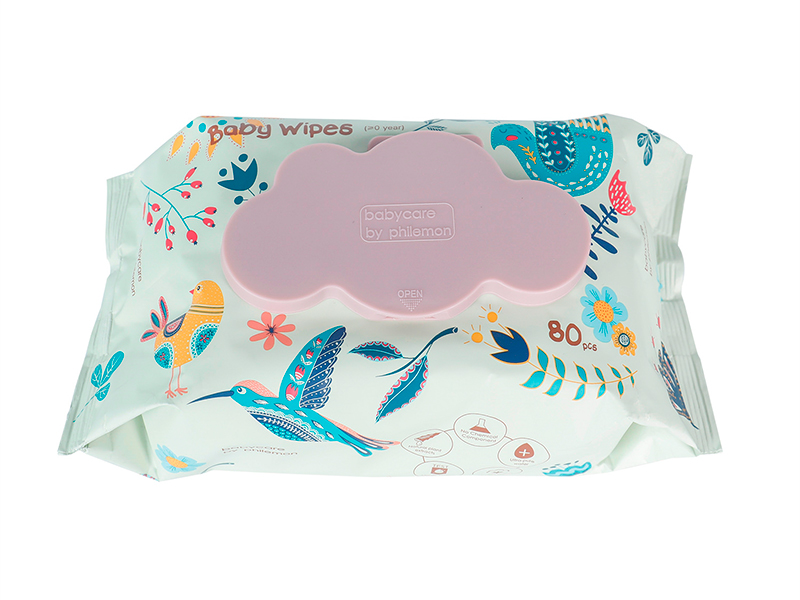
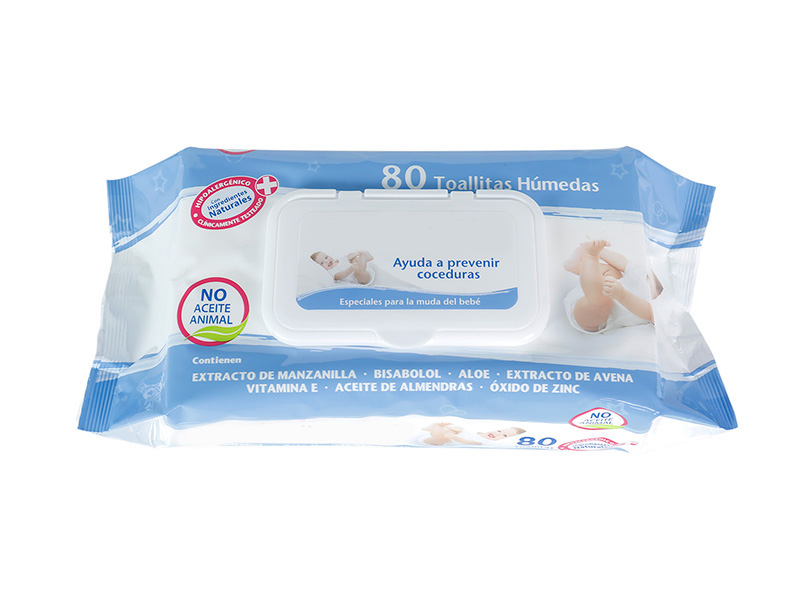
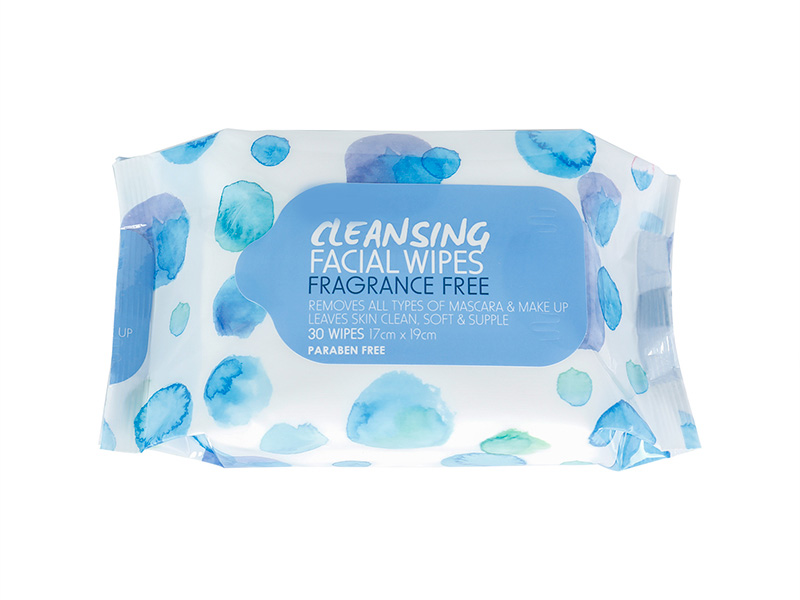
The company’s product portfolio includes spunlace nonwoven fabrics, spunmelt nonwoven fabrics, hot-air-through nonwoven fabrics, flushable and degradable nonwoven fabrics, wet wipes, dry wipes, baby diapers, pull-ups, wet toilet paper, cleansing wipes, and other products.
This breadth creates a useful advantage for customers that purchase more than one category. A buyer may need spunmelt fabric for a medical garment, spunlace for wipes, and finished hygiene products for a private-label program. Working with a manufacturer that understands several related material technologies can simplify communication, sampling, and product development.
Quality and Process Control Considerations
Consistent nonwoven fabric requires control at every stage of production. Incoming polypropylene and additives should be checked for identity, cleanliness, and suitability. Masterbatch and functional additives must be accurately dosed and dispersed. Extrusion temperatures and pressures should remain stable so that fiber formation is uniform.
During web formation, fiber distribution affects basis-weight uniformity, strength, softness, and filtration. Bonding conditions influence tensile performance, elongation, surface feel, and dimensional stability. If the bonding pattern is too weak, the material may shed or split during converting. If it is too aggressive, softness and drape may be reduced.
For functional products, treatment uniformity is equally important. Hydrophilic or water-repellent performance should be consistent across the roll. Antistatic, antibacterial, flame-retardant, and anti-skid properties require appropriate formulation and validation. Meltblown electret products also require careful control of fiber structure, charge treatment, storage, and handling.
Finished-roll inspection may include basis weight, width, appearance, color, tensile strength, elongation, softness, hydrostatic or fluid-resistance behavior, surface wettability, filtration performance, and other tests relevant to the application. Customers should define the required inspection plan based on the final product and destination market.
Customization for OEM and Private-Label Customers
Customization is a central benefit of this product family. Customers can request different basis weights, colors, patterns, layer structures, widths, roll lengths, functional properties, and sensory additives. The spunbond and spunmelt range covers approximately 8 to 80 grams per square meter, while meltblown options cover approximately 20 to 50 grams per square meter.
A successful customized development program normally begins with a clear application brief. The customer should identify the final product, contact conditions, expected protection level, converting method, target basis weight, color, required standards, packaging format, annual volume, and desired delivery schedule.
Samples can then be evaluated for tactile feel, appearance, softness, tensile performance, fluid behavior, filtration, unwinding, bonding, cutting, folding, and compatibility with production equipment. This step is important because a material that performs well in a laboratory test may require adjustments when processed at high line speed.
OEM and private-label customers also benefit from coordinated product development. A diaper brand, for example, may require a hydrophilic core cover, a water-repellent anti-leakage layer, and a soft waistband fabric. A medical brand may need several colors and weights for surgical gowns, isolation clothing, and mask components. A coordinated material program can help maintain consistent quality across the product range.
Comparing Spunbond, Spunmelt, and Meltblown Options
Material type |
Typical strengths |
Common application direction |
Spunbond |
Strength, softness, surface stability, lightweight construction |
Hygiene surfaces, mask outer layers, waist components, covers, interiors |
Spunmelt composite |
Combination of strength, softness, barrier, and layer functionality |
Surgical gowns, protective clothing, anti-leakage layers, technical products |
Meltblown |
Fine fibers, high surface area, filtration, electret performance |
Mask filter layers and specialized filtration applications |
PP plus PE composite |
Textile-like support with additional barrier or functional possibilities |
Isolation clothing and selected protective products |
Spunbond is often selected where strength and softness are the primary requirements. Meltblown is preferred where filtration or fine-fiber barrier performance is important. Spunmelt composites are useful when the product requires several functions at the same time. A PP and PE composite may be selected where a customer requires a specific combination of textile feel, barrier performance, or antistatic characteristics.
Benefits for Product Manufacturers
Improved Product Differentiation
In competitive hygiene and medical markets, the material can contribute to a product’s identity. A distinctive oval dot pattern, customized color, selected softness, fragrance, or functional finish can help a finished product stand apart from basic alternatives.
Efficient Material Selection
A broad range of layer structures and basis weights allows manufacturers to select a material that matches the application instead of overengineering every product. Using an appropriate grade may help balance performance, cost, product weight, and converting efficiency.
Support for Multiple Market Segments
The same manufacturing platform can support medical, hygiene, automotive, agricultural, industrial, and household products. This is useful for diversified manufacturers and distributors that want to source several related materials from one experienced supplier.
Scalable Development
Product development can begin with a small technical sample and progress toward larger production volumes. As requirements become clearer, the fabric can be adjusted in terms of basis weight, pattern, color, softness, additive package, and layer configuration.
Integration with Finished Products
Because the company also produces wipes, diapers, pull-ups, and other nursing products, it understands the relationship between nonwoven raw materials and finished-product manufacturing. This experience may help customers evaluate fabric performance in the context of the full product rather than in isolation.
How to Select the Correct Grade
The first selection factor is the end use. Medical garments, diapers, masks, car interiors, agricultural covers, and non-slip mats place different demands on the material. A fabric suitable for one use should not automatically be transferred to another without testing.
The second factor is the required function. Customers should determine whether the fabric needs hydrophilicity, water repellency, antistatic properties, flame retardancy, antibacterial treatment, aging resistance, anti-skid performance, three-anti protection, or simply softness and strength.
The third factor is basis weight. A lighter grade may reduce material consumption and improve drape, while a heavier grade may provide greater opacity, strength, or barrier support. The best basis weight is the lowest value that reliably achieves the required performance after converting and use.
The fourth factor is layer structure. SS and SSS structures may be suitable for strength and surface applications. SMS, SMMS, SSMMS, and SSSMS structures may be more appropriate when the product requires combined surface and barrier performance. M structures are generally considered for meltblown filtration applications.
The fifth factor is converting compatibility. Roll width, winding quality, unwinding tension, ultrasonic welding, adhesive bonding, heat sealing, cutting, folding, and high-speed line behavior should all be considered. A fabric’s laboratory properties must be supported by practical process performance.
The sixth factor is regulatory and market compliance. Customers should identify the required standards for medical, protective, filtration, automotive, or consumer products in the destination market. Testing should be performed using the applicable methods and, where necessary, by qualified independent laboratories.
Storage, Handling, and Converting
Nonwoven fabric should be stored in clean, dry conditions away from excessive heat, moisture, direct sunlight, contamination, and damaging pressure. Rolls should remain properly packaged until they are ready for use. Storage conditions can influence softness, moisture behavior, electret charge stability, color, and dimensional performance.
During transport and handling, rolls should be protected from impact and deformation. Improper lifting or stacking may create edge damage, telescoping, creasing, or winding problems. For meltblown electret media, careful handling and suitable packaging are particularly important because filtration performance depends partly on the preservation of the material’s charge characteristics.
At the converting stage, operators should confirm the correct roll direction, tension settings, bonding temperature, ultrasonic energy, adhesive application, and cutting conditions. The appropriate settings depend on the fabric construction and the finished product. Trial production is recommended before full-scale manufacturing, especially when a new grade or new equipment line is introduced.
Sustainability and Material Efficiency
Nonwoven product sustainability involves several factors, including material efficiency, product lifetime, responsible manufacturing, packaging, disposal, and the requirements of the application. Lightweight spunbond and spunmelt products can help reduce the amount of polymer used per finished component when they provide the necessary performance at a lower basis weight.
The company’s broader product portfolio includes flushable and degradable nonwoven fabrics, demonstrating attention to differentiated material development. Whether a specific material is suitable for recycling, biodegradation, flushing, or other disposal routes must be determined by its complete composition and the requirements of the relevant waste-management system.
For customers seeking improved environmental performance, development discussions may include basis-weight reduction, optimized layer structures, efficient roll utilization, packaging reduction, and appropriate end-of-life considerations. Sustainability claims should be supported by documented testing and clear definitions.
Manufacturer Capabilities and Supply Support
Zhejiang Uniquality Nursing Products Technology Co., Ltd. is headquartered at 68 Luhui Road, Taihu Street, Changxing County, Huzhou City, Zhejiang, China. The company operates within a manufacturing group associated with Kingsafe and Uniquality, with a history extending back to 1987.
The company describes itself as a national high-tech enterprise focused on research and development, production, and sales. Its manufacturing network includes eight production bases in China, with operations connected to regions including Zhejiang, Guangdong, Jiangsu, and Hubei.
Its products serve medical, maternal and baby, beauty, home, industrial cleaning, clothing, and other markets. This application diversity provides insight into the technical and commercial needs of international customers. The company can support differentiation, functionalization, and customization for customers seeking raw materials or finished products.
Its stated enterprise spirit emphasizes dedication, innovation, inclusiveness, attention to detail, and cooperation. These principles are relevant to nonwoven material supply because successful projects often require communication between polymer specialists, production engineers, quality teams, purchasing departments, and finished-product manufacturers.
Frequently Asked Questions
What is oval dot spunbond and meltblown fabric?
It is a patterned spunmelt nonwoven fabric made primarily from polypropylene. It can contain spunbond layers, meltblown layers, or a combination of both. The oval dot pattern can be customized, and the material can be engineered for medical, hygiene, mask, industrial, automotive, agricultural, and other applications.
What is the difference between spunbond and meltblown?
Spunbond is generally made from continuous filaments and is commonly used for strength, softness, surface stability, and support. Meltblown is made from much finer fibers and is commonly selected for filtration and specialized barrier performance. Composite structures combine the advantages of both technologies.
What basis weights are available?
Spunbond and spunmelt products can be customized from approximately 8 to 80 grams per square meter. Meltblown products can be customized from approximately 20 to 50 grams per square meter. Exact availability depends on construction, function, width, and order requirements.
Can the color be customized?
Yes. White, blue, yellow, pink, black, and other colors can be discussed. Color selection should be confirmed through samples and production color standards.
Can the pattern be customized?
Yes. Oval dot is the listed pattern, but customers can discuss customized pattern requirements based on appearance, tactile feel, product design, and converting conditions.
Which materials are suitable for diapers?
Hydrophilic SS, SSS, or SMS materials may be used for core-cover applications. Water-repellent SSMMS materials may be considered for anti-leakage protection. Soft SS or SSS materials in creamy white may be used for pull-up or period-pants waist components.
Which material is used for mask filtration?
Water electret or electric electret meltblown in M construction can be used as a mask filter layer. Listed examples include 25-gram materials. The final filtration performance depends on the finished mask design and testing conditions.
What does three-anti performance mean?
In the listed product information, three-anti performance refers to resistance to alcohol, blood, and grease. This feature is associated with selected medical and protective clothing materials.
Can softness be customized?
Yes. Available tactile options include super soft, cotton soft, and soft. The appropriate selection depends on skin contact, garment design, product weight, strength, and converting requirements.
Are fragrance and essence options available?
Selected products can include mint or apple scent, and aloe essence may be added to hydrophilic products. Any additive intended for skin-contact or medical-related products should be assessed for compatibility and applicable requirements.
Can the material be used in automotive products?
Yes. Listed applications include car covers and agricultural sheds using aging-resistant SSS material, as well as car interiors using flame-retardant SSS material. Final suitability depends on the automotive specification and required testing.
How should customers begin a customized project?
Customers should provide the end use, construction preference, basis weight, color, width, functional requirements, converting process, target standard, estimated volume, and delivery expectations. Samples can then be developed and evaluated before mass production.
Does the supplier provide finished products as well as fabric?
Yes. The broader product portfolio includes wet wipes, dry wipes, baby diapers, pull-ups, wet toilet paper, cleansing wipes, and other nursing products in addition to nonwoven materials. This can support customers seeking either raw materials or finished private-label products.
Conclusion
Oval dot spunbond and meltblown nonwoven fabric is a versatile platform for manufacturers that need more than a basic disposable textile. Its combination of customizable layer structures, basis weights, colors, patterns, softness levels, and functional treatments allows it to serve a broad range of medical, hygiene, filtration, automotive, agricultural, and industrial applications.
The material’s principal advantages include lightweight construction, adaptable spunbond and meltblown configurations, skin-friendly softness, fluid-control options, electret filtration, customized appearance, and compatibility with high-speed converting. These features can help manufacturers improve product performance while maintaining flexibility in design and production.
Equally important is the strength of the manufacturing system behind the material. More than three decades of industry experience, research and development capabilities, international production equipment, multiple production bases, and a broad portfolio of nonwoven and finished products provide a solid foundation for customized supply.
For customers developing medical garments, masks, diapers, period pants, pull-ups, vehicle components, agricultural covers, or other products, the most effective approach is to evaluate the material according to the complete application. With the correct combination of polymer, layer structure, basis weight, surface pattern, additive package, and quality controls, oval dot spunmelt fabric can become a dependable component in high-performance and high-volume products.
References
1. Internal product specification information for oval dot spunbond and meltblown spunmelt nonwoven fabric.
2. Internal application and specification table for medical, hygiene, filtration, automotive, agricultural, and industrial nonwoven products.
3. General technical literature on spunbond nonwoven manufacturing and continuous-filament web formation.
4. General technical literature on meltblown nonwoven manufacturing, fine-fiber webs, and electret filtration media.
5. General guidance on nonwoven fabric testing, roll handling, converting compatibility, and finished-product validation.
6. General reference materials concerning medical protective clothing, disposable hygiene products, mask filtration, and functional textile engineering.